

Tomb of King Tut – Egypt’s Most Loved Ancient Site By Far
Most people know the name, but few understand what made this discovery extraordinary.
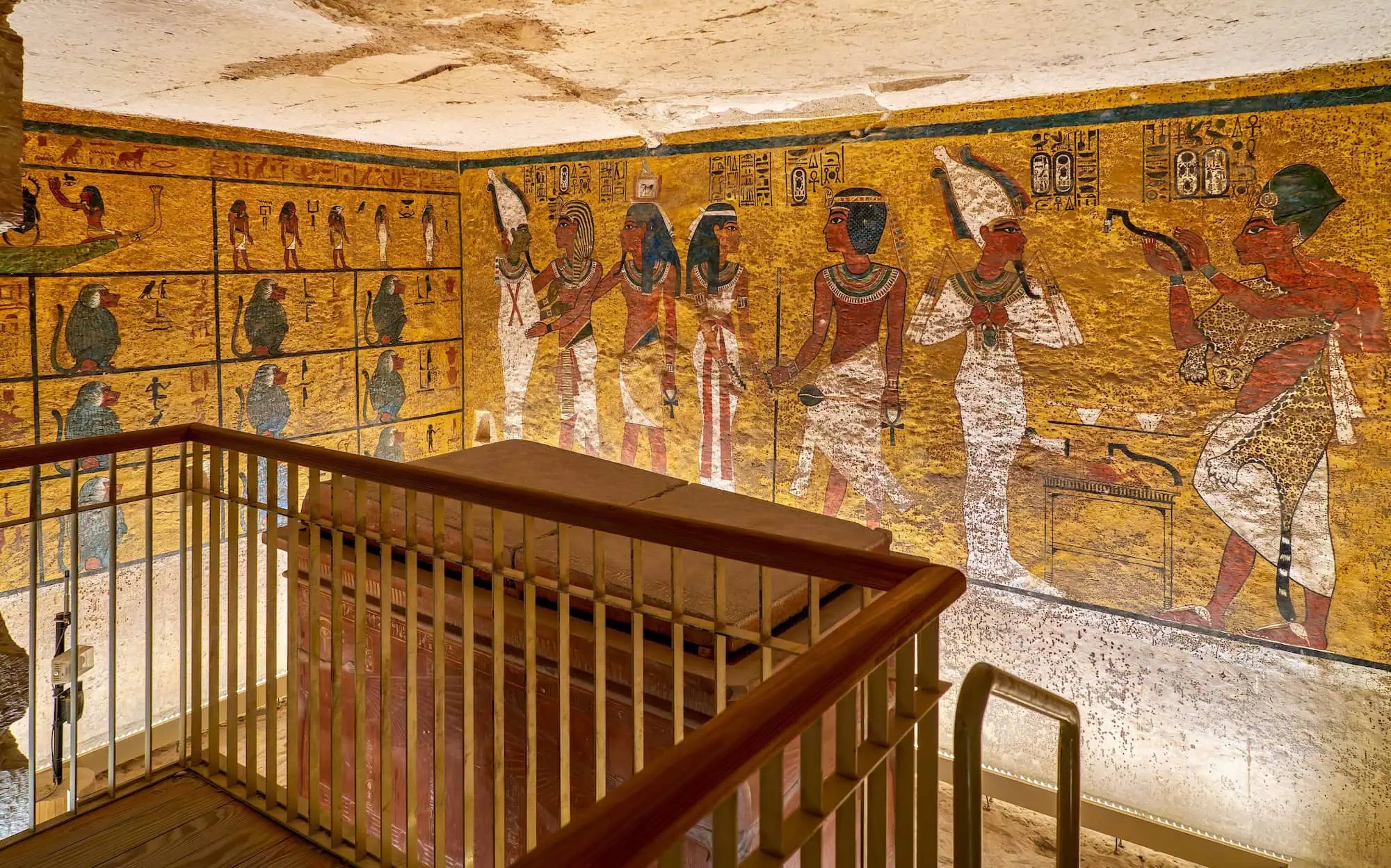
Howard Carter’s 1922 find wasn’t just another archaeological success – it was the moment when one small tomb in Egypt’s Valley of the Kings changed everything we thought we knew about ancient burial practices. The tomb of Tutankhamun, designated KV62, contained over 5,000 artifacts that had remained untouched for over 3,000 years, offering an unprecedented window into the world of Egypt’s boy king who ruled during the 18th Dynasty.
We’ve spent decades guiding travelers through Egypt’s most significant archaeological sites, and King Tut’s tomb remains one of the most requested destinations. This discovery continues to captivate visitors not just for its golden treasures, but for the remarkable story of perseverance and scientific precision that brought it to light.
Table of Contents
Howard Carter’s Years of Patient Searching
Carter had been systematically excavating in the Valley of the Kings for years before that famous November day. His methodical approach, funded by Lord Carnarvon, focused on areas other archaeologists had dismissed as thoroughly explored.
The Final Season Gamble
By 1922, Carnarvon was ready to end funding for the expedition. Carter convinced his patron to finance one final season, focusing on a small triangular area near the tomb of Ramesses VI. This decision would prove to be one of archaeology’s most fortunate gambles.
The Water Boy’s Discovery
On November 4, 1922, a water boy working with Carter’s team struck something hard while digging. What seemed like routine work revealed the first stone step of what would become the most famous tomb discovery in archaeological history.
Carter’s Famous First Look
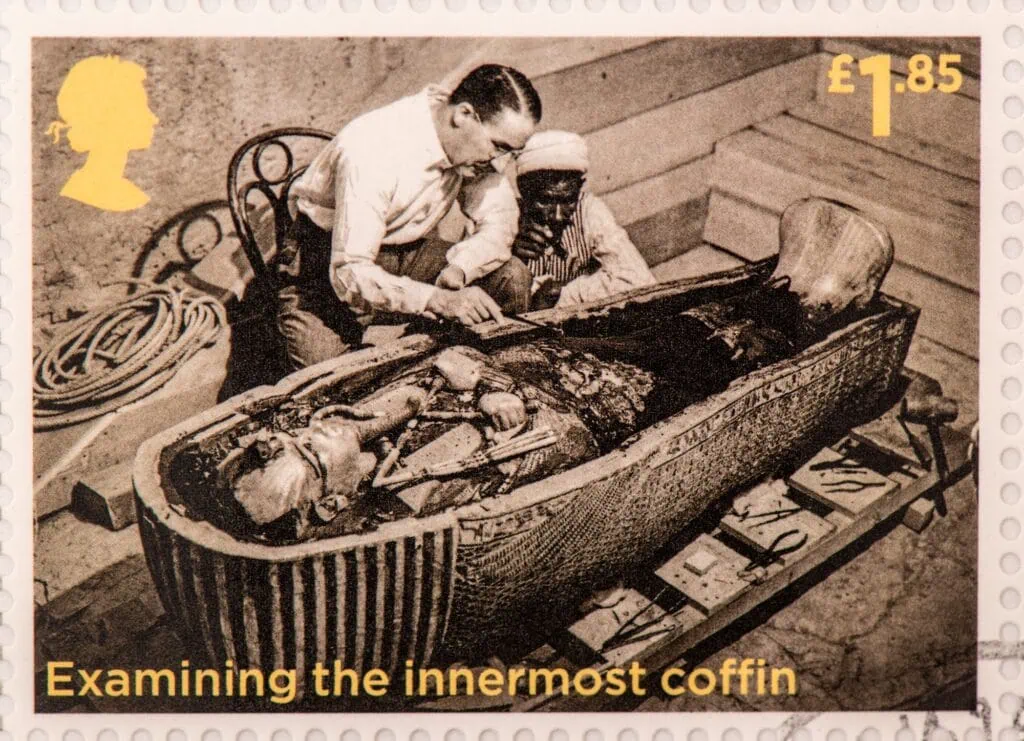
Three weeks later, Carter made a small hole in the sealed doorway and peered inside by candlelight. When Carnarvon asked if he could see anything, Carter’s reply became legendary: “Yes, wonderful things.” That moment on November 26, 1922, marked the beginning of a decade-long excavation process.
Documenting Every Detail
Harry Burton, the Metropolitan Museum’s photographer, captured over 1,400 photographs documenting every stage of the excavation. This systematic approach set new standards for archaeological documentation and ensured that future generations could study the tomb’s contents in extraordinary detail.
Inside the Four-Chamber Layout
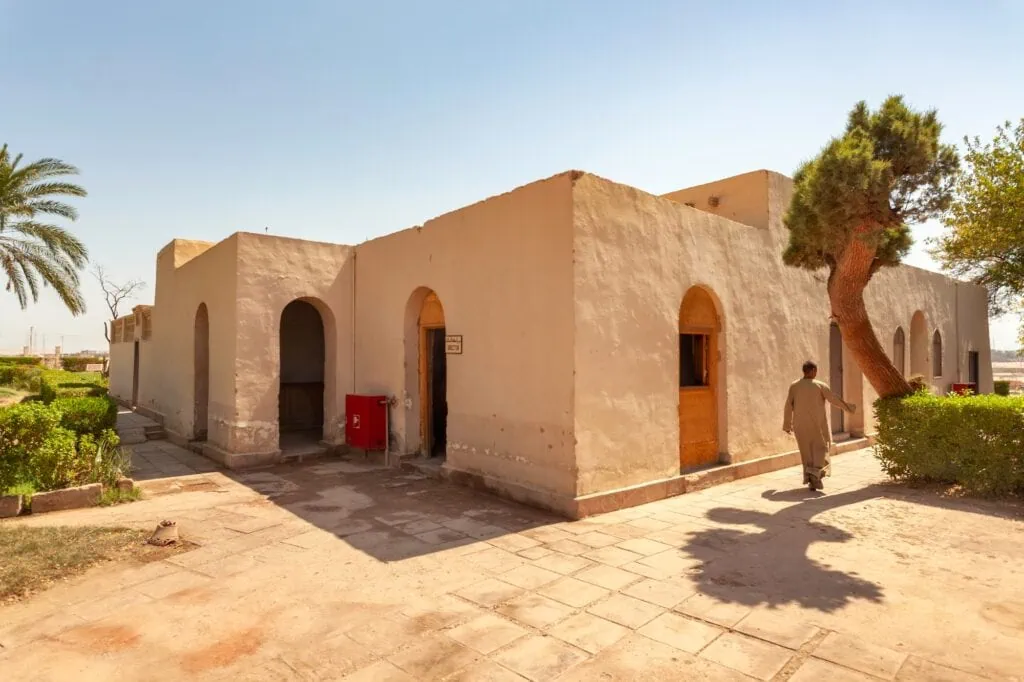
The tomb’s modest size surprised everyone. Unlike the grand sepulchers of other pharaohs, KV62 consisted of just four small chambers connected by narrow corridors and steep staircases.
Carter and his team discovered that ancient thieves had actually entered the tomb twice, but both times they were caught before making off with significant treasures. The evidence of these interrupted robberies – scattered objects, hastily resealed doorways, and guards’ necropolis seals – told the story of successful ancient security measures that inadvertently preserved history’s greatest archaeological treasure.
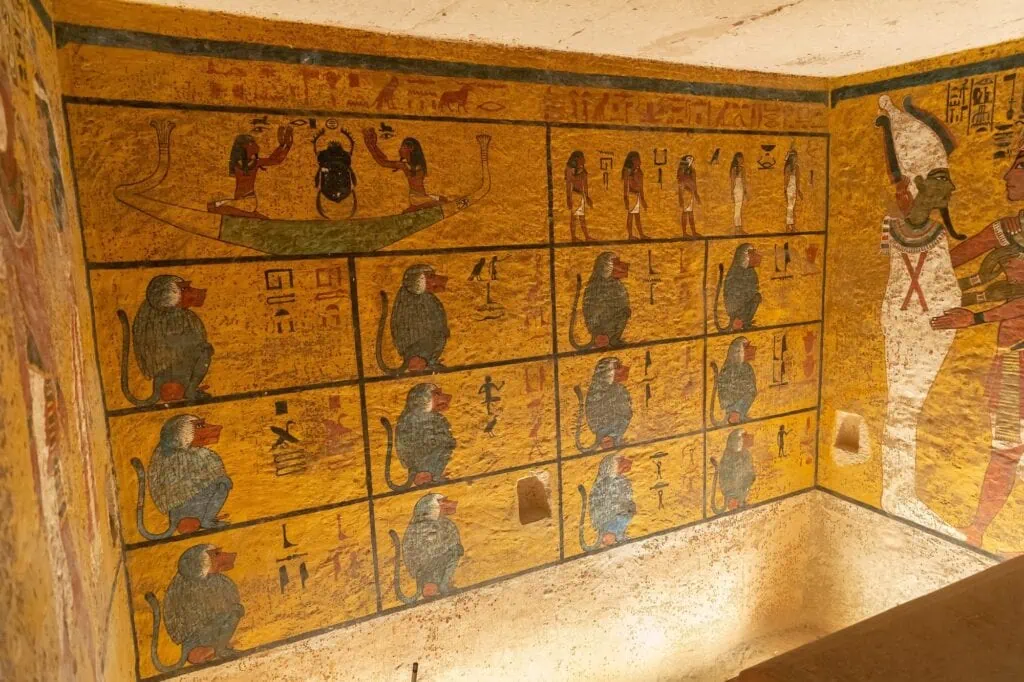
The tomb’s layout reflected the hurried nature of Tutankhamun’s burial. The young pharaoh died unexpectedly around age 19, and his burial chambers were likely repurposed from a non-royal tomb, explaining their smaller scale compared to other royal sepulchers in the Valley of the Kings.
The Antechamber’s Treasures
This first room contained an incredible jumble of furniture, chariots, weapons, and ceremonial objects. Three large couches dominated the space, each carved in the shape of different animals – a cow, a lion, and a creature with a crocodile head. Between and beneath these pieces, Carter’s team found everything from sandals to throwing sticks.
The Burial Chamber’s Golden Glory
The tomb’s most sacred space housed three nested coffins, with the innermost made of solid gold weighing 110.4 kilograms (243 pounds). The famous golden burial mask, crafted from 10.23 kilograms (22.5 pounds) of gold, covered the mummified head of the pharaoh.
The Ten-Year Excavation Process
Removing and cataloguing 5,398 individual objects required extraordinary patience and scientific precision. Carter’s team worked methodically through each chamber, photographing items in their original positions before carefully removing them for conservation and study.
The process revealed fascinating insights into 18th Dynasty burial practices. Many objects showed signs of actual use during Tutankhamun’s lifetime, rather than being created solely for burial purposes. This suggested either a hastily prepared burial or a conscious decision to include the young king’s personal possessions.
Conservation challenges emerged immediately. The tomb’s contents had survived millennia in Egypt’s dry climate, but exposure to humidity from visitors’ breath and changing temperatures began causing deterioration within years of the discovery.
Modern analysis using CT scanning and DNA testing has revealed new information about both Tutankhamun himself and the burial practices of his era. These studies confirmed that the pharaoh died young, likely from complications related to a broken leg, and provided genetic evidence linking him to other mummies from the Amarna period, including the probable identification of Akhenaten as his father.
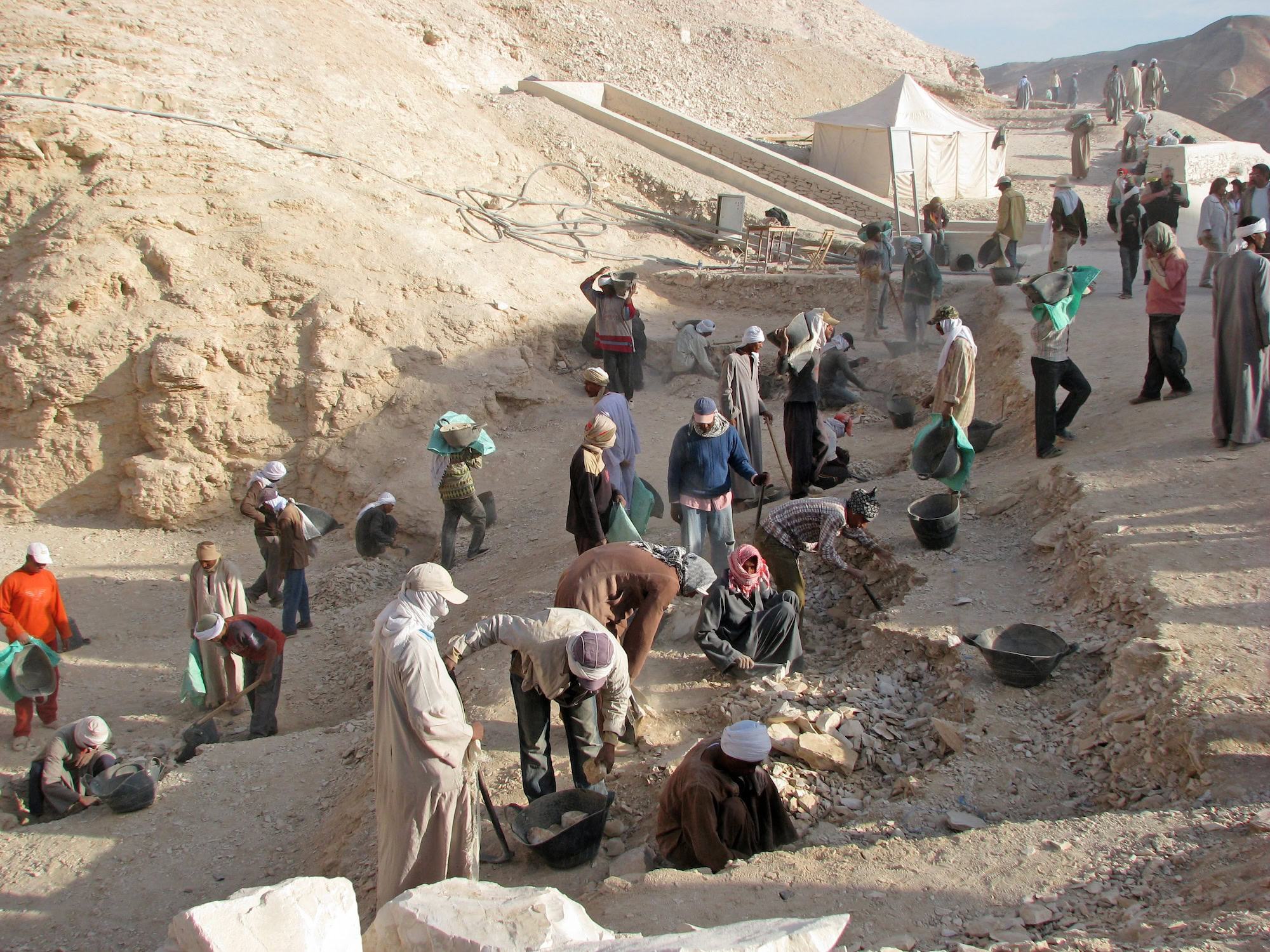
The tomb’s discovery timing proved perfect for public fascination. Newspaper coverage and radio broadcasts brought the excitement of archaeological discovery into homes worldwide, creating the first truly global archaeological media event and establishing “King Tut” as a household name.
Cultural Impact and Modern Fascination
The discovery launched what historians call “Tutmania” – a worldwide obsession with ancient Egypt that influenced everything from fashion to architecture during the 1920s. Art Deco design incorporated Egyptian motifs, and popular culture embraced pharaonic themes with unprecedented enthusiasm.
Museum exhibitions featuring Tutankhamun’s treasures have broken attendance records worldwide. The touring exhibition that began in 1976 attracted over 8 million visitors across seven American cities, making it one of the most successful museum exhibitions in history.
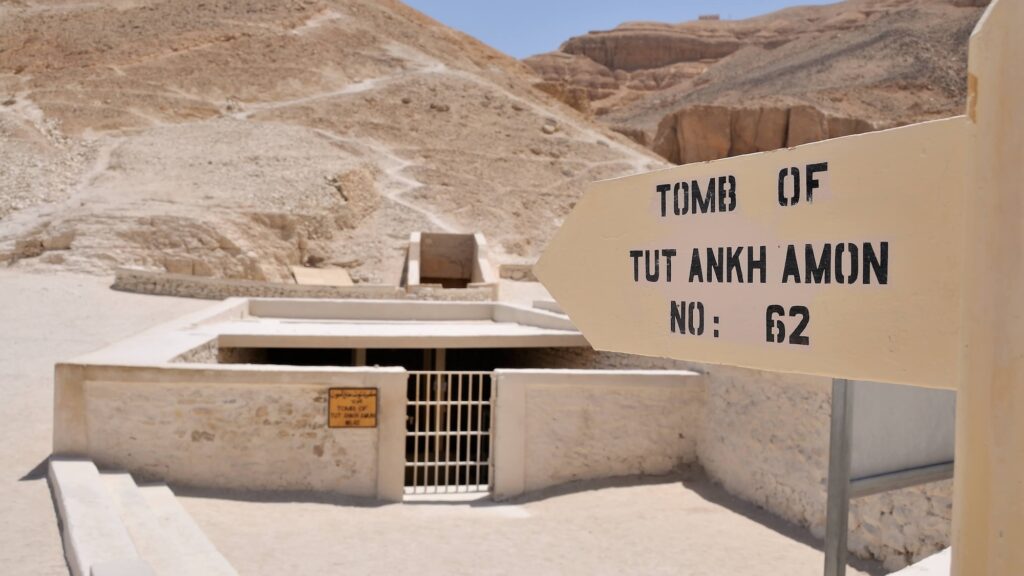
Educational programs built around the tomb discovery have introduced countless students to archaeology and ancient history. The systematic documentation process established by Carter’s team continues to serve as a model for archaeological best practices nearly a century later.
Scientific Breakthroughs
The tomb’s contents provided unprecedented insights into ancient Egyptian technology, artistry, and daily life. Metallurgical analysis of the golden objects revealed sophisticated techniques for working with precious metals, while textile preservation allowed detailed study of ancient weaving methods.
Botanical remains found within the tomb – including flowers, fruits, and wreaths – provided new understanding of ancient Egyptian agriculture and seasonal burial practices. Some of these organic materials retained enough detail for species identification, painting a picture of the Egyptian landscape during Tutankhamun’s reign.
Planning Your Visit Today
The tomb itself requires a separate entrance ticket beyond the standard Valley of the Kings admission. We recommend booking in advance, particularly during Egypt’s peak tourist season from October through April.
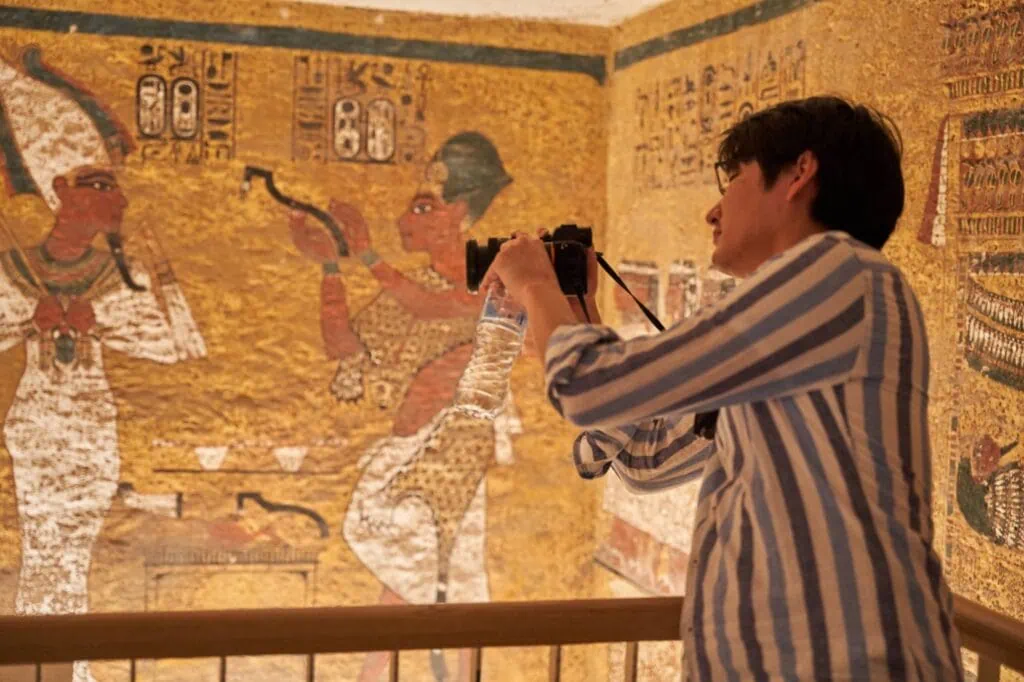
Photography inside the tomb requires an additional fee, and flash photography is prohibited to protect the ancient paintings and decorations. The tomb’s narrow passages and chambers can accommodate only small groups at a time, so expect some waiting during busy periods.
Best Times for Your Visit
Morning hours from 8:00 am (08:00) to 10:00 am (10:00) offer the most comfortable temperatures and smaller crowds. The tomb closes daily at 5:00 pm (17:00), with last entry at 4:30 pm (16:30).
What You’ll See Today
The original burial chamber still displays beautiful wall paintings depicting scenes from the Amduat, the ancient Egyptian book of the underworld. These are the only decorated walls in the entire tomb, making them particularly precious for understanding 18th Dynasty royal burial iconography.
Most of Tutankhamun’s grave goods are now housed in the Grand Egyptian Museum near the pyramids of Giza. A few key pieces remain on display in the tomb itself, including one of the outer coffins.
Combining Sites for Maximum Impact
We typically recommend combining a tomb visit with the nearby tomb of Ramesses VI, which offers a stark contrast in scale and decoration style. The Valley of the Kings contains over 60 other royal tombs, each offering unique insights into different periods of ancient Egyptian history.
Our expert guides can explain the archaeological significance of each discovery and help you understand how Tutankhamun’s tomb fits into the broader context of royal burial practices during the New Kingdom period. This context transforms a simple tomb visit into a comprehensive exploration of ancient Egyptian civilization.
Stand Face To Face With The Legend Of King Tut
The Tomb of King Tut is one of the most iconic discoveries in history—a rare chance to step inside the final resting place of Egypt’s most famous young pharaoh. With EgyptToursPlus, we make this unforgettable experience part of a private, carefully designed journey that connects the wonders of the Valley of the Kings with Egypt’s most extraordinary highlights.
You choose your travel dates, your pace, and the experiences that shape your route. From exclusive access and expert-guided visits to Nile cruises and refined comfort throughout, we tailor every detail around your preferences—ensuring a seamless, immersive, and deeply personal travel experience.
Frequently Asked Questions
Most visitors spend 15-20 minutes inside Tutankhamun’s tomb (KV62), although wait times can extend the total visit during peak Luxor tourism hours. The tomb itself is relatively small compared to royal tombs like Seti I or Ramesses VI, consisting of just a few chambers descending beneath the Valley of the Kings. Visitors typically focus on the burial chamber, painted wall scenes, and Tutankhamun’s mummy displayed in a climate-controlled case. Arriving early morning usually means shorter lines and cooler underground conditions.
Yes, Tutankhamun’s original mummy still rests inside the burial chamber of KV62 in the Valley of the Kings, displayed in a sealed climate-controlled glass enclosure. Egyptian authorities returned the mummy to the tomb after conservation work to help preserve its fragile condition and maintain historical authenticity. Unlike most royal mummies now housed in Cairo museums, King Tut remains in his original burial location discovered by Howard Carter in 1922. The display allows close viewing while protecting the remains from humidity and visitor-related damage.
Yes, children can visit Tutankhamun’s tomb, although parents should prepare for steep staircases, confined spaces, warm temperatures, and crowded underground conditions inside KV62. The tomb’s compact layout differs from larger Valley of the Kings tombs and may feel restrictive for very young children or visitors uncomfortable in enclosed environments. Older children interested in archaeology and ancient Egypt often find the experience memorable because they can see the actual burial place of Egypt’s most famous pharaoh. Morning visits are generally easier for families and less physically demanding.
Tutankhamun’s tomb differs from most royal tombs because KV62 was discovered largely intact in 1922, containing more than 5,000 burial objects still associated with the original pharaonic burial. The tomb itself is relatively small and modest compared to larger royal tombs like Seti I, but its archaeological importance is unmatched. Many larger tombs in the Valley of the Kings were robbed in antiquity and emptied long before modern excavation. King Tut’s burial preserved furniture, chariots, jewelry, shrines, and ceremonial artifacts rarely found elsewhere.
No guide is required to enter Tutankhamun’s tomb, but experienced Egyptologists add valuable context about the discovery, burial rituals, and symbolism painted across the burial chamber walls. Because KV62 is compact and visually less elaborate than some neighboring tombs, many visitors overlook important details without explanation. Guides typically explain Howard Carter’s excavation process, the significance of the tomb’s preservation, and why Tutankhamun became Egypt’s most famous pharaoh despite ruling for only about nine years. Guided visits also help navigate Valley of the Kings ticket logistics efficiently.
After discovering Tutankhamun’s tomb in November 1922, Howard Carter spent nearly 10 years excavating, documenting, and conserving more than 5,000 artifacts from KV62. Working alongside patron Lord Carnarvon and Egyptian authorities, Carter developed meticulous recording techniques that influenced modern archaeology worldwide. Following completion of the excavation in the early 1930s, he retired from major fieldwork but continued lecturing and writing about ancient Egypt until his death in London in 1939. His discovery remains one of archaeology’s most important achievements.
Tutankhamun’s tomb survived unusually intact because it was hidden beneath debris and limestone chips deposited during construction of nearby royal tombs in the Valley of the Kings. Ancient robbers entered KV62 at least twice, but both theft attempts were interrupted before major treasures could be removed. Egypt’s extremely dry climate also helped preserve organic materials like linen, wood, and leather for more than 3,300 years. The tomb’s relatively small entrance became effectively concealed from later generations, protecting it from widespread looting.
Archaeologists recovered more than 150 gold or gold-covered objects from Tutankhamun’s tomb, including jewelry, shrines, furniture, ceremonial items, and the famous solid gold inner coffin weighing approximately 110 kilograms (242 pounds). The tomb’s treasures demonstrated the immense wealth devoted to royal burials during Egypt’s 18th Dynasty. Tutankhamun’s golden funerary mask alone weighs around 11 kilograms and became one of the world’s most recognizable archaeological artifacts. Most of these treasures are now displayed in Cairo museums rather than inside the original tomb.
Photography inside Tutankhamun’s tomb is generally permitted with an additional photography ticket, although flash photography remains strictly prohibited to protect fragile wall paintings and preserve environmental stability. The burial chamber contains delicate pigments dating to approximately 1323 BCE, and excessive light exposure contributes to gradual deterioration. Tripods and professional filming equipment may require separate permissions from Egyptian antiquities authorities. Visitors wanting clear photographs should arrive early because the compact interior becomes crowded quickly during peak tourism periods.
Tutankhamun’s tomb became one of archaeology’s greatest discoveries because it was the first substantially intact royal burial from ancient Egypt found in modern times. Howard Carter’s 1922 excavation revealed thousands of undisturbed artifacts that transformed scholarly understanding of New Kingdom burial practices, craftsmanship, religion, and royal life. Earlier tomb discoveries had usually been looted centuries before excavation. KV62 provided rare evidence of how an Egyptian pharaoh was actually buried, including furniture placement, funerary rituals, and preservation methods used over 3,300 years ago.
No, Tutankhamun’s famous golden burial mask is not displayed inside the tomb itself but is housed in Cairo as part of Egypt’s national museum collections. Visitors to KV62 instead see the original burial chamber, painted walls, and Tutankhamun’s mummy resting in its climate-controlled case. The solid gold funerary mask, discovered by Howard Carter in 1925, remains one of the most celebrated objects from ancient Egypt and is considered a masterpiece of 18th Dynasty craftsmanship. Many travelers combine Luxor and Cairo visits to experience both locations fully.
Howard Carter’s team spent nearly a decade carefully removing artifacts from Tutankhamun’s small tomb using detailed photography, handwritten inventories, conservation treatments, and custom packing methods. Many objects had deteriorated after more than 3,000 years underground, so archaeologists stabilized fragile materials before transport. Carter documented the exact placement of every item, creating one of archaeology’s earliest systematic excavation records. The confined chambers of KV62 made removal especially slow because large shrines and furniture had to be dismantled piece by piece for safe extraction.
Design Your Custom Tour
Explore Egypt your way by selecting only the attractions you want to visit