

Cairo Tower – A Classic Landmark and Must-See Attraction
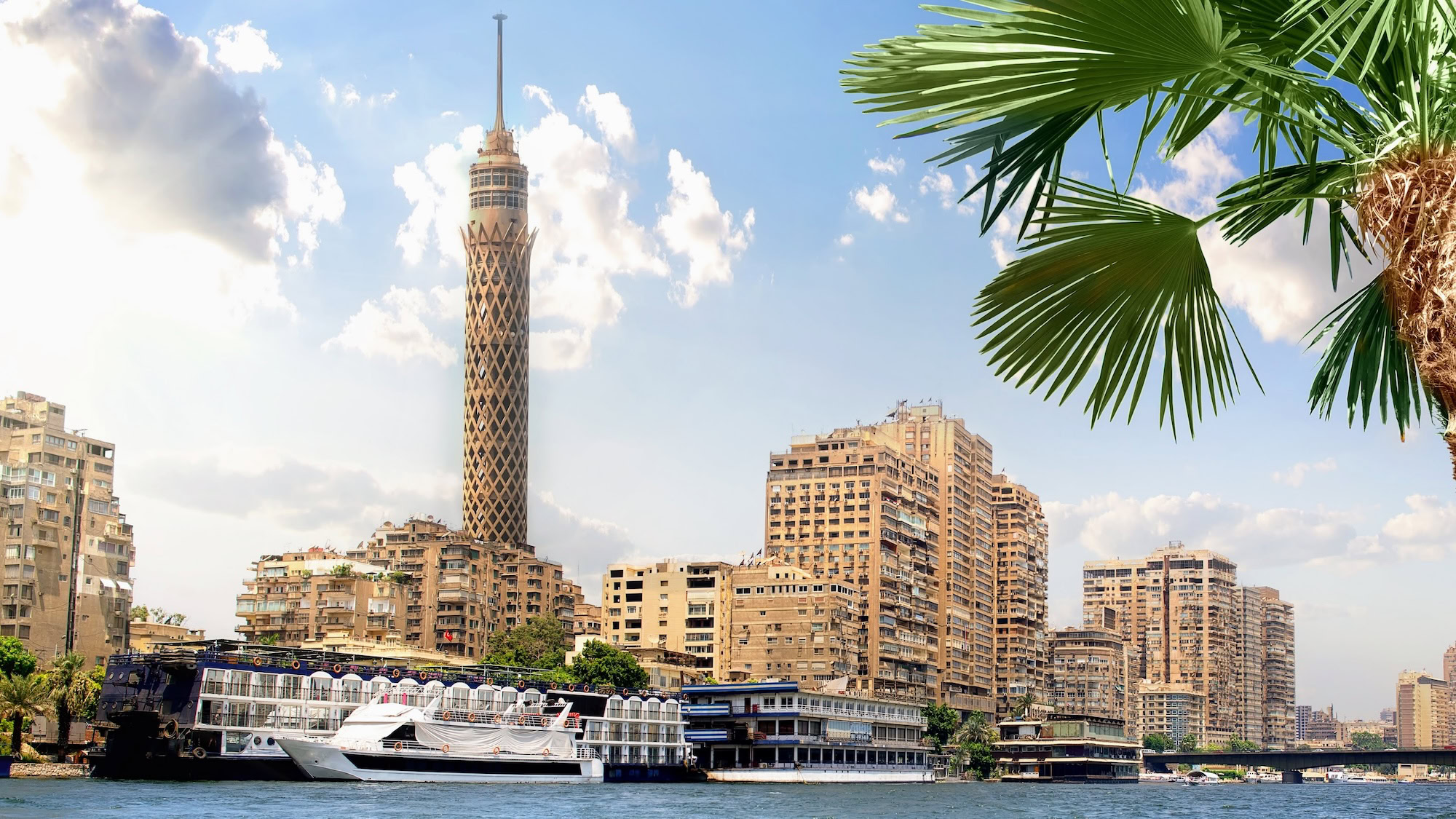
Standing tall at 187 meters (614 feet), this architectural marvel commands attention from every corner of Egypt’s bustling capital.
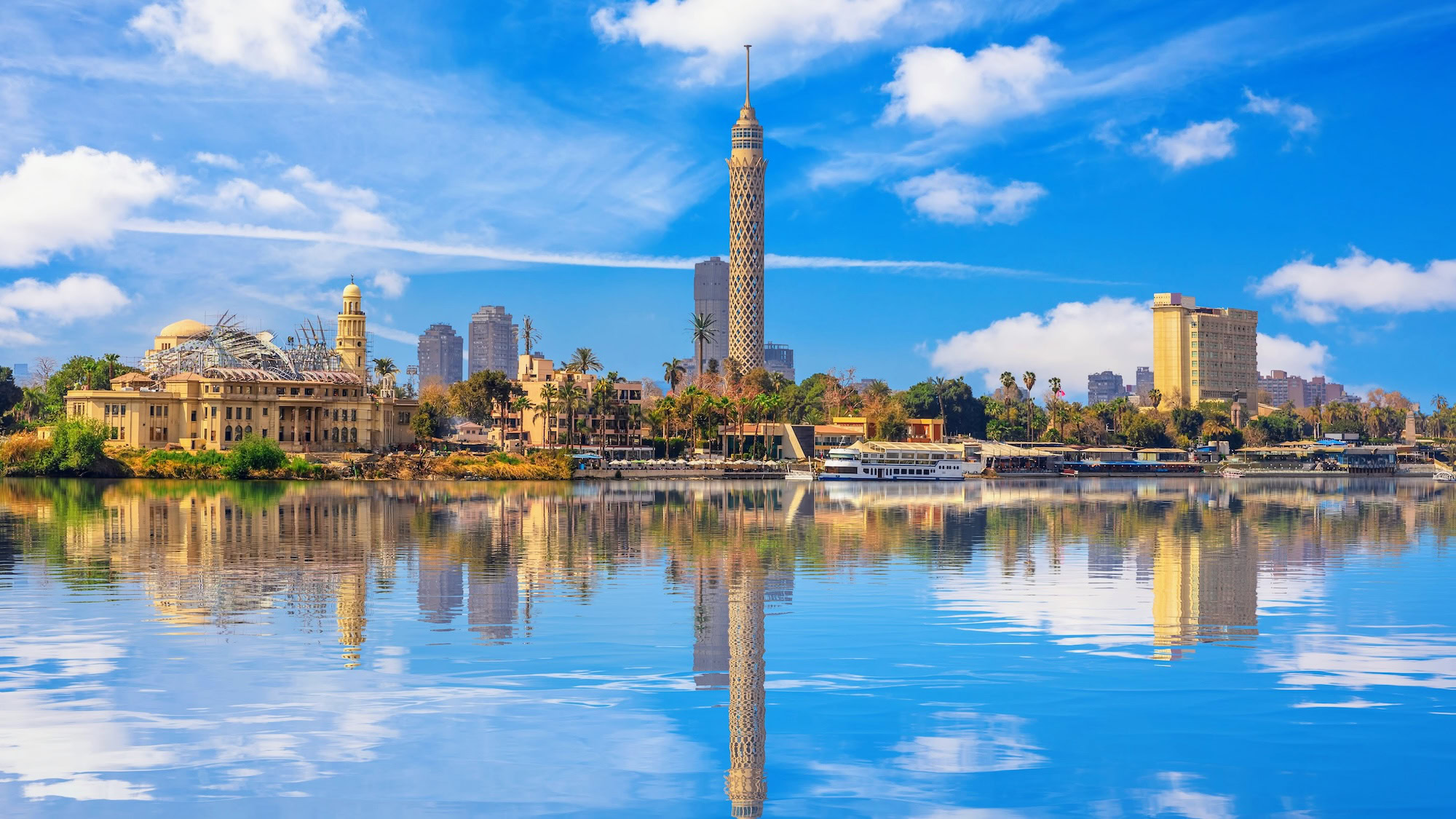
Cairo Tower has fascinated visitors and locals alike since its completion in 1961, representing both Egypt’s modern ambitions and its ancient cultural heritage. The tower’s distinctive lattice-work design evokes the sacred lotus plant of pharaonic times while housing cutting-edge observation facilities and dining experiences. Beyond its stunning panoramic views across the Nile River and toward the Giza pyramids, the tower carries a fascinating political backstory involving President Gamal Abdel Nasser’s rejection of CIA funding. Today, it serves as both a testament to Egyptian independence and one of Cairo’s most beloved tourist attractions.
We’ll explore everything from the tower’s revolutionary construction on Gezira Island to practical visitor information for making the most of your ascent to the observation deck.
Table of Contents
Architectural Significance and Design Heritage
The tower’s lotus plant inspiration runs far deeper than mere aesthetics. Ancient Egyptians considered the lotus a symbol of rebirth and creation, making architect Naoum Shebib’s choice particularly meaningful for a structure designed to represent modern Egypt’s emergence. The concrete lattice-work creates an intricate pattern that shifts throughout the day as sunlight filters through its geometric openings.
Revolutionary Construction Methods
Construction spanned five years from 1956 to 1961, utilizing advanced concrete techniques that were revolutionary for the Middle East at that time. The tower’s engineering challenged conventional wisdom about building tall structures in the region’s climate and seismic conditions. Soviet technical assistance played a crucial role in realizing Shebib’s ambitious vision, bringing expertise that local contractors lacked for such a massive undertaking.
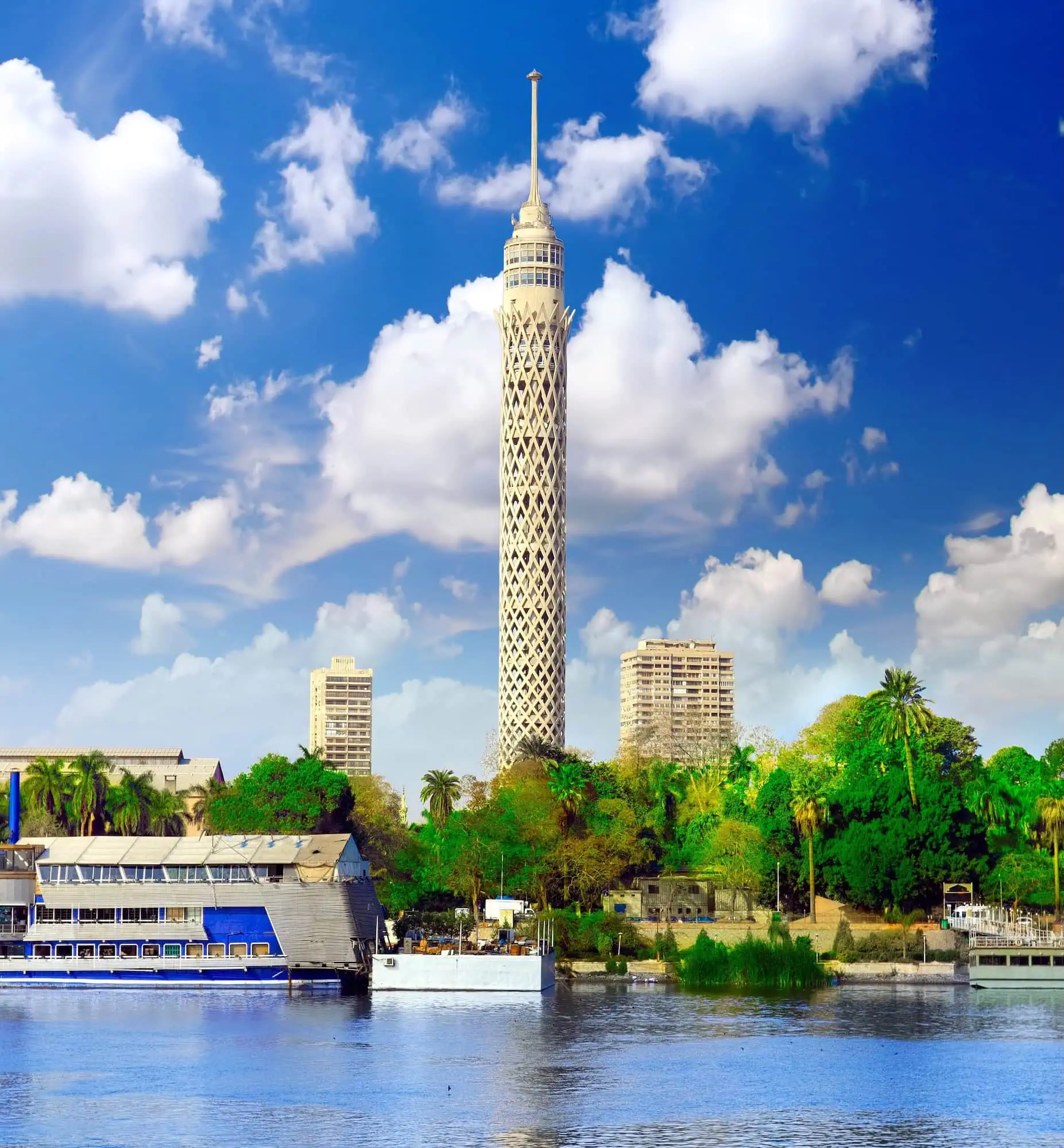
The foundation work alone required innovative solutions to anchor the structure securely on Gezira Island’s Nile delta soil.
Symbolic Political Statement
President Nasser famously rejected American CIA funding for the project, using the refused money to construct what he called Egypt’s “thumb to the nose” at foreign interference. This decision transformed the tower from a simple observation structure into a powerful symbol of Egyptian sovereignty and independence. The political significance resonated throughout the Arab world, where the tower became known as a monument to self-determination and national pride.
Height and Engineering Specifications
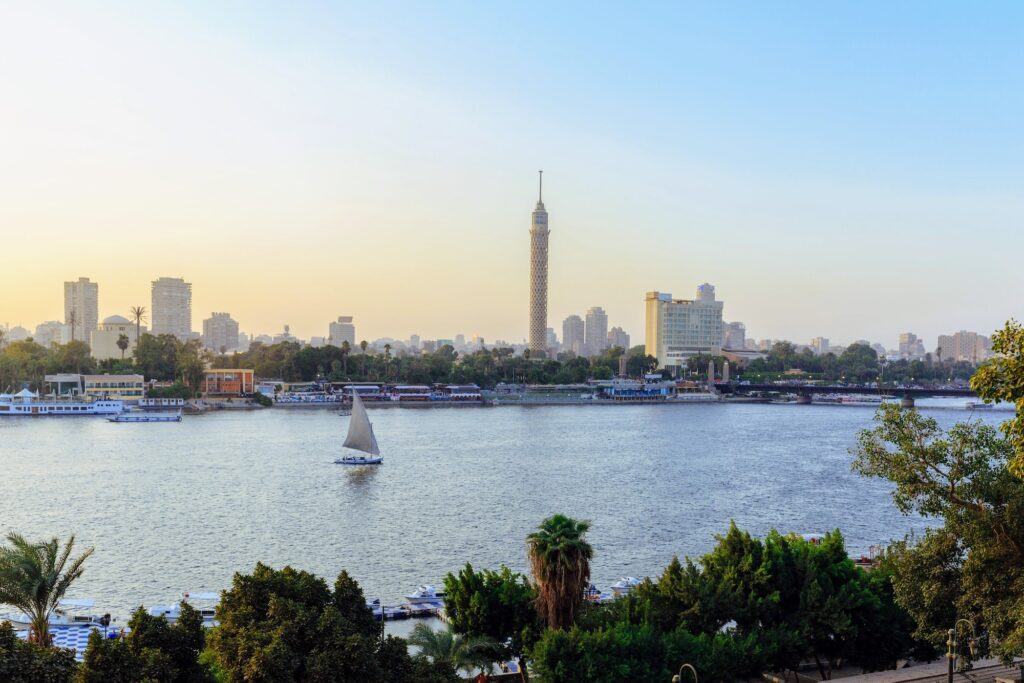
At 187 meters, Cairo Tower held the distinction of being Egypt’s tallest structure for 37 years until other developments surpassed it. The tower rises approximately 50 meters higher than the Great Pyramid of Giza, creating a modern counterpoint to ancient monuments. Sixteen floors house various facilities, from technical equipment to public spaces, with the revolving restaurant occupying the upper levels where visitors can dine while taking in 360-degree views of the metropolis below.
Visitor Experience and Observation Features
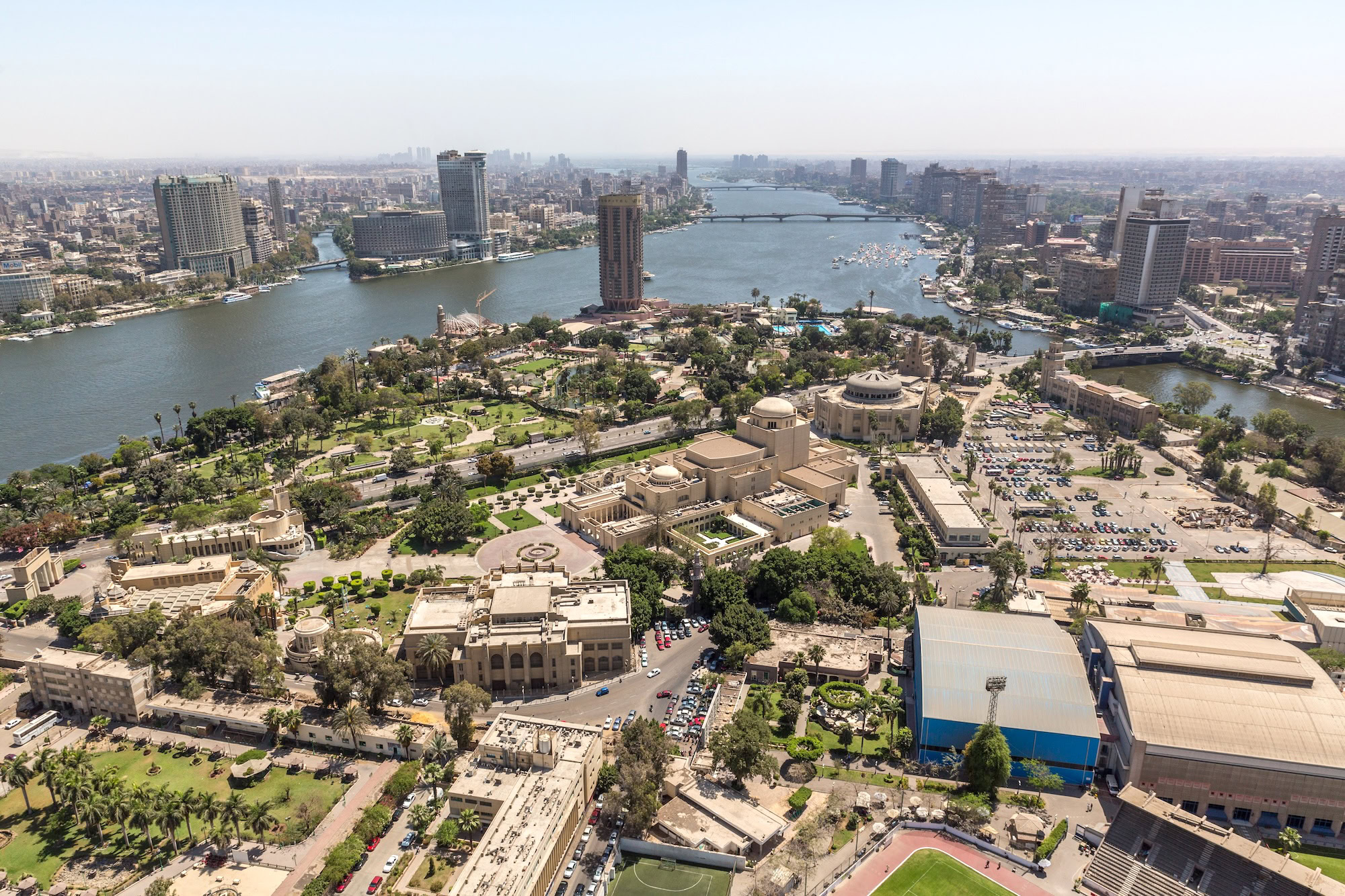
Your journey begins at ground level where ticketing and security procedures ensure smooth access to the elevator systems. The ascent takes visitors through multiple floors before reaching the primary observation deck, where expansive windows provide unobstructed views across Cairo’s sprawling urban landscape. Clear weather conditions offer spectacular sightlines extending to the Giza pyramid complex, the Nile’s meandering path through the city, and the distant desert horizon.
The revolving restaurant operates on a continuous rotation system, completing a full 360-degree turn approximately every hour. This engineering marvel allows diners to experience gradually changing perspectives of Cairo’s landmarks without leaving their tables. Restaurant service maintains formal standards with waiters adhering to specific dress codes that reflect the establishment’s upscale positioning.
Sky Window Cafe Experience
The Sky Window cafe provides a more casual dining alternative for visitors seeking refreshments without the formality of restaurant service. Strategically positioned windows frame different aspects of the city, allowing guests to focus on specific landmarks or neighborhoods during their visit. The cafe’s menu features both international options and local Egyptian specialties, catering to diverse visitor preferences while maintaining reasonable pricing structures.
Photography and Viewing Tips
Professional photographers recommend visiting during late morning or afternoon hours when natural lighting conditions optimize visibility and reduce atmospheric haze. The observation deck’s orientation provides excellent opportunities for capturing both intimate city details and sweeping panoramic compositions. Sunset visits offer particularly dramatic lighting effects, though increased visitor numbers during these peak periods may require additional patience for optimal viewing positions.
Telescope facilities enable visitors to examine distant landmarks in greater detail, effectively allowing guests to “visit Egypt in a single moment” by identifying multiple historical sites from this central vantage point.
Practical Information for Planning Your Visit
Advance booking through reputable tour operators can significantly reduce waiting times, especially during Egypt’s peak tourism seasons from October through April. Standard admission provides access to the observation deck, while combination packages often include restaurant reservations or skip-the-line privileges that enhance the overall experience. Group sizes for guided experiences typically remain limited to 12 participants, ensuring more personalized attention from knowledgeable guides.
Transportation to Gezira Island presents multiple options including taxi services, ride-sharing applications, or public transportation connections that terminate near the tower’s base. Hotel transfer services are commonly available through tour operators, particularly for visitors staying in downtown Cairo or Giza pyramid area accommodations. The tower’s central location makes it easily accessible from most major Cairo hotels within 15-30 minutes depending on traffic conditions.
Operating Hours and Seasonal Considerations
Cairo Tower maintains consistent operating schedules throughout the year, typically opening at 9:00 am (09:00) and continuing service until late evening hours. Summer months may feature extended operating times to accommodate increased tourist activity and longer daylight periods. Restaurant reservations require advance planning, particularly for dinner services when demand consistently exceeds available seating capacity.
Weather conditions occasionally affect visibility, with sandstorms or heavy pollution reducing viewing distances significantly. Local meteorological conditions can be monitored through hotel concierges or tour guides who provide current visibility assessments before your planned visit.
Ticket Pricing and Package Options
Individual admission costs vary based on seasonal demand and facility access levels, with premium packages including restaurant dining or guided commentary services commanding higher prices. Express ticket options eliminate standard queuing procedures, representing valuable investments during busy tourism periods when wait times can extend beyond comfortable limits. Many visitors find combination packages with other Cairo attractions provide better overall value while simplifying itinerary planning logistics.
Children under specific age thresholds may qualify for reduced admission rates, though policies regarding infant access to observation levels should be confirmed during booking procedures.
Historical Context and Cultural Impact
The tower’s construction occurred during one of Egypt’s most transformative political periods following the 1952 revolution that brought Nasser to power. This timing wasn’t coincidental – the project represented Egypt’s determination to modernize while maintaining cultural identity and political independence. The rejected CIA funding story became legendary throughout the Arab world, reinforcing themes of self-reliance that resonated with emerging nations during the Cold War era.
Renovation and Modernization Efforts
Between 2006 and 2009, comprehensive renovation programs updated the tower’s mechanical systems, safety features, and visitor facilities while preserving its original architectural character. LED lighting systems installed during this period transformed the tower’s nighttime appearance, creating dramatic illumination effects that enhance Cairo’s skyline after dark. These technological upgrades ensured the structure would continue serving visitors safely while meeting contemporary building standards and accessibility requirements.
The renovation addressed structural maintenance needs accumulated over nearly five decades of continuous operation in Cairo’s challenging environmental conditions.
Religious and Cultural Controversies
Islamic scholars have occasionally debated the tower’s appropriateness within Cairo’s traditional skyline, with some issuing fatwa declarations questioning tall structures that might overshadow mosque minarets. These discussions reflect broader tensions between modernization and religious tradition that characterize many developing societies. However, the tower’s lotus symbolism and its role as a symbol of Egyptian independence have generally outweighed religious objections, allowing it to maintain its status as a beloved national landmark.
Cultural celebrations and national holidays often feature special lighting displays or events at the tower, reinforcing its significance beyond mere tourist attraction status.
Surrounding Area and Gezira Island Context
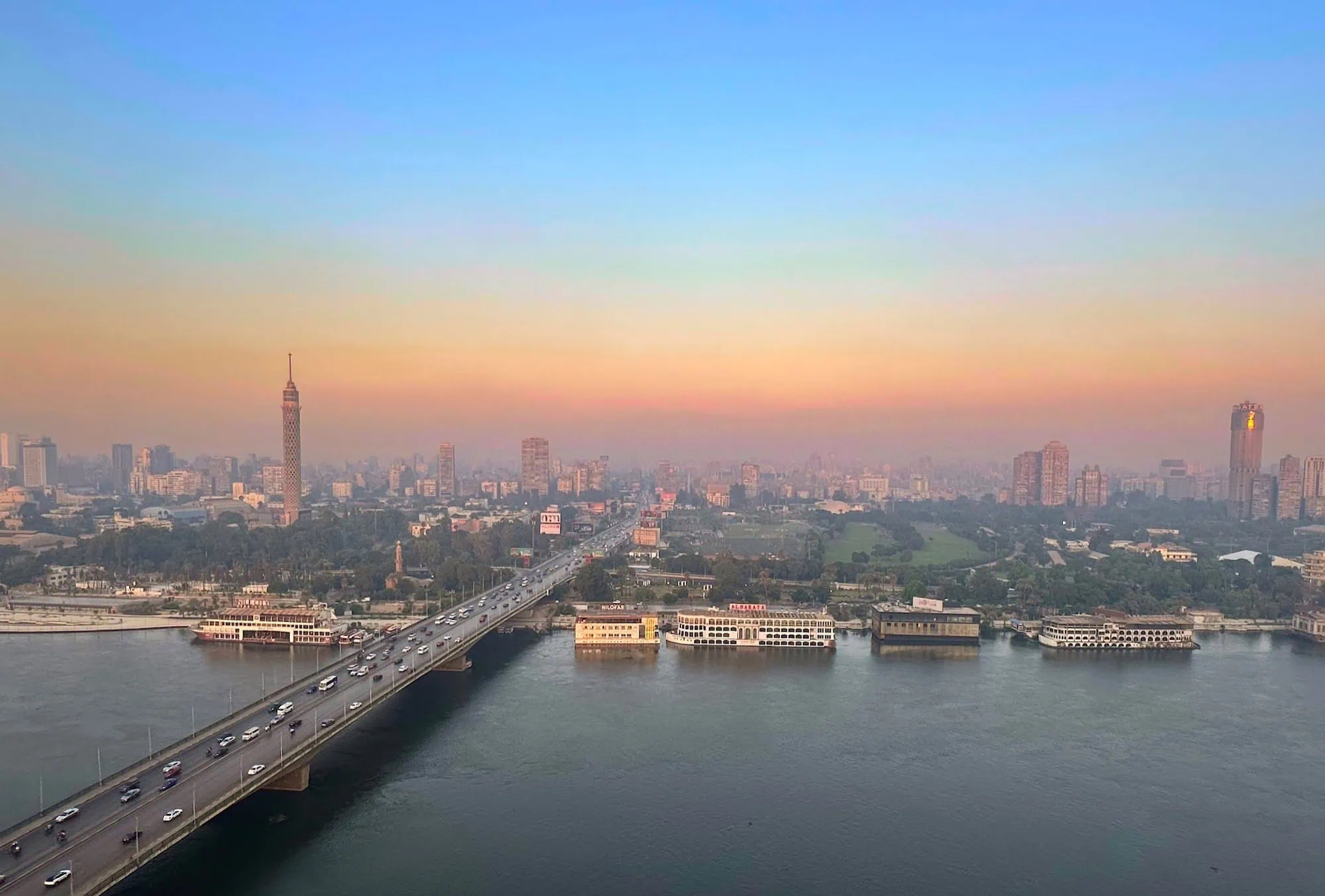
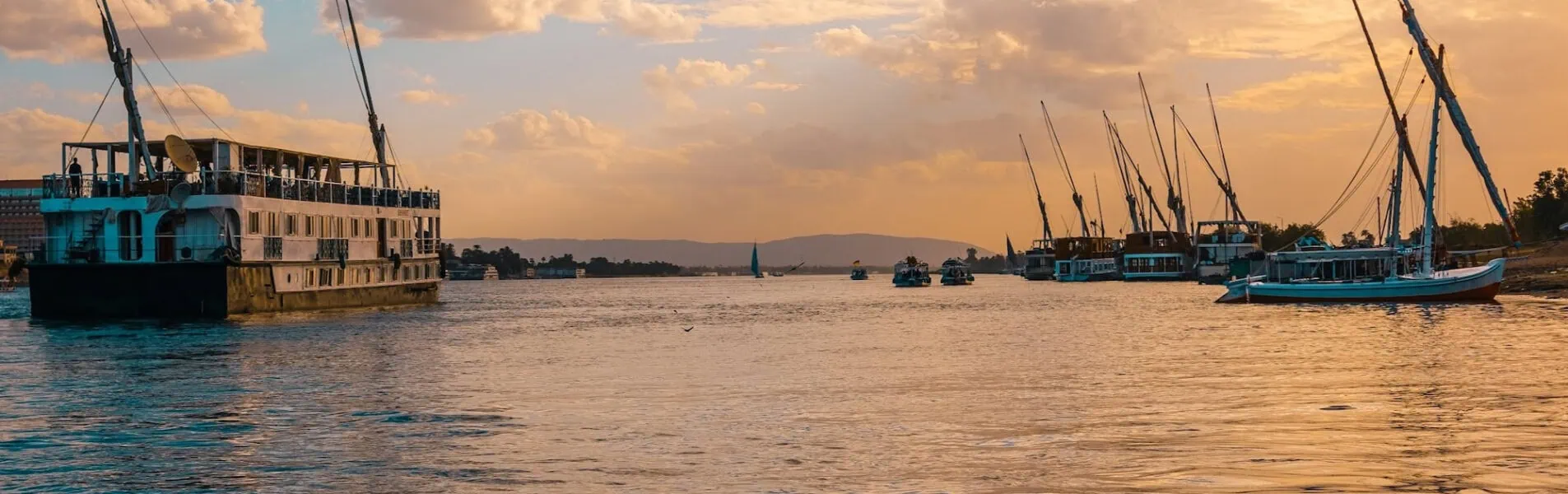
Gezira Island itself offers numerous attractions beyond Cairo Tower, creating opportunities for extended exploration of this affluent Nile River district. The Cairo Opera House, prestigious sporting clubs, and upscale residential neighborhoods provide glimpses into modern Egyptian urban life. Felucca Ride on the Nile River offers a traditional sailing experience from nearby docks, providing a peaceful contrast to the panoramic views from the tower’s observation levels.
Walking paths along the Nile riverbank connect various island attractions while providing pleasant respite from Cairo’s often chaotic street traffic. The island’s tree-lined streets and quieter atmosphere contrast sharply with downtown Cairo’s intensity, making it a favored location for both residents and visitors seeking more relaxed urban experiences.
Combining Tower Visits with Nile Activities
Many visitors incorporate tower visits into broader Nile River exploration programs that might include dinner cruise experiences or traditional boat excursions. The tower’s elevation provides excellent orientation for understanding Cairo’s relationship with the Nile, helping visitors appreciate the river’s central role in Egyptian civilization both ancient and modern. Photography from the observation deck captures the Nile’s urban integration more comprehensively than ground-level perspectives allow.
Evening visits can be timed to coincide with sunset dinner cruises departing from nearby docks, creating memorable transitions from aerial views to water-level Nile experiences.
See Cairo From A New Perspective
Cairo Tower delivers one of the most striking panoramas in Egypt—where the Nile, the city skyline, and distant pyramids come together in a single unforgettable view. With EgyptToursPlus, we position this moment within a seamless journey through Cairo and beyond, blending iconic landmarks with carefully curated experiences for a well-rounded itinerary.
You set the dates, the pace, and the route. Whether you want a relaxed exploration or a packed cultural journey, we tailor every detail—from private guides and smooth transfers to premium stays—so your Egypt experience feels effortless, personal, and perfectly aligned with your vision.
Frequently Asked Questions
Most visitors spend 2-3 hours at Cairo Tower if combining the observation deck, photography stops, and restaurant dining, although shorter visits can be completed in under one hour. The 187-meter (614-foot) tower includes panoramic viewing levels overlooking central Cairo, the Nile River, and the Giza Plateau on clear days. Visitors dining at the revolving restaurant usually stay longer because a full rotation takes approximately 70 minutes. Sunset hours are especially popular, so allow extra time for ticket queues and elevators.
Yes, the Pyramids of Giza are visible from Cairo Tower on clear days, particularly during winter mornings and low-haze afternoons. The tower stands on Gezira Island in Zamalek approximately 15 km east of the pyramid complex, giving visitors elevated panoramic views across Cairo’s skyline. Visibility is usually strongest between October and April when pollution and summer heat distortion are lower. Early morning visits often produce the sharpest pyramid photographs before midday haze begins building across the city.
Advance reservations are strongly recommended for Cairo Tower’s revolving restaurant, especially for dinner service and sunset seating between October and April. The restaurant remains one of Cairo’s most recognizable dining experiences because it completes a slow 360-degree rotation approximately every 70 minutes while overlooking the Nile and city skyline. Walk-in availability becomes limited during weekends, holidays, and peak tourism periods. Booking at least 3-5 days ahead improves the chances of securing window tables during prime evening hours.
Late morning between 10:00 am and noon, plus late afternoon from 3:00 pm to 5:00 pm, usually provides the best photography conditions at Cairo Tower. These periods balance softer sunlight with lower atmospheric haze, improving visibility toward landmarks such as the Nile River, downtown Cairo, and the Giza pyramids. Sunset photography is also popular because city lights gradually illuminate across the skyline. Winter months generally produce clearer long-distance views than the hotter summer season in Cairo.
No formal age restrictions apply at Cairo Tower’s observation deck, although children should remain supervised because of elevated viewing platforms and crowded public areas. Families regularly visit the tower because the high-speed elevators and enclosed observation levels make access relatively straightforward for most ages. Young children often enjoy spotting landmarks such as the Nile, Cairo Citadel, and Giza pyramids from above. Visiting earlier in the day usually creates a calmer environment for families with smaller children.
Cairo Tower provides the highest publicly accessible panoramic viewpoint in central Cairo at approximately 187 meters (614 feet), offering broader visibility than hotel rooftops or riverside terraces. Built in 1961 during Gamal Abdel Nasser’s presidency, the tower overlooks the Nile, Zamalek, downtown Cairo, and distant pyramids in a single sweeping view. Unlike most observation points limited to neighborhood scenery, Cairo Tower delivers nearly full-city perspectives from a central location. Its elevated outdoor deck also offers clearer landmark orientation for first-time visitors.
Yes, many Cairo sightseeing packages combine Cairo Tower with attractions such as the Egyptian Museum, Nile dinner cruises, Islamic Cairo tours, or Giza pyramid excursions. Combination itineraries often reduce transportation costs and simplify scheduling across Cairo’s heavy traffic zones. Egypt Tours Plus frequently integrates Cairo Tower into half-day or full-day city tours because its central Zamalek location connects efficiently with nearby districts. Sunset tower visits pair especially well with evening Nile cruises or downtown Cairo dining experiences.
Cairo Tower includes elevator access to its public observation and dining floors, making most major visitor areas accessible for travelers with limited mobility. Entrance ramps and wide viewing corridors help accommodate wheelchairs more effectively than many older Cairo attractions. However, visitors requiring specialized accessibility support should confirm current facilities in advance because crowd flow and elevator wait times vary during peak hours. Morning visits generally provide easier movement through observation areas before larger tour groups arrive later in the day.
In addition to the revolving restaurant, Cairo Tower also features the Sky Window café, which offers lighter meals, desserts, coffee, and beverages with panoramic Nile and city views. The café provides a more casual and affordable alternative for visitors who want scenery without committing to formal dining reservations. Many travelers stop for refreshments after visiting the observation deck because seating areas overlook central Cairo from elevated positions. Sunset hours remain the busiest period for both dining venues inside the tower.
During Egypt’s peak tourism season from October through April, visitors should ideally book Cairo Tower restaurant reservations or guided tour slots at least 3-5 days in advance. Sunset dining periods and weekend evenings often sell out earlier because both tourists and Cairo residents visit during cooler weather conditions. Observation deck entry alone is usually easier to secure without long-term planning, although holiday periods can still create delays. Early reservations also improve flexibility for choosing preferred photography and dining times.
Casual clothing is acceptable throughout Cairo Tower’s observation decks and public visitor areas, although the revolving restaurant generally expects smart casual attire. Comfortable footwear is especially useful because visitors spend extended time standing at panoramic viewing points and walking between levels. Athletic beachwear or overly revealing clothing may feel out of place in upscale dining sections frequented by local families and international travelers. Lightweight layers work well because evening breezes above the Nile can become cooler after sunset.
Taxis and ride-sharing services such as Uber or Careem provide the most convenient transportation to Cairo Tower, especially from downtown Cairo, Zamalek, or Giza hotels. The tower stands on Gezira Island near the Cairo Opera House, with typical travel times ranging from 10 to 30 minutes depending on traffic conditions. Public transportation is possible through nearby metro stations and short taxi connections, although Cairo traffic can complicate transfers for first-time visitors. Evening arrivals should allow extra travel time before sunset reservations.
Design Your Custom Tour
Explore Egypt your way by selecting only the attractions you want to visit