How Much Does It Cost to Visit the Pyramids in Egypt
The pyramids will cost you less than dinner at a fancy restaurant back home.
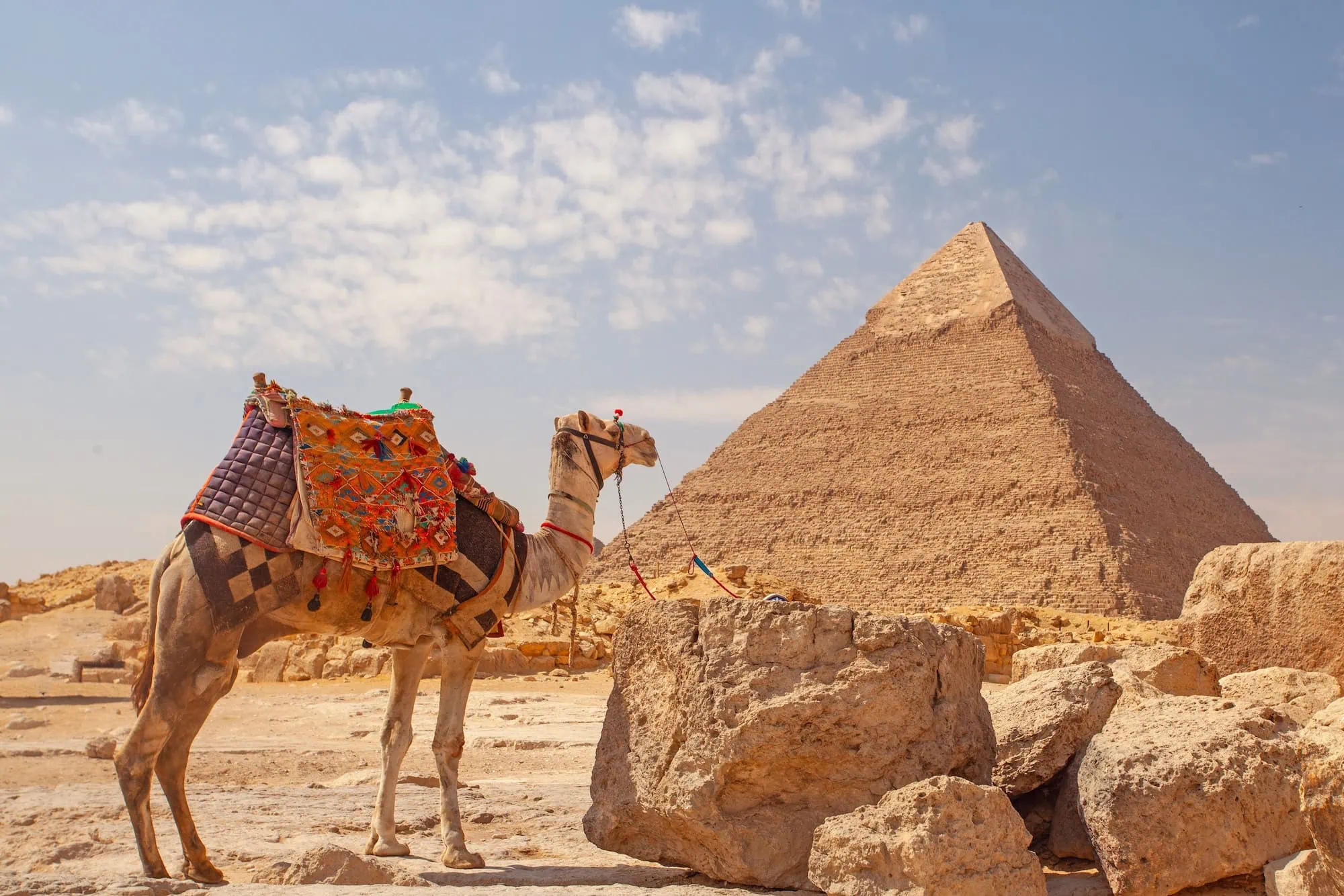
Visiting Egypt’s magnificent pyramids is surprisingly affordable, with entrance fees starting from just 60 EGP (around $2 USD) at Dashur up to 700 EGP (about $23 USD) for the complete Giza Plateau experience. The pricing structure varies significantly depending on which pyramid complex you choose, whether you want to enter inside the individual pyramids, and if you’re traveling as a student or adult. Most travelers can explore all the major pyramid sites across Egypt for under $50 USD total.
We’ve helped thousands of visitors navigate these iconic monuments over our decades of expertise in Egyptian tourism. This comprehensive breakdown covers every cost you’ll encounter, from basic entrance fees to transportation and additional experiences that make your pyramid adventure unforgettable.
Table of Contents
Current Pyramid Entrance Fees for 2026-2027
The Ministry of Tourism and Antiquities has standardized pricing across all pyramid sites, with fees collected in Egyptian Pounds at official entrances.
Giza Pyramid Complex Pricing
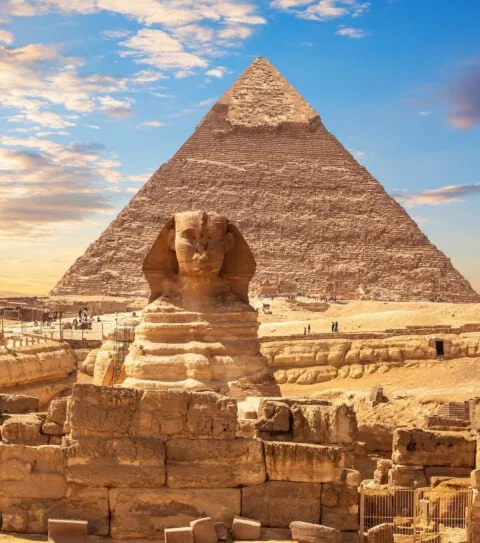
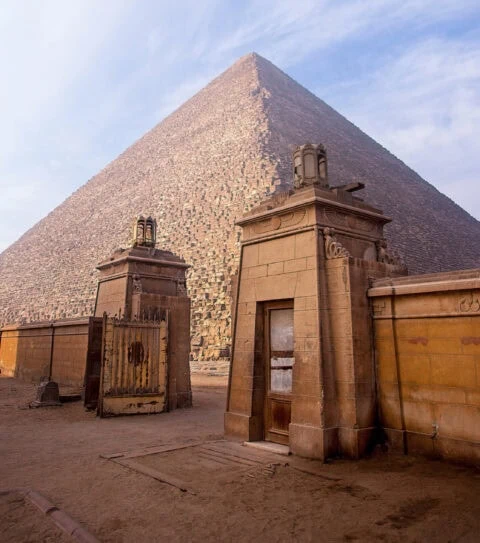
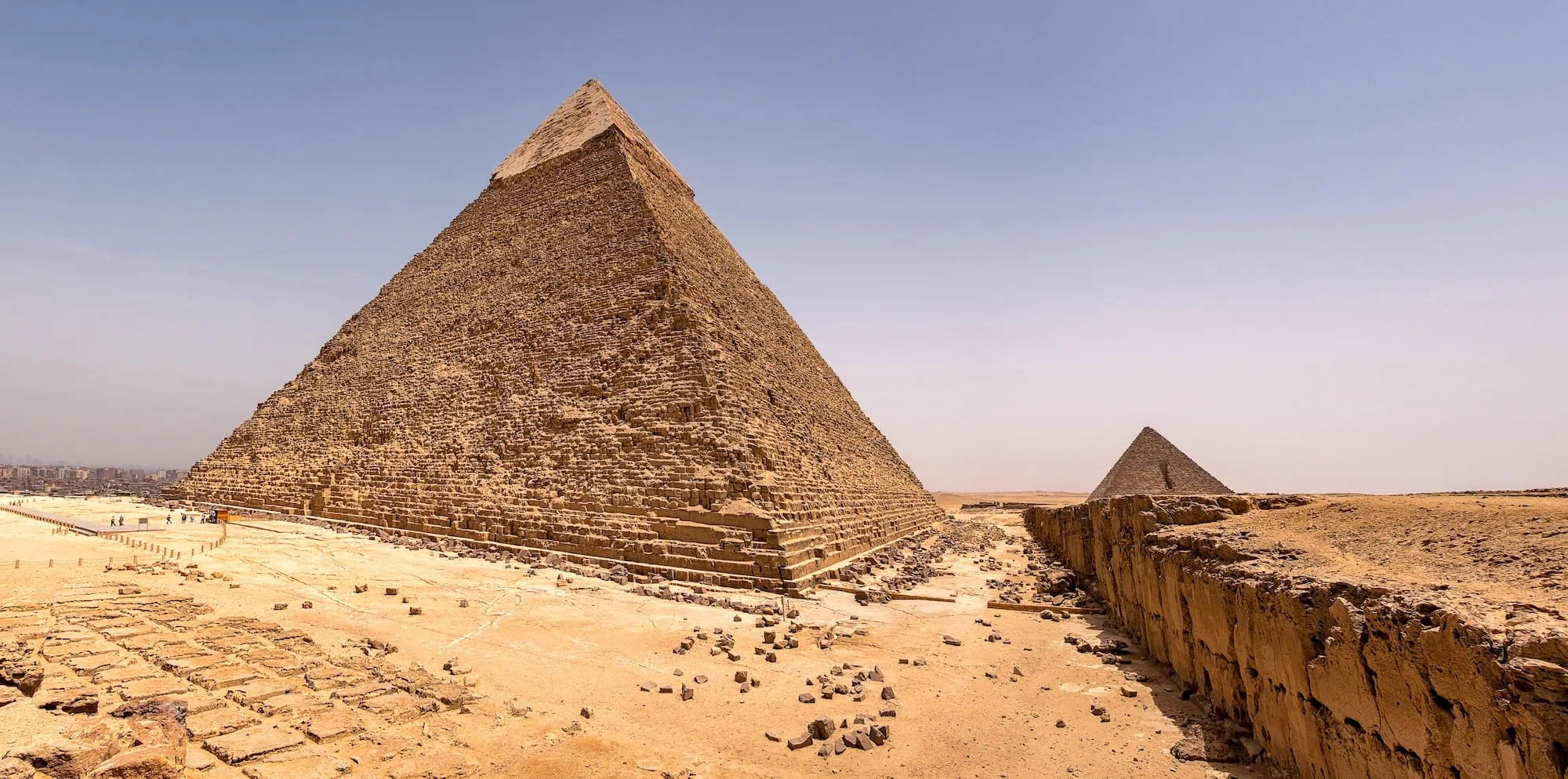
General admission to the Giza Plateau costs 700 EGP for adults and 350 EGP for students with valid ISIC cards. This ticket grants access to the outdoor areas around the Great Pyramid of Khufu, Pyramid of Khafre, Pyramid of Menkaure, and the iconic Sphinx. Children between 6-12 years receive half-price tickets at 350 EGP.
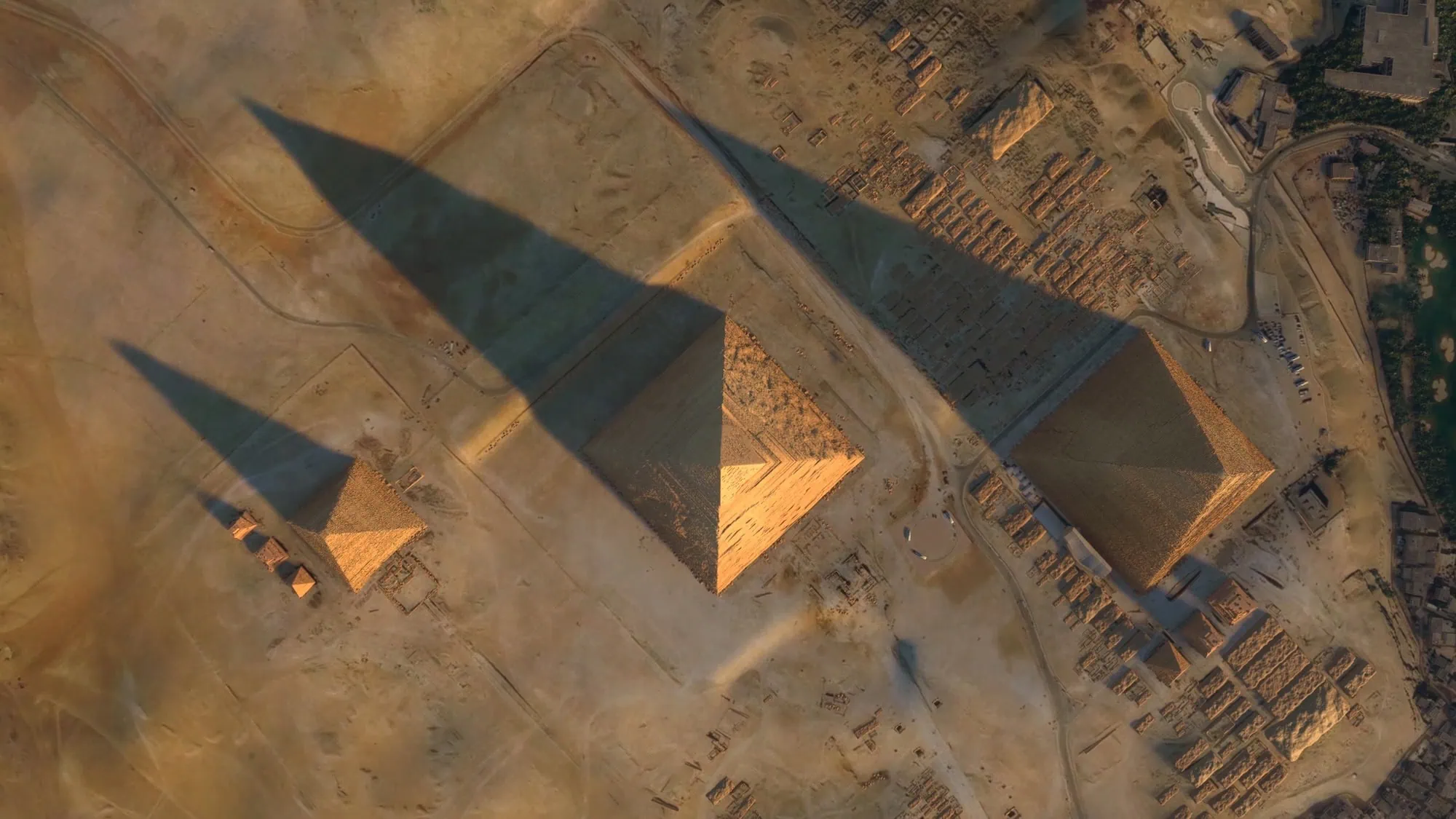
Entry inside the pyramids requires separate tickets. The Great Pyramid of Khufu commands the highest fee at 900 EGP due to limited daily capacity and its status as the last surviving Wonder of the Ancient World. The Pyramid of Khafre costs 100 EGP for interior access, while Menkaure’s pyramid charges 200 EGP.
Alternative Pyramid Destinations
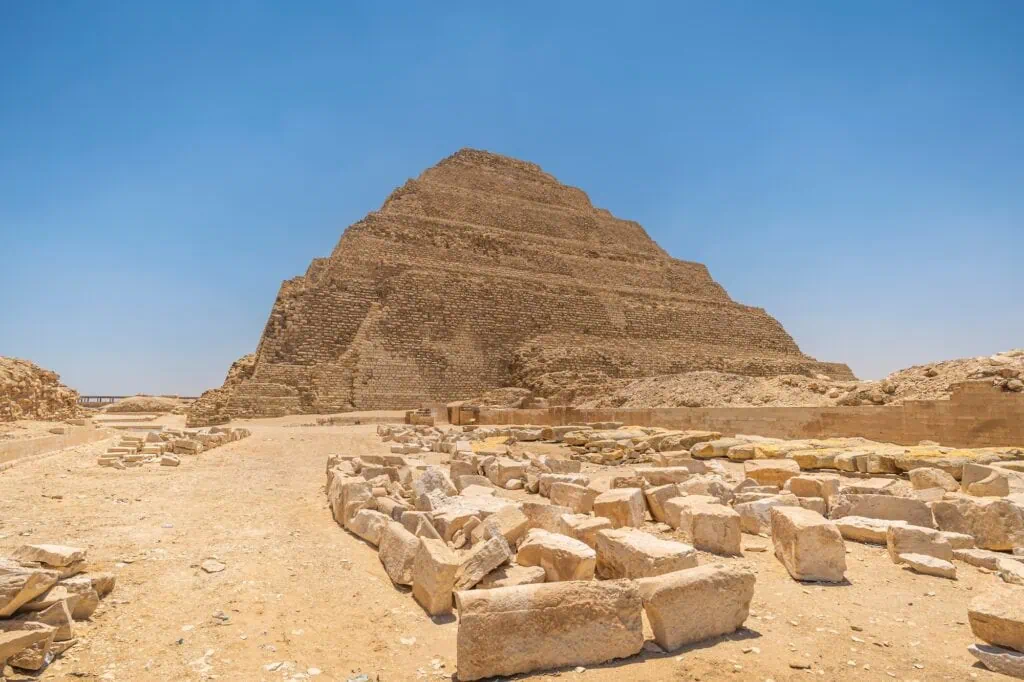
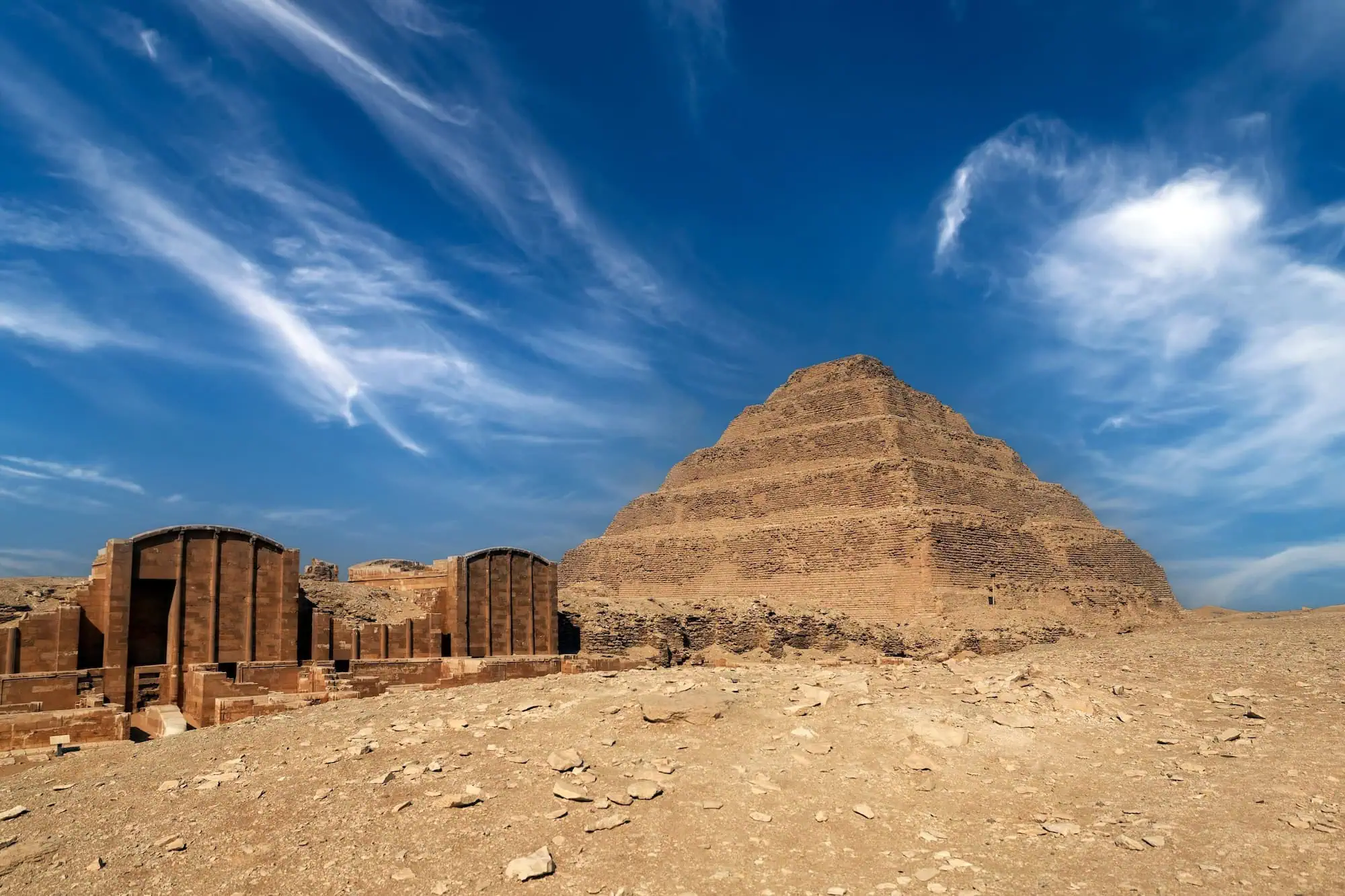
Saqqara offers exceptional value at 450 EGP for the complete site, including the famous Step Pyramid of Djoser and the Imhotep Museum. Recent renovations following earthquake damage have restored access to the underground burial chambers, making this an increasingly popular choice for budget-conscious travelers.
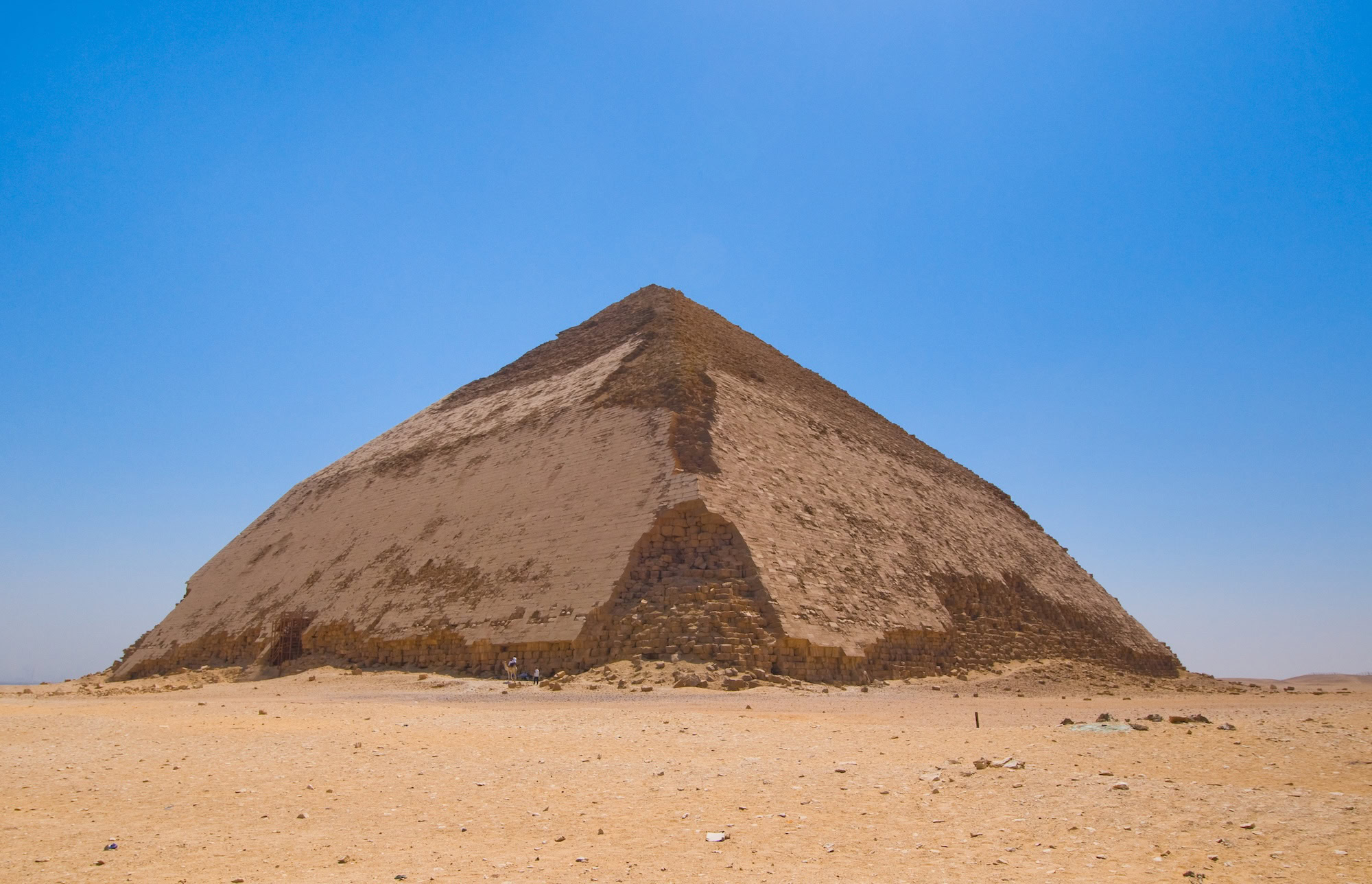
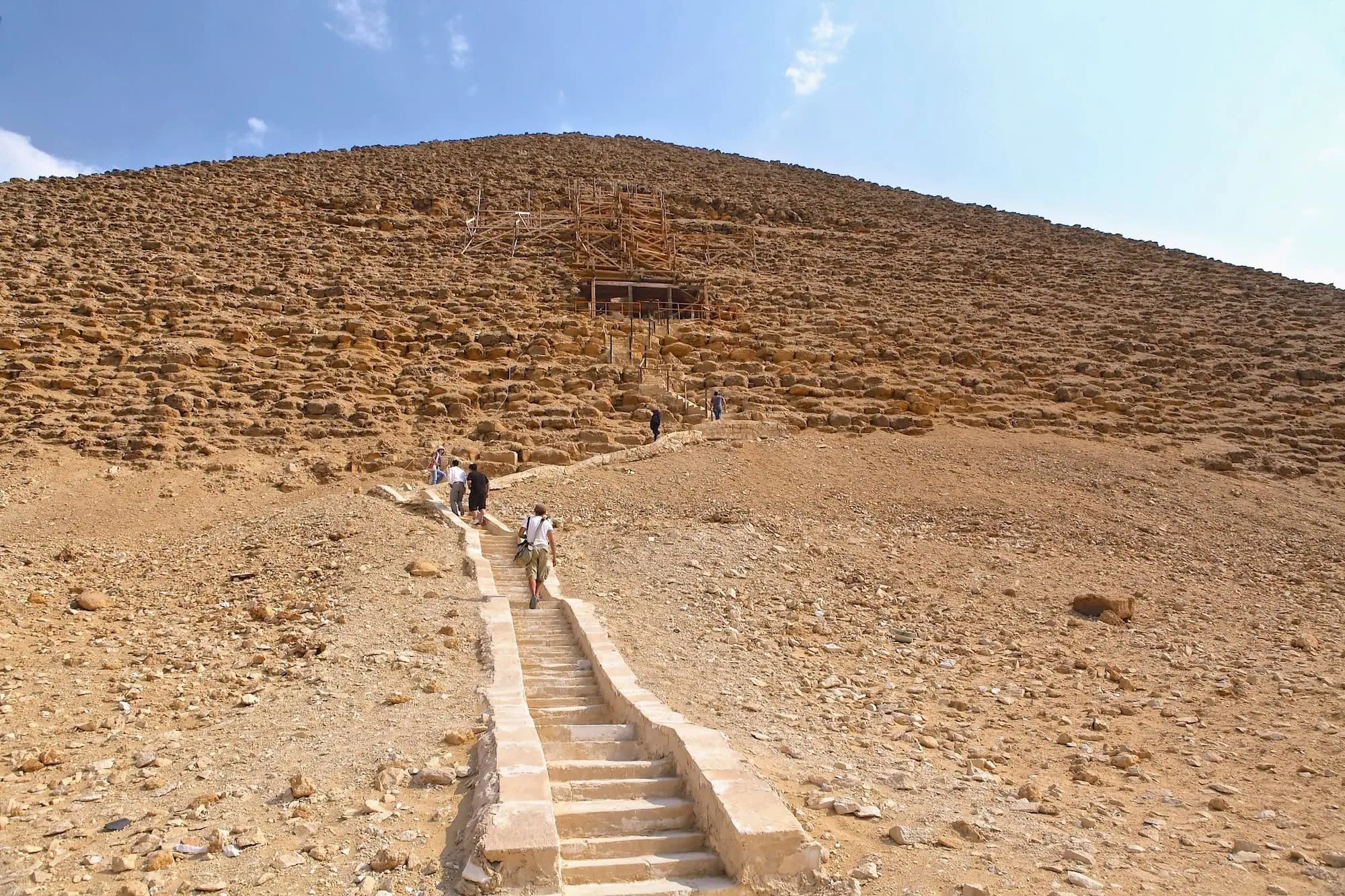
The Dashur necropolis presents the most affordable option at just 60 EGP. Here you’ll find the remarkable Red Pyramid and Bent Pyramid, both offering interior access without additional fees. These older structures predate Giza and provide a more intimate pyramid experience with significantly fewer crowds.
Understanding What’s Included in Your Ticket
Your basic entrance ticket covers more than you might expect, though limitations exist for certain areas and activities.
The Giza Plateau ticket includes access to the panoramic viewpoint perfect for photographing all three pyramids together, the Sphinx area for close-up viewing, and the surrounding temple complexes. You can spend several hours exploring the external architecture, hieroglyphic inscriptions, and smaller satellite pyramids without purchasing additional tickets. However, camel riding, horse carriage tours, and photography inside the pyramids incur separate charges ranging from 50-200 EGP.
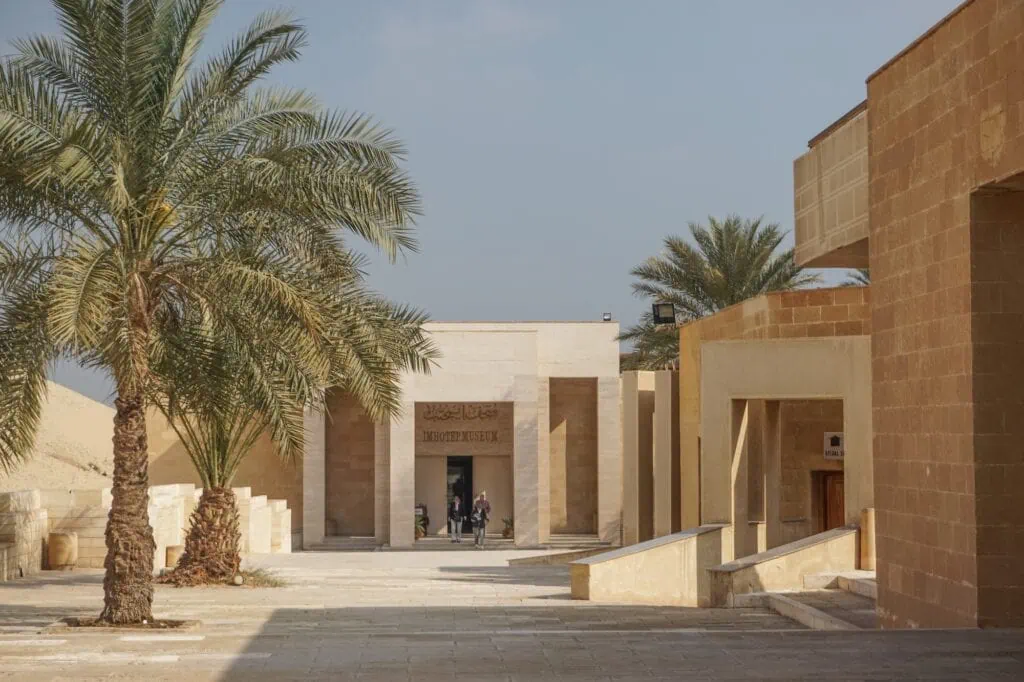
At Saqqara, your admission covers the Step Pyramid complex, several mastaba tombs, and the modern Imhotep Museum showcasing artifacts discovered on-site. The museum provides excellent context for understanding pyramid construction techniques and the evolution of burial practices. Dashur’s comprehensive ticket allows interior exploration of both major pyramids, making it exceptional value compared to Giza’s individual pyramid fees.
Photography restrictions apply inside all pyramids and tombs throughout Egypt. While exterior photography is generally permitted, interior camera use often requires special photography tickets costing 300-500 EGP additional.
Transportation Costs and Getting There
Reaching the pyramids involves several transportation options depending on your location and budget preferences.
From central Cairo hotels, official taxis charge 150-250 EGP each way to Giza, though prices fluctuate based on traffic and negotiation skills. Uber operates throughout Cairo with fairly consistent pricing around 100-180 EGP for the same journey. The metro system offers the most economical option at just 7 EGP per person to Giza station, followed by a short taxi ride or bus connection to the plateau entrance.
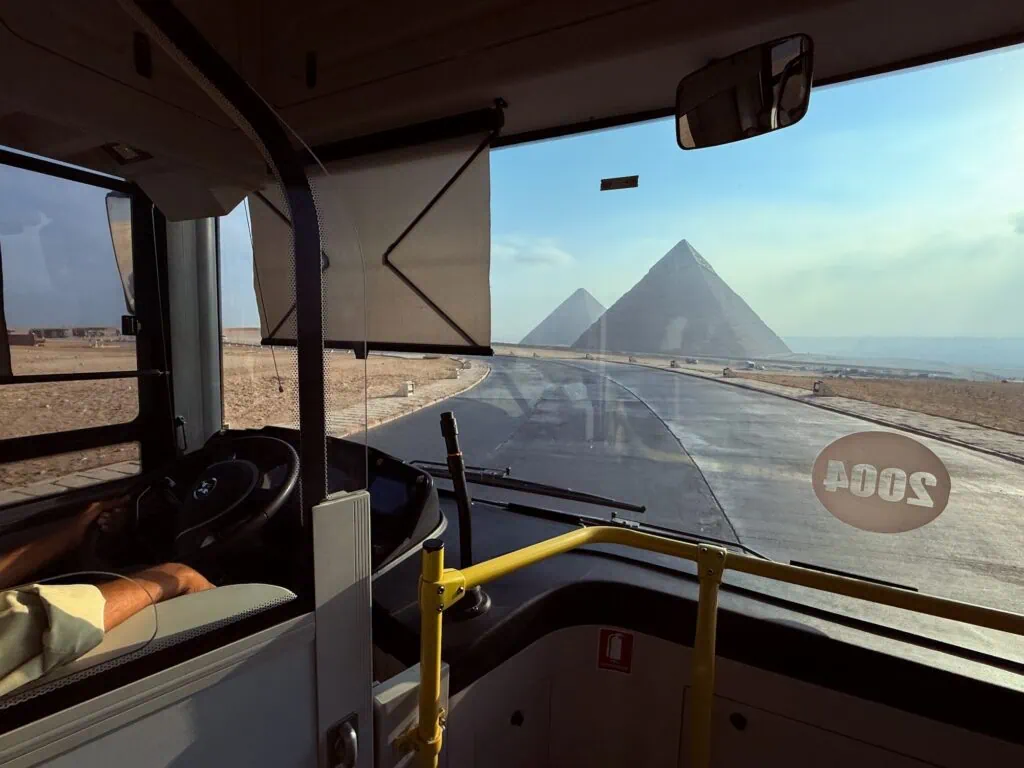
Many visitors find our private transportation service worthwhile, especially when visiting multiple pyramid sites in a single day. We provide modern, air-conditioned vehicles with experienced drivers who know the optimal routes and timing to avoid crowds. This eliminates the stress of negotiating with taxi drivers and ensures reliable transportation between sites.
For Saqqara and Dashur, located approximately 30 km (18.5 miles) south of Cairo, private transportation becomes more practical. These sites lack convenient public transport connections, and taxi drivers often charge 400-600 EGP for the round trip including waiting time.
Budget Breakdown for Complete Pyramid Experience
A comprehensive pyramid visit across all major sites requires careful budget planning to maximize your experience.
Single-Day Giza Visit:
– Plateau entrance: 700 EGP
– Great Pyramid interior: 900 EGP
– Transportation: 200-400 EGP
– Food and drinks: 100-200 EGP
– Total: 1,900-2,200 EGP ($62-72 USD)
Multi-Site Pyramid Tour:
– Giza Plateau: 700 EGP
– Saqqara complex: 450 EGP
– Dashur necropolis: 60 EGP
– Private transport with driver: 800-1,200 EGP
– Meals: 200-300 EGP
– Total: 2,210-2,710 EGP ($72-88 USD)
Student discounts significantly reduce costs, with ISIC cardholders paying half price at all sites. Children under 6 enter free at most locations, making Egypt an excellent family destination for pyramid exploration.
Money-Saving Tips and Strategies
Smart planning can substantially reduce your pyramid visiting costs without compromising the experience quality.
Visit during shoulder seasons (March-April or October-November) when hotel and tour prices decrease while weather remains comfortable for extensive outdoor exploration. Early morning arrivals at 8:00 am (08:00) provide cooler temperatures, better lighting for photography, and smaller crowds before tour groups arrive.
Consider prioritizing which pyramid interiors truly interest you rather than purchasing every available ticket. The Great Pyramid offers a unique but physically demanding crawling experience through narrow passages. Khafre’s pyramid provides similar interior architecture at a much lower cost. Many visitors find the exterior views and Sphinx area fully satisfying without interior access.
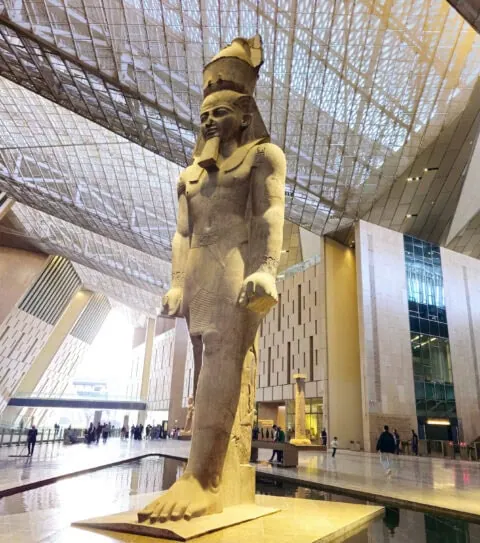
Combining pyramid sites with other nearby attractions maximizes transportation efficiency. The nearby Grand Egyptian Museum, scheduled to open fully in 2025, will complement your pyramid visit with contextual artifacts and exhibits explaining construction techniques and historical significance.
Pack water, snacks, and sun protection to avoid inflated vendor prices inside the sites. Official ticket offices accept both cash and credit cards, but smaller vendors typically prefer Egyptian Pounds cash.
What Makes Pyramid Visits Worth Every Pound
Standing before these 4,500-year-old monuments provides perspective impossible to capture in photographs or documentaries.
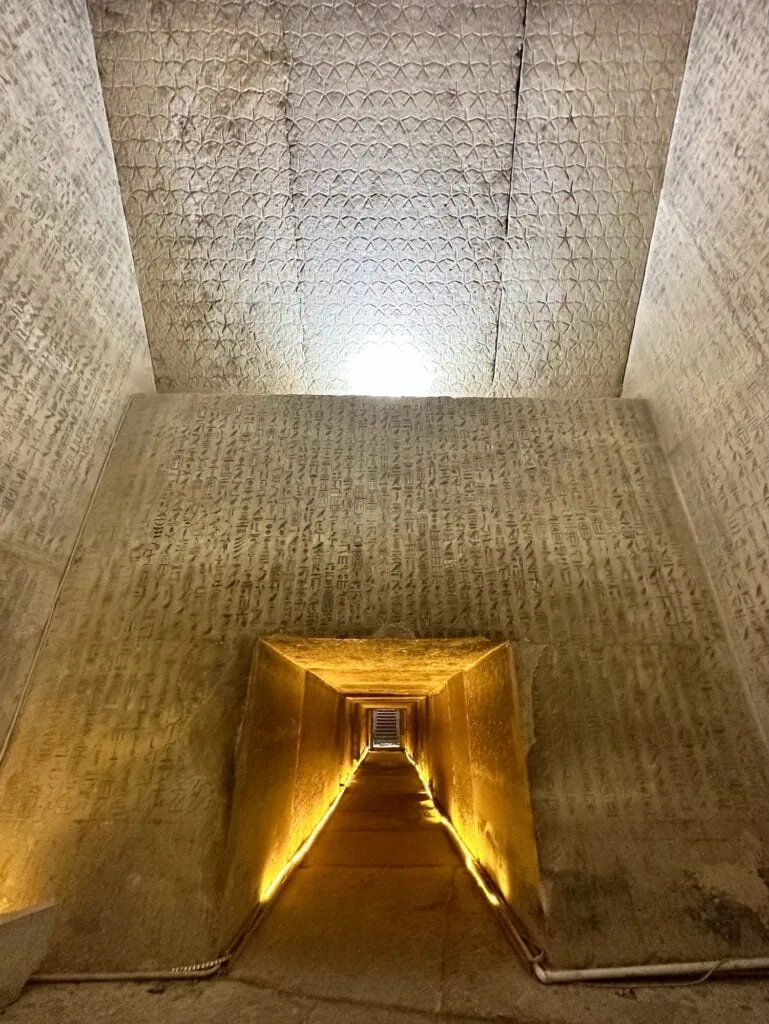
The Great Pyramid remained the world’s tallest building for over 3,800 years, constructed with mathematical precision that still amazes engineers today. Each massive limestone block weighs 2.5-6 tons, yet fits together so precisely that you cannot insert a knife blade between them. The interior chambers demonstrate sophisticated understanding of weight distribution and ventilation that protected the pharaoh’s burial for millennia.
Beyond architectural marvels, the pyramids represent humanity’s earliest attempts to achieve immortality through monumental construction. Walking among these structures connects you directly to ancient Egyptian civilization at its peak, when pharaohs commanded resources equivalent to entire modern nations for these eternal resting places.
Our expert Egyptologist guides enhance this connection by explaining hieroglyphic meanings, construction theories, and recent archaeological discoveries that continue revealing pyramid secrets. Their decades of study bring historical context that transforms stone monuments into living history lessons.
Frequently Asked Questions
Visiting the three main pyramid areas most travelers see, Giza, Saqqara, and Dahshur, costs approximately 1,210 EGP in combined entrance fees based on standard adult tickets. This total covers access to Egypt’s most important pyramid complexes, including the Great Pyramid of Khufu, the Step Pyramid of Djoser, and the Bent Pyramid. Additional fees apply for entering selected pyramid interiors. Ticket prices can change periodically, so check current Ministry of Tourism and Antiquities rates before your visit.
Yes, students with a valid International Student Identity Card (ISIC) can typically receive a 50% discount on admission tickets at major pyramid sites across Egypt. The discount applies at locations including Giza, Saqqara, and Dahshur when the original ISIC card is presented at the ticket office. Digital copies are not always accepted. Carry both your passport and student ID to avoid issues when purchasing discounted tickets.
Yes, official ticket offices at Egypt’s major pyramid sites accept Visa and Mastercard for entrance fees. Egypt has increasingly shifted archaeological sites toward cashless payments, particularly at Giza, Saqqara, and Dahshur. However, payment systems can occasionally experience technical issues, so carrying a small amount of Egyptian pounds as a backup is advisable. Credit cards are generally the most convenient option for international visitors.
The Great Pyramid of Khufu offers the most distinctive pyramid interior experience because visitors can access the King’s Chamber inside the last remaining Ancient Wonder of the World. The internal passageways are narrow and steep, but the experience provides a rare opportunity to enter a structure built around 2560 BC. While the chamber itself is relatively plain, the historical significance of standing inside Egypt’s largest pyramid makes it the most sought-after interior visit.
Plan approximately 3 to 4 hours for the Giza Plateau and 2 to 3 hours each for Saqqara and Dahshur. Giza covers a large area that includes the Great Pyramid, Khafre Pyramid, Menkaure Pyramid, the Great Sphinx, and multiple viewpoints. Saqqara and Dahshur are less crowded but contain extensive archaeological remains beyond the pyramids themselves. Visitors combining all three sites often dedicate a full day or more to the experience.
Arriving when sites open, typically around 8:00 am, is the most effective way to avoid crowds at Egypt’s pyramids. Early mornings offer cooler temperatures, better lighting for photography, and significantly fewer tour groups, especially at Giza. Winter months from November through February generally provide the most comfortable conditions, although holiday periods can still be busy. For the quietest experience, visit on a weekday and enter as close to opening time as possible.
Yes, a standard Giza Plateau admission ticket includes access to the Great Sphinx viewing area at no additional charge. The Sphinx sits within the same archaeological zone as the pyramids and is one of Egypt’s most famous monuments. Built during the reign of Pharaoh Khafre around 2500 BC, the limestone statue measures approximately 73 meters (240 feet) long. Most visitors see both the pyramids and the Sphinx during the same visit.
Yes, many private tours combine Giza, Saqqara, and Dahshur into a single package that includes transportation, guiding services, and site logistics. These packages can simplify travel between locations, which are spread across different parts of Greater Cairo. Egypt Tours Plus and other operators typically offer customized itineraries that bundle multiple archaeological sites into one day. The value often comes from convenience and expert interpretation rather than discounted admission fees.
You can visit Egypt’s pyramid sites independently without joining a guided tour. Tickets are available at official entrance gates, and major sites such as Giza, Saqqara, and Dahshur are accessible by taxi, rideshare services, or private transportation. A guide is not required, but knowledgeable guides can provide historical context that is difficult to obtain from signage alone. Independent travelers should plan transportation carefully, especially when visiting multiple sites in one day.
Beyond admission tickets, most visitors should budget for transportation, meals, and optional activities such as camel rides or horse carriage tours. Costs vary widely depending on travel style, but transportation between Giza, Saqqara, and Dahshur is often one of the largest additional expenses. Entry into certain pyramid interiors may also require separate tickets. Carrying some cash is useful for tips, drinks, and small purchases at or near archaeological sites.
Yes, Dahshur and Saqqara are typically far less crowded than the Giza Plateau while still containing some of Egypt’s most important pyramids. Saqqara is home to the Step Pyramid of Djoser, widely considered the world’s oldest large-scale stone monument, while Dahshur features the Bent Pyramid and Red Pyramid. Visitor numbers at these sites are usually only a fraction of those seen at Giza. Travelers seeking a quieter and more immersive experience often prefer them.
Most pyramid site tickets can be purchased on the day of your visit, but access to certain pyramid interiors may have limited availability during peak travel periods. The Great Pyramid interior is particularly popular and can reach capacity during busy winter months and major holidays. Visitors traveling between October and April should consider planning ahead if interior access is a priority. Booking early is most important when transportation, guides, and multiple sites are included in the itinerary.
Explore our most popular guides and expert tips to make your trip safe, smooth, and unforgettable.
Plan Your Egypt Adventure with Confidence
How to Plan a Trip Egypt
Step-by-step guide to help you plan the perfect Egypt trip — from routes and budget to booking.
Best Time to Visit Egypt
Learn the best months to visit Egypt based on weather, crowds, and local travel experiences.
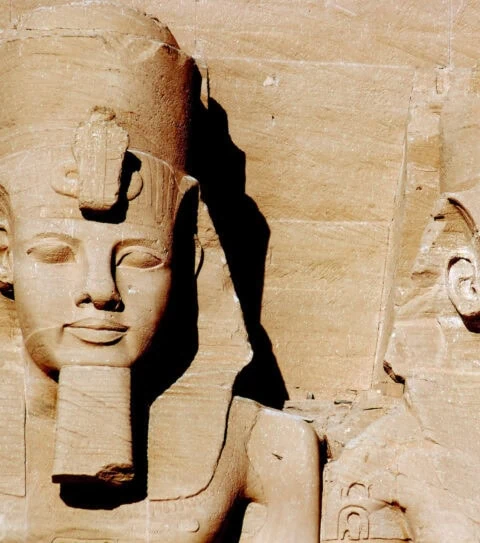
Must Visit Places in Egypt
Explore Egypt’s top sights — from pyramids to temples — and hidden gems worth seeing.
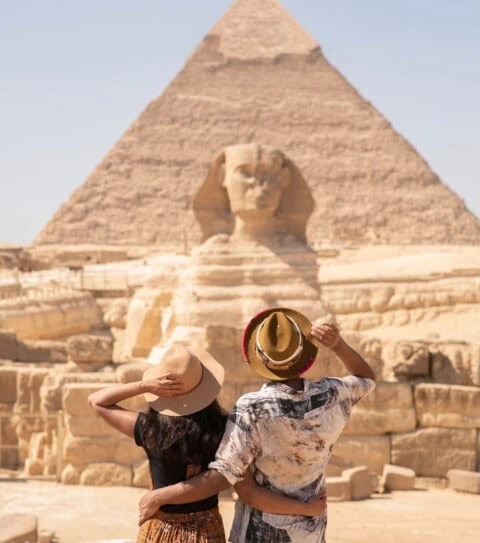
Top-Rated Egypt Tours
Handpicked private tours with local guides — our most loved and best-reviewed experiences.
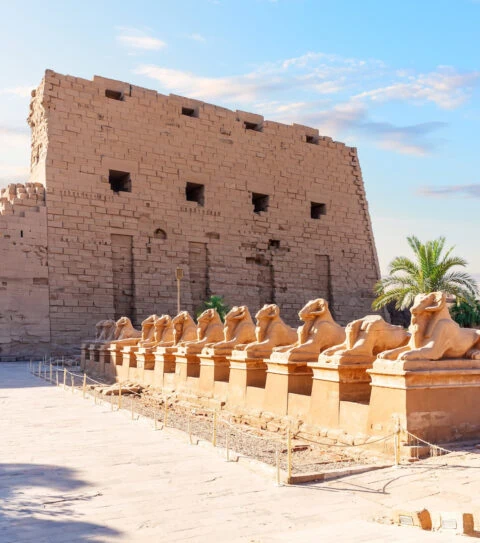
How Many Days to Visit Egypt?
Find out how many days you need in Egypt — from quick trips to full itineraries.
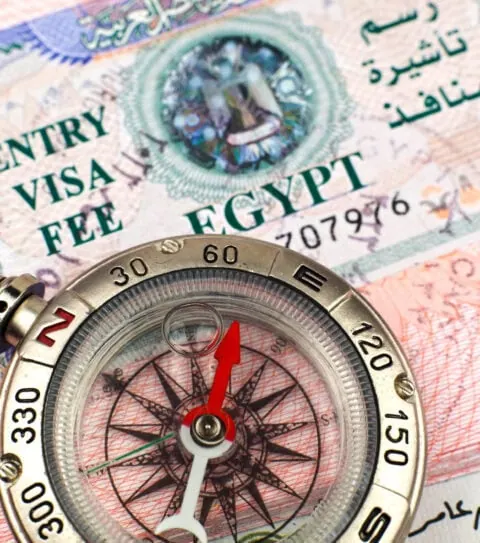
Egypt Visa Requirements
Check if you need a visa and get simple, up-to-date entry info based on your nationality.

Is it Safe to Travel to Egypt?
Is Egypt safe? Get honest safety tips, area advice, and what to know before you travel.
What to Pack for Egypt
A quick packing guide with essentials, cultural tips, and clothing advice for your Egypt trip.

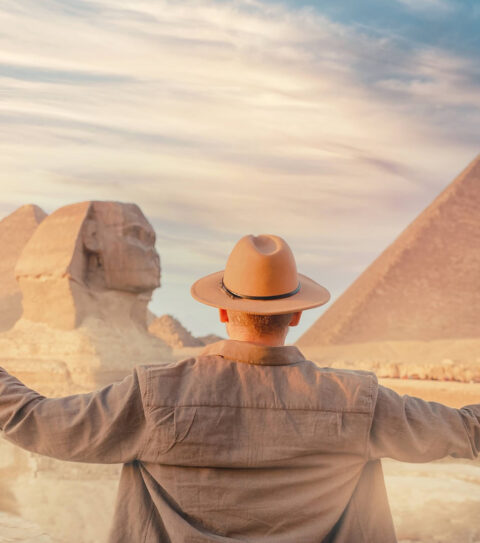
Design Your Custom Tour
Explore Egypt your way by selecting only the attractions you want to visit