

Best Time to Visit Egypt and Jordan: When to Go for the Best Weather, Prices & Experiences
Egypt and Jordan offer year-round wonder, but timing makes all the difference.
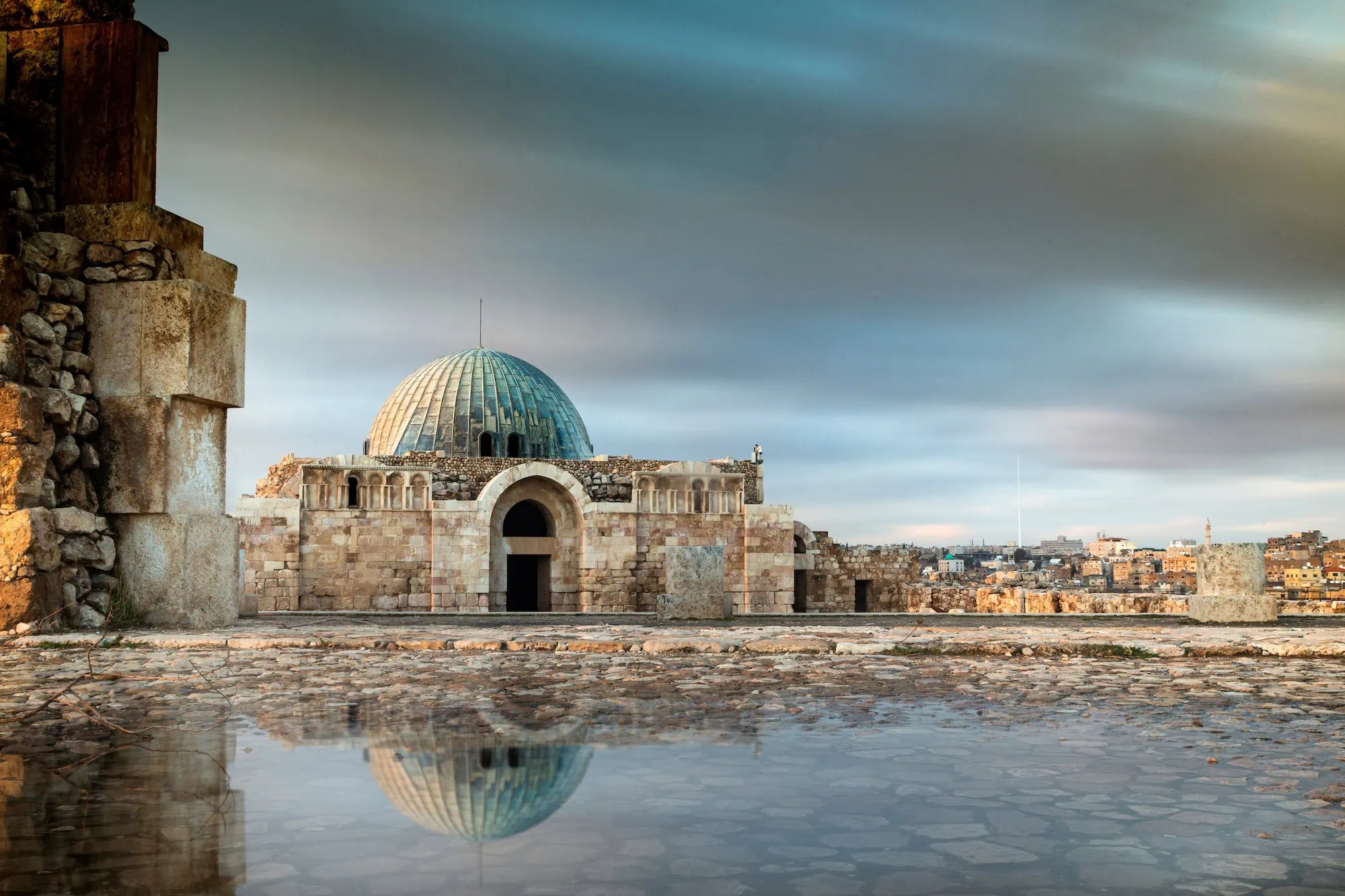
Weather patterns, tourist crowds, and cultural celebrations shift dramatically across seasons in both destinations. We’ve guided travelers through both countries for decades, witnessing firsthand how the right timing transforms a good trip into an extraordinary adventure. Understanding seasonal nuances helps you experience the Pyramids of Giza without sweltering heat, explore Petra’s rose-red facades in perfect light, and navigate the Nile while enjoying comfortable temperatures.
Your journey deserves perfect timing. Let’s explore when Egypt and Jordan reveal their absolute best.
Table of Contents
Peak Season Benefits and Drawbacks
Winter months from December through February bring Egypt and Jordan’s most comfortable weather conditions. Daytime temperatures hover around 20-25°C (68-77°F) in both countries, creating ideal conditions for extensive outdoor exploration. The crisp, clear air enhances photography opportunities at iconic sites like the Great Sphinx and Treasury at Petra.
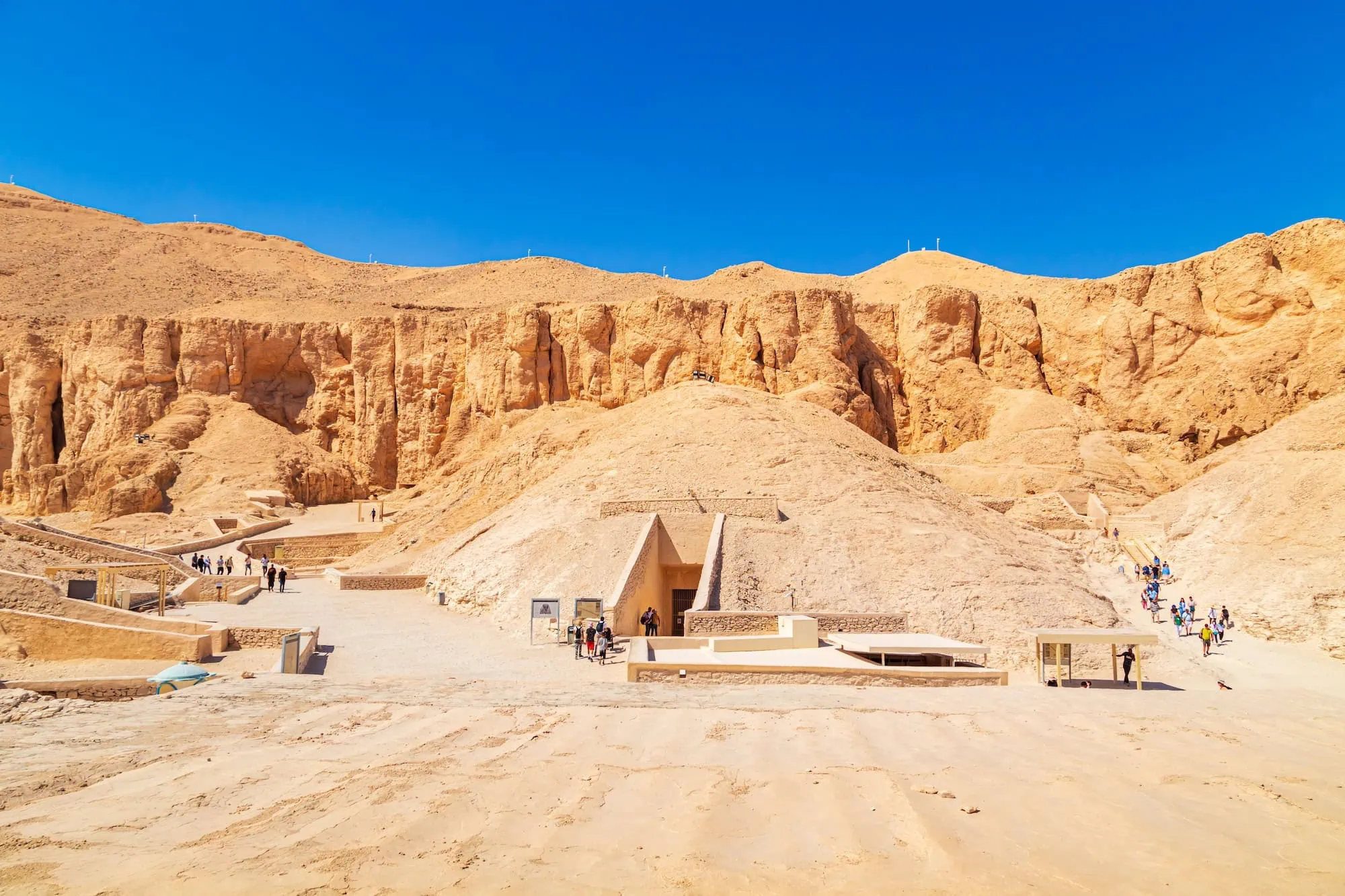
However, peak season popularity comes with significant challenges. Hotel rates increase by 30-50% compared to shoulder seasons, while popular attractions experience their heaviest crowds. The Western Wall tunnels in Jerusalem and Valley of the Kings often require advance bookings weeks ahead during this period.
Crowd Management During Peak Winter
December attracts families during school holidays, creating particularly busy conditions at family-friendly sites. Luxor’s temples see their highest visitor numbers, with some monuments requiring timed entry tickets. We recommend starting tours at 7:00 am (07:00) to avoid afternoon congestion.
January offers slightly better crowd conditions while maintaining excellent weather. The month strikes an ideal balance for travelers seeking comfortable temperatures without extreme tourist density.
Accommodation Pricing Patterns
Luxury hotels in Cairo and Amman command premium rates during winter months. Five-star properties often implement minimum stay requirements, particularly around New Year celebrations. Budget accommodations fill quickly, requiring reservations 6-8 weeks in advance for the best rates.
February presents the winter season’s best value proposition. Weather remains excellent while accommodation costs begin their gradual decline toward shoulder season levels.
Spring: The Sweet Spot for Weather
March through May delivers Egypt and Jordan’s most balanced travel conditions. Spring temperatures range from 15-28°C (59-82°F), providing comfortable weather without winter’s premium pricing. Desert regions like Wadi Rum experience perfect camping conditions, while Nile River cruises enjoy gentle breezes ideal for deck relaxation.

March kicks off spring with occasional cool evenings requiring light jackets. This variability actually enhances the travel experience, offering comfortable exploration during warm days and cozy evening meals under starlit skies. The month’s weather patterns favor both outdoor adventures and cultural site visits.
Optimal Conditions for Photography
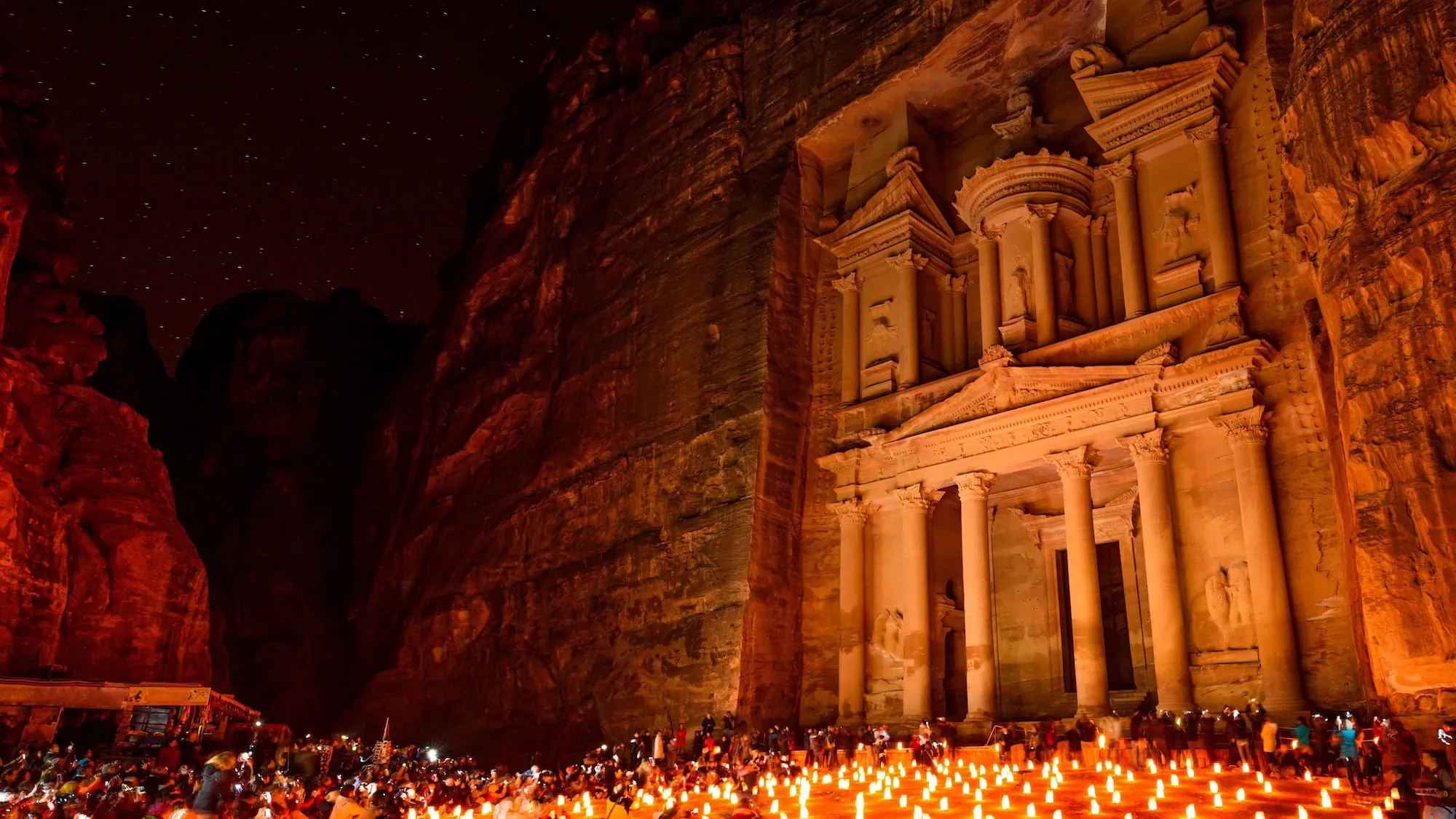
Spring light in Jordan creates magical photography conditions. Petra’s sandstone facades glow with enhanced colors during the softer light angles of March and April. The famous Treasury shot benefits from spring’s moderate sunshine, which illuminates details without harsh shadows that summer brings.
April represents spring’s peak month for both countries. Wildflowers bloom across Jordan’s countryside while Egypt’s gardens flourish. This natural beauty frames archaeological wonders with vibrant colors rarely seen during other seasons.
Cultural Events and Festivals
Spring hosting several significant cultural celebrations enhances the travel experience. Sham el-Nessim in Egypt typically falls during April, offering visitors glimpses into local spring traditions. Jordan’s cultural festivals gain momentum during this season, providing authentic experiences alongside sightseeing.
May concludes spring with increasingly warm weather that remains comfortable for most activities. The month offers excellent value for money while maintaining pleasant conditions for extensive touring.
Summer Heat: Strategies for Brave Travelers
June through August brings intense heat to both Egypt and Jordan, with temperatures often exceeding 40°C (104°F) in desert regions. Cairo regularly reaches 35°C (95°F) while Amman stays slightly cooler due to higher elevation. This season demands careful planning but offers unique advantages for prepared travelers.
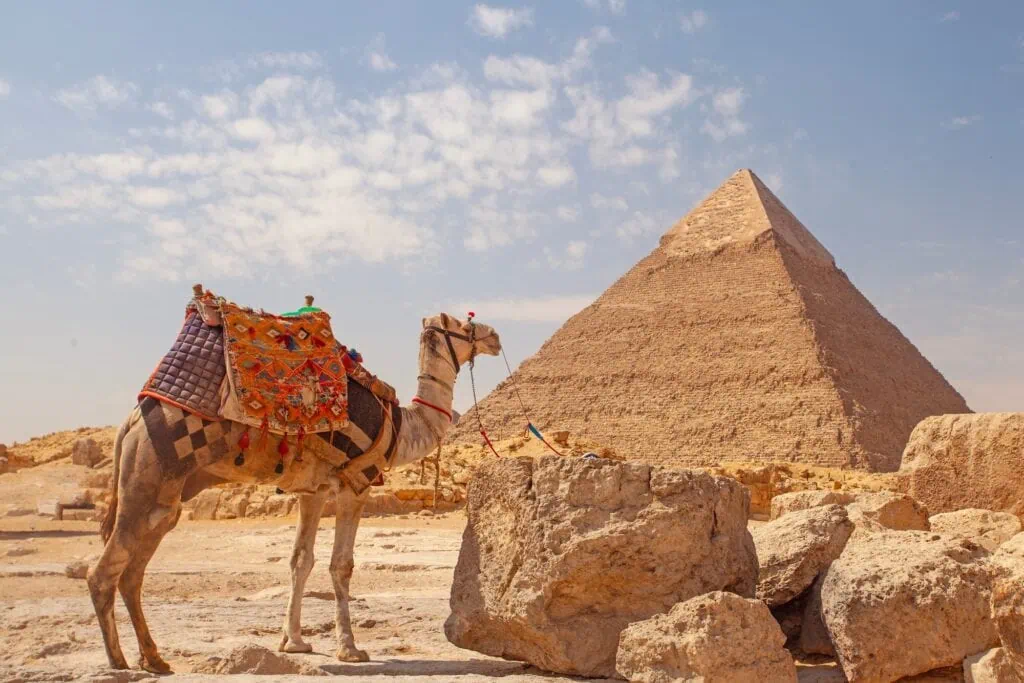
Early morning starts become essential during summer months. Beginning tours at 6:00 am (06:00) allows exploration of major sites before peak heat arrives around noon. Many of our summer travelers discover this schedule actually enhances their experience, witnessing sunrise over the pyramids or catching Petra in golden morning light. Indoor attractions like the Grand Egyptian Museum provide perfect midday refuges, while evenings extend comfortably late for dining and shopping.
Summer’s extreme heat creates some unexpected benefits. Hotel rates drop to their lowest levels of the year, often 40-60% below winter pricing. Popular sites experience significantly reduced crowds, offering nearly private experiences at world-famous locations. The Treasury at Petra, typically crowded with tour groups, might host only a handful of visitors during summer afternoons. Air-conditioned transportation and accommodations become especially valuable during this season, making luxury travel more affordable while maintaining comfort.
Autumn Advantages for Comfortable Touring
September through November creates Egypt and Jordan’s second-best travel window. Early autumn still carries summer heat, but conditions improve dramatically by October. This season combines reasonable weather with excellent value, as tourist numbers remain moderate while accommodation prices stay below peak winter rates.
September requires heat precautions similar to summer, though evenings begin cooling noticeably. October emerges as autumn’s standout month, delivering comfortable daytime temperatures around 25-30°C (77-86°F) with pleasant evenings perfect for outdoor dining. November provides some of the year’s most comfortable weather conditions, particularly in Jordan’s higher elevations where crisp mountain air enhances hiking experiences.
Perfect Timing for Desert Adventures
Autumn transforms desert experiences from endurance tests into highlights. Wadi Rum’s dramatic landscapes become accessible for extended exploration, while Egypt’s White Desert offers comfortable camping conditions. The season’s moderate temperatures allow full appreciation of both countries’ natural wonders without summer’s restrictions or winter’s crowds.
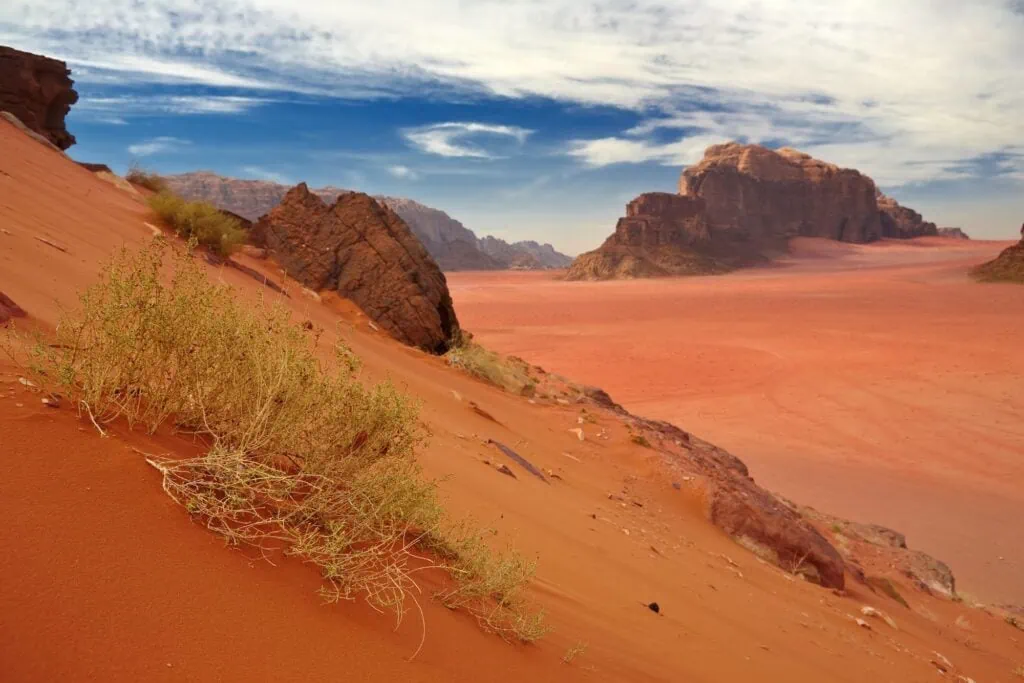
October specifically excels for adventure activities. Rock climbing in Jordan, desert safaris in Egypt, and extensive archaeological site exploration all benefit from autumn’s balanced conditions.
Shoulder Season Value Proposition
November delivers exceptional value for discerning travelers. Accommodation rates remain 20-30% below winter peaks while weather conditions rival spring’s comfort levels. This combination makes November particularly attractive for luxury experiences at moderate costs.
Country-Specific Climate Considerations
Egypt’s climate varies significantly between regions, affecting optimal timing decisions. Cairo and the Nile Valley experience hot, dry conditions with minimal rainfall year-round. Alexandria’s Mediterranean location moderates temperatures while adding occasional winter rain. The Red Sea coast maintains warm conditions ideal for diving and beach activities, though summer heat can become overwhelming for non-water activities.

Jordan’s diverse topography creates multiple climate zones requiring different timing strategies. Amman’s elevated position provides natural cooling compared to the Jordan Valley’s intense heat. Petra’s mountain location creates comfortable conditions during seasons when lowland areas become uncomfortably hot. The Dead Sea region, sitting 400 meters (1,312 feet) below sea level, maintains warm conditions perfect for spa treatments but requires heat precautions during summer months.
Regional Weather Patterns
The Nile Delta experiences Egypt’s most moderate temperatures, while Upper Egypt around Aswan records the country’s highest readings. This variation allows strategic itinerary planning, visiting cooler regions during hotter months and maximizing time in typically hot areas during comfortable seasons.
Jordan’s eastern desert regions experience extreme temperature swings between day and night, particularly during winter months. Western areas near the Mediterranean influence enjoy more stable conditions year-round.
Ramadan and Religious Holiday Considerations
Religious observances significantly impact travel experiences in both Muslim-majority countries. Ramadan’s timing shifts annually based on the lunar calendar, affecting restaurant operations, tour schedules, and cultural site access. During this holy month, many restaurants close during daylight hours while evening celebrations create unique cultural experiences.
Eid celebrations following Ramadan bring increased domestic tourism as local families take holidays. Popular sites experience higher visitor numbers, while some attractions modify operating schedules. However, these periods also showcase authentic cultural traditions rarely visible to tourists during other times.
Planning Around Islamic Calendar
Islamic holidays require advance research since dates change yearly. Major celebrations like Eid al-Fitr and Eid al-Adha create bank holidays affecting money exchange and business operations. We always inform our travelers about upcoming religious observances to ensure smooth travel experiences.
Christmas and Easter periods bring increased Western tourism, particularly to Jordan’s Christian sites. Bethlehem and other Biblical locations experience peak visitation during these seasons.
Budget Timing for Maximum Value
Shoulder seasons offer the best balance of weather and value for budget-conscious travelers. Late March through April and October through early November provide comfortable conditions while avoiding peak season premiums. These periods deliver 20-40% savings on accommodations compared to winter months.

Summer travel, despite heat challenges, provides exceptional value for prepared visitors. Hotels drop rates to attract guests willing to brave high temperatures. This season particularly benefits travelers focused on indoor attractions, early morning activities, and evening entertainment.
Mid-week arrivals throughout any season offer additional savings compared to weekend rates. Tuesday through Thursday departures often provide the best flight prices, while Sunday through Tuesday hotel check-ins avoid weekend premiums common in both countries.
Frequently Asked Questions
Egypt and Jordan experience their most comfortable weather between October and April, with March, April, October, and November often considered the sweet spot for both destinations. Daytime temperatures typically range from 20-30°C (68-86°F), making outdoor sightseeing far more enjoyable than during the summer heat. These months are ideal for exploring the Pyramids of Giza, Petra, Wadi Rum, and Luxor without extreme temperatures. Travelers also benefit from a balance of good weather, manageable crowds, and competitive pricing.
Yes, summer travel in Egypt and Jordan is entirely feasible with proper planning and realistic expectations about the heat. From June through August, temperatures can exceed 40°C (104°F) in places such as Luxor, Aswan, Petra, and Wadi Rum. Early morning sightseeing, midday breaks in air-conditioned venues, and evening activities help visitors stay comfortable. The tradeoff is significant savings on hotels and flights, along with noticeably fewer crowds at major attractions.
Travelers can often save 20-40% on accommodations during the shoulder seasons of March-April and October-November compared to peak winter travel. Many hotels, Nile cruises, and guided tours offer lower rates while still providing excellent weather conditions. Availability is also better, especially at premium properties near Petra, the Dead Sea, Luxor, and Aswan. Shoulder-season travel often delivers the best balance between comfort, value, and sightseeing opportunities.
Religious holidays can affect travel plans, but the impact is usually manageable with advance planning. During Ramadan, many local restaurants reduce daytime operations, while evenings become lively with iftar celebrations, markets, and cultural events. Major Islamic holidays such as Eid al-Fitr and Eid al-Adha may increase domestic travel demand and hotel occupancy for several days. Visitors who understand the schedule often gain unique cultural experiences unavailable during other times of the year.
April is often considered the best month for photography in both Egypt and Jordan because of its combination of mild temperatures, clear skies, and soft natural light. The lower sun angle creates more balanced lighting at iconic sites such as Petra, the Valley of the Kings, and Abu Simbel. Spring vegetation and seasonal wildflowers add color to landscapes, particularly in Jordan. Photographers should still aim for sunrise and sunset sessions to capture the most dramatic images.
Yes, crowds are manageable during peak winter season if you plan strategically. December through February attracts the highest number of visitors because temperatures are comfortable across both countries. Popular sites such as the Pyramids of Giza, Petra, and the Valley of the Kings can become busy by mid-morning. Arriving when attractions open, often between 6:00 am and 8:00 am, provides a quieter experience and better photography opportunities.
Elevation has a major impact on Jordan’s climate, creating significant temperature differences across relatively short distances. Amman and Petra sit at higher elevations and are typically cooler than the Jordan Valley and Dead Sea region, which lies hundreds of meters below sea level. This means travelers can experience temperatures that differ by 10°C (18°F) or more on the same day. Layered clothing is especially useful when exploring multiple regions during one itinerary.
July and August are generally the cheapest months to visit both Egypt and Jordan because demand drops as temperatures rise. Hotels, flights, and tour packages often offer their lowest rates of the year during this period. While daytime temperatures can exceed 40°C (104°F) in Upper Egypt and desert areas, careful scheduling makes travel possible. Visitors focused on value rather than weather can often find substantial discounts compared to winter travel.
Spring and autumn require similar packing strategies centered on lightweight layers and temperature flexibility. Mornings and evenings can feel cool, particularly in Petra, Amman, desert regions, and aboard Nile cruises, while midday temperatures may exceed 25°C (77°F). Lightweight jackets, long-sleeved shirts, comfortable walking shoes, and sun protection work well in both seasons. March and November tend to have the largest daily temperature swings, making layered clothing especially useful.
Booking timelines vary significantly by season. For peak travel months between December and February, reserving accommodations, Nile cruises, and popular tours 6-8 weeks in advance often secures better rates and availability. During spring, autumn, and summer, many travelers can comfortably book 3-4 weeks ahead. Luxury properties near Petra, the Dead Sea, and premium Nile cruise ships tend to sell out earlier than standard accommodations regardless of season.
Design Your Custom Tour
Explore Egypt and Jordan your way by selecting only the attractions you want to visit