

Rose City Of Petra – A Striking Prehistoric Rock Carved City
Step into one of archaeology’s greatest mysteries.
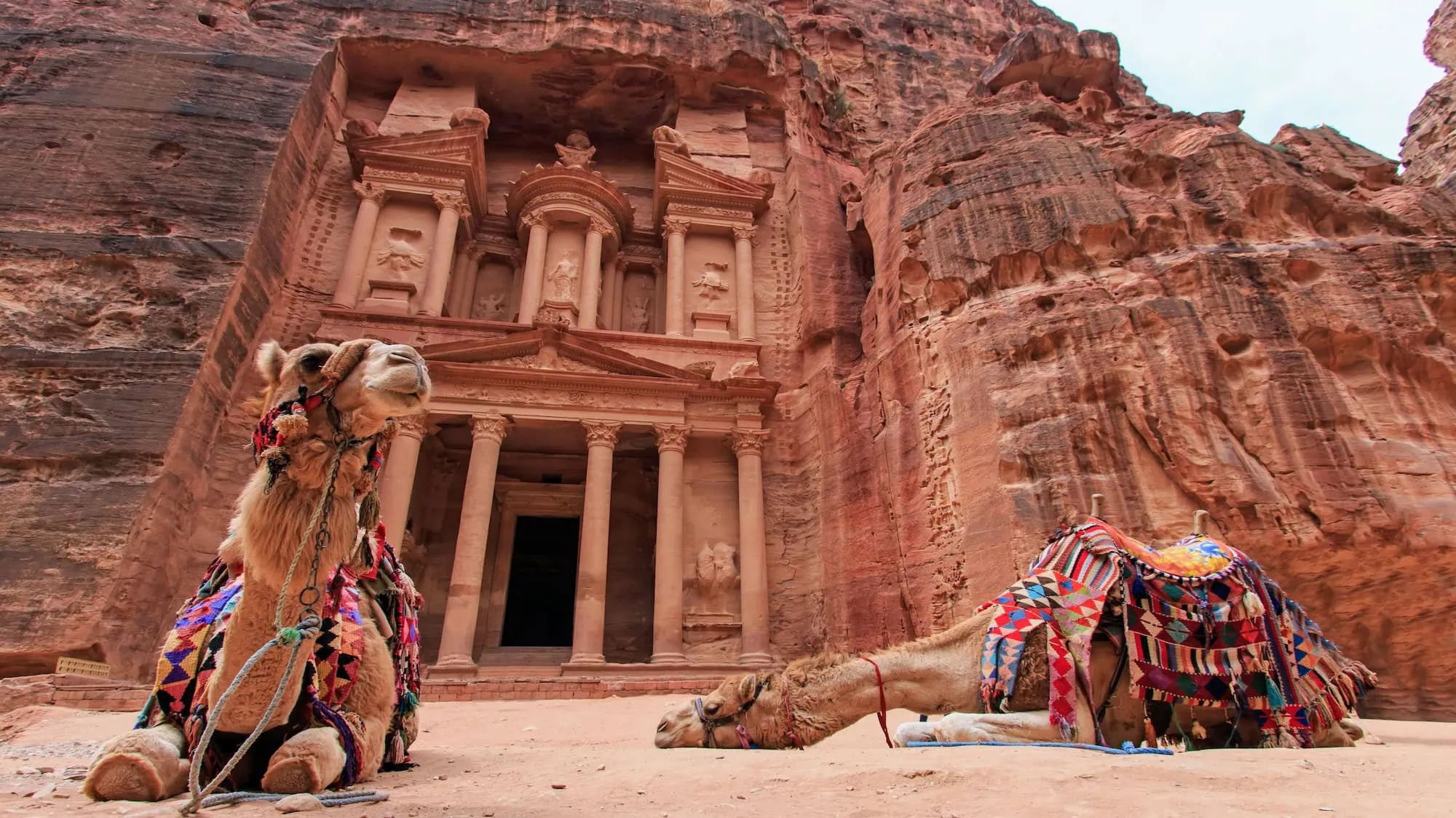
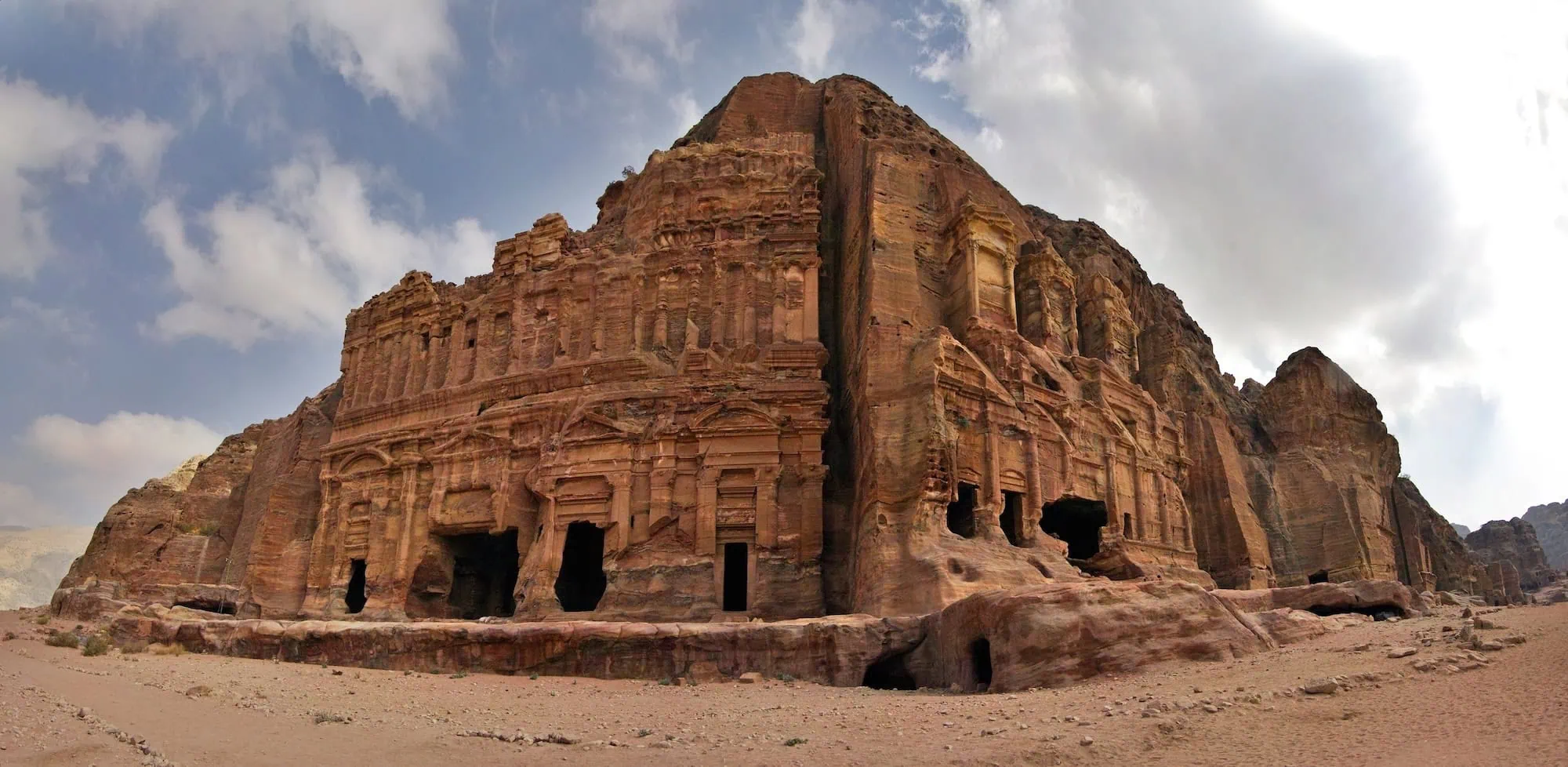
The ancient city of Petra rises from Jordan’s desert landscape like a dream, its rose-colored facades carved directly into towering sandstone cliffs by the Nabataeans more than 2,000 years ago. A UNESCO World Heritage Site and one of the New Seven Wonders of the World, Petra is a place where natural beauty and human ingenuity meet in unforgettable ways.
Walking through the narrow Siq canyon toward the iconic Treasury feels like traveling back in time. Each carved facade reveals the legacy of an advanced civilization that once controlled vital trade routes linking Arabia, Egypt, and the Mediterranean world—making Petra a perfect highlight on our combined Egypt and Jordan tours.
Table of Contents
The Geological Wonder Behind Petra’s Pink Glow
Petra’s famous rose-red coloring comes from iron oxide naturally embedded within the sandstone cliffs. Over millions of years, geological processes created layers of ferruginous sandstone that range from deep crimson to pale pink, depending on mineral concentrations and weathering patterns.
The Science of Sandstone Artistry
The Nabataeans chose this location not just for its natural beauty, but for practical reasons. The soft sandstone proved ideal for carving while remaining structurally sound enough to withstand centuries of desert conditions. Iron oxidation creates the spectacular color variations visitors see today, with some facades displaying bands of yellow, white, and purple alongside the dominant rose tones.
Weather patterns have continued shaping these monuments long after their creation. Morning and evening light transforms the stone colors dramatically, creating photography opportunities that change by the hour.
Natural Canvas for Ancient Artists
Different mineral deposits throughout the cliff faces provided ancient carvers with a natural palette to work with. Some areas contain higher concentrations of iron, creating deeper reds, while others display lighter pink and cream tones. The Nabataeans incorporated these natural color variations into their architectural designs, using the stone’s inherent beauty to enhance their carved masterpieces.
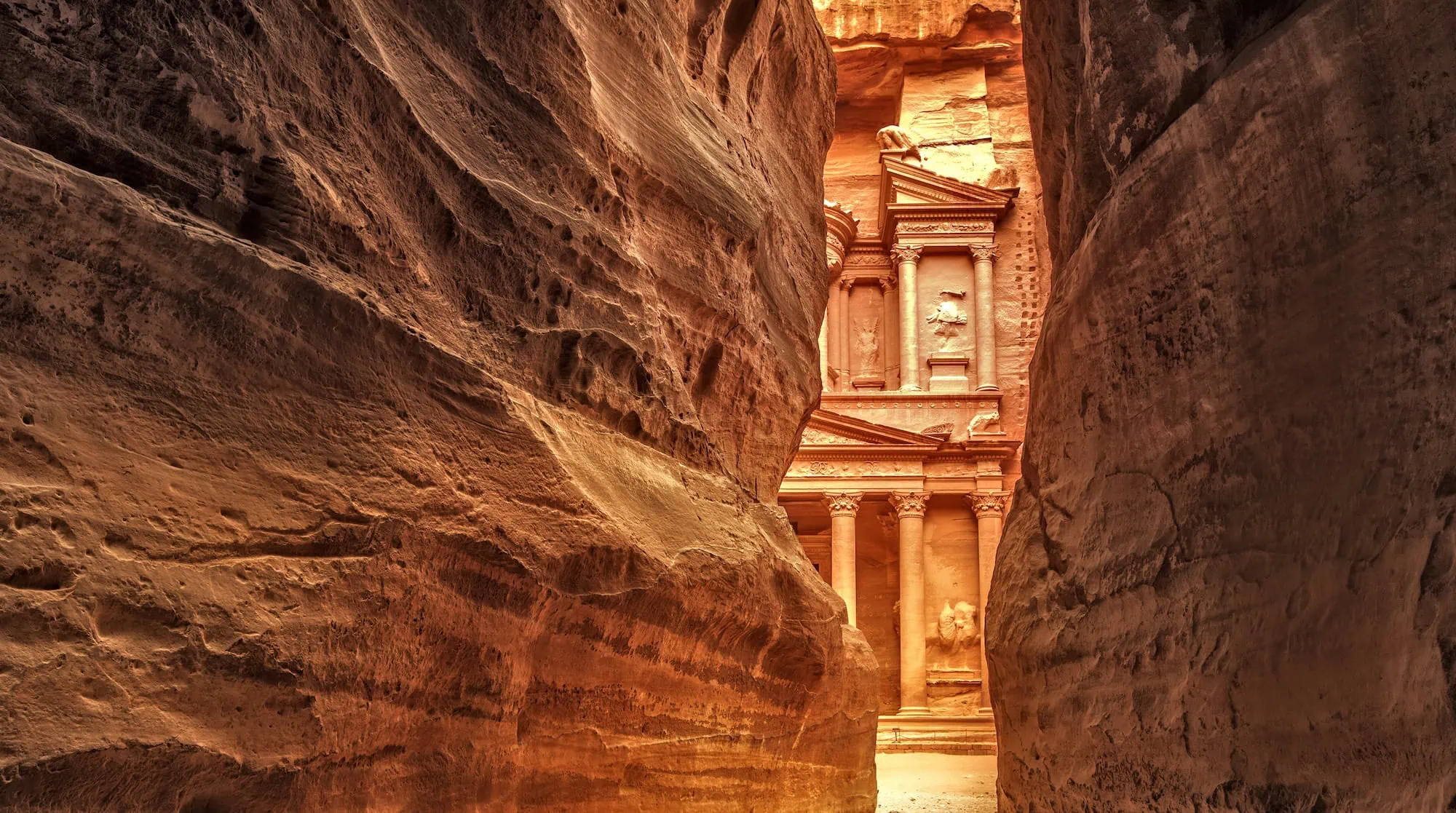
Nabataean Mastery: Engineering Marvels in Desert Stone
The Nabataeans transformed Petra into far more than a simple settlement.
Their sophisticated water management system included over 200 cisterns, dams, and reservoirs that collected and stored precious rainwater throughout the year. This engineering feat allowed a thriving city of up to 30,000 residents to flourish in an otherwise harsh desert environment. Archaeological excavations continue revealing the complexity of these ancient hydraulic systems, with many channels and storage areas still functioning today.
Complex networks of carved channels directed water flow from the surrounding mountains directly into the city center. The Nabataeans understood desert hydrology so well that their water collection methods supplied not only drinking water but also supported gardens and public baths within the city walls.
Trade Route Dominance
Petra’s strategic location along ancient incense and spice routes made it incredibly wealthy. Merchants traveling between India, Arabia, and Mediterranean markets had to pass through Nabataean territory, paying taxes and purchasing supplies. This economic foundation funded the massive construction projects visitors admire today.
The Treasury, despite its nickname, likely served as a tomb for Nabataean royalty. Its elaborate facade demonstrates the wealth and artistic sophistication this desert kingdom achieved through trade control. Caravans loaded with frankincense, myrrh, silk, and spices made regular stops here, transforming Petra into one of the ancient world’s most cosmopolitan cities.
Architectural Innovation Beyond Facades
While the Treasury captures most attention, Petra contains over 800 carved monuments showcasing diverse architectural styles. The Monastery represents the pinnacle of Nabataean engineering, requiring a challenging hike up ancient stone steps to reach. This massive structure measures 50 meters wide and 45 meters tall, making it larger than the more famous Treasury.
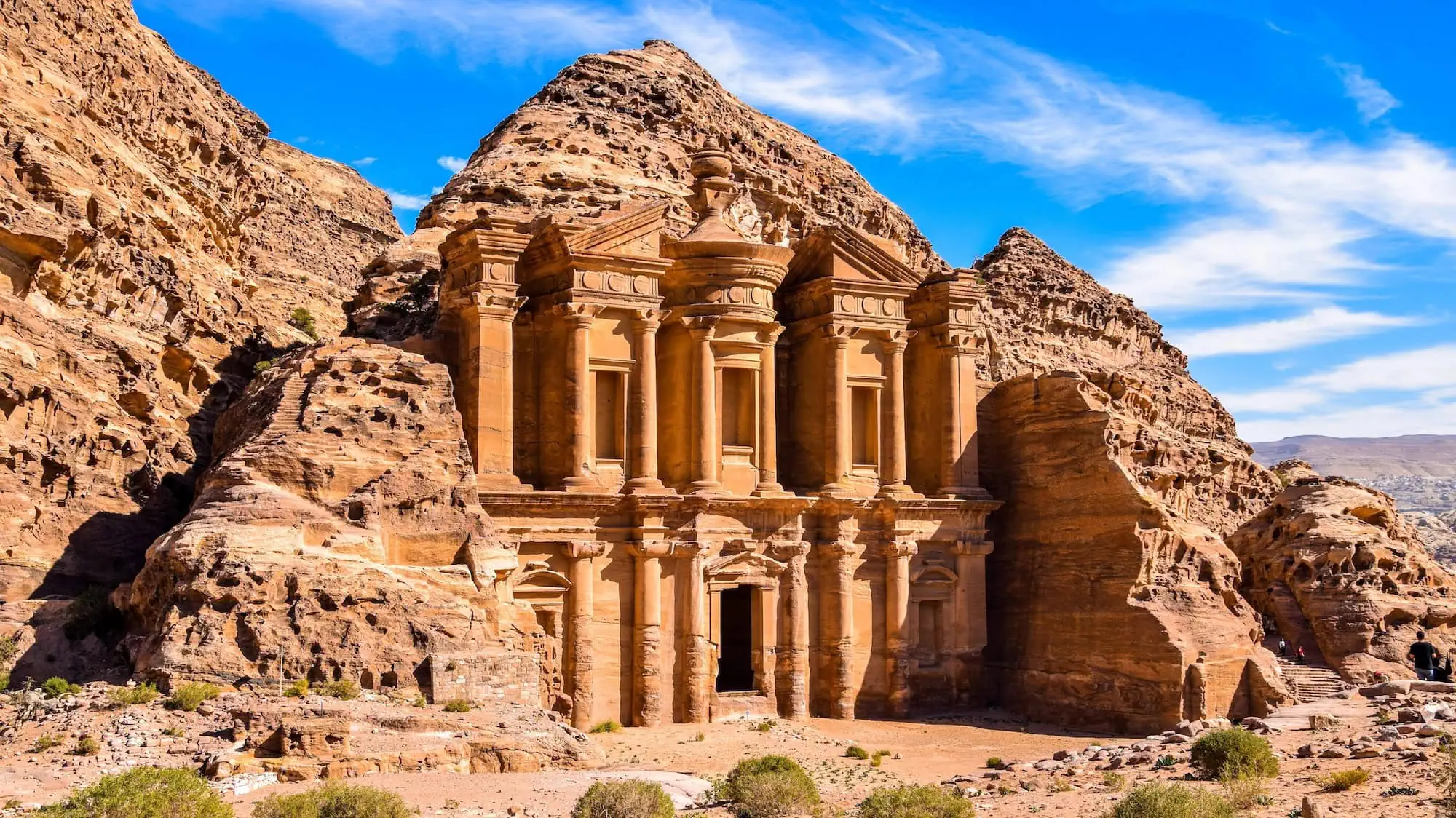
Royal tombs line the cliff faces throughout the archaeological site, each displaying unique decorative elements that reflect different periods of Nabataean development. The Great Temple complex reveals how these ancient architects combined carved rock facades with traditional built structures to create functional public spaces.
Exploring Modern Petra: What Today’s Visitors Experience
Entry to Petra requires purchasing tickets at the main visitor center in Wadi Musa town. The archaeological park opens daily at 6:00 am (06:00) and closes at varying times depending on season – typically 6:00 pm (18:00) in summer and 4:00 pm (16:00) in winter.
Most visitors spend their first day walking the main trail through the Siq to reach the Treasury, continuing to the Street of Facades and Royal Tombs. This primary route covers approximately 4 km (2.5 miles) of relatively easy walking on mostly flat terrain. The complete experience from entrance to Treasury and back typically takes 3-4 hours without additional hiking to outlying monuments.
Temperatures vary dramatically by season. Summer visits mean dealing with intense heat reaching 35°C (95°F) or higher, while winter temperatures can drop to near freezing at night and early morning. Spring and fall offer the most comfortable weather for extensive exploration, with daytime temperatures around 22-25°C (72-77°F).
Beyond the Treasury: Hidden Petra Highlights
The Monastery hike ranks among Petra’s most rewarding but demanding experiences. This 3 km (1.9 mile) climb involves ascending over 800 carved steps, gaining approximately 200 meters (650 feet) in elevation. The journey takes most visitors 45-60 minutes each way, but the massive carved facade and panoramic desert views make the effort worthwhile.
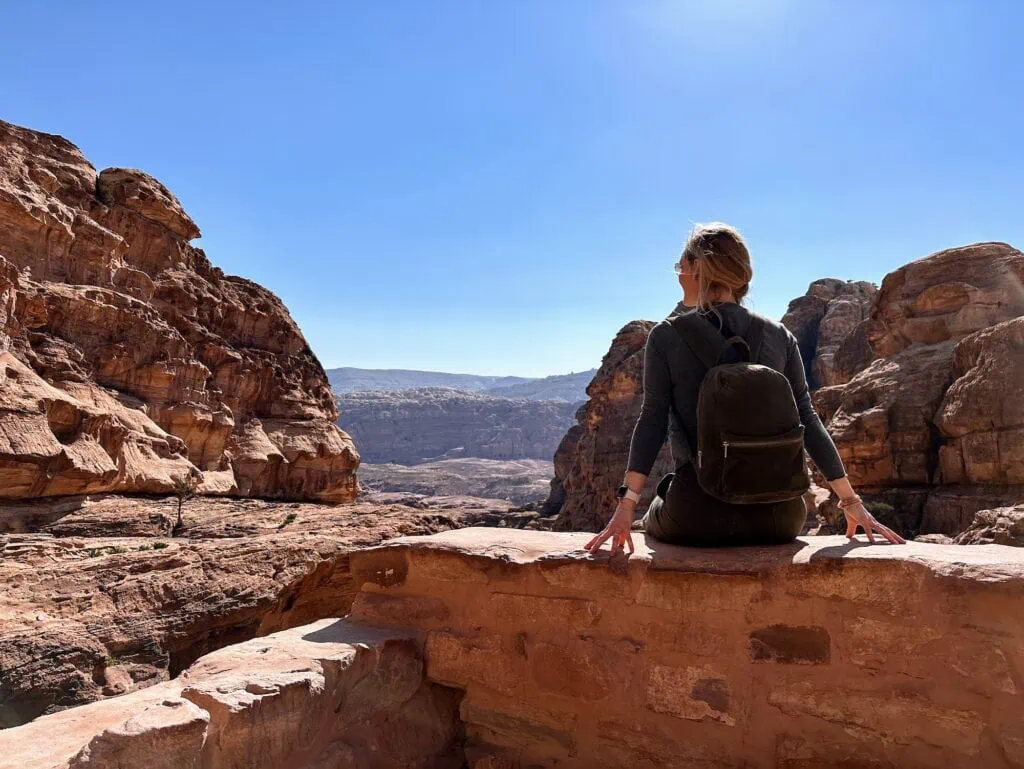
High Place of Sacrifice offers another challenging climb with spectacular views over the entire archaeological site. This mountaintop altar demonstrates how the Nabataeans incorporated religious ceremonies into their daily lives, with carved channels for ritual offerings still visible today.
Practical Planning for Your Petra Adventure
Comfortable walking shoes are essential for navigating uneven ancient pathways and stone steps. Bringing plenty of water is crucial, especially during warmer months when dehydration becomes a serious concern. The visitor center sells refreshments, but prices reflect the remote desert location.
Photography restrictions apply in certain tomb interiors, though most outdoor areas welcome cameras. Early morning visits provide the best lighting conditions for the Treasury, while afternoon light works better for the Monastery and western-facing monuments.
Local Bedouin guides offer valuable insights into Petra’s history and can point out details easily missed by independent visitors. Their families have lived in this region for generations, maintaining oral traditions about the site’s significance that complement official archaeological findings.
Conservation Challenges and Archaeological Discoveries
Scientists estimate that 85% of Petra remains buried beneath centuries of accumulated sand and debris. Ongoing excavations regularly reveal new chambers, water systems, and artifacts that expand our understanding of Nabataean civilization. Recent discoveries include previously unknown residential areas and workshop complexes that housed the craftsmen who created Petra’s magnificent monuments.
Modern Preservation Efforts
UNESCO designation brings both protection and challenges for Petra’s conservation. Increased tourism generates revenue for preservation work but also creates wear on ancient pathways and carved surfaces. Conservation teams use advanced techniques to stabilize fragile rock faces while maintaining the site’s authentic appearance.
Climate change poses new threats to Petra’s sandstone monuments. Increased rainfall intensity and frequency can accelerate erosion, while extreme temperature variations cause expansion and contraction that weakens rock structures. International conservation organizations work alongside Jordanian authorities to develop protection strategies that address these emerging challenges.
Research and Discovery Continue
Archaeological teams from around the world conduct ongoing research projects throughout Petra using ground-penetrating radar, 3D mapping technology, and other advanced tools. These investigations continue revealing how the Nabataeans adapted their architecture to the natural landscape while creating one of the ancient world’s most impressive urban centers.
Recent textile and organic material discoveries provide new insights into daily life in ancient Petra. Preserved fabrics, wooden objects, and plant remains help researchers understand the economic activities, trade connections, and lifestyle of ordinary Nabataean citizens beyond the royal elite whose tombs dominate the visible landscape.
Planning Your Rose City Adventure
Visa Requirements and Entry Process
U.S. visitors can obtain a visa upon arrival at Queen Alia International Airport in Amman or at the Aqaba airport for $60 USD, valid for 30 days. European Union citizens enjoy the same visa-on-arrival process, while many Latin American countries including Mexico, Brazil, and Argentina qualify for free 30-day visas. Canadian and Australian visitors also receive visas on arrival for the same fee as Americans.
The Jordan Pass, available online before travel, combines tourist visa fees with entry to major attractions including Petra. This pass offers significant savings for visitors planning to see multiple archaeological sites during their Jordan trip.
Transportation and Accommodation
Wadi Musa town, adjacent to Petra’s entrance, offers accommodations ranging from budget hostels to luxury hotels. The Mövenpick Resort provides the closest access to the archaeological site entrance, while numerous smaller hotels and guesthouses serve different budget levels throughout the town.
Regular bus service connects Amman to Wadi Musa, taking approximately 3 hours for the 236 km (147 mile) journey. Private car rentals offer more flexibility for exploring southern Jordan’s other attractions, including Wadi Rum desert and Aqaba’s Red Sea coast. Many visitors combine Petra with these nearby destinations in multi-day itineraries.
At Egypt Tours Plus, we know that visiting Petra is a once-in-a-lifetime highlight for many travelers—and just one of the many unforgettable Jordan tourist attractions waiting to be explored.
With decades of experience crafting journeys across the Middle East, we create seamless travel experiences that connect Egypt’s iconic monuments with Jordan’s rich archaeological landscape. Our private guides and carefully designed itineraries ensure you experience the Rose City with depth, context, and flexibility, while our 24/7 customer support gives you complete peace of mind from arrival to departure.
Frequently Asked Questions
Most visitors need 2-3 days to explore the Treasury, Monastery, Royal Tombs comfortably.
The climb involves 800+ stone steps taking 45-60 minutes, manageable for reasonable fitness.
Spring (March-May) and fall offer ideal temperatures around 22-25°C with minimal rainfall.
Independent visits work well, though local guides provide valuable historical context and details.
The Basin Restaurant serves meals near Treasury, though bringing water and snacks recommended.
Basic Treasury route covers 4 km round trip, including Monastery adds another 6 km.
Most areas welcome photography, though some tomb interiors restrict cameras for preservation.
Comfortable walking shoes, sun protection, layers for temperature changes, and modest clothing.
Treasury illumination operates Monday, Wednesday, Thursday evenings offering magical but limited perspective.
Combines well with Wadi Rum (1 hour), Aqaba coast (2 hours), and Amman region.
Design Your Custom Tour
Explore Egypt and Jordan your way by selecting only the attractions you want to visit