

White Desert National Park – Egypt’s Surreal Limestone Wilderness
Snow-white formations rise from golden sand like an alien landscape.
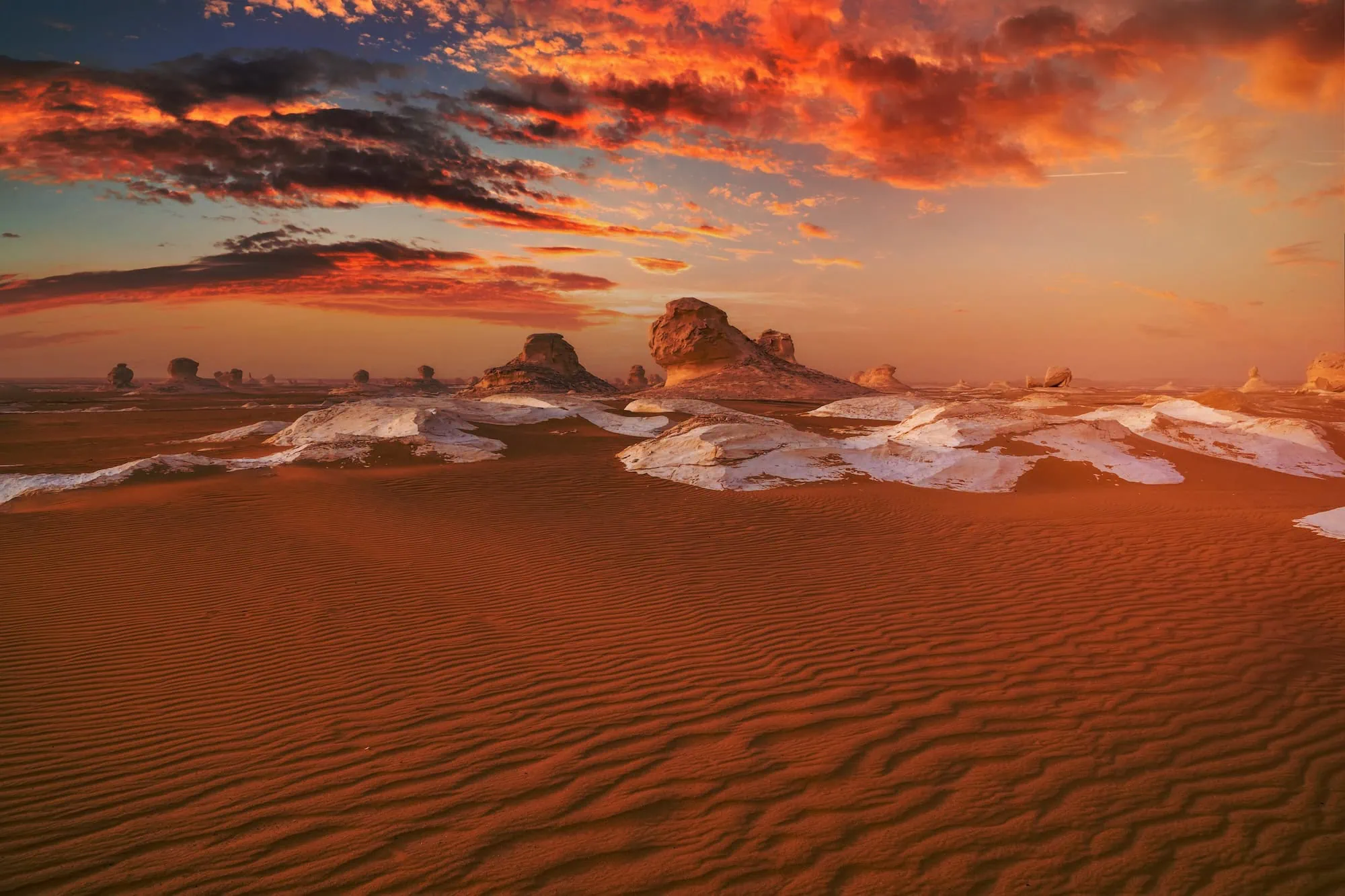
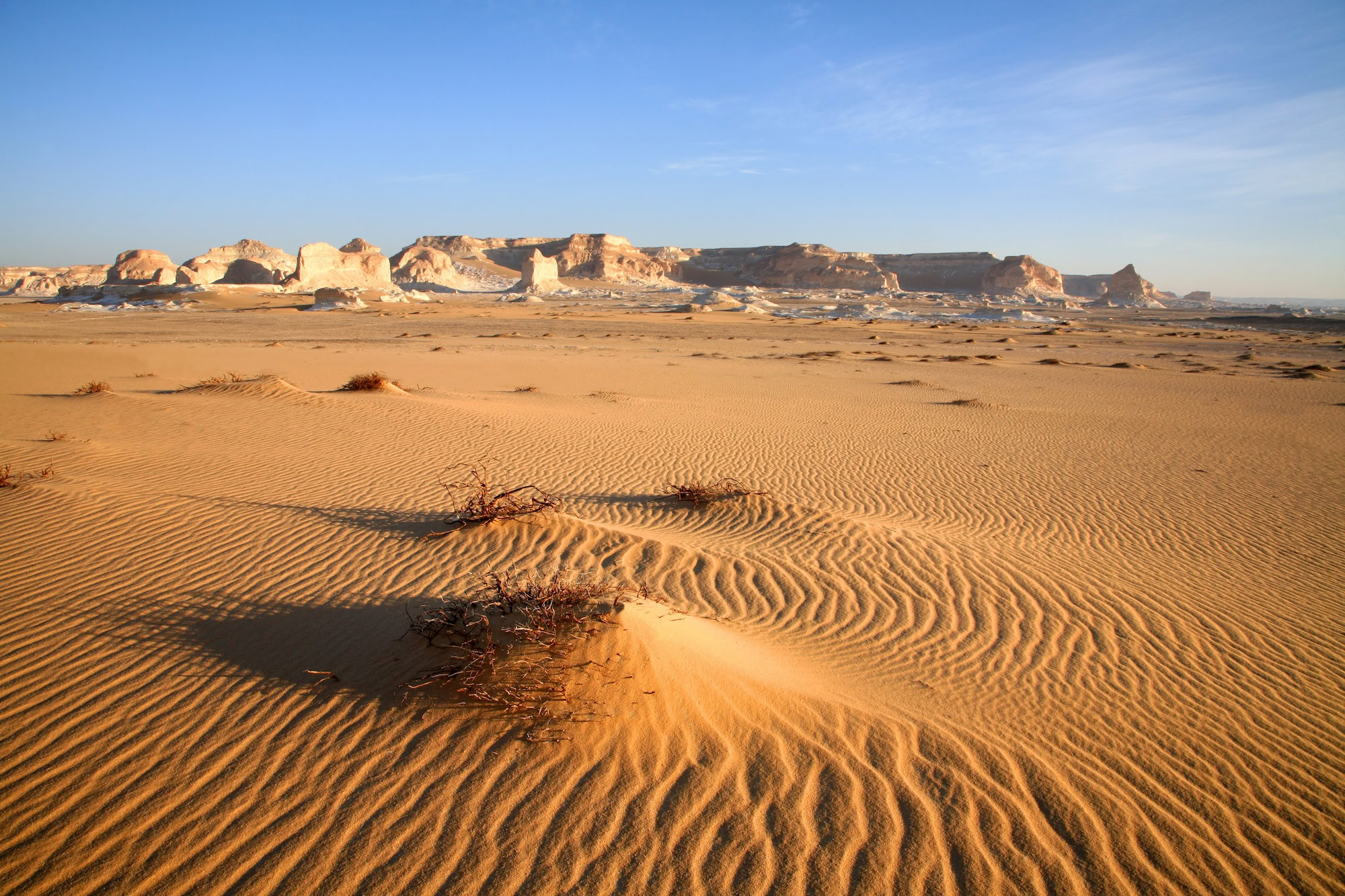
This otherworldly corner of Egypt stretches across 300 square kilometers in the Farafra Depression, about 300 miles southwest of Cairo. Here, millions of years of erosion have carved chalk and limestone into fantastical sculptures that defy imagination. Ancient sea floors transformed into towering mushroom rocks, ice cream cone shapes, and formations that look like camping tents frozen in time.
We’ve guided countless travelers through this geological wonderland, and each visit reveals new perspectives on nature’s artistry. The contrast between blazing desert heat and these ethereal white sculptures creates an experience that stays with you long after you’ve returned home. This is the kind of unforgettable journey our expertly guided Western Desert tours are designed to deliver, combining insight, access, and seamless planning in one extraordinary adventure.
Table of Contents
The Geological Story Behind the Formations
Wind and rain sculpted these masterpieces over millions of years. The white limestone and chalk deposits originated when this entire region lay beneath an ancient sea. As water levels receded, exposed calcium carbonate formations began their slow transformation under desert conditions.
Crystal Mountain: Nature’s Jewelry Box
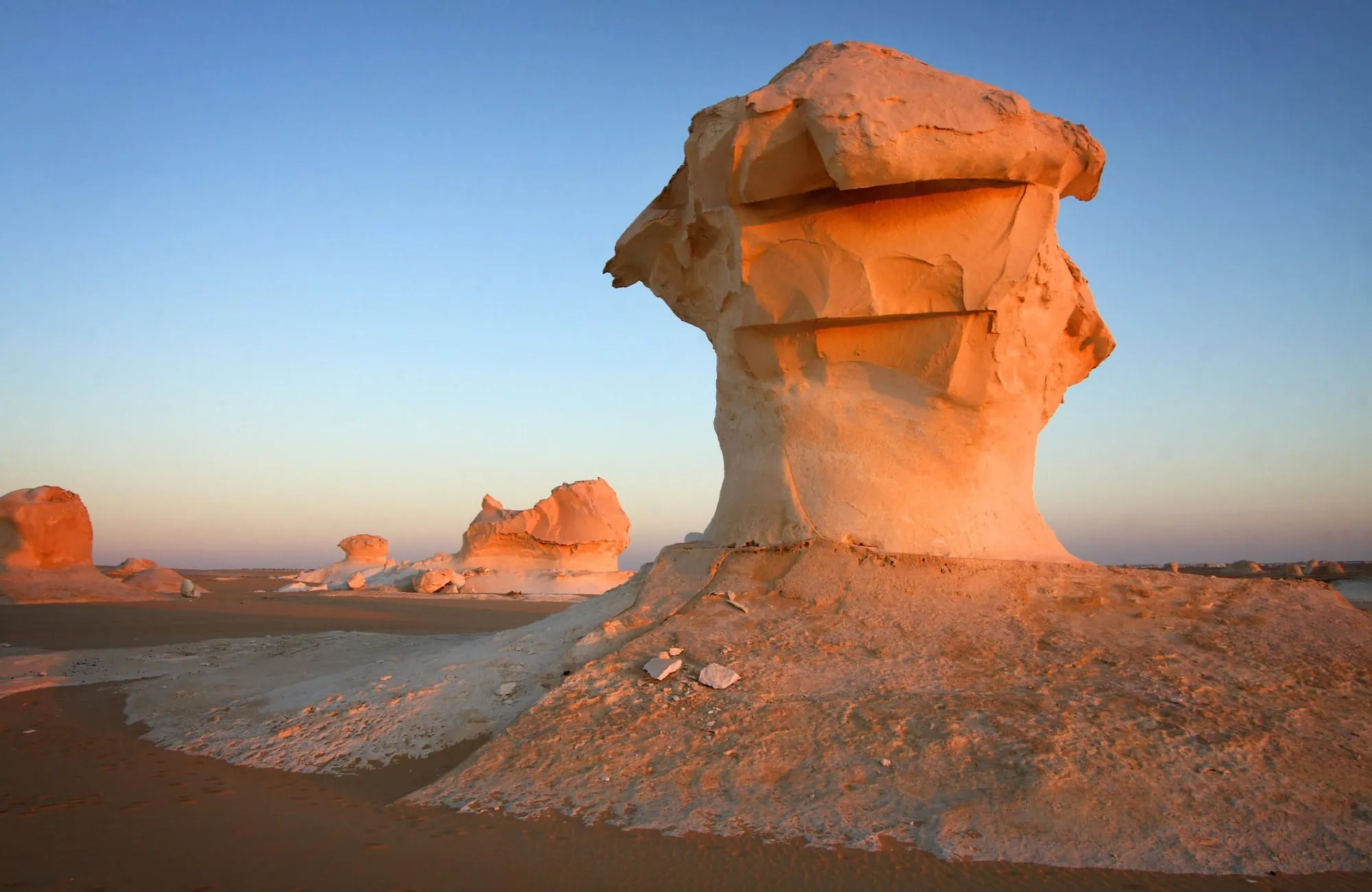
Crystal Mountain stands as one of the park’s most photographed landmarks. This hill sparkles with quartz crystals embedded in its surface, creating a natural jewel box effect under the desert sun. The crystals formed through geological processes that compressed and heated minerals deep underground before exposing them to surface conditions.
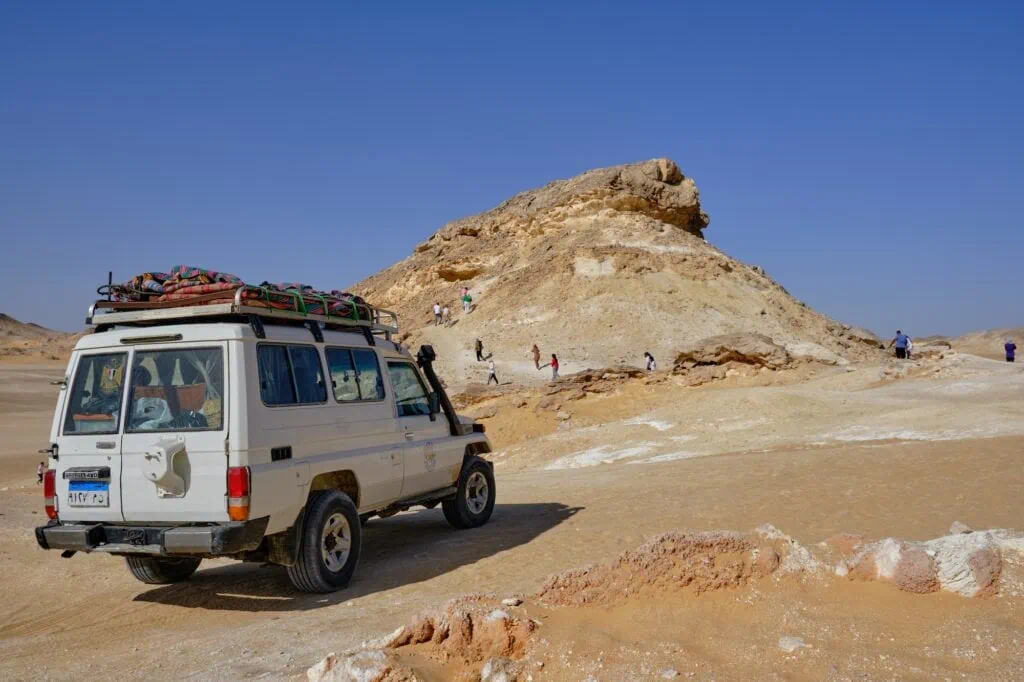
Local guides often time visits here for late afternoon when the western sun illuminates the crystals most dramatically.
Mushroom Rock and the Sculpture Garden
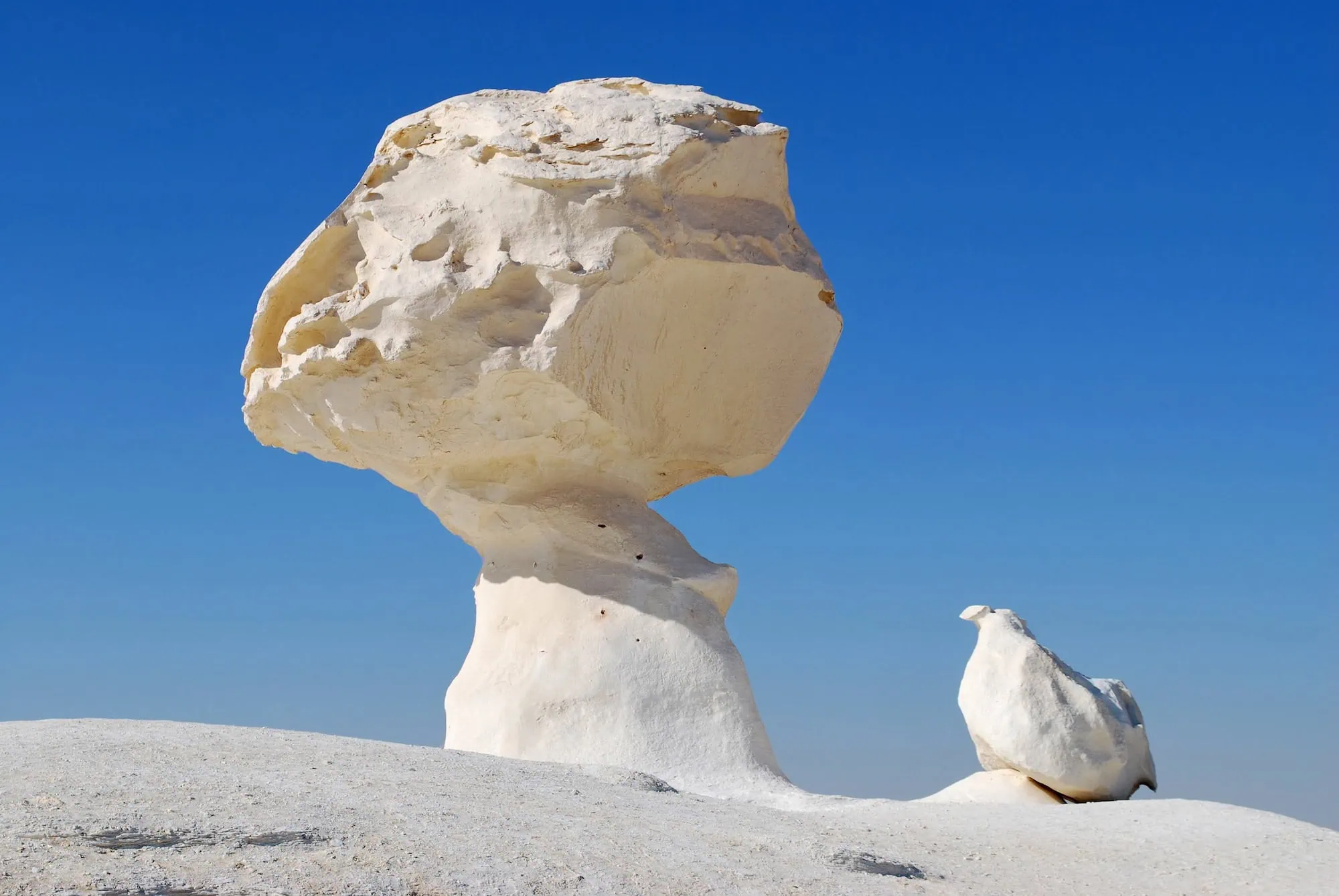
Mushroom Rock earned its name from its distinctive cap-like top balanced on a narrow stem. Differential erosion created this shape when harder limestone layers protected softer rock beneath them. Wind-blown sand acts like sandpaper, gradually wearing away the base while leaving the resistant cap intact.
Dozens of similar formations dot the landscape. Some resemble enormous ice cream cones, others look like abstract art installations. Photography enthusiasts find endless compositions among these natural sculptures.
The Tent Formation Valley
A collection of tent-shaped rocks creates what locals call the “camping ground of the gods.” These formations demonstrate how different minerals erode at varying rates. The pointed tops formed where resistant limestone layers shed water and sand quickly, preventing significant weathering.
Wildlife Thriving in Extreme Conditions
The seemingly barren landscape supports remarkable biodiversity adapted to desert extremes.
Fennec foxes emerge after dark, their oversized ears helping them locate insects and small prey in the sand. These tiny predators have evolved efficient kidneys that conserve water and fur-soled feet that protect against hot sand. During our camping experiences, guests occasionally spot their distinctive tracks around campsites at dawn.
Dorcas gazelles represent one of the region’s most elegant survivors. These small antelopes can live entirely without drinking water, obtaining all moisture from vegetation. Their pale coloring provides camouflage against limestone formations. The endangered Rhim gazelle also inhabits remote areas, though sightings are increasingly rare.
Barbary sheep navigate rocky outcrops with surprising agility. Males display impressive curved horns that can span over two feet. These animals seek shade among rock formations during midday heat and become more active during cooler morning and evening hours.
Desert Adaptations
Multiple bird species call this harsh environment home. Sandgrouse fly considerable distances to water sources in early morning, their specialized feathers capable of absorbing and transporting water back to their young. Desert larks blend seamlessly with sandy terrain, their songs echoing off limestone walls.
Reptiles like the Egyptian cobra and various lizard species find shelter in rock crevices. These cold-blooded animals regulate their body temperature by moving between sunny and shaded areas throughout the day.
Adventure Activities in the White Desert
Desert camping transforms a day visit into an unforgettable overnight adventure. We arrange traditional Bedouin-style camps where you sleep under star-filled skies unpolluted by city lights. The Milky Way appears with stunning clarity here, making this one of Egypt’s premier stargazing destinations.
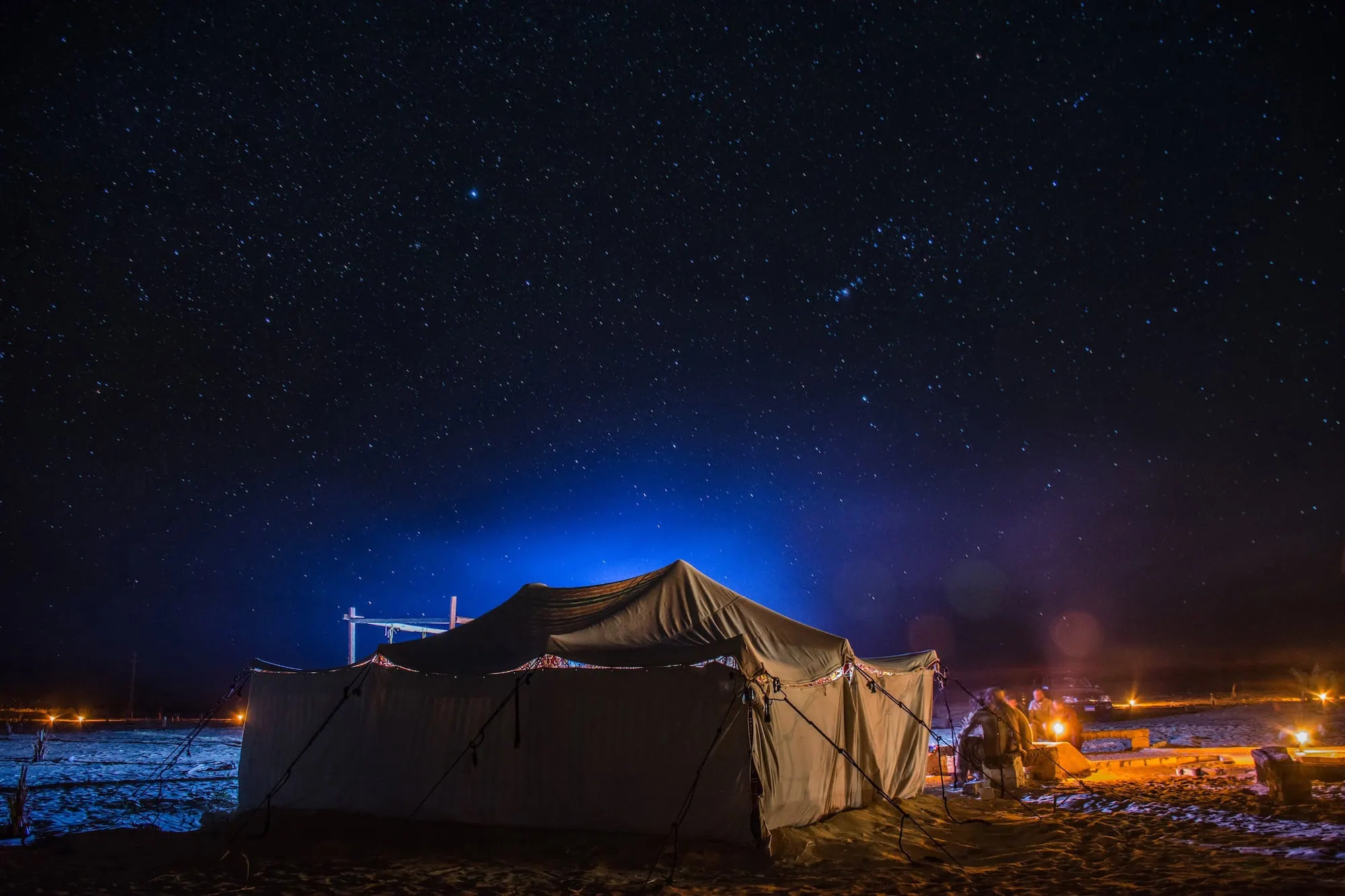
Professional guides prepare traditional meals over open fires while sharing stories of desert navigation and survival techniques passed down through generations. Modern camping equipment ensures comfort while maintaining the authentic desert experience.
Jeep Safari Exploration
Four-wheel drive vehicles provide access to remote formations and hidden valleys impossible to reach on foot. Our experienced drivers navigate unmarked terrain using GPS and traditional wayfinding methods. Safari routes typically include Crystal Mountain, Agabat Valley, and lesser-known formations away from main tourist paths.
The freedom to explore at your own pace allows for spontaneous discoveries. Photographers appreciate the ability to position vehicles for optimal lighting conditions during golden hour shoots.
Sandboarding Adventures
Natural sand dunes near the white formations offer excellent sandboarding opportunities. This activity requires no previous experience, and our guides provide basic instruction and safety equipment. The soft sand provides a forgiving surface for beginners learning to navigate steep slopes.
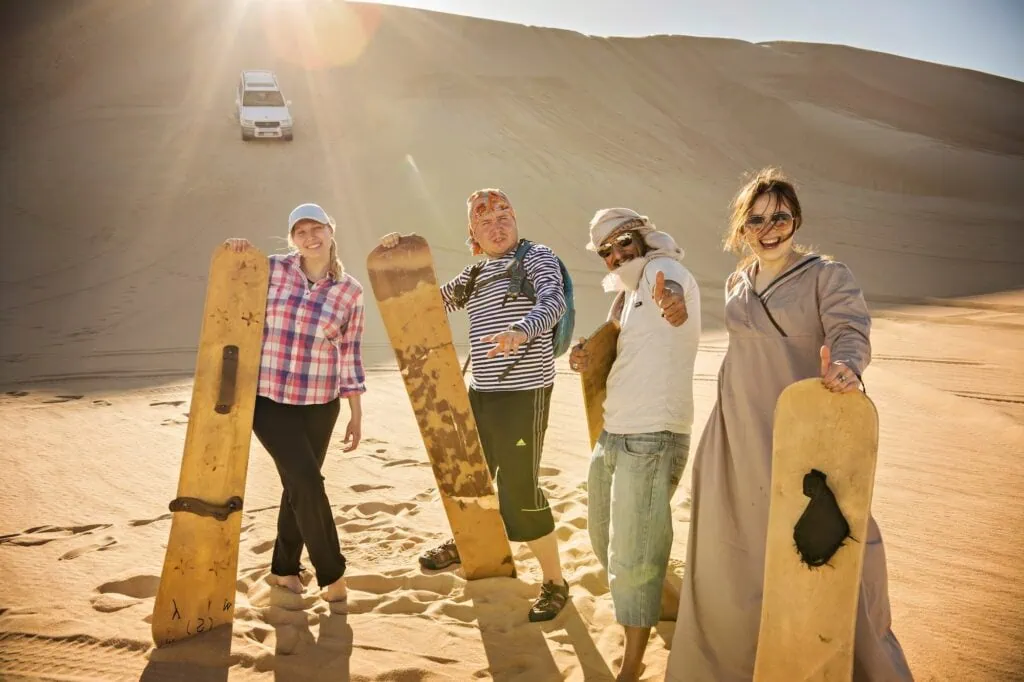
Advanced participants can attempt more challenging dunes, though the real reward comes from the panoramic views available from the top of larger formations.
Planning Your White Desert Experience
Winter months from November through February offer the most comfortable temperatures, ranging from 60-75°F (15-24°C) during the day and dropping to 40-50°F (4-10°C) at night. Summer temperatures can exceed 100°F (38°C), making midday activities challenging.
Access and Logistics
The White Desert lies approximately 500 kilometers southwest of Cairo, requiring a full day of travel to reach. Most visitors combine their trip with nearby attractions like Bahariya Oasis or the Black Desert to maximize the journey time.
Military checkpoints monitor access to sensitive border regions, so travelers must carry valid identification and may encounter brief delays during security inspections. These measures ensure visitor safety in remote desert areas.
Accommodation Options
Desert camping provides the most immersive experience, allowing you to witness sunrise and sunset transformations of the white formations. Professional tour operators supply tents, bedding, and camping equipment designed for desert conditions.
Eco-lodges in nearby Farafra Oasis offer comfortable rooms with modern amenities while maintaining environmental sensitivity. These facilities provide good bases for day trips when full camping isn’t preferred.
We organize both budget-friendly camping adventures and luxury desert experiences with upgraded amenities based on your preferences and group size.
Connecting with the Black Desert
Many itineraries combine the White Desert with the nearby Black Desert, located about 50 kilometers to the northeast. This creates a striking contrast between white limestone formations and black volcanic hills topped with dark basalt stones.
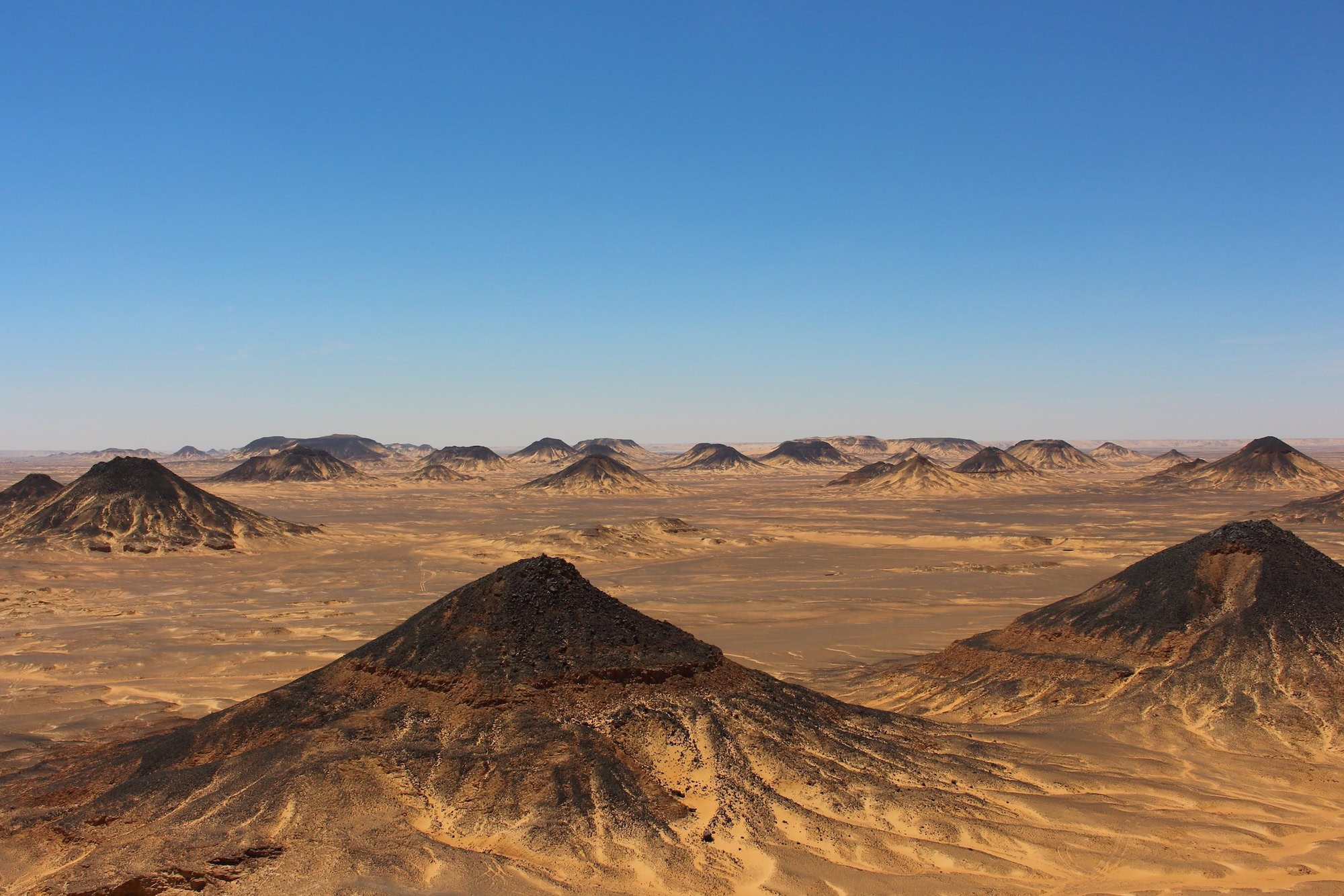
The Black Desert formed through different geological processes involving volcanic activity rather than sedimentary limestone deposits. Iron ore deposits give the landscape its distinctive dark coloration, particularly dramatic when volcanic hills catch early morning or late evening light.
Valley Tours and Hidden Gems
Agabat Valley offers a more secluded alternative to the main White Desert tourist areas. This narrow valley contains impressive limestone formations with fewer crowds, ideal for photography and quiet contemplation.
The valley’s protected location creates different wind patterns that have shaped unique rock formations. Erosion here produces more delicate, intricate patterns compared to the exposed main desert areas.
The Farafra Connection
Farafra Oasis serves as the primary gateway to the White Desert, located about 45 kilometers from the main formations. This small settlement provides essential services including fuel, basic supplies, and local guides familiar with safe desert routes.
The oasis itself offers insights into traditional desert life, with date palm groves and natural springs that have sustained communities for thousands of years. Ain El Maqfi represents one of the region’s most significant water sources, supporting both human settlements and wildlife populations.
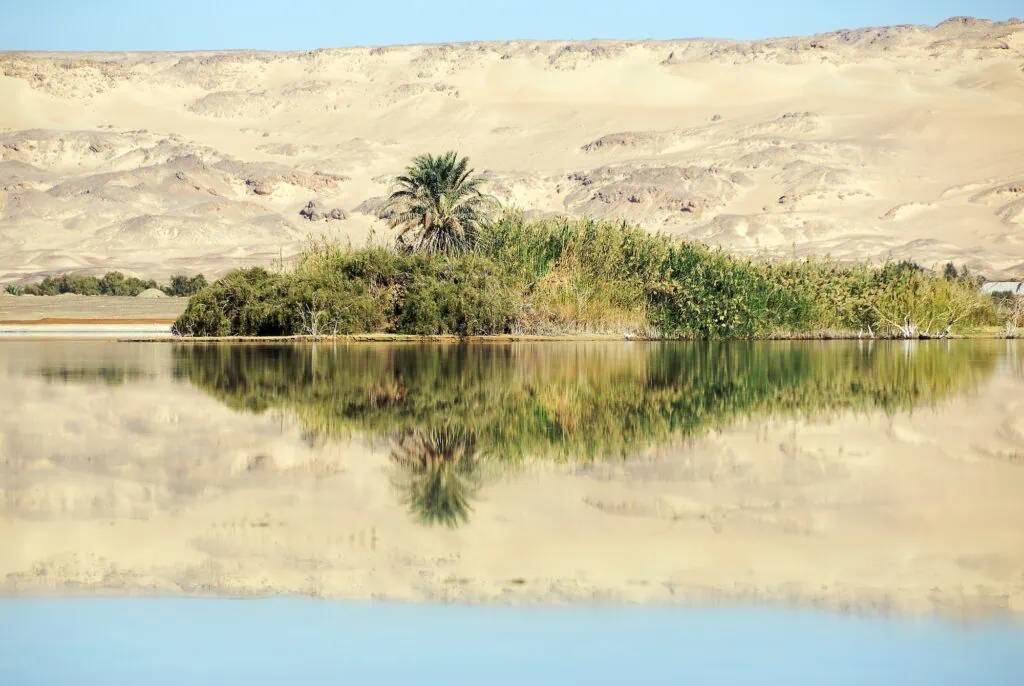
Traditional mud-brick architecture in Farafra demonstrates practical adaptations to desert climate, with thick walls providing insulation against temperature extremes and small windows reducing heat gain during summer months.
Conservation and Future Protection
The Egyptian government designated this area as a protected national park to preserve both geological formations and endemic wildlife species. Visitor guidelines help minimize impact on fragile limestone structures and sensitive ecosystems.
Climate change and increasing tourism present ongoing challenges for long-term conservation. Rising temperatures and altered precipitation patterns may accelerate erosion rates, potentially changing the character of formations over time.
We work exclusively with certified local guides who understand sustainable tourism principles and contribute to community economic development while protecting natural resources for future generations.
Frequently Asked Questions
The best time to visit White Desert National Park is from November through February, when daytime temperatures usually range between 60°F and 75°F (16°C to 24°C). Cooler winter weather makes camping, hiking, and long jeep excursions across the Western Desert significantly more comfortable than summer, when temperatures can exceed 100°F (38°C). Nights can still drop below 45°F (7°C), especially in January, so layered clothing is essential. Sunrise and sunset also produce the most dramatic lighting on the park’s white chalk formations.
Reaching the White Desert from Cairo typically takes 6 to 7 hours by road, usually through Bahariya Oasis, which serves as the main gateway to the park. The route covers approximately 370 km southwest of Cairo via paved desert highways before transitioning to off-road 4×4 travel inside the protected area. Most travelers stop in Bahariya for lunch, fuel, or overnight accommodation before continuing deeper into the Western Desert. Private guided transport is generally safer and more efficient than self-driving unfamiliar desert routes.
Camping in the White Desert is generally safe when arranged through licensed tour operators with experienced desert guides and proper equipment. Professional camps include insulated tents, bedding, cooking gear, communication devices, and drivers familiar with the remote terrain between Bahariya Oasis and Farafra. Temperatures can fall sharply after sunset, particularly from December through February, so preparation matters more than technical camping experience. Travelers should avoid independent overnight camping because GPS coverage and emergency access are limited in many desert zones.
Visitors to the White Desert should bring warm layers, sun protection, sturdy shoes, personal medications, and extra drinking water for overnight desert conditions. Although daytime temperatures during winter may stay around 70°F (21°C), nighttime temperatures in the Western Desert can fall below 45°F (7°C), especially in open camping areas. Sunglasses, sunscreen, and lip balm are important because UV exposure remains intense even during cooler months. Soft luggage is also easier to transport in 4×4 vehicles than large hard-shell suitcases.
Children can participate in White Desert tours comfortably if families choose age-appropriate itineraries and prepare for desert conditions. Many family-friendly trips include shorter driving segments, easier walks around chalk formations, and overnight camps with prepared meals and bedding. The White Desert’s open terrain and unusual rock shapes often appeal strongly to children, especially near the Mushroom Rock and Chicken Rock formations. Parents should still consider long road travel times from Cairo, which usually exceed 6 hours each way.
Exploring the White Desert is usually not physically demanding because many of the park’s major formations are accessible directly by 4×4 vehicle with minimal walking required. Most visitors spend their time photographing chalk rock formations, short hiking paths, and sunset viewpoints rather than undertaking strenuous treks. Some optional climbs over dunes or limestone ridges require moderate fitness and stable footing on loose sand. Travelers sensitive to heat should schedule walks during early morning or late afternoon hours.
White Desert National Park stands apart from Egypt’s archaeological attractions because it showcases natural geological formations shaped over millions of years rather than ancient human construction. The park’s surreal white chalk towers, wind-carved rock structures, and fossil-rich desert floor were formed when the area lay beneath an ancient sea during the Cretaceous period. Unlike Cairo, Luxor, or Abu Simbel, the experience centers on silence, open landscapes, and wilderness camping. The contrast between bright white limestone and black volcanic desert creates especially striking sunset photography.
Bathroom facilities in the White Desert are limited, and most overnight tours rely on portable toilet setups or basic wilderness arrangements. Permanent infrastructure inside White Desert National Park remains intentionally minimal because the area is a protected natural reserve covering roughly 3,000 square kilometers. Camps organized by experienced operators usually provide privacy tents and sanitation supplies, but visitors should expect simple conditions rather than hotel-style amenities. Wet wipes, hand sanitizer, and personal toiletries are strongly recommended for overnight stays.
Wildlife sightings in the White Desert may include fennec foxes, Dorcas gazelles, desert reptiles, and migratory bird species, particularly during dawn and dusk hours. The Western Desert ecosystem appears sparse during midday heat, but cooler periods reveal more animal activity near rocky shelters and low vegetation zones. Birdwatchers occasionally spot kestrels, desert larks, and wheatears depending on season and migration patterns. Quiet campsites away from vehicle traffic generally provide the best opportunities for observing nocturnal desert wildlife.
Standard tourist visits to the White Desert do not usually require special permits, although Egyptian security checkpoints commonly request passports or government-issued identification. The White Desert is a protected national park administered by Egyptian environmental authorities, so tour vehicles and guides often handle route registration and checkpoint coordination in advance. Travelers entering from Bahariya Oasis or Farafra may encounter multiple security stops along desert highways. Carrying a passport copy is recommended even on short overnight excursions.
White Desert tour prices vary widely depending on group size, transportation style, accommodations, and trip duration, with most overnight excursions costing more than standard day tours from Cairo. Private 4×4 expeditions that include camping equipment, meals, and Bahariya Oasis transfers are generally priced higher than shared group departures because of fuel, guide, and logistics costs across remote desert terrain. Multi-day itineraries covering the Black Desert, Crystal Mountain, and Farafra also increase total pricing. Winter departures often book fastest because weather conditions are more comfortable.
Independent visits to the White Desert are technically possible, but guided tours are strongly recommended because of navigation, safety, and vehicle recovery concerns in remote desert terrain. GPS signals, fuel access, and mobile coverage can become unreliable outside Bahariya Oasis, and many areas require experienced 4×4 driving across soft sand and unmarked tracks. Licensed guides also understand weather patterns, protected-zone regulations, and emergency procedures. Most visitors find organized transport significantly more practical than attempting self-guided desert travel.
Design Your Private Western Desert Adventure
Travel with your own expert guide, private 4×4 vehicle, and a route tailored to you.