

Wadi Rum – Visiting Jordan’s Unspoiled Valley Of The Moon
Jordan’s Valley of the Moon awaits.
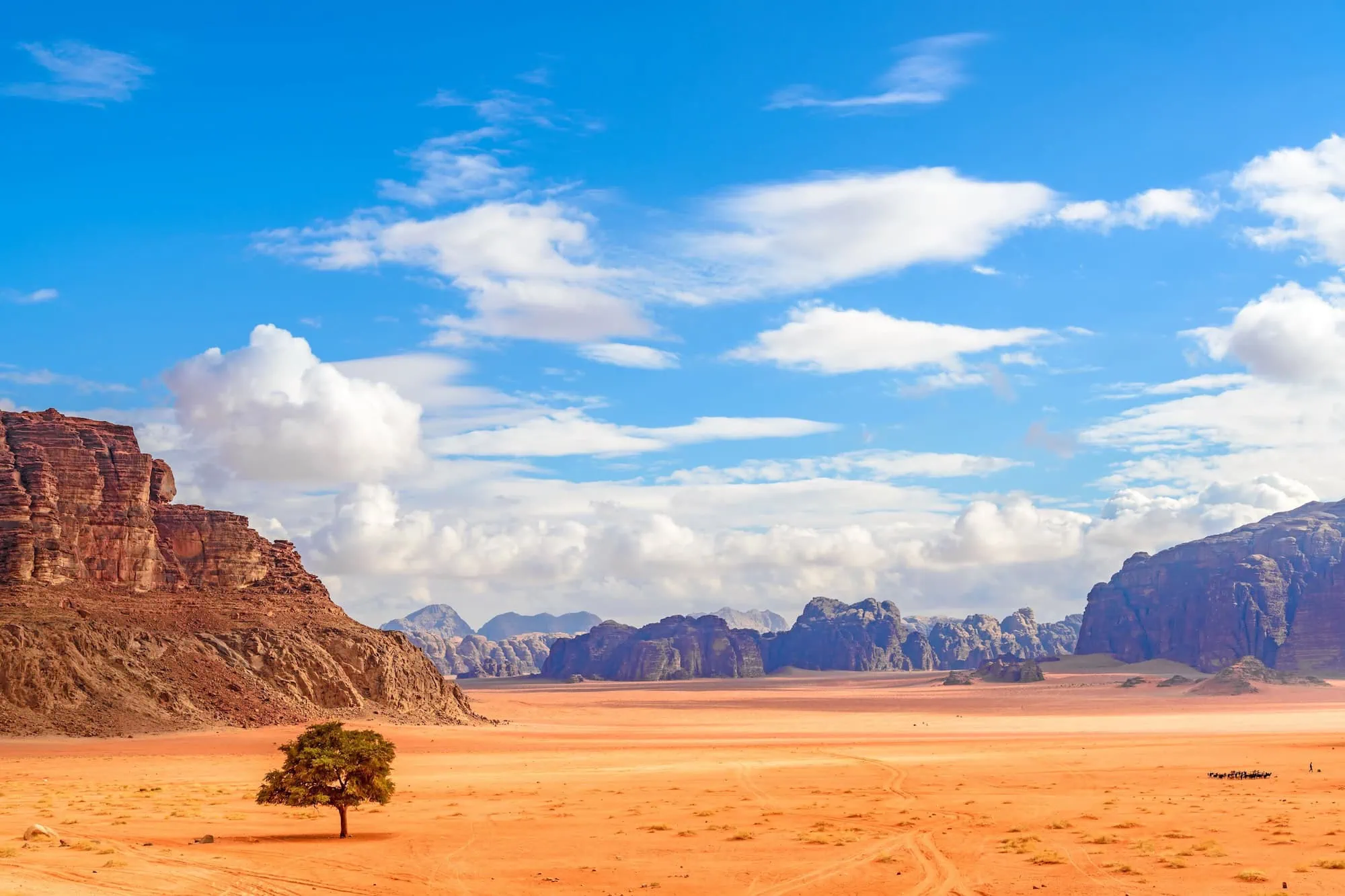
After decades of guiding travelers through Jordan’s most spectacular landscapes, we’ve seen firsthand how Wadi Rum becomes the most transformative highlight of any journey. This vast protected desert in southern Jordan blends otherworldly geology with deep cultural heritage, creating an experience unlike anywhere else on Earth. Towering sandstone mountains, ancient petroglyphs, and authentic Bedouin hospitality have earned Wadi Rum its place as a UNESCO World Heritage Site—captivating visitors from the very first moment.
Whether you’re planning your first visit or returning to explore beyond the well-known routes, this guide reveals both essential insights and lesser-known experiences that elevate your time in the desert.
For a seamless journey that brings together Wadi Rum with Petra, the Dead Sea, and Egypt’s iconic landmarks, explore our Egypt and Jordan tour packages.
Table of Contents
Why Wadi Rum Stands Apart
Wadi Rum’s unique geological story began millions of years ago. Massive sandstone and granite formations rise from the desert floor, shaped by wind and water into bridges, arches, and towering pillars. The iron-rich rock creates stunning color variations throughout the day, shifting from pale yellow at dawn to deep burgundy at sunset.
UNESCO World Heritage Recognition
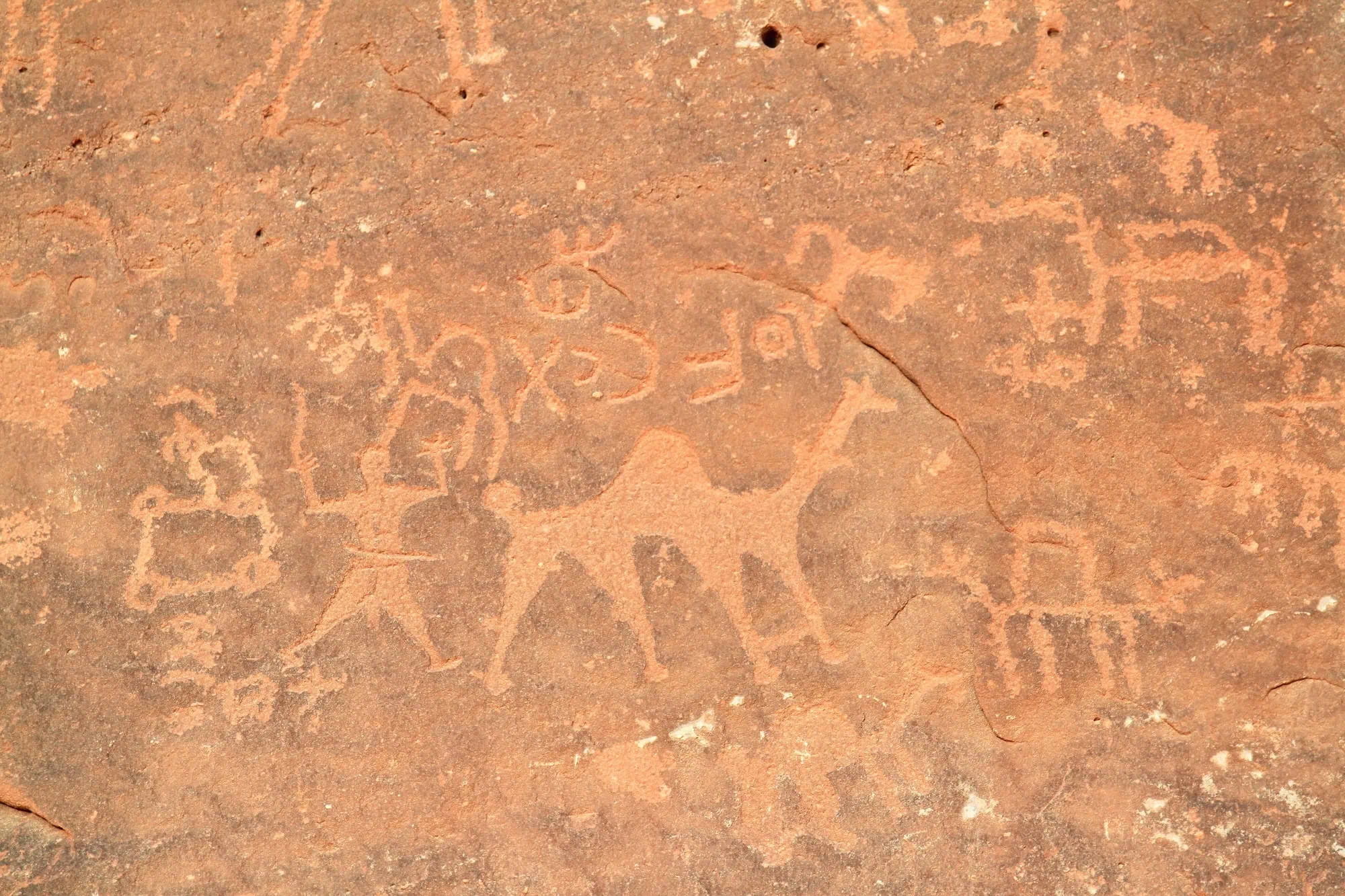
The site earned UNESCO protection in 2011 for both its natural beauty and cultural significance. Over 25,000 petroglyphs and 20,000 inscriptions cover rock faces throughout the valley, documenting 12,000 years of human presence. These ancient artworks showcase hunting scenes, human figures, and animal representations from multiple civilizations including the Nabataeans and Thamudic peoples.
Hollywood’s Martian Landscape
Film directors have long recognized Wadi Rum’s extraterrestrial appearance. David Lean filmed Lawrence of Arabia here in 1962, establishing the location’s cinematic legacy. More recently, Ridley Scott chose Wadi Rum to represent Mars in The Martian, while multiple Star Wars productions have used the dramatic landscape for alien planet scenes.
Living Bedouin Culture
The Zalabieh Bedouins have called Wadi Rum home for generations. These desert inhabitants maintain traditional practices including goat-hair tent weaving, camel racing, and navigation by star patterns. Many families now operate eco-camps and guide services, sharing their ancestral knowledge with visitors while preserving cultural authenticity.
Planning Your Desert Adventure
Most visitors arrive through the Wadi Rum Village, located approximately 60 km (37 miles) north of Aqaba. The village serves as the entry point where all visitors must register and arrange transportation into the protected area. No regular roads extend beyond the village, making 4WD vehicles essential for desert exploration.
We recommend allocating minimum two days for a meaningful Wadi Rum experience. Day trips from Aqaba or Petra are possible but limit exploration opportunities. Overnight stays allow time for sunset viewing, stargazing, and sunrise experiences that reveal the desert’s full character.
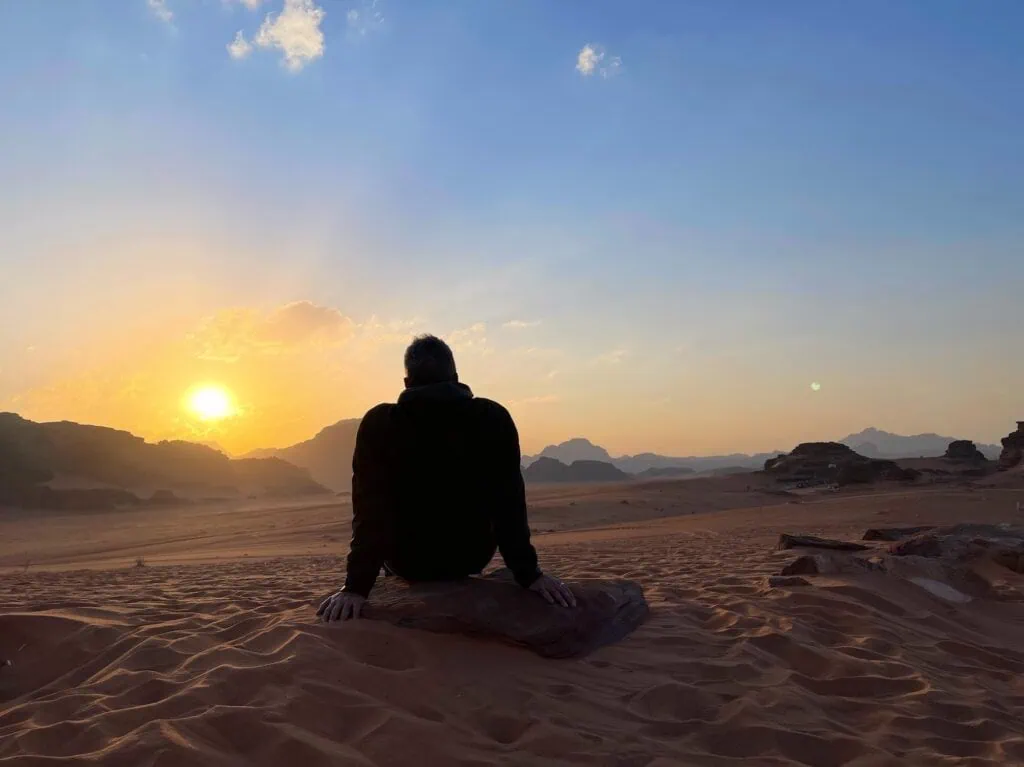
Weather conditions vary dramatically by season. Summer temperatures can exceed 40°C (104°F) during midday, while winter nights may drop to near freezing. Spring months (March-May) and autumn (September-November) offer the most comfortable visiting conditions with moderate temperatures and minimal rainfall.
Current entrance fees for the protected area are 5 Jordanian Dinars per person for day visits. Overnight camping requires additional permits typically arranged through tour operators or camp providers. We handle all necessary documentation and permits for our guests to ensure seamless desert access.
Essential Wadi Rum Experiences
Jeep Tours and Exploration
Four-wheel drive vehicles provide the primary means of exploring Wadi Rum’s vast expanse. Professional Bedouin drivers navigate unmarked desert terrain using traditional knowledge passed down through generations. These guided tours typically follow established routes connecting major landmarks while allowing flexibility for photography stops and cultural encounters.
Standard tours range from 2-4 hours covering highlights like Lawrence’s House, Khazali Canyon, and the Little Bridge formation. Extended full-day excursions can reach more remote areas including the Al Ramal Sand Dune and ancient Nabataean inscriptions at various rock art sites.
Rock Climbing Adventures
Wadi Rum offers world-class rock climbing opportunities across all skill levels. The sandstone formations provide excellent grip and varied route options from beginner-friendly scrambles to challenging multi-pitch climbs. Natural bridges create unique climbing experiences unavailable in traditional mountain environments.
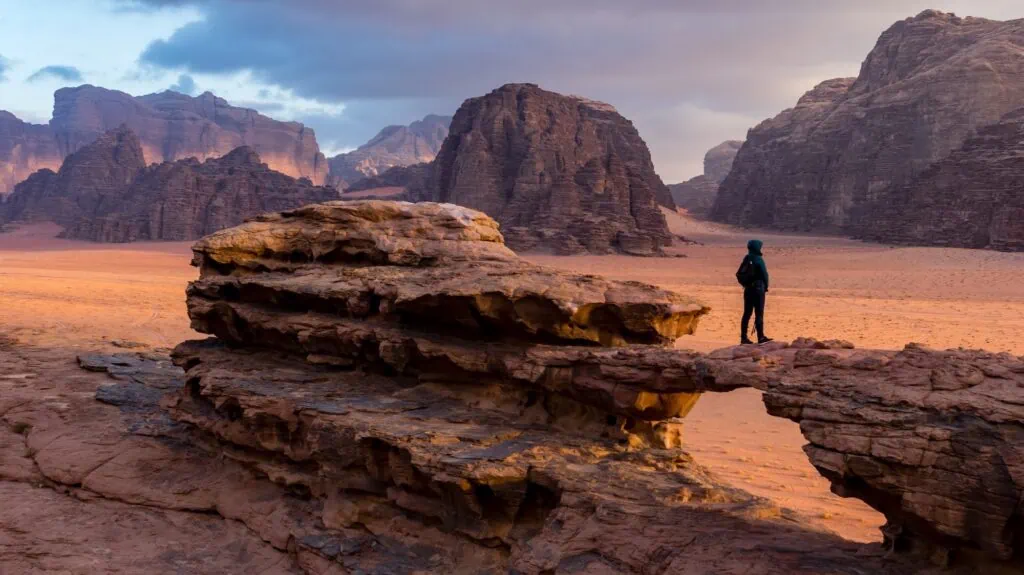
Hiking trails connect many geological features, though GPS navigation is recommended due to limited marked paths. Popular walking routes include the ascent to Um Fruth Rock Bridge and canyon explorations through narrow passages carved by ancient water flows.
Camel Trekking Experience
Camel rides offer authentic desert travel experiences rooted in Bedouin tradition. These gentle animals navigate sandy terrain more effectively than vehicles, providing access to areas where mechanical transport struggles. Traditional camel treks range from one-hour sunset rides to multi-day expeditions deeper into the protected wilderness.
Many visitors find camel experiences surprisingly comfortable once they adjust to the swaying gait. Bedouin guides share traditional techniques for camel handling and desert navigation during these cultural immersion opportunities.
Desert Accommodation Options
Luxury Desert Camps
Modern eco-camps combine traditional Bedouin hospitality with contemporary comfort. Luxury accommodations feature private bathroom facilities, comfortable bedding, and often air conditioning or heating depending on season. Many premium camps offer gourmet dining experiences featuring local specialties prepared by skilled camp chefs.
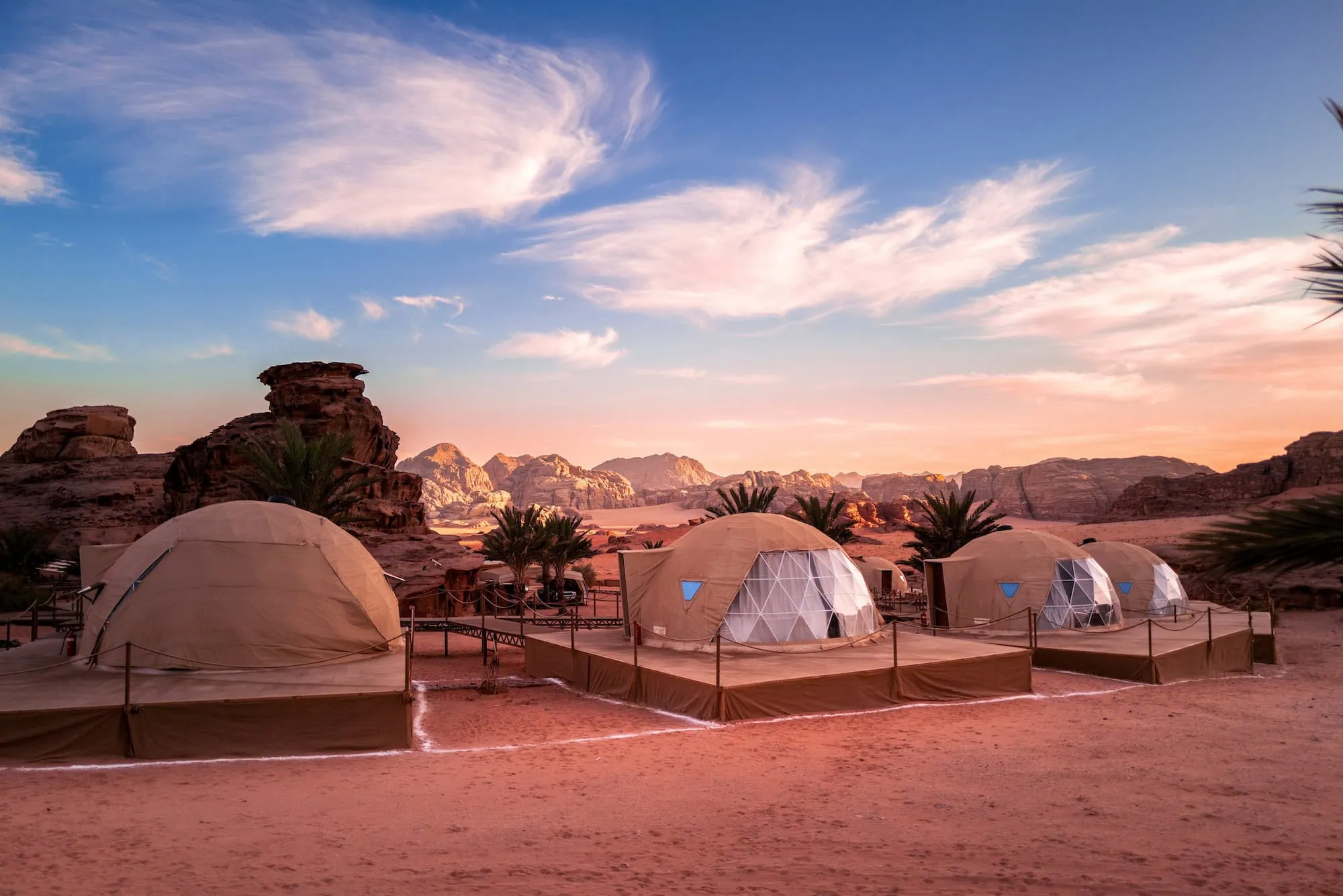
These upscale options typically include guided activities, meals, and evening entertainment such as traditional music performances around campfires. Solar power systems provide electricity while maintaining environmental sustainability principles required within the protected area.
Authentic Bedouin Camps
Traditional camps emphasize cultural authenticity over luxury amenities. Guests sleep in goat-hair tents similar to those used by nomadic Bedouins for centuries. Shared bathroom facilities and communal dining create opportunities for interaction with local families who operate these heritage accommodations.
Evening activities often include traditional bread baking in sand ovens, Arabic coffee preparation, and storytelling sessions where elders share desert wisdom and historical accounts. These immersive experiences provide deeper cultural understanding beyond typical tourist interactions.
Practical Accommodation Considerations
Booking desert accommodation requires advance planning, especially during peak season (October-April). Most camps operate on full-board basis including meals, activities, and transportation within Wadi Rum. We coordinate all accommodation arrangements and activity bookings to match guest preferences and travel timelines.
Temperature fluctuations between day and night require appropriate clothing regardless of accommodation level. Even luxury camps experience significant temperature drops after sunset, making warm layers essential for comfortable evening and early morning activities.
Stargazing and Night Sky
Wadi Rum’s remote location and minimal light pollution create exceptional conditions for night sky observation. The Milky Way appears clearly visible to naked eye viewing, while meteor showers and planetary observations provide spectacular natural entertainment.
RumSky stargazing tours combine traditional Bedouin astronomical knowledge with modern telescope equipment. These guided universe tours explain constellation patterns used for desert navigation while revealing deep space objects invisible in urban environments. Many camps arrange dedicated stargazing sessions with professional equipment and knowledgeable guides.
The desert’s clear atmosphere and high altitude enhance astronomical viewing conditions throughout most of the year. New moon periods offer optimal darkness for photography and deep space observation, while full moon phases illuminate the landscape for dramatic nighttime hiking opportunities.
Historical and Cultural Significance
Archaeological evidence confirms continuous human presence in Wadi Rum spanning twelve millennia. Prehistoric hunting communities left extensive rock art galleries documenting their lifestyle and beliefs. These petroglyphs showcase remarkable artistic sophistication including detailed animal representations and complex geometric patterns.
The Nabataean kingdom established important trade routes through Wadi Rum connecting Arabia with Mediterranean markets. Inscriptions in Nabataean script mark water sources and camping locations along these ancient commercial pathways. Roman period artifacts indicate continued strategic importance during later historical periods.
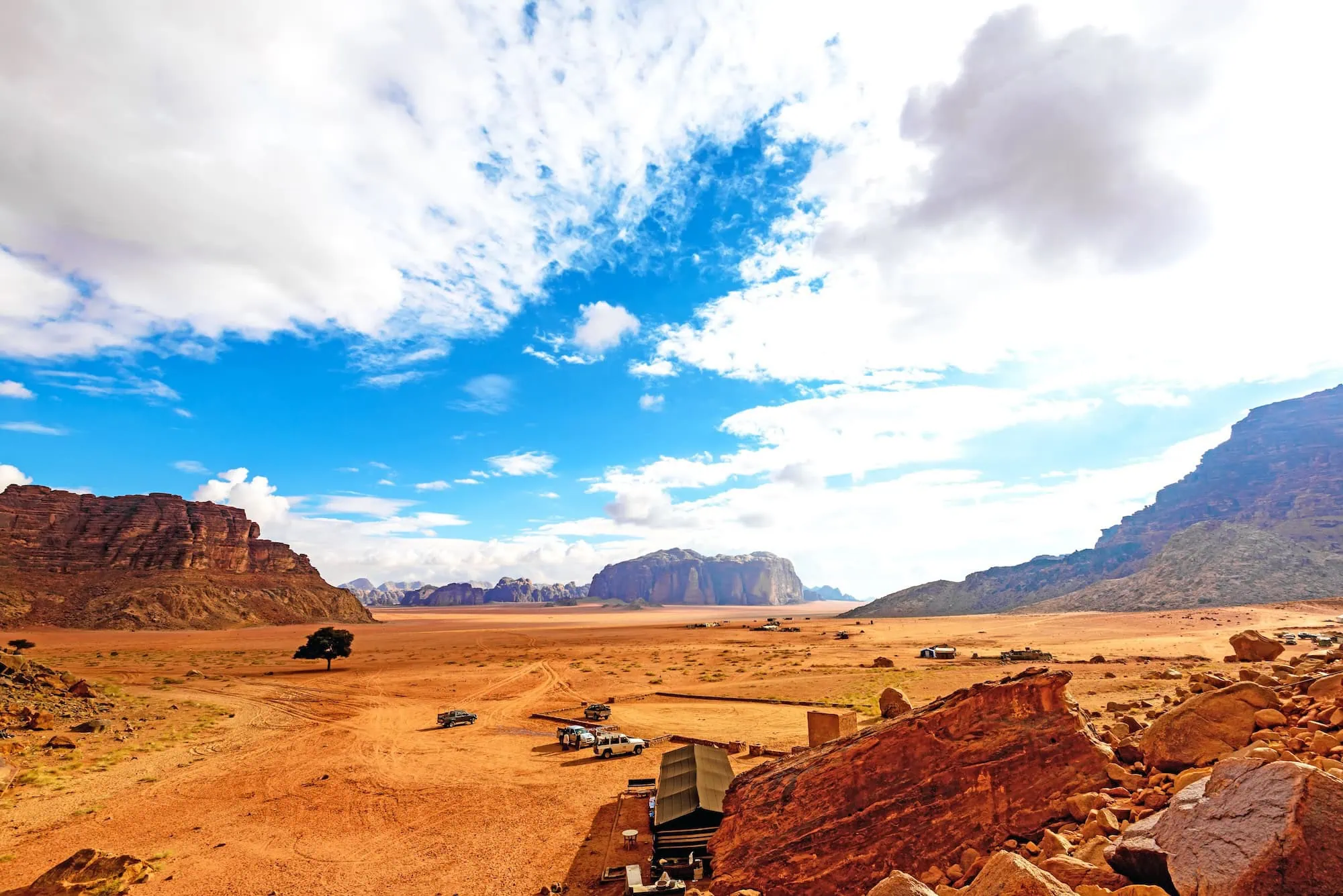
T.E. Lawrence immortalized Wadi Rum in Seven Pillars of Wisdom, describing his experiences during the Arab Revolt of 1917-18. His detailed accounts of landscape features and Bedouin culture provide valuable historical documentation of early 20th-century desert life. Several locations retain names connected to Lawrence’s presence including Lawrence’s House ruins.
Travel Information and Logistics
Transportation and Access
Most international visitors reach Wadi Rum via Queen Alia International Airport in Amman, followed by ground transportation south to the protected area. Direct flights to Aqaba airport provide closer access but with more limited international connections. We arrange comfortable private transport with experienced drivers familiar with Jordan’s highway systems and desert access routes.
Entry Requirements
U.S. visitors can obtain Jordan visas on arrival at most entry points including airports and land borders. Single-entry tourist visas cost 40 Jordanian Dinars and allow stays up to 30 days. European Union citizens enjoy similar visa-on-arrival privileges, while some nationalities may require advance visa applications through Jordanian consulates.
The Jordan Pass provides excellent value for visitors planning multiple attraction visits. This comprehensive pass includes visa fees, entrance to Petra, and access to over 40 tourist sites including Wadi Rum Protected Area. Three-day Petra access options make the Jordan Pass worthwhile for most international visitors.
Health and Safety
Desert environments require specific health precautions including adequate hydration, sun protection, and appropriate footwear. Temperatures can shift rapidly between day and night, necessitating layered clothing systems. We provide comprehensive packing recommendations and safety briefings to ensure comfortable and secure desert experiences.
Medical facilities in Wadi Rum Village handle basic health issues, while serious medical emergencies require transport to Aqaba hospital approximately one hour away by road. Travel insurance covering emergency medical evacuation is strongly recommended for all Jordan visits.
Combining with Other Jordan Highlights
Wadi Rum’s location in southern Jordan makes it easy to combine with several of the country’s most iconic Jordan tourist attractions.
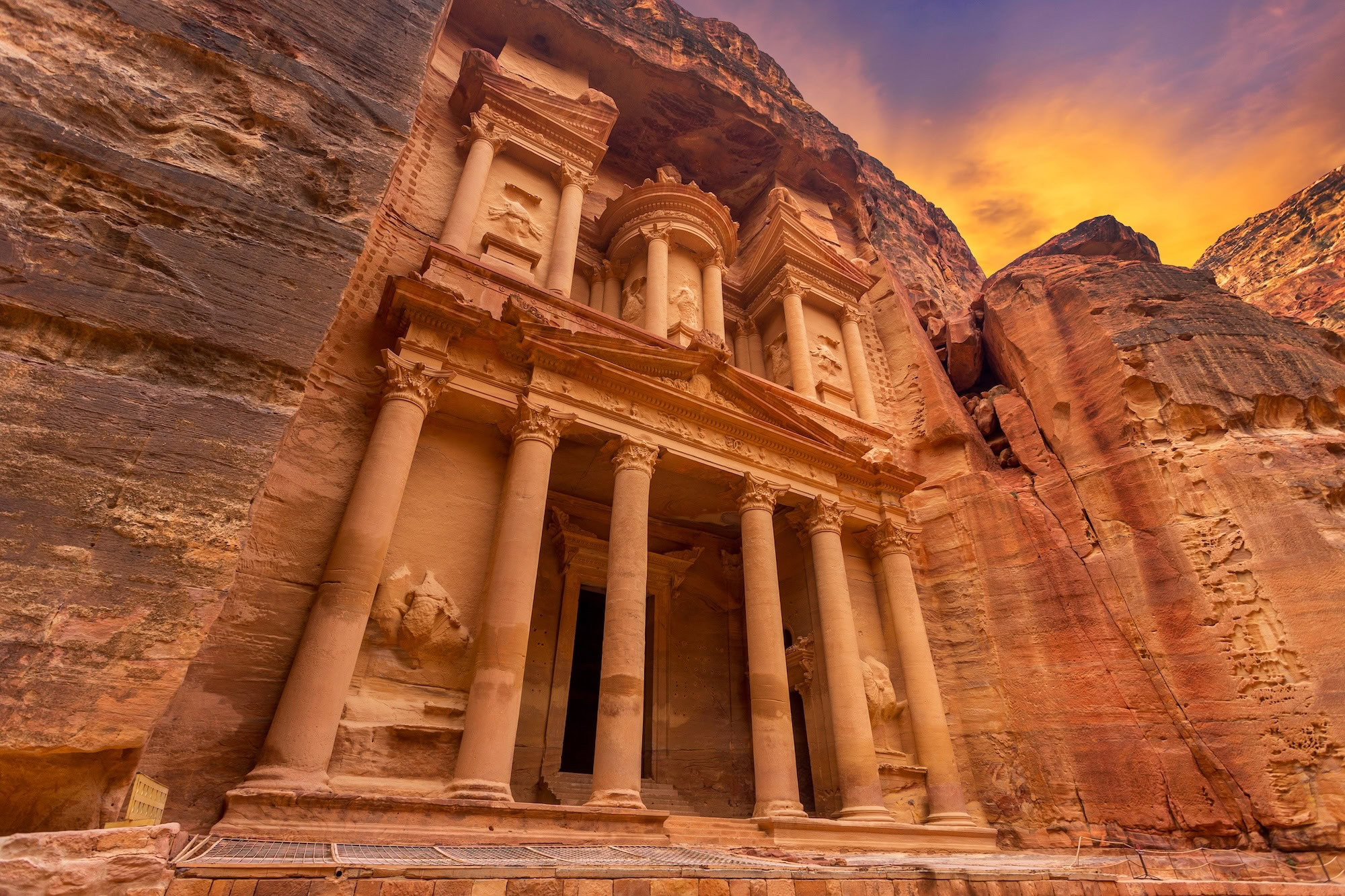
Just a short distance away lies Petra, the legendary “rose-red city.” Together, these two UNESCO World Heritage Sites offer a powerful contrast—Petra showcasing human craftsmanship carved into stone, and Wadi Rum revealing nature’s raw, untouched beauty. Most travelers spend 2–3 days exploring Petra, followed by 1–2 nights immersed in the desert landscapes of Wadi Rum.
To the south, Aqaba adds a completely different dimension with its Red Sea coastline. Snorkeling, diving, and beach relaxation provide a refreshing counterpoint to desert exploration, allowing travelers to experience both vibrant coral reefs and vast الرمال landscapes within the same itinerary.
Further north, destinations like Jerash, Amman, and the Dead Sea round out a well-balanced journey. These diverse Jordan tourist attractions span thousands of years of history and a wide range of landscapes—making it possible to create itineraries that combine cultural depth, natural beauty, and relaxation, tailored to individual travel goals and timeframes.
Frequently Asked Questions
We recommend minimum two days and one night to experience the essential highlights.
Spring (March-May) and autumn (September-November) offer optimal weather conditions.
Yes, professional guides are required for vehicle tours beyond Wadi Rum Village.
Absolutely. Many activities are family-friendly with appropriate accommodation options.
Essential items include warm layers, sun protection, comfortable walking shoes, and camera equipment.
Yes, it provides an excellent introduction to Jordan’s natural beauty and culture.
The drive takes approximately 1.5 hours through scenic desert highways.
Day visits are possible but overnight stays provide much richer experiences.
Popular alternatives include camel riding, rock climbing, hiking, and cultural workshops.
Luxury camps typically offer these amenities through solar power systems.
Yes, photography is encouraged with spectacular landscape and cultural photo opportunities.
Design Your Custom Tour
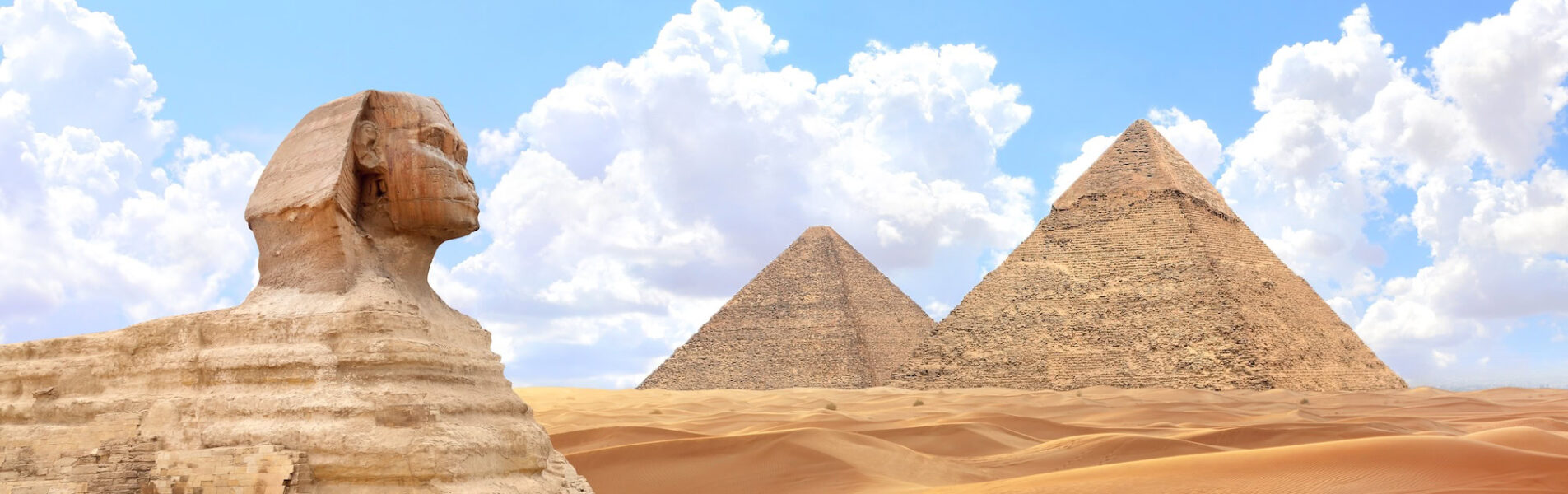
Explore Egypt and Jordan your way by selecting only the attractions you want to visit