

How to Get from Cairo to Aswan – Nile Cruises, Flights, Trains & Travel Tips
Planning the journey between Egypt’s two most captivating cities opens doors to ancient wonders.
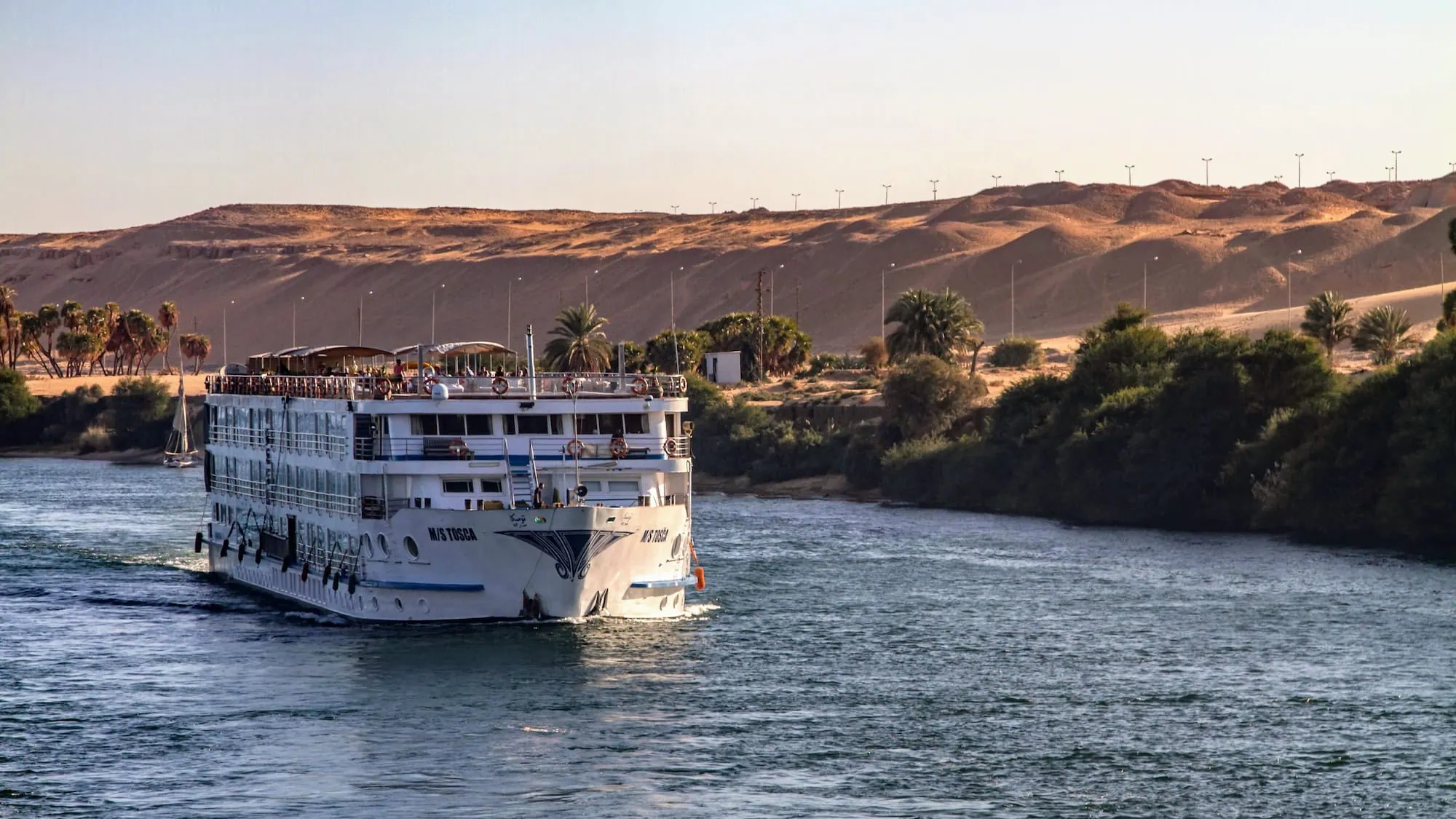
Spanning 890 kilometers (553 miles) along the legendary Nile River, the route from Cairo to Aswan connects Egypt’s bustling capital with the tranquil gateway to Nubia. This path has been traveled for millennia by pharaohs, traders, and adventurers seeking the treasures of Upper Egypt. Whether you’re drawn to the towering Abu Simbel temples, planning a luxurious Nile cruise, or simply want to experience authentic Egyptian culture, understanding your transportation options will shape your entire adventure.
We’ll walk you through every practical detail you need to make this journey seamlessly, from budget-friendly options to premium experiences that transform travel time into memorable moments.
Table of Contents
Transportation Options Between Cairo and Aswan
Multiple pathways connect these two historic destinations, each offering distinct advantages for different travel styles and budgets.

Flying: The Fastest Route
Direct flights operate multiple times daily, making this the most efficient option for travelers with limited time. EgyptAir and Nile Air provide regular service with flight times averaging 1 hour 20 minutes. Morning departures typically offer the best pricing, with tickets ranging from $80 to $200 depending on booking timing and airline choice.
We recommend booking flights at least two weeks in advance for optimal rates. The Cairo International Airport departure process usually requires arriving 2 hours early, while Aswan Airport’s smaller size allows for quicker processing.
Train Journey: Scenic and Comfortable
Egypt’s railway system provides an authentic way to witness the Nile Valley’s agricultural landscape unfold outside your window. The overnight sleeper train operated by Watania Sleeping Trains offers private compartments with meals included, departing Cairo at 8:00 pm (20:00) and arriving in Aswan at 9:00 am (09:00).
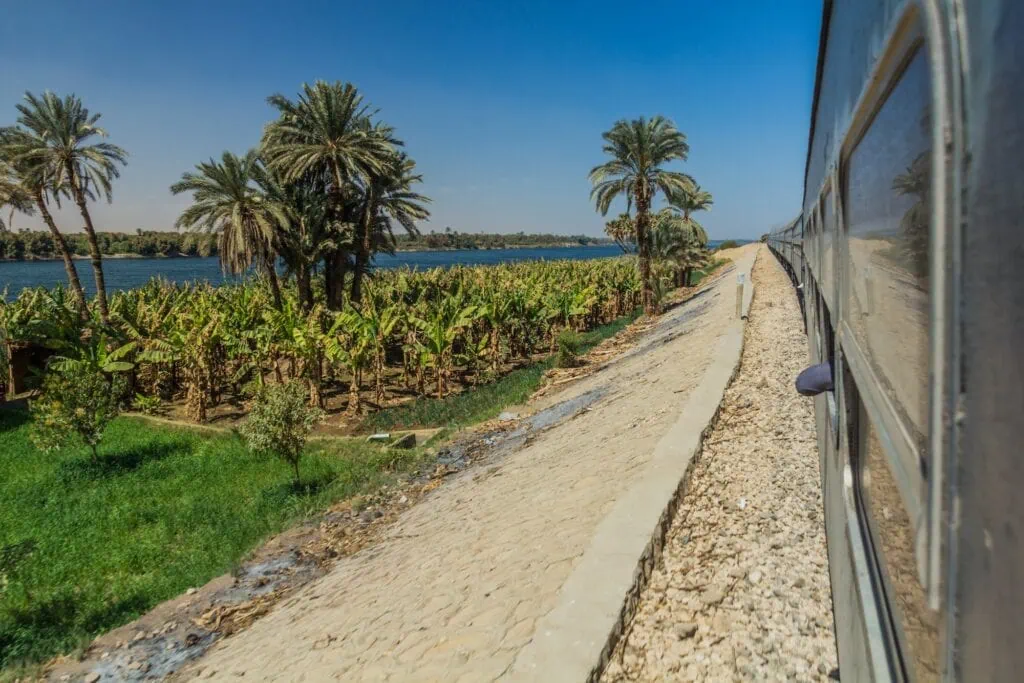
Day trains run approximately 14 hours with first-class air-conditioned carriages providing comfortable seating. Tickets cost between $25-120 depending on class selection, making this an economical choice for budget-conscious travelers.
Road Travel Options
Bus services connect the cities through desert highways, with Super Jet and Go Bus companies offering air-conditioned coaches. The 12-14 hour journey costs $15-25 and includes rest stops in Luxor and other towns along the route.
Private car rental or hired drivers provide maximum flexibility for exploring sites like Dendera and Edfu temples during the journey. This option costs $200-400 but allows customized stops and photography opportunities.
Planning Your Aswan Adventure
Aswan captivates visitors with its unique blend of ancient monuments and modern Nubian culture, requiring thoughtful timing and preparation.
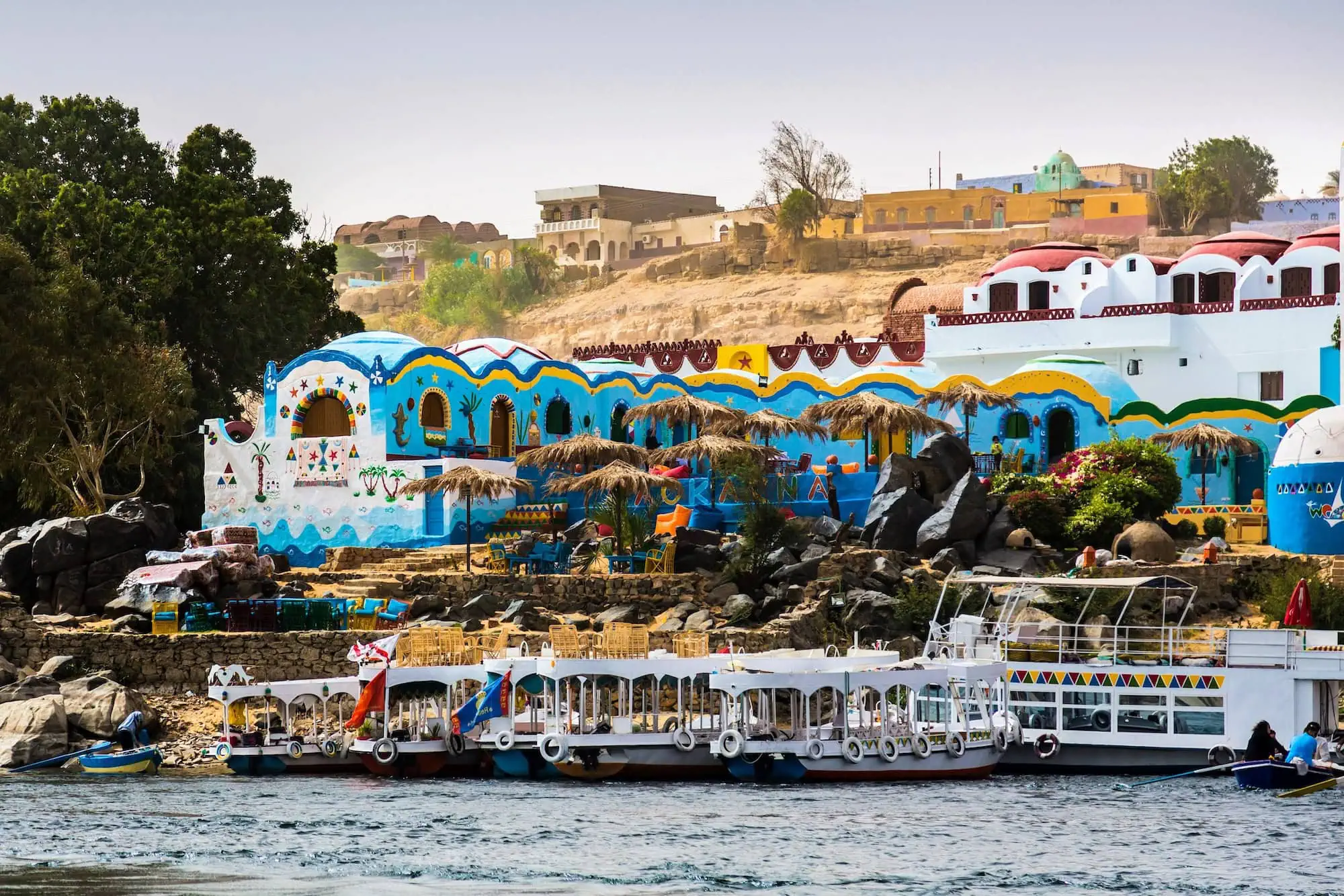
The optimal visiting season runs from October through April when temperatures remain comfortable for outdoor exploration. December through February offers the coolest weather, perfect for walking through the colorful Nubian villages or climbing to the top of the Unfinished Obelisk site. Summer months see temperatures soaring above 40°C (104°F), making early morning and evening activities essential.
Most travelers spend 2-3 days in Aswan to properly experience both the city’s highlights and nearby attractions. This timeframe allows visits to Philae Temple, Abu Simbel, and the High Dam while maintaining a relaxed pace that matches the city’s laid-back atmosphere.
Must-Visit Attractions in Aswan
Philae Temple stands as one of Egypt’s most photogenic ancient sites, relocated to Agilkia Island when the High Dam was constructed. The temple complex dedicated to Isis requires a short boat ride that adds to the mystical experience of approaching this sacred space.
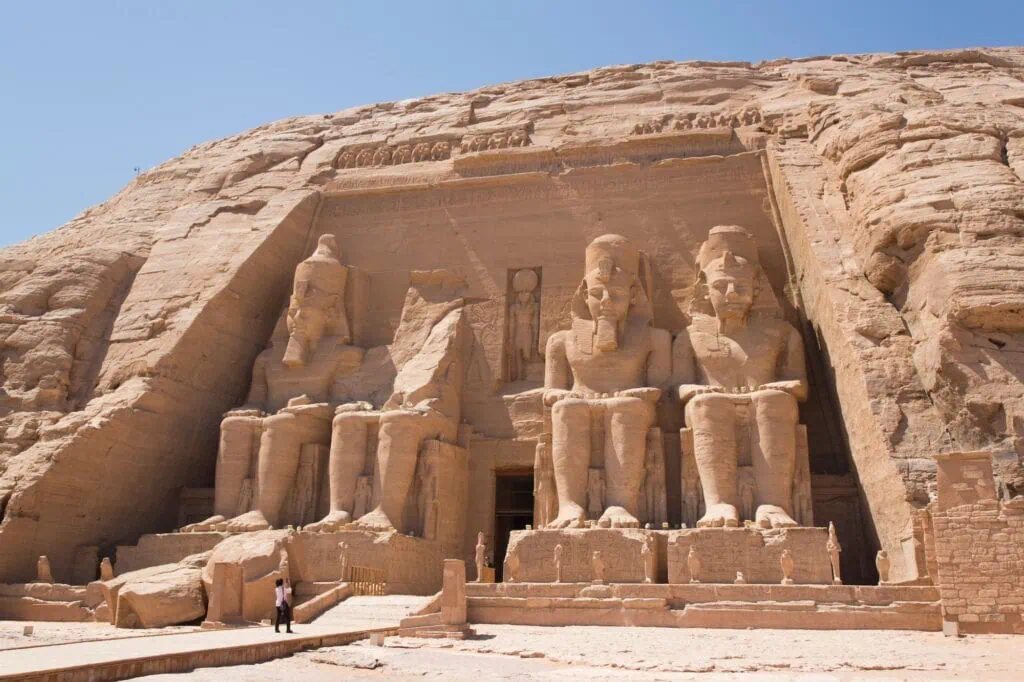
Abu Simbel temples, located 280 kilometers (174 miles) south, represent one of UNESCO’s greatest rescue projects. We organize early morning departures at 4:00 am (04:00) to reach the site for sunrise, when Ramesses II’s colossal statues emerge from darkness in dramatic fashion.
The High Dam showcases modern engineering achievements while Lake Nasser stretches endlessly toward Sudan. Visitors can walk across the dam’s structure and learn about its impact on Egypt’s agriculture and flood control.
Nile Cruise Connections and Timing
Aswan serves as either the starting or ending point for most Nile cruises between Luxor and Aswan, creating seamless integration with your Cairo journey.
Three to four-day cruises sailing north to Luxor include guided visits to Kom Ombo and Edfu temples, with small group excursions accommodating up to 12 participants for a more intimate experience than massive tour buses. These cruises typically depart Aswan on Mondays, Wednesdays, and Fridays, allowing you to coordinate your Cairo departure accordingly.
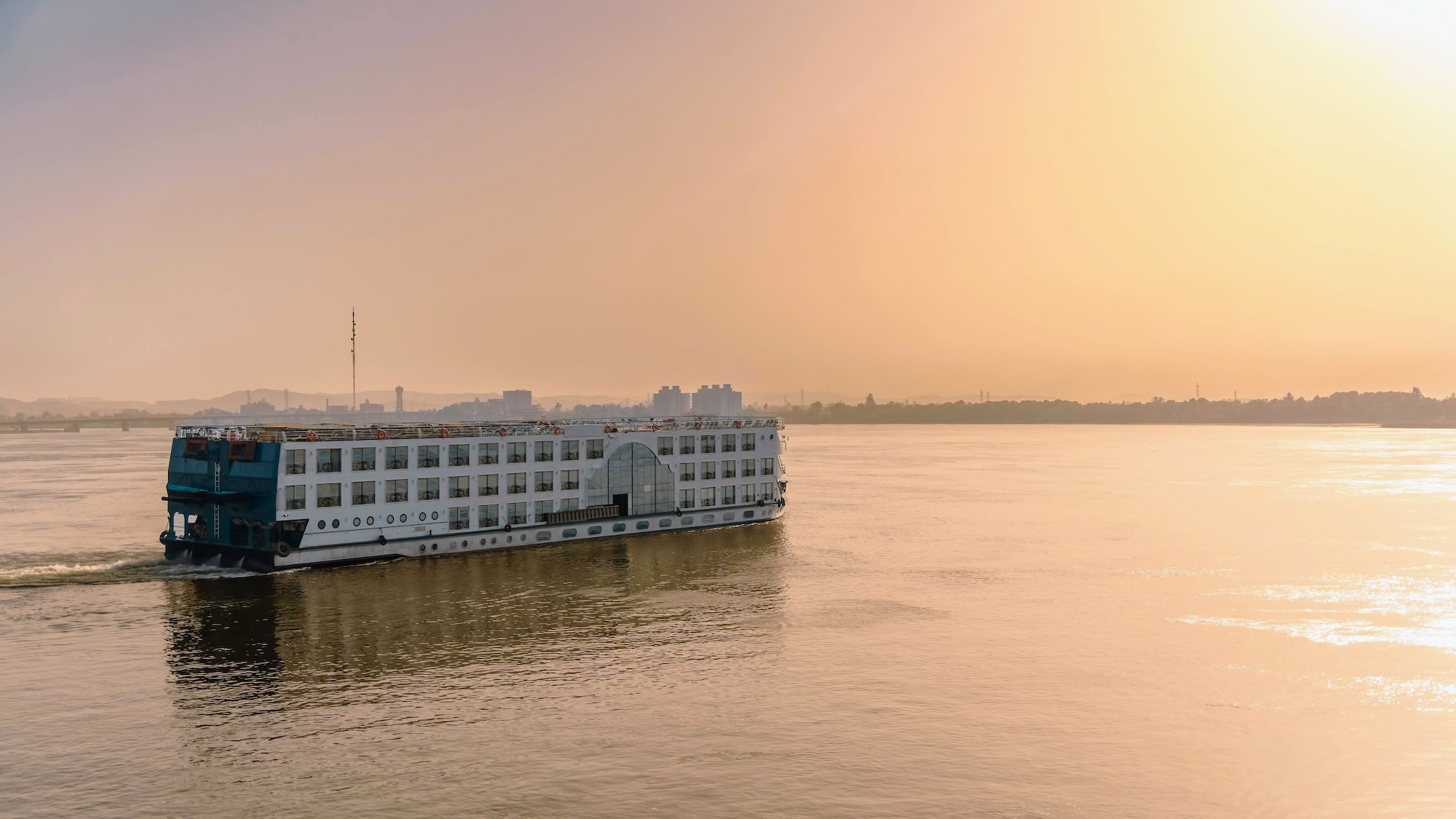
Five to seven-day cruises offer more leisurely pacing with additional stops at lesser-known temples and extended time for onboard relaxation. The longer itineraries include more comprehensive meals and often feature traditional entertainment like Nubian music performances.
Booking cruise connections through established operators ensures smooth transfers from airports or train stations directly to your vessel. We coordinate these logistics to eliminate waiting time and maximize your vacation enjoyment.
Practical Travel Tips for the Cairo-Aswan Route
Currency and payments throughout the journey require some planning since rural areas between the cities may have limited ATM access. Carrying Egyptian pounds in small denominations helps with tips, local transportation, and market purchases in Aswan’s famous souk.
Visa Requirements and Entry Information
U.S. visitors need a tourist visa obtained either online through Egypt’s e-visa portal or upon arrival at Cairo International Airport. The single-entry visa costs $25 and remains valid for 30 days from arrival. European travelers follow identical requirements, while citizens from Latin American countries like Brazil and Argentina can also obtain visas upon arrival for the same fee.
Processing through e-visa typically takes 5-7 business days and eliminates airport waiting time. We recommend applying at least two weeks before departure to account for any processing delays.
Packing Considerations
Climate variations between Cairo and Aswan require adaptable clothing choices. Cairo’s urban environment calls for modest, comfortable walking attire, while Aswan’s desert location demands sun protection and lighter fabrics.
Essential items include sunscreen with high SPF, a wide-brimmed hat, comfortable walking shoes, and layers for air-conditioned spaces. Camera batteries drain quickly in heat, so pack extras and portable chargers for your devices.
Budget Planning and Cost Breakdown
Transportation typically represents the largest expense for this route, with budget travelers spending $40-80 total while luxury seekers might invest $300-500 for premium experiences.
Accommodation costs in Aswan range from $20 per night in budget hotels to $400+ for five-star resorts overlooking the Nile. Mid-range hotels averaging $60-120 provide excellent value with pools, restaurants, and convenient locations near major attractions.
Food expenses vary dramatically based on dining choices. Street food and local restaurants cost $5-15 per day, while hotel restaurants and tourist-oriented establishments charge $25-50 per person for dinner. Traditional Nubian cuisine offers unique flavors worth exploring through local establishments.
Tour costs for major attractions like Abu Simbel range from $75-150 per person depending on group size and inclusions. We provide private guides and modern vehicles with decades of experience creating tailored itineraries that maximize your time and minimize tourist crowds.
Cultural Experiences Unique to the Route
Nubian culture flourishes in Aswan unlike anywhere else in Egypt, offering travelers authentic interactions with communities maintaining traditions spanning thousands of years.
Village visits provide opportunities to experience traditional architecture, sample local cuisine, and learn about Nubian languages and customs. Many families welcome visitors into their colorful homes decorated with geometric patterns and natural materials.
The famous Aswan souk creates a sensory adventure through narrow alleys filled with spices, textiles, and handicrafts. Unlike Cairo’s touristy Khan el Khalili, Aswan’s market serves local residents, resulting in more authentic pricing and genuine interactions with vendors.
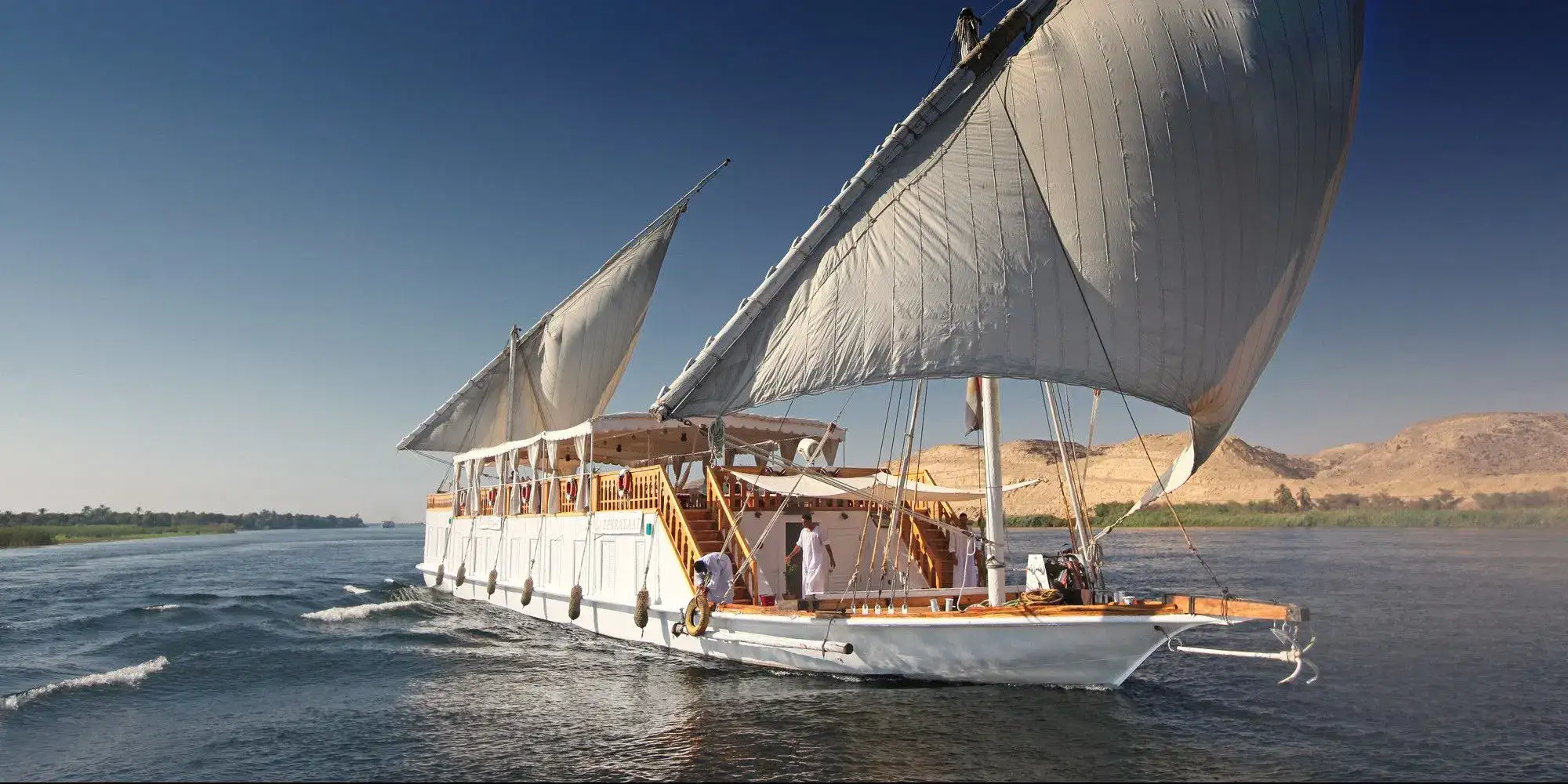
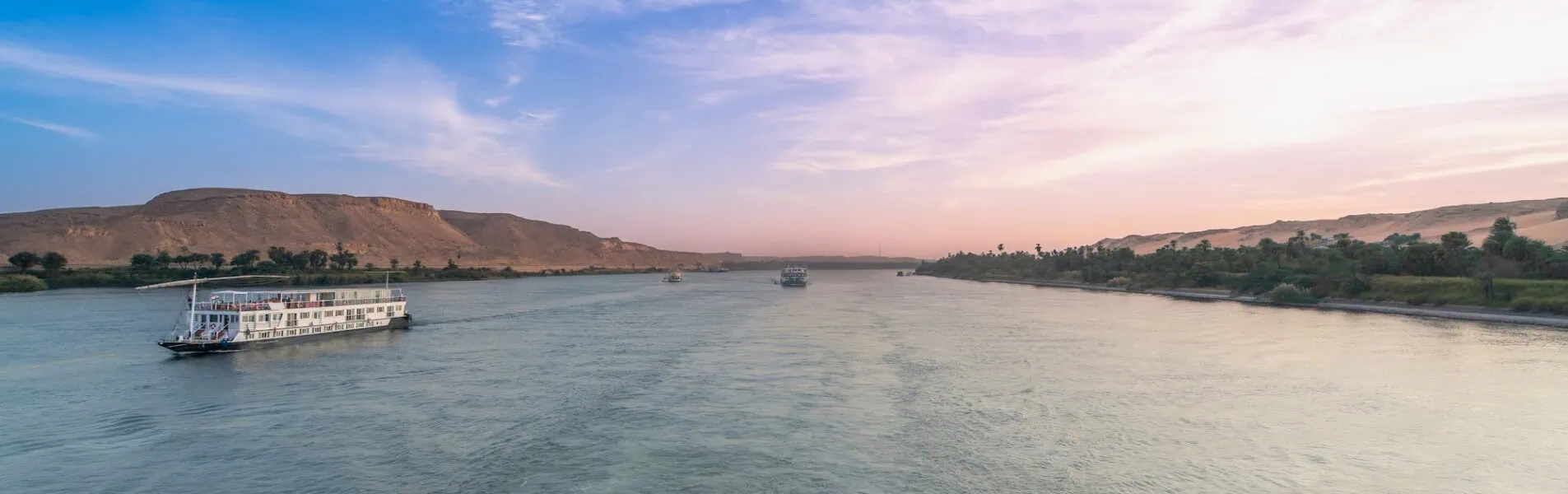
Felucca sailing on the Nile offers peaceful moments watching traditional wooden boats navigate between granite islands and desert landscapes. These excursions work perfectly for sunset viewing when the river reflects pink and gold hues against black granite rocks.
Seasonal Considerations and Weather Patterns
Timing your Cairo to Aswan journey affects both comfort levels and attraction accessibility throughout the year.
Winter months from December through February provide ideal conditions with daytime temperatures reaching 23-25°C (73-77°F) and cool evenings perfect for outdoor dining. This peak season brings higher accommodation prices and larger crowds at major sites.
Spring and autumn shoulder seasons offer excellent compromise between weather and pricing. March through May and September through November feature warm but manageable temperatures with fewer tourists and reduced accommodation costs.

Summer travel from June through August requires careful planning due to extreme heat exceeding 45°C (113°F) in Aswan. Early morning and evening activities become essential, while midday hours are best spent indoors or in air-conditioned spaces.
Frequently Asked Questions
Flying is the fastest way to travel from Cairo to Aswan, with nonstop flights taking approximately 1 hour and 20 minutes. EgyptAir and Nile Air operate multiple daily services between Cairo International Airport and Aswan International Airport, which is located about 20 km (12 miles) from central Aswan. Including airport procedures and transfers, total travel time is typically 4 to 5 hours door-to-door. Early morning flights maximize sightseeing time on arrival.
Transportation between Cairo and Aswan ranges from roughly $15 for budget buses to more than $400 for private transfers with a dedicated driver. Overnight trains generally fall in the middle, while domestic flights often range from $60 to $250 depending on season and booking date. Costs vary significantly between peak winter months and summer low season. Travelers should compare total travel time alongside price when choosing the best option.
Yes, train tickets between Cairo and Aswan can typically be booked up to 30 days in advance through Egyptian National Railways and authorized booking channels. Popular services, including overnight sleeper trains and air-conditioned express trains, often sell out during holidays and the December-to-February peak season. Advance reservations provide better seat selection and more scheduling flexibility. Booking early is especially important for families and larger groups.
The overnight sleeper train is widely considered the most scenic way to travel between Cairo and Aswan. The route follows large sections of the Nile Valley, passing agricultural landscapes, villages, palm groves, and historic towns over approximately 12 to 14 hours. Unlike flying, the train provides a gradual view of Upper Egypt’s changing geography. Travelers who value scenery and cultural atmosphere often prefer rail despite the longer journey time.
No special permits are generally required for tourists visiting Abu Simbel from Aswan. Most visitors travel by organized road convoy, private vehicle, or domestic flight to reach the UNESCO World Heritage Site located approximately 280 km (174 miles) south of Aswan. Early departures around 4:00 am remain popular because they allow visitors to avoid peak heat and larger tour groups. Morning visits also provide better photography conditions.
Yes, driving between Cairo and Aswan is generally safe on Egypt’s main highway network, which connects major cities and tourist destinations. The journey covers approximately 870 km (540 miles) and can take 10 to 12 hours depending on traffic, rest stops, and road conditions. Many travelers prefer hiring experienced local drivers because they are familiar with long-distance routes and local driving practices. Private transfers also eliminate the stress of navigation.
Most Nile cruise packages include accommodation, daily meals, transportation between ports, and guided visits to major temples along the route. Standard itineraries typically cover Luxor Temple, Karnak Temple, Edfu Temple, Kom Ombo Temple, and attractions in Aswan over 3 to 7 nights. Some packages also include airport transfers and entrance fees. Always review inclusions carefully, as premium and budget cruises can differ significantly in services provided.
Yes, extending your stay in Aswan is both easy and highly recommended for travelers who want a deeper experience of Upper Egypt. While many visitors stay 1 or 2 nights, spending 3 to 4 days allows time for Philae Temple, Abu Simbel, Nubian villages, the Unfinished Obelisk, and a felucca sailing trip on the Nile. A longer stay also creates flexibility for weather, photography, and cultural activities without rushing.
Yes, direct bus services operate regularly between Cairo and Aswan through companies such as Go Bus and Super Jet. Most coaches are air-conditioned and offer reserved seating, onboard rest stops, and luggage storage. Travel times typically range from 12 to 14 hours depending on route and traffic conditions. Buses are among the most economical transportation options for budget-conscious travelers, although they require considerably more travel time than flights.
International visitors should carry their passport when traveling between Cairo and Aswan, while Egyptian citizens can generally use a valid national ID card. Airlines, hotels, train operators, and some security checkpoints may request identification during the journey. Keeping digital and printed copies of transportation bookings can also be helpful. Travelers should ensure that passport details match all reservation records to avoid delays during check-in procedures.
Booking accommodations 2 to 4 weeks in advance is advisable during peak season, while 1 to 2 weeks is often sufficient during quieter months. Aswan experiences its highest demand between December and February, when Nile cruises, riverside hotels, and boutique properties can fill quickly. Travelers visiting during major holidays may benefit from even earlier reservations. Advance booking typically provides better room selection and more competitive rates.
Egyptian pounds (EGP) are the primary currency accepted throughout the Cairo-to-Aswan route and are essential for small purchases, local transportation, and tips. Major hotels, upscale restaurants, Nile cruise operators, and some tour providers may also accept U.S. dollars and major credit cards. However, smaller businesses often prefer cash payments in local currency. Carrying a mix of cash and cards provides the greatest flexibility during your journey.
Ancient Wonders of Aswan, Modern Comfort
Sail the Nile Through Aswan Like a Pharaoh


Design Your Custom Tour
Explore Egypt your way by selecting only the attractions you want to visit