Can You Travel from Egypt to Israel?
The answer is yes, but the journey requires careful planning.
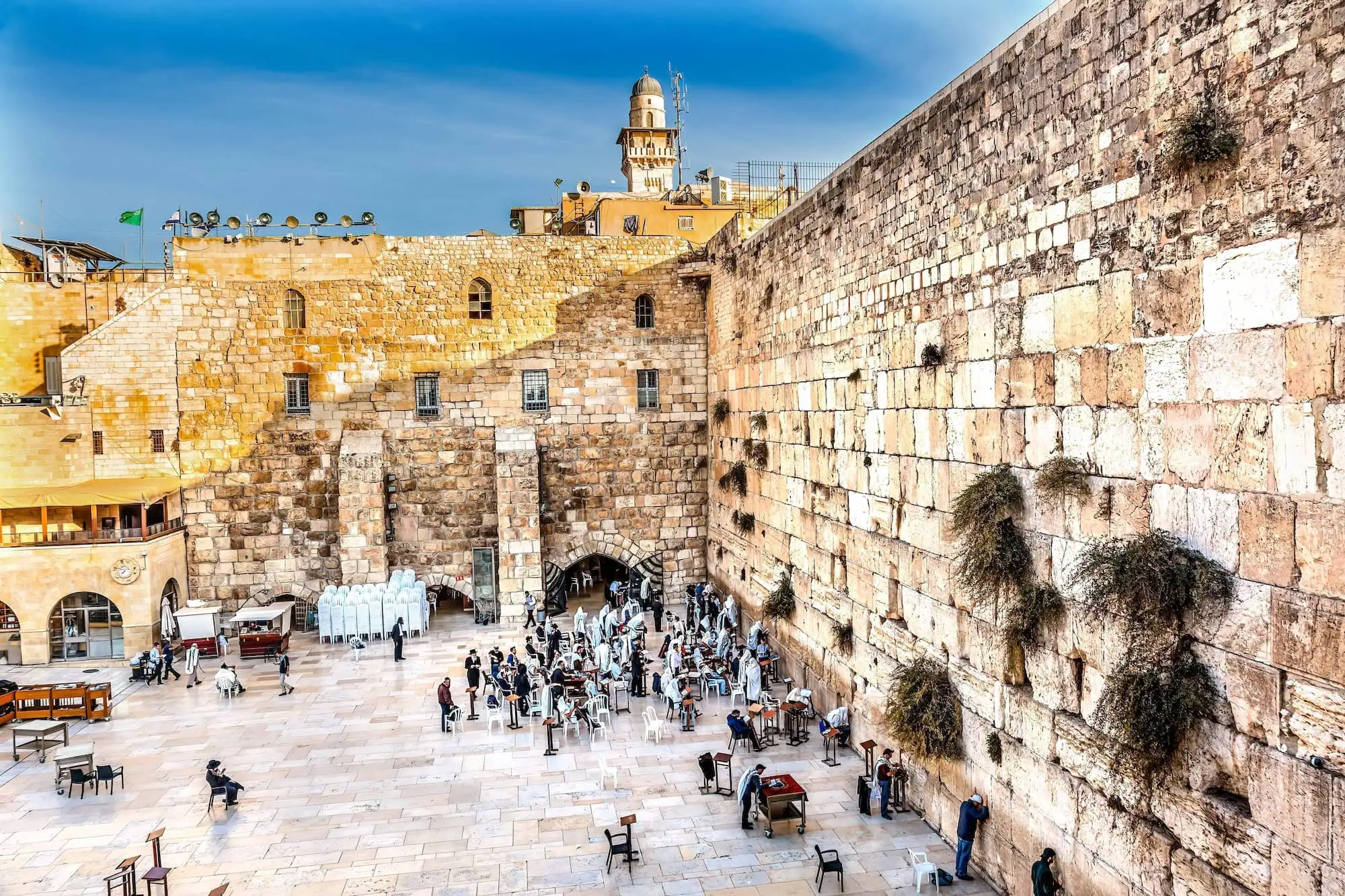
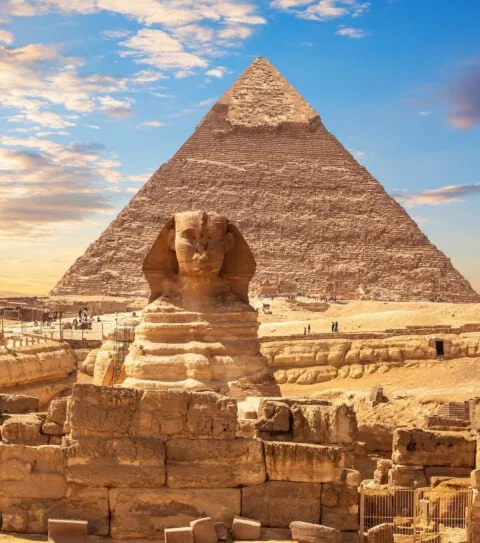
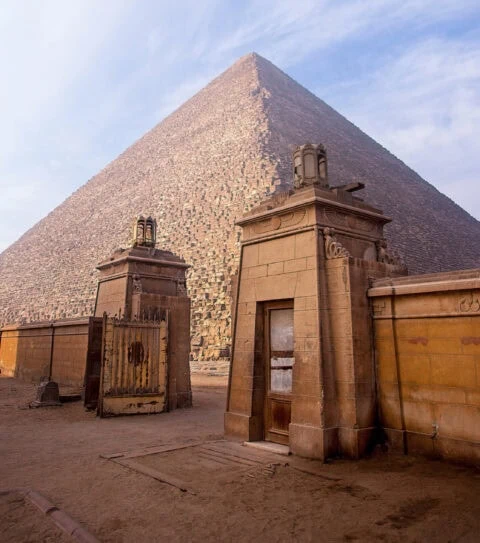
Traveling between Egypt and Israel has become increasingly accessible over the past decades, thanks to the 1979 peace treaty between the two nations. While political tensions occasionally affect border crossings, millions of tourists successfully make this journey each year. The route connects some of the world’s most significant historical and religious sites, from the pyramids of Giza to the ancient streets of Jerusalem.
We help travelers navigate this unique border crossing daily, ensuring smooth transitions between two fascinating destinations that offer completely different cultural experiences.
Table of Contents
Border Crossing Options and Requirements
Three official crossing points connect Egypt and Israel, each serving different travel purposes and geographical routes.
Taba-Eilat Border Crossing
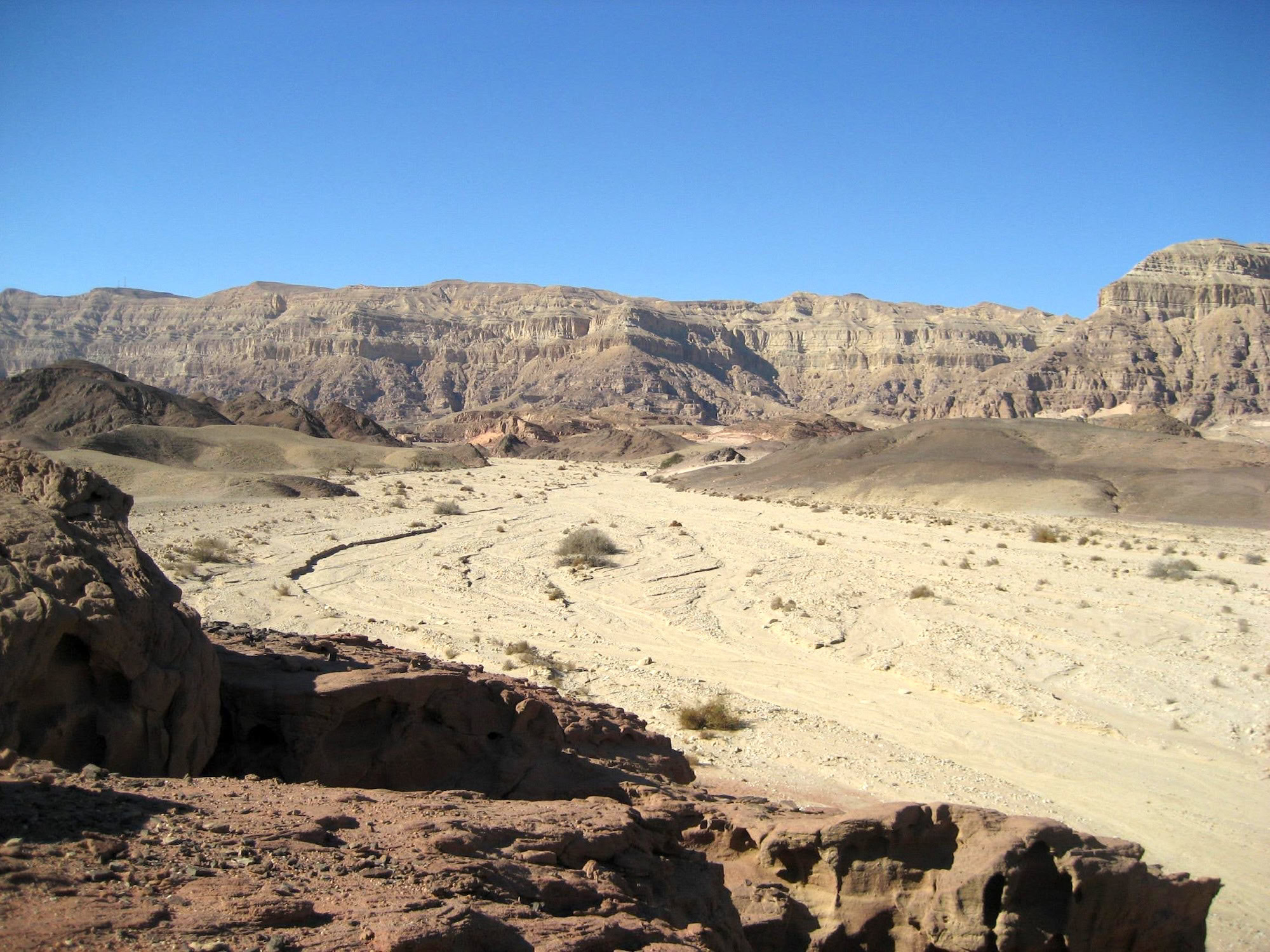
The Taba border crossing stands as the most popular route for tourists traveling between Egypt’s Sinai Peninsula and Israel’s southern resort city of Eilat. This crossing operates 24 hours daily except during Yom Kippur and the first day of Eid al-Fitr. Processing times typically range from 30 minutes to 2 hours, depending on season and time of day.
U.S. citizens need a valid passport with at least six months validity and can obtain an Israeli tourist visa on arrival. Europeans, Latin Americans, and most other nationalities enjoy visa-free entry to Israel for up to 90 days. Egyptian exit procedures require paying departure taxes, currently around $7 USD equivalent.
Rafah Border Crossing
The Rafah crossing connects Egypt’s North Sinai with Gaza, though this route primarily serves Palestinian residents and requires special permits. Tourist access remains extremely limited and unpredictable due to ongoing political situations.
Nitzana-Al Awja Crossing
Located in the western Negev, this crossing primarily handles commercial traffic but occasionally accommodates tourists with advance arrangements. Most leisure travelers find the Taba crossing more practical for their needs.

Transportation Methods Between Egypt and Israel
Multiple transportation options exist for crossing from Egypt to Israel, each offering different levels of comfort and convenience. Direct flights provide the fastest option, taking just 1.5 hours from Cairo to Tel Aviv. EgyptAir and El Al operate regular services, though flight schedules can change based on political climate.
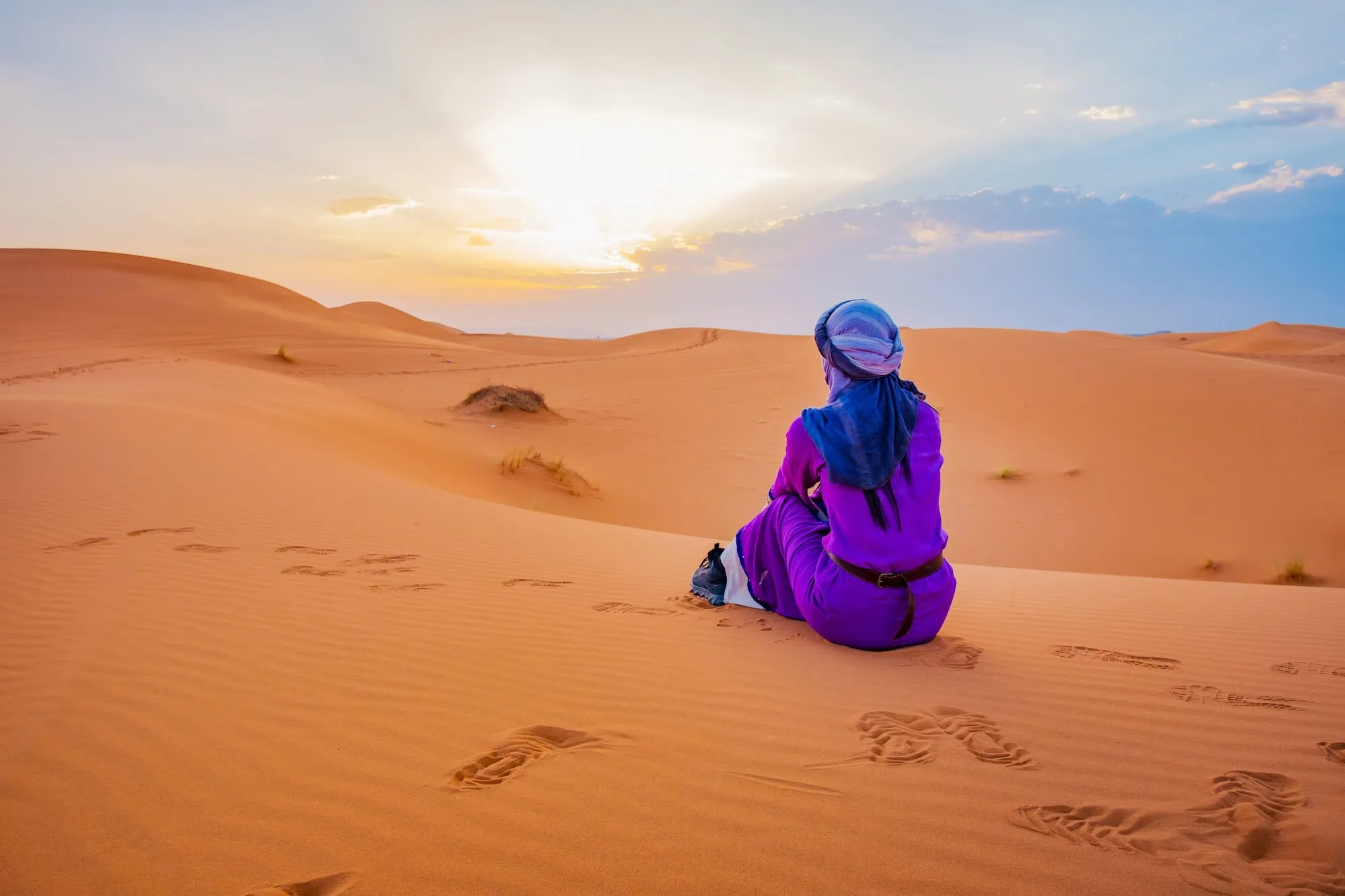
Overland travel through the Sinai Peninsula offers adventure-minded travelers spectacular desert scenery and significant cost savings. Tourist buses frequently run from Sharm El Sheikh and Dahab to Eilat, covering the 7 km (4.3 miles) journey to the border in about 20 minutes. Private transfers provide more flexibility but cost considerably more.
Bus Services and Group Tours
Several Egyptian tour operators organize multi-day packages that include transportation from major Egyptian cities to the Taba border. These services typically include pickup from Cairo, Alexandria, or Red Sea resorts, with overnight stops in Sharm El Sheikh or Dahab before the border crossing.
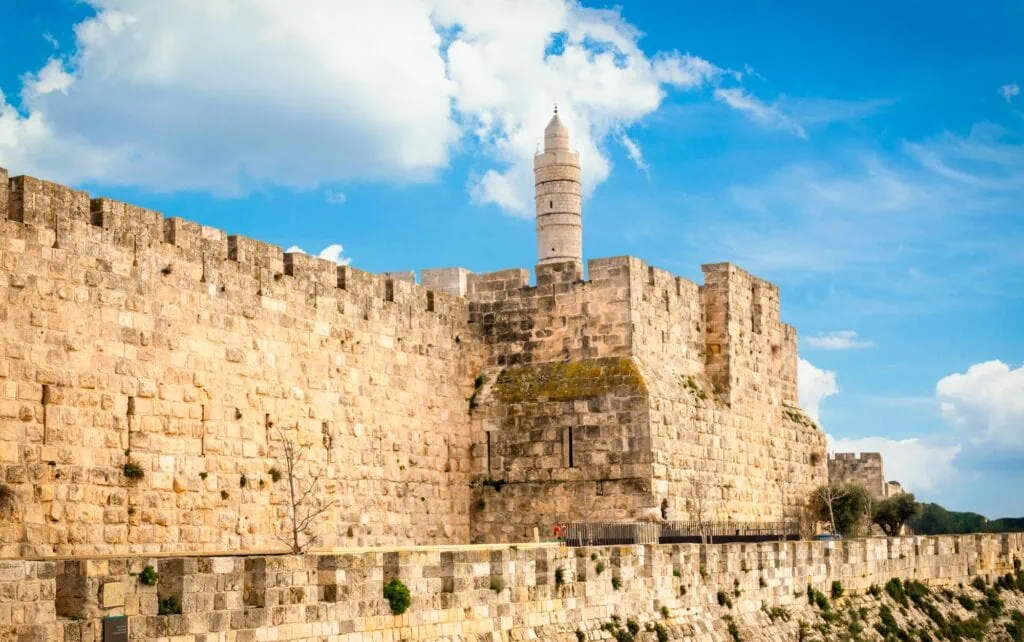
Group tours often prove more economical than independent travel, especially for first-time visitors unfamiliar with border procedures. However, schedules remain fixed and allow limited flexibility for spontaneous stops or extended stays.
Visa Requirements and Documentation
Israeli immigration requires specific documentation from Egyptian visitors, with requirements varying by nationality and intended length of stay.
U.S. passport holders receive automatic tourist visas valid for 90 days upon arrival. The process involves presenting your passport, completing an entry card, and answering basic questions about your visit purpose and accommodation plans. Border officials typically ask about previous visits to Arab countries, though Egypt visits rarely cause complications due to the established peace treaty.
European Union citizens enjoy visa-free entry under reciprocal agreements. Most EU passports receive stamps allowing 90-day tourist stays without additional documentation or fees. Latin American visitors from countries including Brazil, Argentina, and Mexico also qualify for visa-free entry, though some nationalities require advance visa applications.
Travelers planning extended stays or multiple entries should consider applying for B1/B2 visas at Israeli consulates before departure. These multi-entry visas valid for up to 10 years cost more upfront but provide greater flexibility for repeat visits.
Border officials occasionally refuse entry based on passport stamps from certain countries or suspicious travel patterns. Travelers with stamps from Iran, Syria, Lebanon, or Iraq should prepare for additional questioning, though Egyptian stamps actually demonstrate legitimate tourism in the region.
Best Times to Cross
Timing significantly impacts border crossing experiences, with certain periods offering smoother processing and shorter wait times. Morning crossings between 8:00 am (08:00) and 11:00 am (11:00) typically involve fewer crowds, especially on weekdays when business travelers and tour groups haven’t yet arrived.
Avoid crossing during Israeli holidays, particularly Shabbat (Friday evening to Saturday evening), when reduced staffing creates longer delays. Egyptian holidays like Ramadan and Eid also affect processing speeds and border hours.
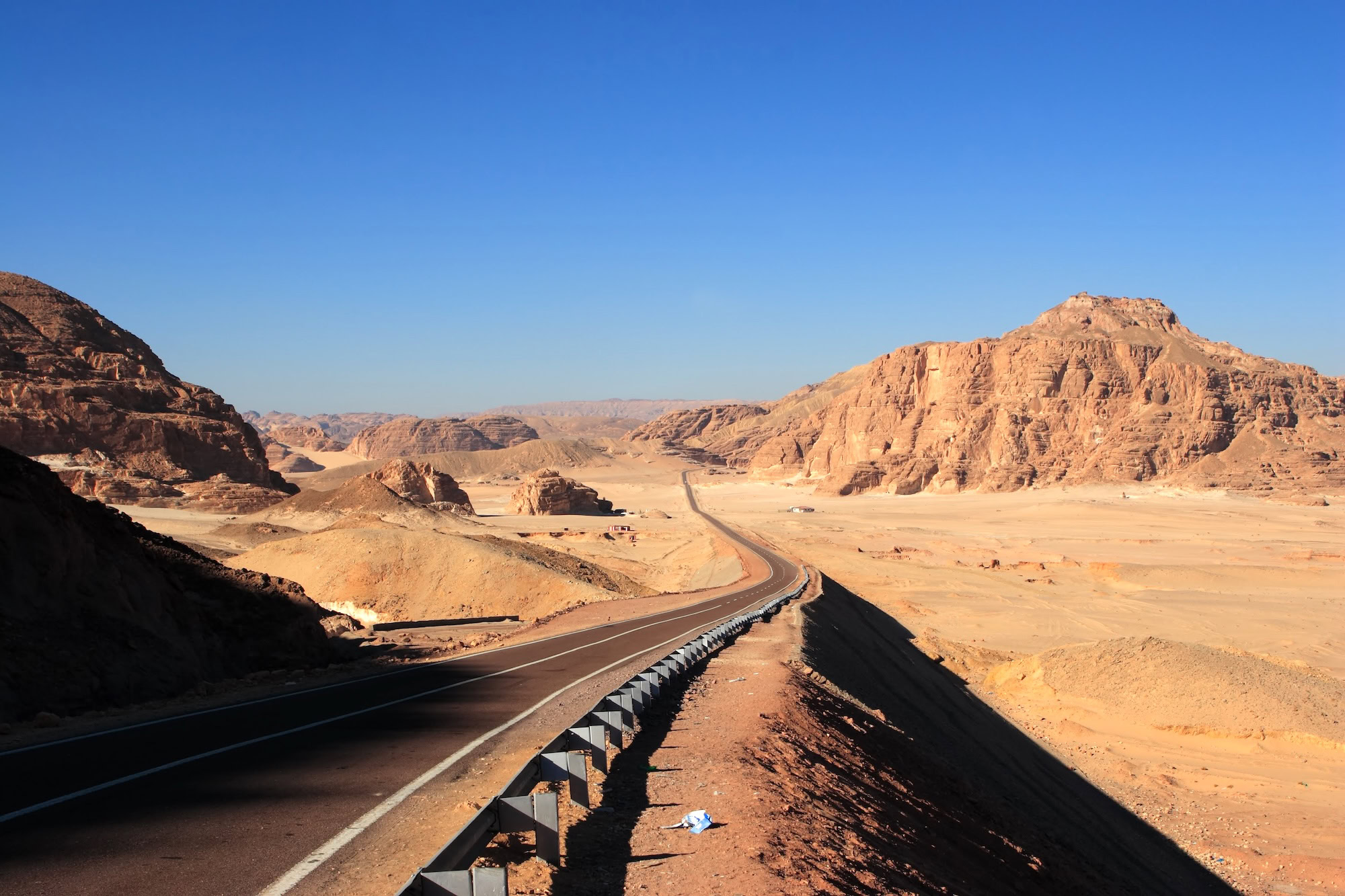
Summer months bring extreme temperatures reaching 40°C (104°F) in the desert crossing areas. Early morning or late afternoon crossings provide more comfortable conditions for walking between border facilities. The short distance requires carrying luggage across a no-man’s land area where vehicles cannot enter.
Currency exchange rates fluctuate daily, but Israeli shekels and U.S. dollars are widely accepted on both sides. Egyptian pounds become useless once you cross into Israel, so exchange remaining amounts before departure. ATMs are available at the Eilat border terminal for cash withdrawals in Israeli currency.
Pack essential items in carry-on luggage since border security frequently inspects checked bags. Electronics may require additional screening, so arrive with extra time if carrying cameras, laptops, or other devices. Prescription medications should remain in original containers with clear labeling.
Cultural and Safety Considerations
Egypt and Israel offer vastly different cultural experiences despite their geographic proximity. Egypt maintains a predominantly Muslim population with Arabic as the primary language, while Israel presents a diverse Jewish and Arab society where Hebrew and Arabic share official status.
Dress codes vary significantly between countries. Conservative clothing covering arms and legs shows respect in both nations, though Israeli cities generally maintain more relaxed standards. Religious sites in both countries enforce strict modesty requirements regardless of your personal beliefs.
Safety levels differ substantially between regions. Israeli cities typically report lower crime rates than major Egyptian urban centers, though both countries maintain strong tourism security. Political tensions occasionally flare along border regions, so monitor current events before traveling.
Cultural Etiquette Tips
Religious holidays affect travel significantly in both nations. Israeli businesses close completely during Shabbat and major Jewish holidays, while Egyptian schedules adjust during Ramadan and Islamic celebrations. Plan accommodation and transportation accordingly, especially during overlapping religious periods.
Tipping customs differ markedly. Egyptian service workers expect generous tips (baksheesh) for most services, while Israeli tipping follows Western standards of 10-15% at restaurants. Airport and border staff in both countries prohibit tipping and may interpret offers as attempted bribery.
Photography restrictions apply near military installations and government buildings in both countries. Border areas maintain particularly strict rules about camera use. Always ask permission before photographing people, especially in religious or traditional communities.
Expert Assistance for Travel
We’ve facilitated thousands of successful border crossings between Egypt and Israel over our decades of operation in Middle Eastern travel. Our private guides understand both Egyptian and Israeli border procedures intimately, helping travelers avoid common pitfalls that can cause delays or complications.
Our tailored itineraries seamlessly connect Egypt’s ancient wonders with Israel’s historical sites, creating comprehensive Holy Land experiences. We arrange private transportation to border crossings, assist with documentation reviews, and provide 24/7 support throughout your journey between countries.
Many travelers underestimate the complexity of multi-country Middle Eastern travel. Our award-winning service includes advance visa consultation, border crossing coordination, and emergency assistance if political situations affect travel plans. We maintain relationships with authorities on both sides to expedite processing for our clients.
Planning Your Multi-Country Itinerary
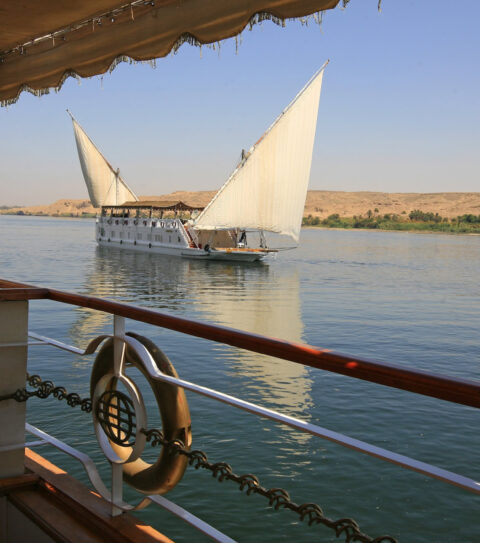
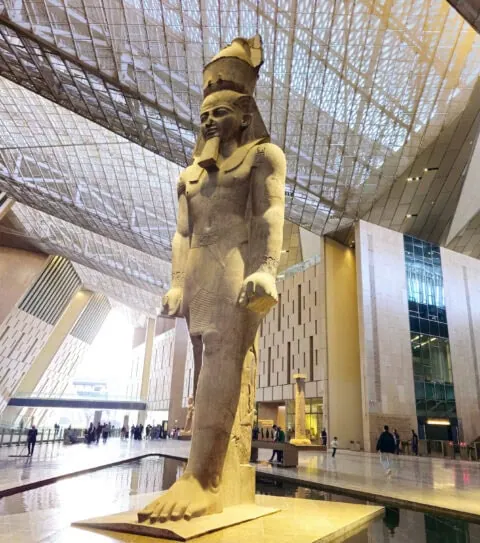
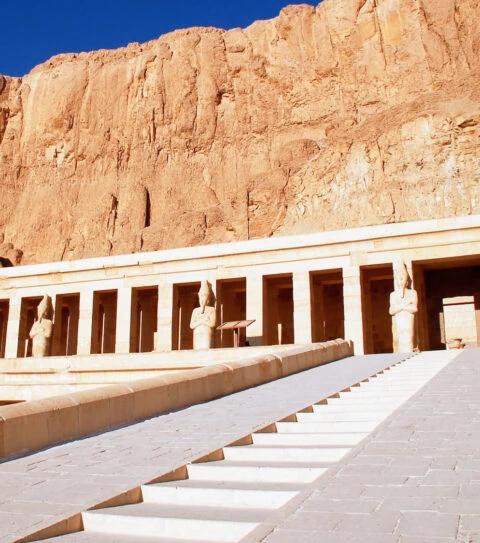
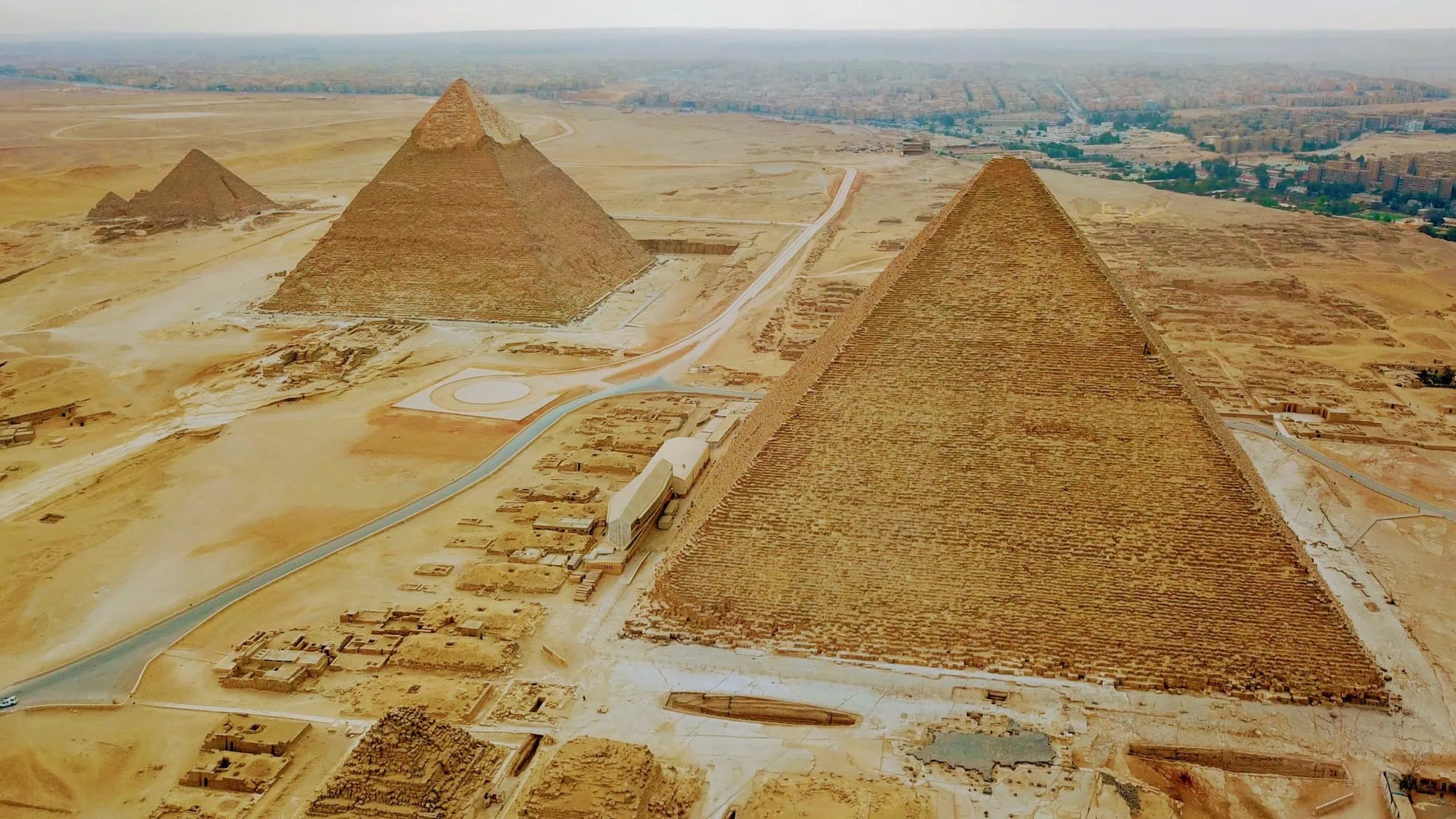
Combining Egypt and Israel visits creates extraordinary travel experiences spanning thousands of years of human history. Most travelers spend 7-10 days in Egypt exploring Cairo’s pyramids, Luxor’s temples, and perhaps a Nile cruise between historical sites. Israel portions typically require 5-7 days to cover Jerusalem, Tel Aviv, and other significant locations.
Budget considerations affect itinerary planning significantly. Egypt generally offers lower costs for accommodation, dining, and activities compared to Israel’s European-level pricing. Many travelers prefer spending more days in Egypt to maximize their budget while still experiencing Israel’s unique attractions.
Transportation logistics require careful coordination when visiting both countries. Flight connections through Cairo or Tel Aviv can complicate scheduling if you plan to cross overland via Taba. We recommend booking flexible tickets or building buffer days into your schedule to accommodate potential border delays.
Religious Site Access
Jerusalem’s Old City provides access to Christianity’s holiest sites, while Egypt houses important Biblical locations including Mount Sinai and Saint Catherine’s Monastery. Many pilgrims combine these destinations into comprehensive religious journeys spanning both countries.
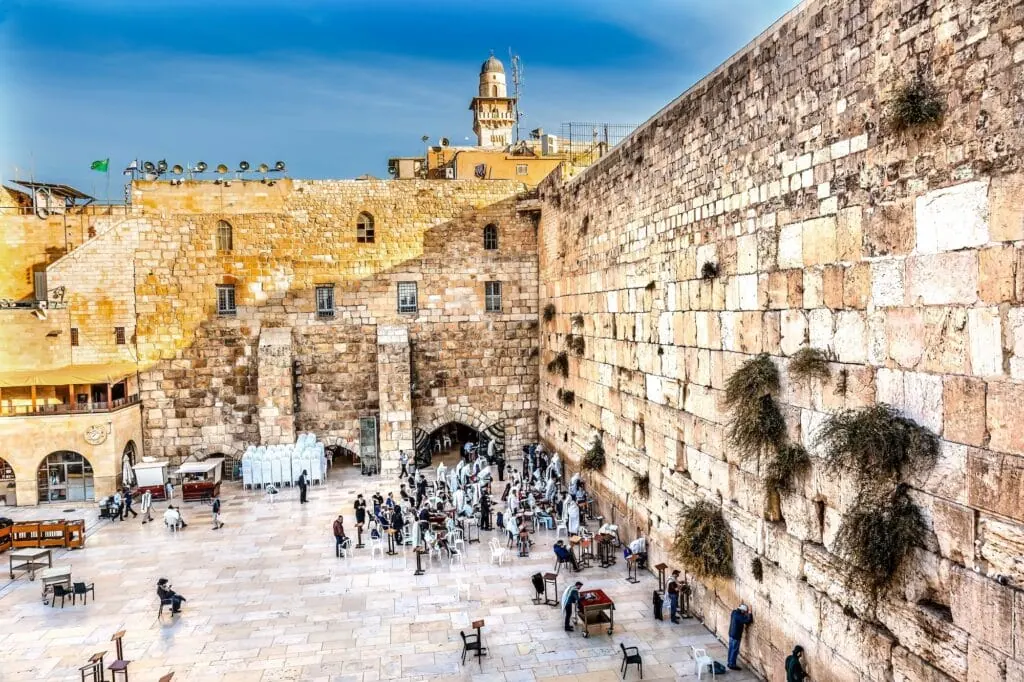
Access to religious sites requires advance planning during peak seasons and major holidays. Easter and Passover create enormous crowds at Jerusalem’s Church of the Holy Sepulchre, while Ramadan affects visiting hours at Egypt’s Islamic monuments. We coordinate timing to ensure optimal access to both countries’ sacred spaces.
Frequently Asked Questions
Border crossings between Egypt and Israel typically take 30 minutes to 2 hours, depending on the crossing point, season, security procedures, and daily passenger volume. The Taba-Eilat crossing on the Red Sea is the busiest tourist route and often moves faster during off-peak periods. Processing includes passport checks, customs inspections, and visa verification where applicable. Travelers crossing during holidays, weekends, or peak tourism months should allow extra time and avoid arriving close to closing hours.
Visa requirements for entering Israel from Egypt depend on your nationality, not your point of departure. Many travelers from the United States, European Union countries, and several other nations can enter Israel for tourism with advance electronic authorization or visa-free arrangements, subject to current regulations. Passport validity requirements usually extend at least six months beyond arrival. Always verify entry rules before travel, as immigration policies can change with little notice.
The Taba-Eilat border crossing is generally considered the best option for tourists traveling between Egypt and Israel. Located on the Gulf of Aqaba between Taba and Eilat, it offers direct access to Sinai resorts, the Negev Desert, Petra in Jordan, and southern Israel. The crossing is designed to handle significant tourist traffic and typically provides the most straightforward experience for independent travelers and organized tours alike.
No, rental cars from Egypt generally cannot be driven directly into Israel. Most travelers must exit Egypt, complete immigration procedures on foot, and arrange separate transportation after crossing the border. Insurance regulations, vehicle registration requirements, and cross-border restrictions make international vehicle transfers impractical for most rental agreements. If you plan to continue by road, arrange transportation on both sides of the border before departure.
Carrying a combination of U.S. dollars and Israeli shekels is the most practical choice for an Egypt-Israel border crossing. Border-related fees, transportation costs, snacks, and small purchases may require cash, particularly near land crossings. While card payments are increasingly accepted, availability can vary by location and provider. Having small denominations in both currencies helps avoid exchange issues and simplifies onward travel arrangements.
Yes, both Egypt and Israel enforce customs regulations that restrict certain items crossing the border. Weapons, controlled substances, large undeclared cash amounts, and some food products are commonly prohibited or subject to inspection. Electronic devices, cameras, and laptops are generally permitted but may undergo additional screening. Travelers carrying prescription medications should keep them in original packaging and carry supporting documentation if required.
Crossing from Egypt into Israel usually involves an Egyptian departure fee of approximately $7 USD, although fees and payment methods can change over time. Israel generally does not charge most tourists an entry fee at land borders, but transportation, visa-related costs, or service charges may apply depending on nationality and travel arrangements. Travelers should carry extra cash to cover unexpected expenses and confirm current fees before departure.
Yes, travel between Egypt and Israel is generally safe for tourists using official border crossings and established transportation routes. Border areas are monitored by security personnel from both countries, and thousands of travelers use these crossings each year without incident. As with any international journey, travelers should follow official travel advisories, carry valid documentation, and remain aware of local regulations and security procedures.
Yes, travelers can return to Egypt after visiting Israel as long as they meet Egypt’s entry requirements and hold valid travel documentation. Depending on your nationality and visa type, you may need a multiple-entry visa if you plan to re-enter Egypt after crossing into Israel. Checking visa conditions before departure is important because a single-entry visa may not permit a second entry without obtaining a new visa.
Border closures between Egypt and Israel are uncommon, but temporary disruptions can occur because of security measures, public holidays, weather events, or operational issues. Travelers affected by a closure may need to wait for reopening or use alternative routes, including commercial flights between Cairo and Israeli airports where available. Maintaining flexible travel plans and monitoring official border updates can help minimize disruption.
Comprehensive travel insurance is strongly recommended for trips that include both Egypt and Israel. A policy should ideally cover medical treatment, emergency evacuation, trip interruption, baggage loss, and unexpected border-related delays. Multi-country itineraries involve more transportation connections and logistical complexity than single-country trips, making insurance particularly valuable. Verify that your policy covers all destinations on your itinerary before departure.
Planning an Egypt-Israel trip at least two to three months in advance provides the best balance of availability, pricing, and flexibility. Advance planning allows time to secure visas or electronic travel authorizations, reserve accommodations, compare transportation options, and coordinate border transfers. During peak travel periods such as spring, autumn, Christmas, and Passover, early reservations can also help avoid higher prices and limited availability.
Explore our most popular guides and expert tips to make your trip safe, smooth, and unforgettable.
Plan Your Egypt Adventure with Confidence
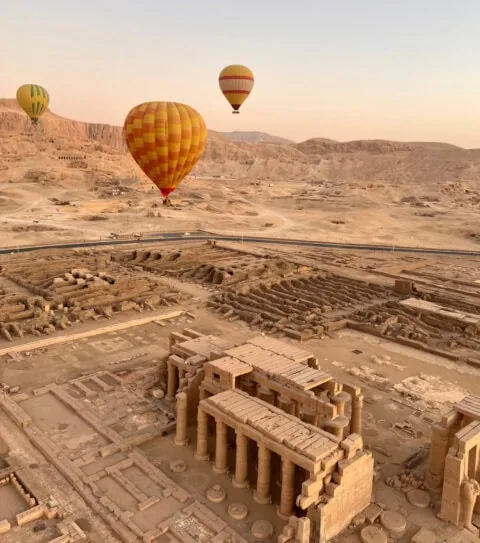
How to Plan a Trip Egypt
Step-by-step guide to help you plan the perfect Egypt trip — from routes and budget to booking.
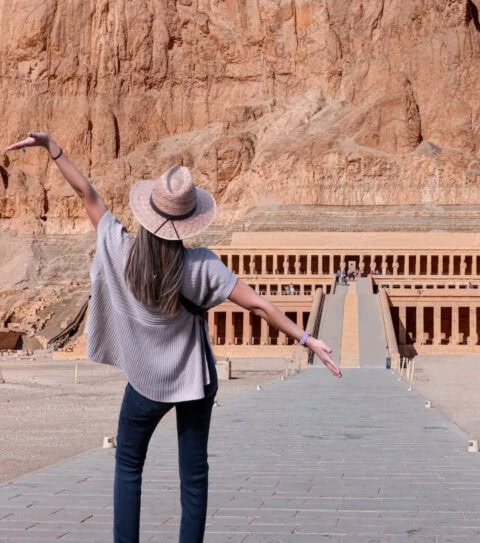
Best Time to Visit Egypt
Learn the best months to visit Egypt based on weather, crowds, and local travel experiences.
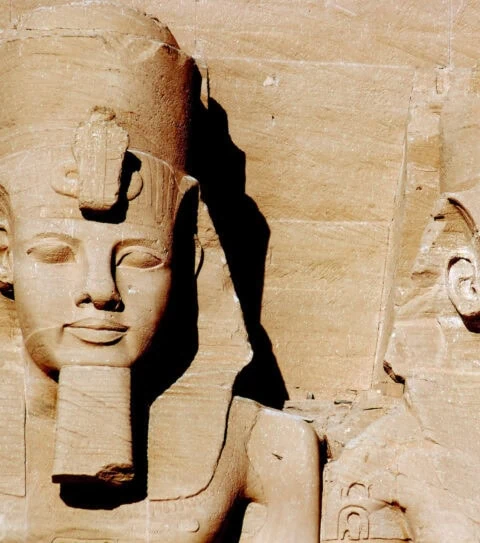
Must Visit Places in Egypt
Explore Egypt’s top sights — from pyramids to temples — and hidden gems worth seeing.

Top-Rated Egypt Tours
Handpicked private tours with local guides — our most loved and best-reviewed experiences.
How Many Days to Visit Egypt?
Find out how many days you need in Egypt — from quick trips to full itineraries.
Egypt Visa Requirements
Check if you need a visa and get simple, up-to-date entry info based on your nationality.

Is it Safe to Travel to Egypt?
Is Egypt safe? Get honest safety tips, area advice, and what to know before you travel.

What to Pack for Egypt
A quick packing guide with essentials, cultural tips, and clothing advice for your Egypt trip.

Design Your Custom Tour
Explore Egypt your way by selecting only the attractions you want to visit