

Marsa Alam Dive Sites
Pristine coral walls plunge into the abyss while hammerhead sharks patrol the deep blue.
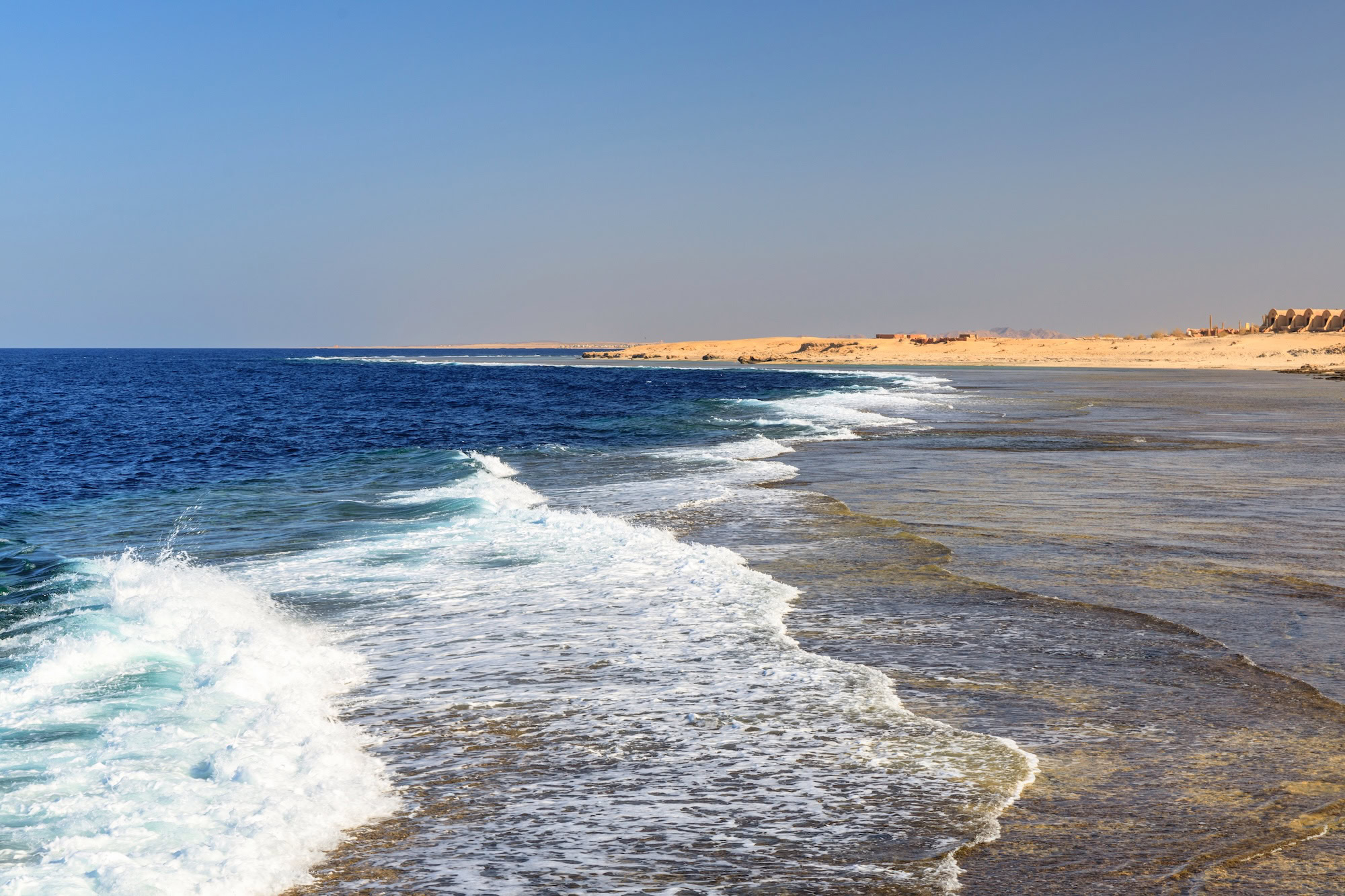
The southern Egyptian coast transforms diving expectations with sites that rival any underwater destination globally. Marsa Alam emerged as Egypt’s premier diving destination not through marketing campaigns but through word-of-mouth among diving professionals who discovered virgin reefs, prolific marine life encounters, and crystal-clear visibility exceeding 30 meters (98 feet).
We’ve guided thousands of divers through these waters over two decades, witnessing firsthand how this remote stretch of Red Sea coastline consistently delivers experiences that exceed even veteran divers’ expectations. The region’s geographic isolation preserved coral ecosystems while creating unique underwater topographies that attract both pelagic species and reef specialists.
Unlike crowded northern Red Sea destinations, Marsa Alam’s dive sites maintain their wild character. Most locations remain accessible only by boat, ensuring smaller groups and undisturbed marine environments that showcase the Red Sea at its most spectacular.
Table of Contents
World-Class Dive Sites That Define Marsa Alam
Elphinstone Reef stands as the crown jewel among Marsa Alam’s underwater attractions. This isolated seamount rises from 800-meter (2,624-foot) depths, creating dramatic walls decorated with soft corals in every imaginable color. The reef’s exposed location attracts oceanic species rarely seen elsewhere in the Red Sea.
Elphinstone Reef: The Hammerhead Highway
Morning encounters with scalloped hammerhead sharks occur regularly between September and November. These magnificent predators cruise the reef’s northern plateau in schools of 15-30 individuals, creating unforgettable spectacles for properly positioned divers. Strong currents demand advanced diving skills, but reward experienced divers with encounters featuring oceanic whitetip sharks, silky sharks, and occasional manta ray visits.
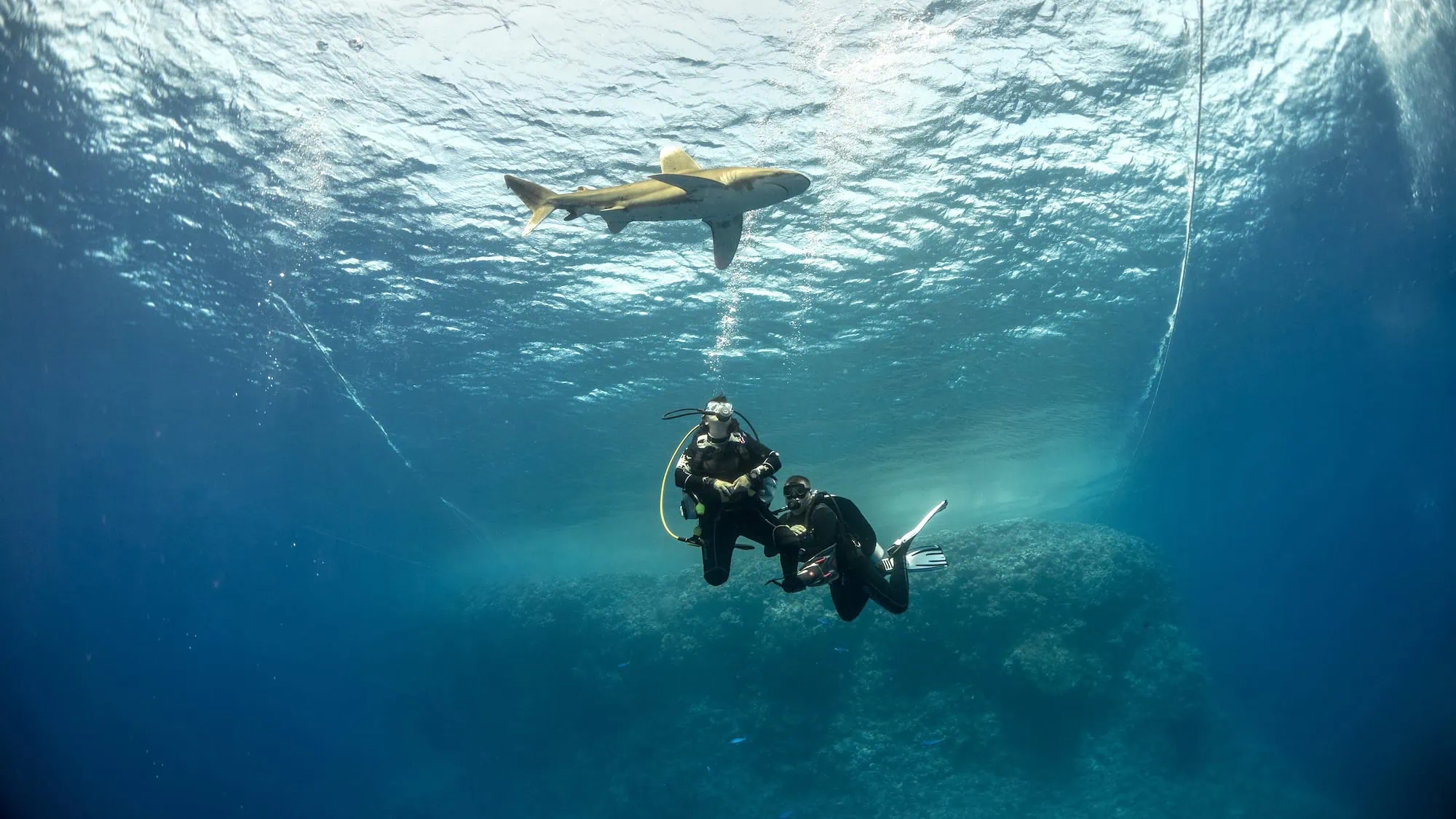
The reef’s southern section offers gentler diving conditions while maintaining exceptional marine diversity. Massive sea fans stretch across vertical walls where anthias create colorful clouds above pristine hard coral formations.
Abu Dabbab: The Dugong Sanctuary
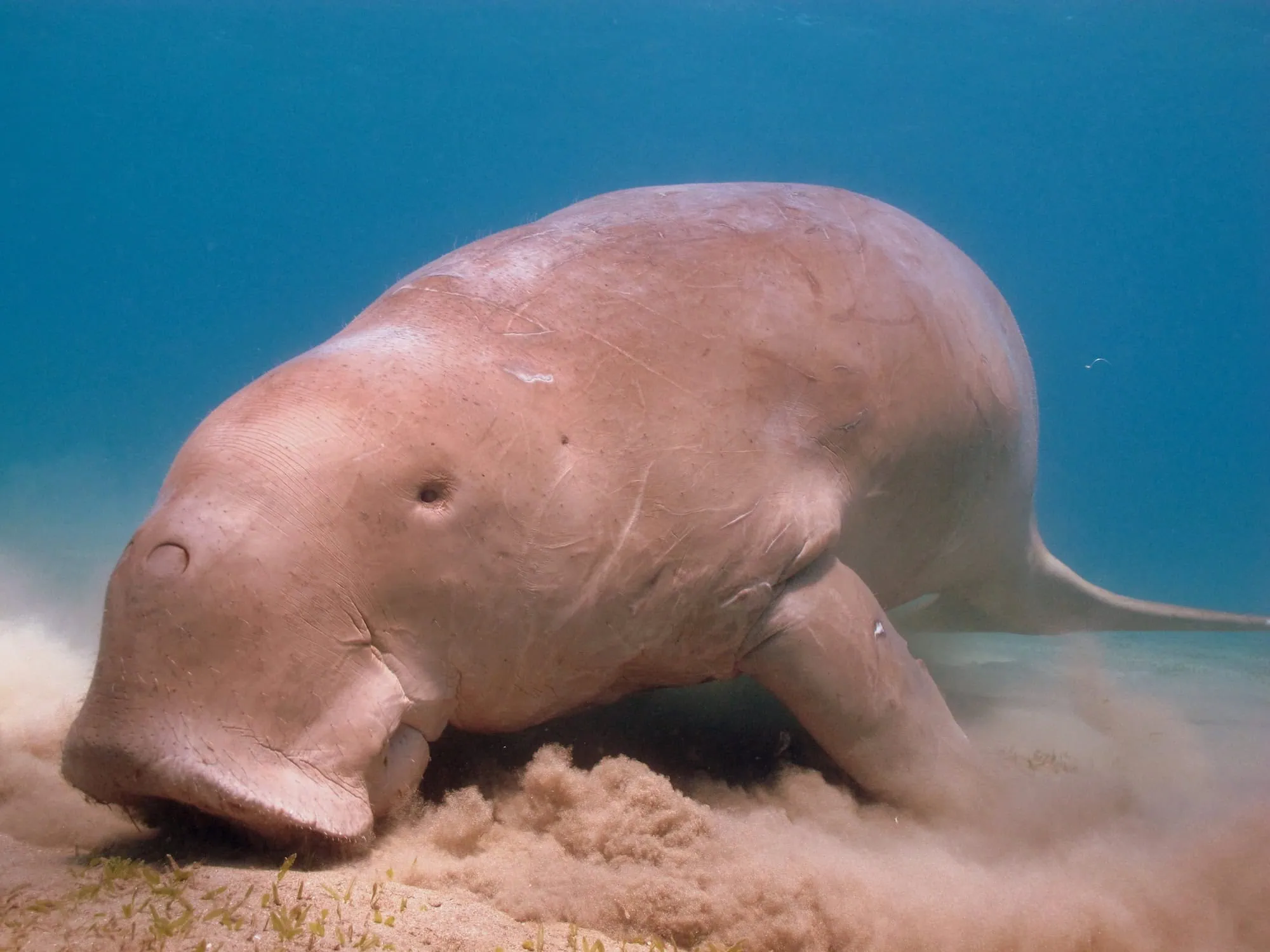
Seagrass beds surrounding Abu Dabbab Bay support the Red Sea’s most reliable dugong population. These gentle marine mammals graze peacefully in shallow waters, allowing close observation opportunities unavailable elsewhere in Egyptian waters. Green turtles frequent the same seagrass meadows, often sharing feeding areas with dugongs in remarkable interspecies harmony.
Dolphin House: Spinner Dolphin Encounters
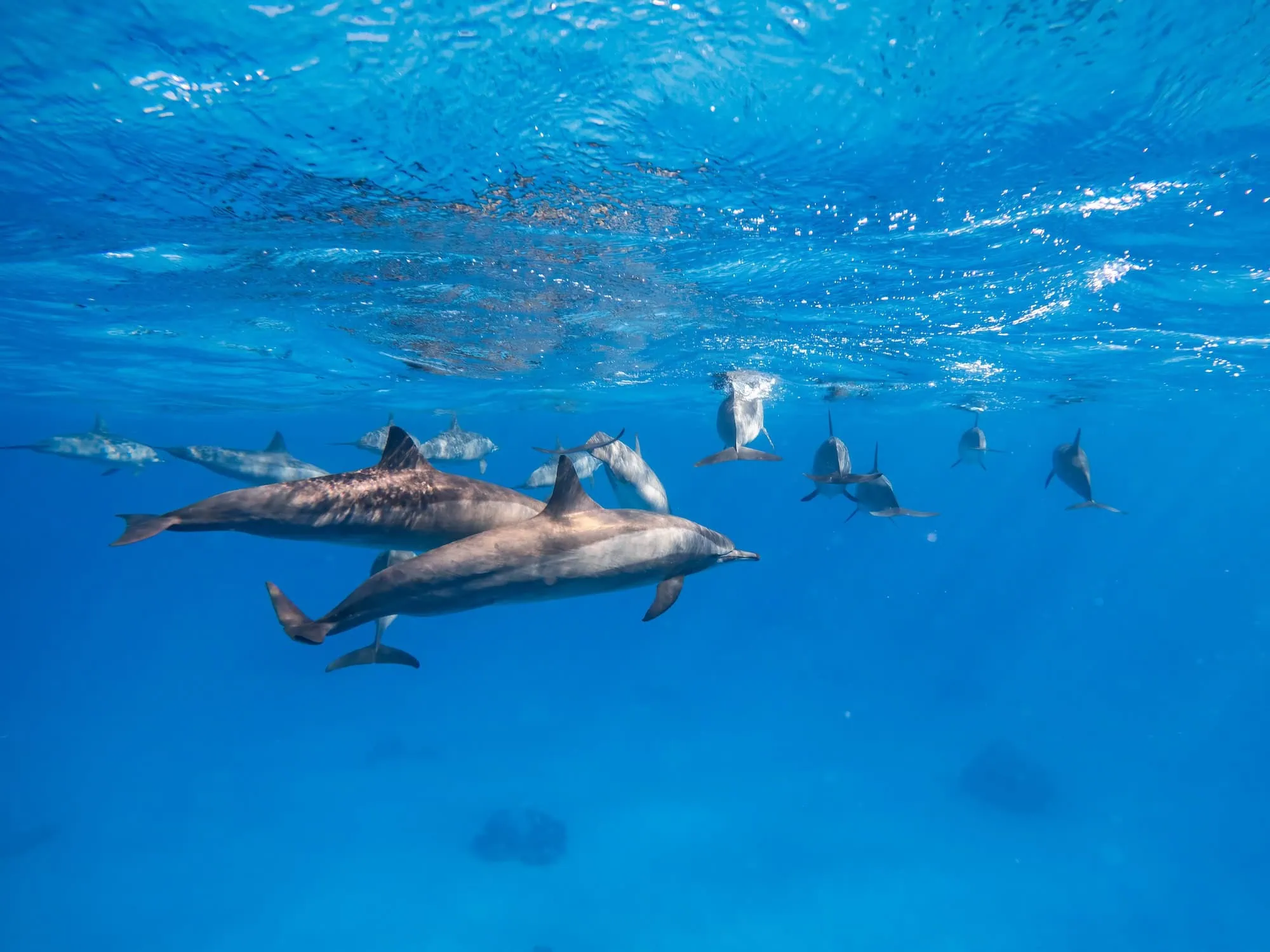
Resident spinner dolphin pods call this horseshoe-shaped reef system home. Underwater observations reveal complex social behaviors as dolphins rest in the protected lagoon during midday hours before venturing into deeper waters for evening feeding. The site’s shallow sections feature excellent snorkeling opportunities while deeper walls provide challenging drift diving experiences.
Marine Life Diversity Beyond Expectations
Red Sea endemism reaches extraordinary levels throughout Marsa Alam’s waters. More than 200 coral species create complex reef structures supporting over 1,000 fish species, many found nowhere else on Earth.
Soft coral coverage exceeds anything witnessed in northern Egyptian destinations. Alcyonaria species paint underwater landscapes in brilliant oranges, purples, and yellows while hard corals form massive structures reaching 4 meters (13 feet) in diameter. These ancient coral formations survived multiple bleaching events that affected other Red Sea regions, indicating exceptional resilience.
Large pelagic species appearances follow predictable seasonal patterns. Oceanic whitetip sharks arrive with warmer water masses between May and September, while hammerhead aggregations peak during autumn months. Silky sharks patrol deeper sections year-round, approaching divers with curious confidence rarely displayed elsewhere.
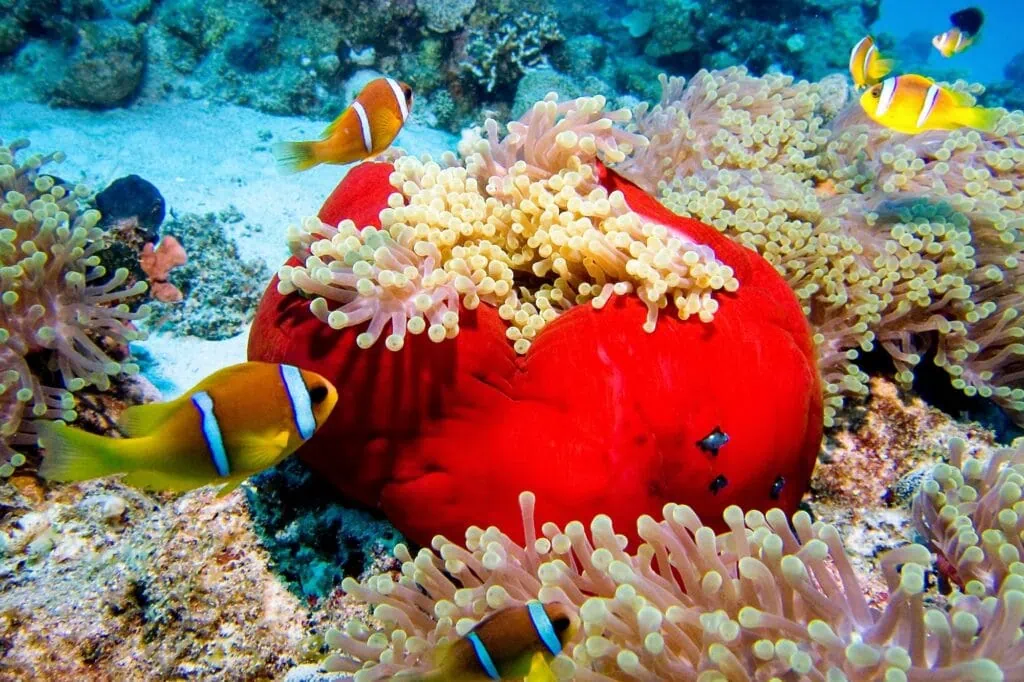
Endemic species like the Red Sea clownfish, masked butterflyfish, and Royal angelfish inhabit every reef system. These colorful residents create constantly changing underwater scenes as they interact with visiting pelagic species in dramatic size contrasts.
Macro photography opportunities abound in shallow sections where nudibranchs, ornate ghost pipefish, and juvenile marine species shelter among coral branches. Night diving reveals entirely different ecosystems as nocturnal predators emerge while day-active species seek protective crevices.
Seasonal Diving Conditions and Optimal Timing
Water temperatures remain comfortable throughout the year, ranging from 22°C (72°F) in February to 29°C (84°F) during summer months. These stable thermal conditions support year-round diving while creating distinct seasonal wildlife patterns that experienced divers learn to anticipate.
Winter Months: Crystal Clear Visibility
Cooler air temperatures reduce plankton blooms, creating exceptional underwater visibility often exceeding 40 meters (131 feet). Hammerhead shark encounters reach peak frequency during February and March when large schools congregate around seamounts. Water temperatures require 5mm wetsuits for comfortable extended bottom times.
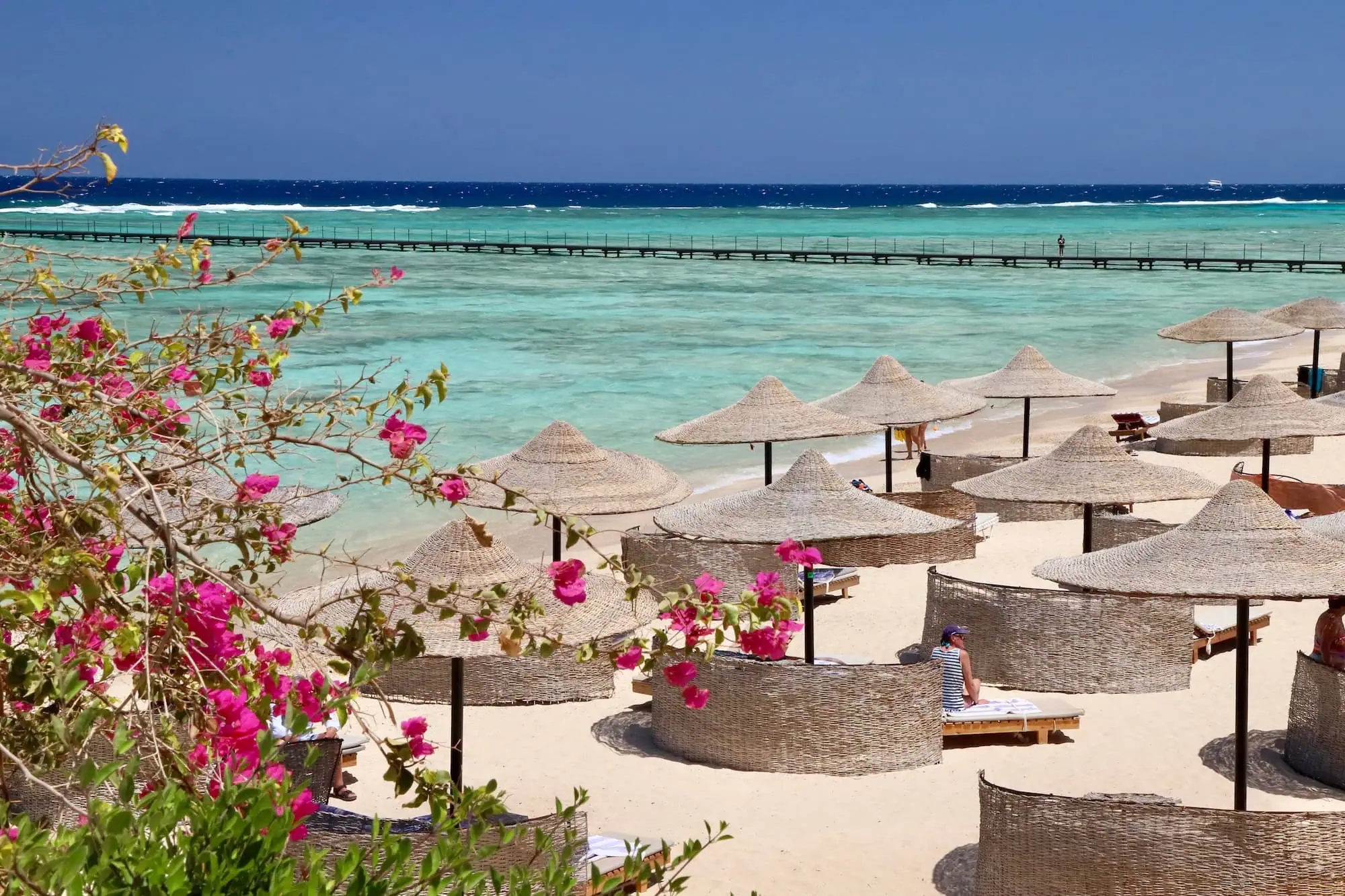
Strong northerly winds occasionally limit boat access to exposed sites like Elphinstone Reef. However, protected locations including Abu Dabbab and Dolphin House remain accessible throughout winter months.
Summer Season: Warm Water Adventures
Surface temperatures reaching 29°C (84°F) allow extended diving sessions in minimal thermal protection. Oceanic whitetip shark encounters become more frequent as these magnificent predators follow warm water masses northward from Sudan. Manta ray sightings increase dramatically during summer months when plankton blooms attract these filter-feeding giants.
Calm sea conditions provide easy access to all dive sites, making summer ideal for multi-day liveaboard expeditions exploring remote locations.
Shoulder Seasons: The Sweet Spot
April – May and October – November offer optimal diving conditions combining comfortable water temperatures with excellent visibility. Marine life activity peaks during these transitional periods when both resident species and seasonal visitors overlap in spectacular abundance.
Advanced Diving Opportunities and Technical Sites
Marsa Alam’s deep walls and strong currents create perfect conditions for advanced and technical diving pursuits. Sites like Elphinstone Reef challenge experienced divers with multi-level profiles descending beyond 40 meters (131 feet) while offering decompression stops along coral-encrusted walls.
Rocky Island and Zabargad Island expeditions accessible via liveaboard present true wilderness diving experiences. These remote locations feature pristine coral coverage and marine life densities rivaling world-famous Indo-Pacific destinations. Strong currents and deep profiles demand advanced certification levels but reward qualified divers with encounters unavailable anywhere else in the Red Sea.
Wreck diving opportunities include the Salem Express, though this controversial site requires respectful diving practices given its tragic history. Technical divers explore deeper sections of this passenger ferry while recreational divers observe the upper decks where marine life colonization creates artificial reef environments.
Planning Your Marsa Alam Diving Adventure
Marsa Alam International Airport provides direct access to southern Red Sea diving destinations, eliminating lengthy overland transfers required when flying into Cairo or Hurghada. Multiple daily flights connect with European cities while domestic connections link with Cairo for international travelers requiring connecting flights.

Shore diving opportunities exist at several locations including Abu Dabbab and Marsa Mubarak, though boat diving provides access to the region’s premier sites. Day boat operators offer half-day and full-day excursions while liveaboard options allow exploration of remote sites impossible to reach from shore-based operations.
Diving centers throughout Marsa Alam maintain high safety standards with modern equipment and experienced guides familiar with local conditions. Many facilities offer multilingual instruction and specialized courses including deep diving, drift diving, and underwater photography programs designed to maximize encounters with local marine life.
Advanced divers benefit from technical diving facilities offering trimix fills and rebreather support for exploring deeper sections of major reef systems. These specialized services allow experienced divers to push boundaries safely while maintaining conservative profiles appropriate for remote locations.
We arrange diving experiences that match individual skill levels and interests, from gentle shore dives perfect for newly certified divers to challenging deep drifts suitable only for advanced practitioners. Our partnerships with premium local operators ensure access to the best sites while maintaining small group sizes that preserve the wilderness character that makes Marsa Alam diving so special.
The combination of pristine reefs, abundant marine life, and excellent diving infrastructure makes Marsa Alam an essential destination for serious divers seeking authentic Red Sea experiences away from crowded tourist areas.
Discover The Incredible Marsa Alam Dive Sites Your Way
The Marsa Alam Dive Sites are famous for pristine coral reefs, dramatic drop-offs, and unforgettable encounters with dolphins, turtles, and dugongs in the Red Sea. Whether you want a diving-focused escape, a luxury beach stay, or a wider Egypt journey that includes Cairo, Luxor, or a Nile cruise, we can help you create a seamless itinerary built entirely around your interests.
With our custom Egypt tour planner, you choose your travel dates, dive schedule, accommodations, experiences, and route while our Egypt specialists handle every detail with care. Enjoy a private, tailor-made Egypt vacation designed for comfort, flexibility, and extraordinary experiences from beginning to end.
Frequently Asked Questions
The best time to dive in Marsa Alam is generally between October and May, when Red Sea visibility is excellent and air temperatures are more comfortable for full-day dive excursions. During this period, underwater visibility often exceeds 30 meters (98 feet), and water temperatures remain pleasant for extended dives. Winter months also improve chances of encountering pelagic species such as hammerhead sharks at offshore reefs like Elphinstone. Diving remains possible year-round, but summer conditions can become extremely hot on surface intervals and boats.
Open Water certification is sufficient for many Marsa Alam dive sites, although Advanced Open Water certification is strongly recommended for deeper and current-exposed reefs such as Elphinstone Reef. Beginner-friendly locations like Abu Dabbab feature calmer conditions and shallow coral gardens suitable for recently certified divers. Advanced sites, by contrast, may involve drift diving, stronger currents, and depths exceeding 30 meters. Many Red Sea dive operators also requir
Hammerhead shark encounters are never guaranteed in Marsa Alam, but Elphinstone Reef is considered one of the Red Sea’s most reliable locations for sightings between September and March. Scalloped hammerheads are more commonly observed in deeper offshore water during early morning dives when conditions are calmer and visibility is strongest. Wildlife behavior depends on currents, temperature, season, and open-sea migration patterns beyond human control. Divers interested in pelagic species usually improve their chances by scheduling multiple dives at offshore reef systems.
Most major dive sites near Marsa Alam require boat rides of approximately 30 to 90 minutes depending on hotel location and reef distance. Shore-accessible areas such as Abu Dabbab Bay can often be reached directly from nearby resorts, while offshore reefs like Elphinstone require longer departures from marina points along the Red Sea coast. Early boat departures are common because calmer morning seas improve both visibility and diving conditions. Travelers staying farther south near Port Ghalib may access certain sites more quickly.
Water temperatures in Marsa Alam generally range from about 72°F (22°C) during winter to around 84°F (29°C) in summer. Most divers remain comfortable using 3 mm to 5 mm wetsuits depending on season, dive duration, and personal cold tolerance. The Red Sea’s relatively warm temperatures support year-round diving and healthy coral ecosystems compared with many cooler international dive destinations. Winter mornings can feel noticeably cooler during surface intervals, especially on fast-moving dive boats exposed to wind.
Marsa Alam offers several excellent beginner-friendly dive sites, particularly protected bays such as Abu Dabbab and Dolphin House where currents are generally milder and visibility remains strong. Newly certified divers often appreciate the calm entry conditions, shallow coral reefs, and abundant marine life including sea turtles and reef fish. Professional supervision remains important because Red Sea conditions can still change with tides and wind patterns. Many dive centers also offer introductory dives and certification courses specifically designed for first-time divers.
Most marine animals encountered while diving in Marsa Alam are not dangerous when treated respectfully and observed from appropriate distances. Reef sharks, moray eels, and stingrays are common in Red Sea ecosystems but rarely pose problems for divers following standard underwater safety practices. Injuries are more often caused by accidental coral contact, improper buoyancy control, or handling marine life than by aggressive animal behavior. Listening carefully to dive briefings and maintaining calm underwater movement significantly improves overall diving safety.
Marsa Alam is known for quieter dive conditions, healthier coral reefs, and stronger marine life encounters compared with the busier resort centers of Hurghada and Sharm el Sheikh. Located farther south along Egypt’s Red Sea coast, the region experiences less intensive tourism development and provides easier access to renowned offshore sites such as Elphinstone Reef, Dolphin House, and Fury Shoals. Divers often choose Marsa Alam specifically for pelagic species sightings and less crowded underwater environments. The atmosphere is generally more relaxed and dive-focused than larger resort cities.
Recreational divers in Marsa Alam are not usually required by Egyptian law to present medical certificates, although many operators request health questionnaires or recommend fitness assessments before diving. Conditions such as asthma, heart disease, recent surgery, or certain ear problems may affect safe participation in scuba activities. Responsible dive centers following PADI or SSI standards prioritize diver health because offshore Red Sea sites can involve currents, depth changes, and extended boat travel. Travelers with medical concerns should consult physicians before arriving in Egypt.
Marsa Alam offers numerous activities for non-divers, including snorkeling, desert safaris, camel rides, beach relaxation, and excursions into Egypt’s Eastern Desert landscapes. Popular snorkeling areas such as Abu Dabbab Bay are famous for sea turtles and occasional dugong sightings even from shallow water. Visitors can also explore Bedouin culture, quad biking routes, or Red Sea resort beaches while companions are diving offshore. Egypt Tours Plus can combine Marsa Alam diving itineraries with cultural tours to Luxor or Nile Valley attractions for broader travel experiences.
Both wide-angle and macro photography equipment perform exceptionally well in Marsa Alam because Red Sea waters combine strong visibility with rich marine biodiversity. Wide-angle lenses are ideal for photographing coral walls, reef sharks, and schooling fish at offshore sites like Elphinstone Reef, while macro setups capture nudibranchs, shrimp, and smaller reef species hidden within coral formations. External strobes significantly improve color accuracy at depth because red and orange wavelengths fade underwater. Morning dives generally provide the clearest lighting conditions for underwater photography.
Night dives are widely available in Marsa Alam and reveal marine behaviors rarely seen during daytime diving sessions. After sunset, divers often encounter hunting lionfish, octopuses, Spanish dancers, and sleeping parrotfish hidden within coral structures across Red Sea reef systems. Many operators conduct night dives at calmer shore-accessible sites where navigation and entry conditions are easier to manage safely in darkness. Underwater visibility frequently remains excellent because of the Red Sea’s naturally clear water and limited sediment movement near coral reefs.
Design Your Custom Tour
Explore Egypt your way by selecting only the attractions you want to visit