

Diving in Sharm El Sheikh
The Red Sea delivers crystal-clear visibility and year-round diving conditions that make Sharm El Sheikh a standout destination.
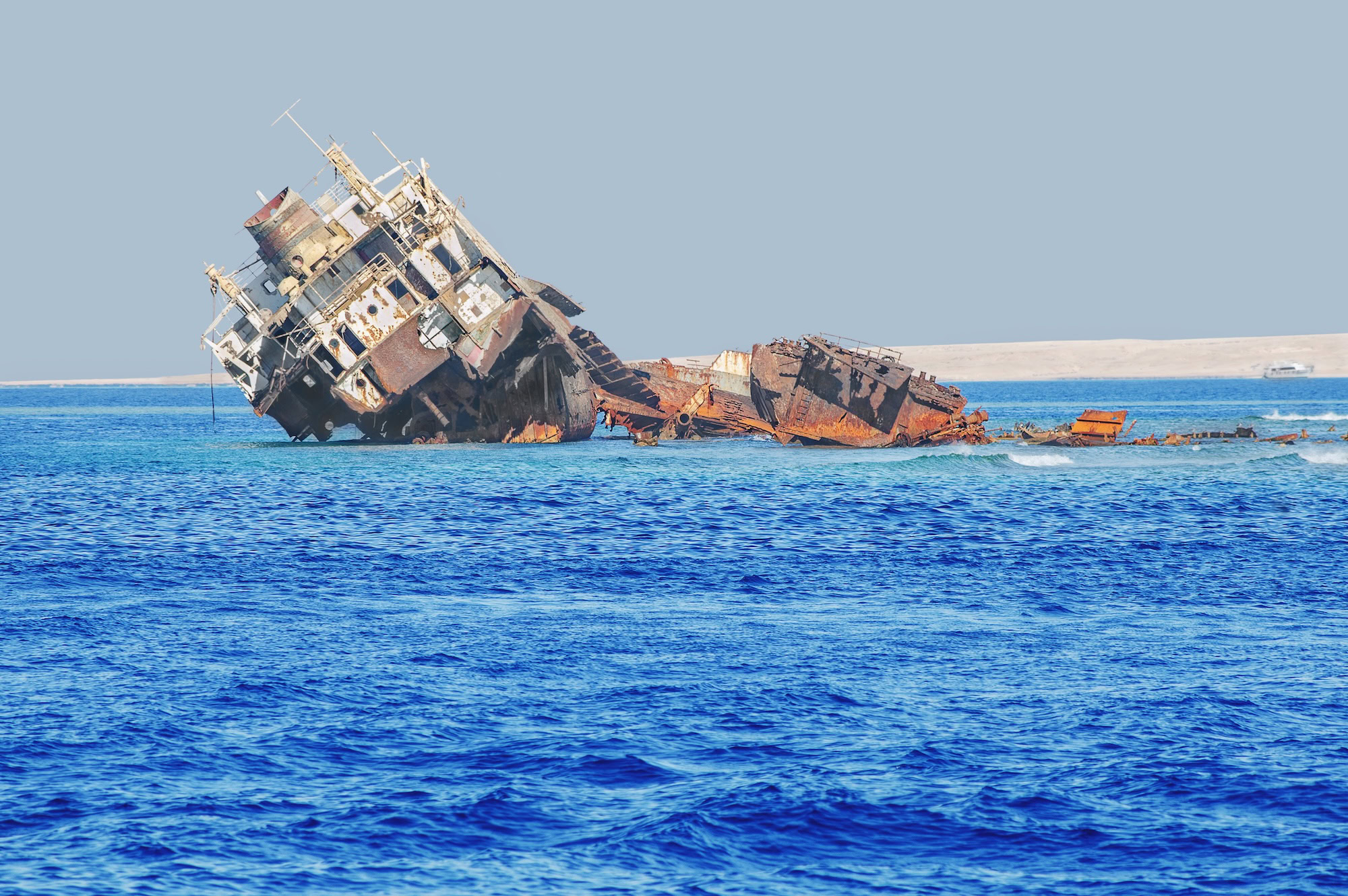
Egypt’s Sinai Peninsula has become synonymous with world-class underwater adventures, where dramatic coral walls meet pristine marine sanctuaries. The region combines accessible shore diving with legendary deep-water expeditions, creating opportunities for every skill level.
From shallow coral gardens perfect for beginners to the famous SS Thistlegorm wreck that challenges advanced divers, this coastal hub offers unmatched variety within a compact area.
We’ve spent decades guiding divers through these waters, witnessing firsthand how the Red Sea’s unique geography creates some of the planet’s most biodiverse marine ecosystems. Our local expertise ensures you experience the very best sites while diving safely with certified professionals.
Table of Contents
Top Marine Parks and Protected Areas
Ras Mohamed National Park stands as the crown jewel of Red Sea diving destinations. This protected marine sanctuary showcases vertical coral walls that plunge into deep blue channels, creating dramatic underwater landscapes unlike anywhere else in the world.
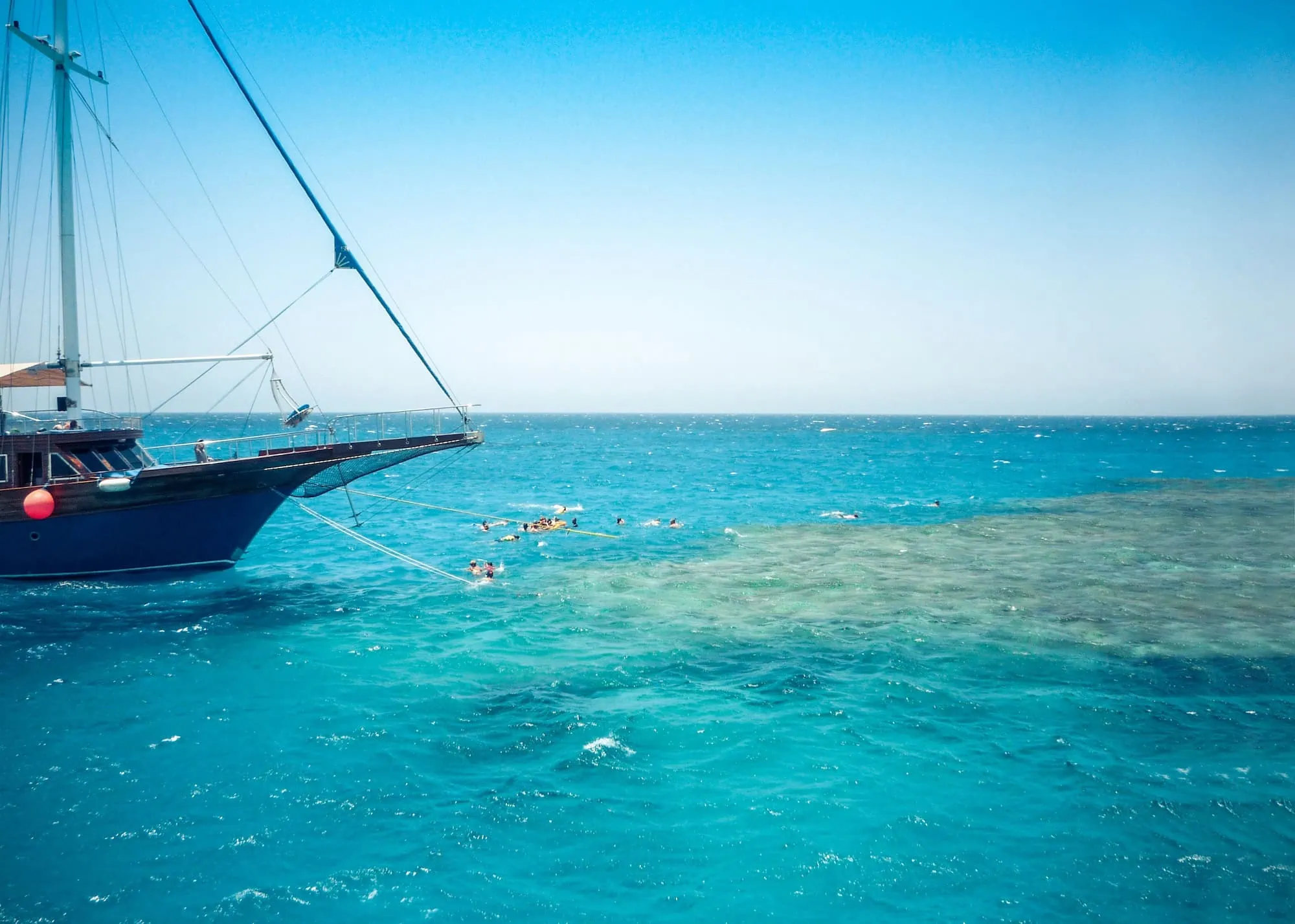
Shark and Yolanda Reefs
These twin sites within Ras Mohamed offer contrasting experiences on a single dive excursion. Shark Reef features a spectacular coral tower surrounded by schools of barracuda and tuna, while the adjacent Yolanda wreck remains scattered across the sandy bottom at 18 meters (59 feet).
The visibility here consistently exceeds 30 meters (98 feet), making it perfect for underwater photography.
Marine life encounters include whitetip reef sharks, Napoleon wrasse, and massive moray eels dwelling within the coral formations.
Anemone City
This shallow site within the national park boundaries creates an underwater garden filled with colorful anemones hosting clownfish families. The maximum depth reaches only 12 meters (39 feet), making it ideal for newer divers or those seeking relaxed bottom times.
Ras Za’atar
Current-swept walls attract pelagic species throughout the year. Advanced divers appreciate the challenging conditions that bring hammerhead sharks and eagle rays into view during certain seasons.
Historic Shipwrecks of Northern Red Sea
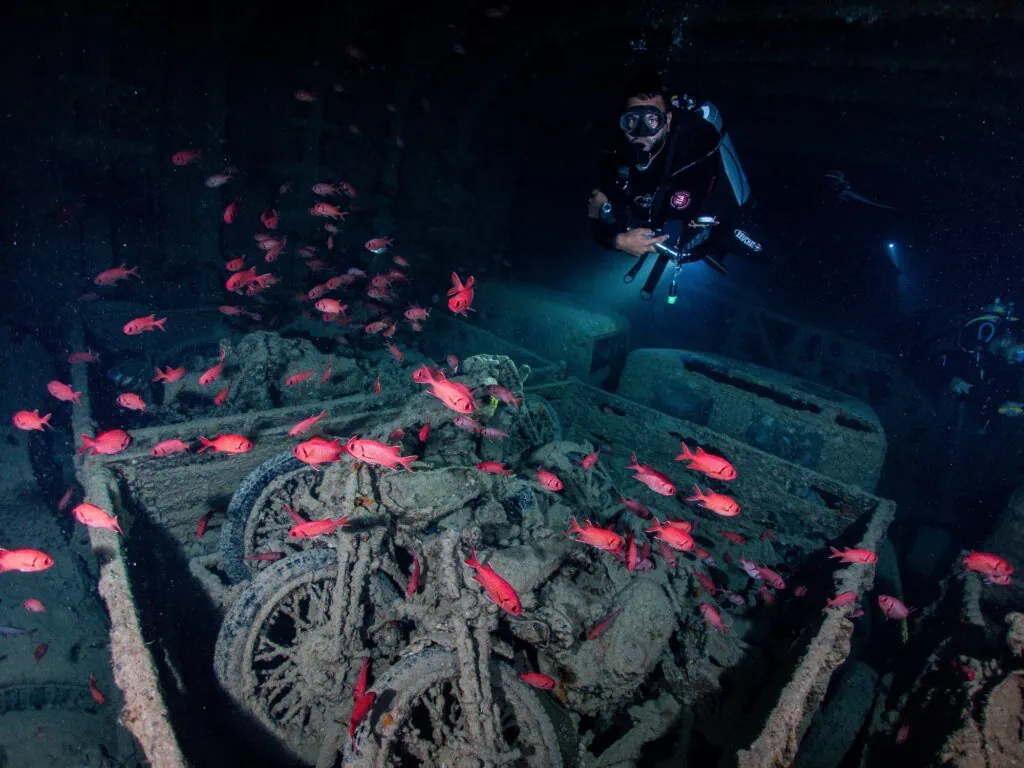
SS Thistlegorm remains the most celebrated wreck dive in Egyptian waters. This World War II cargo vessel rests at 30 meters (98 feet) and preserves an incredible collection of wartime artifacts.
The Thistlegorm Experience
Penetrating the ship’s holds reveals motorcycles, trucks, and military supplies exactly as they were loaded in 1941. The wreck spans 126 meters (413 feet) in length, requiring multiple dives to explore thoroughly.
Our guides ensure safe navigation through the vessel’s interior spaces while highlighting historical significance at every turn.
Water temperature remains consistent at 26-28°C (79-82°F) year-round, with minimal thermal protection required. Advanced Open Water certification or equivalent experience is essential due to the depth and potential overhead environments.
The site attracts large schools of barracuda and occasional whale shark sightings during summer months. Multiple dive operators service this location, but scheduling fills quickly during peak season from October through April.
Million Hope Alternative Wrecks
Less crowded alternatives include the Million Hope cargo vessel and various smaller wrecks scattered throughout the Strait of Tiran. These sites offer similar historical interest without the crowds that sometimes gather around the famous Thistlegorm.
Tiran Island Diving Adventures
The Strait of Tiran features four distinct coral reef systems, each named after international maritime markers. These sites combine strong currents with exceptional marine biodiversity.
Jackson Reef provides the most accessible entry point for exploring Tiran’s underwater geography. The shallow coral plateau extends from 5-15 meters (16-49 feet) before dropping into deeper channels where larger pelagic species congregate.
Woodhouse Reef challenges experienced divers with swift currents that deliver nutrient-rich waters supporting vibrant hard coral formations. The reef structure creates natural swim-throughs and caverns that shelter schools of glassfish and soldierfish.
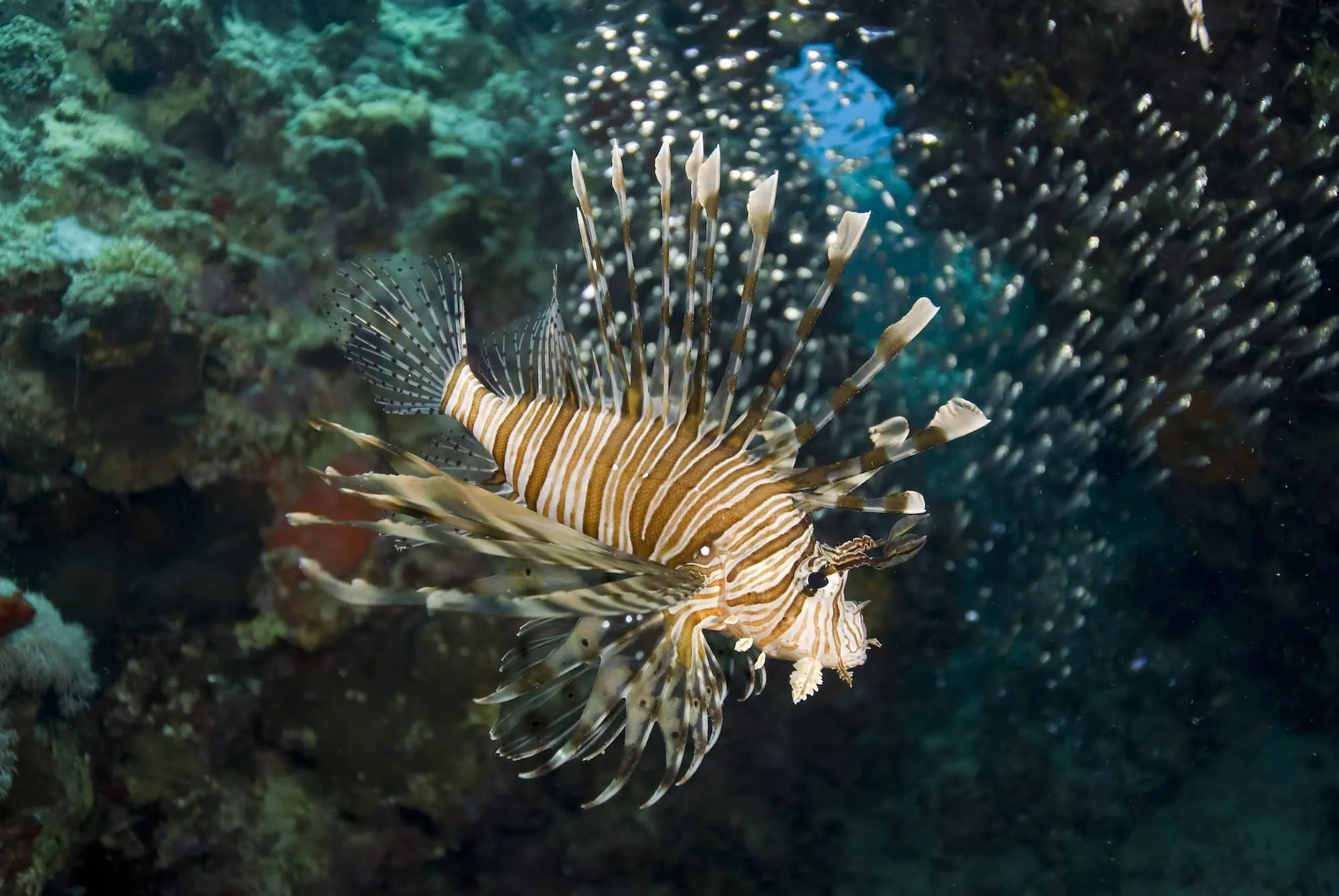
Gordon and Thomas Reefs complete the quartet, offering similar current-driven ecosystems with spectacular coral health. Night diving at these locations reveals different marine behaviors, including hunting moray eels and foraging octopi.
Current and Visibility Conditions
Tidal flows through the strait create predictable current patterns that experienced dive guides navigate expertly. We schedule dive times around optimal conditions, ensuring both safety and maximum wildlife encounters.
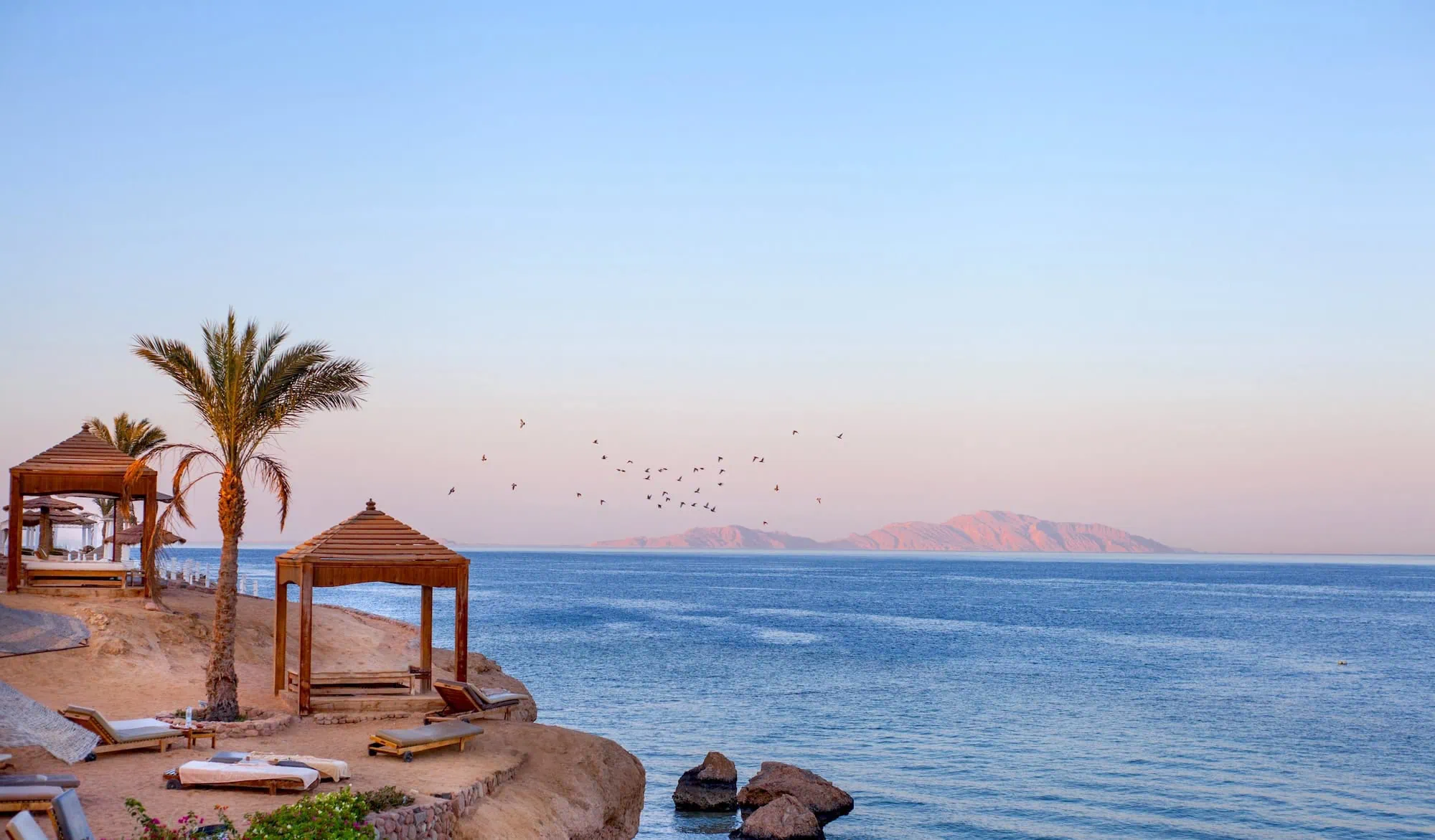
Current strength varies from gentle drift diving to challenging conditions requiring advanced skills.
Water clarity consistently exceeds 25 meters (82 feet), with exceptional days reaching 40+ meter (131+ feet) visibility.
Shore Diving and Easy Access
Near Shore Reef provides convenient entry points directly from Naama Bay beaches. These shallow coral gardens extend from the shoreline to depths of 8-12 meters (26-39 feet), perfect for night dives or relaxed exploration sessions.
The sites support healthy populations of Red Sea endemic species including Red Sea anemonefish, masked butterflyfish, and various parrotfish species. Underwater topography features gentle slopes rather than dramatic walls, creating comfortable conditions for underwater photography and marine life observation.
Equipment rental facilities operate directly from beachfront locations, eliminating transportation needs for shore diving excursions. Local dive centers provide guided tours or support independent diving for certified divers seeking flexible scheduling.
White House Reef
This protected shallow area showcases exceptional coral diversity within easy swimming distance of shore. Maximum depths reach 15 meters (49 feet), with most interesting marine life concentrated in the 5-8 meter (16-26 foot) range.
Regular sightings include blue-spotted stingrays, crocodile fish, and cleaning stations where larger fish receive attention from cleaner wrasses. The gradual depth profile makes this location ideal for training dives and skill development sessions.
Marine Life Encounters Throughout Year
Red Sea marine biodiversity peaks during specific seasons, with hammerhead sharks most commonly spotted between June and September. Whale shark encounters occur sporadically throughout the year, with increased frequency during warmer months when plankton blooms attract these gentle giants.
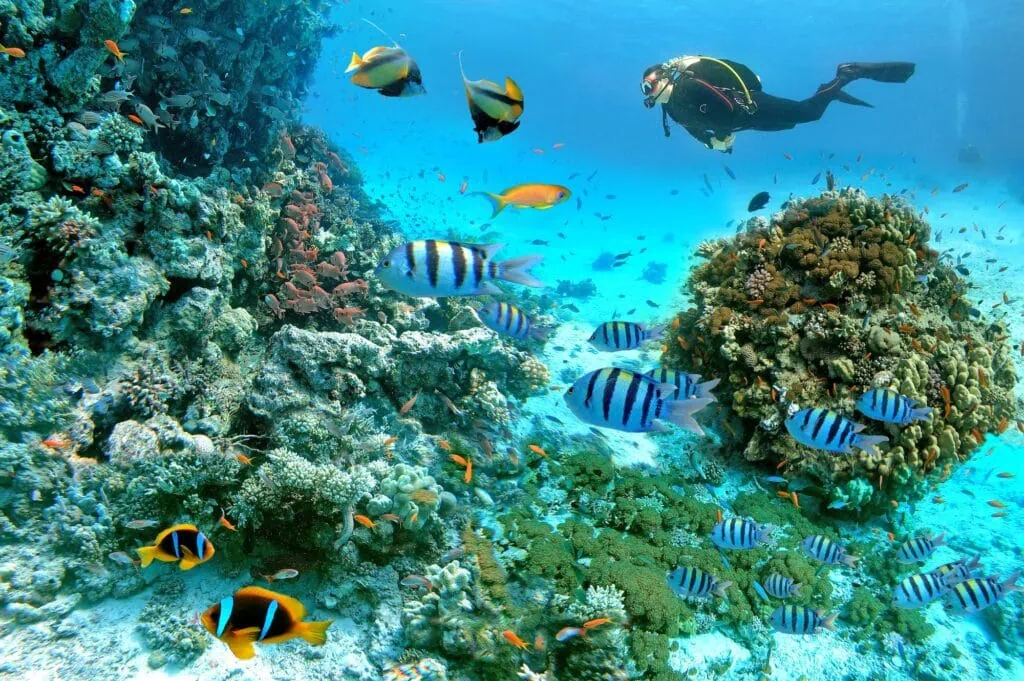
Endemic species remain present year-round, including the stunning Red Sea clownfish, various angelfish species, and colorful parrotfish that maintain the coral ecosystem’s health through constant grazing. Napoleon wrasse frequent cleaning stations around major reef systems, often approaching divers with curiosity.
Manta ray sightings happen primarily at deeper offshore sites, requiring boat trips to access optimal viewing locations. These encounters remain unpredictable but occur frequently enough to make specialized manta excursions worthwhile for dedicated enthusiasts.
Seasonal Wildlife Patterns
Winter months from December through March bring cooler water temperatures around 22-24°C (72-75°F) but clearer visibility conditions. This period sees increased activity from schooling fish species and more frequent shark encounters at deeper sites.
Summer diving from June through September features warmer waters reaching 28-30°C (82-86°F) with occasional thermoclines creating temperature variations at different depths. Plankton blooms during this period reduce visibility slightly but attract larger marine life including whale sharks and manta rays.
Professional Dive Services and Training
PADI certification courses operate year-round with multiple dive centers offering training from beginner Open Water through advanced technical diving specialties. Our partnerships with certified instructors ensure high-quality education that emphasizes safety alongside skill development.
Equipment and Safety Standards
Modern dive equipment meets international safety standards with regular maintenance schedules and replacement protocols. Nitrox fills are available for certified enriched air divers seeking extended bottom times at recreational depths.
Emergency procedures include on-site oxygen administration, evacuation protocols to hyperbaric facilities in Sharm El Sheikh, and communication systems linking dive boats with shore-based emergency services. All dive guides maintain current rescue diver certifications and emergency first aid training.
We provide comprehensive dive briefings covering site-specific conditions, marine life expectations, and safety considerations. Dive groups remain small to ensure personalized attention and optimal safety ratios.
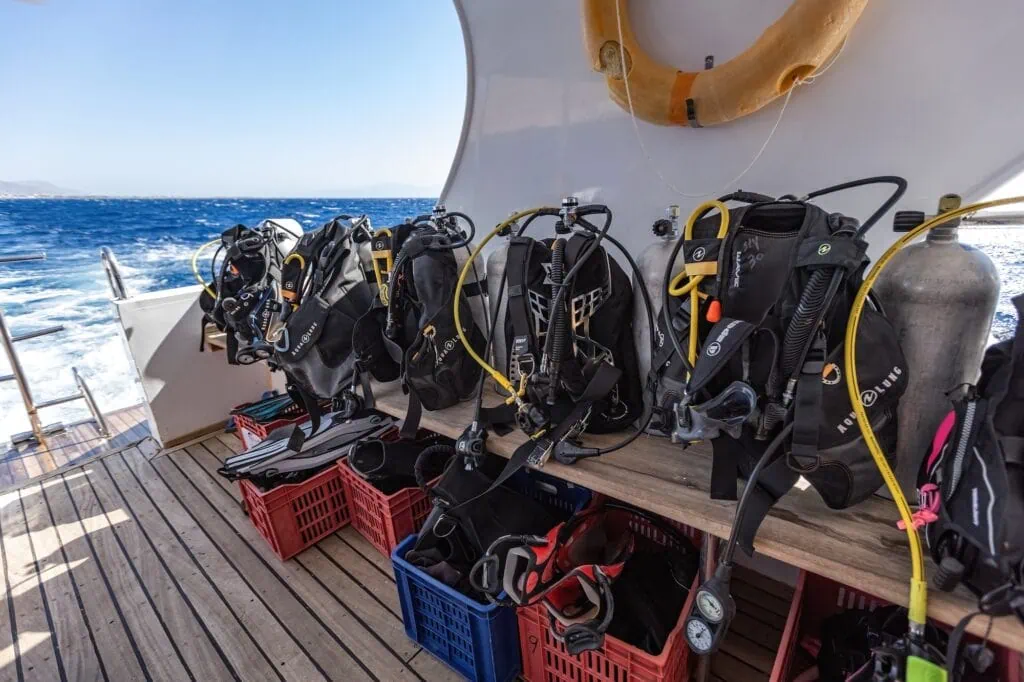
Group sizes typically range from 4-8 divers per guide, allowing for individualized attention while maintaining cost-effective pricing structures. Private guide services accommodate specific interests or skill levels requiring customized experiences.
Planning Your Diving Adventure
Most diving packages include hotel transfers, equipment provision, and guided dive services with certified professionals. We coordinate multi-day itineraries combining different site categories to maximize your underwater experiences while respecting no-decompression limits and surface interval requirements.
Transportation to remote sites like the Thistlegorm requires full-day boat trips departing early morning around 7:00 am (07:00) and returning by late afternoon. These excursions include lunch and beverages plus multiple dive opportunities at different locations.
Shore diving offers flexible scheduling with morning, afternoon, or night dive options accommodating various travel itineraries. Equipment setup and site briefings occur directly at entry points, minimizing preparation time while maximizing underwater experiences.
Booking Considerations
Peak season from October through April requires advance reservations, particularly for popular sites like SS Thistlegorm and Ras Mohamed National Park. We recommend booking diving activities immediately upon confirming travel dates to ensure availability.
Weather conditions occasionally affect boat departures, with alternative site options provided when primary locations become inaccessible. Our decades of local experience enable quick adjustments that maintain diving opportunities despite changing conditions.
Water temperature variation is minimal throughout the year, with 3mm wetsuits providing adequate thermal protection for most divers. Thicker protection may be preferred for extended bottom times or individual cold sensitivity.
Turn Diving In Sharm El Sheikh Into The Highlight Of Your Egypt Journey
Crystal-clear waters, vibrant coral reefs, and world-class dive sites make Diving in Sharm El Sheikh one of the most unforgettable experiences in Egypt. Whether you want to combine Red Sea relaxation with Cairo’s ancient wonders, a luxury Nile cruise, or desert adventures, we can help you create a journey that flows seamlessly from start to finish.
With our custom Egypt tour planner, you decide the travel dates, pace, experiences, accommodations, and route that suit you best. Our travel specialists handle the details, so you can enjoy a private, tailor-made Egypt vacation designed entirely around your interests and comfort.
Frequently Asked Questions
Open Water certification is sufficient for many dive sites in Sharm El Sheikh, although Advanced Open Water certification is strongly recommended for deeper reefs and stronger current areas. Beginner-accessible sites often range between 5 and 18 meters deep, while advanced locations around Tiran Island and Ras Mohammed National Park can exceed 30 meters. Dive operators in the Red Sea generally follow PADI or SSI certification standards. Divers interested in wreck penetration or drift diving may need additional specialty certifications depending on the site.
Diving activities in Sharm El Sheikh should ideally be booked immediately after confirming travel dates, especially during the peak season between October and April. The Red Sea experiences its highest demand during cooler months when water visibility and air temperatures are particularly comfortable for diving and liveaboard trips. Popular dive boats and multilingual instructors can fill quickly during holiday periods and European winter travel seasons. Early booking also improves access to premium dive sites and preferred departure schedules.
Red Sea water temperatures in Sharm El Sheikh typically range from about 72°F (22°C) during winter to approximately 86°F (30°C) in late summer. Winter divers often use 5 mm wetsuits for longer comfort during repeated dives, while many summer divers remain comfortable in thinner thermal protection or short wetsuits. These relatively warm temperatures support year-round diving conditions unlike many Mediterranean destinations. Water clarity also remains consistently strong throughout most seasons, especially between spring and early autumn.
Night dives are widely available in Sharm El Sheikh, particularly at shore-accessible reefs and protected Red Sea dive locations. After sunset, divers often encounter different marine behavior patterns, including hunting lionfish, sleeping parrotfish enclosed in mucus cocoons, and nocturnal crustaceans emerging from coral formations. Many operators conduct guided night dives at calmer sites with limited current and shallow entry points for added safety. Underwater visibility remains surprisingly strong because of the Red Sea’s naturally clear water conditions.
Red Sea diving around Sharm El Sheikh is famous for endemic marine species found nowhere else, including Red Sea clownfish, masked butterflyfish, and several specialized reef fish adapted to the region’s warm saline waters. Divers also regularly encounter napoleon wrasse, moray eels, reef sharks, and large schools of anthias across coral formations in Ras Mohammed National Park and Tiran Strait. The Red Sea’s relative isolation helped create unusually high biodiversity levels. Coral reefs here are also considered among the healthiest major reef systems globally.
Currents at the Tiran dive sites significantly influence visibility, marine encounters, and dive difficulty, which is why experienced guides carefully plan entries and drift routes. Located near the Strait of Tiran between Sinai and Saudi Arabia, these reefs experience tidal movement that can attract large pelagic species such as barracuda, tuna, and reef sharks. Stronger currents also deliver nutrient-rich water supporting dense coral ecosystems. Divers without drift diving experience generally find calmer Sharm El Sheikh reef sites more suitable for relaxed exploration.
Sharm El Sheikh has dedicated hyperbaric treatment facilities and emergency medical infrastructure specifically supporting Red Sea diving tourism. Hyperbaric chambers operate in the city with trained dive medicine staff capable of treating decompression sickness and other diving-related emergencies. Major dive operators also maintain evacuation protocols, oxygen equipment, and communication systems coordinated with local medical services. Because the region hosts thousands of divers annually, emergency response procedures are well established compared with many remote international dive destinations.
Most diving packages in Sharm El Sheikh include standard equipment rental such as regulators, buoyancy control devices, tanks, wetsuits, and weight systems. Many divers still prefer bringing personal masks, fins, and dive computers because familiarity improves comfort and fit during multiple daily dives. Reputable Red Sea dive centers regularly service rental gear to international safety standards because of heavy year-round diving activity. Travelers planning repeated dives over several days often find package rentals more practical than transporting full equipment internationally.
Underwater visibility in Sharm El Sheikh commonly exceeds 25 meters (82 feet) and can surpass 40 meters during optimal Red Sea conditions. The region’s limited river runoff, low rainfall, and relatively calm marine environment contribute to exceptionally clear water throughout much of the year. Strong visibility enhances both reef photography and marine life observation at famous sites such as Shark Reef and Yolanda Reef in Ras Mohammed National Park. Early morning dives often provide the clearest conditions before boat activity increases.
Standard dive excursions in Sharm El Sheikh usually include two or three dives per day with regulated surface intervals designed for diver safety. Full-day boat trips often depart in the early morning and visit multiple reef systems across the Red Sea, while shore diving schedules allow greater flexibility for shorter or beginner-focused sessions. Divers pursuing advanced certification or liveaboard itineraries may complete additional dives over consecutive days. Adequate hydration and rest remain especially important in Sinai’s warm desert climate.
Most full-day diving boats in Sharm El Sheikh depart around 7:00 am and typically return between 3:30 pm and 4:30 pm depending on travel distance and sea conditions. Earlier departures help divers reach popular Red Sea sites such as Ras Mohammed and Tiran before heavier marine traffic and stronger afternoon winds develop. Boarding procedures usually begin at marina docks before sunrise during busy periods. Travelers should confirm departure points in advance because Sharm El Sheikh has multiple marina and harbor areas serving dive operations.
Sharm El Sheikh offers dive sites suitable for nearly every experience level, ranging from shallow 5-meter coral gardens for beginners to 40-meter wreck penetrations for advanced and technical divers. Calm reef areas near Naama Bay and Ras Umm Sid are popular for introductory dives and Open Water training, while advanced divers often prefer drift dives and deep walls near Tiran Strait. Egypt Tours Plus can help coordinate diving itineraries matched to certification level, comfort, and underwater interests across the Red Sea region.
Design Your Custom Tour
Explore Egypt your way by selecting only the attractions you want to visit