Ras Mohammed National Park – The Jewel of Sinai
Egypt’s crown jewel of marine conservation awaits beneath crystal-clear waters.
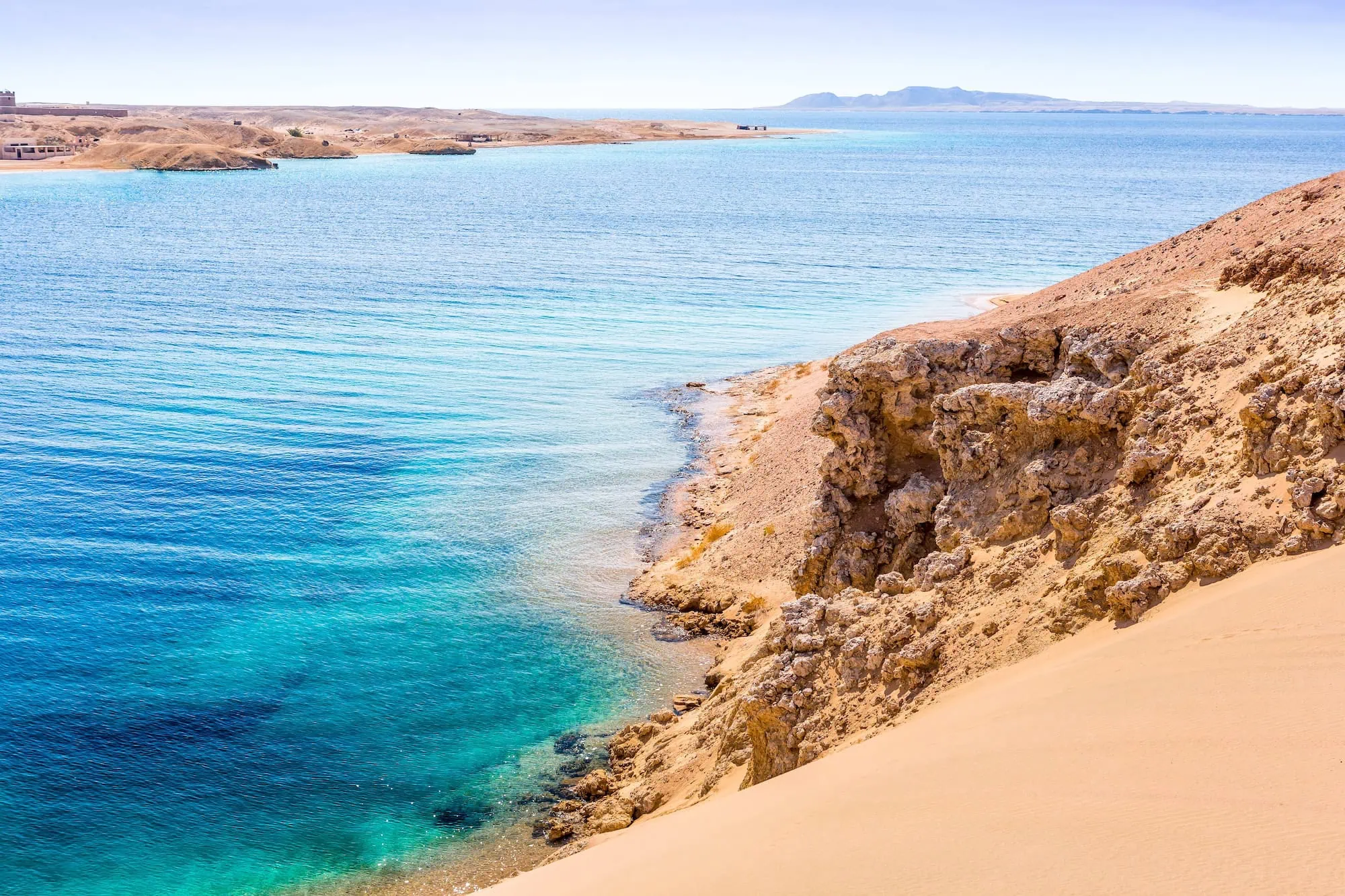
Ras Mohammed National Park stands as one of the world’s most extraordinary underwater destinations, where pristine coral reefs meet the dramatic landscapes of the Sinai Peninsula. Located just 12 km (7.5 miles) from Sharm El Sheikh, this protected marine sanctuary encompasses 185 square miles of some of the Red Sea’s most biodiverse waters.
With over 220 coral species and more than 1,000 fish species calling these reefs home, the park offers visitors an unparalleled glimpse into a thriving marine ecosystem.
Established in 1983 by Egypt’s Environmental Affairs Agency, the park has earned international recognition including prestigious IUCN Green List certification for its exceptional conservation success. We’ve guided countless travelers through these remarkable waters, watching their amazement as they discover why marine biologists consider this area a living laboratory of Red Sea biodiversity.
Table of Contents
The Marine Wonderland of Ras Mohammed
Crystal-clear waters reveal a world where nature’s artistry reaches its peak. The park’s position at the junction of the Gulf of Suez and Gulf of Aqaba creates unique conditions that support extraordinary marine life diversity.
World-Class Coral Reef Systems
The Red Sea reef formations here represent some of the healthiest coral ecosystems on Earth. Living coral coverage reaches an impressive 90% within the protected boundaries, dramatically contrasting with the 20-30% coverage found in unprotected areas. These fringing reefs and hermatypic coral formations create underwater gardens that support countless marine species.
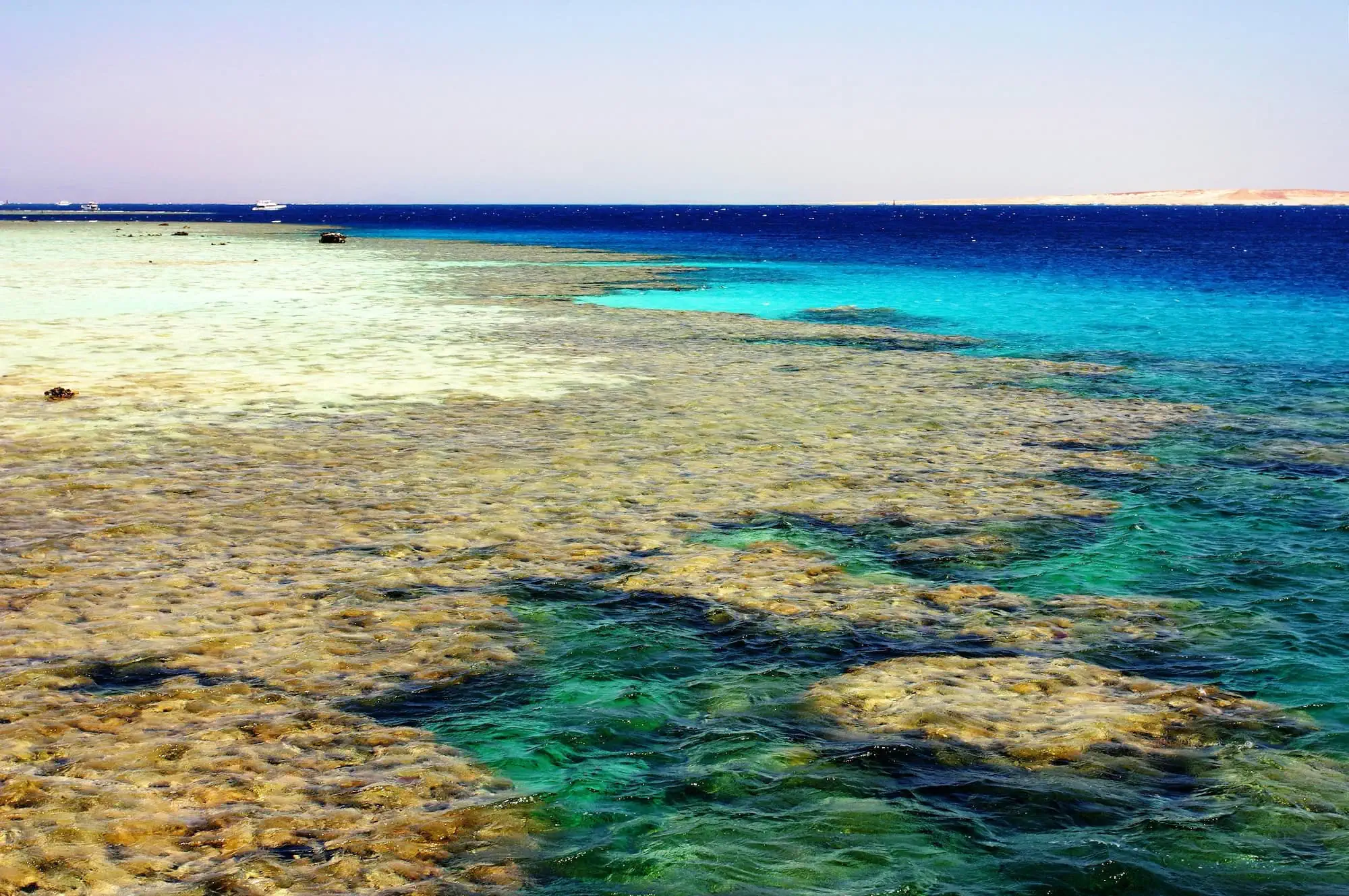
Soft corals paint the underwater landscape in vibrant purples, oranges, and reds, while hard corals form the structural backbone of this marine metropolis. Endemic Red Sea species thrive in these waters, many found nowhere else on Earth.
Incredible Marine Biodiversity
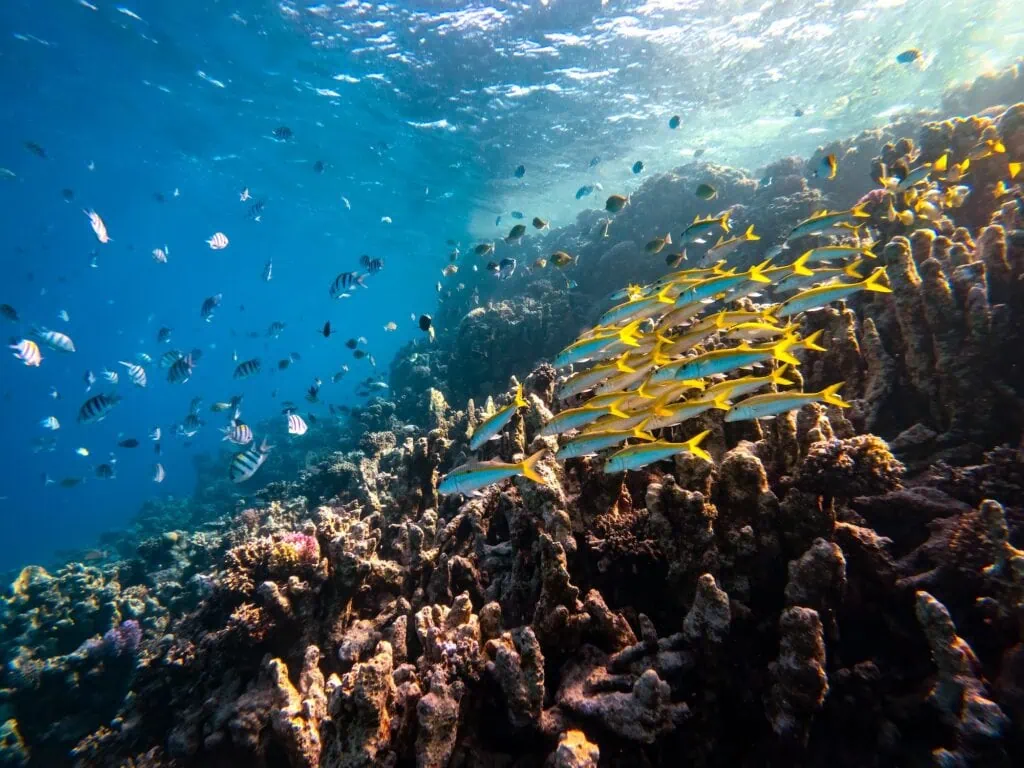
More than 1,000 fish species call these waters home, from tiny anthias creating colorful clouds above the reefs to impressive pelagic visitors. Schools of barracuda spiral in silvery tornados while Napoleon wrasse patrol their territories with regal authority.
The park’s waters provide critical habitat for endangered species including hawksbill and green sea turtles. Dugongs occasionally grace the seagrass beds, while various shark species including reef sharks maintain the delicate ecological balance.
Geological Marvels Beneath the Waves
The meeting point of three tectonic plates—Arabian, African, and Sinai—creates dramatic underwater topography. Earthquake-formed cracks and fissures add geological intrigue to diving experiences, while underwater cliffs plunge into azure depths.
These geological features contribute to the area’s rich marine environment, creating diverse habitats from shallow coral gardens to deep-water ecosystems.
Planning Your Ras Mohammed Adventure
Successful marine park visits require thoughtful preparation to maximize your underwater experience while respecting conservation guidelines.
The park operates from 8:00 am to 4:00 pm (08:00 to 16:00) daily, with entrance fees supporting ongoing conservation efforts. Peak tourist seasons can bring larger crowds, particularly during European winter months when visitors seek warmer waters.
Transportation and Access Options
Multiple transportation methods connect visitors to this marine paradise. Tour operators offer comprehensive packages including boat trips departing from Sharm El Sheikh’s marina districts. Bus tours provide land-based access to specific viewpoints and snorkeling areas, though boat access reveals the park’s true underwater treasures.
Day trip packages typically cost around €50 and include transportation, park entrance, and basic equipment. We recommend booking through established operators who prioritize environmental responsibility and provide quality equipment for safe underwater exploration.
Essential Diving and Snorkeling Sites
Shark Reef presents one of the Red Sea’s most famous diving locations, where coral walls drop dramatically into deep blue waters. Strong currents attract large pelagic species while the reef itself teems with smaller tropical fish.
Yolanda Reef offers a unique combination of natural coral beauty and maritime history, where the remains of a cargo ship create an artificial reef structure that marine life has eagerly colonized.
Seven Pinnacles provides excellent snorkeling opportunities with its shallow coral formations and calm waters, perfect for underwater photography and marine life observation.
Conservation Success and International Recognition
Ras Mohammed’s conservation achievements have earned global acclaim and serve as a model for marine protected area management worldwide.
The park’s inclusion on the IUCN Green List represents rigorous evaluation of management effectiveness and conservation outcomes. This international recognition validates decades of dedicated conservation work by Egyptian authorities and demonstrates fair, effective protected area governance. The certification process examined everything from biodiversity conservation to community engagement, placing Ras Mohammed among the world’s best-managed protected areas.
Local Bedouin communities have received exclusive tourism concessions within the park, creating economic incentives for conservation while preserving traditional relationships with the marine environment. This community-based approach ensures that conservation benefits extend beyond park boundaries into surrounding communities.
Marine ecosystem health indicators consistently exceed global averages, with fish biomass and coral coverage showing remarkable resilience compared to other Red Sea locations. Regular monitoring by marine biologists confirms the park’s role as a critical refugia for Red Sea biodiversity.
The Sinai Peninsula Context
Understanding Ras Mohammed requires appreciating its position within the broader Sinai Peninsula ecosystem and its connection to Red Sea marine geography.
This region represents the northernmost tropical sea environment, where unique oceanographic conditions support marine life typically found much farther south. The Gulf of Suez and Gulf of Aqaba create distinct marine environments, each contributing to the area’s overall biodiversity.
Climate and Seasonal Considerations
Water temperatures remain comfortable year-round, ranging from 22°C (72°F) in winter to 28°C (82°F) in summer. Visibility often exceeds 30 meters (98 feet), providing exceptional conditions for underwater photography and marine observation.
Wind patterns affect surface conditions, with calmer periods typically occurring during early morning hours. These conditions influence diving and snorkeling activities, making timing crucial for optimal experiences.
Regional Marine Connectivity
The park serves as a critical link in Red Sea marine ecosystem connectivity. Ocean currents transport larvae and nutrients between different reef systems, making Ras Mohammed’s conservation success vital for regional marine health.
Migration patterns of larger marine species often include the park’s waters, with seasonal visits from whale sharks, manta rays, and various dolphin species adding excitement to diving experiences.
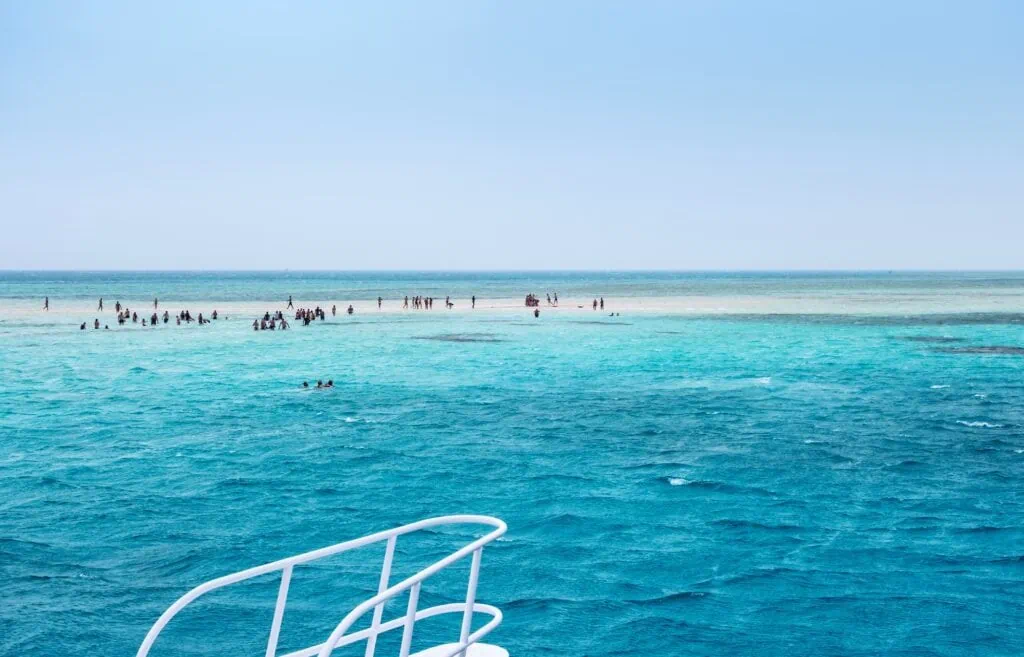
Practical Visitor Information and Guidelines
Successful park visits require understanding regulations designed to protect this fragile marine environment while ensuring visitor safety and enjoyment.
All visitors must follow strict no-touch policies for marine life and coral formations. Sunscreen use requires reef-safe formulations that don’t contain harmful chemicals affecting coral health. Photography is encouraged but flash photography near sensitive marine species is prohibited.
Equipment and Safety Considerations
Snorkeling equipment rental is available through tour operators, though serious underwater enthusiasts often prefer bringing personal gear for comfort and fit. Life jackets are mandatory for non-swimmers and recommended for all snorkeling activities.
Diving activities require valid certification and adherence to depth limits based on experience levels. The park’s dive sites range from beginner-friendly shallow reefs to advanced deep-wall dives requiring technical diving skills.
Best Practices for Marine Encounters
Maintaining respectful distances from marine life ensures both safety and minimal environmental impact. Sea turtles, sharks, and rays require specific approach protocols that experienced guides understand thoroughly.
Coral formations are living organisms that centuries of growth can be destroyed by a single touch. Buoyancy control and careful fin placement become essential skills for protecting this underwater heritage.
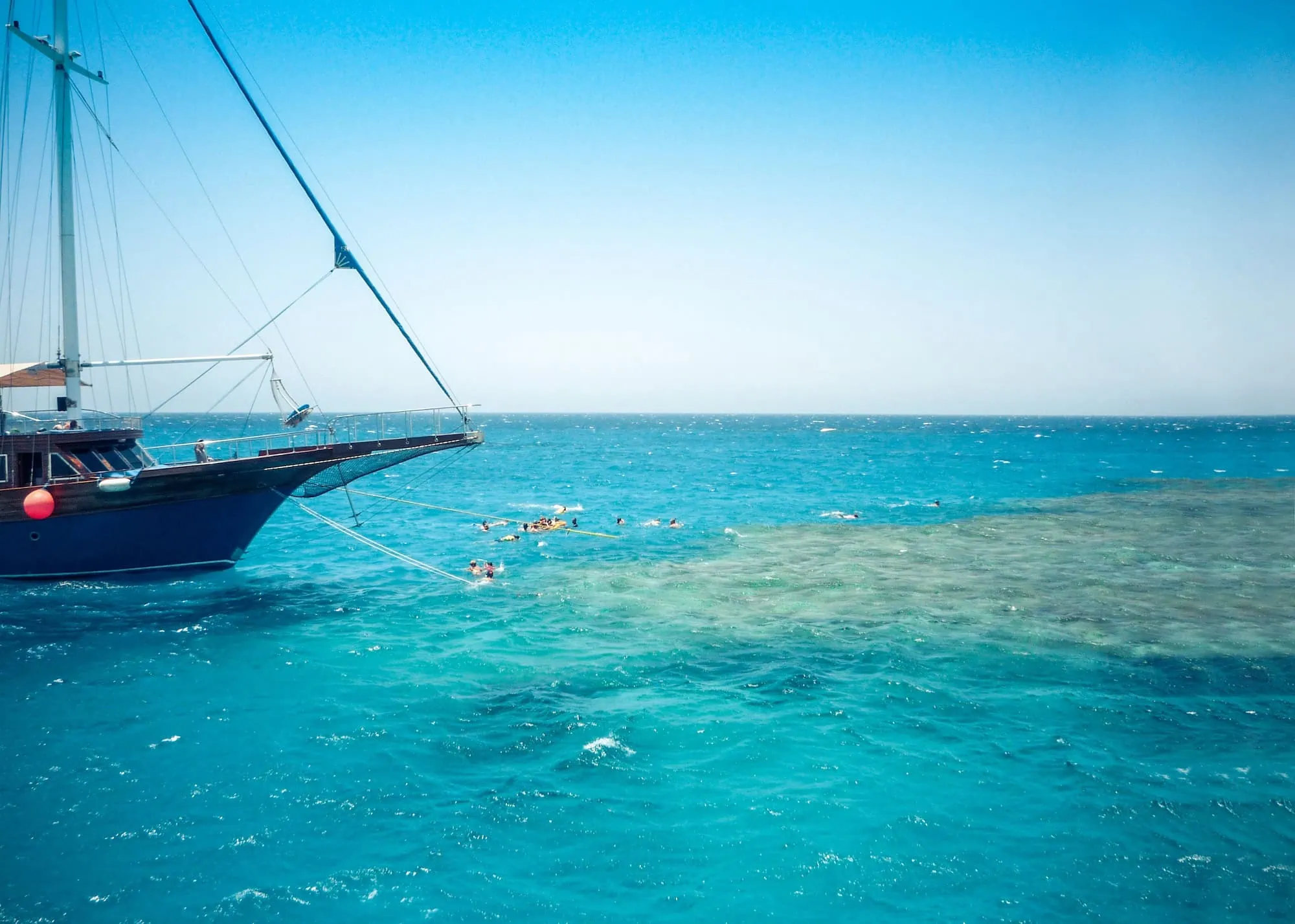
Why Choose Professional Guidance
Our decades of experience guiding visitors through Ras Mohammed’s waters ensures you’ll discover the park’s hidden treasures while contributing to its conservation success.
We provide private qualified guides who understand both marine ecology and optimal viewing strategies for different species and sites. Our modern boats offer comfortable platforms for diving and snorkeling activities, while our commitment to small group sizes ensures personalized attention throughout your experience.
Twenty-four-hour customer support means assistance is always available, whether you need pre-trip planning advice or on-site support during your marine adventure. We work exclusively with certified dive masters and marine biologists who share our passion for Red Sea conservation.
The memories you’ll create exploring this underwater paradise will last a lifetime, from your first glimpse of vibrant coral gardens to encounters with graceful sea turtles gliding through azure waters.
Explore The Natural Wonders Of Ras Mohammed National Park
Ras Mohammed National Park showcases Egypt at its most vibrant—where crystal-clear waters, coral reefs, and desert landscapes come together in a truly unforgettable setting. With EgyptToursPlus, we seamlessly integrate this coastal highlight into a private journey that balances Red Sea relaxation with Egypt’s rich cultural and historical experiences.
You choose your travel dates, your pace, and the experiences that shape your route. From snorkeling and diving to cultural discoveries and comfortable stays, we tailor every detail around your preferences—ensuring a smooth, refined, and deeply personal journey from start to finish.
Frequently Asked Questions
Ras Mohammed National Park stands out because its protected marine ecosystem preserves exceptionally healthy reefs with coral coverage estimated at up to 90 percent in some areas and more than 1,000 fish species recorded in surrounding waters. Located at the southern tip of the Sinai Peninsula near Sharm El Sheikh, the park combines strong currents, nutrient-rich waters, and minimal coastal development that support extraordinary biodiversity. Famous sites such as Shark Reef and Yolanda Reef attract divers worldwide for their visibility, coral density, and pelagic marine life.
Diving certification is not required to visit Ras Mohammed National Park because many excursions focus on snorkeling in shallow coral areas accessible to non-divers. Certified divers, however, gain access to deeper reef walls, drift dives, and advanced sites such as Shark Reef and Jackfish Alley that are unsuitable for beginners. Introductory scuba programs supervised by instructors are also widely available from Sharm El Sheikh operators. Travelers without diving certification can still experience vibrant coral gardens and marine life through guided snorkeling tours.
Ras Mohammed National Park can be visited year-round, although spring and autumn generally provide the best combination of comfortable temperatures, calmer seas, and lighter tourist crowds. Between March and May and again from September through November, daytime temperatures usually range from 25°C to 32°C (77°F to 90°F), while underwater visibility often exceeds 30 meters (98 feet). Summer conditions remain excellent for diving but become significantly hotter. Early morning departures usually provide calmer water conditions and clearer snorkeling visibility.
Day trips to Ras Mohammed National Park typically cost around €50 to €100 per person, depending on transportation type, included activities, equipment rental, and whether scuba diving is part of the itinerary. Most tours departing from Sharm El Sheikh include national park entrance fees, boat transportation, lunch, and snorkeling stops at multiple reef sites. Premium dive excursions and private charters generally cost substantially more than standard group snorkeling tours. Travelers should confirm whether marine park fees and equipment rental are included before booking.
Beginners can safely snorkel in Ras Mohammed National Park because many reef areas feature shallow coral gardens, calm entry points, and exceptionally clear water suitable for first-time visitors. Guided tours usually provide flotation devices, safety briefings, and instructor supervision for inexperienced swimmers exploring the Red Sea environment. Sites near Marsa Bareika and selected lagoon areas are especially popular with novice snorkelers because currents are generally milder there than at exposed offshore reefs. Morning excursions often provide the calmest conditions for beginners.
Visitors to Ras Mohammed National Park commonly encounter angelfish, butterflyfish, clownfish, moray eels, sea turtles, rays, and extensive hard and soft coral formations throughout the reef system. Larger pelagic species such as barracuda, tuna, reef sharks, and dolphins also appear periodically near offshore dive sites including Shark Reef and Yolanda Reef. The park’s location where the Gulf of Suez and Gulf of Aqaba meet creates nutrient-rich waters that support extraordinary biodiversity. Seasonal migrations can significantly increase marine life activity during spring and autumn months.
Underwater photography is permitted and widely encouraged in Ras Mohammed National Park, although flash photography near sensitive marine species and coral formations is discouraged to reduce environmental stress. The park’s exceptional visibility, colorful coral reefs, and abundant marine life make it one of Egypt’s premier underwater photography destinations. Divers and snorkelers frequently photograph schools of reef fish, dramatic drop-offs, and historic remnants such as the Yolanda wreck cargo site. Waterproof cameras and action cameras are commonly available for rental through Sharm El Sheikh dive operators.
Visitors to Ras Mohammed National Park should bring reef-safe sunscreen, swimwear, towels, reusable water bottles, sunglasses, and snorkeling gear if they prefer using personal equipment. The Sinai sun is extremely strong year-round, especially during full-day boat excursions that may spend 6 to 8 hours offshore with limited shaded seating areas. Waterproof bags and underwater cameras are also useful because the park offers some of the clearest snorkeling and diving conditions in the northern Red Sea. Motion sickness tablets may help travelers sensitive to boat travel.
A full-day excursion is generally the best way to experience Ras Mohammed National Park because it allows enough time for multiple snorkeling or diving stops across different reef systems. Most boat trips departing from Sharm El Sheikh last approximately 7 to 9 hours, including marine park transit time, lunch, and several reef visits. Shorter half-day trips exist but typically limit access to fewer locations and less diverse marine environments. Travelers interested in underwater photography or scuba diving should strongly consider full-day itineraries for better flexibility.
Age requirements in Ras Mohammed National Park vary depending on the activity, operator, and safety regulations governing snorkeling and scuba diving programs. Guided snorkeling excursions are commonly suitable for children with adult supervision and flotation support, while introductory scuba diving programs generally follow minimum age standards established by organizations such as PADI. Full scuba certification courses usually begin around age 10 to 12 depending on the training level. Families traveling with younger children should confirm age policies directly with tour providers before booking.
Ras Mohammed National Park benefits from active conservation programs focused on coral reef protection, marine biodiversity monitoring, and sustainable tourism management within Egypt’s oldest national park, established in 1983. The park’s environmental importance has earned international recognition, including inclusion on the IUCN Green List for protected areas. Entrance fees help fund reef preservation, ranger operations, scientific research, and visitor management programs designed to reduce coral damage from tourism activity. Strict anchoring regulations and protected marine zones also help preserve fragile reef ecosystems.
Independent visits to Ras Mohammed National Park are possible by road from Sharm El Sheikh, but guided tours generally provide safer and more efficient access to the park’s best snorkeling and diving locations. Boat-based excursions include marine equipment, licensed guides, transportation, and local expertise about reef conditions and currents that independent travelers may lack. Organized tours also simplify entry procedures and marine park logistics. Travelers primarily interested in snorkeling or diving usually gain significantly more value from professionally guided excursions.
Design Your Custom Tour
Explore Egypt your way by selecting only the attractions you want to visit
Don’t miss Egypt’s greatest treasures