Thebes Egypt – The Majestic Capital Of Ancient Egypt
Ancient Egypt’s crown jewel awaits your discovery.
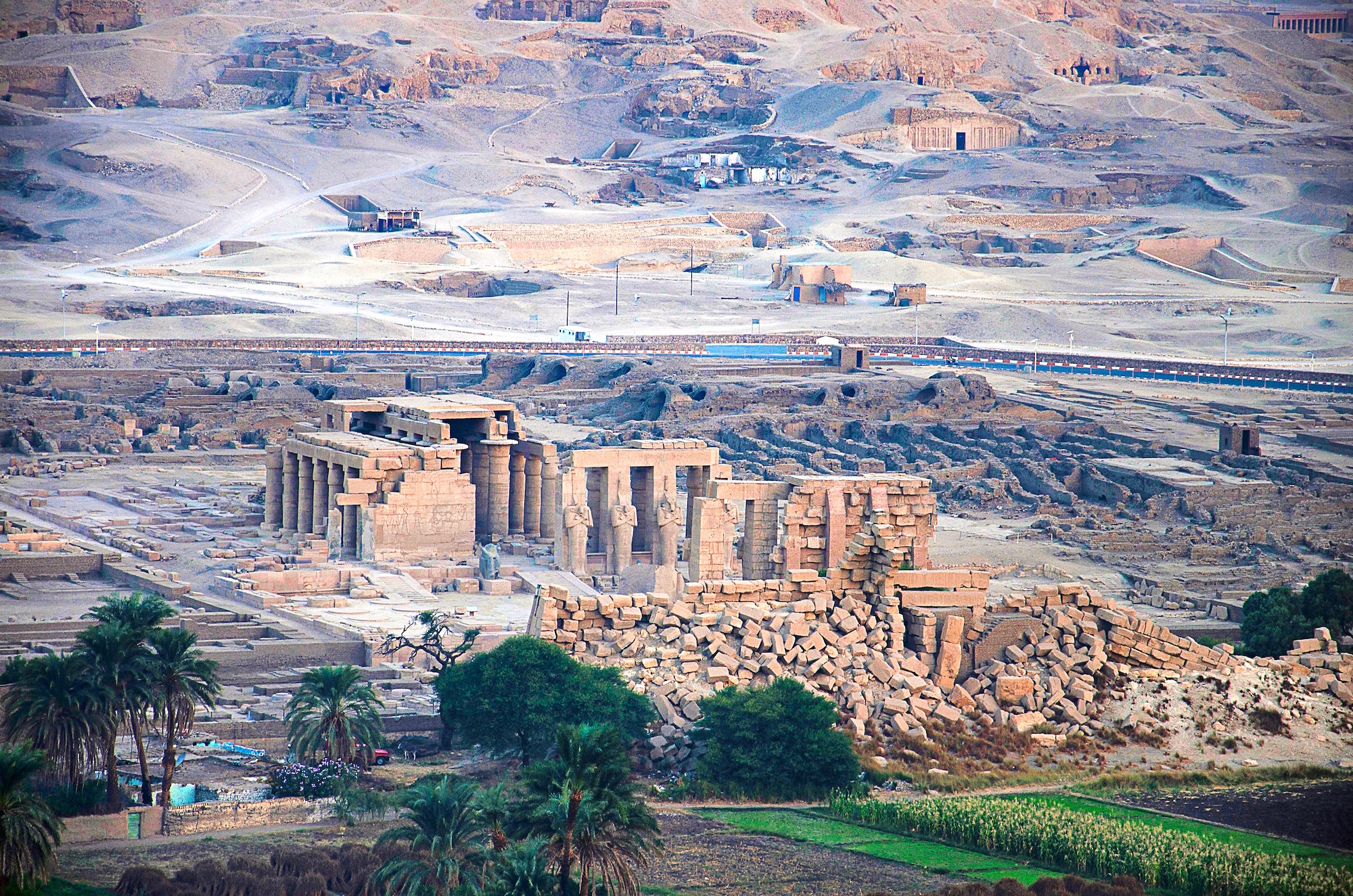
Standing along the mighty Nile River, ancient Thebes represents the absolute pinnacle of Egyptian civilization. This sacred city, known to the pharaohs as Waset, served as the kingdom’s beating heart for over 1,500 years. From its humble beginnings as a provincial town, Thebes grew to become the world’s largest city, home to magnificent temples, royal tombs, and the most powerful rulers in human history.
We’ve explored every corner of this UNESCO World Heritage Site, guiding thousands of travelers through its timeless wonders. Our decades of expertise in Egyptian archaeology and tourism give us unique insights into what makes Thebes truly extraordinary.
Table of Contents
Religious Heart of Ancient Egypt
The god Amun transformed Thebes from a regional settlement into the spiritual center of the known world. When local Theban rulers reunited Egypt around 2055 BCE, they elevated their patron deity to become “King of the Gods.” This religious revolution changed everything.
The Theban Triad
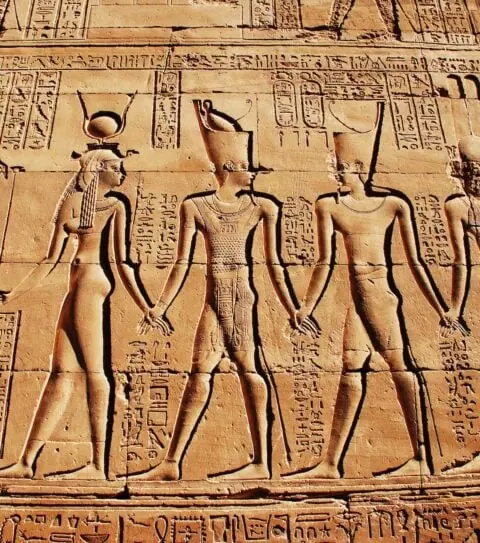
Amun ruled alongside his wife Mut and their son Khonsu in what became known as the Theban Triad. These three deities dominated Egyptian religious life for centuries. Priests accumulated enormous wealth and political influence, making the temples of Karnak and Luxor among the most powerful institutions in the ancient world.
Sacred Festivals and Ceremonies
The annual Opet Festival connected the temples through elaborate processions. Pharaohs renewed their divine legitimacy as crowds gathered to witness the sacred barque of Amun travel between Karnak and Luxor Temple. These ceremonies reinforced both royal authority and religious devotion throughout the kingdom.
Temple Architecture as Divine Statement
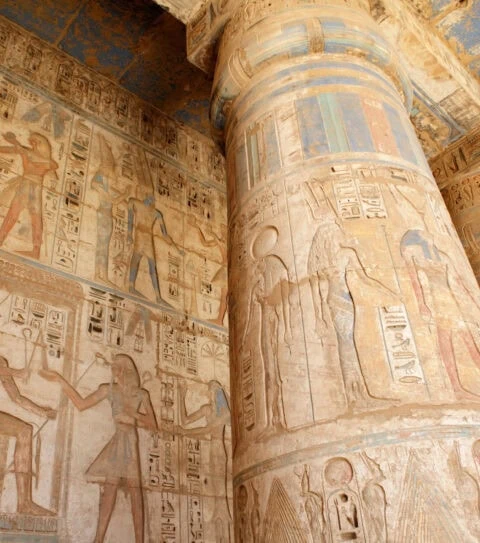
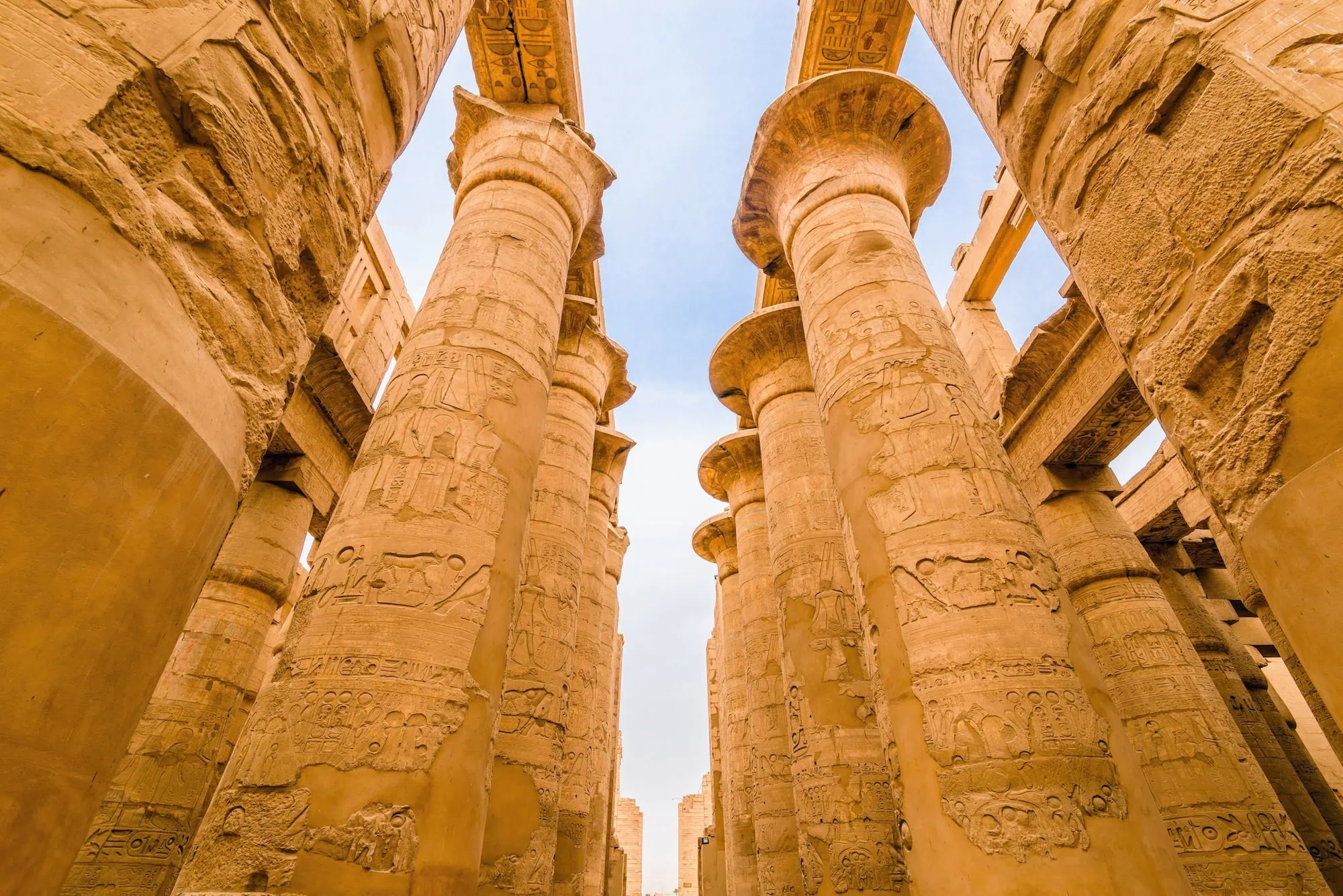
Every column, every hieroglyph, every sacred lake served a specific religious purpose. The massive scale of Karnak’s Hypostyle Hall – with its 134 towering columns – created an otherworldly experience that reinforced Amun’s supreme power. Walking through these spaces today, you still feel the weight of their spiritual significance.
Political Capital of New Kingdom
Thebes reached its zenith when pharaohs of the New Kingdom established it as their primary residence. The city became the administrative center of an empire stretching from Nubia to the Euphrates River.
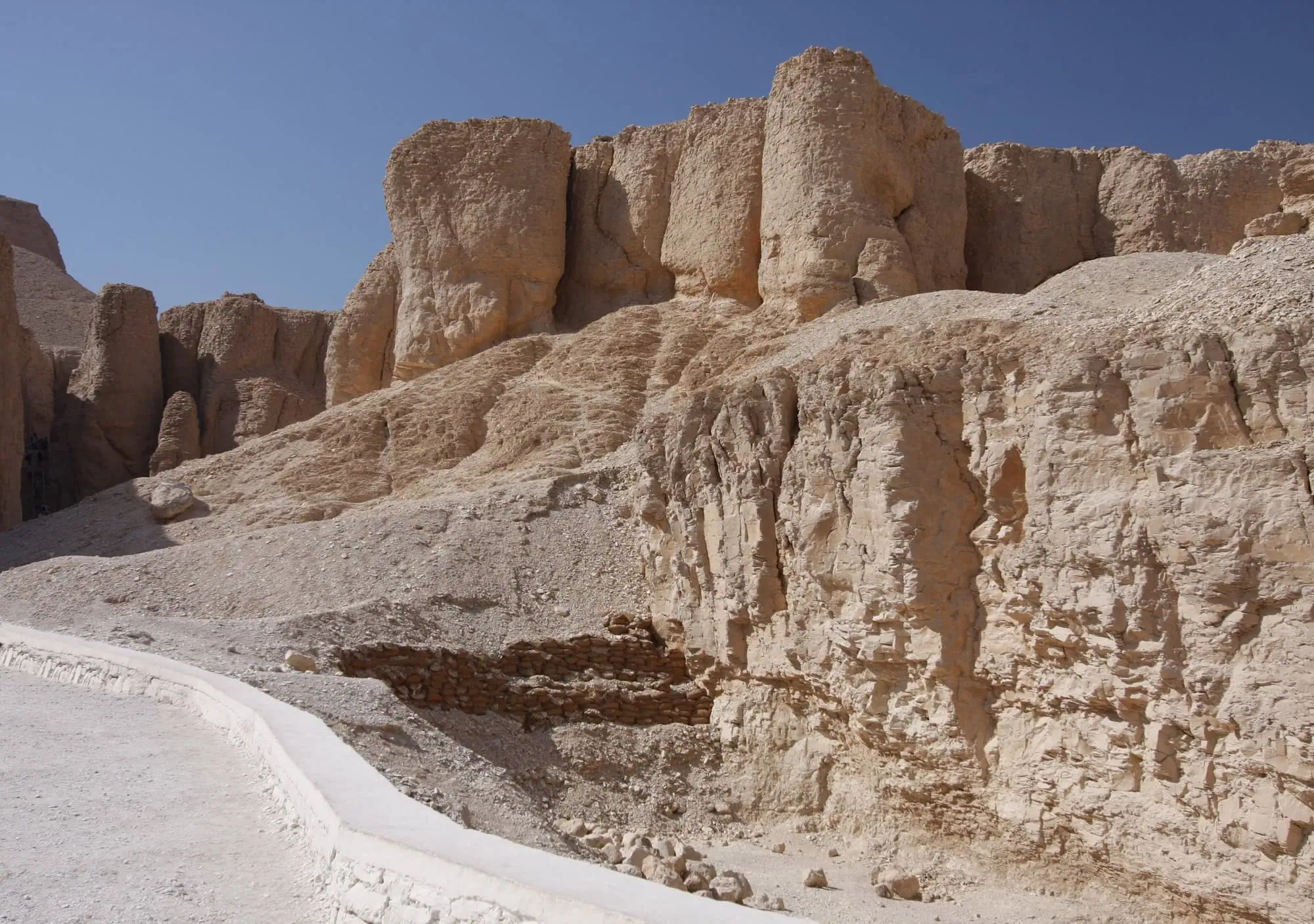
Royal palaces lined the west bank of the Nile, while the east bank housed the great temple complexes. This geographic division reflected Egyptian beliefs about life and death – the living occupied the sunrise side, while elaborate mortuary complexes prepared pharaohs for eternity on the sunset side. The Valley of the Kings became the exclusive burial ground for New Kingdom rulers, replacing the pyramid tradition of earlier dynasties.
During this golden age, Thebes controlled trade routes bringing gold from Nubia, cedar from Lebanon, and exotic goods from throughout the Mediterranean world. Archaeological evidence suggests the city’s population peaked around 75,000 inhabitants, making it larger than any contemporary settlement. Homer himself wrote about the city’s legendary wealth, describing “hundred-gated Thebes” where precious metals gleamed in temple storehouses.
The pharaohs Hatshepsut, Thutmose III, and Ramesses II all launched their greatest building projects from Thebes. Their monuments still dominate the landscape, testament to the city’s role as the empire’s nerve center.
Archaeological Treasures of Ancient City
Valley of the Kings
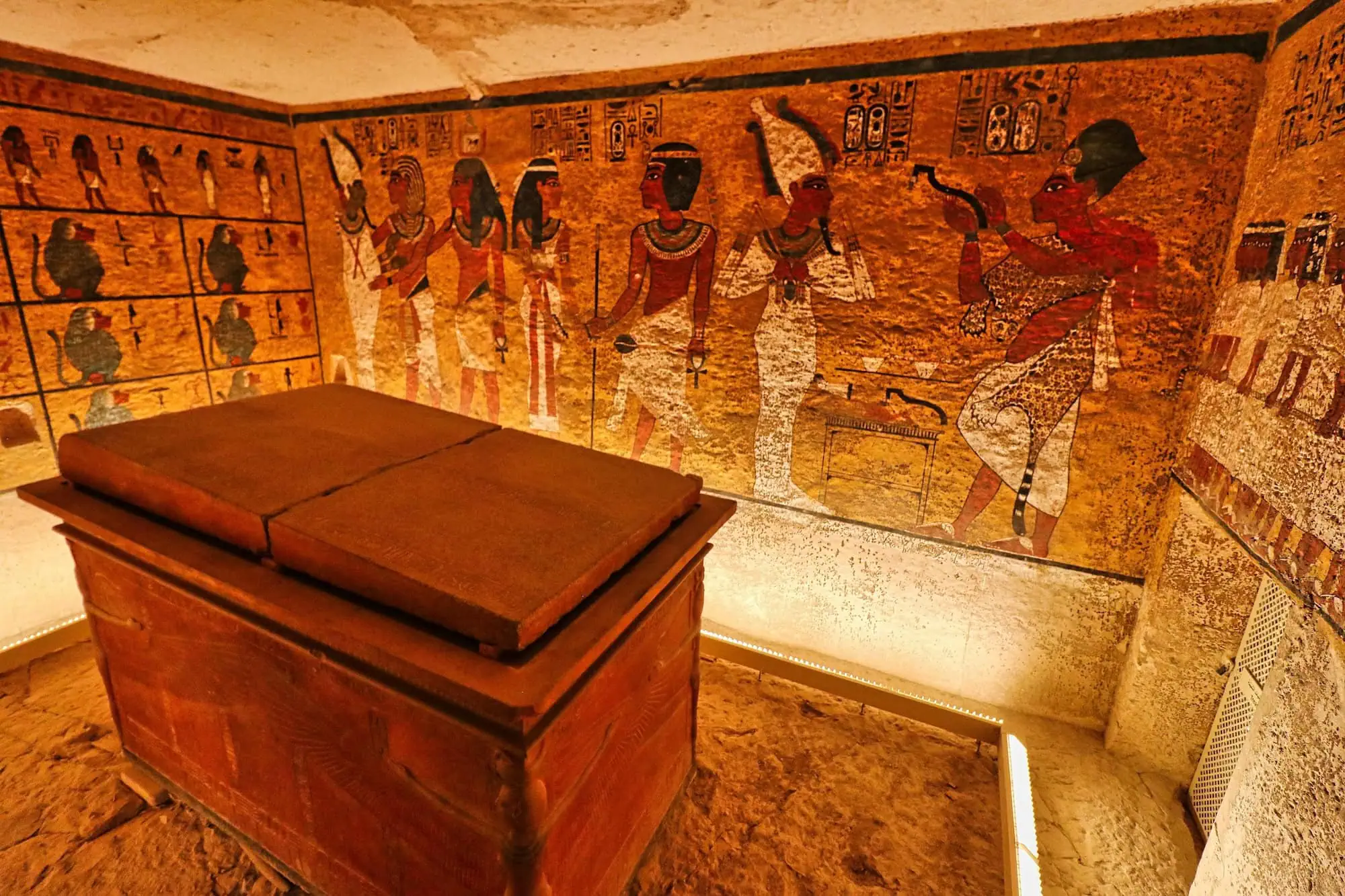
Sixty-three royal tombs cut deep into limestone cliffs tell stories of pharaonic power and ancient beliefs about the afterlife. King Tutankhamun’s nearly intact burial chamber, discovered in 1922, revealed the extraordinary wealth that once filled every royal tomb. Modern conservation efforts protect these fragile paintings and artifacts for future generations.
Karnak Temple Complex
This vast religious site covers over 200 acres, making it larger than most ancient cities. Construction continued for over 2,000 years as successive pharaohs added temples, chapels, and monuments. The famous Hypostyle Hall contains 134 massive columns, each one covered in intricate hieroglyphic inscriptions. Walking through Karnak feels like exploring an ancient city dedicated entirely to the gods.
Luxor Temple
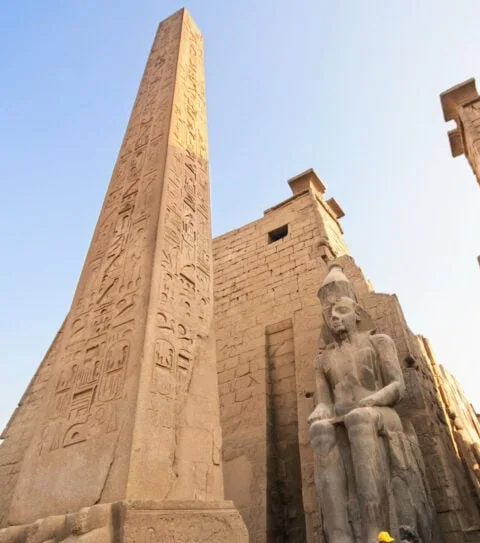
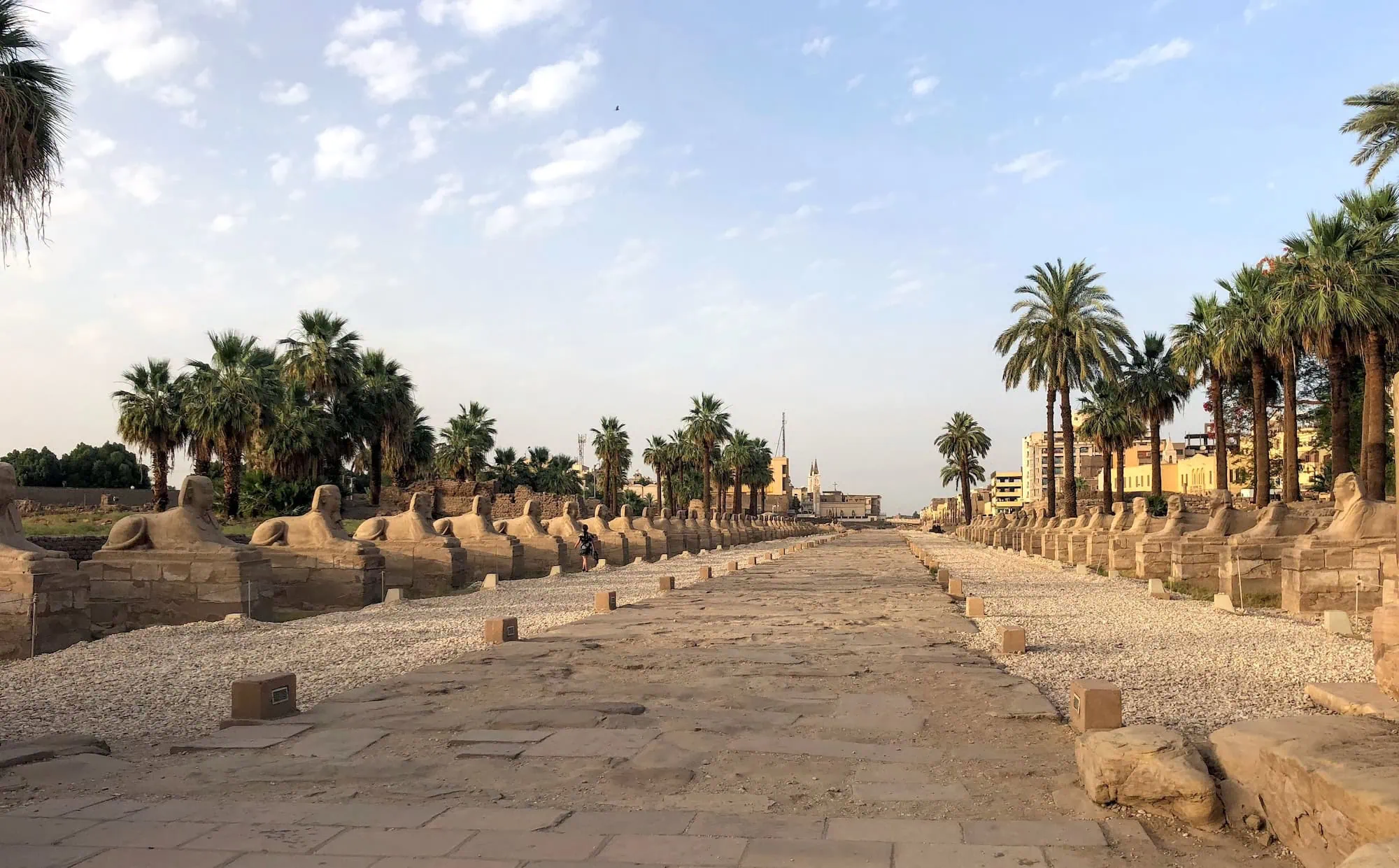
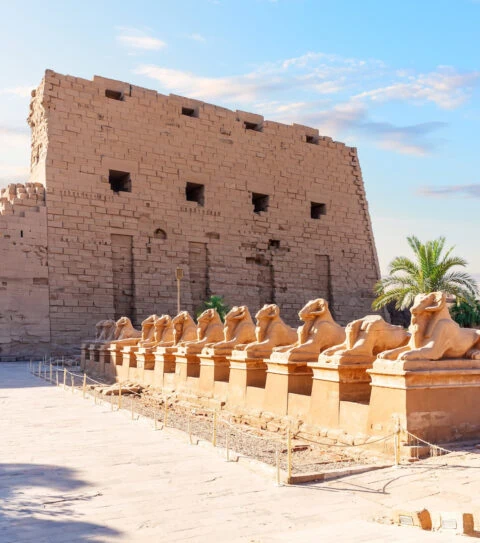
Connected to Karnak by a processional avenue lined with sphinx statues, Luxor Temple served as the southern sanctuary of Amun. Unlike Karnak’s sprawling complex, Luxor follows a more unified architectural plan. Its towering pylon gateway and elegant courtyards showcase Egyptian temple design at its most refined.
Mortuary Temples
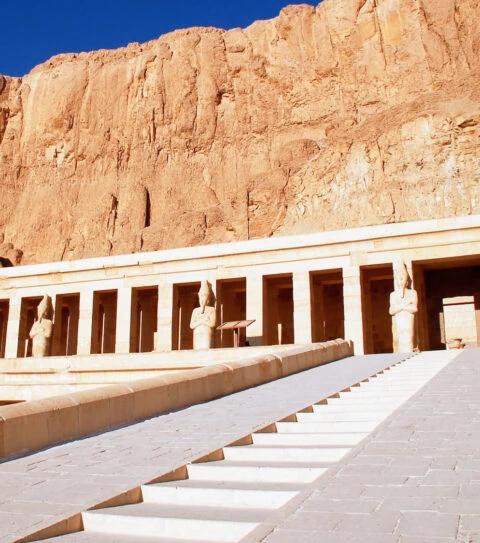
On the west bank, elaborate mortuary temples honored deceased pharaohs while providing for their eternal needs. The Temple of Hatshepsut, carved directly into cliffsides, demonstrates how Egyptian architects adapted monumental design to natural landscapes. Medinet Habu, Ramesses III’s mortuary complex, preserves some of the finest relief carvings in all of Egypt.
Decline and Modern Rediscovery
Political upheaval during the Late Period gradually weakened Thebes’ position as Egypt’s premier city. When Assyrian armies sacked the city in 663 BCE, they dealt a blow from which ancient Thebes never fully recovered.
The Ptolemaic rulers favored Alexandria as their capital. Roman emperors showed little interest in maintaining the old religious centers. Gradually, sand covered the magnificent temples and tombs. Christian communities built churches within abandoned pharaonic monuments, while Coptic hermits established monasteries in former royal tombs.
Modern archaeology began revealing Thebes’ secrets in the 19th century. French scholars accompanying Napoleon’s expedition documented the visible monuments. Later excavations by British and German teams uncovered tomb after tomb filled with artistic masterpieces. Today, systematic conservation projects work to preserve these treasures while making them accessible to visitors from around the world.
The designation of ancient Thebes as a UNESCO World Heritage Site in 1979 recognized both its outstanding universal value and the ongoing threats to its preservation. Climate change, rising groundwater, and tourist pressure all pose challenges for protecting this irreplaceable cultural heritage.
Visiting Modern Luxor
Ancient Thebes lives on in modern Luxor, a vibrant city that seamlessly blends past and present. International flights connect Cairo to Luxor airport, making it easily accessible for travelers worldwide. The city offers everything from luxury hotels with pharaonic-inspired architecture to traditional markets selling local crafts.
We recommend planning at least three days to explore the major sites properly. Our private guides bring decades of expertise to help you understand the historical significance of each monument. With our modern air-conditioned vehicles, you can travel comfortably between sites while our 24/7 customer support ensures every detail of your visit goes smoothly.
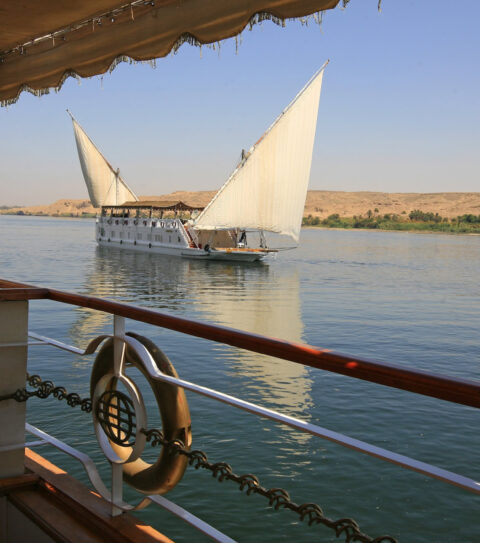
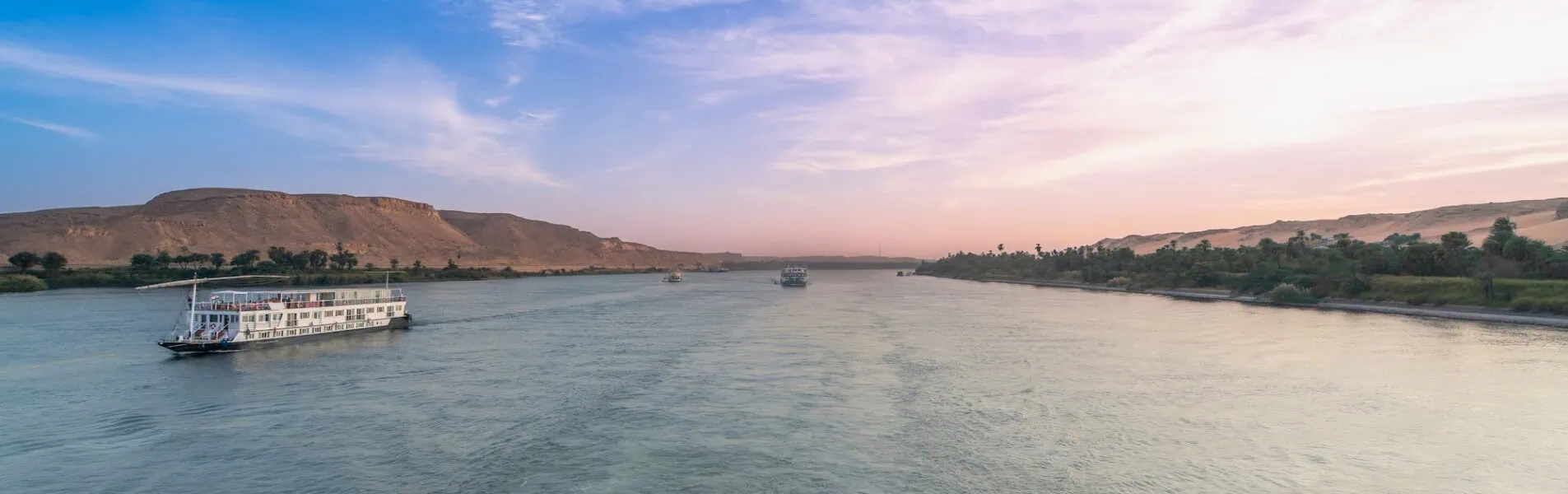
The contrast between ancient monuments and contemporary life creates unique photographic opportunities. Street vendors sell fresh bread using techniques unchanged since pharaonic times. Traditional felucca sailboats drift past temples that have watched over the Nile for millennia. These authentic experiences help bring ancient history to life in ways no museum could match.

Our tailored itineraries ensure you see the most important sites while avoiding crowds. Early morning visits to the Valley of the Kings provide cooler temperatures and better lighting for photography. Sunset felucca rides offer peaceful moments to reflect on the day’s discoveries while watching the Nile reflect golden light off temple walls.
UNESCO World Heritage Protection
The ancient Theban landscape encompasses 7,390 hectares (18,250 acres) with an additional 444-hectare (1,097-acre) buffer zone protecting the archaeological sites. This comprehensive protection recognizes Thebes as an outstanding testimony to Egyptian civilization at its absolute height.
Conservation challenges require international cooperation and substantial funding. Rising water tables threaten tomb paintings with salt damage. Tourism pressure creates wear on ancient stone surfaces. Climate change brings new weather patterns that affect monument stability. UNESCO coordinates with Egyptian authorities and international experts to address these complex preservation issues.
Modern management plans balance archaeological protection with economic benefits from tourism. Visitor limits protect the most fragile tombs while ensuring sustainable income for local communities. Advanced monitoring systems track environmental conditions inside sealed chambers. Digital documentation projects create permanent records of artwork and inscriptions before natural deterioration occurs.
The Egyptian government’s commitment to preservation includes training programs for local archaeologists and conservators. International partnerships provide technical expertise and funding for major restoration projects. These collaborative efforts ensure that future generations will continue to experience the wonder of ancient Thebes.
Discover The Timeless Wonders Of Thebes Egypt
From majestic temples and royal tombs to unforgettable Nile views, Thebes Egypt is the heart of ancient Egyptian history and one of the most rewarding places to experience on a private journey through Egypt. Whether you dream of exploring Luxor’s legendary sites, cruising the Nile in comfort, or combining history with relaxation by the Red Sea, we can help you create a trip that feels effortless from start to finish.
With our custom Egypt tour planner, you choose your dates, travel pace, experiences, accommodations, and route while our local experts handle every detail with care. The result is a seamless, tailor-made journey designed entirely around you.
Frequently Asked Questions
The best time to visit the ancient sites of Thebes is between October and March, when daytime temperatures in Luxor typically range around 77°F (25°C) with almost no rainfall. Cooler weather makes it significantly easier to explore expansive outdoor monuments such as Karnak Temple, Luxor Temple, and the Valley of the Kings without extreme heat exposure. Summer temperatures in Upper Egypt frequently exceed 104°F (40°C), especially on the West Bank. Early morning temple visits usually provide the most comfortable conditions and softer photography light.
Most travelers should plan at least three full days to properly explore the major archaeological sites of ancient Thebes, now centered around modern Luxor. Key attractions include Karnak Temple, Luxor Temple, the Valley of the Kings, Hatshepsut Temple, Medinet Habu, and the Colossi of Memnon across both Nile banks. The distances between East Bank and West Bank sites, combined with ticket queues and walking time, make rushed itineraries less rewarding. History-focused travelers often extend visits to four or five days for deeper exploration.
Karnak Temple is a massive religious complex developed over roughly 2,000 years, while Luxor Temple reflects a more unified architectural design primarily associated with the New Kingdom. Karnak covers more than 100 hectares and contains multiple sanctuaries, pylons, obelisks, and the famous Great Hypostyle Hall with 134 giant columns. Luxor Temple, by contrast, emphasizes ceremonial processions and royal symbolism connected to the annual Opet Festival. The two temples were historically linked by the 2.7 km Avenue of Sphinxes in ancient Thebes.
Most royal tombs in the Valley of the Kings require individual or combined entrance tickets, and certain high-profile tombs involve additional fees beyond standard admission. Famous tombs such as Tutankhamun’s KV62, Seti I’s tomb, and Ramesses V-VI often carry separate premium pricing because of conservation requirements and visitor demand. Photography permissions may also require additional tickets depending on current Egyptian antiquities regulations. Tomb availability changes periodically as restoration and preservation projects rotate public access between chambers.
Open tombs and temples in ancient Thebes are generally considered safe for visitors and are monitored by Egyptian antiquities authorities and tourism police. Major monuments in Luxor undergo ongoing structural assessment, conservation work, ventilation improvements, and visitor management to protect both tourists and fragile archaeological surfaces. Interior tomb chambers can still feel warm or enclosed because many were cut deep into limestone cliffs more than 3,000 years ago. Visitors sensitive to heat should carry water and avoid prolonged midday exploration during summer.
Photography is permitted in many Theban temples and tombs, although separate camera tickets or restrictions may apply depending on the monument. Flash photography is commonly prohibited because repeated exposure can damage ancient pigments and delicate wall paintings preserved since the New Kingdom period. Some premium tombs in the Valley of the Kings and Valley of the Queens also restrict professional equipment, tripods, or video recording. Early morning visits generally provide the best natural lighting conditions for exterior temple photography in Luxor.
Visitors exploring the archaeological sites of Thebes should wear lightweight long-sleeved clothing, comfortable walking shoes, and strong sun protection suitable for Upper Egypt’s desert climate. Temperatures in Luxor frequently exceed 95°F (35°C) for much of the year, and many monuments offer limited shade across large open stone courtyards. Breathable fabrics help reduce heat exposure while modest clothing remains appropriate at active religious and cultural sites. Hats, sunglasses, and sunscreen are especially important during visits to the West Bank necropolises.
Luxor International Airport is located approximately 6 km east of downtown Luxor, and most hotel transfers take around 15 to 20 minutes depending on traffic and hotel location. Taxis, private transfers, and organized tour transportation are readily available outside the terminal, with many Nile cruise guests also arranging pre-booked pickups through operators such as Egypt Tours Plus. Hotels on the West Bank require additional Nile crossings or longer driving times. Arriving during daytime hours generally makes airport transfers smoother and easier to navigate.
Many major monuments in ancient Thebes include informational signage with partial hieroglyphic translations and historical explanations in Arabic and English. However, professional Egyptologist guides provide much deeper interpretation of royal cartouches, religious scenes, funerary texts, and symbolic imagery that can otherwise be difficult to understand independently. Sites such as Karnak Temple and the Valley of the Kings contain thousands of inscriptions spanning multiple dynasties and religious traditions. Guided interpretation often transforms visually impressive monuments into far more meaningful historical experiences.
The Avenue of Sphinxes connected Karnak Temple and Luxor Temple as a ceremonial processional route used during major religious festivals in ancient Thebes. Stretching approximately 2.7 km, the avenue was lined with hundreds of sphinx statues representing divine and royal authority connected to the god Amun. During the annual Opet Festival, priests transported sacred barques between the temples to renew royal legitimacy and divine favor. The restored avenue now helps visitors understand how closely connected Luxor’s major temples originally functioned within ancient Egyptian religious life.
Explore our most popular guides and expert tips to make your trip safe, smooth, and unforgettable.
Plan Your Egypt Adventure with Confidence
How to Plan a Trip Egypt
Step-by-step guide to help you plan the perfect Egypt trip — from routes and budget to booking.
Best Time to Visit Egypt
Learn the best months to visit Egypt based on weather, crowds, and local travel experiences.
Must Visit Places in Egypt
Explore Egypt’s top sights — from pyramids to temples — and hidden gems worth seeing.
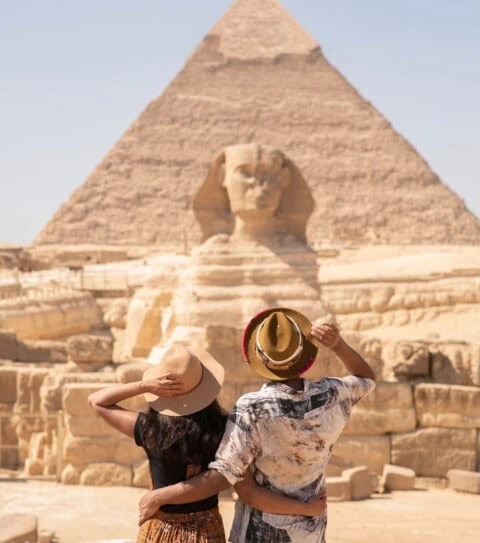
Top-Rated Egypt Tours
Handpicked private tours with local guides — our most loved and best-reviewed experiences.
How Many Days to Visit Egypt?
Find out how many days you need in Egypt — from quick trips to full itineraries.
Egypt Visa Requirements
Check if you need a visa and get simple, up-to-date entry info based on your nationality.

Is it Safe to Travel to Egypt?
Is Egypt safe? Get honest safety tips, area advice, and what to know before you travel.
What to Pack for Egypt
A quick packing guide with essentials, cultural tips, and clothing advice for your Egypt trip.

Design Your Custom Tour
Explore Egypt your way by selecting only the attractions you want to visit