

How to Travel from Egypt to Jordan? Your Journey Options Explained
Planning a cross-border adventure between these ancient lands opens doors to unforgettable experiences.

Moving between Egypt and Jordan involves more than simply booking transport – you’re connecting two of the Middle East’s most fascinating destinations. Whether you’re completing a multi-country tour or extending your Egyptian vacation, understanding your route options, border requirements, and timing helps ensure smooth travels. The journey itself becomes part of your adventure, offering glimpses of stunning desert landscapes and Red Sea coastlines.
Each transport method presents unique advantages, from budget-friendly bus routes to convenient flights, while border crossings offer their own memorable moments of international travel.
Table of Contents
Popular Transportation Routes Between Egypt and Jordan
Multiple pathways connect these neighboring countries, with land and air options serving different travel styles and budgets.
Overland Route via Taba Border
The most popular overland connection runs through the Taba-Aqaba border crossing on the Red Sea coast. This route takes travelers from anywhere in Egypt to Taba, then across the border to Aqaba, Jordan’s southern port city. We recommend this route for travelers who enjoy scenic drives and want to experience a traditional Middle Eastern border crossing.
The journey typically requires 6-8 hours of total travel time from Cairo, including border processing. Egyptian buses operate regular services to Taba, while Jordanian transport continues from Aqaba to destinations throughout Jordan.
Flight Connections via Cairo
Direct flights between Cairo and Amman offer the fastest connection, with journey times around 1.5 hours. EgyptAir and Royal Jordanian Airways operate regular services, with additional carriers providing seasonal routes. Flight prices vary significantly based on booking timing and season.

We often arrange flight connections for travelers with tight schedules or those preferring air travel comfort. Advanced booking typically secures better rates, especially during peak tourist seasons from October through April.
Ferry Routes Through Red Sea Waters
Ferry services connect Nuweiba in Egypt’s Sinai Peninsula to Aqaba, providing a unique maritime crossing experience. These ferries operate several times weekly, though schedules can change based on weather conditions and seasonal demand.
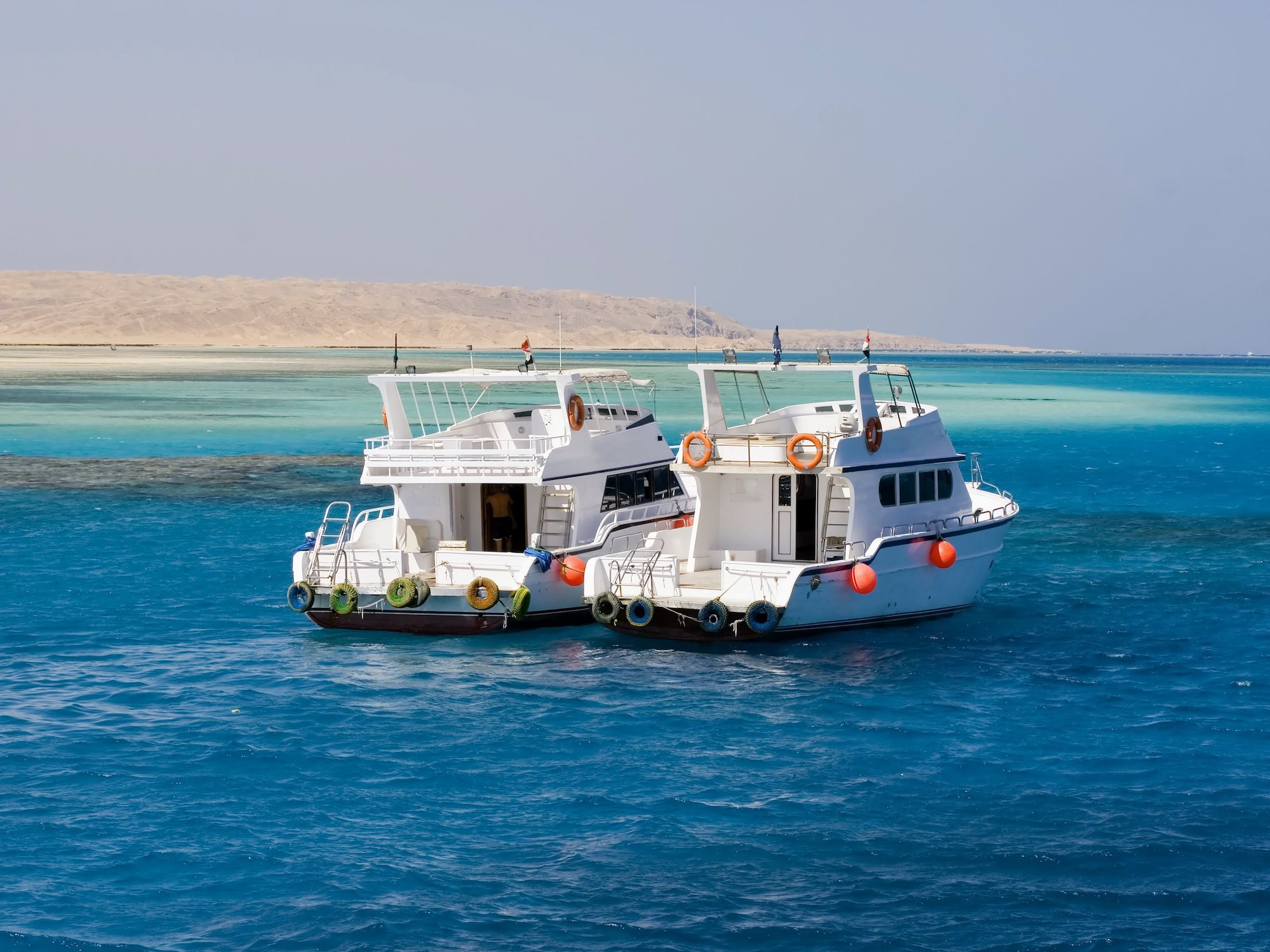
The ferry journey takes approximately 3-4 hours, offering spectacular Red Sea views and a different perspective on regional geography. Travelers should verify current schedules and book tickets in advance, particularly during busy periods.
Border Crossing Requirements and Documentation
Understanding visa requirements and border procedures prevents delays and ensures legal entry into Jordan.
Jordan maintains specific entry requirements that vary by nationality, with most visitors requiring either advance visa arrangements or visa-on-arrival services. U.S. citizens can obtain visas on arrival at most entry points, including the Taba-Aqaba crossing, with fees typically around $40 for single-entry permissions. European visitors generally follow similar procedures, though some EU nationalities may have different arrangements.

Latin American travelers should verify requirements with Jordanian consulates, as visa policies can vary significantly. We always recommend carrying multiple passport photos, sufficient cash for visa fees, and proof of onward travel arrangements.
Border processing times fluctuate throughout the day. Early morning crossings often experience shorter queues, while afternoon periods can involve longer waits. Egyptian exit procedures require an exit stamp, followed by Jordanian entry processing on the opposite side.
Essential Documents for Border Crossing
Your passport must have at least six months remaining validity and blank pages for stamps. Travelers should carry proof of accommodation in Jordan, whether hotel reservations or tour confirmations. Travel insurance documents, while not always required, provide additional security and are recommended for all international travelers.
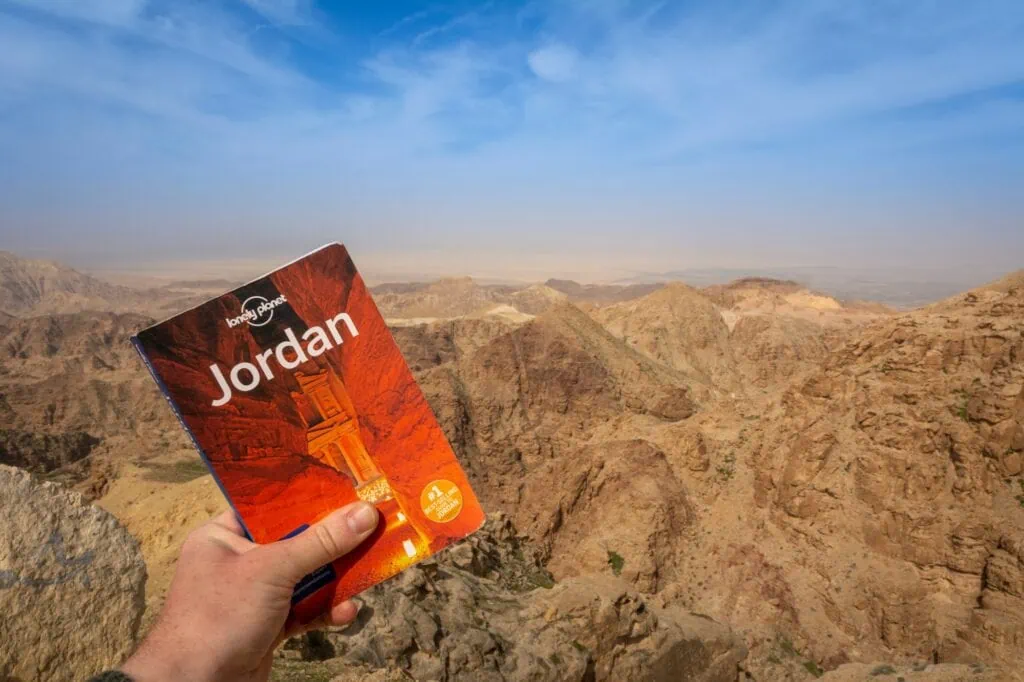
We suggest keeping digital copies of important documents stored securely online, accessible if original documents encounter problems. Cash in U.S. dollars or Jordanian dinars proves most useful for visa fees and border-related expenses.
Timing Your Journey for Optimal Experience
Travel timing significantly impacts your border crossing experience, transport availability, and overall journey comfort. Peak tourist seasons from November through March see increased border traffic and higher transport demand, requiring more advance planning. Summer months offer fewer crowds but bring intense heat, particularly affecting overland routes through desert regions.
Religious holidays and local festivals can impact border operations and transport schedules. Ramadan periods may affect operating hours at crossings, while major Islamic holidays can cause temporary service disruptions.
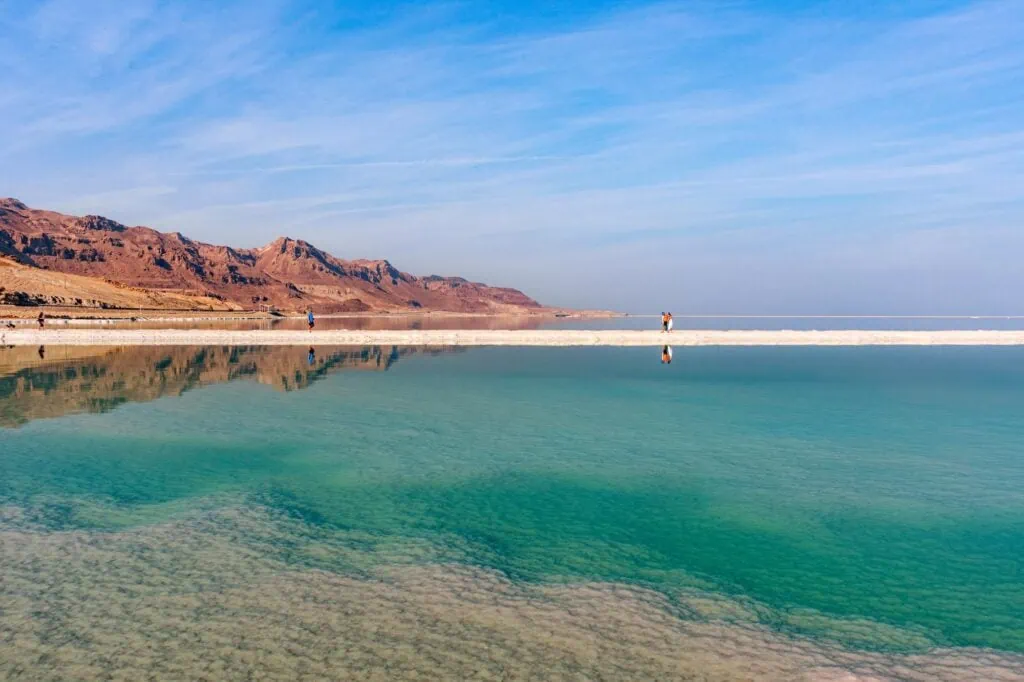
Friday crossings often experience heavier traffic due to regional weekend patterns. We recommend planning Tuesday through Thursday departures when possible, as these days typically offer smoother border processing and better transport availability.
Border crossings generally operate from early morning until late evening, though exact hours can vary. The Taba-Aqaba crossing usually opens around 6:30 am (06:30) and closes by 8:00 pm (20:00), with some seasonal variations. Arriving at least two hours before closing ensures adequate processing time.
Weather conditions can affect ferry schedules and driving conditions, particularly during winter months when Red Sea storms occasionally disrupt maritime services. Summer temperatures exceeding 40°C (104°F) make midday travel less comfortable, especially for overland routes.
Budget Planning for Cross-Border Travel
Transportation costs vary widely based on chosen routes and service levels. Budget bus services from Cairo to Taba typically cost $15-25 per person, while private transfers range from $150-300 depending on group size and vehicle type. Ferry tickets add approximately $50-70 to your journey costs.
Flight prices fluctuate dramatically, ranging from $200-600 for economy seats depending on booking timing and season. We’ve seen significant savings when flights are booked as part of multi-city itineraries rather than standalone tickets.

Additional expenses include visa fees, border taxes, and potential overnight accommodation if timing requires breaking the journey. Some travelers prefer staying in Aqaba for one night before continuing to Petra or Amman, which adds $30-100 to accommodation costs depending on chosen hotels.
Step-by-Step Journey from Cairo to Amman
The complete overland journey requires careful coordination between multiple transport segments and border procedures.
Begin with early morning departure from Cairo, ideally by 6:00 am (06:00), to ensure adequate time for the full journey. Egyptian bus companies operate services to Taba from Cairo’s Turgoman Bus Station, with tickets available for advance purchase. The drive to Taba takes approximately 6-7 hours, including rest stops and checkpoint delays.
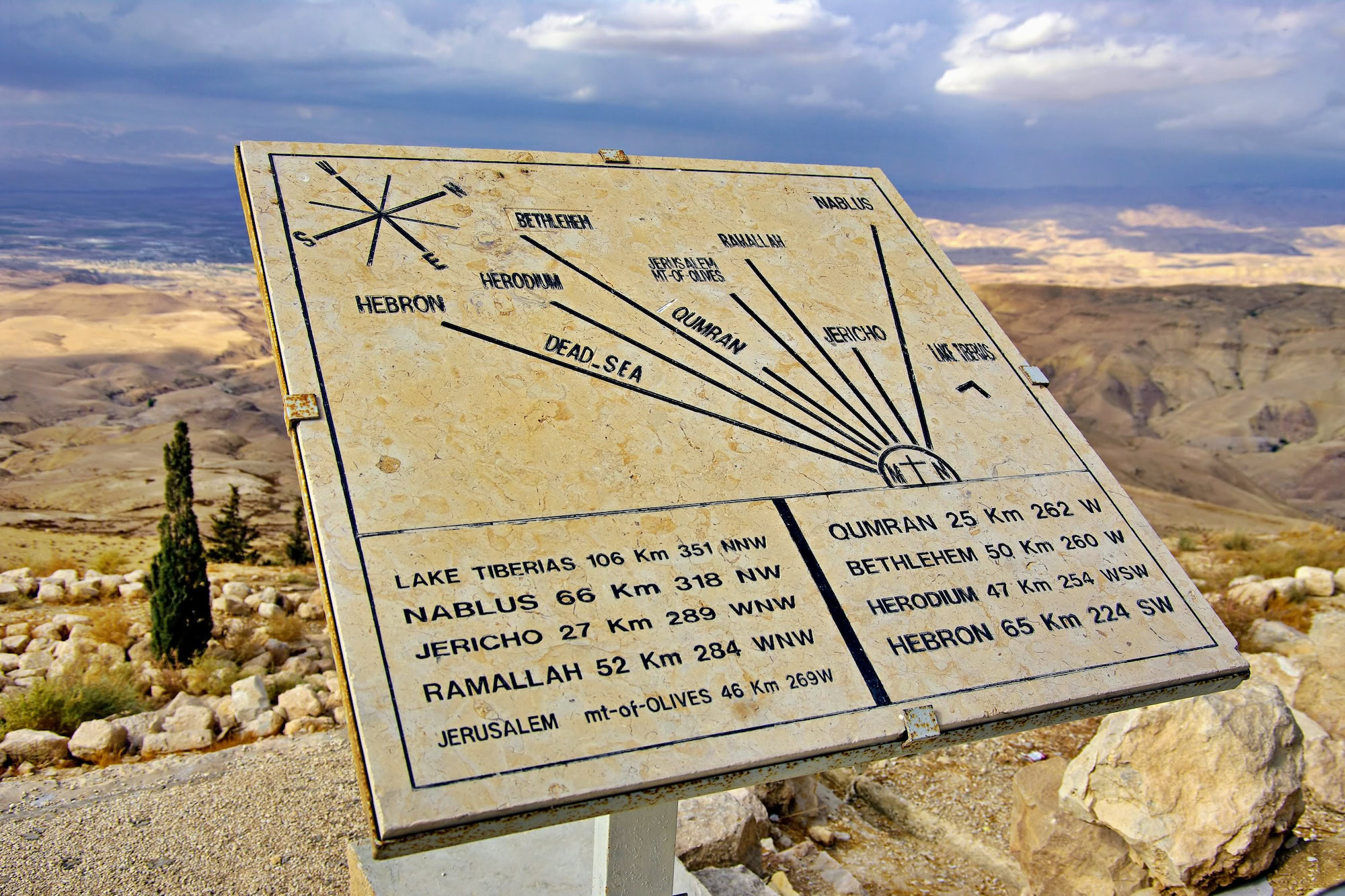
Upon reaching Taba, gather all documentation before approaching Egyptian exit immigration. Processing typically takes 15-30 minutes, though peak periods can extend wait times. After Egyptian exit procedures, walk or take provided transport across the border zone to Jordanian immigration facilities.
Jordanian entry processing involves visa arrangements for eligible nationalities, passport stamping, and brief customs declarations. Most travelers complete this process within 30-45 minutes. Once cleared, various transport options continue from Aqaba to destinations throughout Jordan.
Transport Options from Aqaba to Major Jordanian Cities
Aqaba serves as Jordan’s southern gateway, with regular transport connections to Amman, Petra, and other major destinations. Public buses operate hourly services to Amman, taking approximately 4-5 hours for the 335 km (208 mile) journey. Private transfers offer more flexibility and comfort, particularly for travelers with luggage or tight schedules.
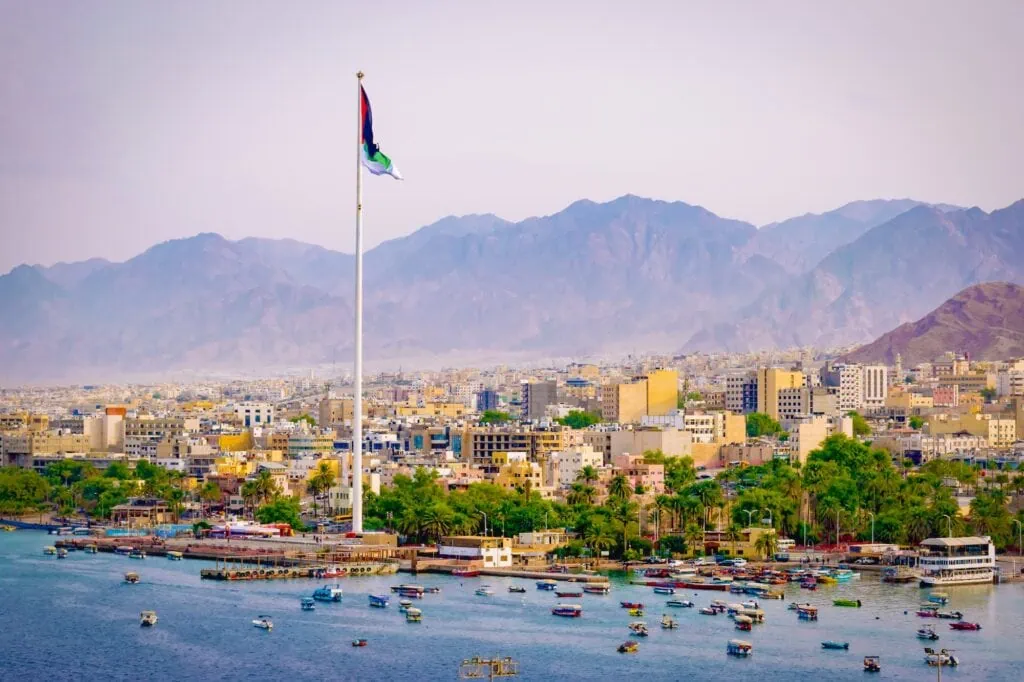
Rental cars provide maximum flexibility for exploring Jordan independently. International driving permits are required alongside home country licenses. We can arrange vehicle rentals that begin in Aqaba, allowing seamless continuation of your journey.
Alternative Routes Through Sinai Peninsula
Northern Sinai routes offer different perspectives and experiences, though security considerations may affect availability.
The Rafah crossing connects Egypt’s Sinai Peninsula directly with southern Israel and Gaza region, though this route involves complex political considerations and isn’t recommended for tourist travel. Instead, most travelers prefer the Taba route for its reliability and straightforward procedures.
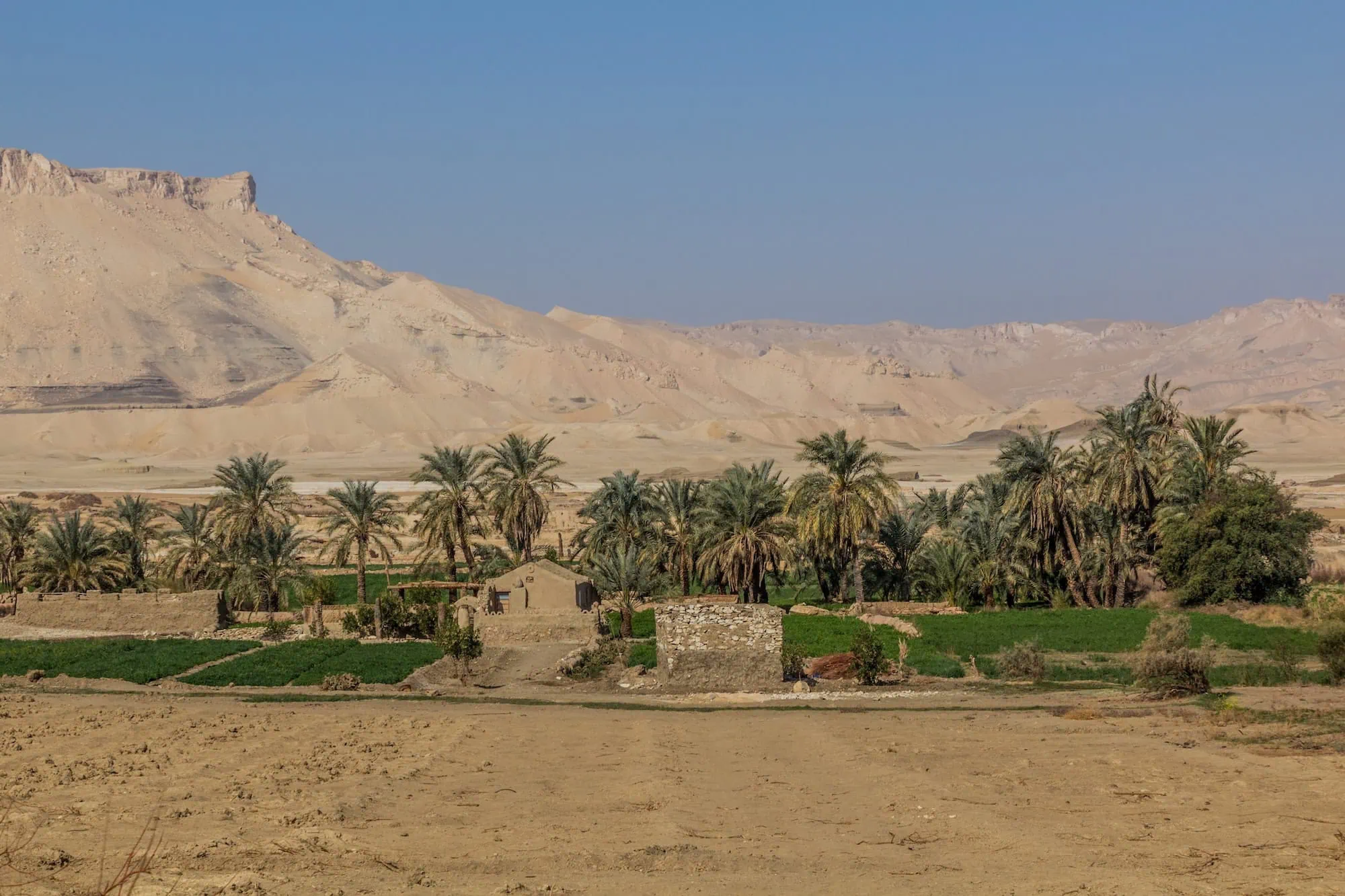
Some adventurous travelers combine Sinai exploration with Jordan visits, spending time at Red Sea resorts like Sharm El Sheikh or Dahab before crossing to Jordan. This approach allows experiencing Egypt’s renowned diving and snorkeling opportunities before continuing to Jordan’s historical sites.
Mountain routes through Sinai offer stunning desert scenery but require more time and careful planning. St. Catherine’s Monastery and Mount Sinai can be included in itineraries that allow 2-3 extra days for Sinai exploration.
Sinai Desert Considerations
Desert travel requires specific preparations, including adequate water supplies, reliable vehicles, and emergency communication devices. Temperatures can vary dramatically between day and night, particularly in winter months. We recommend guided tours for travelers unfamiliar with desert conditions.

Bedouin communities throughout Sinai offer authentic cultural experiences and local insights. These encounters provide unique perspectives on regional history and traditional desert life, adding cultural depth to your cross-border journey.
Practical Tips for Smooth Border Crossings
Small details can significantly impact your crossing experience, from documentation preparation to timing strategies.
Organize documents in easily accessible order before reaching border facilities. Keep passports, visas, and travel confirmations readily available rather than buried in luggage. Border officials appreciate travelers who present documents efficiently and courteously.
Dress modestly and conservatively, respecting local customs and demonstrating cultural awareness. Both Egyptian and Jordanian officials respond positively to respectful behavior and appropriate attire. Avoid wearing shorts, revealing clothing, or items with potentially controversial imagery or text.
Language barriers rarely pose serious problems, as border officials typically speak some English. However, learning basic Arabic greetings and phrases demonstrates respect and often enhances interactions. Simple expressions like “shukran” (thank you) and “marhaba” (hello) are universally appreciated.
Currency considerations matter at border crossings. Keep small denomination U.S. dollars or local currency available for visa fees, tips, and unexpected expenses. Credit cards aren’t universally accepted at border facilities, making cash essential.
Photography restrictions apply at most border crossings and military installations. Always ask permission before photographing anything near border areas, and respect any restrictions or requests from officials. Focus on capturing memories once safely across borders rather than during crossing procedures.
Communication and Connectivity
Mobile phone connectivity can be inconsistent in border regions and during crossing procedures. Download offline maps and translation apps before beginning your journey. We recommend informing family or friends about expected crossing times and check-in once safely across borders.
International roaming charges can be expensive in border regions. Consider purchasing local SIM cards in destination countries or arranging international data plans before departure. Many border areas now offer WiFi services, though reliability varies.
Frequently Asked Questions
The Egypt-to-Jordan border crossing typically takes between 1 and 3 hours, including immigration checks, customs inspections, ferry procedures where applicable, and visa processing. Crossing times vary based on passenger volume, season, and how complete your travel documents are. Travelers using the Taba-Aqaba route during major holidays or peak tourism periods may experience longer waits. Arriving with printed reservations, passport copies, and visa documentation can significantly speed up the process.
Yes, many nationalities can obtain a Jordanian visa on arrival at the Aqaba border area, including citizens of the United States, the European Union, and several other countries. Entry requirements can change, so travelers should verify current regulations before departure. Having a passport valid for at least six months, proof of onward travel, and sufficient funds helps ensure a smoother entry process through Jordanian immigration.
Early morning, particularly between 7:00 am and 9:00 am, is generally the best time to cross between Egypt and Jordan. Passenger volumes are often lower during these hours, which can reduce waiting times at immigration counters and transportation terminals. Morning crossings also provide a larger buffer in case of delays and make it easier to continue onward to destinations such as Aqaba, Petra, or Amman on the same day.
Travel insurance is not usually required by law for crossing from Egypt to Jordan, but it is strongly recommended for international travel. A comprehensive policy can cover medical emergencies, trip interruptions, baggage loss, and unexpected transportation delays. Because border crossings involve multiple transportation providers and immigration procedures, insurance provides an additional layer of protection that can save travelers significant expense if problems arise.
Yes, travelers can bring personal medications across the Egypt-Jordan border, provided they are for personal use and properly documented. Prescription medicines should remain in their original packaging and be accompanied by a prescription, doctor’s letter, or supporting medical documentation when possible. Certain controlled substances may face additional scrutiny. Carrying documentation helps avoid misunderstandings during customs inspections and speeds up the clearance process.
Carrying at least $100 to $150 USD, or the equivalent in another major currency, is a sensible amount for most travelers crossing from Egypt to Jordan. These funds can cover visa fees, transportation, meals, currency exchange needs, and unexpected expenses. While electronic payments are increasingly accepted, border areas may have limited card facilities. Having a reserve of cash provides flexibility if services are temporarily unavailable.
ATM availability near Egypt-Jordan border crossings can be limited and should not be relied upon as your primary source of cash. Machines occasionally run out of funds, experience connectivity issues, or accept only certain international cards. Travelers are advised to arrive with sufficient cash in U.S. dollars, euros, or local currency to cover immediate expenses. This precaution helps avoid unnecessary delays during onward travel.
Jordan generally requires travelers to hold a passport valid for at least six months beyond their date of entry. If your passport is close to expiration, you may be denied boarding, refused entry, or experience delays during immigration processing. Airlines frequently verify passport validity before departure, making renewal essential if you fall below the six-month threshold. Checking passport dates several months before travel helps prevent last-minute complications.
Crossing from Egypt into Jordan with a rental car is usually not practical because most rental companies do not permit international border crossings. Additional insurance, vehicle permits, ownership documentation, and customs procedures are often required. Travelers typically leave their Egyptian rental vehicle before the border and arrange separate transportation after entering Jordan. Confirm cross-border policies directly with the rental provider before making plans.
Yes, the overland route between Egypt and Jordan, particularly through the Taba-Aqaba corridor, is generally considered safe and is used regularly by tourists and regional travelers. Security personnel maintain a visible presence at ports, ferry terminals, and border facilities. As with any international journey, travelers should monitor official travel advisories, keep important documents secure, and use established transportation providers for the smoothest experience.
Not speaking Arabic is rarely a problem when crossing between Egypt and Jordan. Immigration officers, customs personnel, and transportation staff at major border facilities are accustomed to serving international travelers, and many speak basic or functional English. Border procedures are standardized and generally straightforward to follow. Keeping printed travel confirmations, hotel reservations, and passport copies readily accessible can further simplify communication.
Limited currency exchange services are available at some Egypt-Jordan border facilities, allowing travelers to obtain Jordanian dinars for immediate expenses. However, exchange rates at border crossings are often less favorable than those offered by banks, city exchange offices, or ATMs. Exchanging only a small amount for transportation and meals is usually the most cost-effective strategy. Larger currency exchanges are often better completed after arriving in Jordan.

Design Your Custom Tour
Explore Egypt and Jordan your way by selecting only the attractions you want to visit