

Black Desert Tours – Discover the Isolation of Naked Egypt
The Black Desert will challenge everything you think you know about Egypt’s landscapes.
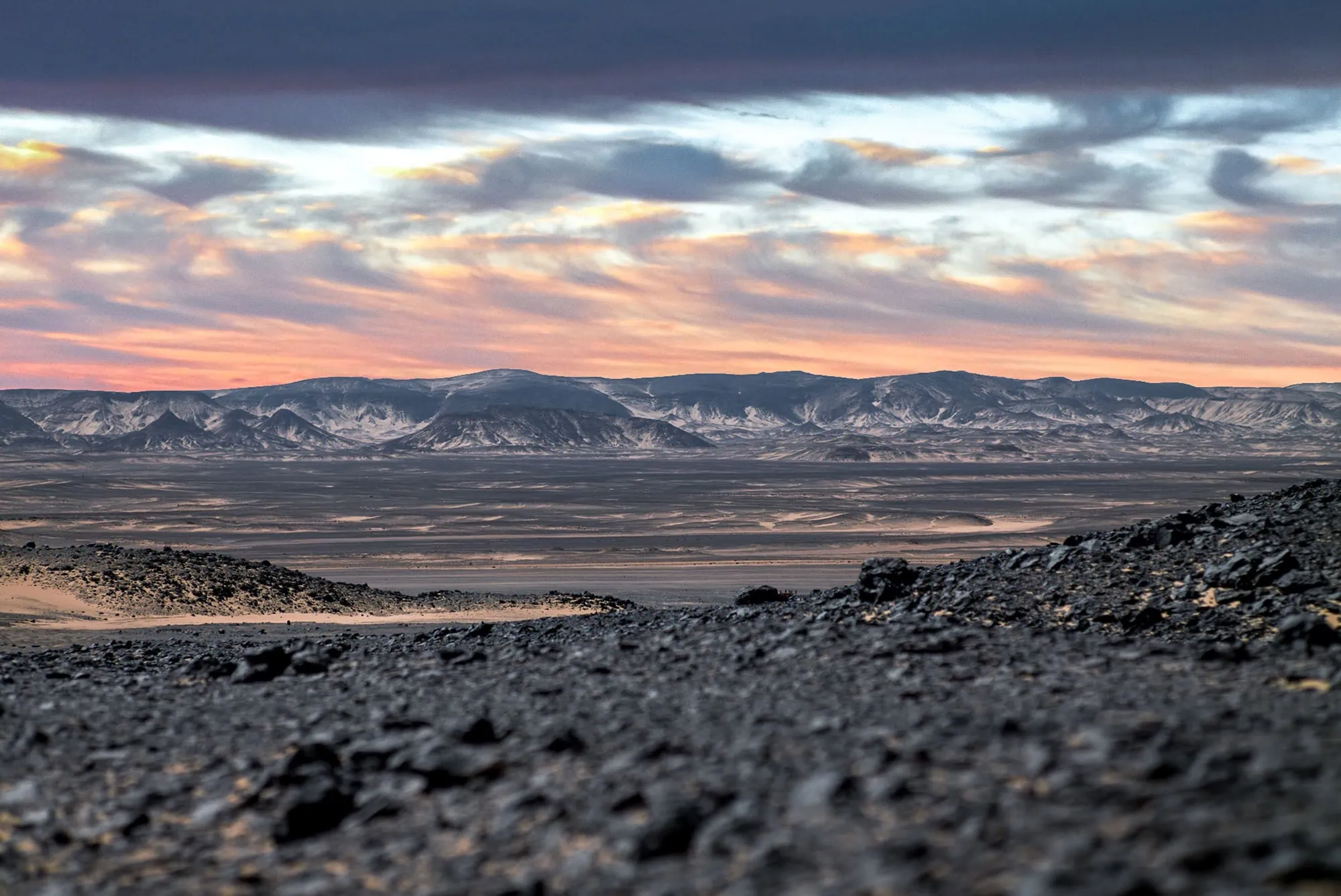
We’ve guided countless travelers through Egypt’s Western Desert for decades, and the Black Desert consistently ranks as one of the most jaw-dropping destinations our guests experience. Located in the heart of the Sahara, roughly 50 kilometers (31 miles) south of Bahariya Oasis, this volcanic wonderland creates an almost alien landscape that photographers and adventure seekers find irresistible. The contrast between the dark basalt rocks scattered across golden sand dunes creates visual drama that feels more like Mars than Earth.
Most travelers combine the Black Desert with the nearby White Desert during multi-day camping expeditions. Our private guides ensure you experience both destinations at the perfect times for photography and stargazing.
Table of Contents
What Makes the Black Desert So Unique
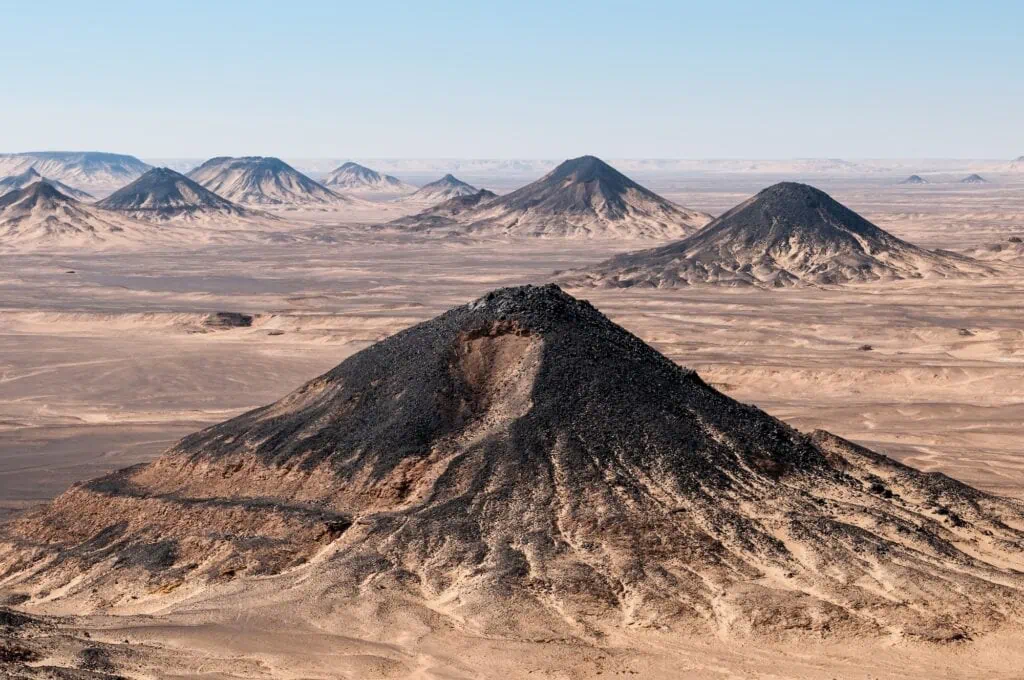
The volcanic history sets this desert apart from any other Egyptian landscape. Ancient volcanic activity deposited dark iron-rich rocks across the desert floor millions of years ago, creating formations that stand in stark contrast to the surrounding golden sand.
Geological Formations That Tell Ancient Stories
These basalt rocks aren’t randomly scattered. Volcanic eruptions created specific patterns that geologists study today to understand the region’s prehistoric climate. The iron content in these rocks gives them their distinctive dark color, which absorbs heat during the day and creates dramatic temperature variations.
Walking among these formations feels like exploring a natural sculpture garden. Some rocks tower 3 meters (10 feet) high, while others create perfect seats for desert meditation. Wind erosion over millennia carved many into smooth, rounded shapes that photographers love capturing during golden hour.
Wildlife Adaptations in Volcanic Terrain
Desert foxes, sand cats, and various reptile species have adapted specifically to this unique environment. The dark rocks provide shelter during scorching daytime temperatures that can reach 45°C (113°F) in summer. These same rocks release stored heat during cold desert nights, creating microclimates that support surprising biodiversity.
Why Timing Your Visit Matters
Morning light transforms the Black Desert into a photographer’s paradise. The low angle of sunrise creates long shadows between volcanic formations, emphasizing the dramatic textures. Late afternoon provides equally stunning opportunities as the dark rocks contrast beautifully against the warm desert light.
Planning Your Black Desert Adventure
Most travelers reach the Black Desert through Bahariya Oasis, approximately 365 kilometers (227 miles) southwest of Cairo. The journey typically requires 4-5 hours of driving across increasingly remote desert roads, making this destination feel like a true expedition into the unknown.
Four-wheel drive vehicles are essential for navigating the soft sand and rocky terrain. We provide modern, air-conditioned 4×4 vehicles with experienced desert drivers who know every hidden route and safe camping location. Safety equipment including satellite communication devices, extra water, and emergency supplies come standard on all our expeditions.
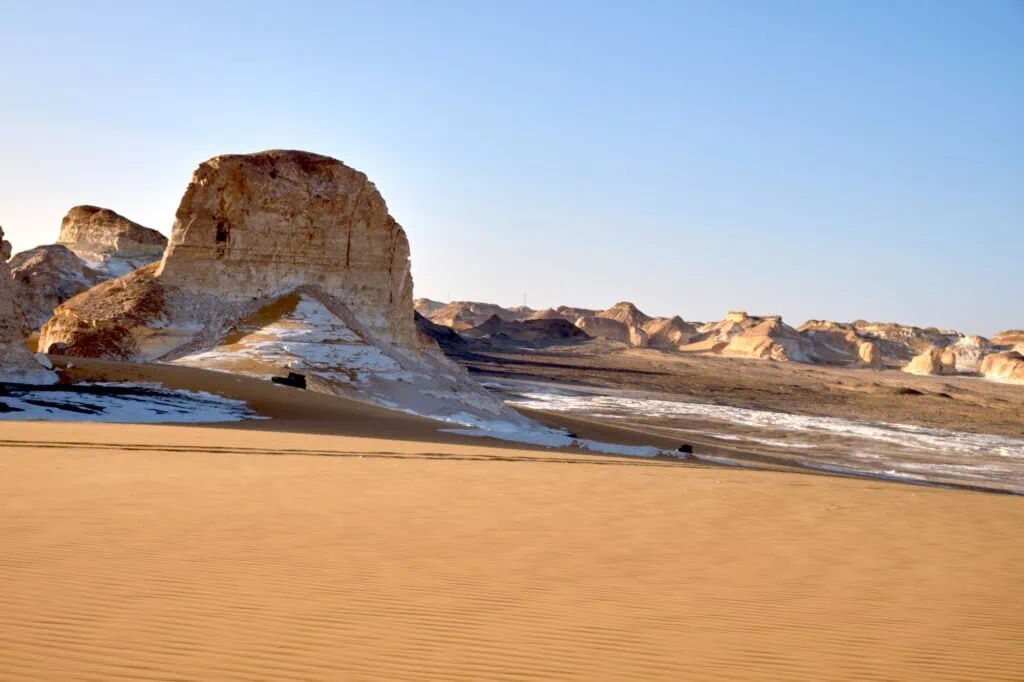
Crystal Mountain often serves as a natural stopping point during Black Desert tours. This quartz formation creates natural arches and caves that provide welcome shade during midday heat. The combination of these destinations creates a full-day adventure that showcases the Western Desert’s incredible geological diversity.
Desert Camping Under African Skies
Setting Up Camp Among Volcanic Formations
Camping in the White Desert becomes both comfortable and safe with professional camping equipment. Our experienced guides carefully select protected locations between rock formations that act as natural windbreaks while maximizing views of the night sky. High-quality sleeping bags designed for desert conditions ensure a restful night’s sleep—even when temperatures drop to around 5°C (41°F) during the winter months.
The absence of light pollution creates stargazing conditions that most people have never experienced. During new moon phases, the Milky Way appears so bright you can read by starlight. Our guides point out constellations visible only from this latitude, making astronomy lessons part of the adventure.
Traditional Bedouin Cooking Methods
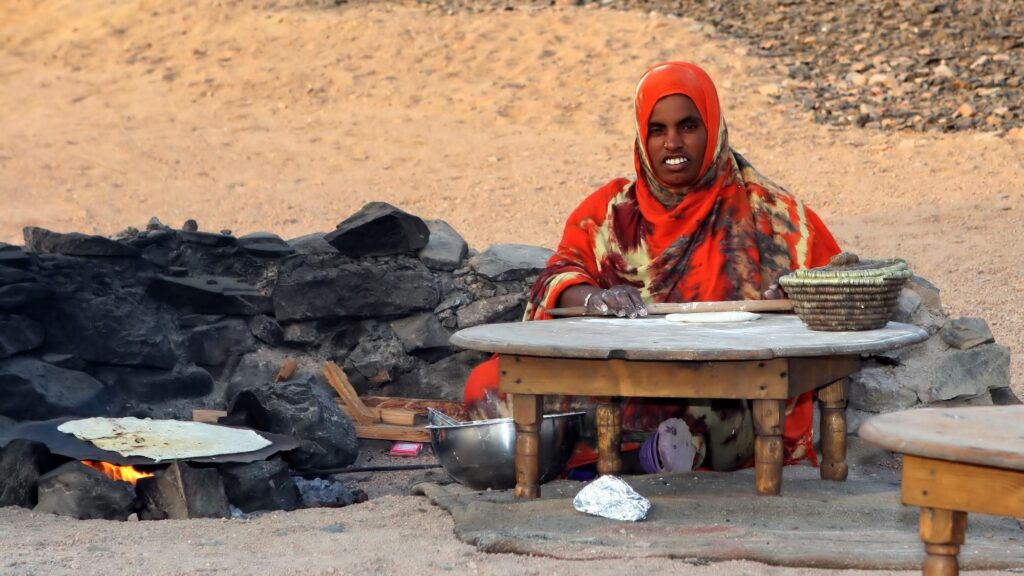
Dinner preparation begins before sunset using traditional cooking techniques passed down through generations. Underground cooking pits lined with heated rocks slowly roast chicken and vegetables while maintaining moisture in the arid environment. Fresh bread baked directly on hot sand creates authentic flavors impossible to replicate in modern kitchens.
Adventure Activities Beyond Camping
Sandboarding transforms the dunes surrounding volcanic formations into natural playgrounds. The combination of stable dark rocks for launching points and soft sand dunes for landing creates ideal conditions for both beginners and experienced boarders.
Camel Trekking Through Time
Short camel rides provide perspective on how ancient traders navigated these routes centuries ago. Our guides share stories of caravan routes that connected the Nile Valley to distant oases, bringing the desert’s human history to life. The gentle pace of camel travel allows intimate observation of smaller desert features often missed during faster 4×4 expeditions.
Photography Workshops in Natural Studios
The interplay between dark volcanic rocks and golden sand creates natural photography studios with built-in dramatic lighting. Early morning and late afternoon provide optimal conditions for capturing the desert’s raw beauty.
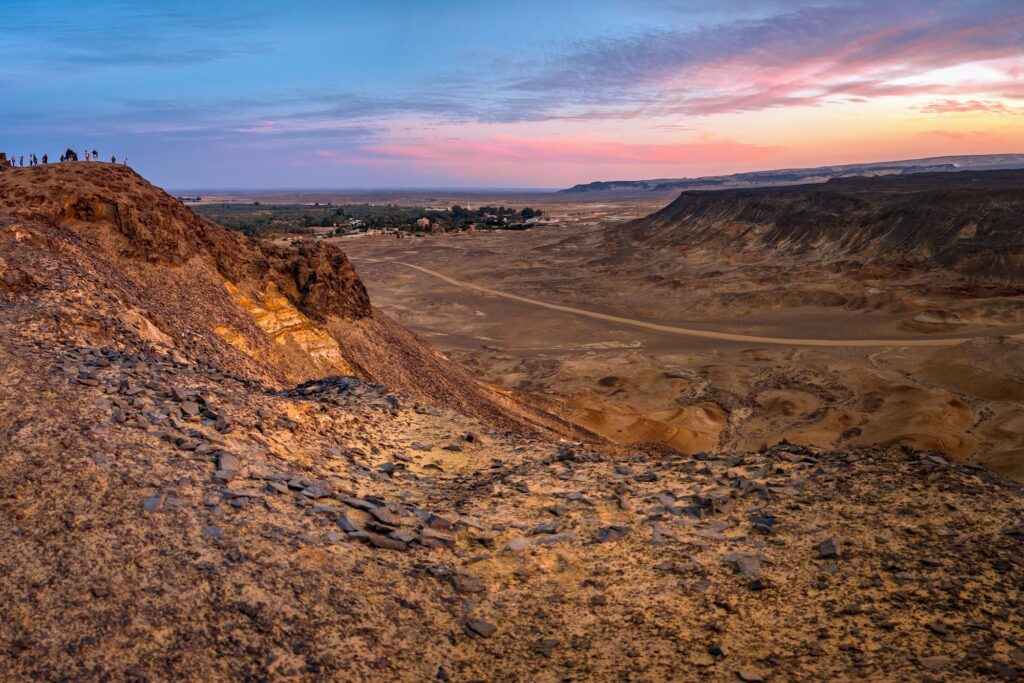
Many photographers return multiple times to capture seasonal variations in light and shadow.
Combining Black and White Desert Experiences
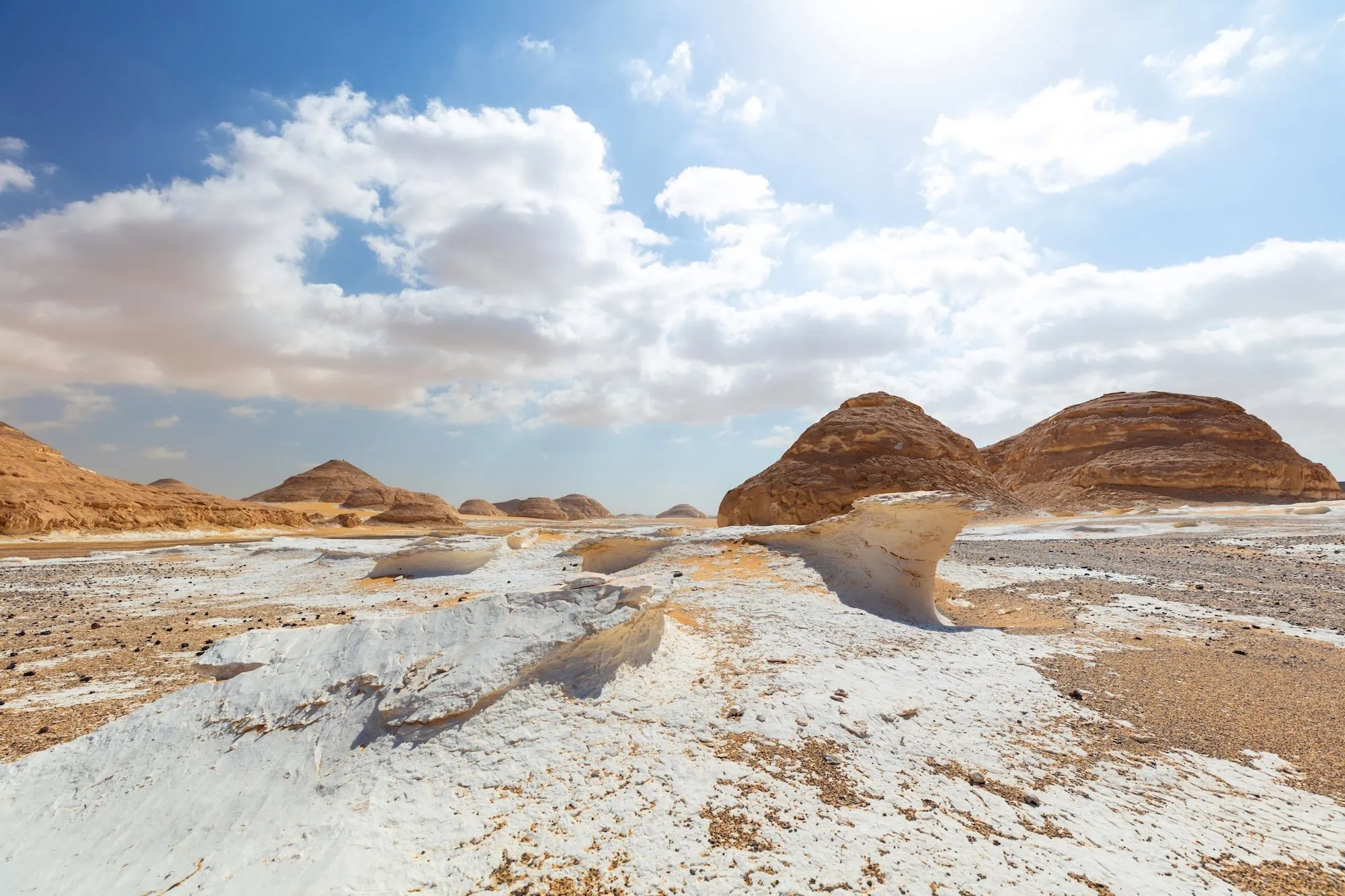
Two-day expeditions allow proper exploration of both desert environments without rushing. The first day typically focuses on the Black Desert’s volcanic formations and ends with camping under the stars. Day two explores the White Desert’s limestone sculptures before returning to Bahariya Oasis.
This combination showcases Egypt’s geological diversity in ways that surprise even experienced travelers. The contrast between dark basalt and white chalk formations demonstrates how different geological processes created dramatically different landscapes within the same desert system.
Egypt Private tours allow flexible scheduling based on weather conditions and photography preferences. Group tours follow fixed itineraries that may not align with optimal lighting conditions, making private experiences worth the additional investment for serious photographers.
Essential Preparation and Safety
Desert conditions demand proper preparation regardless of season. Summer temperatures regularly exceed 40°C (104°F) during midday hours, while winter nights can approach freezing. Layered clothing systems adapt to these extreme temperature variations while protecting against sun exposure and wind-blown sand.
Water consumption increases dramatically in desert environments, even during cooler months. We provide ample water supplies, but guests should begin hydrating several days before departure. Electrolyte supplements help maintain proper fluid balance during extended outdoor activities.
Medical Considerations for Remote Travel
The nearest medical facilities are in Bahariya Oasis, several hours away from camping locations. Travelers with chronic medical conditions should consult physicians before booking. Our guides carry comprehensive first aid equipment and maintain satellite communication for emergency situations.
Prescription medications require extra attention in extreme temperatures. Many medications lose effectiveness when exposed to desert heat, making proper storage essential for multi-day expeditions.
Best Seasons for Desert Exploration
October through April provides ideal conditions for camping and outdoor activities. Daytime temperatures remain comfortable for hiking and exploration, while nighttime cooling doesn’t require extreme cold-weather gear. March and April offer perfect balance with warm days around 25°C (77°F) and cool nights around 15°C (59°F).
Summer expeditions require modified schedules with very early morning starts and afternoon rest periods during peak heat. Many activities shift to pre-dawn and evening hours when temperatures become manageable. However, summer does offer the clearest night skies for astronomy enthusiasts.
Transportation and Access
Getting to Bahariya Oasis
Most Black Desert adventures begin with pickup from Cairo hotels between 6:00 am (06:00) and 7:00 am (07:00). The drive to Bahariya takes approximately 4-5 hours depending on traffic and road conditions. We use modern vehicles with comfortable seating, air conditioning, and experienced drivers familiar with desert routes.
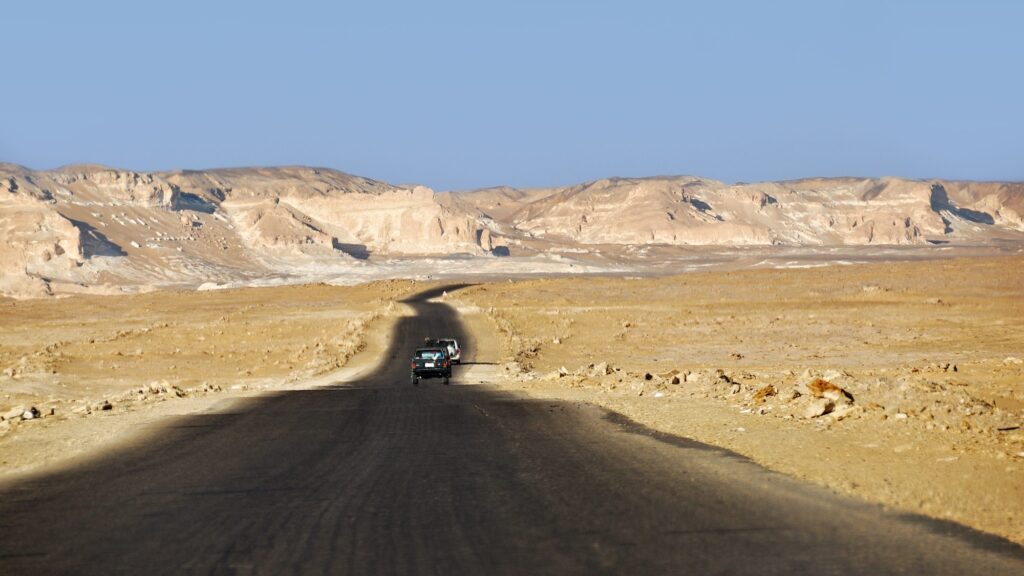
Alternative starting points include Luxor or Aswan for travelers already in Upper Egypt, though these routes require additional travel time and coordination. Flying to Cairo first usually provides the most efficient access to Western Desert destinations.
Equipment and Logistics
All camping equipment, food, water, and safety gear comes included in our expeditions. Guests need only bring personal items, appropriate clothing, and cameras. We handle permits, local coordination, and emergency preparedness so travelers focus on enjoying the experience.
Professional-grade camping equipment includes insulated sleeping mats, rated sleeping bags, portable toilets, and cooking facilities. Solar charging systems keep cameras and devices powered throughout multi-day expeditions.
What to Expect During Your Visit
The scale of isolation surprises most first-time visitors. Hours pass without seeing other humans, vehicles, or any signs of modern civilization. This profound silence allows deep appreciation for the desert’s raw natural beauty while providing mental space rarely available in daily life.
Physical demands vary based on chosen activities and fitness levels. Basic camping requires minimal physical exertion, while extended hiking among rock formations and sand dunes provides moderate exercise. Most activities adapt to different capability levels.
Weather conditions change rapidly in desert environments. Morning calm can shift to afternoon winds, while clear skies sometimes give way to dust storms. Our experienced guides monitor conditions constantly and adjust activities accordingly to ensure safety and comfort.
Make The Black Desert Part Of Your Ultimate Egypt Adventure
The dramatic landscapes of the Black Desert—volcanic hills, endless horizons, and raw natural beauty—offer a side of Egypt few travelers experience. With EgyptToursPlus, we seamlessly integrate this striking destination into a private, well-balanced journey that connects desert exploration with Egypt’s iconic highlights.
You’re in full control of your experience—choose your travel dates, set your pace, and design your route exactly as you envision it. Whether you want immersive desert adventures, cultural discoveries, or refined comfort throughout, we handle every detail with precision to ensure a smooth and personalized journey.
Frequently Asked Questions
Most Black Desert tours last 2 days and 1 night, which provides enough time for desert exploration, sunset photography, camping, and stargazing without rushing between sites. Many itineraries also include Bahariya Oasis, Crystal Mountain, and sections of the White Desert National Park during the same expedition. Travelers departing from Cairo usually spend 5 to 6 hours driving each way, so overnight schedules are significantly more comfortable than same-day trips. Multi-night tours allow slower pacing and better sunrise photography opportunities.
Early morning and late afternoon offer the best conditions for visiting the Black Desert because softer sunlight enhances the contrast between volcanic hills and pale desert sands. Midday temperatures can become extremely intense, especially from May through September when surface heat regularly exceeds 40°C (104°F). Sunrise and sunset also create stronger shadows that improve landscape photography and visibility of the region’s black basalt formations. Plan outdoor walking activities before 10:00 am whenever possible during warmer months.
Most Black Desert camping experiences require only basic physical fitness, although longer hikes across rocky volcanic terrain demand moderate endurance and stable footing. Typical activities include short walks, climbing low ridges for photography, and entering or exiting four-wheel-drive vehicles repeatedly throughout the day. Travelers do not need technical hiking skills or athletic training for standard tours. Visitors with mobility limitations should discuss route adjustments in advance because some desert camps and viewpoints involve uneven terrain without paved access.
The Black Desert lies approximately 415 km (258 miles) southwest of Cairo, with most journeys taking 5 to 6 hours by road through Bahariya Oasis. The route follows paved highways for much of the trip before transitioning to desert tracks accessible mainly by four-wheel-drive vehicles. Many travelers stop in Bahariya for lunch, fuel, or overnight accommodation before continuing deeper into the Western Desert. Early departures from Cairo help visitors avoid heavy traffic and maximize daylight time inside the desert region.
Travelers visiting the Black Desert should pack layered clothing, sun protection, sturdy walking shoes, sunglasses, reusable water bottles, personal medications, and camera equipment protected against dust and sand. Desert temperatures can vary dramatically between daytime heat and cool nighttime conditions, especially from November through February. Most organized tours provide tents, sleeping bags, cooking equipment, and meals, so visitors only need essential personal items. A portable power bank is also useful because charging opportunities are limited in remote desert camps.
Black Desert tours are generally very safe for solo travelers when organized through licensed operators with experienced desert guides and properly equipped support vehicles. Professional excursions typically include satellite communication devices, first aid equipment, and drivers trained in Western Desert navigation and emergency response. The area receives regular tourism traffic from Bahariya Oasis and remains one of Egypt’s most established desert adventure routes. Solo travelers often join small shared groups, which improves both safety and overall expedition costs.
Children over the age of 8 usually adapt well to Black Desert camping experiences, especially during cooler months between October and March when daytime temperatures remain more manageable. Families should still prepare for long drives, dry conditions, and limited modern facilities once inside the Western Desert. Organized tours often adjust activity intensity for younger travelers and provide shaded rest periods during warmer hours. Parents should bring extra hydration supplies, hats, and warm clothing for nighttime desert temperature drops.
The Black Desert stands apart from most Egyptian landscapes because its terrain is covered with dark volcanic basalt formed by ancient eruptions rather than traditional golden sand dunes. These black-topped hills create dramatic scenery unlike the Nile Valley, Red Sea coast, or Sahara dune fields found elsewhere in Egypt. The region is also prized for astrophotography and geological tourism because of its unusual rock formations and low light pollution. Visitors often combine it with the White Desert for striking visual contrast.
Visitors exploring the Black Desert should drink at least 3 to 4 liters of water daily, with higher intake recommended during hiking, climbing, or summer travel conditions. Egypt’s dry desert climate accelerates dehydration because sweat evaporates quickly and heat exposure remains constant throughout the day. Professional guides usually carry extra water reserves and encourage frequent hydration stops even when travelers do not feel thirsty. Electrolyte supplements can also help during multi-day camping trips in hotter months.
Yes, Black Desert tours operate during summer, although schedules are adjusted to reduce exposure to extreme midday heat that can exceed 45°C (113°F). Most summer itineraries emphasize sunrise activities, shaded rest periods, and evening exploration rather than extended daytime hiking. Overnight camping remains popular because desert temperatures become significantly cooler after sunset. Travelers visiting between June and August should prepare for intense sun exposure and follow hydration guidance carefully throughout the expedition.
Professional Black Desert expeditions carry satellite communication systems, first aid kits, recovery tools, and emergency evacuation plans because mobile coverage becomes unreliable in remote sections of Egypt’s Western Desert. Guides are typically trained in desert navigation, vehicle recovery, and basic medical response for heat exhaustion or dehydration incidents. Reputable operators also travel with multiple vehicles on longer routes to reduce risk during mechanical problems. Travelers should inform guides about medical conditions before departure due to the region’s isolation from major hospitals.
Most organized Black Desert tours include complete camping equipment such as tents, mattresses, sleeping bags, cooking supplies, dining setups, and lighting systems as part of the package price. Travelers usually only need personal items including clothing, toiletries, cameras, and medications. Higher-end expeditions may also provide private tents, portable toilets, and chef-prepared meals for more comfortable overnight stays. Visitors sensitive to cold temperatures may still prefer bringing an additional lightweight sleeping liner during winter desert nights.
Design Your Private Western Desert Adventure
Travel with your own expert guide, private 4×4 vehicle, and a route tailored to you.