How to Dress When Visiting Egypt
Egypt’s desert climate and rich cultural traditions shape how you dress during your visit.
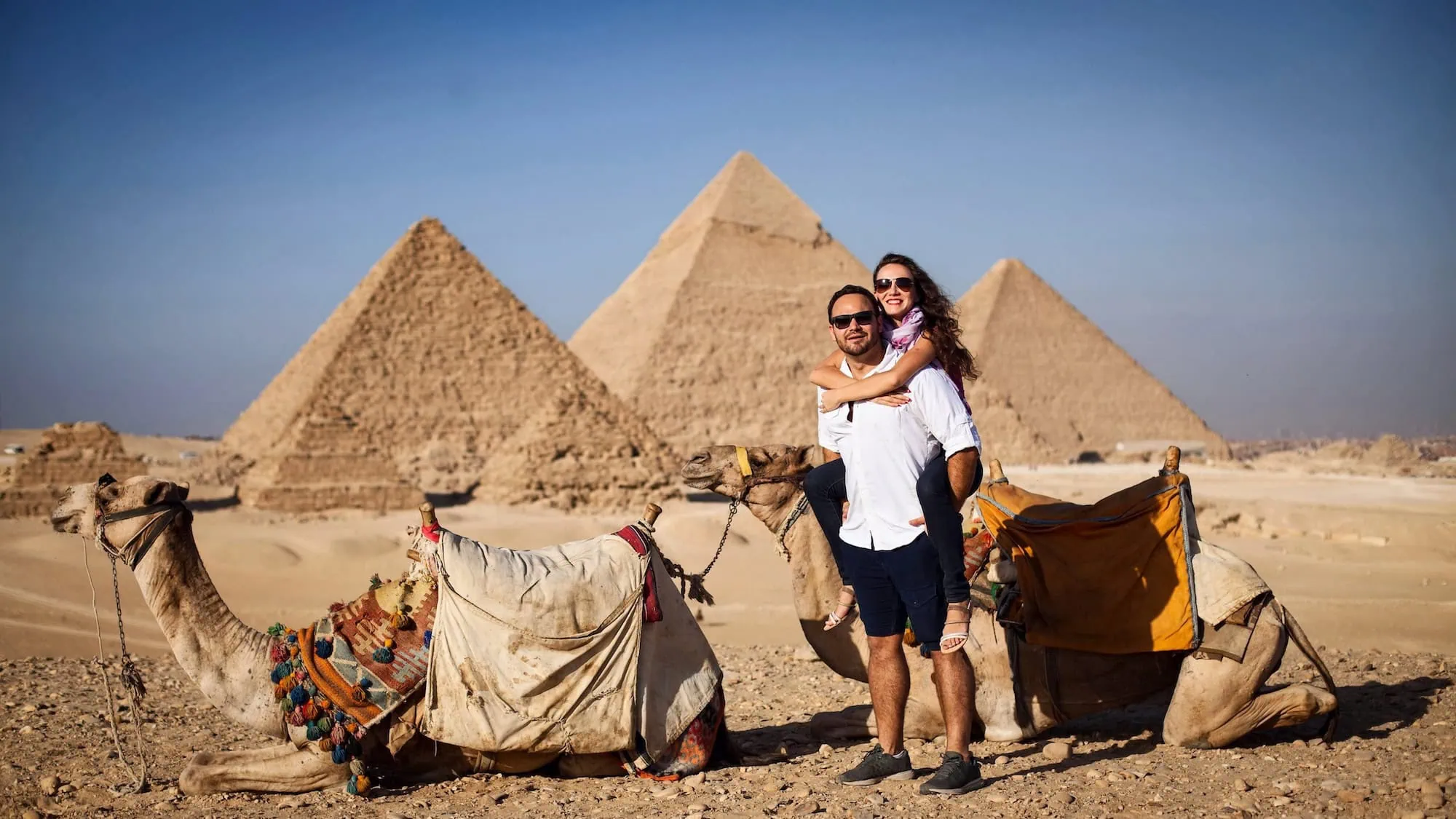
Understanding what to wear in Egypt goes beyond just staying cool in the heat. From respecting local customs in ancient temples to staying comfortable during long days of sightseeing, your clothing choices directly impact your travel experience. The key lies in balancing practical sun protection with cultural sensitivity while maintaining comfort throughout your journey.
Whether you’re exploring Cairo’s bustling markets, cruising the Nile, or relaxing on Red Sea beaches, we’ll help you pack the perfect wardrobe for Egypt’s diverse destinations and experiences.
Table of Contents
Essential Clothing Guidelines for Egypt
Egypt’s climate varies significantly between regions and seasons. Temperatures can reach 40°C (104°F) in summer and drop to 10°C (50°F) in winter evenings.
Fabric Choices That Work
Natural fabrics like cotton and linen provide superior breathability in Egypt’s dry heat. Cotton offers excellent moisture absorption while remaining lightweight. Linen, though it wrinkles easily, provides exceptional ventilation and quick-drying properties.
Avoid synthetic materials like polyester, which trap heat and moisture against your skin. Lightweight wool works surprisingly well for cooler evenings, particularly during winter months from December to February. Merino wool naturally regulates temperature and resists odors even after multiple wears.
Color Considerations
Light colors reflect sunlight and keep you cooler throughout the day. White, beige, light blue, and pale yellow work exceptionally well in Egypt’s intense sun. These colors also photograph beautifully against Egypt’s golden monuments and azure waters.
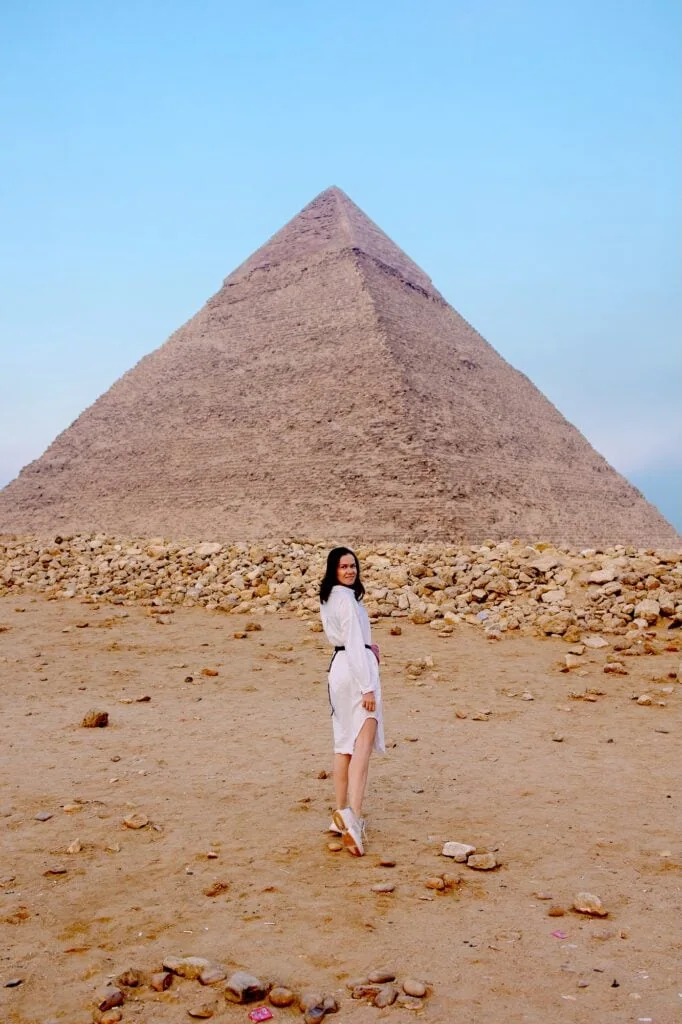
Dark colors absorb heat but can be practical for evening activities or air-conditioned indoor spaces like museums. Black clothing shows dust less readily, which matters during desert excursions or busy market visits.
Coverage Requirements
Long sleeves and full-length pants provide optimal sun protection while respecting local customs. This coverage becomes essential when visiting religious sites or rural areas where modest dress is appreciated.
Lightweight long sleeves actually keep you cooler than exposed skin in direct sunlight by preventing UV damage and reducing water loss through perspiration.
Regional Dress Differences Across Egypt
Northern Egypt experiences Mediterranean influences while southern regions maintain more traditional expectations. Cairo and Alexandria offer greater flexibility in dress codes compared to smaller towns and rural areas.
Cairo and Major Cities
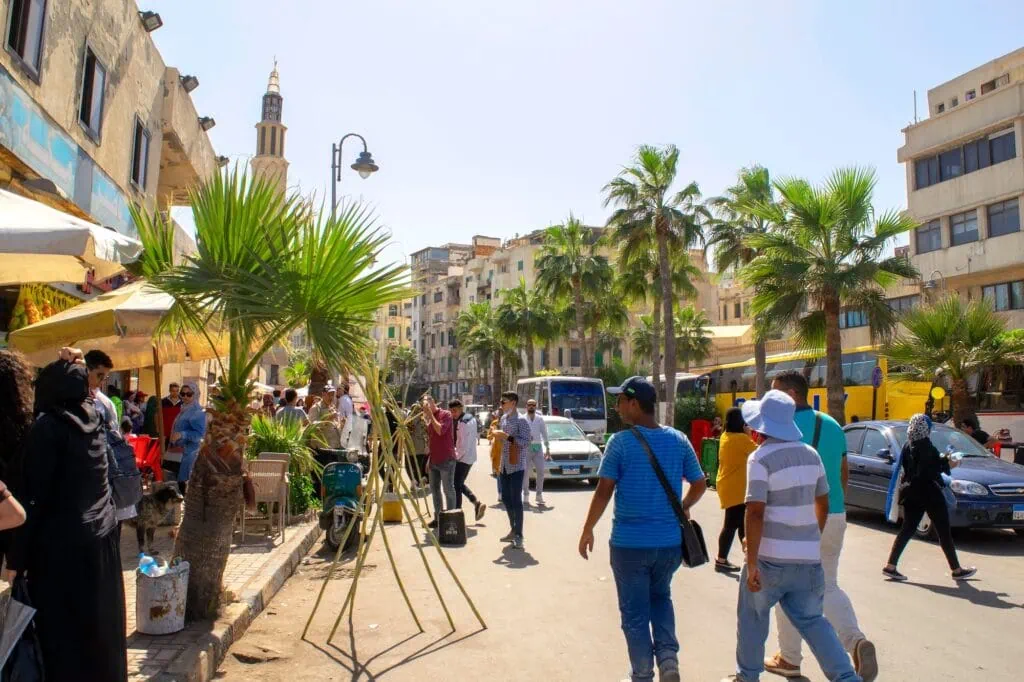
Urban centers like Cairo accommodate Western dress styles more readily. Knee-length shorts, sleeveless tops, and sundresses are generally acceptable in tourist areas, hotels, and restaurants. However, covering shoulders and knees shows respect for local culture even in cosmopolitan settings.
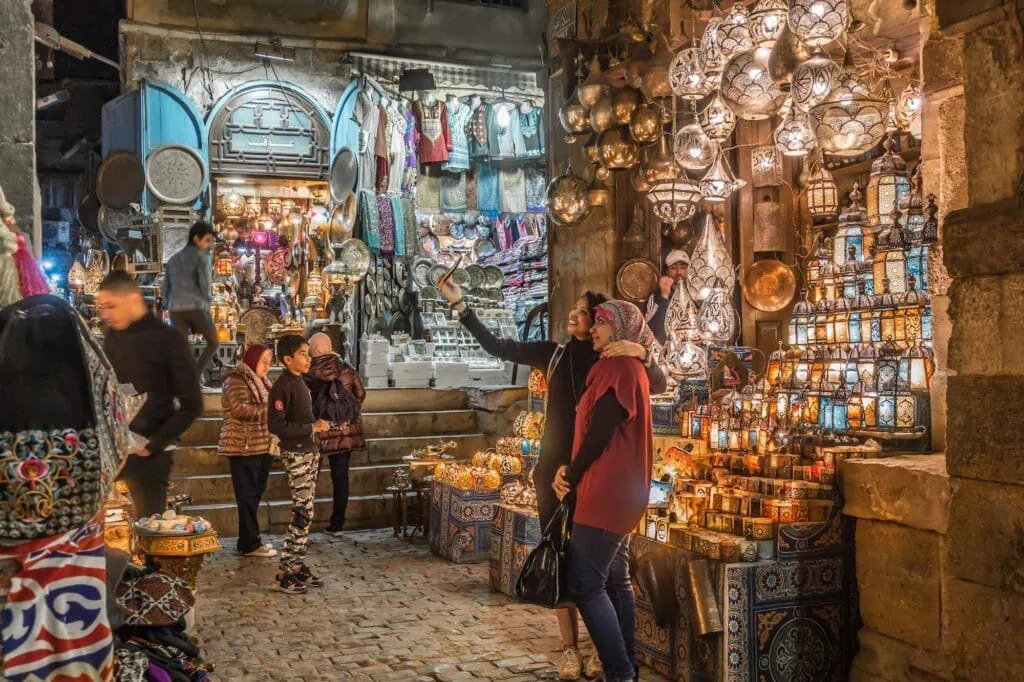
Business districts and upscale neighborhoods follow international dress standards. Smart casual attire works well for evening dining and entertainment venues.
Rural Areas and Small Towns
Conservative dress becomes more important outside major cities. Long pants and covered shoulders are strongly recommended for both men and women. Traditional villages particularly appreciate modest clothing choices from visitors.
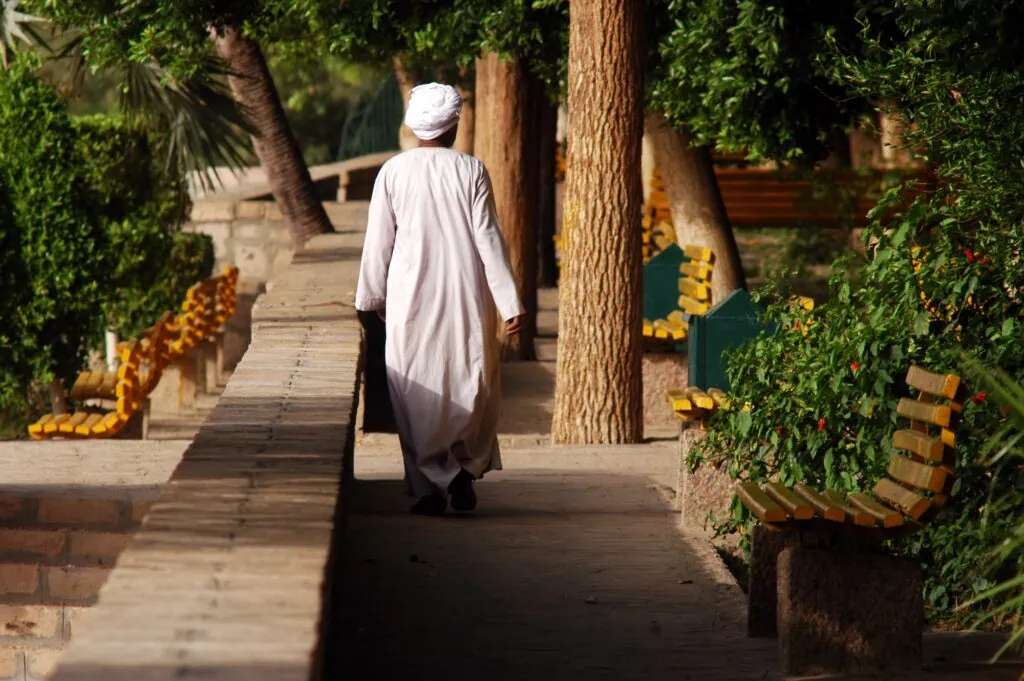
Women should consider carrying a lightweight scarf for unexpected situations requiring additional coverage. This simple addition provides flexibility when entering local establishments or interacting with conservative communities.
Tourist Sites and Monuments
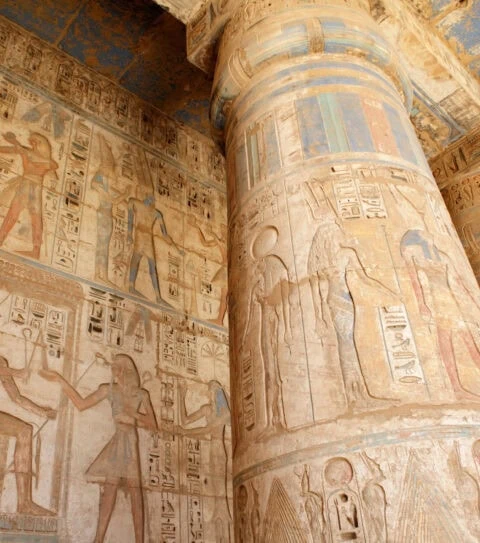
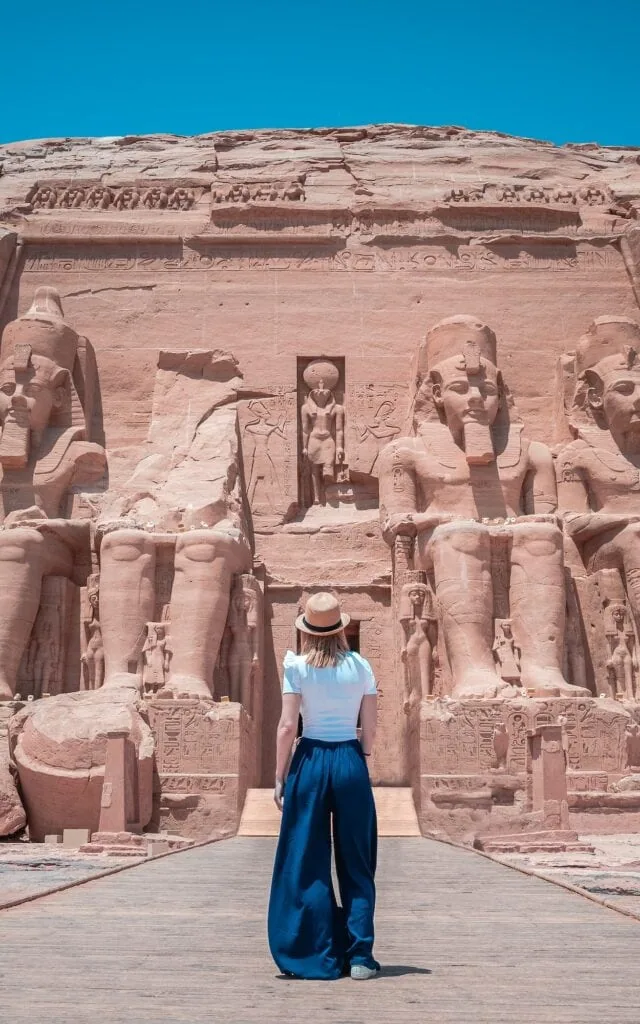
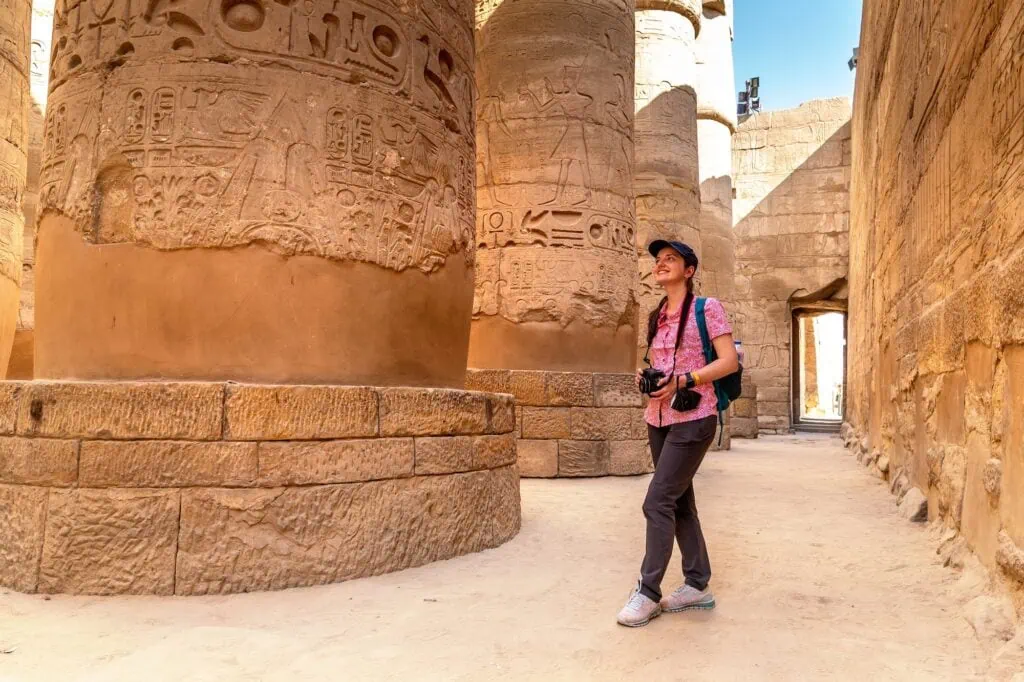
Ancient temples, mosques, and archaeological sites often require modest dress. Many locations refuse entry to visitors wearing shorts, sleeveless tops, or revealing clothing.
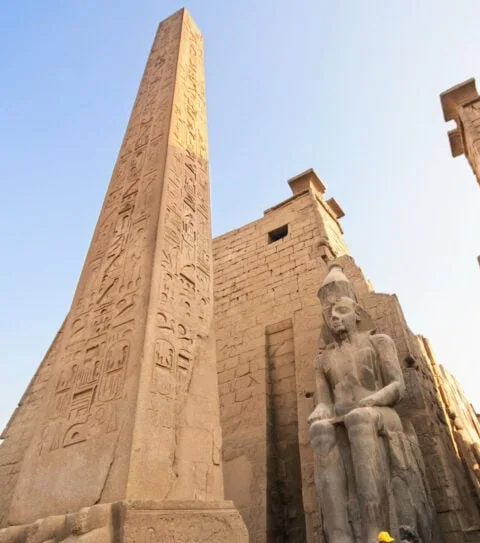
Check specific requirements before visiting major sites like Abu Simbel, Karnak Temple, or Islamic monuments in Cairo.
Women’s Wardrobe Essentials
Egyptian women dress modestly while staying stylish and comfortable. Following similar principles ensures respectful and practical clothing choices throughout your visit.
Loose-fitting pants or long skirts provide comfort while maintaining modesty. Palazzo pants work exceptionally well, offering airflow while covering legs completely. Maxi skirts and dresses create elegant silhouettes while keeping you cool.
Tops and Blouses
Three-quarter sleeve tops offer ideal coverage without full long sleeves. Flowing blouses made from cotton or linen provide ventilation while covering shoulders and arms. Button-down shirts work for multiple occasions and can be layered for varying temperatures.
Tank tops should be reserved for beach areas or private spaces. When worn elsewhere, always layer with a cardigan or light jacket for cultural appropriateness.
Footwear for Women
Closed-toe shoes protect feet from sand and sun exposure. Comfortable walking shoes are essential for temple visits and archaeological sites. Many locations require removing shoes, so slip-on styles save time and effort.
Sandals work well for casual sightseeing but choose styles with ankle support for uneven terrain. Flip-flops suit beach areas and hotel pools but lack adequate protection for most tourist activities.
Bring one pair of dressier shoes for upscale restaurants and evening activities. Low heels or elegant flats work better than high heels on Egypt’s often uneven surfaces.
Evening and Formal Wear
Egyptian evenings can be surprisingly cool, especially during winter months. Pack a lightweight cardigan or pashmina for air-conditioned spaces and nighttime activities. These items also provide quick coverage when entering mosques or other religious sites.
Elegant dresses for dining and entertainment should cover shoulders and knees. Flowing fabrics create sophisticated looks while maintaining cultural sensitivity.
Men’s Clothing Recommendations
Men enjoy greater flexibility in Egyptian dress codes while still needing to consider climate and cultural respect. Practical choices focus on sun protection and comfort during active sightseeing days.
Lightweight long pants work for most activities and destinations. Chino-style pants in cotton or cotton blends provide durability while remaining breathable. Cargo pants offer useful pockets for cameras, water bottles, and travel documents.
Shirt Options
Collared shirts present a polished appearance while offering sun protection. Polo shirts work well for casual activities. Linen button-downs provide excellent ventilation and can transition from day to evening activities.
T-shirts are widely acceptable in tourist areas but consider styles with longer sleeves for sensitive skin or extended sun exposure.
Footwear and Accessories
Sturdy walking shoes are non-negotiable for temple visits and archaeological sites. Many locations involve walking on sand, gravel, or ancient stone surfaces. Athletic shoes with good grip prevent slips and provide all-day comfort.
Dress shoes work for upscale dining and business meetings. Choose leather or quality synthetic materials that can handle dust and occasional sand exposure.
A wide-brimmed hat provides essential sun protection for outdoor activities. Baseball caps work but offer less comprehensive coverage than sun hats with brims extending around the entire head.
Beach and Red Sea Areas
Egypt’s Red Sea coast offers different dress expectations compared to inland destinations. Resort areas accommodate typical beachwear while still respecting local customs outside hotel properties.
Resort Area Guidelines
Most Red Sea resorts welcome standard beachwear including swimsuits, shorts, and tank tops within hotel grounds. Private beaches operated by hotels provide the most relaxed dress codes for sunbathing and swimming.
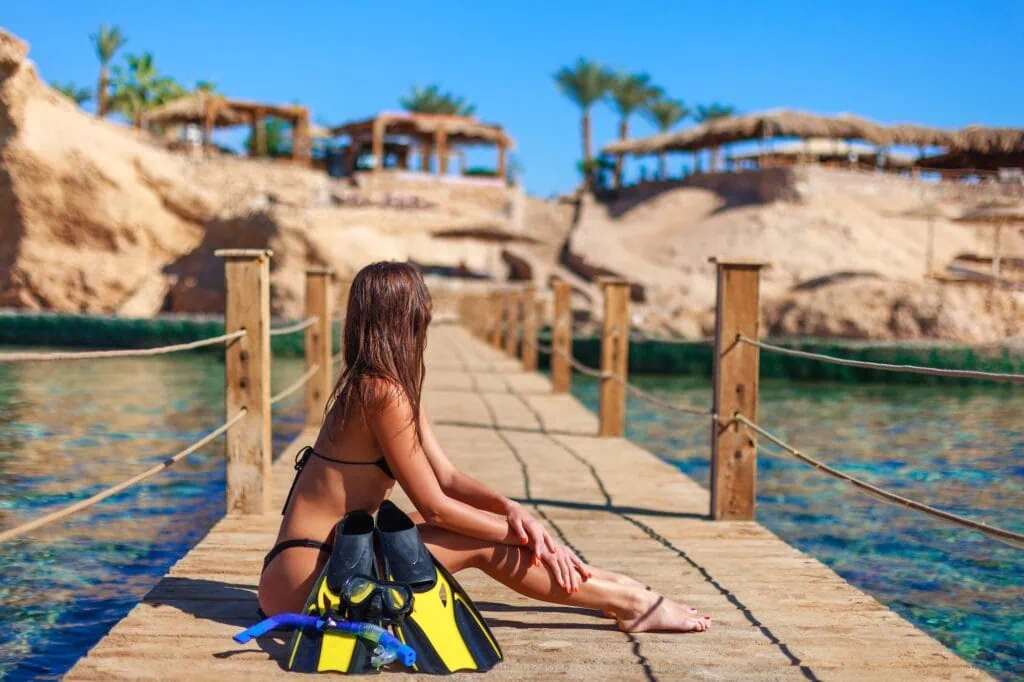
However, when leaving resort properties for local restaurants, shops, or excursions, cover-ups become essential. Pack lightweight cover-ups that can quickly transform beach attire into street-appropriate clothing.
Water Activities
Diving and snorkeling require sun protection beyond standard swimwear. Rash guards or swim shirts prevent painful sunburn during extended water activities. The Red Sea’s clear water intensifies UV exposure, making protective clothing crucial.
Quick-dry fabrics work best for multiple water activities throughout the day. These materials transition easily from water sports to beach lounging.
Evening Coastal Dining
Beachfront restaurants often maintain relaxed dress codes while still expecting covered shoulders and appropriate footwear. Light cotton dresses or casual pants with blouses work well for seaside dining.
Bring a light jacket for evening activities, as coastal breezes can create surprisingly cool conditions after sunset.
Seasonal Considerations
Egypt’s seasons dramatically affect clothing requirements. Winter visits require layering capabilities while summer demands maximum sun protection and lightweight fabrics.
Summer Travel
Extreme heat requires the lightest possible fabrics in the most breathable styles. Early morning and late evening activities become preferable to midday sightseeing. Air-conditioned spaces provide essential relief, making layers important for temperature transitions.
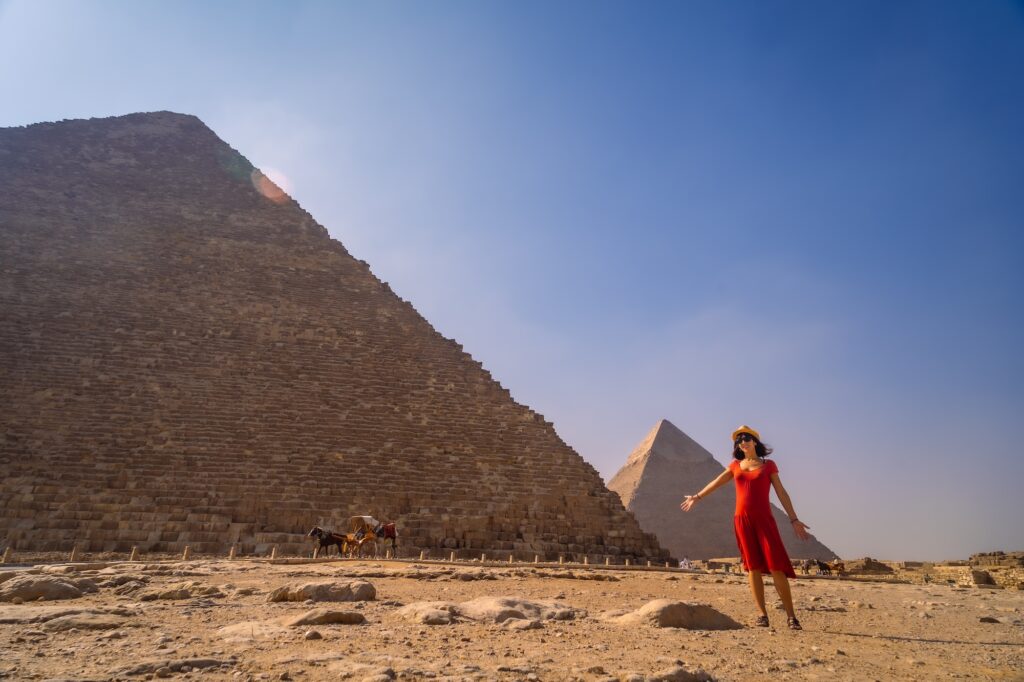
Loose-fitting clothing creates air circulation around your body, providing natural cooling. Tight-fitting clothes trap heat and increase discomfort during hot weather exploration.
Winter Travel
Cooler temperatures, especially in northern Egypt, require layering options. Days remain pleasantly warm for sightseeing, but evenings can drop significantly. Desert areas experience the greatest temperature swings between day and night.
A warm jacket becomes essential for early morning balloon rides, evening Nile cruises, or winter desert camping experiences.
Spring and Fall Travel
These optimal travel seasons offer the most comfortable temperatures and greatest flexibility in clothing choices. Moderate weather allows for diverse wardrobe options while still requiring sun protection during midday activities.
Specific Site Requirements
Different Egyptian destinations maintain unique dress codes that affect your daily clothing decisions. Understanding these requirements prevents entry problems and ensures respectful visits.
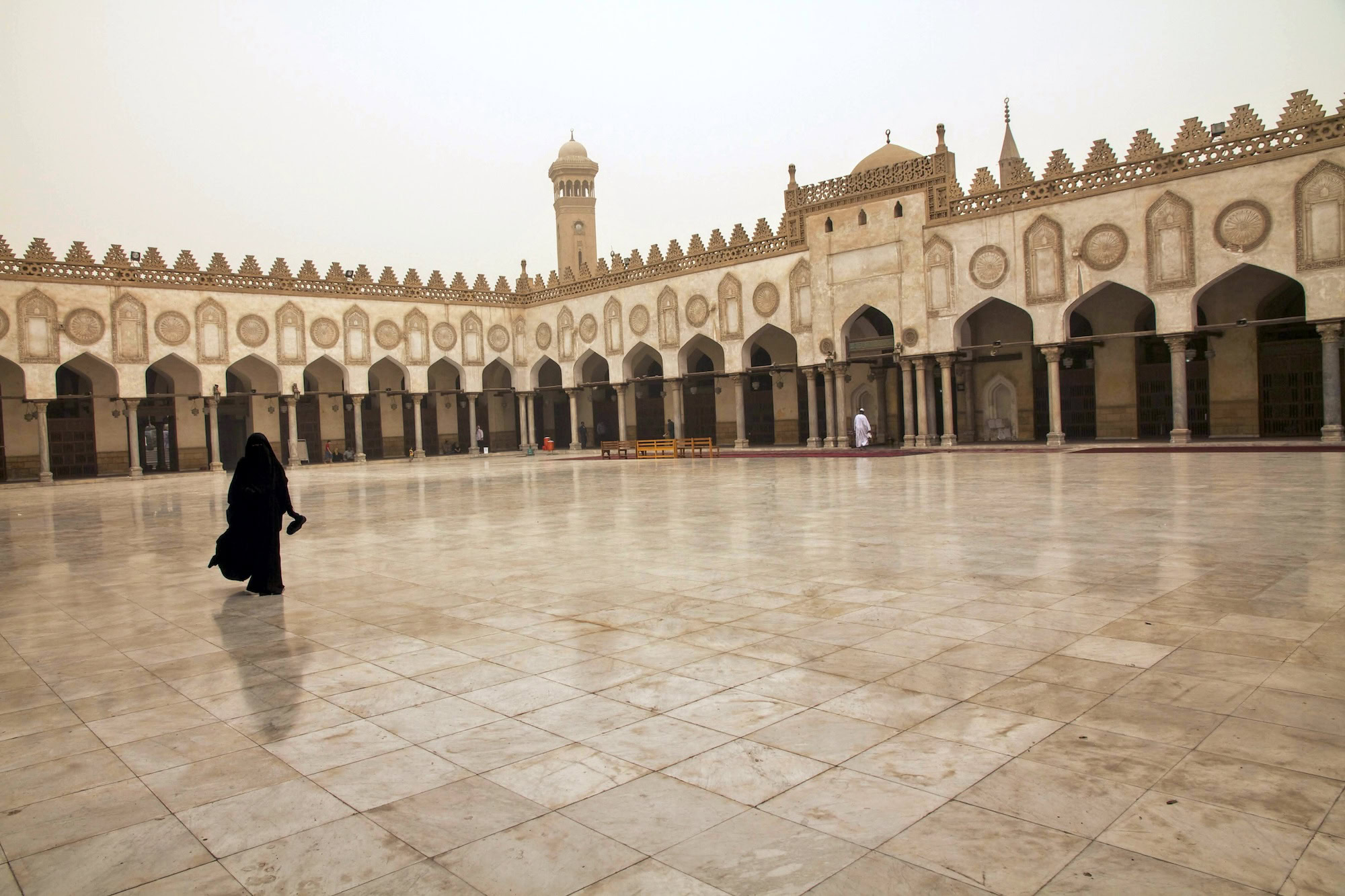
Islamic monuments throughout Egypt require covered shoulders, arms, and legs for all visitors. Many sites provide covering garments for inappropriately dressed tourists, but these shared items may not meet your comfort or hygiene standards.
Mosque Visits
Mosques require the most conservative dress of any Egyptian sites. Long pants, covered arms, and closed-toe shoes are mandatory. Women must cover their hair with scarves in many locations.
Remove shoes before entering prayer areas.
Ancient Temples and Sites
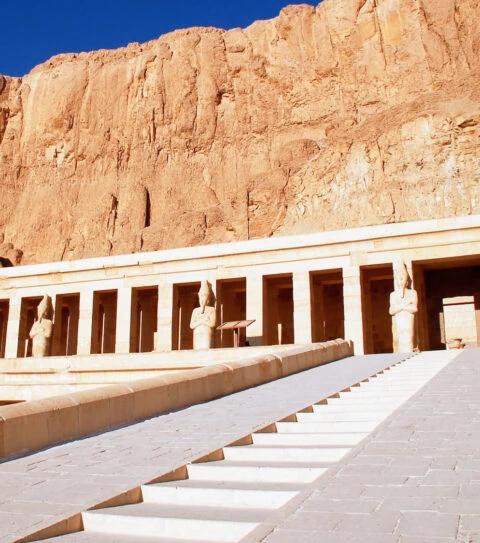
While not requiring religious dress codes, these locations involve extensive walking on uneven surfaces in full sun exposure. Practical clothing with complete coverage protects against sunburn and provides comfort during long exploration periods.
Many sites lack shade structures, making sun hats and sunglasses essential accessories for enjoyable visits.
Museums and Indoor Attractions
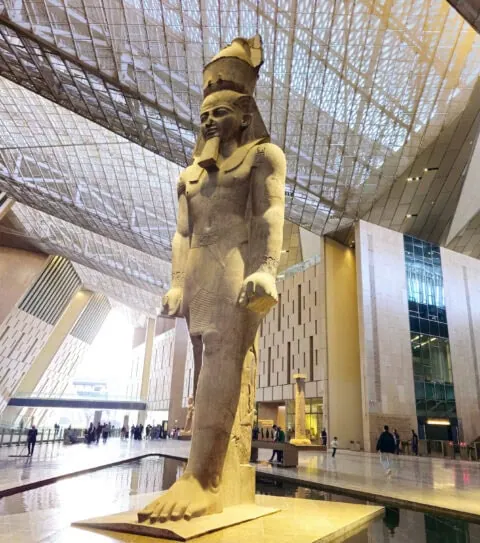
Air-conditioned museums require layering abilities as temperatures inside can be significantly cooler than outdoor conditions. Comfortable walking shoes remain important for extensive gallery exploration.
Packing Strategies for Egypt
Efficient packing for Egypt balances diverse climate needs with cultural requirements while maintaining reasonable luggage limits. Focus on versatile pieces that work for multiple situations and activities.
Multi-Purpose Items
Sarongs serve multiple functions as beach cover-ups, impromptu scarves, or picnic blankets. Lightweight cardigans provide coverage for religious sites, warmth in air-conditioning, and elegant layering for evening activities.
Convertible pants with removable legs adapt to changing requirements throughout your journey. These items work particularly well for mixed itineraries including both urban and outdoor activities.
Essential Accessories
Wide-brimmed hats provide crucial sun protection while serving as memorable travel photos props. Choose crushable styles that pack easily and maintain their shape after compression.
Lightweight scarves offer versatility for women, providing quick coverage, fashion accessories, or head protection during windy desert excursions. Quality sunglasses become essential given Egypt’s intense sunshine and frequent reflection off sand and water surfaces.
Laundry Considerations
Hotel laundry services may not return items quickly enough for short stays. Pack enough clothing for your entire visit or choose quick-drying fabrics that can be hand-washed and dried overnight.
Merino wool and synthetic blends offer excellent hand-washing capabilities while maintaining their appearance through multiple wears and cleanings.
Special Occasion Dressing
Egypt offers numerous opportunities for elegant dining, cultural performances, and special events that may require more formal attire than typical sightseeing activities.
Nile Cruise Entertainment
Many Nile cruise ships present evening entertainment including traditional music and dance performances. Smart casual to semi-formal attire shows appreciation for these cultural presentations.
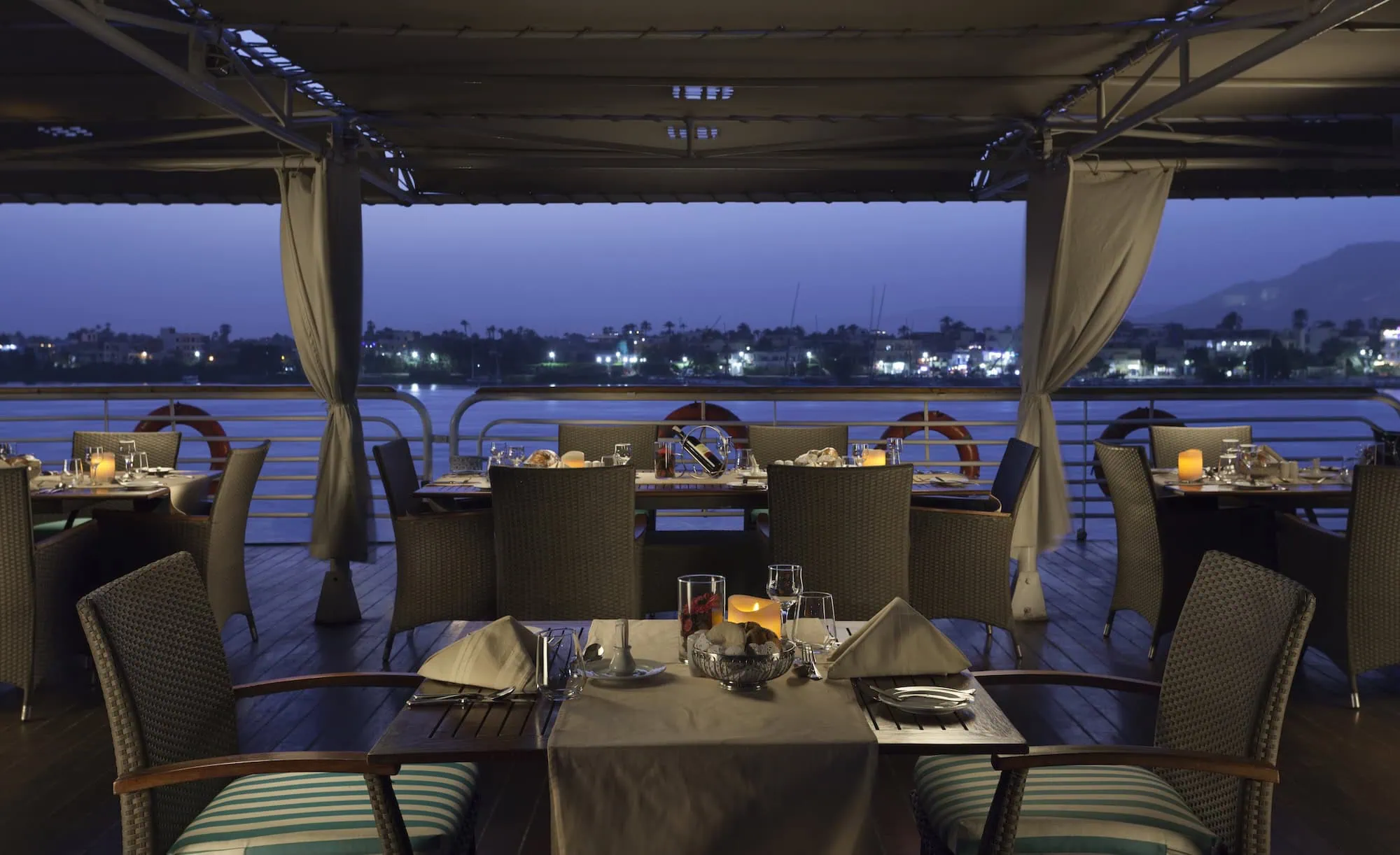
Men benefit from collared shirts and dress pants, while women can choose flowing dresses or elegant separates.
Upscale Restaurant Dining
Cairo and Luxor host world-class restaurants with international cuisine and sophisticated atmospheres. These establishments appreciate well-dressed guests, though formal business attire is rarely required outside of luxury hotel establishments.
Cultural Events and Performances
Opera houses, cultural centers, and special events may request more formal attire. Check specific requirements when booking tickets for performances at venues like the Cairo Opera House or cultural festivals.
Frequently Asked Questions
Knee-length shorts are generally acceptable for women in major tourist areas such as Cairo, Luxor, Aswan, and Red Sea resorts, although lightweight full-length pants often attract less attention and align more closely with local customs. Egypt is culturally conservative compared to many Western countries, particularly in smaller towns and rural areas. Loose, breathable clothing provides both comfort and cultural sensitivity. For temple visits and city sightseeing, modest attire is usually the most practical choice.
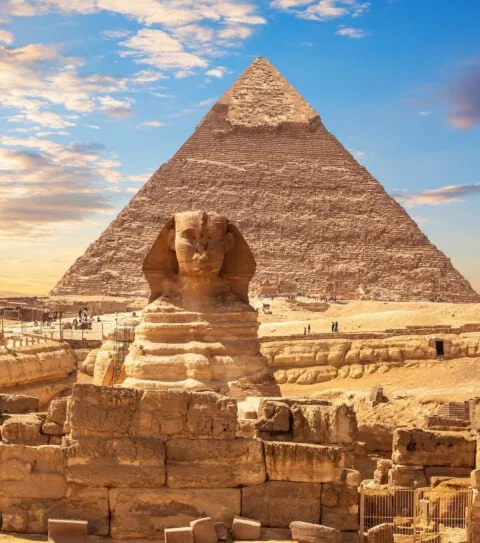
es, sleeveless tops are generally permitted at ancient Egyptian sites such as Karnak Temple, Luxor Temple, and the Pyramids of Giza, but they are not appropriate for most mosques and Islamic religious sites. Egypt’s archaeological attractions do not typically enforce strict dress codes, while religious buildings often require shoulders and knees to be covered. Carrying a lightweight scarf or shawl allows quick adjustments when visiting different types of attractions in the same day.
Closed-toe athletic shoes or lightweight hiking shoes provide the best combination of comfort, grip, and protection for Egypt’s desert environments. Areas such as the White Desert, Sinai, and the Western Desert often involve uneven terrain, rocky surfaces, and soft sand. Shoes with sturdy soles help prevent slips and reduce fatigue during long walks. Avoid flip-flops or open sandals on desert excursions, especially when temperatures exceed 30°C (86°F).
Formal clothing is rarely necessary in Egypt, and smart casual attire is suitable for most situations, including Nile cruises, upscale restaurants, and hotel dining rooms. A collared shirt, casual dress, or business-casual outfit is usually sufficient. Luxury hotels in Cairo, Aswan, and Red Sea resorts may have dress expectations for evening dining, but black-tie clothing is generally unnecessary. One versatile dressier outfit is enough for most travelers.
Men can wear tank tops in tourist resorts and beach destinations, but short-sleeved shirts or collared shirts are generally more appropriate in Egyptian cities. Cairo, Alexandria, Luxor, and Aswan are culturally conservative by Western standards, and modest attire often results in more comfortable interactions. Lightweight cotton shirts provide better sun protection while respecting local norms. This is particularly useful when visiting markets, museums, and religious sites.
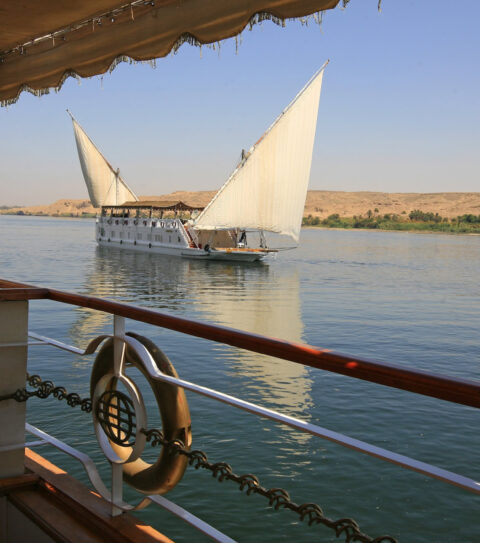
Comfortable casual clothing is ideal for a Nile cruise, with lightweight daytime outfits and one or two smarter options for evening meals and onboard entertainment. Daytime excursions to sites such as Edfu, Kom Ombo, and Karnak Temple involve walking in strong sun, so breathable fabrics and sun protection are essential. Evenings on the Nile can feel cooler between November and February. Pack layers that can easily adapt to changing temperatures.
No clothing colors are considered culturally inappropriate in Egypt, and travelers are free to wear whatever colors they prefer. Practical considerations matter more than color symbolism, particularly in Egypt’s hot climate. Light shades such as white, beige, and pastel colors reflect sunlight and help keep you cooler during outdoor sightseeing. Dark colors absorb more heat and may feel less comfortable when visiting exposed sites like Abu Simbel or the Giza Plateau.
Yes, a lightweight jacket, cardigan, or long-sleeved layer is useful even during Egypt’s summer months. Air-conditioned airports, hotels, cruise ships, and restaurants can feel surprisingly cool compared to outdoor temperatures that often exceed 35°C (95°F). Evening desert excursions and boat rides may also bring cooler conditions after sunset. A light layer adds comfort without taking up much luggage space.
Yes, Egypt offers a wide range of affordable clothing options in shopping malls, local markets, and tourist districts throughout Cairo, Alexandria, Luxor, and Aswan. Visitors can easily purchase lightweight cotton shirts, scarves, long pants, hats, and other climate-appropriate items. Prices are often lower than in North America or Europe, especially in local stores. Buying clothing locally can also help you adapt quickly to weather and cultural expectations.
Natural fabrics such as cotton and linen are generally the most comfortable choices for Egypt’s warm and dry climate. These materials allow better airflow, wick moisture effectively, and remain comfortable during long sightseeing days. Synthetic fabrics can trap heat and become uncomfortable when temperatures reach 30-40°C (86-104°F). Loose-fitting cotton or linen garments are especially practical for visits to outdoor attractions and archaeological sites.
Yes, clothing needs can vary between Upper and Lower Egypt because the climate and local customs differ. Upper Egypt, including Luxor and Aswan, is hotter, drier, and generally more conservative than Mediterranean cities such as Alexandria. Lightweight modest clothing works well throughout the country, but extra sun protection becomes particularly important in the south. Travelers often find that breathable long sleeves are more comfortable than expected in intense desert sun.
Yes, seasonal packing can significantly improve comfort during an Egypt trip. Summer visitors should focus on lightweight fabrics, sun hats, sunglasses, and maximum sun protection, while winter travelers should add sweaters, light jackets, and layers for cooler mornings and evenings. Winter temperatures in Cairo can occasionally fall below 10°C (50°F) overnight, while summer temperatures in Aswan may exceed 40°C (104°F). Packing for seasonal conditions helps you stay comfortable throughout your journey.
Explore our most popular guides and expert tips to make your trip safe, smooth, and unforgettable.
Plan Your Egypt Adventure with Confidence
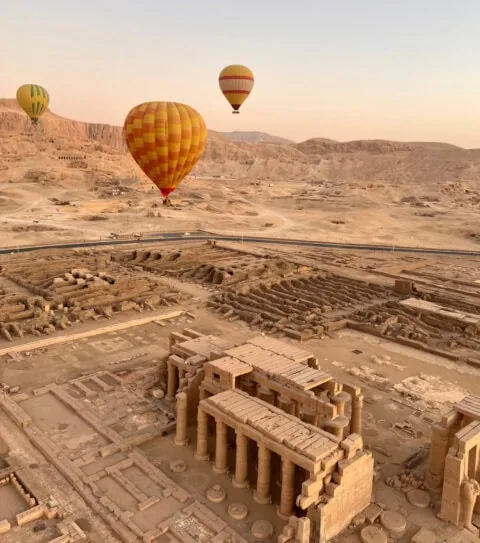
How to Plan a Trip Egypt
Step-by-step guide to help you plan the perfect Egypt trip — from routes and budget to booking.
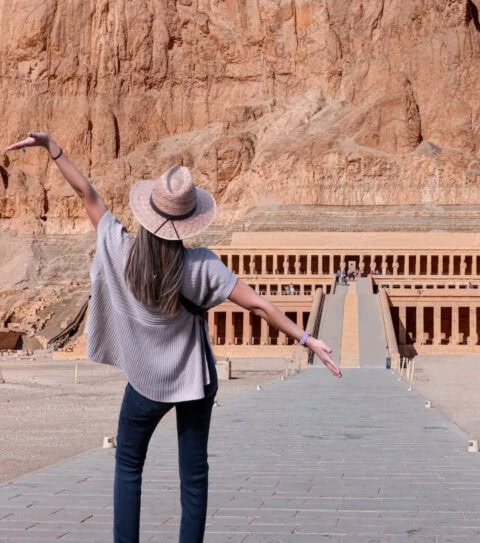
Best Time to Visit Egypt
Learn the best months to visit Egypt based on weather, crowds, and local travel experiences.
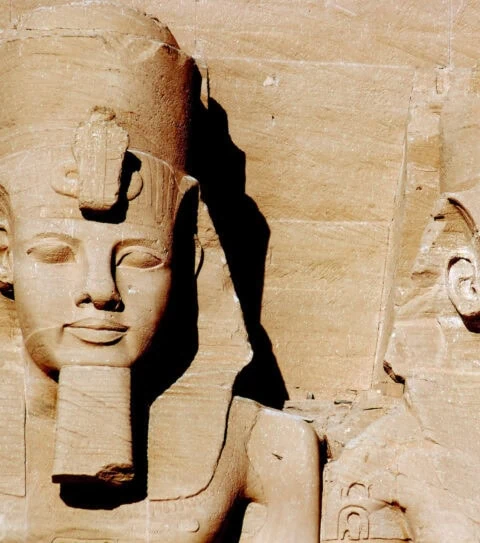
Must Visit Places in Egypt
Explore Egypt’s top sights — from pyramids to temples — and hidden gems worth seeing.
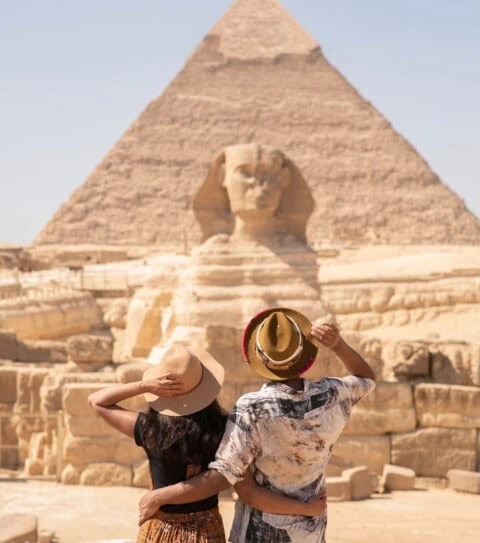
Top-Rated Egypt Tours
Handpicked private tours with local guides — our most loved and best-reviewed experiences.
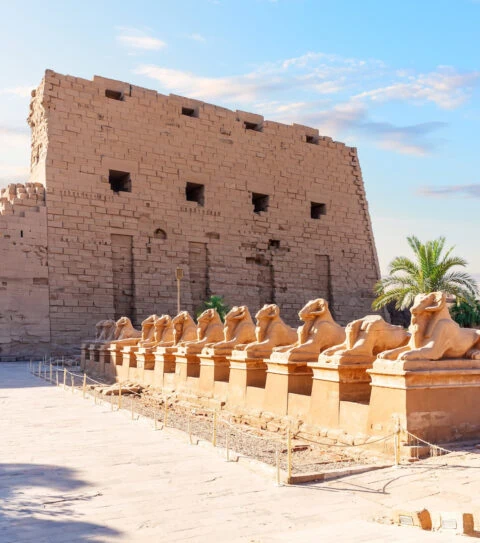
How Many Days to Visit Egypt?
Find out how many days you need in Egypt — from quick trips to full itineraries.
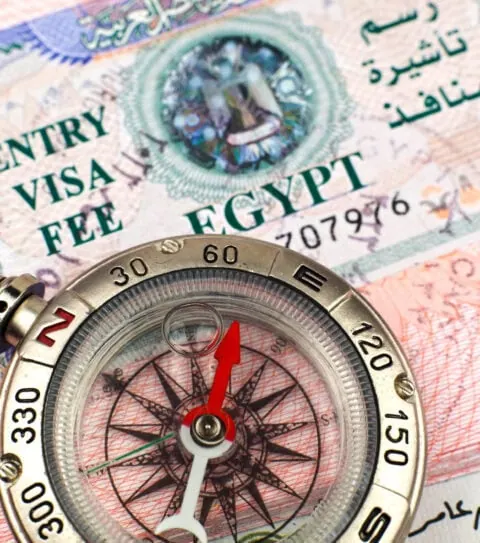
Egypt Visa Requirements
Check if you need a visa and get simple, up-to-date entry info based on your nationality.
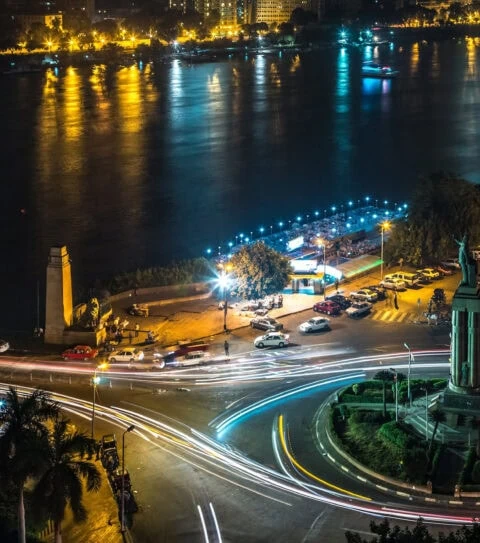
Is it Safe to Travel to Egypt?
Is Egypt safe? Get honest safety tips, area advice, and what to know before you travel.
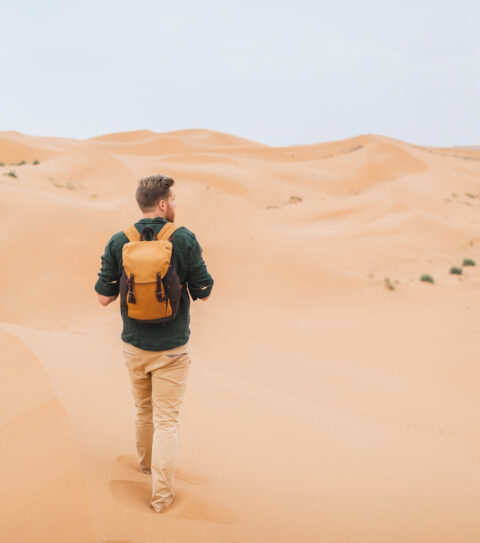
What to Pack for Egypt
A quick packing guide with essentials, cultural tips, and clothing advice for your Egypt trip.
Design Your Custom Tour
Explore Egypt your way by selecting only the attractions you want to visit