Is October a Good Time to Visit Egypt?
October marks a magical turning point for Egyptian travel. After enduring months of sweltering summer heat that can reach 40°C (104°F) or higher, Egypt begins its transformation into a traveler’s paradise.
The blazing temperatures start their gentle descent, creating ideal conditions for exploring ancient pyramids, cruising the Nile, and wandering through bustling markets without the exhausting heat that characterizes the peak summer months. October represents the sweet spot where comfortable weather meets fewer crowds, making it one of our most recommended months for visiting this incredible destination.
We’ve guided thousands of travelers through Egypt’s wonders, and our experience consistently shows that October visitors enjoy some of the best conditions of the year.
Table of Contents
Weather in Egypt During October
October weather varies dramatically across Egypt’s diverse regions, but the overall climate becomes significantly more pleasant than summer months.
Temperatures and Climate Patterns
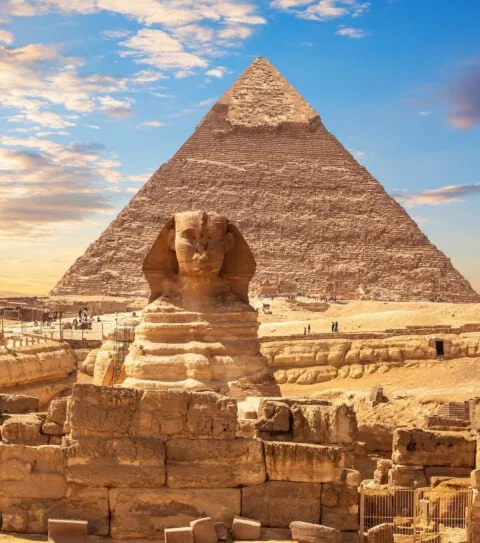
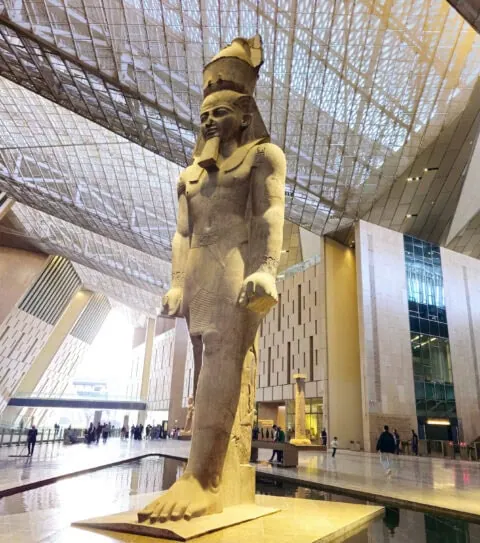
Daytime temperatures in Cairo typically range from 22°C to 29°C (72°F to 84°F), creating perfect conditions for sightseeing. The scorching heat that makes summer exploration challenging gives way to comfortable warmth that allows you to spend entire days visiting the Giza Pyramids, Grand Egyptian Museum, and other iconic attractions without feeling overwhelmed.
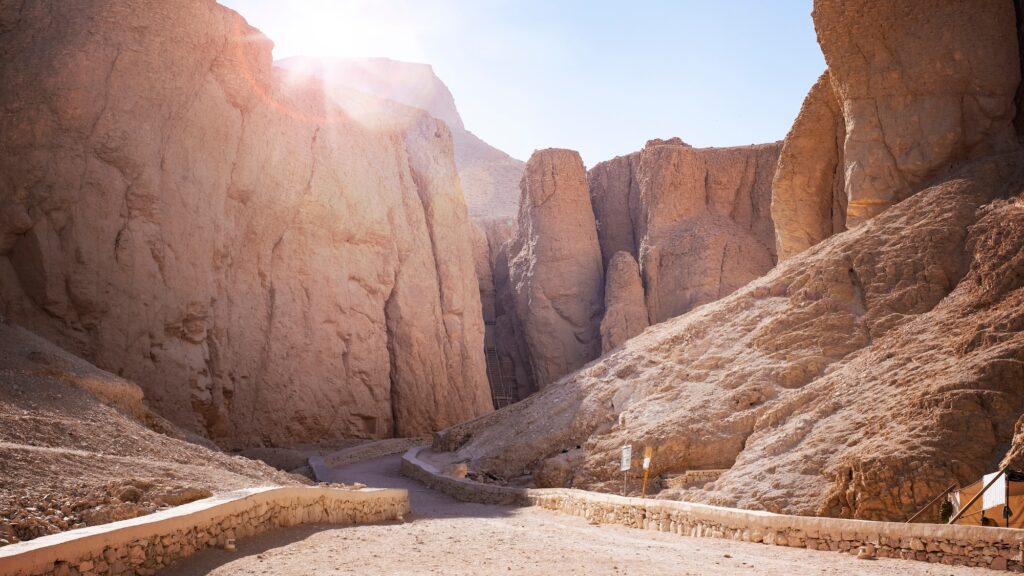
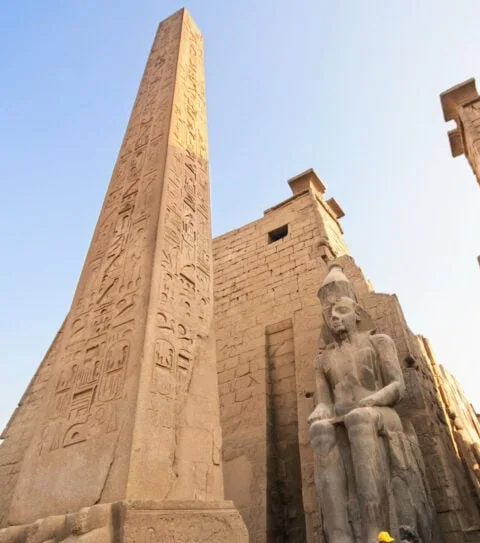
Upper Egypt, including Luxor and Aswan, experiences slightly warmer temperatures ranging from 25°C to 33°C (77°F to 91°F). While still warm, these temperatures represent a significant improvement from the brutal summer heat that can exceed 45°C (113°F). Our private guides often note that October visitors have much more energy for exploring Valley of the Kings and other archaeological sites.
Rainfall and Humidity Considerations
Egypt receives minimal rainfall year-round, and October continues this pattern with virtually no precipitation expected. Humidity levels drop considerably from summer peaks, particularly in Cairo and Alexandria where Mediterranean influences create more comfortable atmospheric conditions.
The Red Sea coastal areas, including Hurghada and Sharm El Sheikh, experience their own microclimate with temperatures around 26°C to 31°C (79°F to 88°F) and pleasant sea breezes.
Tourist Seasons and Crowd Levels
October falls within Egypt’s shoulder season, offering significant advantages for discerning travelers. Tourist numbers remain moderate compared to the peak winter months of December through February, yet the weather has improved enough to make sightseeing genuinely enjoyable.
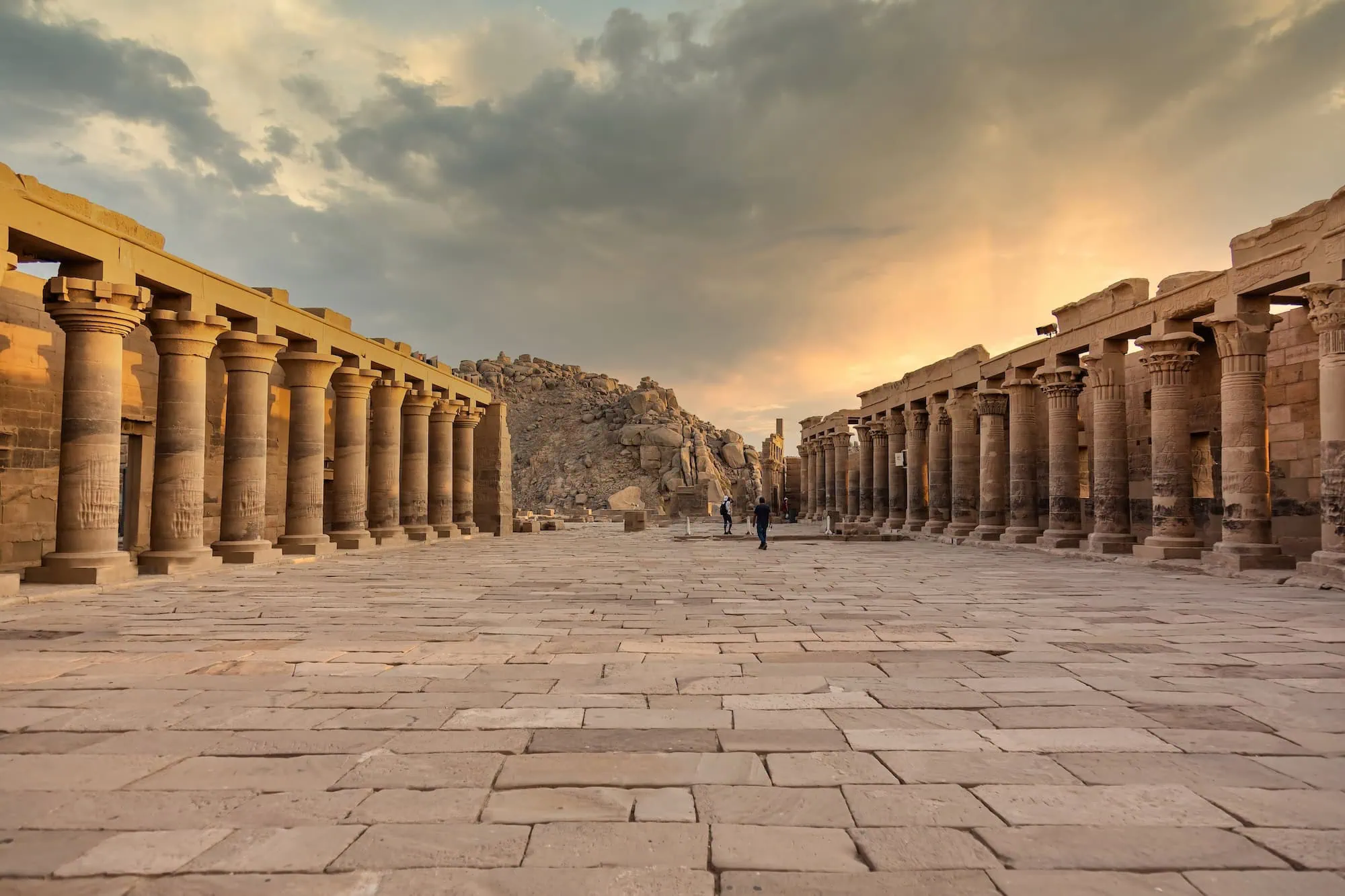
This timing creates opportunities for more intimate experiences at major attractions. Our guests frequently comment on having iconic sites like Abu Simbel or Philae Temple relatively to themselves, especially during early morning visits. Photography becomes more rewarding without constant crowds in frame.
Hotel rates during October typically cost 15-25% less than peak season pricing. Airlines also offer more competitive fares as demand hasn’t yet reached winter holiday levels. We’ve observed that our clients can often secure room upgrades and better availability for Nile cruises during this period.
The moderate crowd levels mean restaurant reservations are easier to obtain, and our local guides can spend more quality time explaining Egypt’s fascinating history without rushing between packed tour groups.
Best Activities and Attractions in October
October’s comfortable temperatures unlock Egypt’s full potential for outdoor exploration and cultural immersion.
Archaeological Site Visits
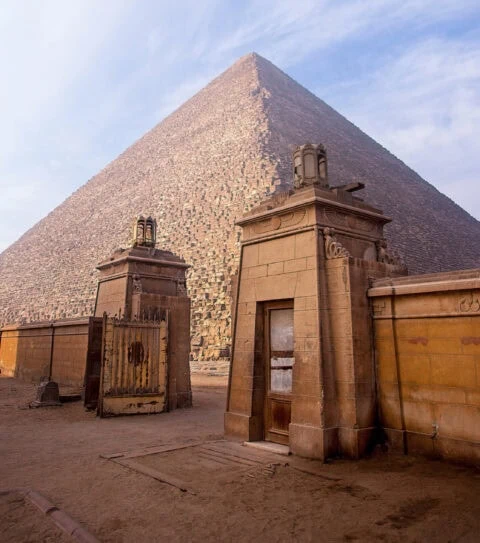
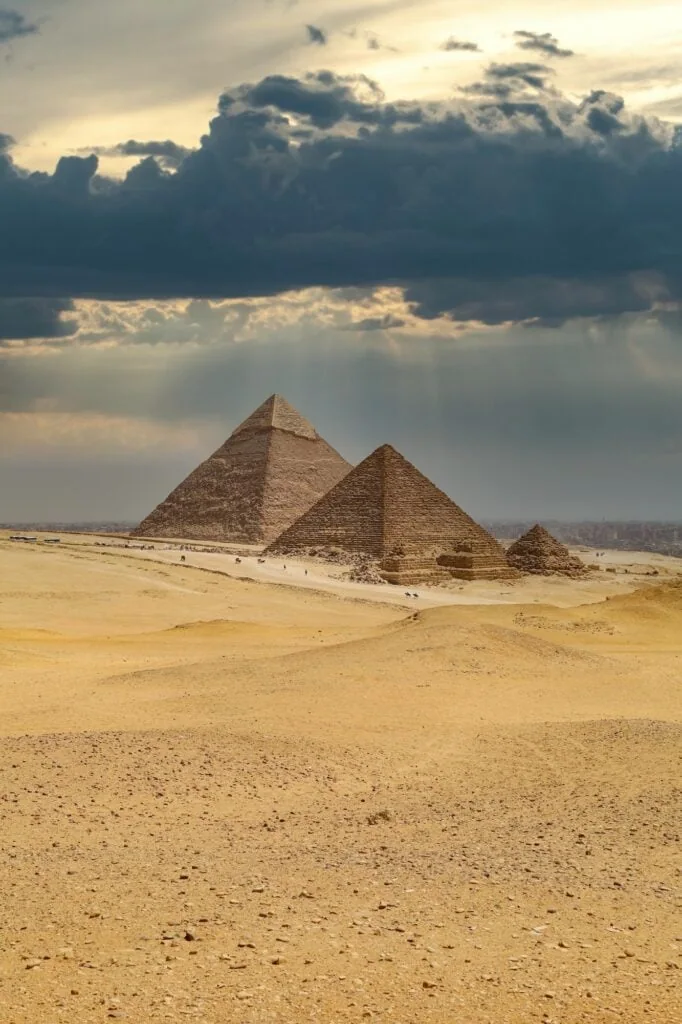
The improved weather transforms pyramid visits from endurance tests into genuine adventures. Walking around the Great Pyramid of Giza becomes comfortable rather than challenging, and you can easily spend entire mornings exploring the complex. Our private guides recommend October visits specifically because clients can appreciate architectural details and take their time photographing these ancient wonders.
Valley of the Kings opens up new possibilities in October. Summer heat often forces rushed visits, but October allows thorough exploration of multiple tombs. The famous tomb of Tutankhamun and other royal burials become more accessible when you’re not battling extreme temperatures.
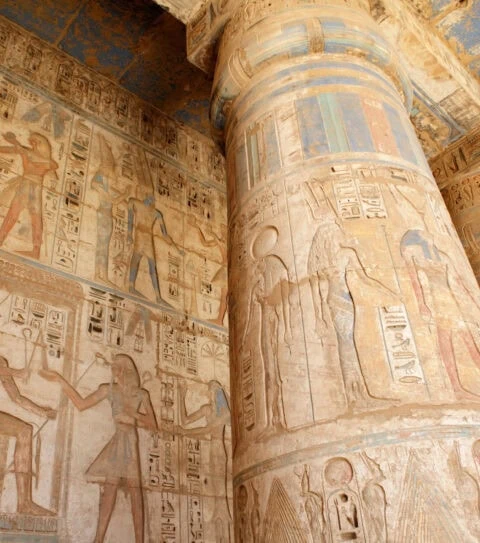
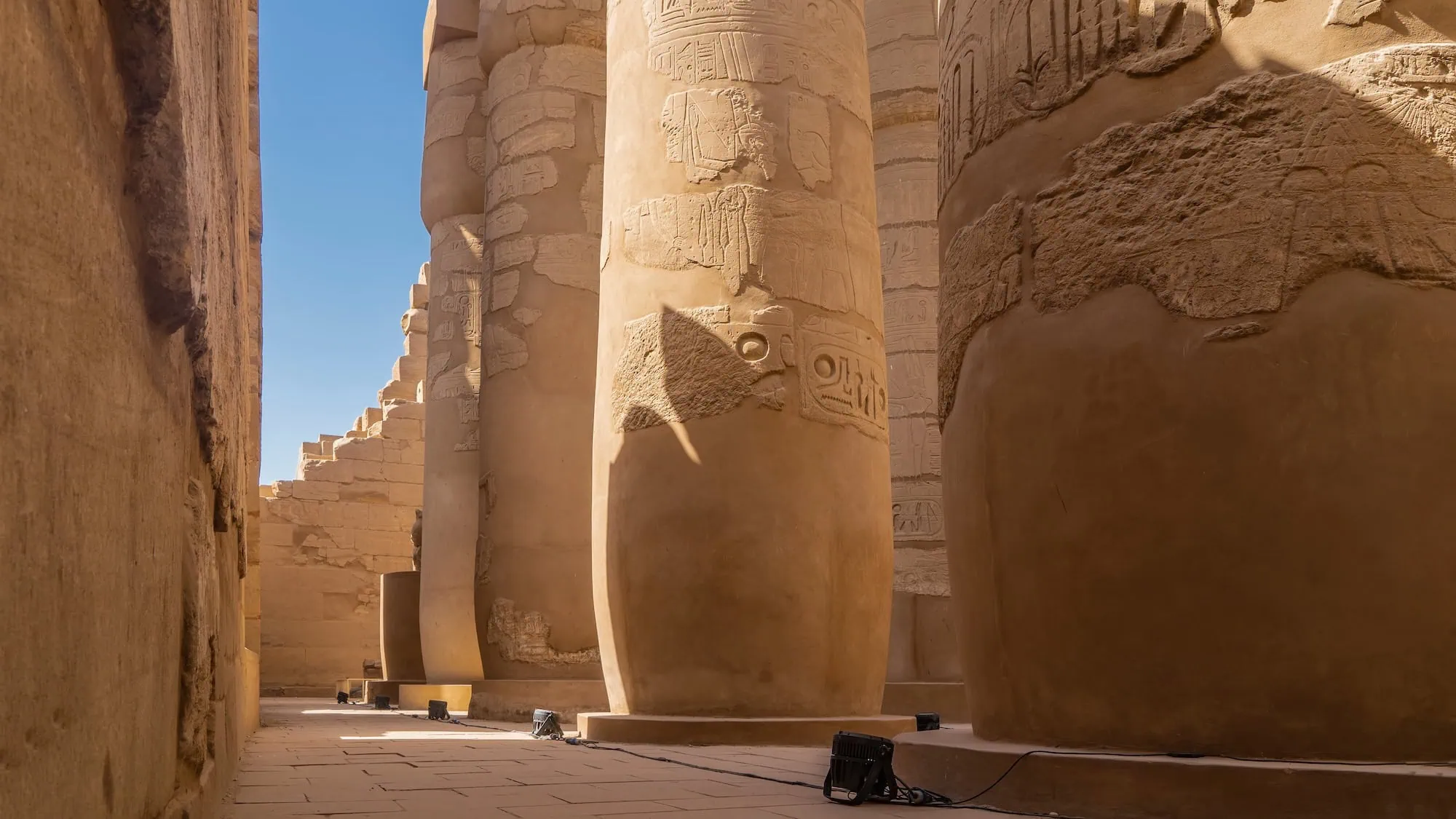
Karnak Temple in Luxor showcases its grandeur more effectively in October’s pleasant weather. The massive complex requires considerable walking, and cooler temperatures allow visitors to appreciate the intricate hieroglyphics and architectural achievements without heat-induced fatigue.
Nile River Experiences
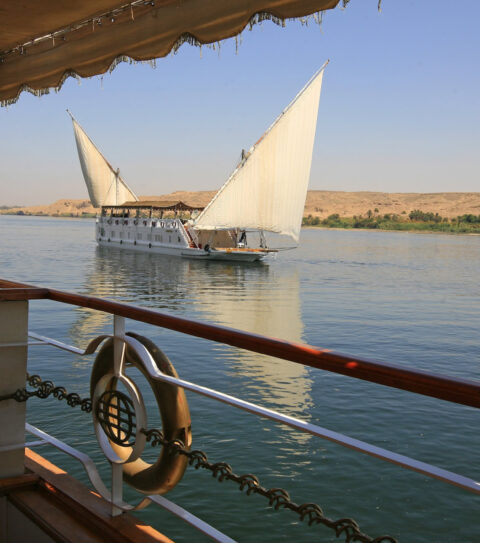
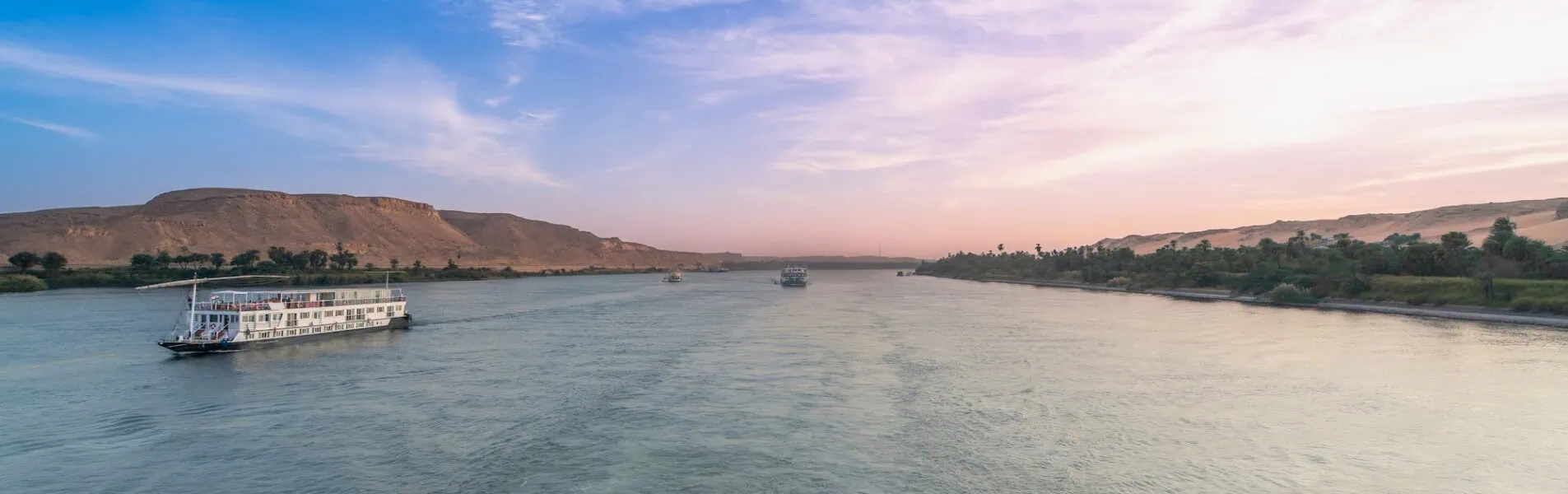
October marks an ideal time for Nile cruises between Luxor and Aswan. River temperatures remain warm enough for swimming, while deck activities become enjoyable rather than overwhelming. Our cruise guests often spend hours on sun decks watching traditional felucca boats sail past ancient temples.
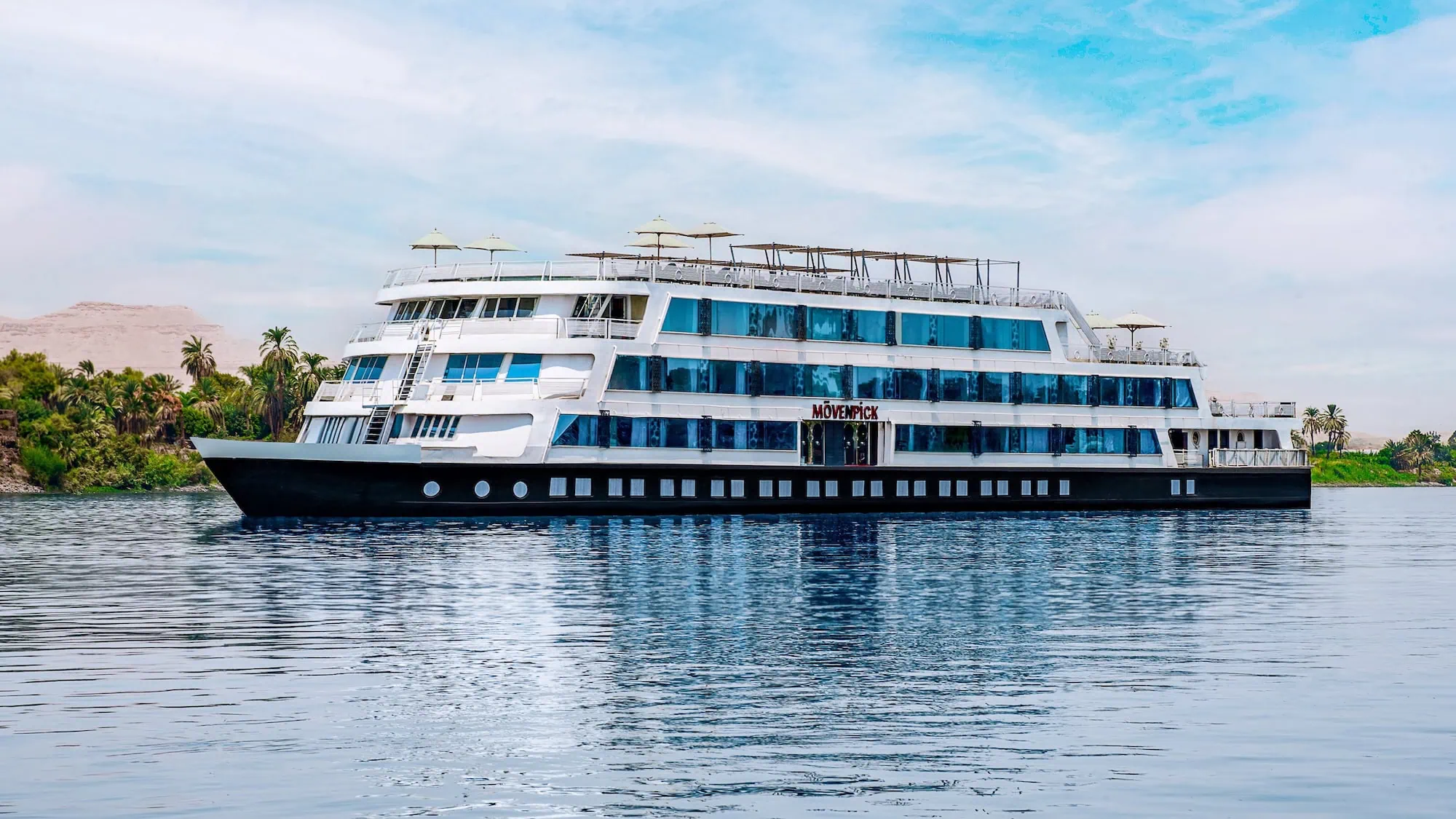
Small group shore excursions, typically limited to 12 participants on our multi-day cruises, benefit enormously from October’s moderate climate. Temple visits at Kom Ombo and Edfu become immersive experiences rather than quick stops to escape heat.
Evening dinner cruises in Cairo gain special appeal during October. The Nile’s ambiance combines perfectly with comfortable temperatures for outdoor dining and entertainment.
Desert Adventures
Western Desert expeditions become feasible again in October after summer’s prohibitive heat. White Desert camping experiences, Siwa Oasis visits, and Sahara adventures all benefit from October’s moderate daytime temperatures and pleasantly cool evenings.
Camel riding near the pyramids transforms from a brief tourist activity into a genuine cultural experience. October allows longer rides into the desert without health concerns related to extreme heat exposure.
Practical Travel Considerations
October travel requires specific preparations to maximize comfort and enjoyment throughout your Egyptian adventure.
Your clothing strategy should focus on layering for temperature variations between day and evening. Lightweight, breathable fabrics work best for daytime exploration, while light sweaters or jackets become necessary for evening activities. Cairo and Alexandria can experience 10°C (18°F) temperature drops after sunset.
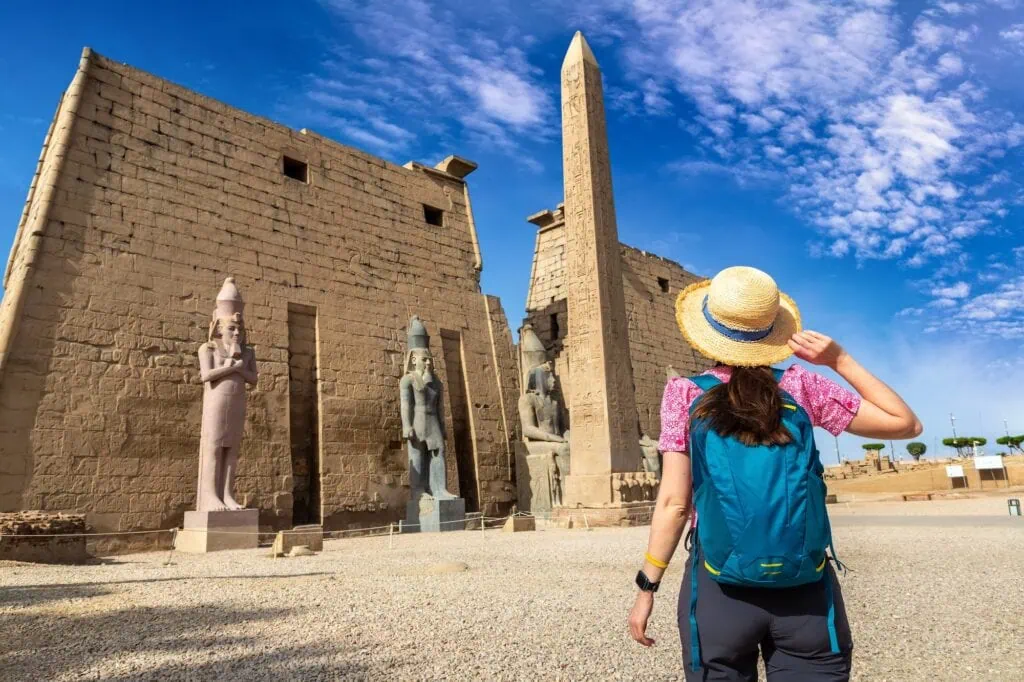
Sunscreen remains essential despite cooler temperatures. Egypt’s clear skies and intense sun create significant UV exposure, particularly around reflective surfaces like the Nile River and limestone monuments. We always recommend SPF 30 or higher for all outdoor activities.
Hydration needs decrease from summer requirements but remain important for comfort and health. Our guides typically recommend 2-3 liters of water daily for active sightseeing, significantly less than the 4-5 liters needed during peak summer months.
Photography conditions improve dramatically in October. Softer light creates better contrast for pyramid photography, while reduced heat haze allows clearer shots of distant monuments. Early morning and late afternoon lighting becomes particularly spectacular for capturing Egypt’s iconic landscapes.
October also offers excellent conditions for our 24/7 customer support to assist with any needs. Comfortable weather means fewer heat-related concerns and more focus on cultural experiences and historical exploration.
Comparing October to Other Months
October stands out when evaluated against Egypt’s other travel seasons, offering unique advantages that experienced travelers often prefer.
Peak winter months from December to February provide the coolest temperatures but bring significantly higher prices and larger crowds. Hotel rates can increase 40-60% above October levels, and popular attractions become uncomfortably crowded. Our guides often struggle to provide personalized attention when dealing with winter’s tour group congestion.
November shares many of October’s advantages with slightly cooler temperatures, making it another excellent choice. However, November marks the beginning of peak season pricing increases, and availability becomes more limited for premium accommodations and Nile cruise cabins.
Spring months of March and April offer pleasant weather but lack October’s post-summer freshness. Dust storms become more common during spring, potentially affecting visibility and comfort for outdoor activities.
Summer months from May through September present serious challenges for most visitors. Temperatures regularly exceed 40°C (104°F) in Upper Egypt, making midday sightseeing dangerous rather than enjoyable. Our summer guests typically require modified itineraries with earlier starts and longer midday breaks.
Regional Variations Across Egypt
Egypt’s diverse geography creates distinct microclimates that influence your October travel experience differently depending on your chosen destinations.
Northern Egypt and Mediterranean Coast
Alexandria and the Mediterranean coast experience October as one of their most pleasant months. Sea temperatures remain warm from summer heating, typically around 24°C (75°F), perfect for swimming and water sports. The Mediterranean influence moderates both daytime heat and nighttime cooling, creating consistently comfortable conditions.

Cairo benefits from October’s moderate temperatures while avoiding the coastal humidity that can make Alexandria feel sticky during summer months. The capital’s inland location means clearer temperature distinctions between day and night, making evening activities particularly enjoyable.
Central Egypt and the Nile Valley
The Nile Valley region, including cities like Minya and Beni Suef, experiences October as a transitional period with gradually improving conditions. These areas often receive less tourist attention but offer authentic cultural experiences in comfortable weather conditions.
Southern Egypt – Luxor and Aswan
Luxor and Aswan in Upper Egypt showcase October’s benefits most dramatically. Summer temperatures in these regions can become literally dangerous for outdoor activities, but October brings them down to merely warm rather than oppressive levels. Our Luxor-based guides consistently report that October clients have more energy and enthusiasm for exploring ancient sites.
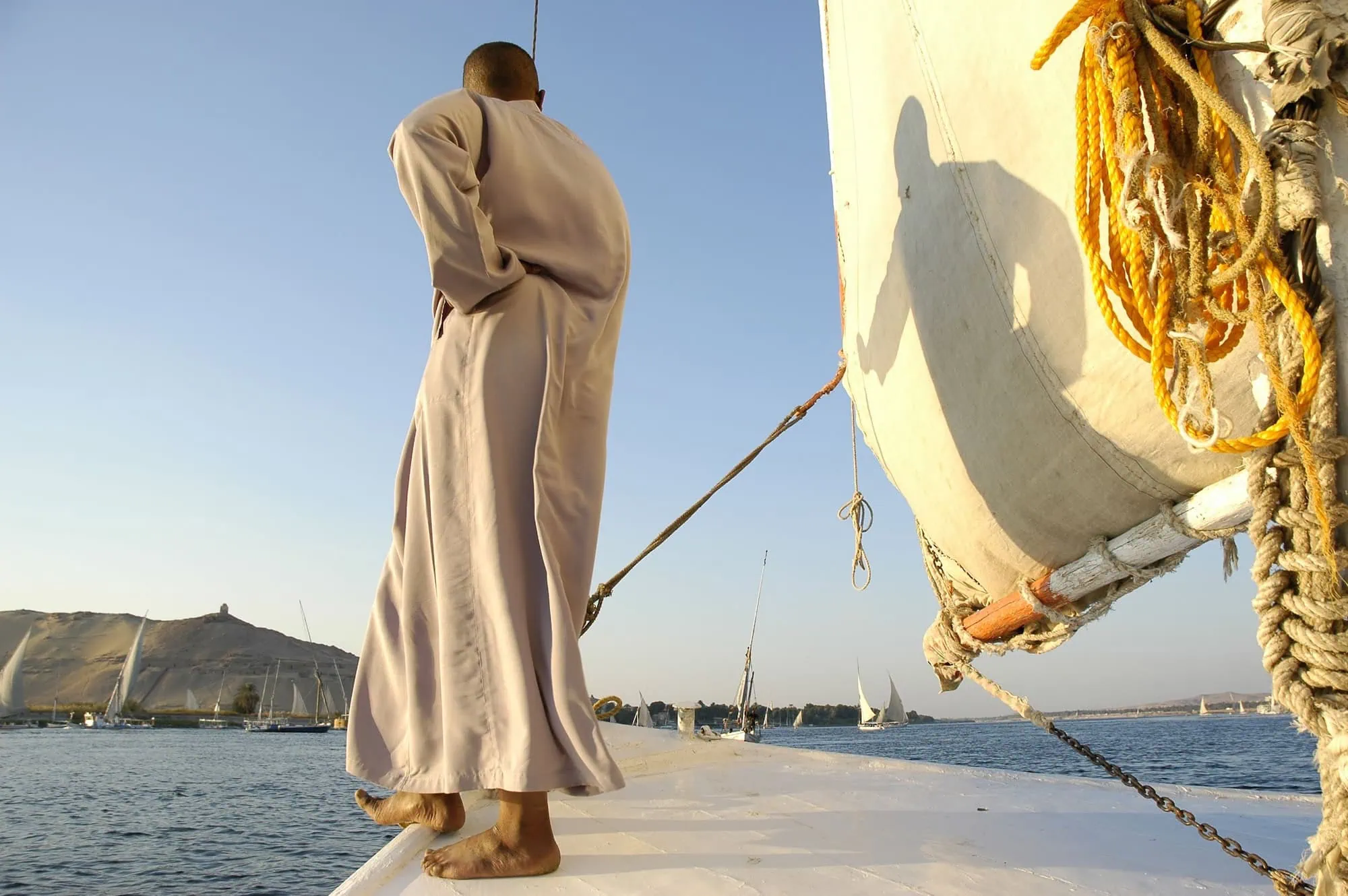
Aswan’s proximity to the Sudanese border means it typically stays warmer longer, but October marks the beginning of truly comfortable conditions for exploring Philae Temple, the High Dam, and taking felucca rides around Elephantine Island.
Red Sea Coastal Areas
Hurghada and Sharm El Sheikh maintain excellent diving and snorkeling conditions throughout October. Water visibility often peaks during this period as summer’s heat-induced algae blooms subside. Resort activities become more enjoyable as poolside temperatures moderate from summer extremes.
The Red Sea’s unique ecosystem offers some of October’s best underwater experiences, with marine life remaining active while water temperatures stay comfortable for extended diving sessions.
Frequently Asked Questions
Temperatures begin cooling noticeably in late September, and October marks the first month when much of Egypt becomes comfortable for extended sightseeing again. In Cairo, daytime highs typically fall into the upper 20s°C (low 80s°F), while Luxor and Aswan become far more manageable than the 40°C+ (104°F+) temperatures common in summer. This seasonal shift is why October is widely considered the start of Egypt’s prime travel season for cultural and archaeological tours.
Pack lightweight clothing for warm daytime temperatures, along with a light sweater or jacket for cooler evenings and early mornings. October temperatures often range from 20°C to 33°C (68°F to 91°F) depending on the region, so layers work best. Comfortable walking shoes are essential for sites such as the Giza Pyramids, Karnak Temple, and Abu Simbel. Sunscreen, sunglasses, and a wide-brimmed hat remain important because UV levels stay high throughout October.
October is considered a shoulder-season month, with moderate visitor numbers and noticeably fewer crowds than peak winter months. Tourist activity increases significantly compared to summer because temperatures become more comfortable across Cairo, Luxor, and Aswan. However, attractions are generally less congested than in December, January, and February, when international tourism reaches its annual peak. October often offers a favorable balance between pleasant weather, availability, and manageable crowd levels.
Yes, October is one of the best months for swimming in the Red Sea, with water temperatures averaging around 26°C (79°F). Destinations such as Hurghada, Marsa Alam, and Sharm El Sheikh enjoy warm sea conditions ideal for snorkeling, diving, and beach vacations. Visibility for divers is often excellent, and air temperatures remain warm without reaching the extreme levels of midsummer. October combines comfortable water temperatures with more pleasant conditions on land.
Luxor typically experiences daytime temperatures between 25°C and 33°C (77°F to 91°F) during October, making it substantially cooler than the peak summer season. The city remains warm, but the intense heat that often exceeds 40°C (104°F) in July and August has largely passed. This makes visits to Karnak Temple, Luxor Temple, and the Valley of the Kings far more comfortable. Early morning sightseeing is still recommended for the most pleasant conditions.
Malaria risk in Egypt is considered extremely low, and routine malaria medication is not typically recommended for most travelers. However, visitors should consult their physician or travel health clinic before departure regarding recommended vaccinations such as hepatitis A and routine immunizations. Basic precautions, including drinking bottled water, practicing good hygiene, and carrying any necessary medications, remain important. Health requirements can vary based on personal medical history and recent travel destinations.
The best time to visit the Pyramids of Giza in October is around 8:00 am or after 4:00 pm when temperatures are cooler and lighting conditions are ideal. Morning visits typically offer fewer crowds and softer sunlight for photography, while late afternoon provides dramatic views across the Giza Plateau. Midday temperatures can still feel warm, especially in open desert areas. Arriving early also allows visitors to explore before larger tour groups arrive.
October is one of the best months for a Nile cruise because it combines warm days, comfortable evenings, and relatively moderate tourist numbers. Cruises between Luxor and Aswan benefit from temperatures that are pleasant enough for deck activities and guided temple visits without the extreme summer heat. Major sites such as Edfu, Kom Ombo, and Philae can be explored more comfortably. Many travelers consider October the unofficial beginning of the premium Nile cruise season.
Most travelers should plan at least 7 to 10 days in Egypt during October to comfortably experience the country’s major highlights. This timeframe allows time for Cairo, the Giza Pyramids, Luxor, Aswan, and often a Nile cruise without feeling rushed. October’s pleasant weather supports longer sightseeing days and easier travel between destinations. Travelers seeking a more comprehensive itinerary that includes the Red Sea or Abu Simbel often benefit from 12 to 14 days.
Most Egyptian attractions maintain their standard operating schedules in October, but the cooler weather often allows visitors to stay longer and explore more comfortably. Sites such as the Egyptian Museum, Karnak Temple, and the Giza Pyramids generally operate according to their normal seasonal hours. Because temperatures are less intense than summer, travelers can spend more time outdoors without requiring lengthy midday breaks. Always verify specific opening times before visiting major attractions.
Yes, October is an excellent month for desert tours because it marks the return of comfortable conditions after Egypt’s intense summer heat. Destinations such as Siwa Oasis, the White Desert, and the Black Desert become far more accessible as daytime temperatures moderate and evenings cool down. Camping, stargazing, and off-road excursions are significantly more enjoyable than during June through August. October is often considered the beginning of the Western Desert’s prime exploration season.
UV levels in Egypt remain high throughout October despite the cooler temperatures, so sun protection is still essential. Many regions regularly experience UV indexes in the high to very high range during midday hours, particularly in Upper Egypt and desert areas. Visitors should apply broad-spectrum sunscreen, wear hats and sunglasses, and seek shade during the strongest sunlight between approximately 11:00 am and 3:00 pm. Cooler weather does not reduce the risk of sun exposure.
Explore our most popular guides and expert tips to make your trip safe, smooth, and unforgettable.
Plan Your Egypt Adventure with Confidence
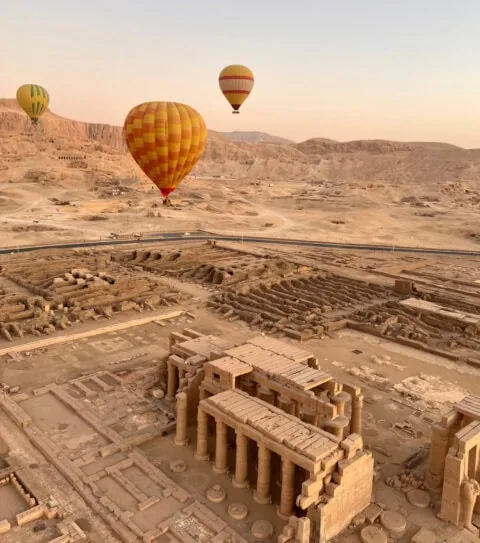
How to Plan a Trip Egypt
Step-by-step guide to help you plan the perfect Egypt trip — from routes and budget to booking.
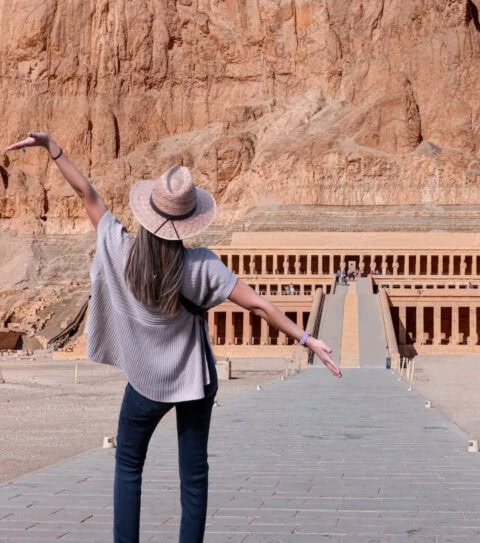
Best Time to Visit Egypt
Learn the best months to visit Egypt based on weather, crowds, and local travel experiences.
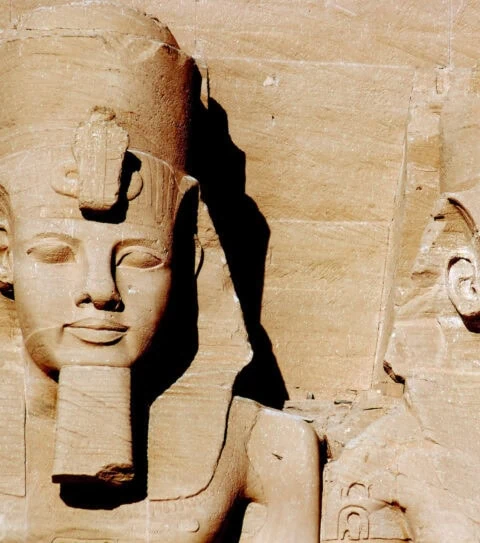
Must Visit Places in Egypt
Explore Egypt’s top sights — from pyramids to temples — and hidden gems worth seeing.
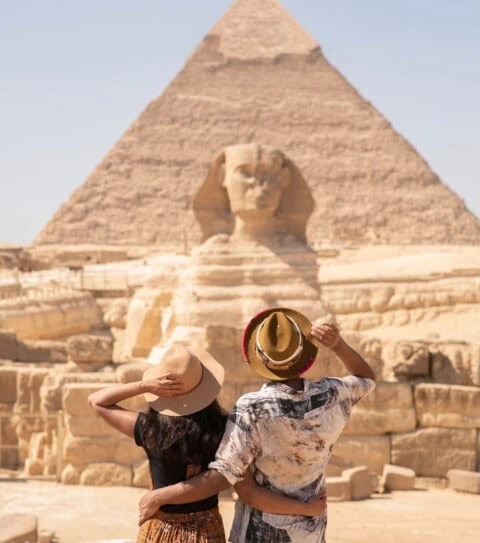
Top-Rated Egypt Tours
Handpicked private tours with local guides — our most loved and best-reviewed experiences.
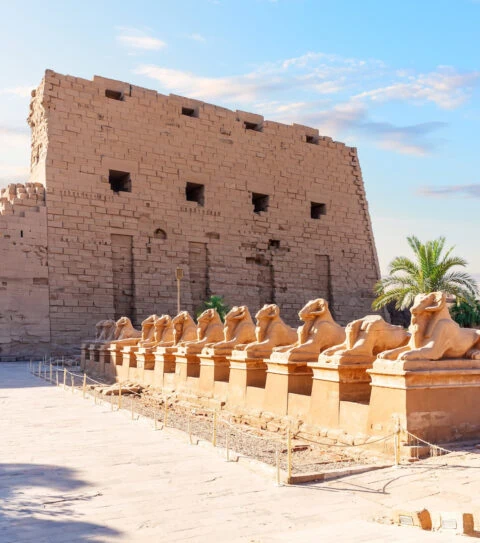
How Many Days to Visit Egypt?
Find out how many days you need in Egypt — from quick trips to full itineraries.

Egypt Visa Requirements
Check if you need a visa and get simple, up-to-date entry info based on your nationality.

Is it Safe to Travel to Egypt?
Is Egypt safe? Get honest safety tips, area advice, and what to know before you travel.

What to Pack for Egypt
A quick packing guide with essentials, cultural tips, and clothing advice for your Egypt trip.
Design Your Custom Tour
Explore Egypt your way by selecting only the attractions you want to visit