Is it Safe to Travel to Alexandria, Egypt? Alexandria Safety Guide for Travelers
Alexandria feels surprisingly secure compared to its chaotic neighbor Cairo. Most travelers worry unnecessarily about safety in Alexandria, Egypt’s second-largest city and Mediterranean coastal gem.
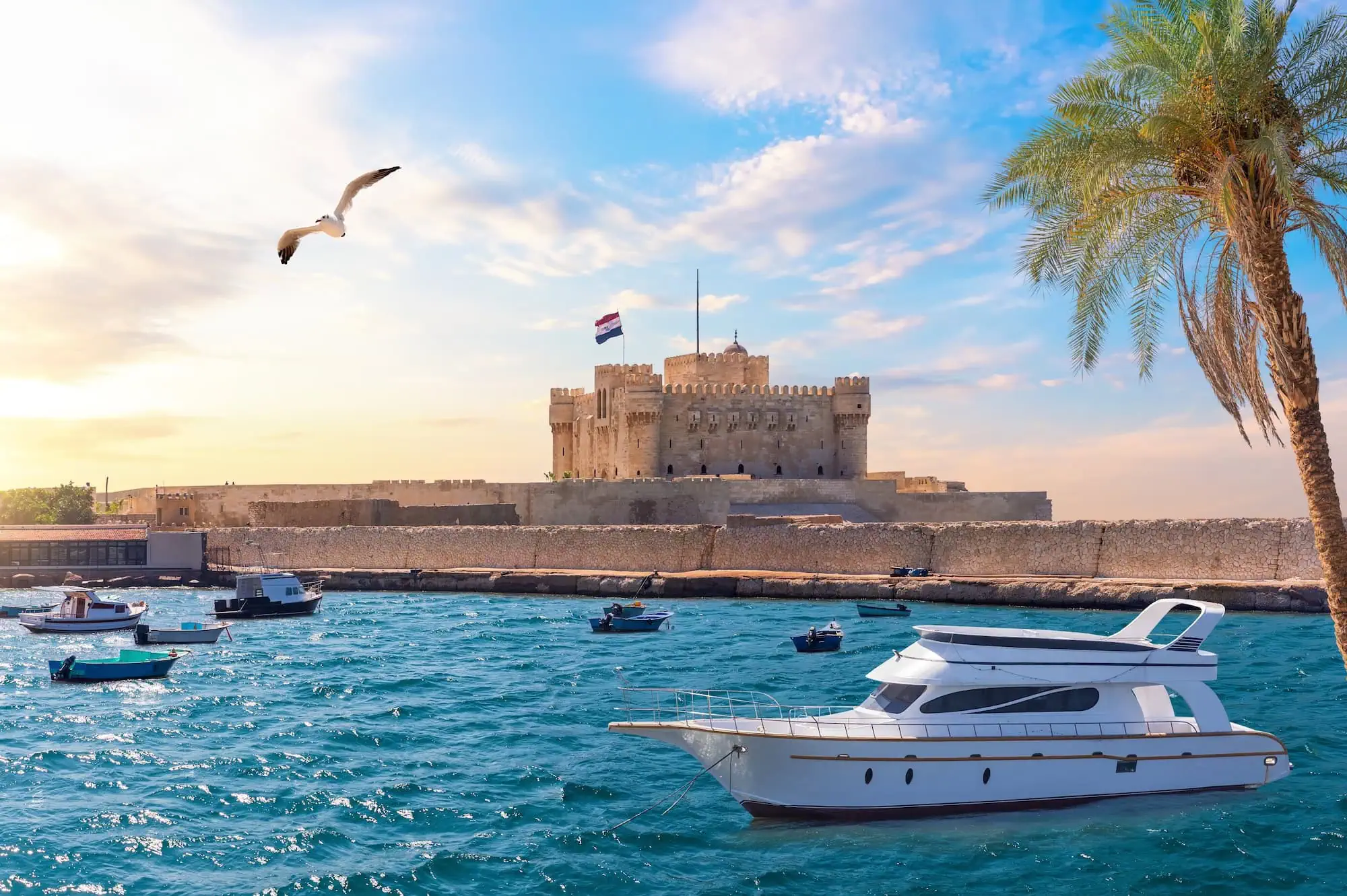
While Egypt faces genuine security challenges in certain regions, Alexandria maintains a relatively peaceful atmosphere that has welcomed millions of international visitors over recent decades. The city’s coastal location, strong tourist police presence, and well-developed infrastructure create conditions that favor safe travel experiences. Understanding the real security picture helps you make informed decisions.
Table of Contents
Current Security Environment in Alexandria
Alexandria operates under Egypt’s broader security framework, but the coastal city presents fewer risks than many assume. The Egyptian government maintains heightened security measures following regional instability, yet these protections benefit rather than hinder travelers.
Official Government Travel Advisories
The US State Department currently rates Egypt at Level 3 (Reconsider Travel), while the UK Foreign Office and Australian Smartraveller issue similar “high degree of caution” advisories. These warnings primarily concern terrorism threats and civil unrest potential rather than Alexandria-specific dangers.
However, Alexandria receives notably fewer restrictions than other Egyptian regions. The problematic areas lie elsewhere – North Sinai Peninsula faces “Do Not Travel” advisories, while Western Desert border zones present genuine security concerns.

Terrorism Risk Assessment
Terrorist groups maintain presence in Egypt, particularly in Sinai regions far from Alexandria. Recent incidents have targeted tourist sites, churches, and security forces across the country. Alexandria’s coastal position and substantial security infrastructure provide some protection, though visitors should remain alert near crowded areas and religious sites.
The threat level fluctuates with regional political developments. Gaza conflicts and Middle Eastern tensions can temporarily increase risks, making it essential to monitor current conditions before traveling.
Crime and Personal Safety Statistics
Alexandria experiences moderate crime levels typical of major urban centers. Petty theft, pickpocketing, and tourist-targeted scams occur regularly but rarely involve violence. Serious crimes against foreigners remain uncommon.
Sexual harassment presents a genuine concern, especially for female travelers. Egyptian authorities acknowledge this problem and have increased tourist police patrols in response. Many women report successful visits when taking appropriate precautions.
Practical Safety Considerations for Travelers
Street-level safety in Alexandria depends largely on preparation and awareness rather than luck.
Transportation Security
Public transportation in Alexandria ranges from reliable to challenging. The city’s tram system, while historic and charming, lacks modern safety features. Private taxis and ride-hailing services offer better security, though agreeing on fares beforehand prevents disputes.
We recommend pre-arranged airport transfers through established tour operators for arriving visitors. This eliminates common arrival scams and ensures safe passage to accommodations. Our drivers maintain direct communication with our support team throughout transfers. Tourist buses traveling between Alexandria and other Egyptian destinations face occasional harassment or delays at checkpoints.
Accommodation Safety Standards
Alexandria’s established hotels implement reasonable security measures including bag screening and metal detectors. International hotel chains maintain higher security standards than local establishments, though many Egyptian-owned properties also provide adequate protection. Budget accommodations may lack comprehensive security features.
Tourist Police Support
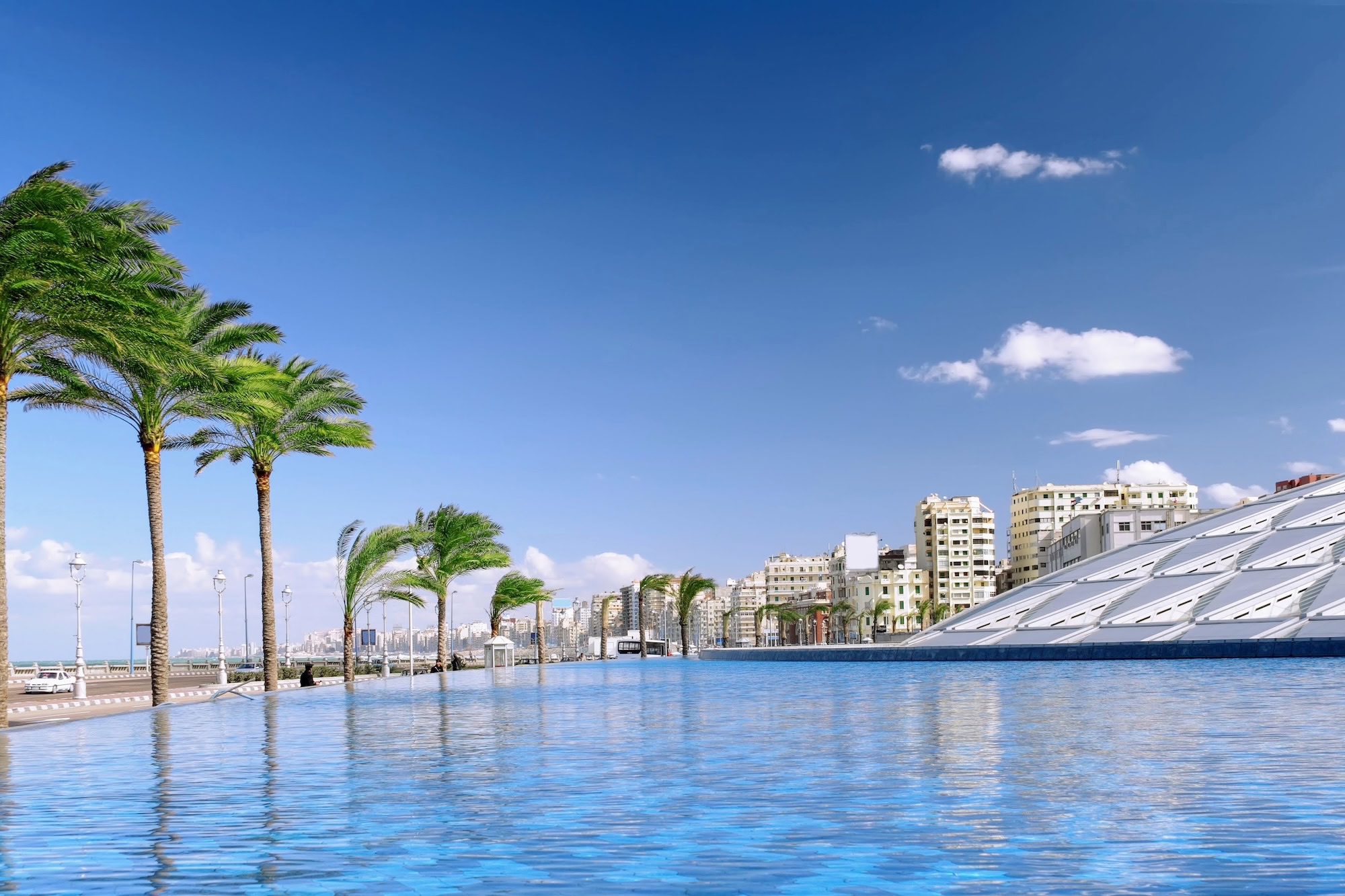
Egyptian tourist police maintain visible presence throughout Alexandria’s main attractions. These specially trained officers speak basic English and assist foreign visitors with various issues. They can provide immediate help during emergencies or disputes with local vendors. Tourist police stations operate near major sites including the Citadel of Qaitbay, waterfront areas and Alexandria Library.
Gender-Specific Safety Guidelines
Female travelers face unique challenges requiring specific preparation strategies.
Women Traveling Solo
Solo female travelers can visit Alexandria successfully with proper planning. Conservative dress covering shoulders, arms, and legs below the knee reduces unwanted attention significantly. Loose-fitting clothing works better than form-fitting alternatives. Harassment incidents decrease dramatically when women travel with male companions or in mixed groups.
Cultural Sensitivity
Alexandria’s Mediterranean character creates a more relaxed atmosphere than Upper Egypt, but Islamic cultural norms still apply. Beachwear remains appropriate only at designated resort areas and private beaches. Ramadan periods require extra cultural sensitivity. Religious sites enforce strict dress codes including head coverings for women.
Evening Safety
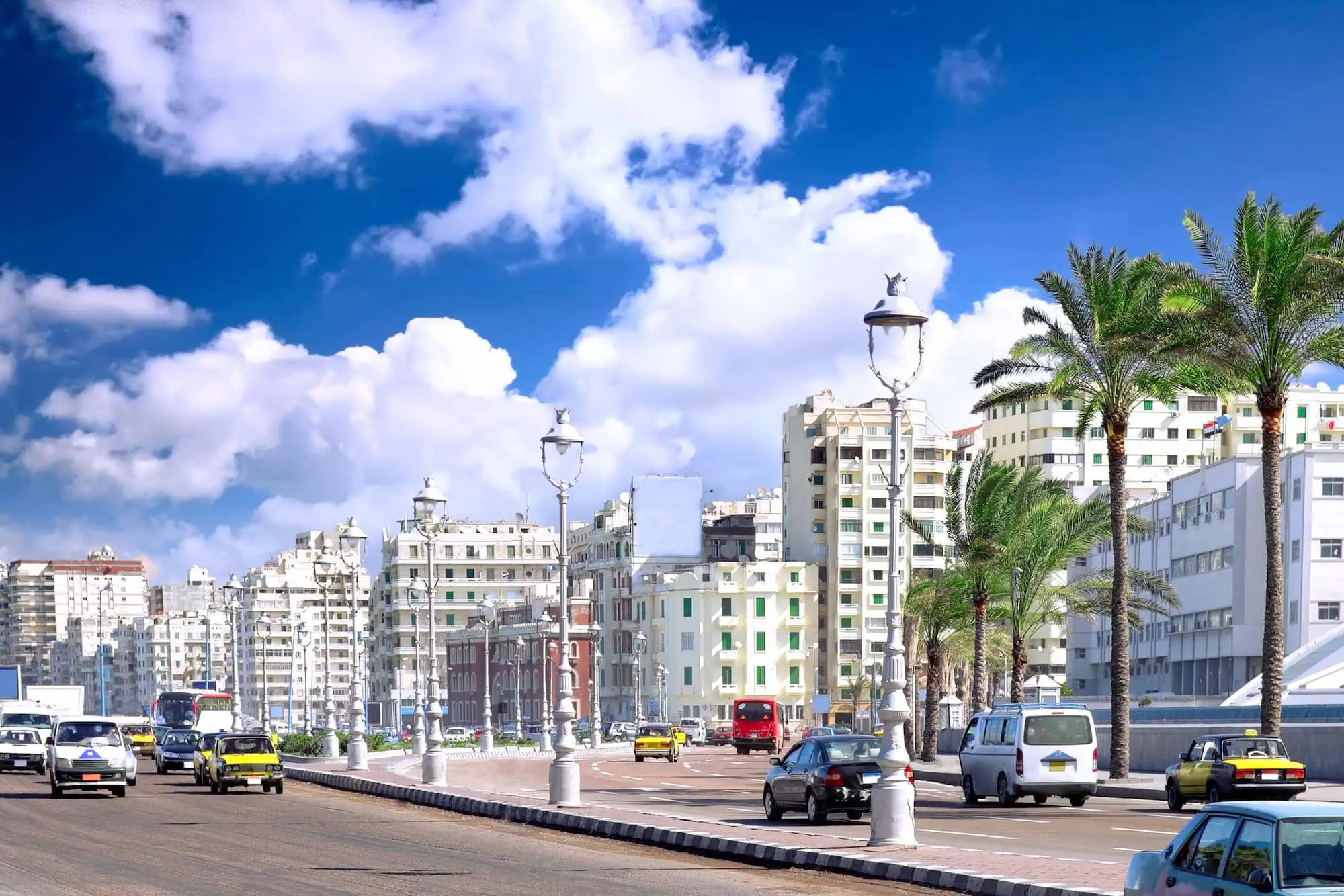
Alexandria’s nightlife centers around upscale hotels and established restaurants rather than street-level entertainment districts. Women should avoid walking alone after dark, particularly in less touristic neighborhoods. The Corniche waterfront area remains relatively safe during evening hours with good lighting and police presence.
Regional Differences and Considerations
Alexandria’s location provides natural advantages over inland Egyptian destinations while creating specific considerations for visitors. Mediterranean coastal areas including Alexandria benefit from established tourist infrastructure and international attention that helps maintain security standards.
Weather conditions rarely threaten visitor safety, though summer heat can reach dangerous levels for unprepared travelers. Winter storms occasionally affect ferry services to nearby destinations but rarely impact land-based activities. Alexandria’s proximity to the Libyan border raises occasional security concerns, though this mainly affects Western Desert regions.
Comparison with Other Destinations
Cairo presents higher security challenges due to its massive size, poverty contrasts, and political significance. Alexandria feels notably more relaxed and manageable for first-time Egypt visitors. Red Sea resort areas like Hurghada and Sharm El Sheikh maintain different security profiles focused on protecting tourist enclaves.
Health and Medical Safety
Healthcare availability significantly impacts travel safety assessments beyond security concerns alone. Alexandria houses several hospitals capable of treating foreign patients, including the Alexandria University Medical Center and German Hospital.
Prescription medications should be brought in sufficient quantities with proper documentation. Water safety requires attention throughout Egypt. Bottled water costs little and prevents common digestive issues. Food safety risks exist particularly with street vendors and smaller establishments.
Making Alexandria Work
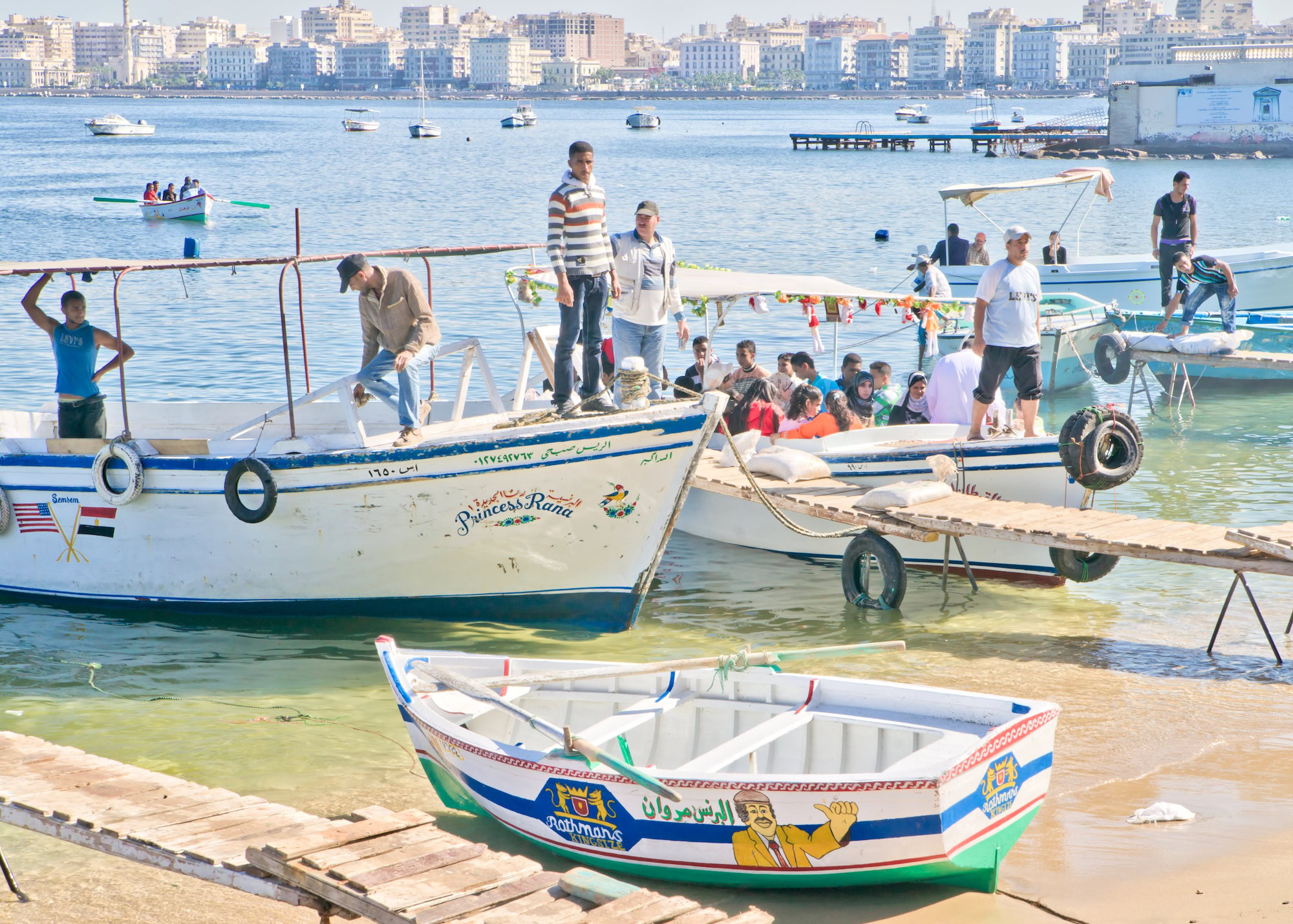
Different travel approaches require adjusted safety strategies while maintaining the freedom to explore authentically. Independent travelers benefit from thorough preparation including downloaded offline maps, emergency contact numbers, and basic Arabic phrases.
Group tours provide built-in security through professional guides familiar with current conditions and local customs. Family travelers should prepare children for cultural differences and security procedures including bag checks at attractions.
Budget Considerations
Safety-conscious travel requires reasonable financial preparation beyond basic trip costs. Quality accommodations, reliable transportation, and reputable tour services cost more than budget alternatives but provide significant security benefits. Travel insurance, emergency cash reserves, and communication tools represent essential safety investments.
Essential Safety Resources
Embassy assistance remains available during serious emergencies, though consular services cannot solve routine travel problems. US Embassy Cairo maintains responsibility for American citizens throughout Egypt including Alexandria. European visitors should register with their respective embassies before traveling.
Emergency numbers in Egypt include 122 for police, 123 for ambulances, and 180 for fire services. Tourist police operate dedicated hotlines in major destinations though response capabilities vary significantly.
Frequently Asked Questions
Yes, Alexandria is generally considered more relaxed and easier to navigate than Cairo, with a slower pace, lower population density, and fewer reports of petty crime affecting tourists. Egypt’s second-largest city has roughly 5 million residents compared to the Greater Cairo area’s more than 20 million, which naturally reduces congestion and crowd-related stress. Visitors often find the Corniche, Bibliotheca Alexandrina, and historic districts easier to explore on foot. Standard travel precautions still apply.
Female travelers may experience occasional unwanted attention in Alexandria, but most visits are trouble-free when travelers exercise normal cultural awareness. Modest clothing, confidence, and avoiding isolated areas after dark can significantly reduce unwanted interactions. Alexandria is generally viewed as more relaxed than larger metropolitan areas, particularly in tourist zones along the Corniche and around major attractions. Solo female travelers regularly visit the city successfully and safely.
The risk of terrorism exists in Egypt, but Alexandria has experienced relatively few incidents in recent years compared with higher-risk regions. Security measures are visible at major tourist attractions, transportation hubs, hotels, and religious sites throughout the city. Alexandria’s role as a Mediterranean coastal destination contributes to strong security oversight. Travelers should remain informed through official travel advisories but should understand that millions of domestic and international visitors travel safely in Egypt each year.
Hiring a professional guide is not required for safety, but it can make exploring Alexandria significantly easier and more efficient. Licensed guides help visitors navigate cultural norms, transportation logistics, and language barriers while providing historical context at sites such as the Catacombs of Kom El Shoqafa and the Bibliotheca Alexandrina. A knowledgeable local guide can also help visitors avoid common tourist scams and maximize limited sightseeing time.
Tourists should avoid poorly lit or isolated areas after dark, particularly locations far from the Corniche, major hotels, and established tourist districts. Most visitors spend their time in well-trafficked areas such as the waterfront, Montaza, downtown Alexandria, and the city’s historic attractions. Like any large urban destination, unfamiliar residential neighborhoods can be harder to navigate without local knowledge. Staying in central areas generally provides the safest and most convenient experience.
Alexandria’s public transportation system is widely used by locals, but many visitors find private taxis, ride-hailing apps, or pre-arranged transfers more convenient and predictable. The city’s tram network is one of the oldest in the world, but routes can be confusing for first-time travelers. Private transportation reduces language barriers and minimizes navigation challenges. For airport transfers and evening travel, pre-booked transportation is often the most comfortable option.
The most effective response to persistent vendors is a polite but firm “no thank you” followed by continuing to walk without prolonged engagement. Most vendors lose interest quickly when they realize a traveler is not interested in buying. Avoid accepting unsolicited services, gifts, or invitations that may later lead to requests for payment. Confidence and clear boundaries are usually more effective than confrontation when dealing with minor tourist scams.
Many of Alexandria’s established beaches are safe for swimming when visitors use designated swimming zones and follow local safety instructions. Popular beaches near hotels and resort areas often have lifeguards, controlled access, and monitored conditions during peak season. Mediterranean Sea conditions can vary, particularly during periods of strong currents or rough weather. Always observe posted warnings and choose supervised beaches whenever possible.
If you feel unsafe in Alexandria, move immediately to a busy public location such as a hotel, restaurant, shopping area, or major tourist attraction. Tourist police, hotel staff, and reputable tour operators can assist with transportation or local support if needed. Egypt maintains a dedicated tourist police presence in major destinations. Keeping emergency contact numbers, hotel details, and copies of important documents readily accessible is a sensible precaution.
No destination is completely risk-free during political demonstrations, and visitors should avoid all protests or large political gatherings in Alexandria. Even peaceful events can change quickly and lead to road closures, transportation disruptions, or increased security activity. Foreign travelers are advised by most governments to stay away from demonstrations regardless of the cause. If you encounter a gathering unexpectedly, leave the area and follow local authority guidance.
Explore our most popular guides and expert tips to make your trip safe, smooth, and unforgettable.
Plan Your Egypt Adventure with Confidence
How to Plan a Trip Egypt
Step-by-step guide to help you plan the perfect Egypt trip — from routes and budget to booking.
Best Time to Visit Egypt
Learn the best months to visit Egypt based on weather, crowds, and local travel experiences.
Must Visit Places in Egypt
Explore Egypt’s top sights — from pyramids to temples — and hidden gems worth seeing.
Top-Rated Egypt Tours
Handpicked private tours with local guides — our most loved and best-reviewed experiences.
How Many Days to Visit Egypt?
Find out how many days you need in Egypt — from quick trips to full itineraries.
Egypt Visa Requirements
Check if you need a visa and get simple, up-to-date entry info based on your nationality.
Is it Safe to Travel to Egypt?
Is Egypt safe? Get honest safety tips, area advice, and what to know before you travel.
What to Pack for Egypt
A quick packing guide with essentials, cultural tips, and clothing advice for your Egypt trip.
Design Your Custom Tour
Explore Egypt your way by selecting only the attractions you want to visit