

Kharga Oasis – Egyptians, Romans, Traders and Slaves
Ancient crossroads await in Egypt’s largest desert sanctuary.
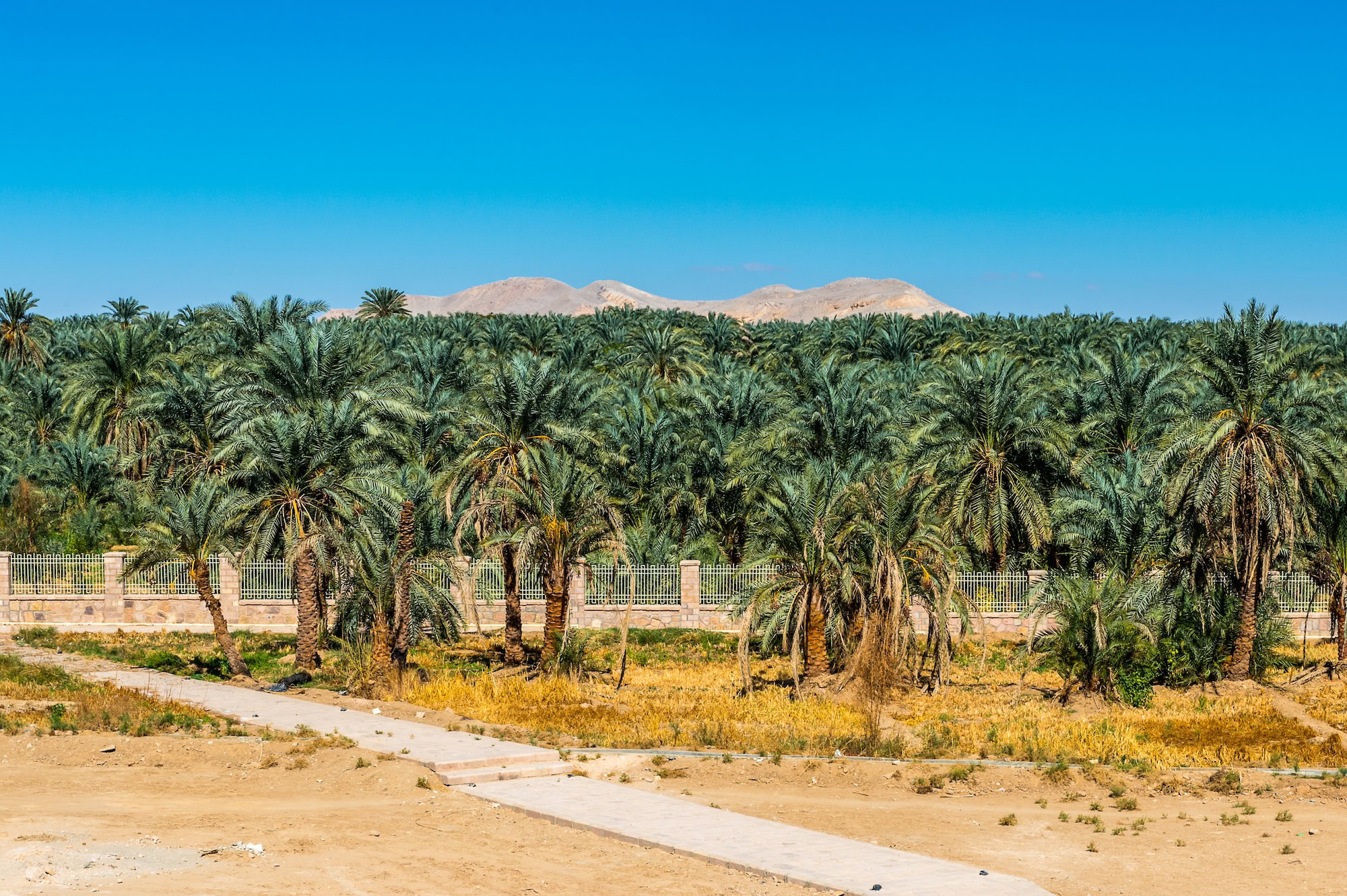
For centuries, the Darb El Arba’īn caravan route brought life to this remote outpost, connecting Sudan’s markets with Egypt’s heartland through forty grueling desert days. Today, Kharga Oasis stands as Egypt’s most accessible western oasis, offering travelers a rare glimpse into both pharaonic grandeur and early Christian heritage. The contrast between ancient temples rising from palm groves and modern amenities creates an experience unlike anywhere else in Egypt.
Our decades of expertise in Egypt’s hidden corners means we understand what makes Kharga special – and how to share it with discerning travelers seeking authentic desert experiences.
Table of Contents
Archaeological Treasures Beyond the Nile Valley
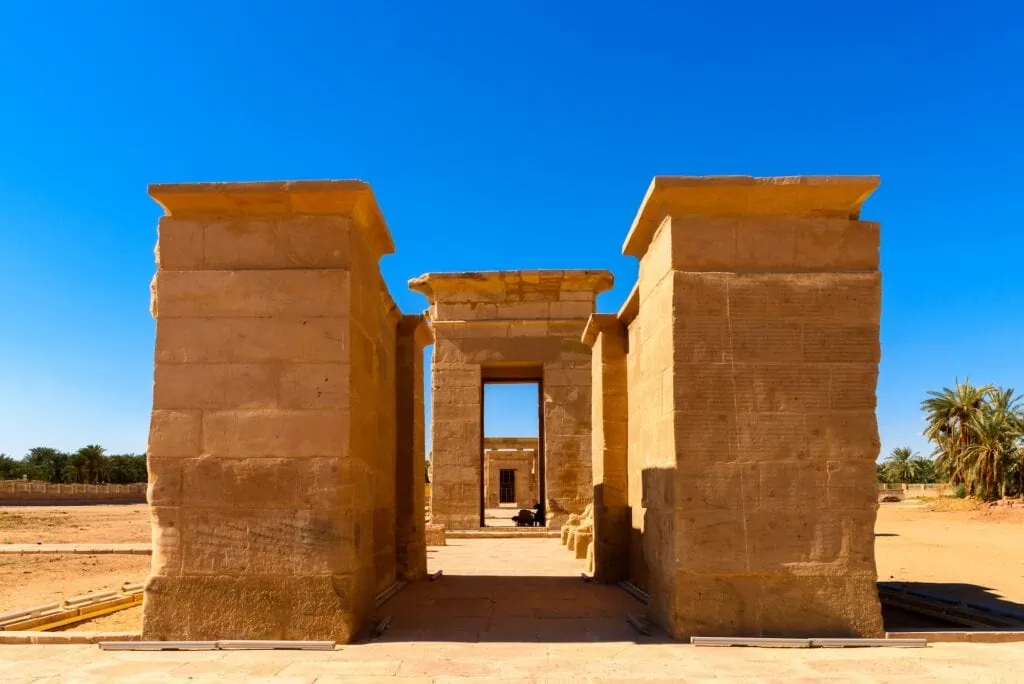
The Temple of Hibis emerges from date palms like a mirage made real. Built during the Persian Period in the 6th century BCE, this sandstone marvel dedicated to Amun-Re showcases intricate hieroglyphs that rival any monument in Luxor. The temple’s preservation owes much to the dry desert climate that has protected its colorful reliefs for over two millennia.
Persian Period Monuments
Hibis Temple represents one of Egypt’s finest examples of Persian-era construction. The complex includes a sacred lake, processional walkways, and chambers decorated with astronomical ceiling paintings. Unlike the crowded temples along the Nile, you can explore Hibis in peaceful solitude, examining details that tourist masses elsewhere obscure.
The nearby Roman fortress of Qasr el-Labeka demonstrates how successive civilizations valued this strategic location. Its massive walls once protected the vital water sources that made settlement possible in the Western Desert.
Early Christian Heritage at El Bagawat
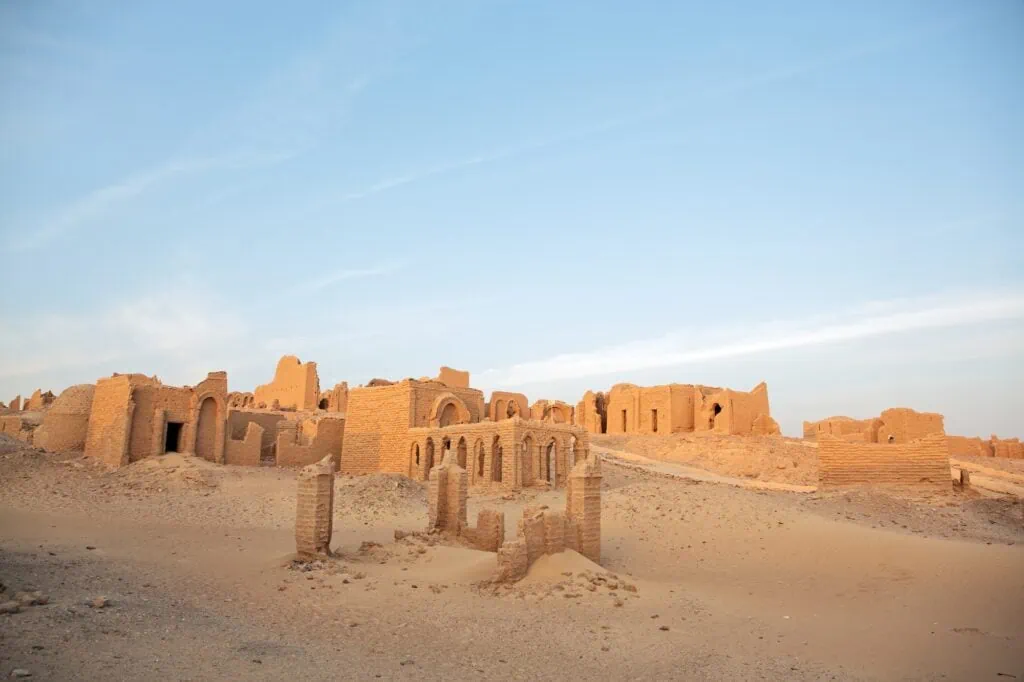
Five kilometers north of Kharga town lies Africa’s oldest Christian cemetery. El Bagawat necropolis contains over 260 mud-brick chapels, some adorned with remarkable 4th-century frescoes depicting biblical scenes. The Chapel of the Exodus showcases vivid paintings of Moses leading the Israelites, while the Chapel of Peace features intricate geometric patterns.
Walking among these ancient burial chambers reveals how Christianity flourished in Egypt’s remote corners. The cemetery served Christian communities for nearly 400 years, creating an artistic record of early Coptic civilization.
Hidden Desert Settlements
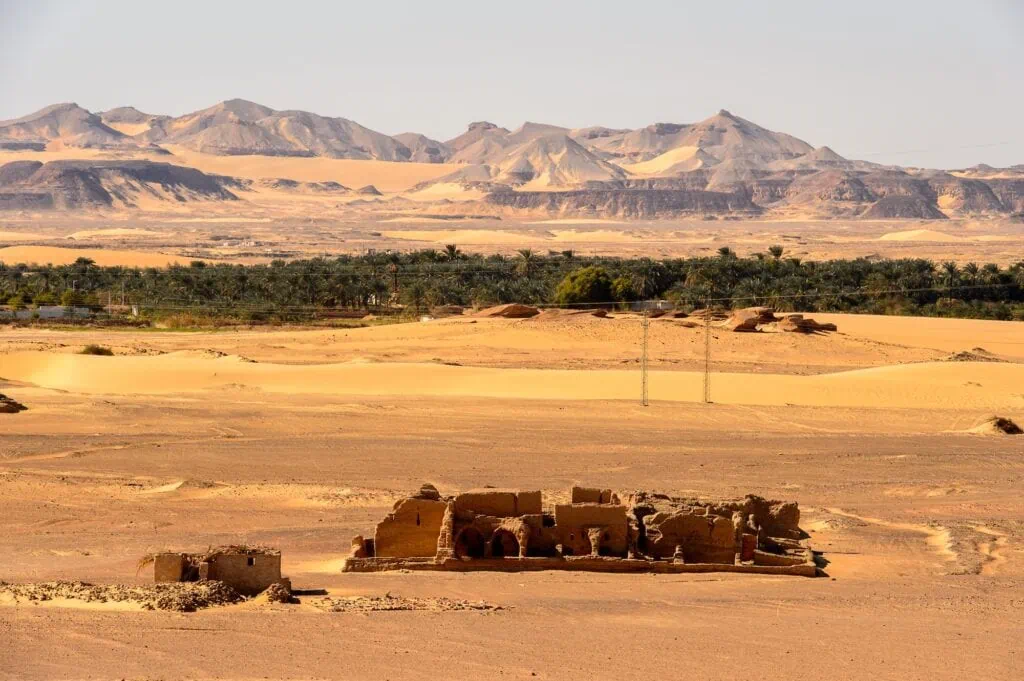
Ain Umm Dabadib, located 35 km (22 miles) north of Kharga, preserves one of Egypt’s most complete Roman-era settlements. This fortified town controlled water sources and protected trade routes during the height of imperial power. Stone foundations outline houses, workshops, and administrative buildings that supported several hundred residents.
Journey Through Egypt’s Western Desert Hub
The drive from Luxor to Kharga takes approximately four hours across landscapes that shift from Nile Valley green to vast desert expanses. Modern highways make this journey comfortable, though the remoteness adds anticipation to your arrival. The New Valley Governorate capital sits 232 km (144 miles) south of Cairo, making it accessible for travelers wanting to experience authentic oasis life.
Unlike Siwa Oasis near the Mediterranean coast, Kharga maintains stronger connections to Nile Valley culture while preserving its unique desert character. The town offers reliable accommodation, restaurants serving both traditional and international cuisine, and guides who understand the area’s complex history.
Climate and Best Travel Times
Kharga experiences typical desert conditions with scorching summers reaching 45°C (113°F) and mild winters averaging 20°C (68°F). October through March provides ideal weather for exploration, with comfortable daytime temperatures and cool evenings perfect for stargazing. Summer visits require early morning and late afternoon scheduling to avoid midday heat.
The dry climate that preserved ancient monuments also means minimal rainfall – typically less than 1mm annually. This consistent weather makes Kharga reliable for year-round travel, though winter months offer the most pleasant conditions for extensive site visits.
Modern Amenities in Ancient Settings
Kharga town blends traditional oasis life with modern conveniences. The Kharga Museum showcases artifacts from local archaeological sites, providing context before visiting temples and tombs. Several hotels offer comfortable accommodation, from budget guesthouses to mid-range properties with pools and restaurants.
Our carefully selected local partners ensure you experience both authentic culture and modern comfort. Private vehicles with air conditioning make desert travel pleasant, while expert guides share stories that bring ancient sites to life.
Traditional Life Among the Date Palms
Desert agriculture shapes daily rhythms in Kharga’s villages. Ancient irrigation channels called qanats still supply water from underground sources, supporting date palm groves that provide shade for smaller crops. This sustainable farming system has operated for over 2,000 years, creating the green oasis landscape that amazes first-time visitors.
Local families maintain traditional crafts including basket weaving from palm fronds and pottery using desert clay. Village workshops welcome visitors interested in these time-honored skills. The pace of life moves slower here, influenced by desert conditions and agricultural cycles.
Date Palm Cultivation
Kharga produces some of Egypt’s finest dates, with varieties ranging from soft Zaghloul to firm Samani types. Harvest season from September to December brings communities together for traditional celebration. Palm trees also provide building materials, animal feed, and shade essential for human comfort in desert conditions.
Farmers climb towering palms using techniques passed through generations. The sight of these skilled climbers at work among the fronds creates memorable moments for visitors exploring oasis agriculture.
Water Management Systems
Ancient Persian engineers developed sophisticated qanat systems that still supply Kharga’s water needs. These underground channels tap aquifers deep beneath the desert surface, bringing fresh water to cultivated areas without relying on unreliable surface sources.
The engineering represents remarkable adaptation to desert conditions. Maintenance crews continue repairing these channels using traditional methods, ensuring water flow for future generations.
Planning Your Desert Adventure
Transportation Options
Most visitors reach Kharga by road from Luxor, Aswan, or Cairo. The journey from Luxor offers dramatic landscape changes as you leave the Nile Valley for open desert. Bus services connect Kharga with major cities, though private transportation provides greater flexibility for exploring archaeological sites.
Internal transportation within the oasis requires local vehicles or arranged tours. Site distances and desert conditions make walking impractical for most attractions.
Accommodation Choices
Al Kharga Hotel provides reliable mid-range accommodation with air-conditioned rooms and restaurant service. Pioneer Hotel offers budget-friendly options for travelers prioritizing location over luxury. Both properties can arrange local guides and transportation for site visits.
We recommend booking accommodation in advance, especially during peak season from November to February when weather conditions attract more visitors.
Local Cuisine and Dining
Traditional Kharga cuisine reflects desert life with hearty stews, fresh bread, and abundant dates. Local restaurants serve classic Egyptian dishes alongside regional specialties using ingredients grown in oasis gardens. Tea houses provide social gathering places where travelers can experience authentic hospitality.
Fresh fruit juices made from locally grown oranges and guavas offer refreshing relief from desert conditions.
Discover The Depth And Beauty Of Kharga Oasis
Kharga Oasis opens the door to a quieter, more authentic side of Egypt—where ancient temples, desert landscapes, and timeless culture come together far from the crowds. With EgyptToursPlus, we seamlessly connect this remarkable oasis to a broader private journey, blending hidden gems with Egypt’s most iconic highlights.
You choose your travel dates, your pace, and the experiences that shape your route. From desert exploration to cultural landmarks and comfortable stays, we tailor every detail around your preferences—ensuring a smooth, refined, and deeply personal travel experience from start to finish.
Frequently Asked Questions
Kharga Oasis lies approximately 232 km (144 miles) southwest of Luxor, with most journeys taking around 4 hours by road through Egypt’s Eastern and Western Desert highways. The route is fully paved and commonly used by travelers connecting Upper Egypt with the New Valley Governorate. Private vehicles and guided transfers are the most practical transportation options because public transport schedules can be limited. Many visitors combine Kharga with Dakhla Oasis or Luxor archaeological tours for a broader desert itinerary.
October through March is the best period to visit Kharga Oasis because daytime temperatures typically range between 20°C and 25°C (68°F to 77°F), making archaeological exploration far more comfortable. Summer temperatures in the Western Desert frequently exceed 40°C (104°F), especially in June and July. Cooler winter evenings can still drop below 10°C (50°F), particularly in open desert areas. Early morning visits to outdoor sites such as the Temple of Hibis provide the most comfortable conditions and softer photography light.
Kharga Oasis can technically be visited as a long day trip from Luxor, but most travelers benefit from spending at least one overnight stay in the oasis. The region contains multiple major attractions including the Temple of Hibis, El Bagawat cemetery, Roman fortifications, and desert landscapes that require several hours to explore properly. A rushed same-day itinerary often limits time at archaeological sites because of the 4-hour drive each way. Two-day itineraries provide a more balanced and enjoyable experience.
Yes, Kharga Oasis offers essential tourist facilities including hotels, local restaurants, museums, fuel stations, and licensed guides, although services remain more modest than Cairo, Luxor, or Sharm El Sheikh. Kharga town serves as the administrative center of Egypt’s New Valley Governorate and has gradually expanded tourism infrastructure over recent decades. Most accommodations focus on practical comfort rather than luxury resort experiences. Travelers seeking deeper desert exploration often arrange transportation and guides in advance through operators familiar with Western Desert logistics.
Kharga Oasis is considered one of Egypt’s safest desert destinations, with stable local communities, active tourism oversight, and regular security presence managed by New Valley Governorate authorities. The oasis has long served as an important administrative and transportation center linking Upper Egypt with the Western Desert. Most visitors travel without incident, particularly when using licensed guides or organized tours for remote excursions. Desert roads are generally reliable, but travelers should still avoid independent off-road driving without local expertise or emergency equipment.
Visitors to Kharga Oasis should bring sun protection, lightweight long-sleeved clothing, sturdy walking shoes, sunglasses, and reusable water bottles because desert conditions can shift quickly between hot afternoons and cool evenings. Archaeological sites such as El Bagawat and Qasr al-Zayan involve uneven terrain and prolonged sun exposure with limited shade. A light jacket is useful during winter mornings and overnight stays. Portable chargers and cash are also recommended since some remote areas have limited electricity access or unreliable card payment systems.
Kharga Oasis is larger, easier to access, and more closely connected to Nile Valley culture than Siwa Oasis, which retains stronger Amazigh (Berber) traditions and a more isolated atmosphere near the Libyan border. Kharga sits roughly 600 km south of Cairo and functions as a major administrative center with paved highways and modern services. Siwa is more famous for salt lakes and natural springs, while Kharga is particularly valued for Roman-era archaeology, early Christian sites, and desert caravan history.
Yes, Kharga Oasis contains remarkably well-preserved archaeological sites because Egypt’s dry desert climate slows erosion and organic decay. Visitors can still see painted chapels at El Bagawat, sandstone reliefs at the Temple of Hibis, and Roman fortress remains dating back more than 2,000 years. Unlike humid Mediterranean environments, Kharga’s arid conditions helped preserve mudbrick settlements, inscriptions, and burial structures with exceptional clarity. Morning visits are ideal because softer sunlight makes carved details easier to observe and photograph.
Standard tourist visits to Kharga Oasis generally do not require special permits for major attractions such as the Temple of Hibis or El Bagawat cemetery. However, certain remote desert zones, border-adjacent regions, and archaeological research areas may require permissions arranged through local authorities or licensed tour operators. Travelers joining off-road safaris into deeper Western Desert territory often rely on guides familiar with current regulations and checkpoint procedures. Carrying a passport or copy of identification during travel is strongly recommended.
Yes, Kharga Oasis offers excellent stargazing conditions because the surrounding Western Desert has minimal light pollution and exceptionally dry air. On clear nights, visitors can often see the Milky Way, major constellations, and meteor activity with the naked eye, especially during winter months between November and February. Desert camps outside the town center provide the darkest viewing conditions. Moonless nights create the clearest skies, so many photographers and astronomy enthusiasts plan overnight stays specifically for night-sky observation.
Arabic is the primary language spoken throughout Kharga Oasis, particularly Egyptian Arabic used in daily communication and local commerce. English is commonly understood by many hotel staff, guides, and tourism workers, especially at archaeological attractions frequented by international visitors. Some older residents also speak limited regional dialects connected to oasis communities and desert trade history. Travelers using guided tours generally encounter few communication difficulties, particularly when visiting major heritage sites or organized desert excursions.
Most travelers should plan 2 to 3 days in Kharga Oasis to comfortably explore its major archaeological sites, desert scenery, and cultural landmarks without excessive driving fatigue. Key attractions include the Temple of Hibis, El Bagawat necropolis, the Kharga Museum, and surrounding Roman fortresses spread across considerable distances. Longer itineraries also allow time for stargazing, desert camping, and excursions toward Dakhla Oasis. Visitors rushing through in a single day often miss the oasis’s quieter historical and desert atmosphere.
Design Your Private Western Desert Adventure
Travel with your own expert guide, private 4×4 vehicle, and a route tailored to you.