Nabq Protected Area – One of Egypt’s Best Kept National Park Secrets
Imagine mangroves thriving in the desert alongside vibrant coral reefs teeming with life.
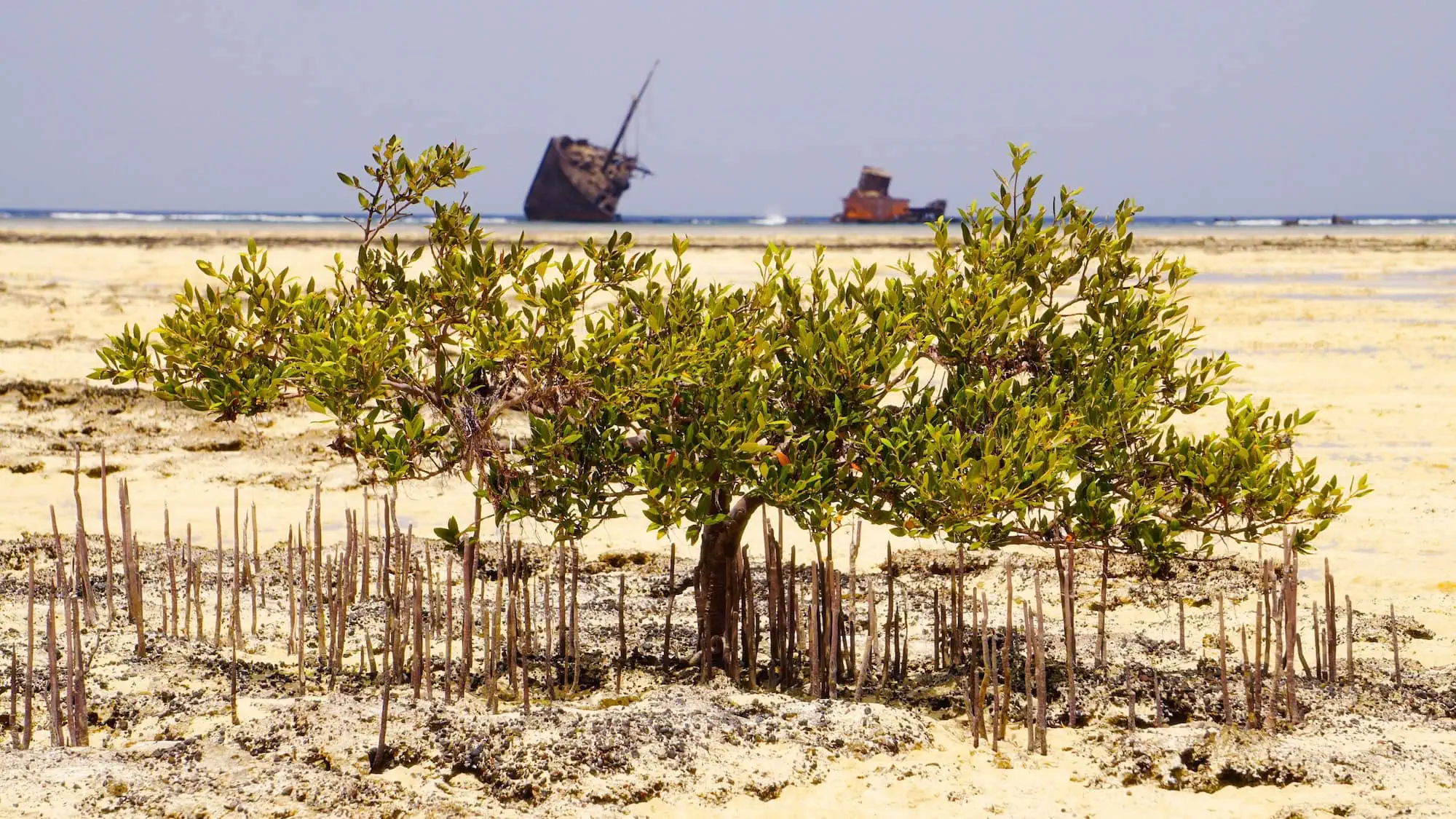
Located 35 kilometers (22 miles) north of Sharm El Sheikh, Nabq Protected Area represents one of Egypt’s most remarkable conservation success stories. This 600-square-kilometer (232 square mile) marine sanctuary combines the crystal waters of the Gulf of Aqaba with unique terrestrial ecosystems, creating an extraordinary environment where desert wildlife, coastal mangroves, and pristine coral reefs coexist. We’ve witnessed firsthand how this protected area has become a global model for sustainable tourism and environmental preservation.
Since its establishment in 1992 under Egypt’s Environmental Affairs Agency (EEAA), Nabq has evolved into much more than a simple nature reserve – it’s a living laboratory where conservation meets responsible travel.
Table of Contents
Exploring Nabq’s Unique Marine and Terrestrial Ecosystems
The biodiversity within Nabq Protected Area challenges every expectation of what a Red Sea destination can offer. While most visitors arrive expecting exceptional diving conditions, they discover an ecosystem that extends far beyond the coastline into desert valleys and mountain terrain.
The Red Sea’s Largest Mangrove Forest
Our guides regularly take visitors to witness Avicennia marina, the grey mangroves that have adapted remarkably to this harsh environment. These trees have developed specialized salt-secretion mechanisms through their leaves, allowing them to thrive in seawater while providing crucial nursery areas for juvenile fish species. The mangroves cover approximately 4 kilometers (2.5 miles) of coastline, representing the Red Sea’s most extensive mangrove ecosystem.
Walking through these coastal forests reveals an intricate web of life. Small crabs scuttle between the aerial root systems while various heron species hunt in the shallow waters. The contrast between the arid Sinai landscape and this lush coastal oasis creates some of the most dramatic scenery we’ve encountered in our decades of guiding visitors through Egypt.
Coral Gardens and Marine Biodiversity
Beyond the mangroves, Nabq’s underwater world hosts 208 different coral species according to recent EEAA surveys. The protected waters of the Gulf of Aqaba provide ideal conditions for both hard and soft corals, creating underwater gardens that support 438 documented fish species.
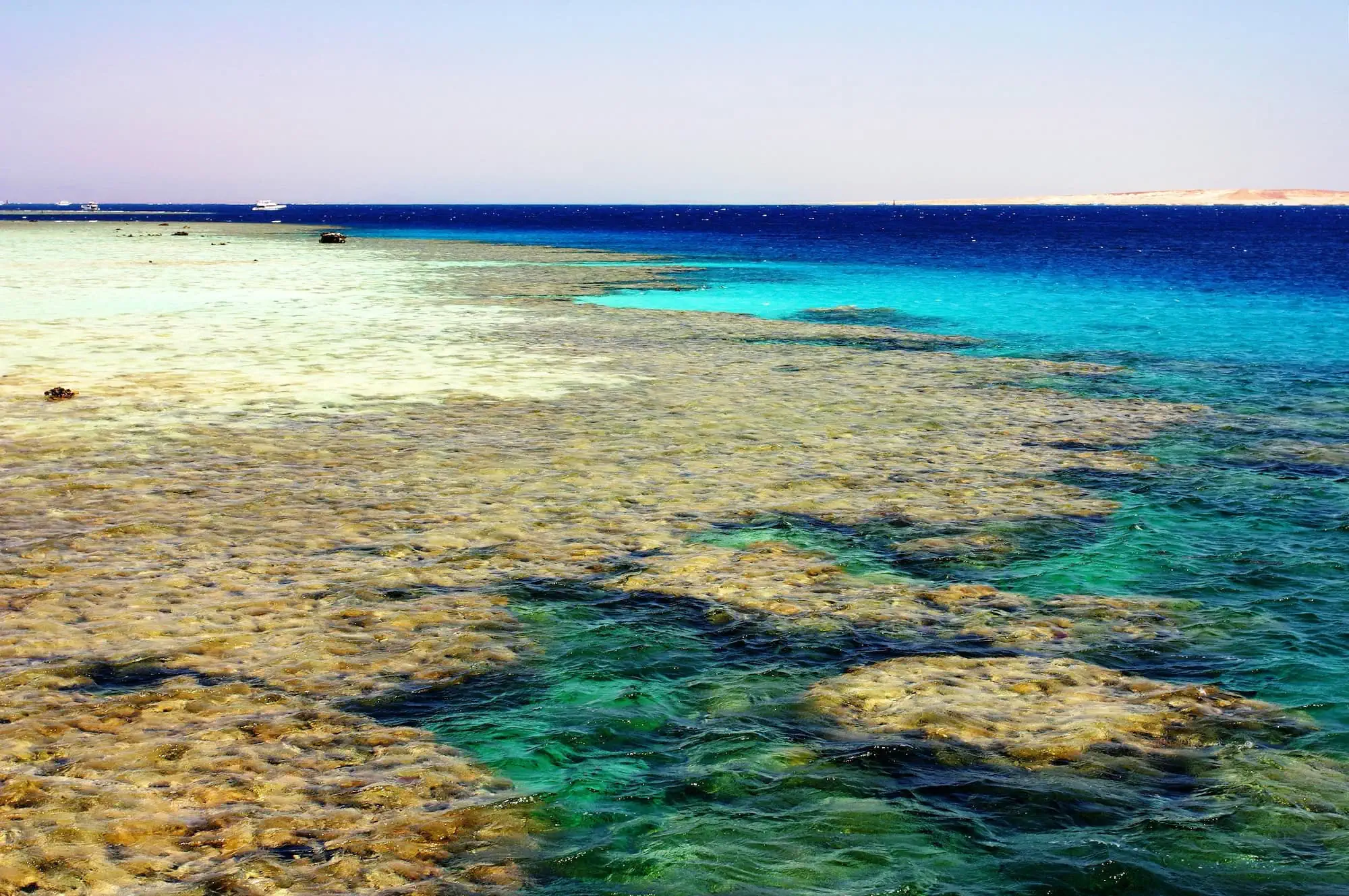
We often recommend early morning snorkeling sessions when visibility reaches 30 meters (98 feet) and marine activity peaks. Green sea turtles (Chelonia mydas) frequently grace these waters, particularly around the deeper reef sections where they feed on seagrass beds.
Desert Wildlife and Mountain Habitats
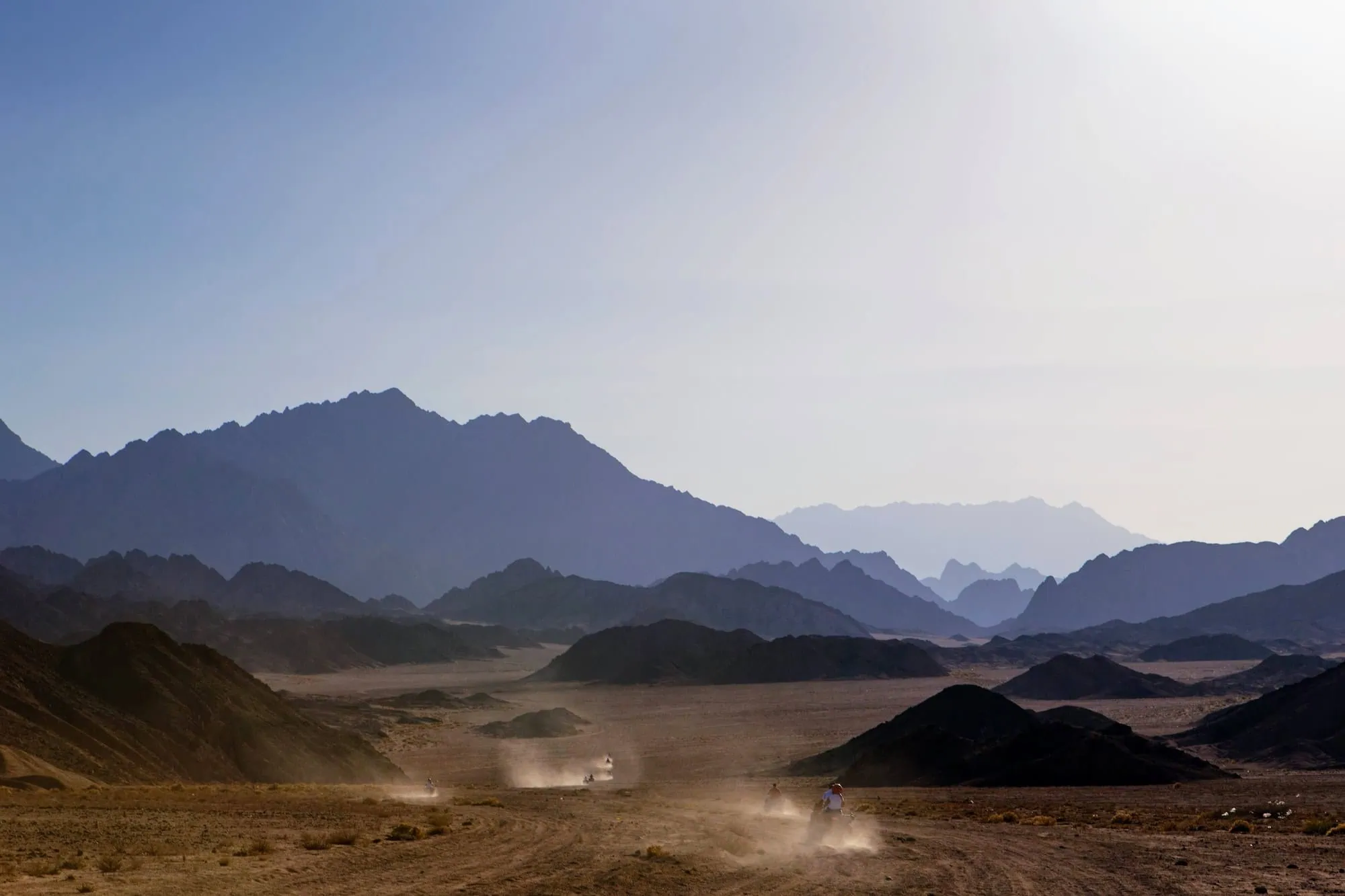
The terrestrial portions of Nabq encompass dramatic wadis (desert valleys) and mountain terrain that shelter surprising wildlife populations. Nubian ibex navigate the rocky cliffs with remarkable agility, while dorcas gazelles roam the more open desert areas. During our guided desert walks, visitors often spot these graceful animals during the cooler morning and evening hours.
Wadi El Keed, one of the area’s most significant geological features, cuts through the landscape creating microclimates that support diverse plant communities. These desert oases provide essential water sources for wildlife and showcase how life adapts to extreme environmental conditions.
Conservation Management and International Recognition
The Protected Area Management Unit (PAMU) operates under Egypt’s Environmental Affairs Agency, implementing comprehensive conservation strategies that balance ecosystem protection with sustainable tourism development.
Nabq holds the IUCN Category VI designation, recognizing it as a protected area with sustainable use of natural resources. This classification reflects the area’s dual role as both a conservation zone and a space where local communities, particularly the El Mezina Bedouin tribe, continue traditional practices that complement environmental protection goals.
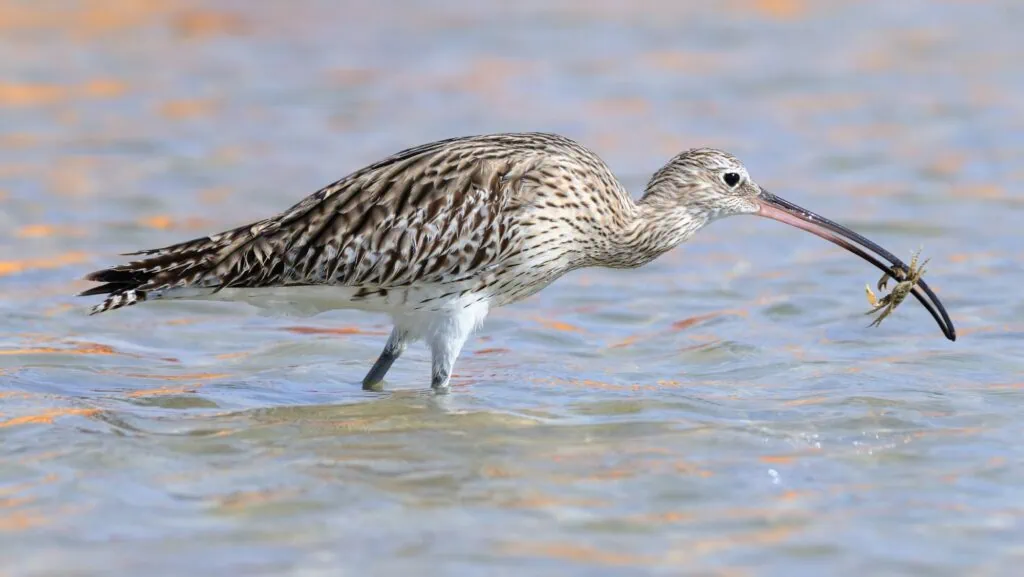
BirdLife International has designated Nabq as an Important Bird Area, acknowledging its significance for both resident and migratory species. The White-eyed Gull, considered endemic to the Red Sea region, finds crucial nesting habitat within the protected boundaries. During migration periods, we’ve documented over 100 bird species utilizing Nabq’s diverse habitats as stopover points.
The management approach emphasizes community involvement and scientific research. Regular monitoring programs track coral health, fish populations, and terrestrial wildlife numbers, ensuring that conservation efforts remain adaptive and effective. Local Bedouin communities contribute traditional ecological knowledge while benefiting from tourism-related employment opportunities.
Planning Your Visit to Nabq Protected Area
Access and Transportation
We typically arrange transportation from Sharm El Sheikh, with the journey taking approximately 45 minutes along the coastal road. The main visitor center provides orientation materials and current information about weather conditions, though our guides always conduct thorough briefings before activities begin.
Entry fees support ongoing conservation work, with different rates for day visits versus extended stays. The protected area operates daily from 8:00 am to 5:00 pm (08:00-17:00), though we often recommend arriving early to maximize wildlife viewing opportunities and avoid afternoon heat.
Guided Activities and Experiences
Our most popular experiences combine multiple ecosystems in single excursions. Morning programs typically start with mangrove exploration, followed by snorkeling sessions among the coral reefs. The diversity of activities means visitors can experience desert hiking, marine exploration, and cultural interactions with local Bedouin communities within the same day.
Photography enthusiasts particularly appreciate the golden hour lighting that illuminates both the Gulf of Aqaba waters and the dramatic Sinai mountains. We provide waterproof camera equipment and macro lenses for guests interested in documenting the smaller details of mangrove ecology and coral formations.
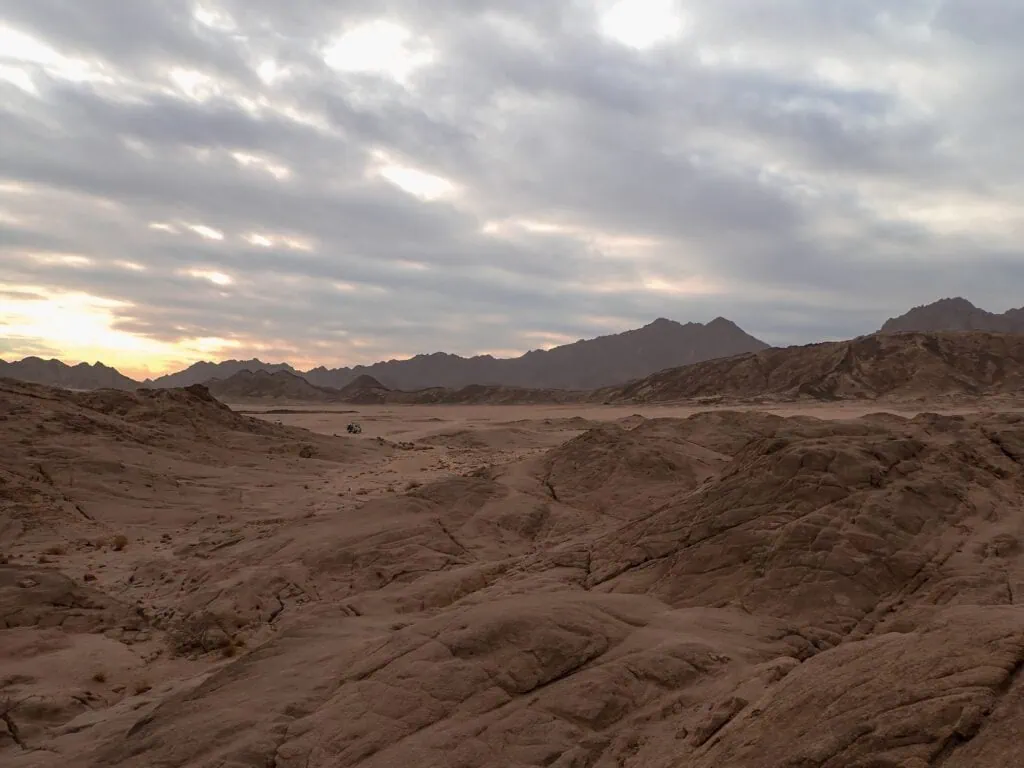
Camel treks through the Arak dune system offer perspectives on how traditional transportation methods remain relevant for accessing remote areas of the protected zone. These experiences connect visitors with centuries-old travel traditions while minimizing environmental impact.
Accommodation and Extended Stays
While day visits provide excellent introductions to Nabq’s highlights, extended stays allow deeper exploration of the area’s complexity. Designated camping areas operate under strict environmental guidelines, with composting toilet facilities and water conservation systems.
We work with eco-lodges in nearby communities that employ local staff and source materials from regional suppliers. These accommodations typically feature solar power systems and greywater recycling, demonstrating practical applications of sustainable tourism principles.
Wildlife Watching and Seasonal Considerations
Different seasons reveal distinct aspects of Nabq’s wildlife cycles. Winter months (December through February) bring cooler temperatures averaging 22°C (72°F) and increased bird migration activity. Many European species overwinter in the area, creating excellent birdwatching conditions.
Spring arrivals (March through May) coincide with breeding seasons for many resident species. Sea turtle nesting activity peaks during this period, though viewing requires special permits and participation in monitored programs that prioritize animal welfare.
Summer conditions can be challenging, with temperatures reaching 35°C (95°F), but marine activities remain comfortable due to consistent Gulf of Aqaba breezes. Coral spawning events occasionally occur during full moon periods, creating unique underwater viewing opportunities for experienced divers.
The autumn months (September through November) offer ideal weather conditions for all activities, combining comfortable temperatures with calm sea conditions and increased wildlife activity as animals prepare for winter.
Our experienced guides adjust activity schedules based on seasonal patterns and current conditions, ensuring optimal viewing opportunities while maintaining respect for wildlife behavior patterns.
Cultural Integration and Bedouin Heritage
The relationship between conservation and local culture forms a cornerstone of Nabq’s management philosophy. The El Mezina tribe and other Bedouin groups have inhabited these areas for generations, developing intimate knowledge of seasonal patterns, water sources, and wildlife behavior.
Traditional medicinal practices utilize native plants like Arak bushes, which also provide crucial habitat for small mammals and bird species. These cultural practices demonstrate sustainable resource use principles that complement modern conservation strategies.
Bedouin guides share stories and ecological knowledge passed down through generations, providing perspectives on landscape changes and animal behavior that scientific monitoring alone cannot capture. The villages of Khereiza and El Gharqanah maintain traditional architecture and social structures while adapting to tourism-related economic opportunities.
Handicraft production creates income streams that don’t require resource extraction from the protected environment. Visitors often appreciate the opportunity to purchase authentic textiles and jewelry while supporting local artisans who contribute to conservation through their presence and knowledge.
Snorkeling and Diving in Protected Waters
The marine environment surrounding Nabq offers some of the Gulf of Aqaba’s most pristine underwater experiences. Protected status means fishing restrictions and anchor prohibitions that allow coral communities to flourish without human interference.
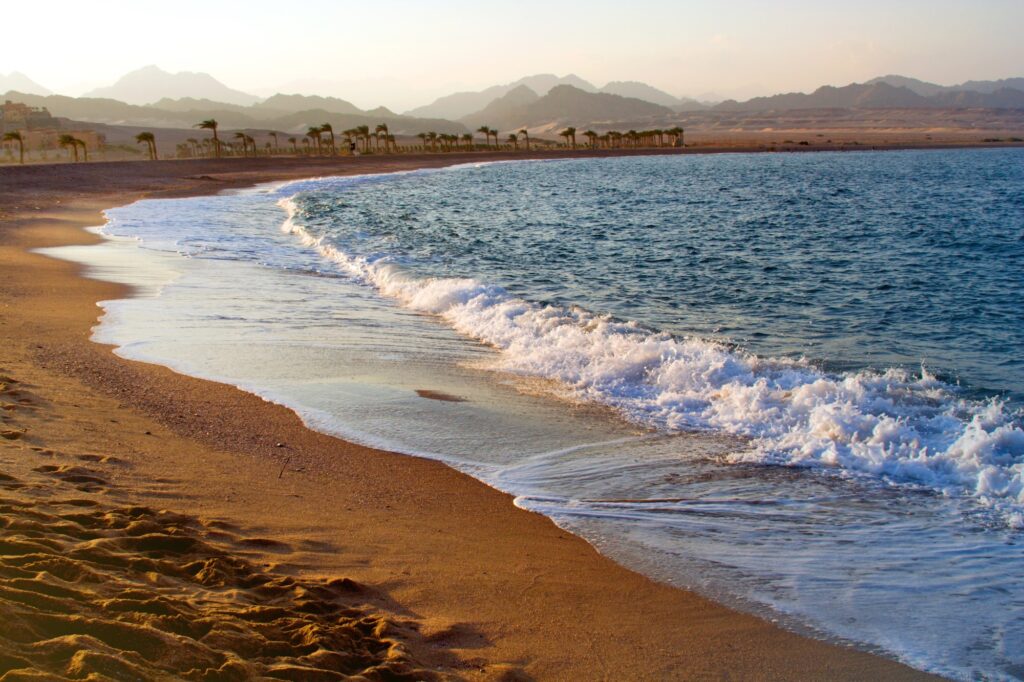
Shallow reef areas near the mangroves provide excellent snorkeling for all skill levels. Water depths of 2-5 meters (6-16 feet) allow comfortable exploration while maintaining visual connection to the surface. The mixing of fresh groundwater with seawater creates unique conditions that support specialized marine communities.
Advanced divers can explore deeper sections where larger pelagic species occasionally visit. Certification requirements ensure that underwater activities maintain safety standards while minimizing environmental impact through proper buoyancy control and reef interaction guidelines.
Our dive masters monitor group sizes carefully, typically limiting underwater excursions to 8 participants maximum. This approach ensures personalized attention while reducing cumulative impact on sensitive coral formations.
Equipment maintenance and safety protocols follow international standards, with backup systems for all essential gear. We maintain relationships with local hyperbaric facilities in Sharm El Sheikh, though incidents remain extremely rare due to conservative dive planning and thorough safety briefings.
Experience The Untouched Beauty Of Nabq Protected Area
Nabq Protected Area offers a rare blend of coastal wilderness and desert landscapes—where mangroves, coral reefs, and open horizons create a peaceful escape from the ordinary. With EgyptToursPlus, we incorporate this natural sanctuary into a private journey that connects Red Sea serenity with Egypt’s most iconic cultural highlights.
You choose your travel dates, your pace, and the experiences that shape your route. From nature exploration and seaside relaxation to cultural discoveries and comfortable stays, we tailor every detail around your preferences—ensuring a seamless, refined, and deeply personal travel experience.
Frequently Asked Questions
The best time to visit Nabq Protected Area is between October and April, when daytime temperatures generally range from 22°C to 30°C (72°F to 86°F) and outdoor activities are far more comfortable. Located northeast of Sharm El Sheikh along the Gulf of Aqaba, Nabq combines desert landscapes, mangroves, coral reefs, and coastal plains that become extremely hot during summer months. Cooler seasons also improve wildlife visibility and hiking conditions. Early morning visits usually offer calmer weather and better opportunities for birdwatching and photography.
Visitors to Nabq Protected Area commonly encounter gazelles, migratory birds, desert foxes, mangrove crabs, and diverse Red Sea marine life depending on the season and habitat explored. The protected area covers roughly 600 square kilometers along the Sinai coastline and supports one of Egypt’s northernmost mangrove ecosystems. Birdwatchers may spot herons, ospreys, and flamingos during migration periods, particularly between autumn and spring. Snorkeling areas near the reef also feature colorful coral fish, rays, and occasional sea turtles.
Most hiking trails in Nabq Protected Area are considered easy to moderate, making them accessible for visitors with average fitness levels and basic outdoor experience. Terrain varies between sandy coastal plains, rocky desert paths, and mangrove boardwalk areas near the Gulf of Aqaba shoreline. Some longer routes through elevated desert terrain become more physically demanding because of heat exposure and uneven surfaces. Lightweight hiking shoes, sun protection, and adequate water are essential because shaded areas are limited throughout much of the reserve.
Visitors can access certain parts of Nabq Protected Area independently, but guided tours are strongly recommended for travelers interested in wildlife, desert ecology, or remote sections of the reserve. Local guides provide important insight into Sinai ecosystems, Bedouin culture, and protected conservation zones that independent visitors may overlook. Some activities, including desert safaris and remote coastal excursions, also require organized transportation and environmental permits. Guided visits often improve safety and help visitors navigate protected habitats responsibly.
A full-day visit to Nabq Protected Area requires sun protection, comfortable walking shoes, reusable water bottles, lightweight clothing, sunglasses, and snorkeling gear if marine activities are planned. The reserve’s desert climate and exposed coastline create strong sun exposure throughout most of the year, especially between late morning and midafternoon. Binoculars and cameras are also useful because Nabq is well known for migratory birdlife and coastal landscapes. Travelers exploring remote sections should carry extra hydration because facilities are limited within the reserve.
Personal photography is generally permitted throughout Nabq Protected Area, although drones and certain commercial filming activities may require advance approval from Egyptian environmental authorities. The reserve protects sensitive mangrove habitats, bird nesting zones, and marine ecosystems near the Gulf of Aqaba, so visitors are expected to avoid disturbing wildlife while photographing. Flash photography may also be discouraged around certain animals or during nighttime activities. Travelers planning professional shoots should confirm permit requirements before arrival because regulations can change periodically.
Nabq Protected Area differs from many Red Sea reserves because it combines desert, mangrove, mountain, and marine ecosystems within a single protected landscape near Sharm El Sheikh. Unlike reef-focused destinations such as Ras Mohammed National Park, Nabq also emphasizes desert biodiversity, Bedouin heritage, and coastal wetlands important for migratory birds. The area’s mangrove forests are among the northernmost in the world and support unique ecological conditions in the Sinai Peninsula. Travelers seeking quieter nature experiences often prefer Nabq’s less commercial atmosphere.
Visitors to Nabq Protected Area can observe active conservation efforts focused on coral reef protection, mangrove preservation, wildlife monitoring, and sustainable tourism management across the Sinai coastline. Rangers and environmental authorities regulate vehicle access, fishing activity, and visitor movement within ecologically sensitive zones near the Gulf of Aqaba. Educational signage and guided tours often explain the ecological importance of mangroves, migratory birds, and fragile desert habitats. Responsible tourism practices, including waste reduction and reef-safe snorkeling behavior, are strongly encouraged throughout the reserve.
Camping is permitted in selected parts of Nabq Protected Area, although visitors usually need prior coordination through licensed operators or local environmental authorities. Organized desert camps near the coastline or inland Sinai desert routes commonly include Bedouin-style meals, basic facilities, and guided outdoor activities. Wild camping without authorization is generally discouraged because sections of the reserve contain environmentally sensitive habitats and regulated access zones. Winter and early spring provide the most comfortable overnight camping temperatures in the protected area.
Activities in Nabq Protected Area should ideally be booked several days in advance, especially during Egypt’s peak tourism season between October and April. Popular excursions such as quad biking, snorkeling trips, birdwatching tours, and Bedouin dinners can fill quickly during holiday periods in Sharm El Sheikh. Advance reservations also help operators coordinate transportation permits and guide availability within protected sections of the reserve. Travelers visiting during Christmas, New Year, or Easter periods should consider booking even earlier for preferred schedules.
Nabq Protected Area offers a far more nature-focused experience than typical Red Sea resort destinations because it emphasizes ecosystems, wildlife, and desert landscapes instead of nightlife and large hotel complexes. Visitors can explore mangrove forests, open desert plains, coral reefs, and Bedouin cultural areas within the same protected reserve near Sharm El Sheikh. The atmosphere is generally quieter and less commercial than central resort districts. Travelers interested in ecology, photography, and outdoor exploration often find Nabq significantly more immersive and authentic.
Age restrictions in Nabq Protected Area vary depending on the activity, transportation type, and physical demands involved in the excursion. Nature walks, birdwatching, and beach visits are usually suitable for most ages, while ATV riding and certain desert safaris often require participants to meet minimum age requirements established by operators. Snorkeling activities may also require basic swimming ability for safety reasons. Families traveling with young children should confirm activity guidelines in advance because terrain and weather conditions can affect suitability.
Design Your Custom Tour
Explore Egypt your way by selecting only the attractions you want to visit
Don’t miss Egypt’s greatest treasures