Luxor Hot Air Balloon Rides: An Aerial Tour of Ancient Egypt
Hot air balloon rides in Luxor offer extraordinary views of ancient Egypt from above.
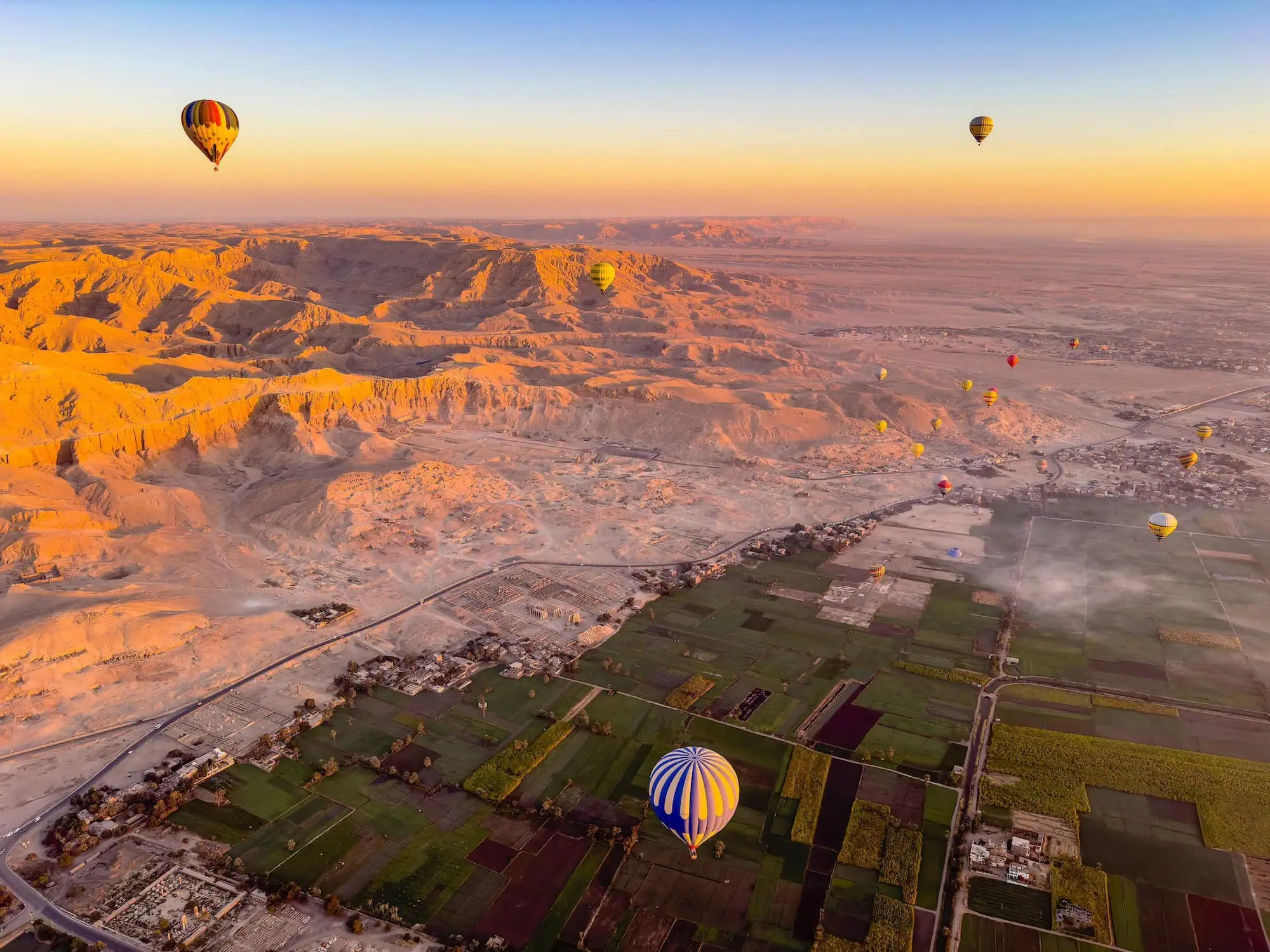
Floating peacefully over the Valley of the Kings at sunrise creates unforgettable memories for travelers seeking something truly special.
The experience combines adventure with history, as you drift silently above pharaonic temples, royal tombs, and the mighty Nile River. Professional balloon operators in Luxor have perfected this magical journey, ensuring safety while maximizing the wonder of seeing Luxor’s archaeological treasures from a bird’s eye perspective.
We’ve helped thousands of travelers experience this bucket-list adventure, and we know exactly what makes a balloon flight exceptional. This comprehensive guide covers everything you need to plan your perfect sunrise balloon ride over one of Egypt’s most magnificent destinations.
Table of Contents
Why Choose Luxor Balloon Experience
Luxor’s unique geography makes it ideal for balloon flights year-round. The West Bank of the Nile River contains the world’s largest outdoor museum, with ancient monuments scattered across the desert landscape below.
Perfect Weather Conditions
Luxor enjoys stable morning weather patterns that create optimal flying conditions. Wind speeds typically remain calm during dawn hours, allowing for smooth takeoffs and gentle landings. The dry desert climate means clear visibility most days of the year, providing crystal-clear views of temples and tombs below.
Temperature differences between ground level and altitude create natural lift conditions perfect for hot air balloons.
Unmatched Historical Views
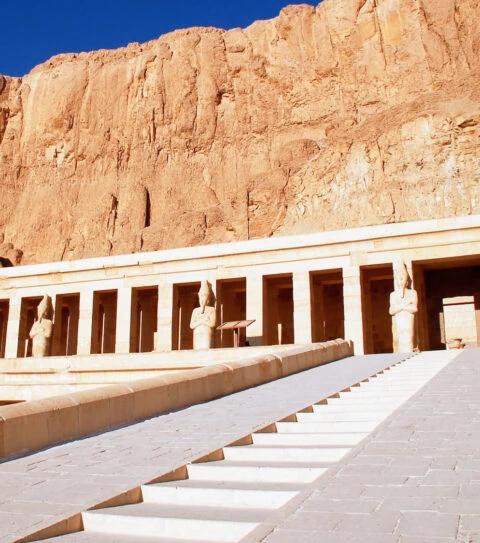
From 450 meters (1,476 feet) above ground, you’ll see Luxor’s ancient sites in their full context. The Valley of the Kings reveals its hidden layout, with tomb entrances visible across the rocky terrain. Hatshepsut Temple appears as architects intended, rising dramatically from the desert cliffs.
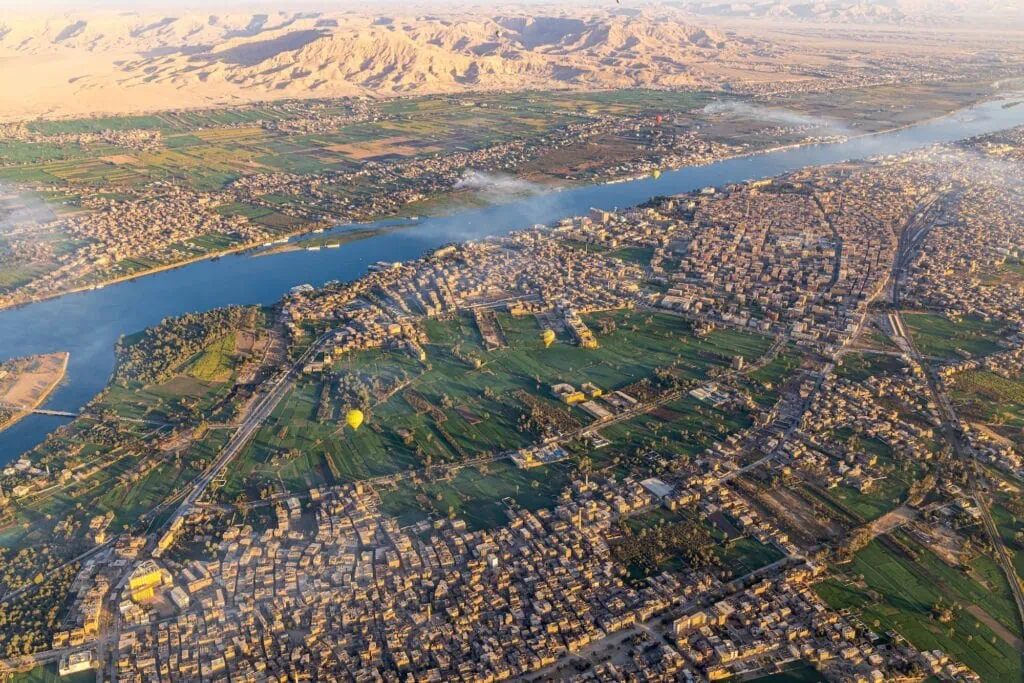
The Colossi of Memnon stand guard over the Theban necropolis, while mortuary temples stretch along the Nile’s edge. These aerial perspectives help visitors understand how ancient Egyptians planned their sacred spaces across the landscape.
Sunrise Magic Nile
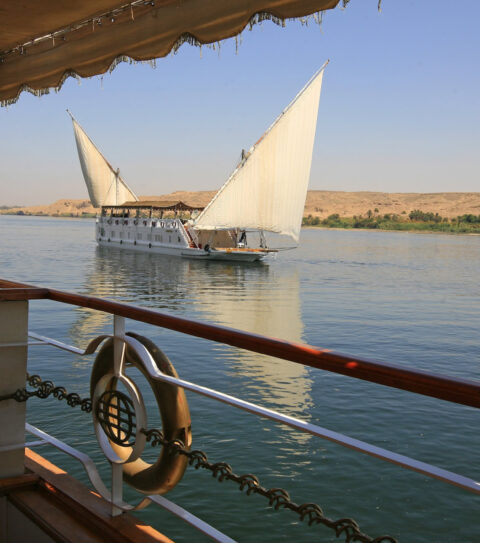
Dawn flights capture Luxor’s most photogenic moments as golden sunlight illuminates limestone cliffs and temple columns. The Nile River reflects morning light while feluccas drift peacefully on the water below. Desert colors shift from purple shadows to warm golden hues as the sun rises over the eastern mountains.
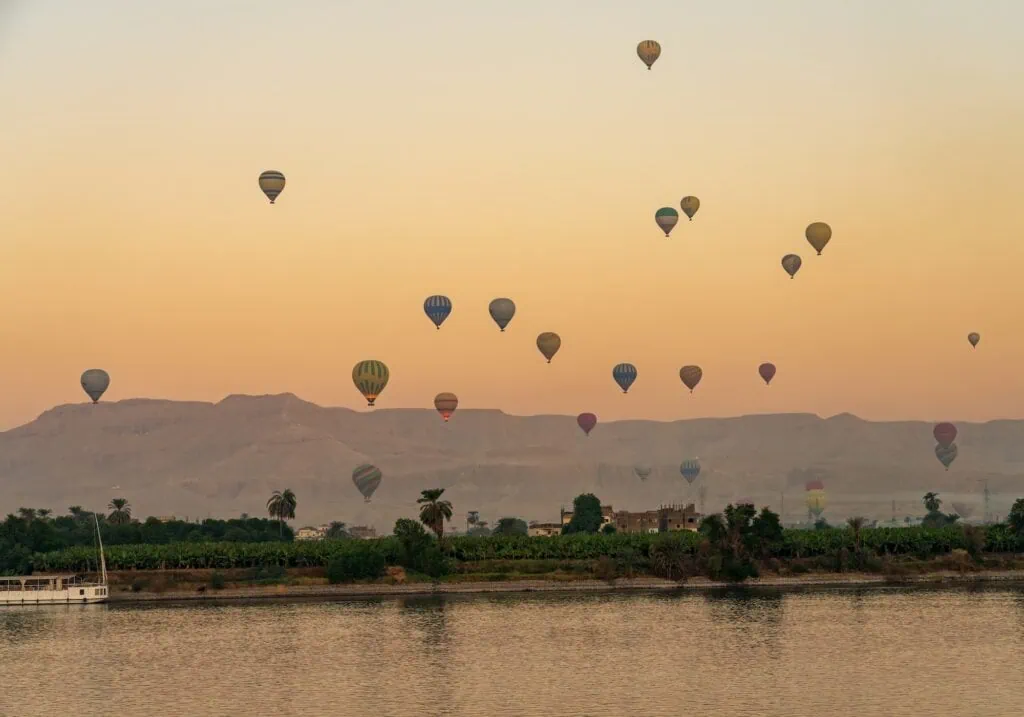
Professional photographers often describe this lighting as perfect for capturing Egypt’s timeless beauty.
What to Expect During Flight
Professional balloon operators follow strict safety protocols while creating memorable experiences for passengers. Most flights accommodate 16-24 people in large baskets, though private balloon options exist for smaller groups.
Your adventure begins with pre-dawn hotel pickup around 4:30 am (04:30), allowing time for preparation and travel to the launch site. The West Bank launch area provides space for multiple balloons to inflate simultaneously while passengers enjoy light refreshments and watch the preparation process.
Pre-Flight Safety Briefing
Experienced pilots conduct thorough safety briefings covering proper basket positions, landing procedures, and emergency protocols. Balloon companies in Luxor maintain perfect safety records through careful attention to weather conditions and equipment maintenance.
Ground crews demonstrate proper boarding techniques and explain how passengers should position themselves during takeoff and landing. Professional pilots answer questions about flight paths, altitude levels, and expected flight duration.
Flight Experience
Balloon flights typically last 45-60 minutes, depending on wind conditions and flight paths. Ascent begins slowly, allowing passengers to adjust to the sensation of floating above ground. Maximum altitudes reach 450-600 meters (1,476-1,968 feet), providing panoramic views without going too high for detailed observation.
Skilled pilots navigate using wind currents at different altitudes, creating a gentle drifting motion rather than direct steering. This natural movement pattern allows balloons to follow ancient trade routes and provide varied perspectives of archaeological sites below.
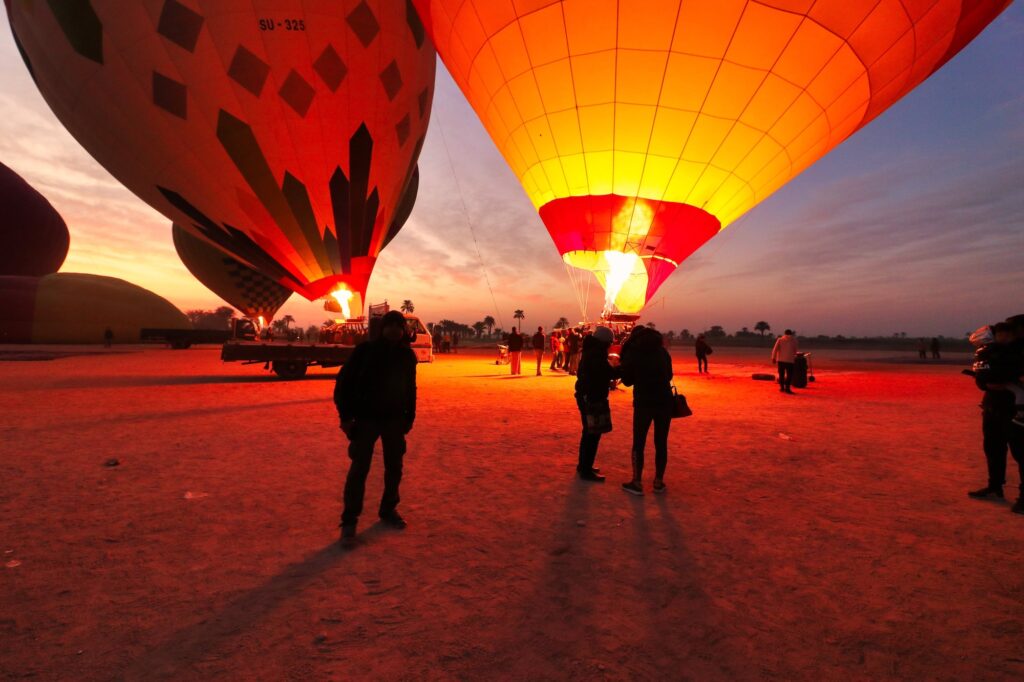
The basket design ensures comfortable viewing for all passengers, with multiple compartments allowing everyone clear sightlines. Professional operators provide bottled water and light snacks during the flight.
Landing procedures involve gradual descent to designated areas on the West Bank, where ground crews assist with basket stabilization and passenger disembarkation.
Archaeological Sites From Above
Valley Kings
The royal necropolis reveals its systematic layout when viewed from balloon altitude. Tomb entrances appear as dark rectangles cut into limestone hillsides, with winding paths connecting different burial areas. KV62, Tutankhamun’s tomb, sits among more prominent royal burials in the valley’s eastern section.
Recent archaeological discoveries become visible from above, including newly identified tomb sites and ongoing excavation areas. The valley’s natural amphitheater shape demonstrates how ancient architects chose this location for its hidden, protected qualities.
Mortuary Temples Complex
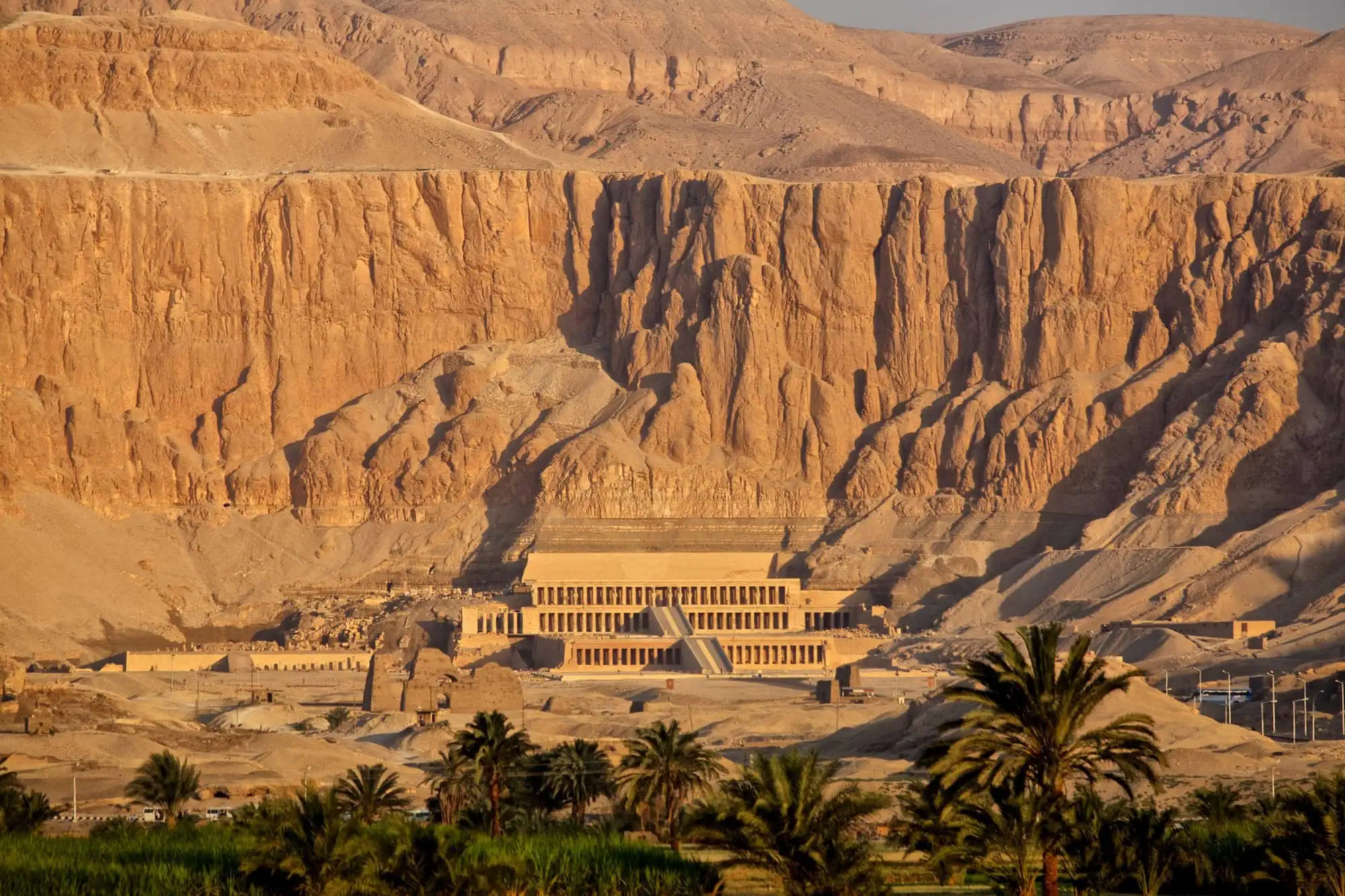
Hatshepsut Temple dominates the Deir el-Bahari cliffside with its distinctive terraced architecture. The temple’s three levels appear perfectly integrated into the natural rock formations, showcasing ancient Egyptian engineering skills.
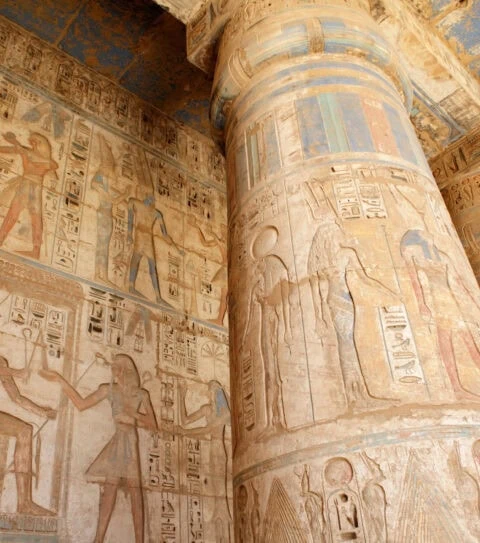
Medinet Habu, Ramesses III’s mortuary temple, displays its massive pylons and enclosed courtyards from an aerial perspective that reveals the complex’s defensive design. The temple’s walls contain some of Egypt’s best-preserved reliefs, though detailed artwork requires ground-level visits to appreciate fully.
Ramesseum ruins spread across the desert floor, with fallen statues and column fragments creating patterns visible only from above.
Colossi Memnon Agricultural Landscapes
The twin statues of Amenhotep III—known as the Colossi of Memnon—rise 18 meters (59 feet) from cultivated fields, marking the entrance to his destroyed mortuary temple. Agricultural plots between the Colossi and the Nile create a patchwork of green vegetation, contrasting with the surrounding desert colors.
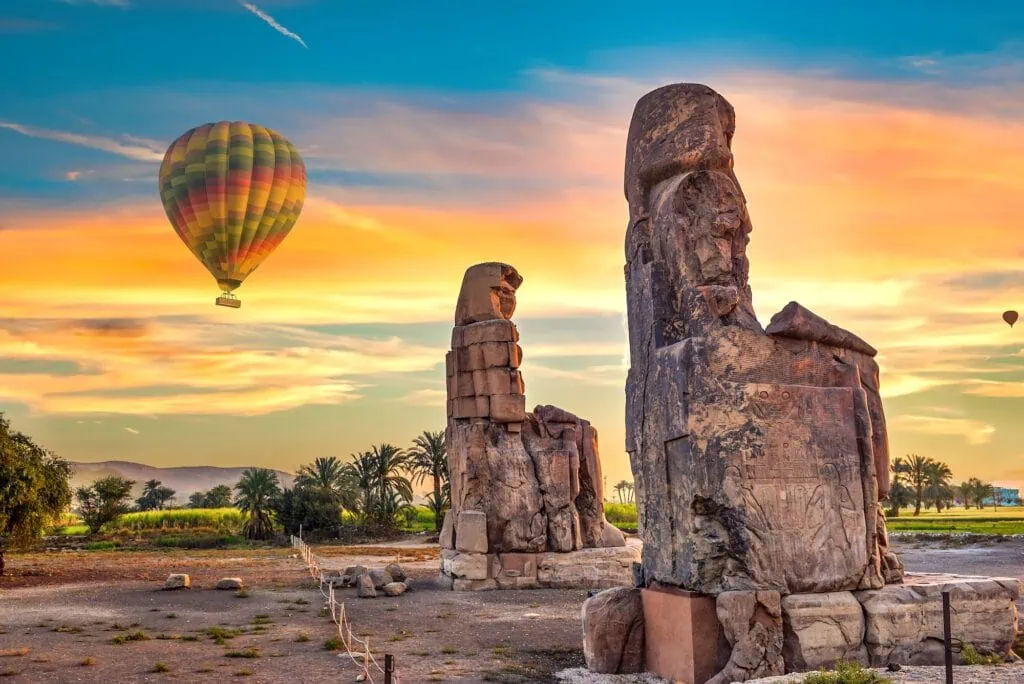
Modern farming methods in this area follow ancient irrigation patterns established over 3,000 years ago. Feluccas sailing on the Nile complete scenes that have remained essentially unchanged for millennia.
Choosing Right Balloon Operator
Safety Standards Certifications
Professional balloon companies maintain international safety certifications and employ experienced pilots with thousands of flight hours. Look for operators who display their safety records openly and provide detailed information about their equipment maintenance schedules.
Established companies typically operate multiple balloons daily, allowing for consistent service and backup options if weather conditions change. These operators invest in modern equipment and follow Civil Aviation Authority regulations for commercial balloon flights.
Service Inclusions Pricing
Standard balloon packages include hotel transfers, safety briefings, flight certificates, and light refreshments. Premium operators offer additional services such as professional photography, champagne celebrations, and private balloon options for special occasions.
Pricing ranges from $50-120 per person depending on group size, season, and included services. Private balloon flights cost significantly more but provide personalized experiences for couples celebrating anniversaries or small groups wanting exclusive access.
Budget operators may compromise on safety equipment or pilot experience, making price comparison important but not the sole deciding factor.
Best Times Balloon Flights
Seasonal Considerations
October through April offers ideal conditions with comfortable temperatures and minimal wind. Morning temperatures during these months range from 15-25°C (59-77°F), perfect for standing in open balloon baskets.

Summer months from May to September feature higher temperatures but remain suitable for early morning flights. Dawn temperatures stay manageable around 25-30°C (77-86°F), though afternoon heat makes post-flight activities more challenging.
Winter months occasionally bring stronger winds that may cancel flights, but clear skies provide excellent visibility when conditions permit.
Booking Timing Availability
Popular winter months require advance booking, especially during December and January when European visitors escape cold weather. Booking 2-3 days ahead during peak season ensures availability and preferred flight dates.
Last-minute bookings work well during shoulder seasons (September-October, April-May) when weather remains excellent but tourist numbers decrease. Some operators offer same-day availability during these periods.
Combining Balloon Other Experiences
Multi-Day Itinerary Integration
Balloon flights work excellently as opening experiences for Luxor visits, providing orientation to archaeological sites before ground-level exploration. The aerial overview helps visitors understand relationships between temples, tombs, and the Nile River.
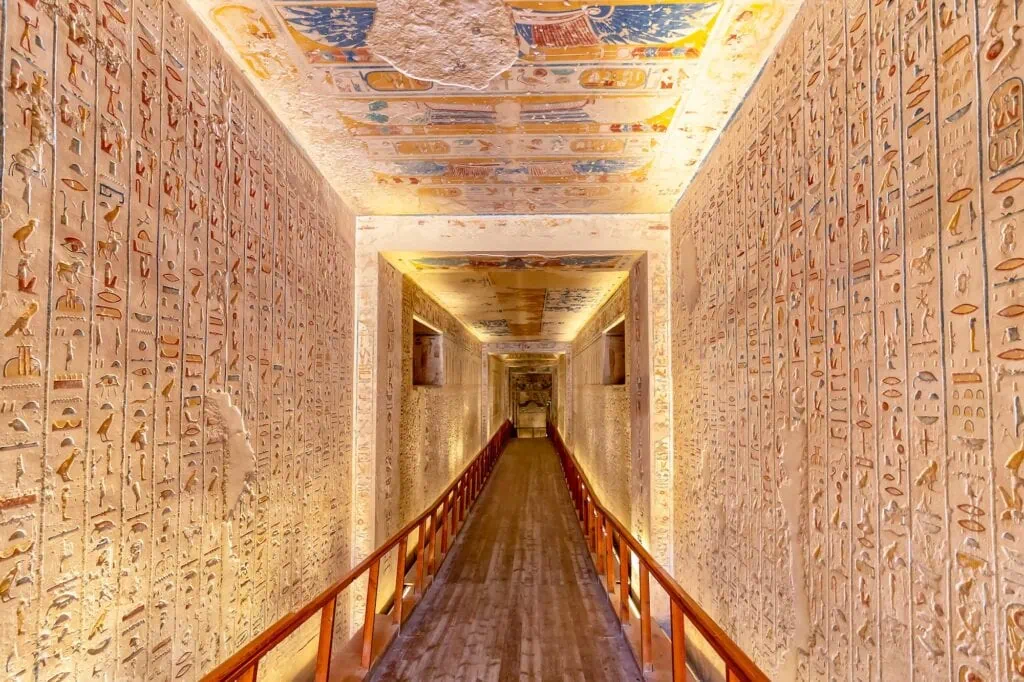
We recommend scheduling balloon rides on your first morning in Luxor, followed by Valley of the Kings tours in the afternoon. This sequence allows comparison between aerial and close-up perspectives of royal tombs and hieroglyphic decorations.
Transportation Packages
Many balloon operators offer combined packages including transfers from Hurghada, Marsa Alam, or Aswan. These full-day packages typically include balloon flights, major temple visits, and return transportation to Red Sea resorts.
Nile cruise passengers often add balloon rides as shore excursions during Luxor stops. Most cruise operators coordinate timing to ensure passengers return before ship departures.
Maximizing Your Balloon Experience
Photography Tips
Bring cameras with good zoom capabilities, as ground details require magnification for clear shots. Early morning lighting creates dramatic shadows across temple complexes and valley formations.
Consider professional photography services offered by premium operators. These photographers know optimal angles and timing for capturing spectacular images while passengers focus on enjoying the experience.
Smartphone cameras work adequately for wide landscape shots, though professional equipment produces better results for detailed archaeological documentation.
What to Wear & Bring
Comfortable, closed-toe shoes provide stability during boarding and landing procedures. Layers work best, as morning temperatures start cool but warm quickly after sunrise.
Sun protection becomes important as balloons offer no shade during flight. Hats and sunglasses help manage bright desert sunlight reflecting off limestone cliffs.
Bring minimal personal items, as balloon baskets have limited storage space. Operators typically provide secure storage for larger bags during flights.
Understanding Flight Limitations
Weather dependency means occasional flight cancellations, typically due to high winds or poor visibility. Reputable operators provide full refunds or rescheduling options when safety concerns prevent flights.
Physical limitations exist for certain passengers, including pregnant women, children under 6, and individuals with severe mobility restrictions. Most operators accommodate moderate physical limitations with advance notice.
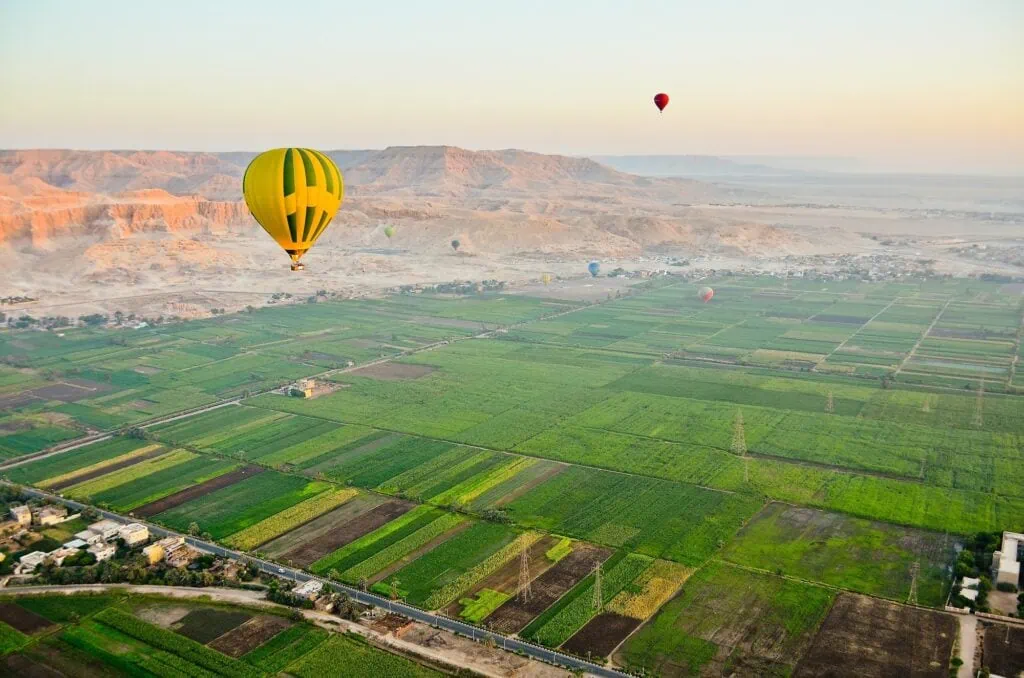
Flight paths vary daily based on wind patterns, meaning exact route predictions are impossible. This variability adds spontaneity to the experience while ensuring optimal safety conditions.
See Luxor From The Sky At Sunrise
A hot air balloon ride over Luxor is one of Egypt’s most unforgettable experiences—drifting above ancient temples, the Nile, and the Valley of the Kings as the first light of day transforms the landscape. With Egypt Tours Plus, we seamlessly include this breathtaking moment in a private journey that connects iconic highlights with once-in-a-lifetime experiences.
You choose your travel dates, your pace, and the experiences that shape your route. From sunrise adventures to cultural landmarks and refined comfort throughout, we tailor every detail around your preferences—ensuring a smooth, expertly planned, and deeply personal travel experience.
Frequently Asked Questions
Luxor hot air balloon flights typically begin before sunrise, with hotel pickups around 4:30-5:00 am and takeoff occurring between 6:00 am and 7:00 am depending on season and weather conditions. Operators schedule early departures because dawn offers the calmest wind patterns and clearest visibility over the Nile Valley. Sunrise flights also avoid Luxor’s intense midday heat, which regularly exceeds 100°F (38°C) in summer. Travelers should expect the full experience, including transfers and briefing, to last approximately 3-4 hours.
If weather conditions make flying unsafe, licensed Luxor balloon operators usually offer either a full refund or rescheduling for the next available flight. Egyptian Civil Aviation Authority regulations require cancellations during high winds, poor visibility, or unstable atmospheric conditions, especially during winter fog or desert wind shifts. Most operators confirm conditions the evening before or early on flight morning, often with several hours’ notice. Flexible scheduling helps because sunrise weather can change quickly along the Nile Valley.
Standard Luxor hot air balloon baskets typically carry 16-24 passengers divided into separate standing compartments, while private flights usually accommodate between 2 and 8 guests. Large commercial balloons maximize stability and operational efficiency during peak tourism months from October through April. Compartments help distribute weight evenly and improve passenger safety during landing procedures. Smaller private balloons are popular for honeymoon trips, photography-focused flights, and family experiences because they provide quieter rides and less crowded viewing conditions.
Yes, hot air balloon rides in Luxor are generally safe for elderly passengers who are in reasonable health and able to stand for approximately one hour during the flight. Licensed operators provide boarding assistance, safety briefings, and experienced pilots certified under Egyptian aviation regulations. The main physical challenge is climbing into the basket and maintaining balance during takeoff and landing, which can occasionally feel firm but brief. Travelers with mobility limitations or recent surgeries should consult both their doctor and operator beforehand.
Yes, cameras and smartphones are permitted on Luxor balloon flights, and many travelers consider the sunrise aerial views among Egypt’s best photography opportunities. Flight paths often pass above the Nile River, agricultural villages, the Valley of the Kings, and Hatshepsut Temple during golden morning light. Secure wrist or neck straps are strongly recommended because dropped items cannot be recovered once airborne. Wide-angle lenses work especially well for capturing the contrast between green farmland and surrounding desert cliffs.
Most Luxor hot air balloon flights remain airborne for approximately 45-60 minutes, while the complete experience including transfers, briefing, inflation, and landing logistics usually lasts 3-4 hours. Actual flight duration depends on wind speed, landing conditions, and air traffic coordination over Luxor’s West Bank archaeological zone. Sunrise flights often feel longer because the scenery changes dramatically as daylight reaches the Nile Valley and ancient monuments. Travelers should keep the entire morning free rather than scheduling tight post-flight activities.
Standard Luxor balloon packages usually include round-trip hotel transfers, motorboat crossing of the Nile if required, safety briefings, the sunrise flight itself, and light refreshments after landing. Many operators also provide flight certificates and ground crew assistance throughout the experience. Premium packages may include private transportation, smaller baskets, or extended flight durations depending on weather conditions and booking level. Egypt Tours Plus typically recommends confirming whether entrance fees or photography extras are included before finalizing reservations.
Advance booking is strongly recommended for Luxor balloon rides, especially between October and April when Egypt experiences its highest tourism demand and cooler flying conditions. Popular sunrise slots frequently sell out several days ahead during Christmas, New Year, and Easter travel periods. Summer months between May and September usually offer more same-day availability because of reduced visitor numbers and hotter temperatures. Booking early also allows better coordination with Nile cruises, Valley of the Kings tours, and early-morning transportation schedules.
Comfortable closed-toe shoes, lightweight layered clothing, and sun protection are ideal for Luxor hot air balloon rides because temperatures change quickly between dawn and full sunrise. Early morning desert air can feel surprisingly cool, especially between December and February, but conditions warm rapidly after takeoff. Loose scarves, oversized hats, and unsecured accessories should be avoided because of wind and burner activity inside the basket. Neutral-colored clothing also photographs better against the sunrise and desert landscape.
Most Luxor balloon operators provide simple post-flight refreshments such as tea, coffee, juice, and packaged pastries, and many can accommodate basic dietary requests with advance notice. Vegetarian, gluten-free, or non-dairy options are usually easier to arrange when communicated at least 24 hours before departure. Because flights launch before sunrise, breakfasts are generally light rather than full meals. Travelers with severe allergies or strict dietary requirements should carry personal snacks to avoid depending entirely on standard operator catering.
Yes, private hot air balloon flights are available in Luxor and are especially popular for honeymoons, family celebrations, and photography-focused experiences. Private flights typically accommodate between 2 and 8 passengers and generally cost around $800-$1,200 total depending on season, basket size, and included services. Smaller baskets create a quieter atmosphere and provide unobstructed panoramic views over Luxor’s West Bank monuments. Advance reservations are highly recommended because private balloon availability is far more limited than standard group departures.
Luxor balloon flights typically drift above the West Bank archaeological zone, including views of the Valley of the Kings, Hatshepsut Temple, Colossi of Memnon, Medinet Habu, and the surrounding Nile farmland. Exact routes depend on wind direction because hot air balloons cannot follow fixed flight paths like airplanes. Sunrise conditions often create striking contrasts between the green Nile floodplain and the desert cliffs beyond ancient Thebes. Clear winter mornings usually provide the sharpest visibility for long-distance monument photography.
Design Your Custom Tour
Explore Egypt your way by selecting only the attractions you want to visit