

Valley of the Golden Mummies – An Ancient Home of the Dead
A chance stumble by a security guard’s donkey in 1996 changed Egyptian archaeology forever.
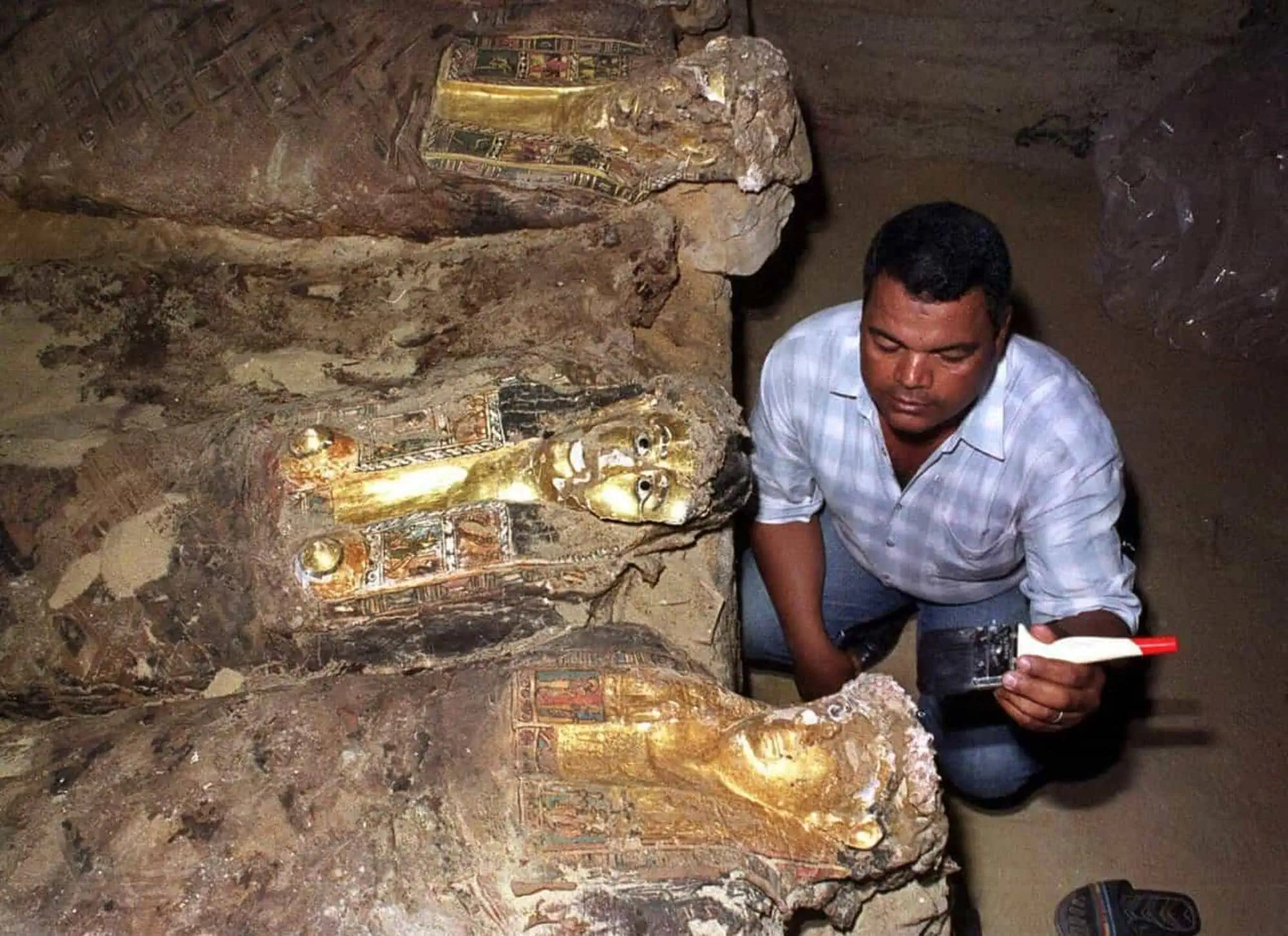
The discovery of what would become known as the Valley of the Golden Mummies at Bahariya Oasis revealed one of Egypt’s most spectacular burial sites. Located 380 km (236 miles) west of Cairo in Egypt’s Western Desert, this vast Greco-Roman necropolis contains thousands of mummies from a period when ancient Egyptian traditions blended with Hellenistic influences. Dr. Zahi Hawass, the renowned Egyptian archaeologist who led the excavation, uncovered elaborate burial chambers filled with mummies adorned in gold leaf and intricate cartonnage decorations.
The site represents a pivotal moment in ancient Egyptian history when traditional mummification techniques reached their artistic peak during the Roman period. Here, beneath the desert sands, lies evidence of how local communities adapted their sacred burial practices while maintaining deep spiritual connections to their ancestors.
Table of Contents
The Archaeological Discovery That Stunned Experts
Bahariya Oasis was already known for its ancient significance when fate intervened. While patrolling the archaeological zone, a security guard named Ashry Shaker noticed his donkey had stumbled, revealing a hidden tomb opening beneath the sand.
This accidental discovery led to systematic excavations that would uncover approximately 250 mummies in the first phase alone. However, ground-penetrating radar suggests the necropolis may contain over 10,000 mummies, making it potentially the largest cemetery from Egypt’s Greco-Roman period. The burial ground dates to approximately 2,000 years ago, when Egypt was under Roman rule but local traditions remained strong.
Four Distinct Mummy Styles
Archaeological analysis revealed four general categories of burial decoration, each reflecting different social and economic status levels within the community. The most elaborate examples feature full-body cartonnage cases painted with religious scenes depicting Egyptian deities like Osiris and Anubis. These high-ranking individuals were buried with gilded masks and elaborate headdresses showing divine imagery.
Religious Symbolism and Cultural Fusion
The mummies display fascinating combinations of ancient Egyptian and Hellenistic artistic traditions. Many cartonnage decorations include Greek-influenced portraiture alongside traditional Egyptian religious symbols. This cultural blending reflects the complex social dynamics of Roman Egypt, where local populations maintained their spiritual beliefs while adapting to new political realities.
Workshop Culture and Craftsmanship
Evidence suggests Bahariya Oasis operated thriving workshops dedicated to mummification and burial preparation. The consistency in artistic techniques across different burial chambers indicates organized production centers where skilled craftspeople created these elaborate death masks and decorative elements. This workshop culture supported a community prosperous enough to afford complex mummification processes for significant portions of its population.
Understanding Greco-Roman Burial Traditions
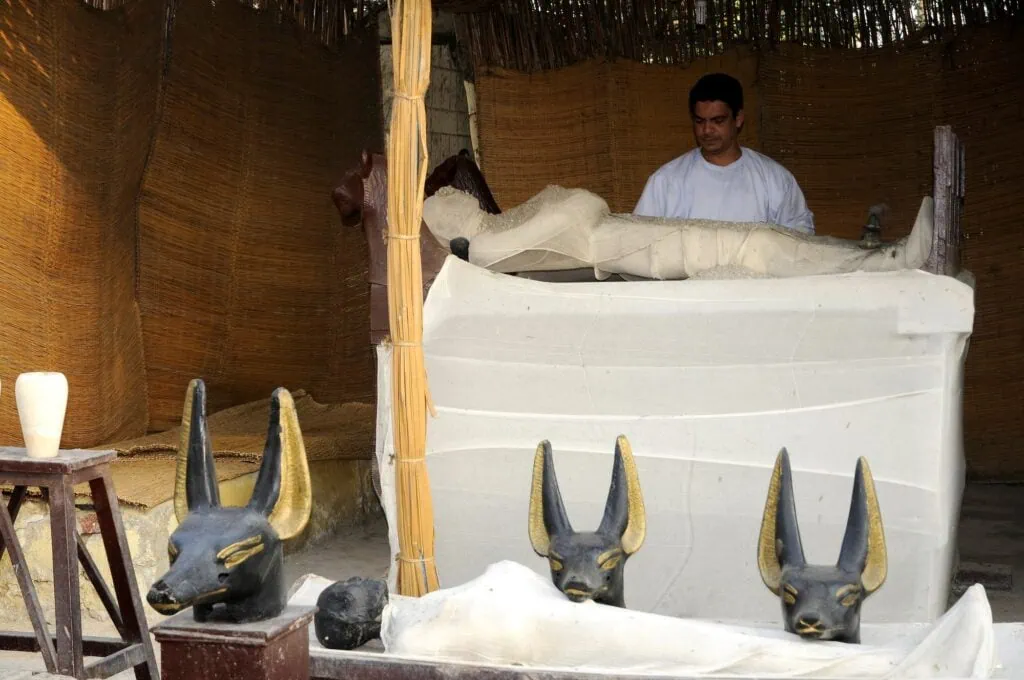
The Roman period brought significant changes to Egyptian mummification practices, contrary to claims that the art was in decline. At Bahariya, we observe sophisticated techniques that demonstrate continued innovation in preservation methods and artistic decoration.
Wealthy Roman Egyptians invested heavily in elaborate burial preparations, viewing proper mummification as essential for successful transition to the afterlife. The necropolis reveals multi-chambered tombs designed for family groups, with carefully planned layouts that respected both Egyptian religious requirements and Roman architectural preferences. Some burial chambers show evidence of repeated use over several generations, indicating established family plots within the larger cemetery structure.
The preservation quality at many tombs remains exceptional due to the dry desert environment and careful ancient construction techniques. Natural mummification processes, enhanced by deliberate preservation methods, created conditions that protected organic materials for two millennia.
Social Status Indicators
Analysis of burial goods reveals distinct social hierarchies within the Bahariya community. The most elaborate mummies wear golden masks with intricate facial features and divine symbols. Middle-tier burials feature painted cartonnage with religious scenes but less precious metal ornamentation. Simpler burials show basic wrapping techniques with minimal decorative elements, though all received proper mummification treatment according to Egyptian religious requirements.
Evidence of Prosperity
The scale and quality of burials suggest Bahariya Oasis enjoyed significant economic prosperity during the Greco-Roman period. Historical records indicate the region was famous for wine production, with local vineyards supplying markets throughout the Roman Empire.
This agricultural wealth supported the population’s ability to afford elaborate burial preparations and maintained workshops capable of producing sophisticated mummification services.
Religious Beliefs and Afterlife Preparation
Spiritual beliefs dominated every aspect of burial preparation at Bahariya Oasis. The mummies demonstrate deep reverence for traditional Egyptian concepts of death and resurrection.
Divine Protection Through Art
Cartonnage decorations served protective purposes beyond mere ornamentation. Religious scenes painted on mummy cases invoked specific deities to guide the deceased through underworld challenges. Osiris, ruler of the afterlife, appears frequently alongside Anubis, protector of the dead. These divine images functioned as spiritual armor, ensuring safe passage to eternal life.
Mummification as Sacred Science
The preservation techniques used at Bahariya reflect centuries of accumulated knowledge about human anatomy and decomposition processes. Embalmers removed internal organs according to precise religious requirements, treating each step as sacred ritual rather than merely practical procedure. The brain was carefully extracted through nasal passages, while other organs were separately preserved in canopic jars or placed back within the body cavity after treatment.
Festival Traditions
Evidence suggests the community held regular festivals honoring the dead, with families visiting burial chambers for ceremonial meals and offerings. Pottery fragments found throughout the necropolis indicate food and drink presentations to deceased relatives. These festivals maintained connections between living and dead community members, reinforcing social bonds that transcended individual lifespans.
Location and Archaeological Significance
Bahariya Oasis occupies a strategic position in Egypt’s Western Desert, approximately 365 km (227 miles) southwest of Cairo and 180 km (112 miles) west of the Nile Valley. This location provided natural advantages for both agricultural development and trade route access during ancient times.
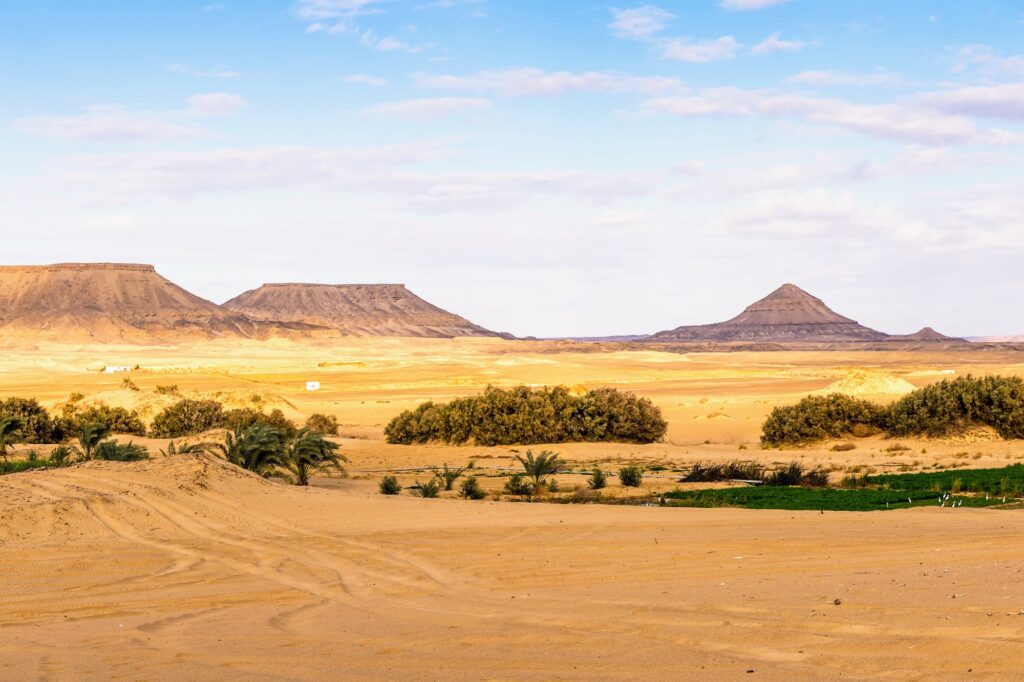
The oasis sits within a natural depression surrounded by dramatic desert landscapes, with natural springs supporting year-round agriculture. Ancient residents cultivated dates, olives, and most famously, grapes for wine production that became renowned throughout the Roman Empire. Archaeological evidence indicates continuous occupation from Pharaonic times through the Islamic period, with the Greco-Roman era representing the height of local prosperity.
Alexander the Great Temple Connection
Excavations near the Valley of the Golden Mummies revealed temple ruins dedicated to Alexander the Great, reflecting the region’s importance during the Hellenistic period. This temple served as a focal point for religious activities and demonstrates how local communities honored both traditional Egyptian deities and new Greco-Roman influences.
Conservation Challenges
The site faces ongoing preservation challenges due to its remote desert location and exposure to environmental factors. Sand infiltration threatens exposed burial chambers, while temperature fluctuations affect organic materials within the mummies. Conservation efforts focus on protective shelters for the most significant discoveries while developing sustainable methods for long-term site management.
Modern Research and Documentation
Dr. Zahi Hawass and his international team have published extensive documentation of their findings, including over 250 color photographs of mummies and artifacts never before seen by the public. This comprehensive record preserves detailed information about mummification techniques, artistic styles, and burial customs for future research generations.
Advanced imaging technologies, including CT scanning and X-ray analysis, continue revealing new information about the mummies without damaging their preservation. These non-invasive techniques allow researchers to study mummification methods, age at death, health conditions, and burial preparation techniques while respecting the integrity of these ancient individuals.
Ground-penetrating radar surveys suggest numerous undiscovered burial chambers remain throughout the necropolis. Future excavations will likely reveal additional insights into Greco-Roman burial practices and the daily life of this prosperous ancient community.
International Collaboration
The Valley of the Golden Mummies project demonstrates successful international archaeological collaboration, with Egyptian researchers working alongside specialists from Europe and North America. This cooperative approach ensures comprehensive analysis of discoveries while building local capacity for ongoing site management and research.
Public Education Impact
Discoveries from Bahariya Oasis appear in museums worldwide, introducing global audiences to the sophisticated artistry and spiritual beliefs of Roman Egypt. These exhibits help preserve cultural heritage while generating revenue for continued archaeological research and site conservation efforts.
Planning Your Visit to Valley
We recommend visiting Bahariya Oasis as part of a comprehensive Western Desert Adventure tour that includes multiple archaeological sites and natural attractions. The journey from Cairo typically takes 4-5 hours by private vehicle, allowing comfortable travel through changing desert landscapes.
Our expert guides provide detailed explanations of mummification techniques, religious symbolism, and historical context that bring these ancient discoveries to life. We arrange special access to archaeological areas not always open to general tourism, ensuring authentic experiences with Egypt’s most significant recent discoveries.
Best Travel Times
The Western Desert climate makes winter months (November through March) ideal for archaeological site visits. Temperatures during this period range from 15-25°C (59-77°F), creating comfortable conditions for extended outdoor exploration. Summer temperatures can exceed 40°C (104°F), making detailed site visits challenging without proper preparation.
Combined Itinerary Options
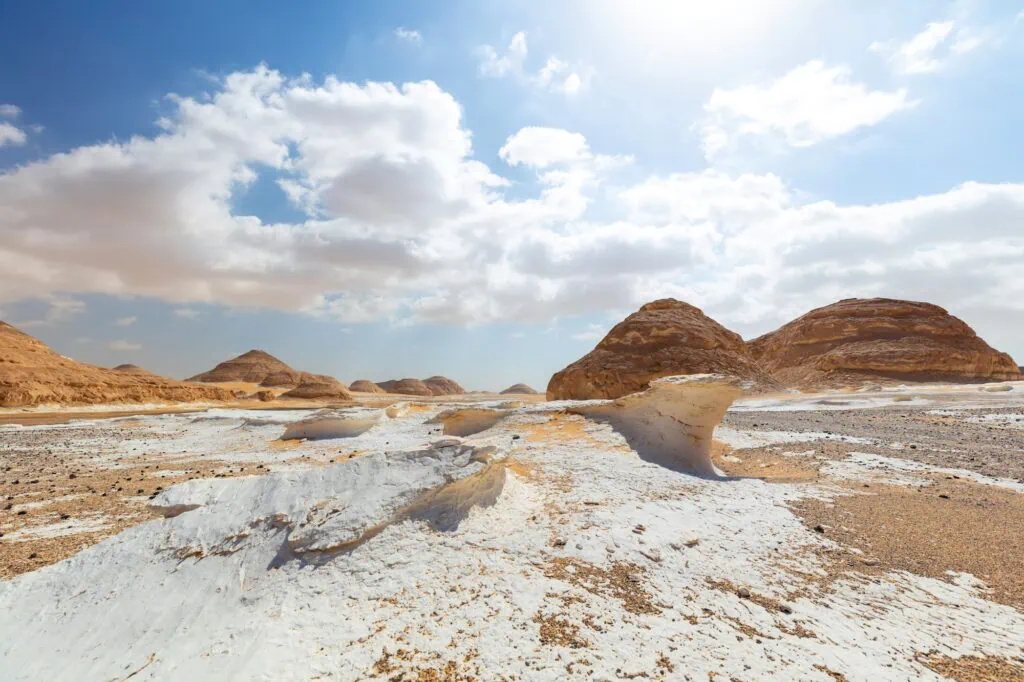
We design comprehensive desert tours combining the Valley of the Golden Mummies with other Western Desert highlights like the White Desert National Park, hot springs at Bir Sitta, and Crystal Mountain. These multi-day expeditions provide complete immersion in Egypt’s desert archaeology and natural wonders.
Our private guides possess decades of experience with Western Desert archaeology and maintain close relationships with site management authorities. This expertise ensures access to the most significant discoveries while respecting conservation requirements and local regulations.
Experience The Wonder Of The Valley Of The Golden Mummies
Few places capture the mystery of ancient Egypt quite like the Valley of the Golden Mummies—an extraordinary discovery that reveals a different chapter of Egypt’s past, rich in detail and atmosphere. With EgyptToursPlus, we seamlessly incorporate this fascinating site into a private, well-balanced journey that connects hidden archaeological treasures with Egypt’s most iconic landmarks.
You choose your travel dates, your pace, and the experiences that define your route. From in-depth cultural exploration to carefully selected comforts along the way, we tailor every detail to your preferences—ensuring a smooth, refined, and truly personal travel experience.
Frequently Asked Questions
The Valley of the Golden Mummies is located in Bahariya Oasis approximately 380 km (236 miles) southwest of Cairo in Egypt’s Western Desert. Most travelers reach the site by road in 5 to 6 hours via Bahariya town, which serves as the oasis’s main tourism hub. The necropolis lies near Bawiti and dates to the Greco-Roman period, when Bahariya was an important agricultural and trade center. Many visitors combine the archaeological site with excursions to the Black Desert and White Desert during multi-day oasis tours.
Archaeologists have excavated roughly 250 mummies at the Valley of the Golden Mummies, but researchers believe the full necropolis may contain more than 10,000 burials beneath the desert sands. Ground-penetrating radar surveys and ongoing excavations suggest the cemetery extends across a much larger area than currently exposed. The site gained international attention because many mummies retained gilded masks, painted cartonnage, and Greco-Roman artistic influences rarely preserved on such a large scale in Egypt.
Dr. Zahi Hawass announced the discovery of the Valley of the Golden Mummies in 1996 after a donkey reportedly stumbled near a hidden tomb opening in Bahariya Oasis. Hawass later led extensive excavations that uncovered dozens of remarkably preserved Greco-Roman mummies decorated with gold leaf and painted burial coverings. The discovery quickly became one of Egypt’s most important archaeological finds of the late 20th century because of both the necropolis size and the exceptional preservation quality of the burials.
The Valley of the Golden Mummies stands out because its burials blend ancient Egyptian funerary traditions with Greco-Roman artistic influences from roughly the 1st and 2nd centuries AD. Many mummies feature gilded facial masks, painted cartonnage, and realistic portrait styles uncommon in earlier pharaonic tombs. Unlike New Kingdom royal mummies from Luxor, these burials reflect a multicultural Roman Egypt where Egyptian religion merged with Hellenistic aesthetics. The combination provides archaeologists with valuable evidence about identity and wealth during Roman rule.
No, the mummies are not made of solid gold, but many were decorated with gold leaf masks, gilded chest coverings, and ornate funerary embellishments symbolizing status and divine protection. Ancient embalmers used traditional mummification methods involving linen wrappings, resins, and preserved organs, then added decorative cartonnage and golden details for elite burials. The gold elements reflected wealth and religious beliefs connected to immortality in Greco-Roman Egypt. Museum lighting often intensifies the shimmering appearance of these decorations during display.
Tourist access to the Valley of the Golden Mummies is limited and often controlled through guided archaeological visits because the site remains an active excavation and conservation zone. Some areas near Bahariya Oasis can be viewed with local guides and special permissions, but many burial chambers stay closed to protect fragile artifacts and painted surfaces. Visitors interested in the discovery often see related exhibits in local museums or through specialized Egyptology tours. Advance arrangements are strongly recommended during peak travel months.
The Valley of the Golden Mummies dates primarily to the Greco-Roman period around the 1st century BC through the 4th century AD, when Egypt was governed under Roman influence after the Ptolemaic era. These burials are approximately 2,000 years old and reflect a society where Egyptian religious traditions coexisted with Greek and Roman cultural practices. Archaeologists identified elite family tombs, painted coffins, and Roman-style portraiture throughout the necropolis. The site offers rare insight into everyday life beyond Egypt’s earlier pharaonic dynasties.
Bahariya Oasis was historically significant because it served as a prosperous agricultural and trade center connecting the Nile Valley with Libya and Egypt’s Western Desert caravan routes. During Roman rule, the oasis became especially known for wine production, date cultivation, and mineral resources that supported wealthy local communities. Archaeological discoveries in the region include temples, Roman forts, Christian ruins, and the Valley of the Golden Mummies. Its remote desert setting also helped preserve organic materials and painted artifacts for nearly 2,000 years.
Ancient embalmers at the Valley of the Golden Mummies used sophisticated mummification techniques including organ removal, natron-based dehydration, resin treatment, and multiple layers of linen wrapping. Many bodies were then enclosed in painted cartonnage cases and decorated with gilded masks reflecting Greco-Roman artistic traditions. The dry desert climate of Bahariya Oasis also contributed significantly to preservation quality over two millennia. Some mummies retained vivid facial features, textiles, and painted details rarely preserved at comparable archaeological sites in Egypt.
The Valley of the Golden Mummies is considered one of the largest Greco-Roman necropolises ever discovered in Egypt and differs substantially from pharaonic royal tomb sites such as the Valley of the Kings. Instead of focusing on kings and dynasties, the cemetery reveals how wealthy provincial communities lived and buried their dead during Roman rule around 2,000 years ago. Archaeologists value the site because it documents cultural fusion between Egyptian, Greek, and Roman traditions on an unusually large scale.
Design Your Private Western Desert Adventure
Travel with your own expert guide, private 4×4 vehicle, and a route tailored to you.