

Farafra Oasis Tours – Discover the Ancient “Land of the Cow”
The smallest and most isolated oasis in Egypt holds some of the country’s greatest natural wonders.
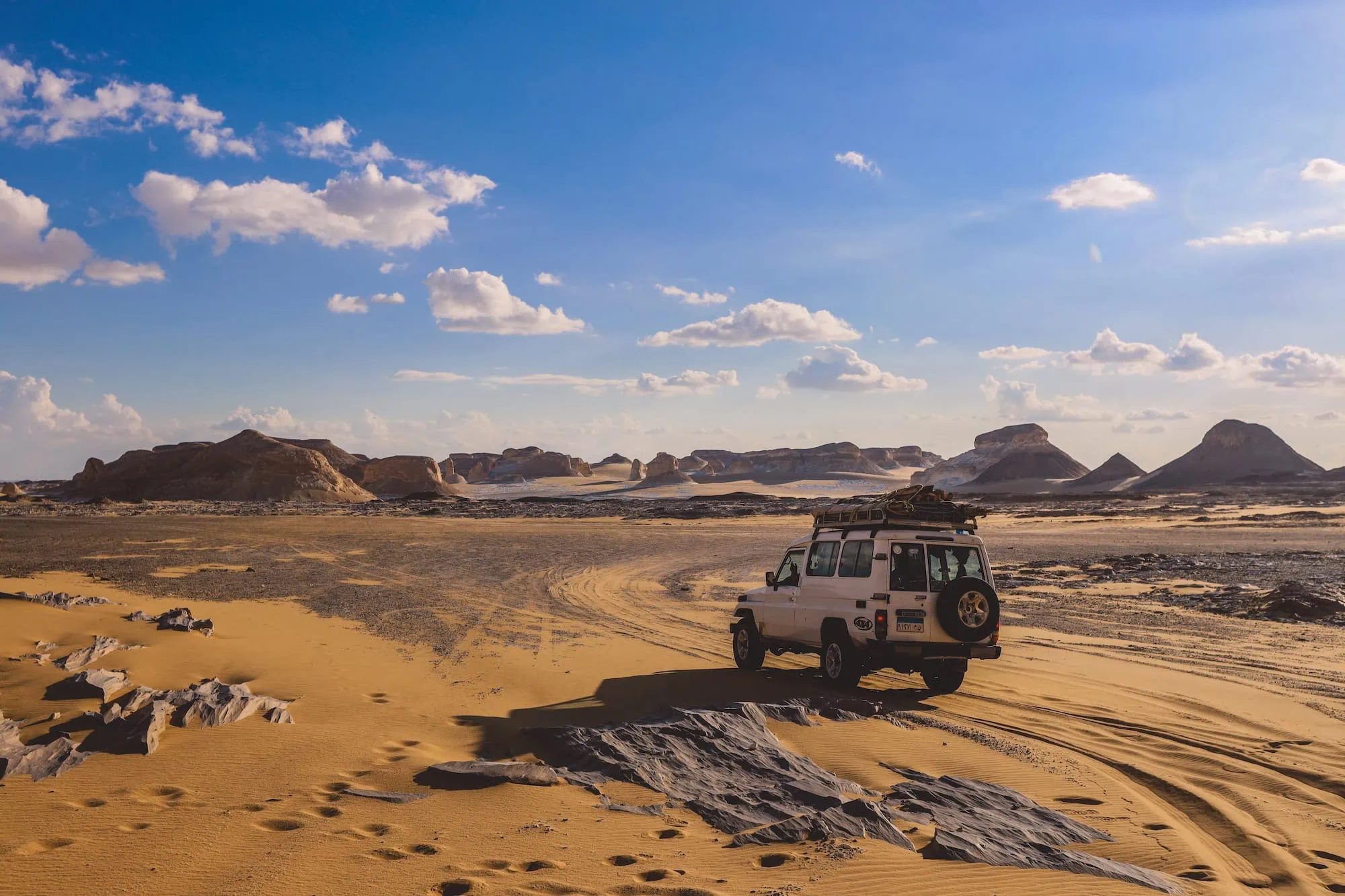
Farafra Oasis sits 627 km from Cairo in a geological depression spanning 980 km², home to roughly 5,000 people who’ve preserved centuries-old Bedouin traditions. We’ve been guiding travelers through this extraordinary landscape for decades, watching their amazement as they first glimpse the White Desert’s surreal chalk formations rising from golden sands.
Our deep relationships with local Bedouin families mean you’ll experience authentic desert culture alongside breathtaking natural phenomena. From Crystal Mountain’s quartz outcrops to the therapeutic waters of Bir Sitta hot springs, Farafra offers adventures found nowhere else on Earth.
Whether you’re planning a multi-day western desert safari or seeking the perfect overnight camping experience under the Milky Way, our specialized guides ensure every moment becomes an unforgettable memory.
Table of Contents
White Desert National Park Adventures
Crystal formations stretch endlessly across limestone terrain, creating Egypt’s most photographed natural landmark.
Iconic Limestone Formations
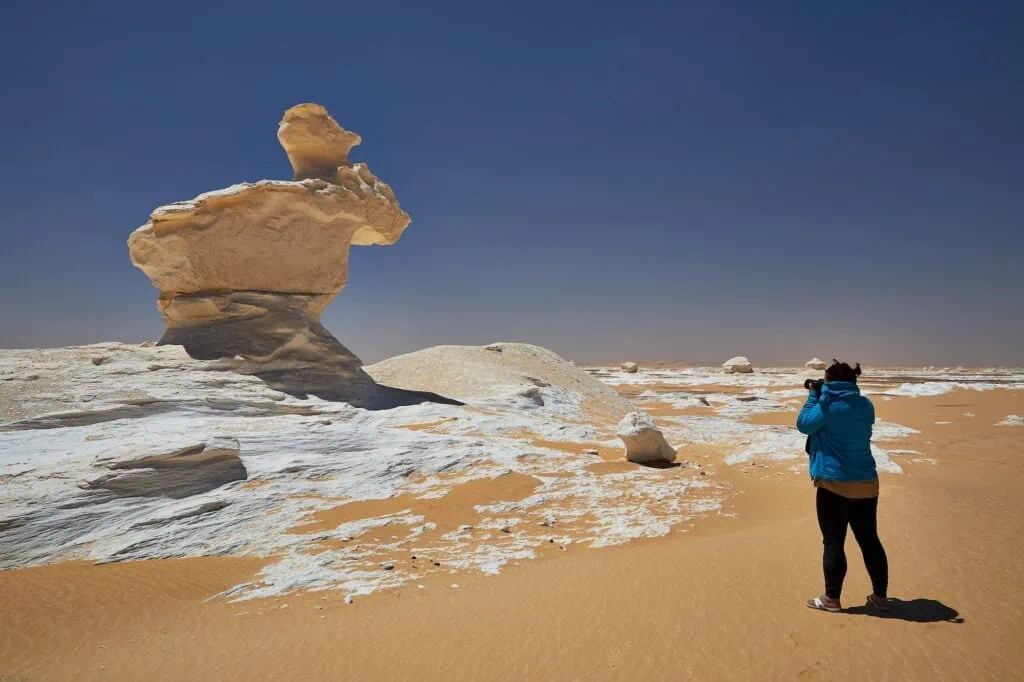
The White Desert earned its name from distinctive chalk-white rock sculptures carved by wind and sand over millions of years. Mushroom-shaped monoliths, towering spires, and abstract formations create an otherworldly landscape photographers dream about. Our guides know the best viewpoints for sunrise and sunset photography, when golden light transforms white limestone into glowing amber sculptures.
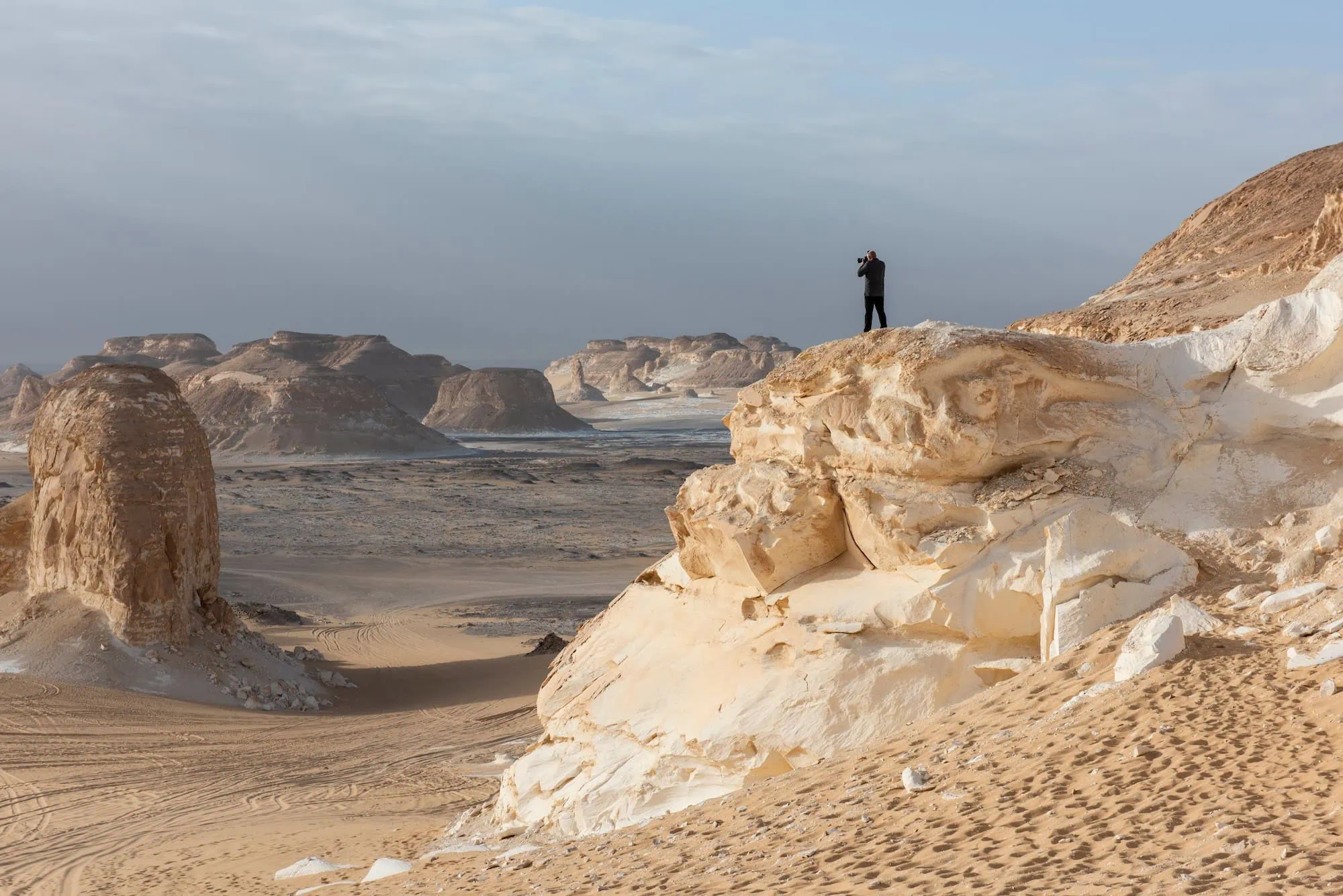
Walking among these formations feels like exploring an alien planet. Each weathered sculpture tells a geological story spanning epochs, from ancient seabeds to modern desert conditions.
Overnight Camping Experiences
Desert camping in the White Desert ranks among Egypt’s most magical experiences. We establish comfortable camps with traditional Bedouin tents, allowing you to sleep beneath star-filled skies unpolluted by city lights. Professional camp cooks prepare authentic meals over open fires while our experienced guides share stories of desert navigation and Bedouin folklore.
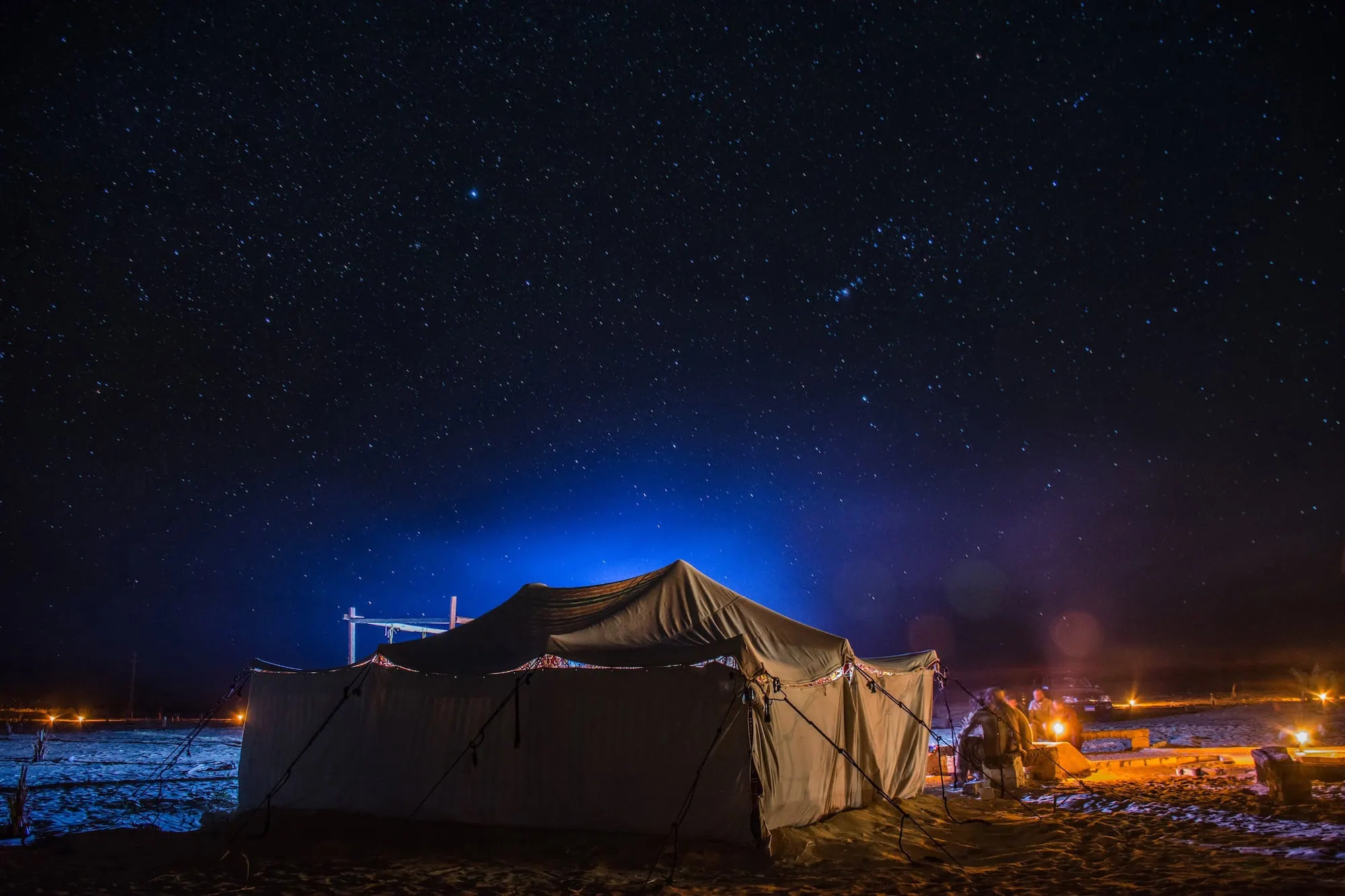
Temperature drops significantly after sunset, even during summer months, creating perfect conditions for stargazing. The Milky Way appears with stunning clarity, and shooting stars streak across the vast celestial dome. Our camping equipment includes proper sleeping bags rated for desert temperatures, ensuring comfort throughout the night.
Crystal Mountain and Hidden Valleys
Crystal Mountain stands as one of Farafra’s geological treasures, its quartzite formations glittering in desert sunlight. This natural formation contains beautiful calcite crystals that catch and reflect light, creating rainbow effects across the mountain’s surface. The climb requires moderate fitness levels but rewards visitors with panoramic views across the western desert.
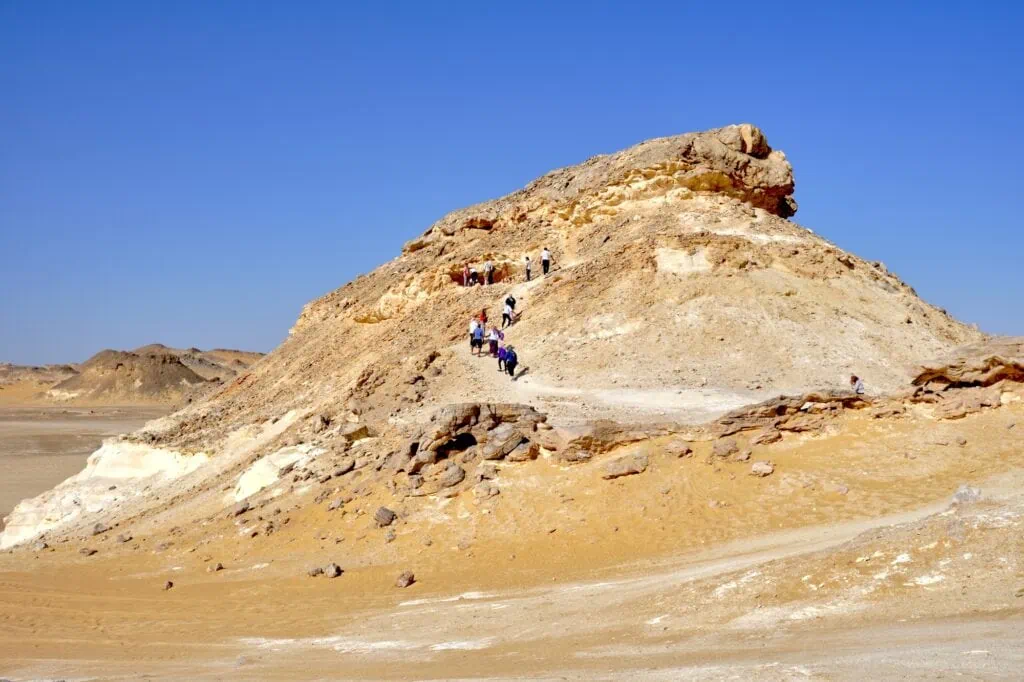
Hidden Valley offers more intimate exploration opportunities. This narrow canyon system features unique rock formations and occasional wildlife sightings, including desert foxes and various bird species that migrate through the region seasonally.
Professional Desert Safari Services
Decades of Western Desert expertise means we anticipate your needs before you realize them yourself. Our custom 4×4 vehicles handle challenging sand dunes and rocky terrain with ease, while multilingual expert guides provide geological, historical, and cultural insights throughout your journey. Every safari includes professional camping equipment, GPS navigation systems, and satellite communication devices for safety.
Local Bedouin families have partnered with us for years, sharing their intimate knowledge of desert survival, navigation by stars, and traditional customs passed down through generations. Mohammed, one of our senior guides, learned desert navigation from his grandfather and now teaches younger guides these essential skills. His family has lived in Qasr Al-Farafra for over 200 years, providing unmatched local expertise.
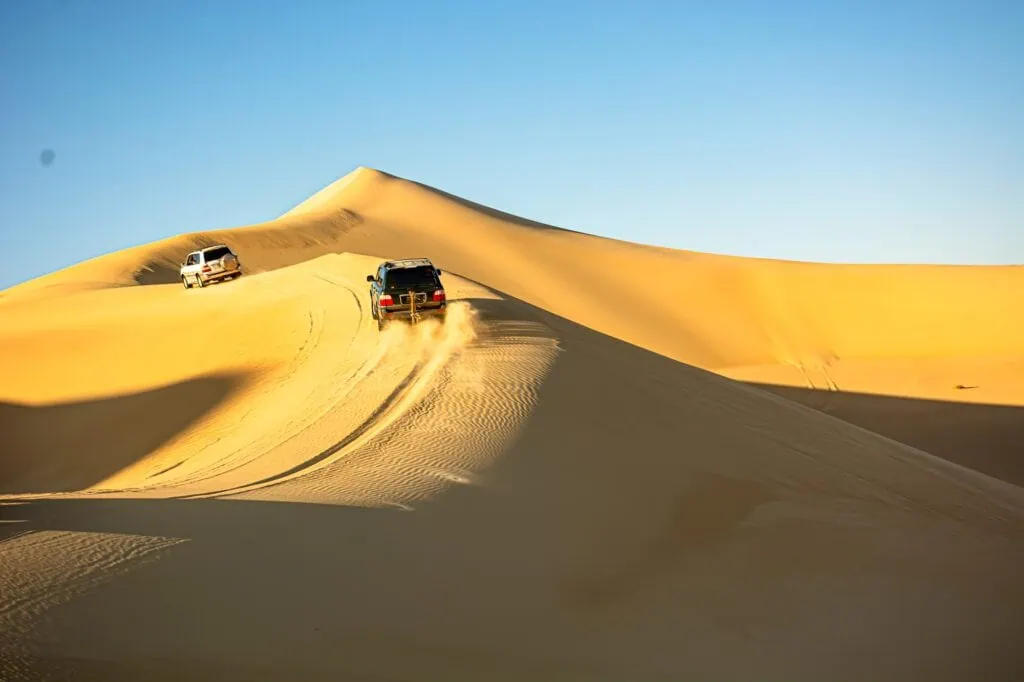
We maintain small group sizes to preserve the intimate desert experience. Most tours include 4-8 participants maximum, allowing personalized attention and flexibility to adjust itineraries based on weather conditions or group preferences.
Qasr Al-Farafra Cultural Immersion
The town itself deserves exploration beyond being merely a starting point for desert adventures. Traditional mud-brick architecture reflects centuries of adaptation to harsh desert conditions, while narrow streets provide natural cooling in summer heat. Badr’s Museum houses fascinating collections of local artifacts, traditional clothing, and geological specimens found throughout the oasis.
Traditional Bedouin Heritage
Extended families form the backbone of Farafra society, with some clans tracing ancestry back over 300 years in the region. Religious practices include distinctive zikr rituals performed by local communities, creating rhythmic chanting that echoes through palm groves on certain evenings. Our cultural tours introduce visitors respectfully to these traditions, always with permission from community elders.
Traditional crafts survive in Qasr Al-Farafra workshops, where artisans create beautiful jewelry from local stones and weave textiles using patterns passed down through generations. These interactions support local economy while providing authentic cultural exchange opportunities.
Hot Springs and Natural Resources
Bir Sitta hot spring maintains constant temperatures around 32°C (90°F) year-round, providing therapeutic relief for tired muscles after desert hiking. The spring’s mineral content benefits skin conditions and joint pain, making it popular with both locals and visitors. Several smaller springs dot the oasis, each with slightly different mineral compositions and temperatures.
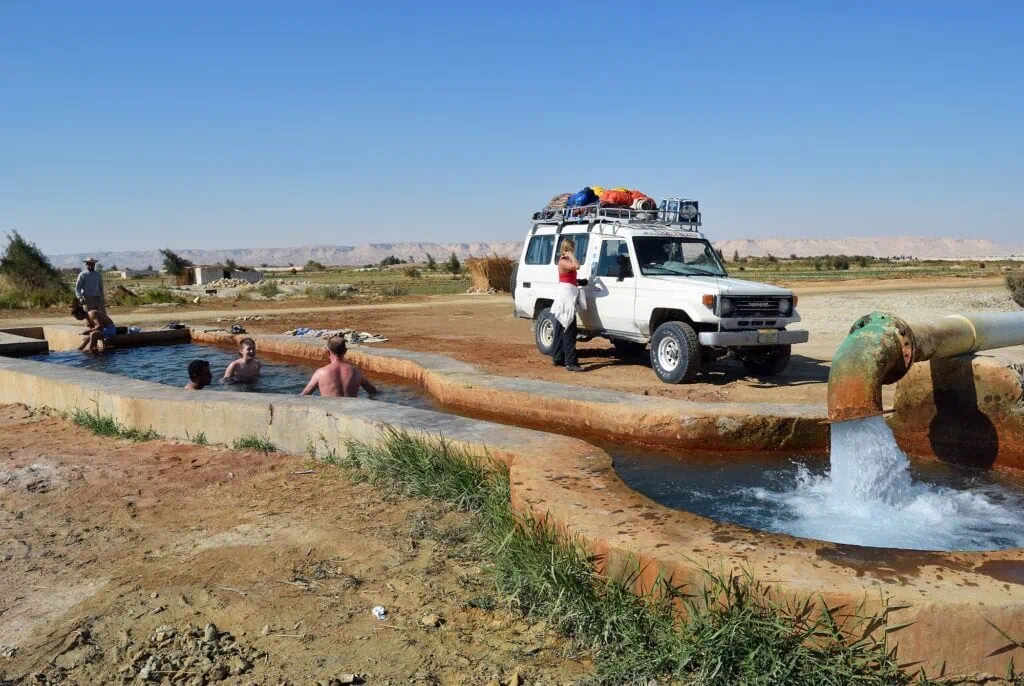
Palm groves surrounding the town produce dates and olives that form staples of local diet. These agricultural areas create green havens contrasting dramatically with surrounding desert landscape, supporting wildlife and providing cooling shade during hot afternoons.
Multi-Day Western Desert Expeditions
Four-day Western Desert tours represent our most comprehensive adventure package, combining multiple oases with diverse landscapes and cultural experiences. These expeditions begin in Bahariya Oasis, progress through the Black Desert’s volcanic formations, and culminate with extended time in Farafra’s White Desert region.
Day one typically includes Cairo departure around 7:00 am (07:00), arrival in Bahariya by midday, followed by initial desert exploration and overnight camping. Day two features Black Desert traversal, with its distinctive iron ore formations creating dramatic dark landscapes contrasting sharply with the white limestone regions ahead. Day three focuses entirely on White Desert exploration, including Crystal Mountain, mushroom formations, and remote valleys rarely visited by standard tours.
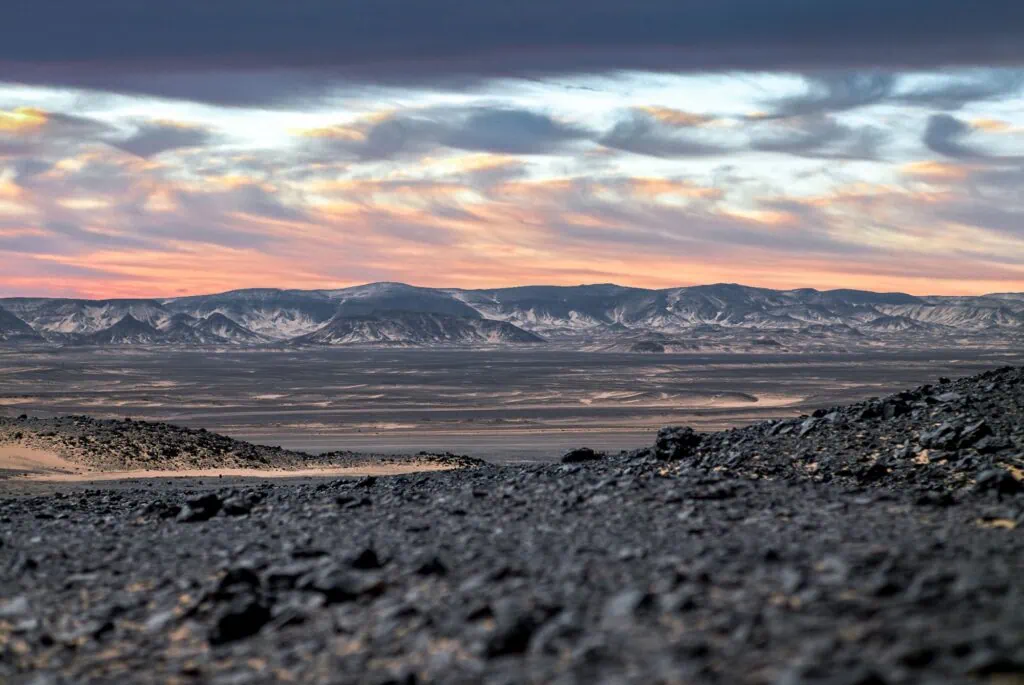
The final day allows leisurely morning photography in optimal light conditions before beginning the return journey to Cairo, typically arriving by 6:00 pm (18:00). These extended tours include all camping equipment, meals prepared by experienced camp cooks, professional 4×4 vehicles, and comprehensive insurance coverage.
Our expedition guides carry extensive first aid training and maintain communication with base operations throughout the journey. Safety protocols include regular vehicle maintenance checks, GPS tracking systems, and emergency evacuation procedures if required.
Planning Your Farafra Adventure
Timing significantly impacts your desert experience quality. Winter months from December through March offer ideal temperatures for camping and hiking, with daytime highs around 25°C (77°F) and nighttime lows dropping to 8°C (46°F). Summer visits remain possible but require earlier morning departures and extended midday rest periods.
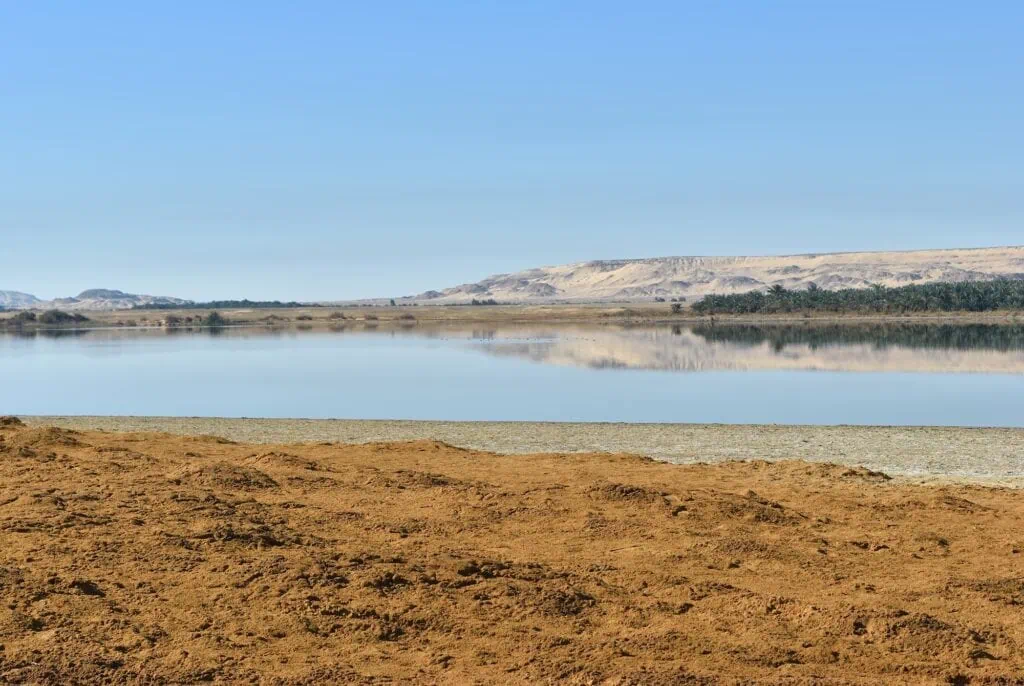
Spring months bring occasional sandstorms but also wildflower blooms following rare rainfall events. These brief desert flowering periods create spectacular photography opportunities as colorful blooms contrast against white limestone formations.
Transportation and Logistics
Professional transportation from Cairo includes modern air-conditioned vehicles with experienced drivers familiar with desert road conditions. The journey takes approximately 5-6 hours depending on stops and road conditions. We provide refreshment breaks in Bahariya Oasis and handle all permit requirements for White Desert National Park entry.
Vehicle equipment includes spare tires, recovery gear, GPS navigation, first aid supplies, and emergency communication devices. Our drivers undergo specialized desert driving training and maintain commercial licenses for passenger transport.
What to Bring
Essential items include sun protection (hat, sunglasses, sunscreen), layered clothing for temperature variations, comfortable walking shoes with ankle support, and personal medication requirements. Camera equipment benefits from extra memory cards and protective cases against sand infiltration.
We provide all camping equipment, cooking supplies, and safety gear. Water supplies exceed recommended quantities for desert travel, while meals accommodate dietary restrictions with advance notice.
Turn Your Farafra Oasis Visit Into a Seamless Private Journey
Farafra Oasis is more than a remote desert escape—it’s a gateway to Egypt’s most extraordinary landscapes, from the White Desert’s surreal formations to the quiet beauty of hidden oases. With the right planning, it becomes a natural highlight within a broader, perfectly paced Egypt itinerary.
With our custom tour planner, you decide everything: your travel dates, preferred pace, must-see experiences, and how Farafra fits into your journey. We handle the logistics, local expertise, and comfort—so your trip feels effortless from start to finish.
Frequently Asked Questions
Farafra Oasis lies approximately 627 km (390 miles) southwest of Cairo, and the journey typically takes 7 to 8 hours by road depending on traffic, checkpoints, and desert conditions. Most routes pass through Bahariya Oasis before continuing deeper into Egypt’s Western Desert. Although some itineraries attempt a same-day transfer, overnight stays are strongly recommended because Farafra serves as the gateway to the White Desert National Park. Travelers should expect long stretches without major services, so organized transport is usually the safest option.
The best time to visit Farafra Oasis is between November and March when daytime temperatures generally range from 18°C to 28°C (64°F to 82°F). Winter conditions make desert camping, hiking, and White Desert photography far more comfortable than the extreme summer months, when temperatures can exceed 45°C (113°F). Cooler nights also improve stargazing visibility across the Western Desert. January and February offer especially clear skies, so photographers often prioritize those months for sunrise and sunset tours.
Visitors entering White Desert National Park near Farafra Oasis typically require protected-area permits coordinated through licensed tour operators or local authorities. Most organized tours handle the paperwork automatically, including vehicle registration and access permissions for overnight camping zones. Permit procedures exist because the White Desert is an environmentally protected landscape containing fragile chalk formations and restricted desert routes. Independent travelers should confirm current regulations before departure because access policies occasionally change due to conservation measures or weather conditions.
Desert camping around Farafra Oasis is generally very safe when organized through experienced guides using proper vehicles, navigation systems, and communication equipment. Professional operators monitor weather conditions, carry satellite phones or radio communication devices, and establish camps away from unstable dunes or exposed wind corridors. Temperatures can drop sharply after sunset, especially between December and February, so insulated sleeping gear is essential. Travelers should avoid unauthorized solo camping because remote Western Desert areas have limited emergency infrastructure and long response times.
Farafra Oasis and the surrounding White Desert support desert-adapted wildlife including fennec foxes, desert foxes, Dorcas gazelles, migratory birds, and reptiles adapted to extreme arid conditions. Birdwatchers occasionally spot kestrels, hoopoes, and desert larks near oasis vegetation and spring-fed areas. Wildlife sightings are less common during hot midday hours because many species remain inactive to conserve water and energy. Early morning and dusk excursions usually provide the best chances for observing animals before temperatures rise across the desert landscape.
Children can safely join most Farafra Oasis desert tours, particularly sightseeing drives, shorter walks, and overnight camping experiences supervised by professional guides. Many operators recommend a minimum age of around 8 years because long driving distances, shifting temperatures, and remote conditions can be tiring for younger travelers. Family-friendly itineraries often include shorter hiking routes and more frequent rest stops near shaded camp areas. Winter departures are usually the most comfortable option for families traveling with children in the Western Desert.
Most overnight Farafra Oasis camping tours include four-wheel-drive transportation, tents, sleeping mattresses, blankets or sleeping bags, meals, bottled water, desert permits, and guided exploration of nearby attractions such as the White Desert and Crystal Mountain. Evening camps typically feature traditional Bedouin-style dinners cooked over open fires beneath clear desert skies. Egypt Tours Plus and similar operators also provide safety equipment and navigation support for remote areas with no mobile signal coverage. Travelers usually only need personal clothing, toiletries, and photography gear.
Farafra Oasis tours are moderately active rather than physically extreme, with most walking distances ranging between 2 and 3 km across relatively stable desert terrain. Visitors spend much of the experience traveling by four-wheel-drive vehicle between major formations, campsites, and archaeological points of interest. Activities such as climbing chalk formations or sandboarding require additional balance and stamina but remain optional on most itineraries. Cooler winter conditions significantly reduce physical strain compared to summer excursions in the Western Desert.
Vegetarian and vegan meal options are commonly available on Farafra Oasis tours when dietary requirements are communicated before departure into the desert. Traditional Egyptian foods such as lentils, rice, grilled vegetables, tahini, beans, salads, and flatbread adapt easily for plant-based travelers. Because overnight camps operate far from shops or restaurants, advance notice is important so guides can stock appropriate supplies before leaving Bahariya or Farafra town. Travelers with severe allergies should also carry backup snacks and any required medications.
Day trips from Farafra Oasis focus mainly on major highlights such as the White Desert’s chalk formations and Crystal Mountain, while overnight tours add sunset views, stargazing, sunrise photography, and deeper exploration of remote desert regions. Spending the night in the Western Desert also allows travelers to experience dramatic temperature changes and quieter landscapes after tour vehicles depart. Multi-day itineraries generally feel less rushed because travel distances between attractions are significant. Overnight camping delivers the most immersive desert experience overall.
Many Farafra Oasis guides provide practical photography assistance, particularly for capturing White Desert formations during sunrise, sunset, and nighttime stargazing sessions. Experienced desert guides understand how seasonal light, sand reflection, and weather conditions affect image quality across chalk landscapes and volcanic rock formations. Winter months offer especially favorable visibility because cooler air reduces atmospheric haze over long distances. Travelers interested in astrophotography should bring tripods and wide-angle lenses because desert skies around Farafra experience minimal light pollution.
Comprehensive travel insurance is strongly recommended for Farafra Oasis tours because Western Desert expeditions involve remote driving, camping, and limited access to medical facilities. Policies should ideally cover off-road vehicle travel, emergency evacuation, outdoor activities, and unexpected itinerary changes caused by weather or road conditions. Distances between settlements in Egypt’s Western Desert can exceed 100 km, making emergency logistics more complicated than standard city tourism. Travelers should review coverage details carefully before participating in overnight or multi-day desert programs.
Design Your Private Western Desert Adventure
Travel with your own expert guide, private 4×4 vehicle, and a route tailored to you.