

Western Desert Oases Route – Plan the Perfect Desert Loop
The Western Desert holds Egypt’s most dramatic landscapes.
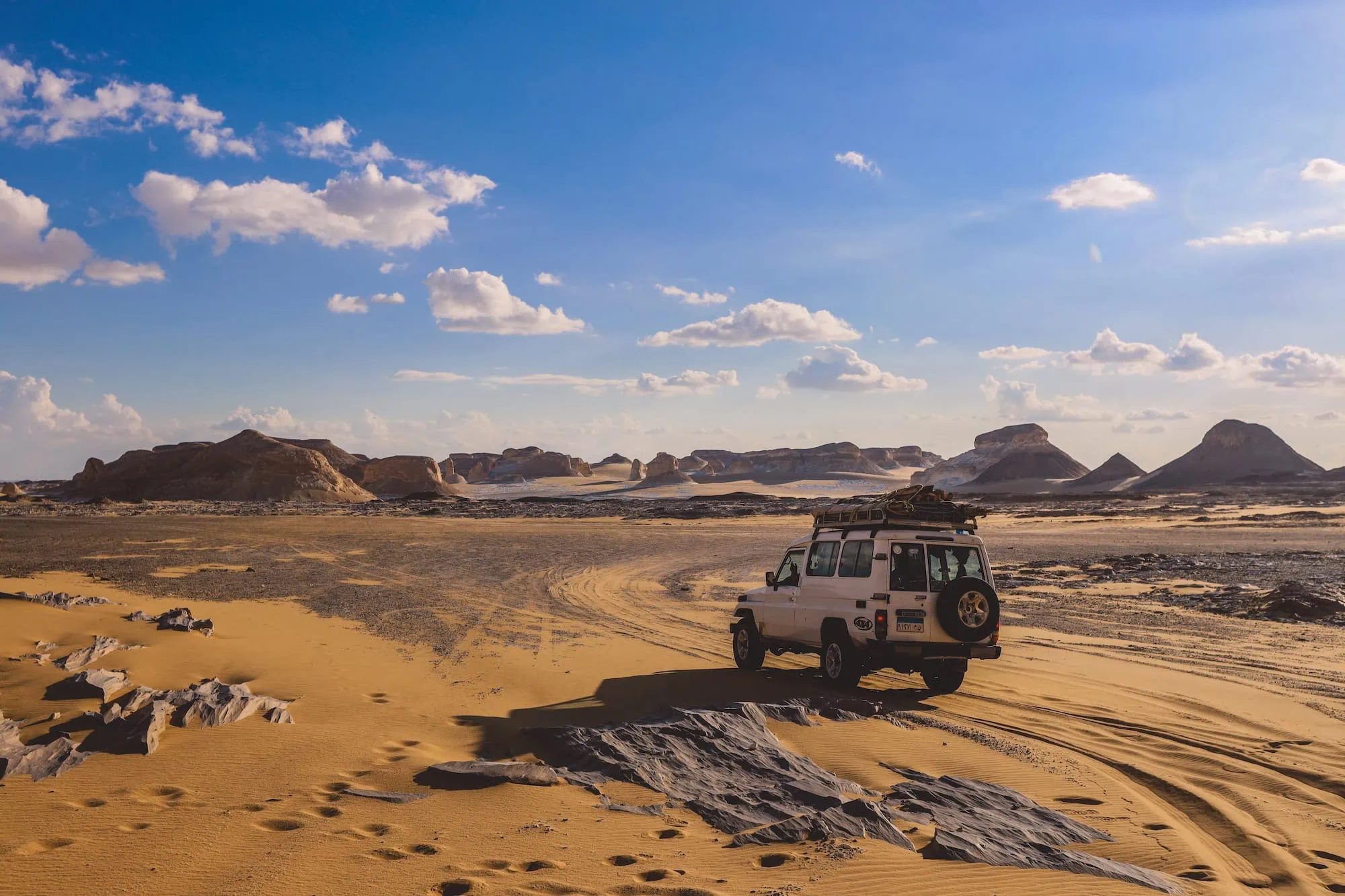
Egypt’s Western Desert stretches across thousands of square miles, connecting five extraordinary oases through ancient caravan routes that have served travelers for millennia. From the therapeutic hot springs of Bahariya to the mystical White Desert formations near Farafra, this journey offers an escape from crowded tourist sites into landscapes that feel otherworldly. We’ve guided countless adventurers along these desert paths, watching their wonder grow as limestone sculptures emerge from golden sand dunes.
Planning the Western Desert Oases Route requires understanding both ancient geography and modern logistics. The circular journey typically spans 5-7 days, covering approximately 900 kilometers of well-maintained asphalt roads that link Bahariya, Farafra, Dakhla, and Kharga oases before returning to Cairo.
Table of Contents
Mapping Your Desert Oasis Adventure
Modern highways now connect what traders once called the Darb el-Arba’in – the legendary Forty Days Road. This transformation makes the Western Desert accessible without sacrificing its raw beauty.
Essential Route Planning
Your journey begins 365 kilometers southwest of Cairo, where the Bahariya Oasis serves as the gateway to Egypt’s most spectacular desert landscapes. Road conditions remain excellent year-round, though summer temperatures can reach 120°F (49°C) during midday hours. We recommend starting your adventure between October and April when temperatures stay comfortable at 75-85°F (24-29°C).
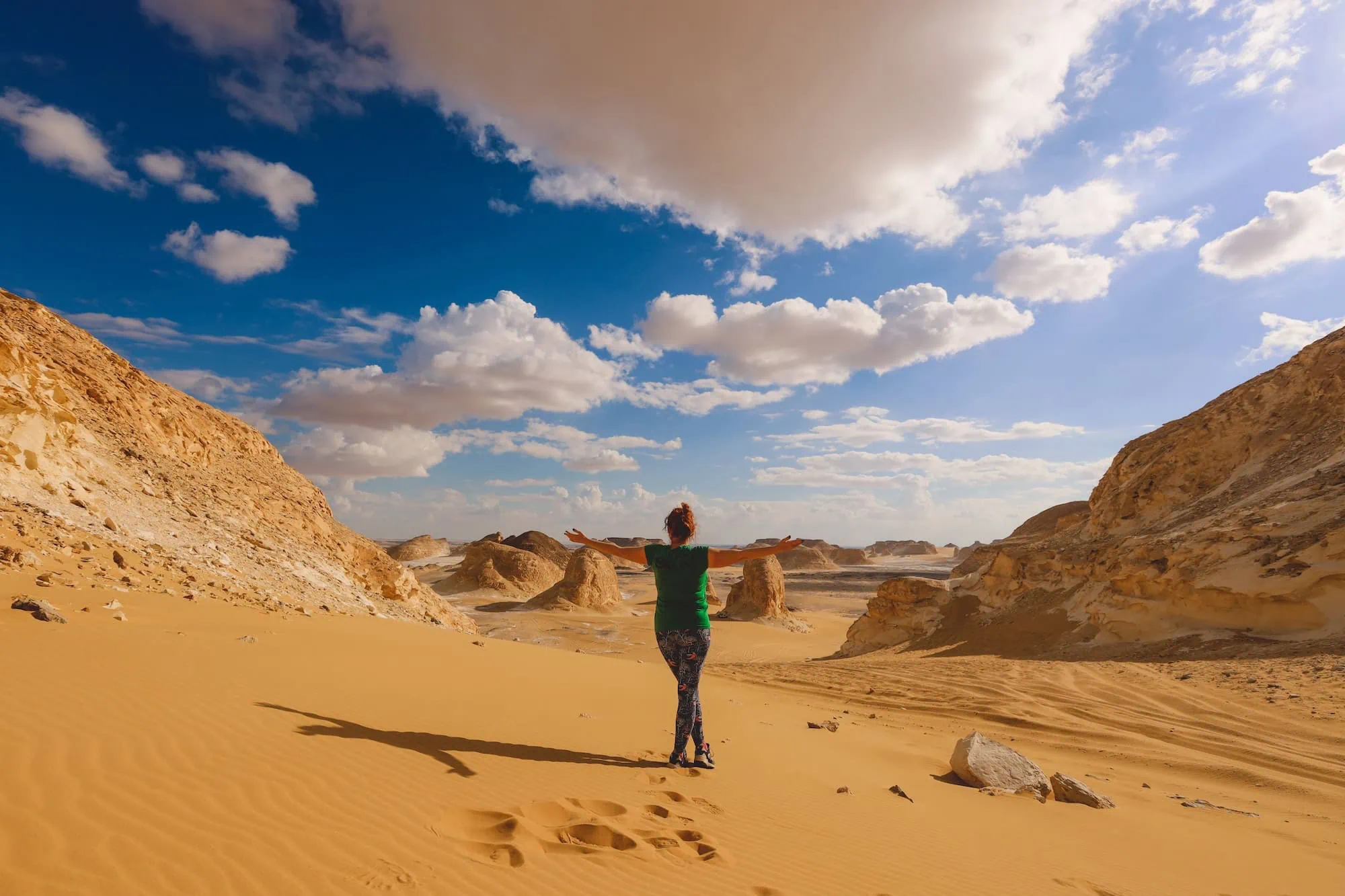
The circular route flows naturally: Bahariya Oasis to the White Desert (120km), continuing to Farafra Oasis (45km), then southeast to Dakhla Oasis (190km), east to Kharga Oasis (200km), and finally north back to Cairo (232km). Each segment offers distinct geological features and cultural experiences.
Transportation and Logistics
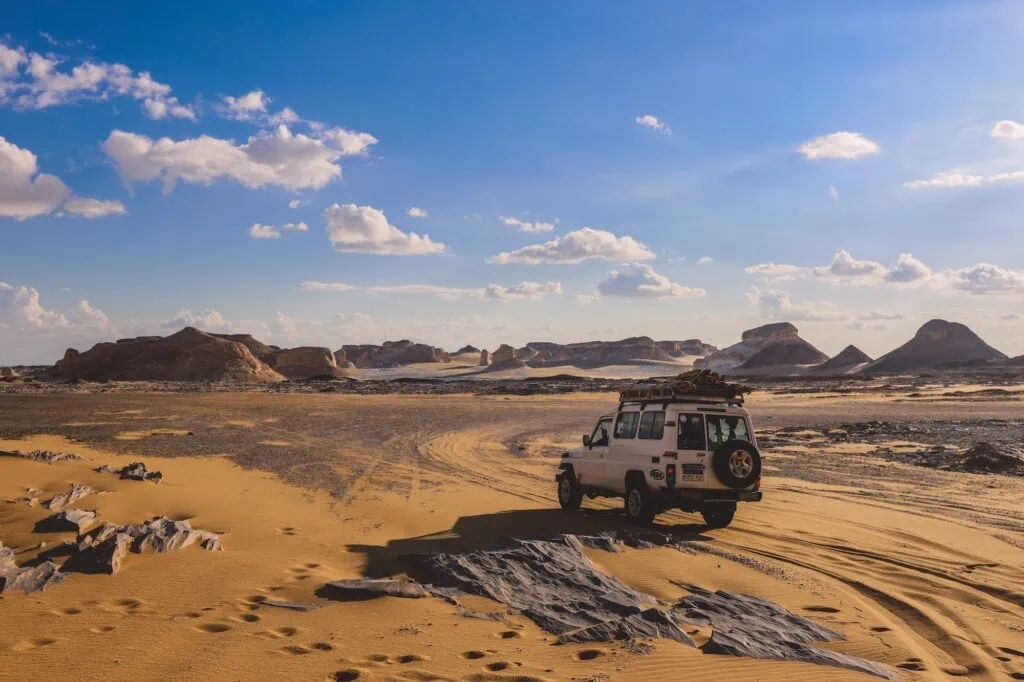
Four-wheel drive vehicles are mandatory for desert excursions, though regular cars can handle the main highways between oases. Toyota Land Cruisers remain the gold standard for desert travel, offering reliability and comfort across sand dunes and rocky terrain. Our drivers carry GPS navigation, satellite phones, and emergency supplies for complete peace of mind.
Police checkpoints operate at oasis entrances, requiring passport registration. This security measure actually enhances safety, ensuring authorities track your movement through remote areas. The New Valley Governorate oversees this vast region, maintaining infrastructure and emergency services.
Accommodation Styles
Desert camping under starlit skies creates unforgettable memories, particularly in the Agabat Valley where limestone formations provide natural windbreaks. Eco-lodges in Siwa and Farafra offer comfortable beds with sustainable practices, while traditional mud-brick hotels in Dakhla showcase local architecture. Hot spring resorts near Bahariya combine relaxation with adventure access.
Discovering Geological Wonders and Ancient Sites
Each oasis developed around underground aquifers reaching the surface through natural pressure. These water sources supported human habitation since 5000 BC.
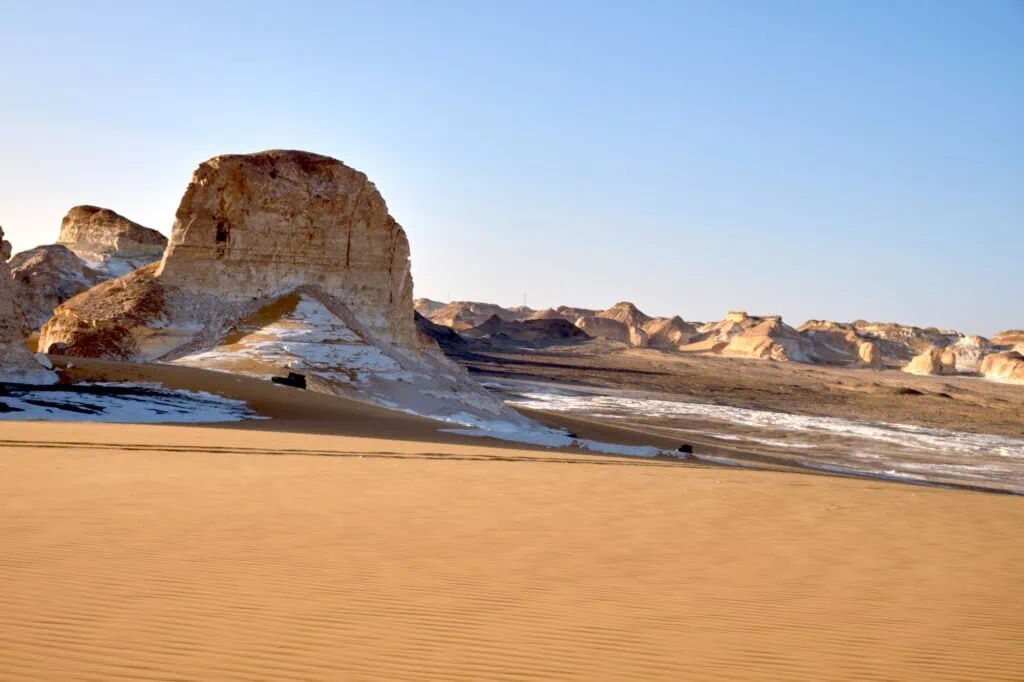
The White Desert near Farafra presents Egypt’s most photographed geological formations. Wind erosion carved limestone into mushroom-shaped sculptures, creating an alien landscape that photographers describe as Mars on Earth. Camping here overnight reveals how desert colors shift from gold to purple to silver as temperatures drop and stars emerge in unpolluted skies.
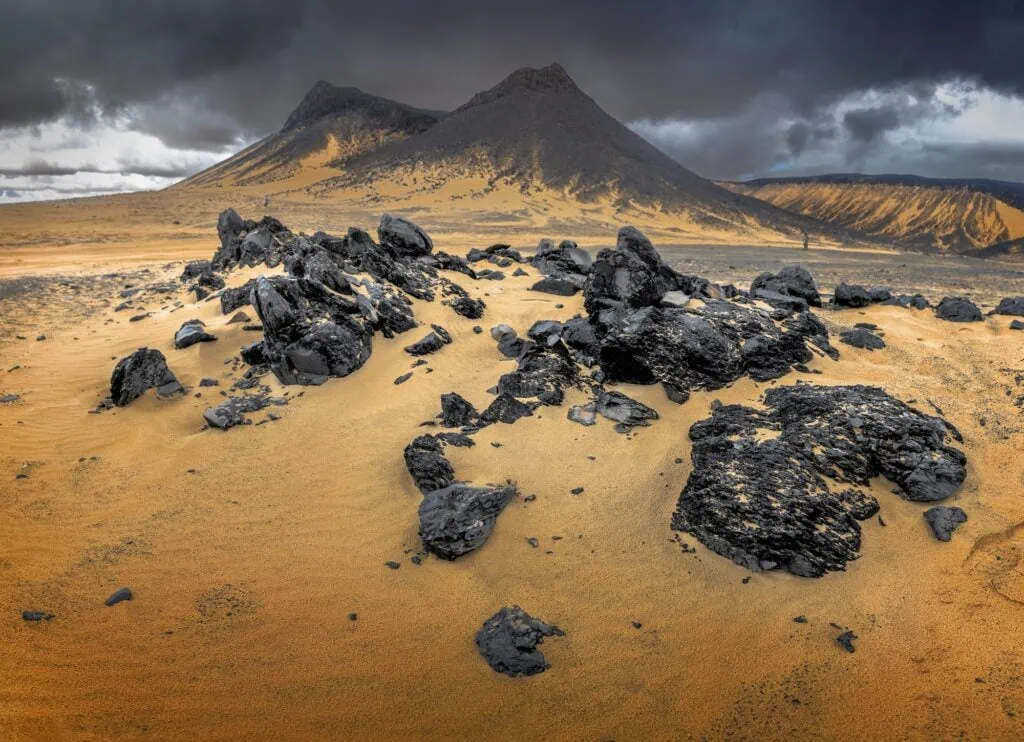
Crystal Mountain stands along the route between Bahariya and Farafra, where calcite formations catch sunlight like natural prisms. This brief stop offers easy photo opportunities without requiring hiking or special equipment. The Black Desert contrasts sharply with white limestone, featuring volcanic rock hills that absorbed centuries of iron-rich dust.
Archaeological treasures span pharaonic to Coptic periods throughout the oasis route. The Valley of the Golden Mummies near Bahariya revealed over 200 gilded burial chambers from the Greco-Roman period. Dakhla’s al-Qasr village preserves medieval Islamic architecture with narrow alleyways and traditional wind towers for natural cooling.
Temple Complexes and Ancient Settlements
Hibis Temple in Kharga represents the only intact Persian-period temple in Egypt, dedicated to the god Amun during the 6th century BC. Its sandstone walls display hieroglyphic texts describing desert trade routes and religious ceremonies. Photography requires special lighting due to the temple’s interior chambers.
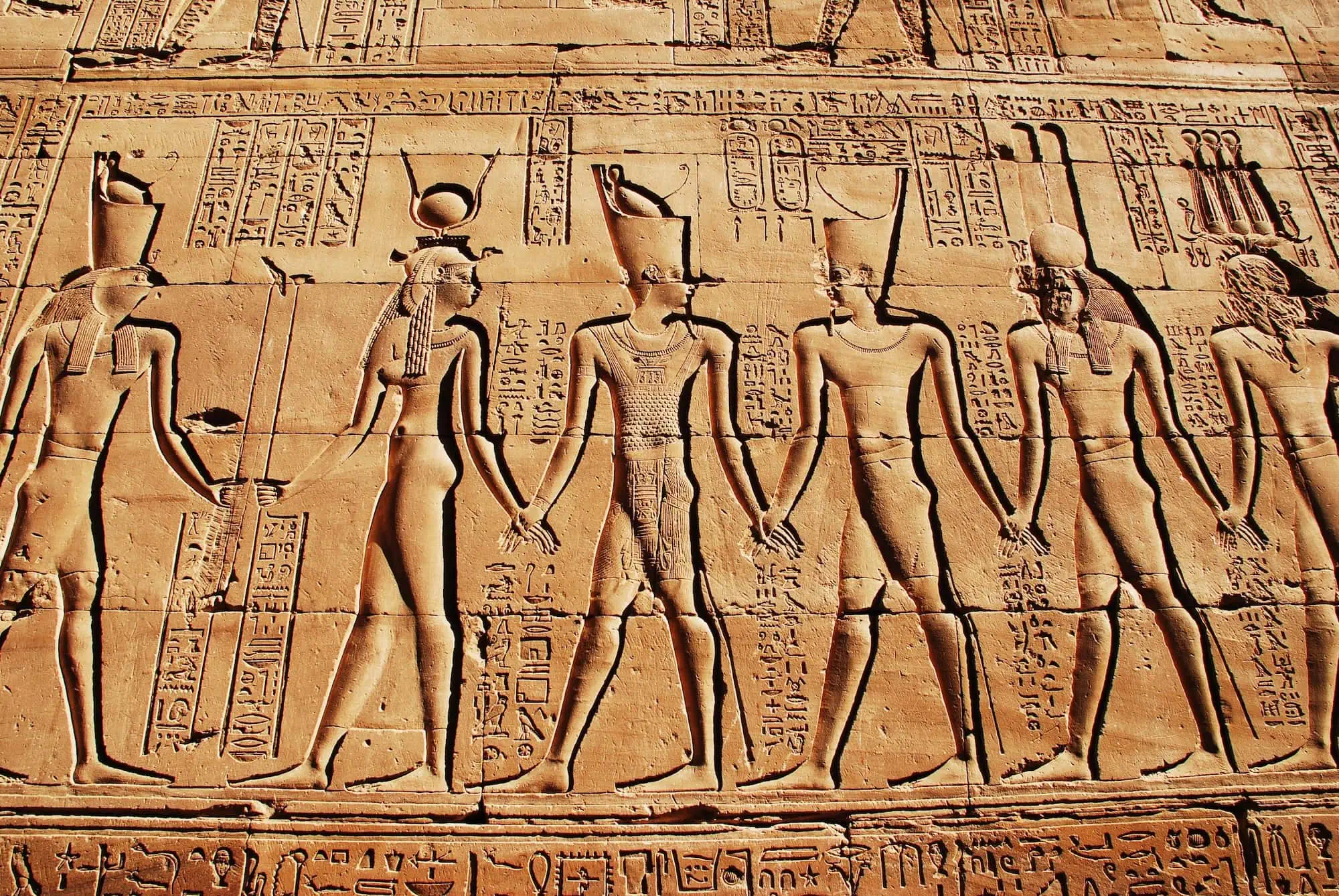
Siwa Oasis maintains distinct Berber cultural traditions, including the Siwi language spoken nowhere else in Egypt. The Oracle Temple here once drew Alexander the Great seeking divine confirmation of his destiny. Today’s visitors find date palm groves, salt lakes, and traditional crafts that reflect thousands of years of isolated development.
Roman ruins at Dush and medieval Christian sites throughout Dakhla demonstrate how these oases served as crossroads between Africa, the Mediterranean, and Arabia. Each settlement tells stories of merchants, pilgrims, and armies who depended on oasis hospitality for survival.
Adventure Activities Across the Desert Route
Desert exploration offers activities ranging from gentle sightseeing to extreme adventure sports. Temperature timing affects all outdoor activities significantly.
Sandboarding down massive dunes near Farafra provides thrills without requiring previous experience. Local guides teach proper techniques for controlling descent speed and avoiding injury. The best slopes face north, offering afternoon shade and softer landing areas. Equipment rental includes boards, safety gear, and instruction.
Dune bashing in modified 4×4 vehicles creates roller-coaster excitement across shifting sand formations. Professional drivers navigate slopes that reach 45-degree angles, creating heart-pounding moments followed by spectacular panoramic views. This activity works best during cooler morning hours between 7:00 am (07:00) and 10:00 am (10:00).
Hot spring bathing combines relaxation with mineral therapy throughout the oasis circuit. Bir Ghaba near Bahariya maintains water temperatures around 104°F (40°C) year-round, while Bir Setah offers cooler pools suitable for longer soaking. These natural spas contain sulfur and other minerals believed to benefit skin and joint health.
Stargazing and Desert Camping
The Western Desert offers some of Earth’s clearest night skies due to zero light pollution across hundreds of miles. Astronomical viewing reveals constellation details impossible to see near cities. Camping equipment typically includes comfortable bedding, portable toilets, and traditional Bedouin-style tents for weather protection.
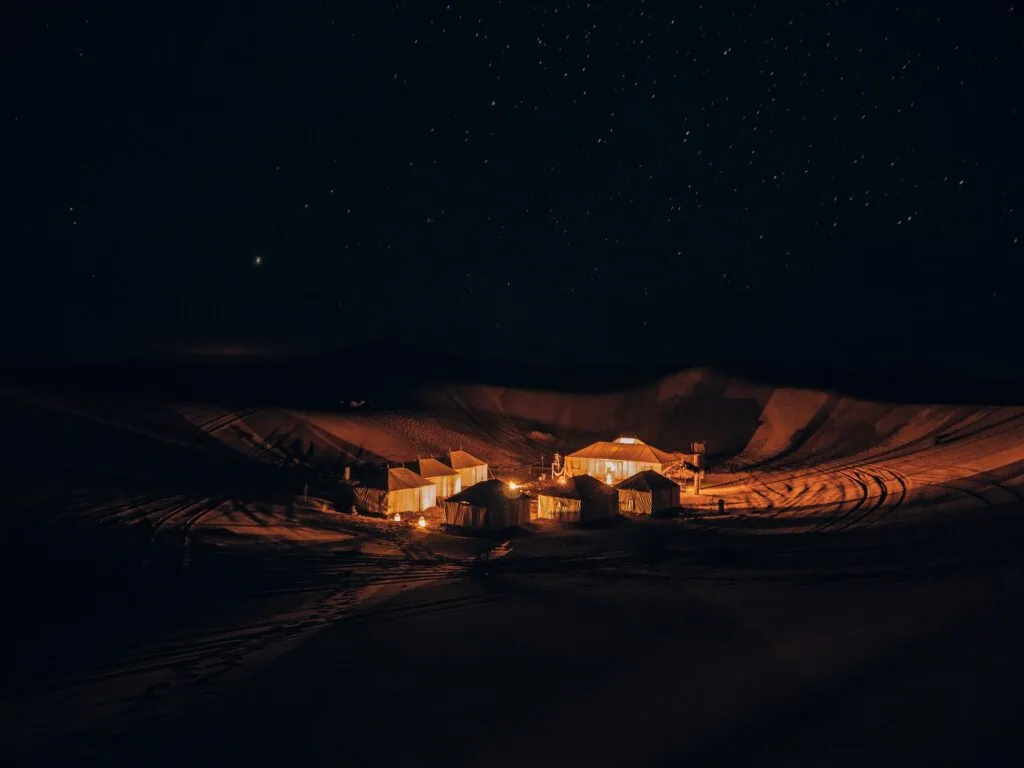
Our White Desert camping experiences include traditional meals prepared over open fires, using techniques passed down through generations of desert dwellers. Dinner often features slow-cooked lamb, fresh bread, and seasonal vegetables, followed by sweet tea and local storytelling traditions.
Wildlife observation opportunities include desert foxes, gazelles, and various bird species that migrate through oasis corridors. Early morning and evening hours provide the best viewing chances when animals emerge to drink and feed.
Cultural Heritage and Local Communities
Traditional oasis life revolves around date cultivation, underground irrigation systems called foggara, and craft production using local materials.
Women in Siwa create intricate silver jewelry and embroidered textiles using patterns unique to their community. These crafts generate income while preserving cultural identity in an increasingly connected world. Purchasing authentic items directly supports family economies and cultural continuity.
Date palm cultivation requires sophisticated knowledge of water management, pollination timing, and harvest techniques. Farmers climb 60-foot palms to tend fruit clusters, using tools and methods unchanged for centuries. Different varieties ripen throughout autumn, creating extended harvest seasons that sustain local economies.
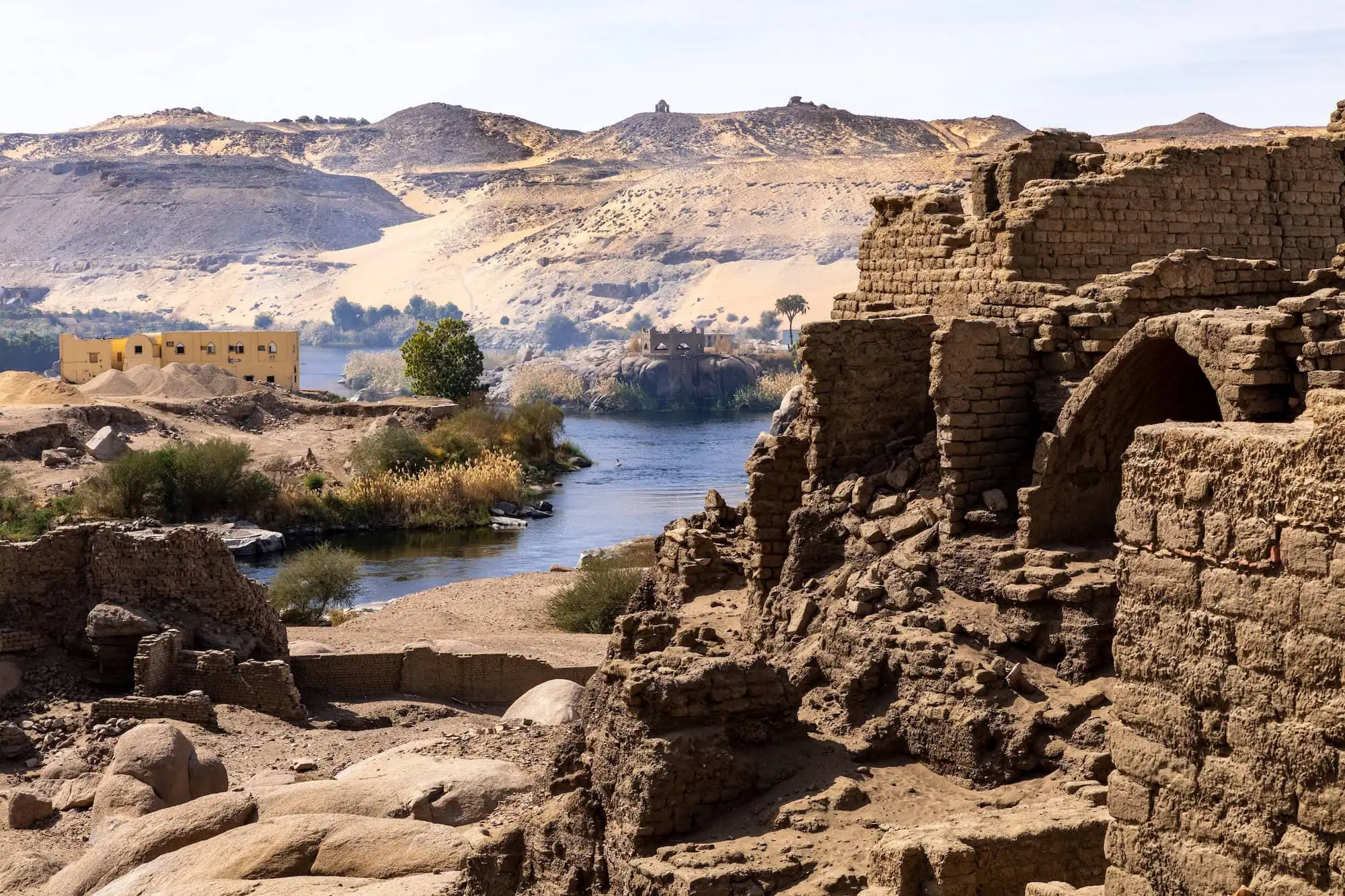
Underground aqueduct systems called qanat carry water across desert distances using gravity flow principles. Roman and medieval engineers expanded these networks, some still functioning after 1,500 years of continuous operation. Understanding this technology reveals how ancient peoples thrived in seemingly impossible environments.
Culinary Traditions and Local Flavors
Oasis cuisine reflects both Egyptian and Saharan influences, featuring ingredients adapted to desert conditions. Date-based dishes provide energy for desert travel, while preserved meats and fermented dairy products offer protein sources that resist spoilage in heat.
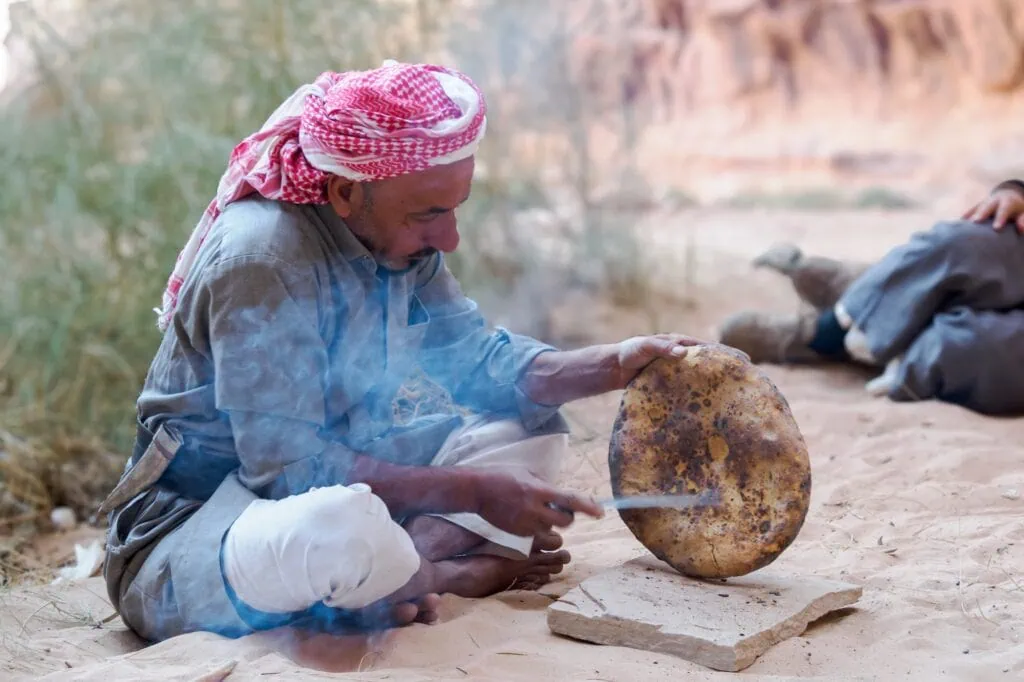
Traditional bread baking uses clay ovens heated with palm fronds and desert shrubs. The resulting loaves have distinctive flavors impossible to recreate using modern ovens. Breakfast often includes fresh cheese, honey, and fruits that grow in oasis microclimates.
Tea ceremonies occur multiple times daily, serving sweet mint tea or stronger black varieties depending on time and occasion. These social rituals strengthen community bonds while providing hospitality to travelers. Learning proper etiquette enhances cultural exchange opportunities.
Practical Planning and Safety Considerations
Desert travel requires preparation beyond typical vacation planning. Weather, isolation, and infrastructure limitations demand careful attention to logistics and safety protocols.
Visa requirements for U.S. visitors include obtaining an Egypt tourist visa either online before departure or upon arrival at Cairo International Airport for $25. Processing typically takes 5-7 business days for online applications. European Union citizens follow similar procedures, while some African and Middle Eastern nationals may require different documentation.
Medical preparation should include consultation with travel medicine specialists regarding recommended vaccinations and prescription medications for desert environments. Dehydration risks increase dramatically in dry heat, requiring conscious attention to fluid intake even when not feeling thirsty.
Communication equipment becomes essential during remote desert sections. Satellite phone rental costs approximately $8-12 per day but provides emergency contact capability beyond cellular coverage areas. GPS devices should include backup power sources and physical maps for redundancy.
Packing Essentials for Desert Travel
Clothing requirements emphasize sun protection and temperature variation management. Lightweight, long-sleeved shirts and pants provide better protection than shorts and t-shirts during desert exposure. Quality sunglasses and wide-brimmed hats prevent serious sun damage to eyes and face.
Sunscreen needs should include SPF 50+ formulations designed for extreme conditions. Desert reflection intensifies ultraviolet exposure beyond normal outdoor levels. Lip balm with UV protection prevents painful splitting in dry air conditions.
Personal medical supplies should include electrolyte replacement tablets, anti-diarrheal medication, and any prescription drugs with extra quantities for potential delays. Desert pharmacies stock limited selections, making preparation essential for health maintenance.
Temperature regulation requires layered clothing systems. Desert nights can drop 40°F below daytime highs, creating surprising cold conditions. Warm jackets and long pants become necessary for evening comfort and safety.
Best Times and Weather Patterns
Desert weather follows clear seasonal patterns that can greatly influence comfort and what you’re able to do. Choosing the right time to visit the Western Desert can make the difference between simply enduring the heat and truly enjoying the experience.
Winter months from December through February offer ideal conditions with daytime temperatures reaching comfortable 68-77°F (20-25°C) and cool nights around 45-55°F (7-13°C). Clear skies dominate this season, providing excellent visibility for photography and stargazing activities.
Spring conditions during March and April feature warming temperatures and occasional sandstorms called khamaseen. These wind events can reduce visibility and create uncomfortable travel conditions lasting 1-3 days. However, spring also brings brief wildflower blooms in areas receiving winter rainfall.
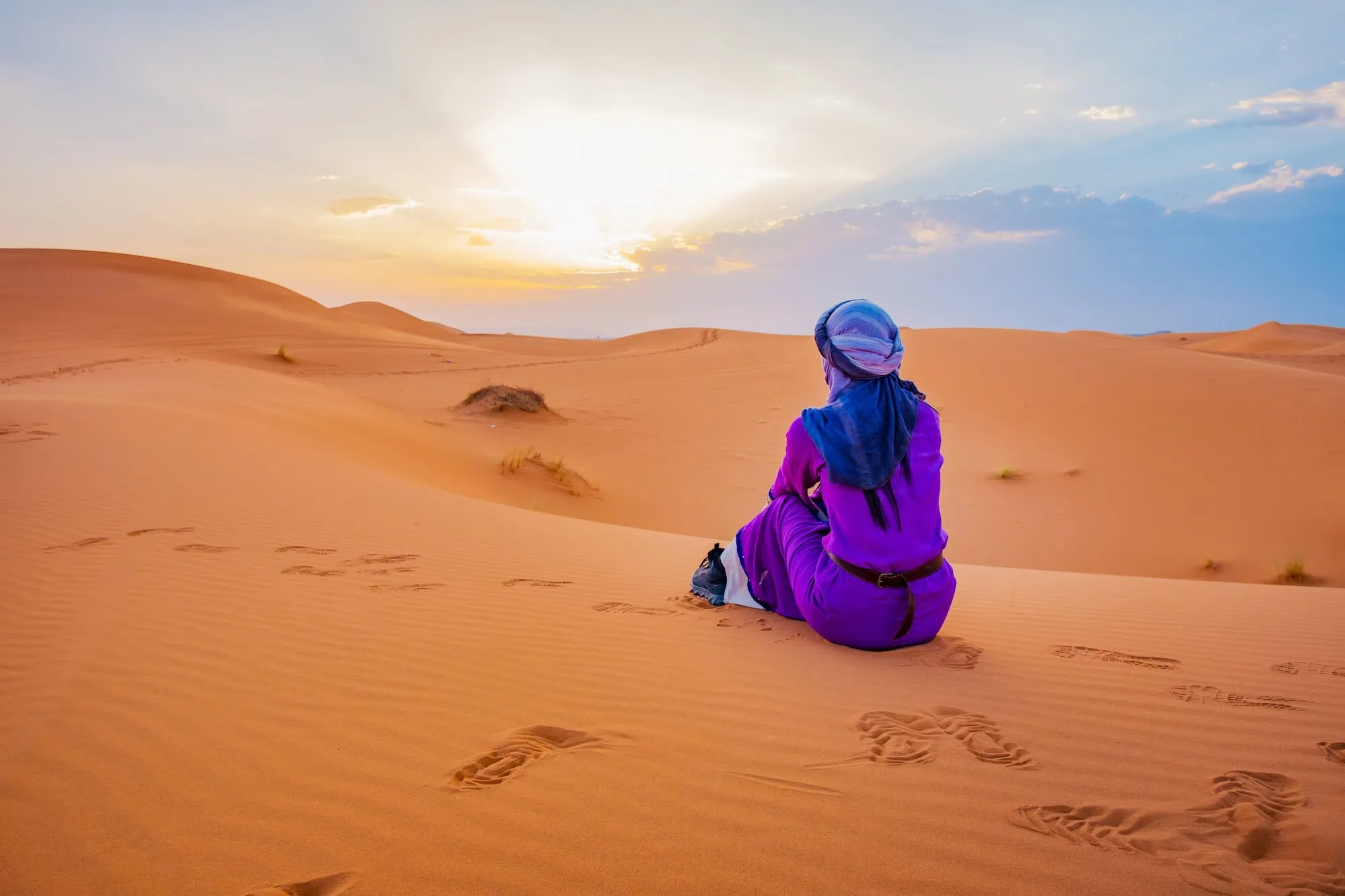
Summer temperatures between May and September frequently exceed 110°F (43°C) during midday hours, making outdoor activities dangerous between 11:00 am (11:00) and 4:00 pm (16:00). Hotels and vehicles require reliable air conditioning systems for basic comfort and safety.
Autumn weather from October through November provides the season’s best combination of warm days and cool nights. September heat lingers into October, but November typically offers perfect conditions for all activities without weather restrictions.
Wind and Sandstorm Considerations
Prevailing winds blow from north to south across the Western Desert, carrying sand particles that affect visibility and equipment function. Digital cameras require protective cases and frequent cleaning to maintain operation in dusty conditions.
Sandstorm prediction relies on meteorological forecasting and local knowledge from experienced guides. These events typically last 6-48 hours but can extend longer during severe weather patterns. Shelter options include vehicle interiors, hotel rooms, or temporary camps with adequate wind protection.
Respiratory protection becomes important during dusty conditions. Simple cloth masks or bandanas provide basic filtration, while medical-grade masks offer superior protection for sensitive individuals. Eye protection requires wrap-around sunglasses or protective goggles during severe conditions.
Wind-related activities like sandboarding and photography benefit from understanding daily wind patterns. This level of local insight is a key part of our professionally guided Western Desert tours, where experienced teams monitor conditions closely to keep your journey safe and adaptable.
Morning hours typically offer calmer conditions, while afternoon thermal currents create stronger, more variable winds that can enhance or hinder planned activities.
Frequently Asked Questions
Most travelers need 5 to 7 days to complete Egypt’s main Western Desert oases circuit, including Bahariya, Farafra, Dakhla, Kharga, and White Desert stops. Driving distances between oases often exceed 200 km, and desert excursions can take several additional hours by 4WD. A rushed 3 to 4 day itinerary usually limits cultural visits and overnight desert camping. Travelers interested in photography, hot springs, or archaeological sites like Deir El Hagar Temple should allow a full week.
A standard vehicle can handle the paved highways connecting major oases such as Bahariya, Dakhla, and Kharga, but 4WD is essential for off-road desert travel. Areas including the White Desert National Park, Black Desert, and remote dune tracks contain deep sand and rocky terrain that require experienced desert driving. Most guided expeditions use Toyota Land Cruisers or similar vehicles designed for Sahara conditions. Travelers planning overnight camping or fossil-site visits should assume 4WD is mandatory.
Accommodation along Egypt’s Western Desert route ranges from eco-lodges and boutique desert hotels to basic guesthouses and remote camping sites. Siwa and Bahariya offer some of the region’s most upscale stays, including mud-brick ecolodges with natural spring access, while Dakhla and Kharga have more traditional hotels and family-run accommodations. Desert camps in the White Desert typically include mattresses, blankets, meals, and shared tents. Winter nights can drop below 5°C (41°F), so warm layers remain important even in luxury camps.
October through April is the best season for exploring Egypt’s Western Desert because daytime temperatures usually stay between 20°C and 30°C (68°F to 86°F). Summer temperatures in areas like Kharga and Dakhla frequently exceed 40°C (104°F), making long drives and outdoor activities physically demanding. Winter also brings clearer skies for photography and more comfortable conditions for camping in the White Desert. December and January are peak months, so popular ecolodges often book out early.
Most travelers do not need special tourist permits for the main Western Desert oases route, but passport registration and checkpoint monitoring are standard security procedures. Police and military checkpoints between Bahariya, Farafra, Dakhla, and Kharga routinely record traveler details for route tracking and safety oversight. Some remote border-zone areas near Libya or Sudan may require additional authorization from Egyptian authorities. Travelers should carry their original passport at all times because photocopies are often insufficient at checkpoints.
Safe travel in Egypt’s Western Desert depends on experienced guides, reliable 4WD vehicles, and proper preparation for extreme environmental conditions. Daytime dehydration is common because desert humidity remains extremely low, even during cooler months between November and February. Travelers should carry several liters of water per person daily, sun protection, power banks, and offline navigation tools because cellular coverage disappears in remote areas. Guided convoys also reduce risks related to sandstorms, mechanical breakdowns, and navigation errors far from paved roads.
Egypt’s desert oases exist because underground aquifers force water naturally to the surface in low-lying depressions within the Sahara. Many Western Desert oases draw from the Nubian Sandstone Aquifer System, one of the world’s largest fossil water reserves spanning Egypt, Libya, Chad, and Sudan. This groundwater supports date palms, olive groves, agriculture, and permanent settlements despite surrounding hyper-arid desert conditions. In Siwa Oasis alone, hundreds of freshwater springs sustain farming communities that have survived for centuries.
Each Western Desert oasis developed distinct cultural traditions shaped by geography, trade routes, and relative isolation from the Nile Valley. Siwa Oasis preserves strong Amazigh (Berber) identity, including its own Siwi language and mud-brick architecture built with salt-rich kershef stone. Dakhla Oasis is known for medieval Islamic towns like Al-Qasr, where narrow alleys and Ottoman-era buildings still survive. Bahariya became historically associated with date cultivation and Roman-period sites, including the nearby Valley of the Golden Mummies.
Families with children can safely explore Egypt’s Western Desert when itineraries include moderate driving times, reliable guides, and age-appropriate activities. Popular family experiences include sandboarding near the Great Sand Sea, swimming in natural hot springs, camel rides, and camping in the White Desert’s limestone formations. Children usually tolerate winter desert conditions better than peak summer heat, especially between November and March. Parents should plan frequent rest stops because some inter-oasis drives exceed 4 to 6 hours.
Guided Western Desert expeditions in Egypt typically cost between $150 and $300 per person per day depending on accommodation level, vehicle type, and group size. Most packages include private or shared 4WD transportation, desert permits, meals, accommodations, fuel, and guide services. Luxury Siwa ecolodges and fully private itineraries can increase costs substantially, especially during the December to February high season. Travelers booking independently should also budget for fuel surcharges and long-distance transfer fees from Cairo.
Mobile phone coverage is generally reliable inside major oasis towns but becomes weak or nonexistent across large desert stretches between settlements. Egyptian carriers such as Vodafone Egypt and Orange Egypt usually provide usable service in Bahariya, Dakhla, Kharga, and Siwa town centers. Remote desert regions including the White Desert National Park often have no signal for several hours at a time. Travelers needing consistent communication should download offline maps and notify contacts before entering isolated areas.
Desert photography requires equipment that can handle fine sand, strong sunlight, and major temperature swings between day and night. A weather-sealed camera body, UV filter, microfiber cloths, and extra batteries are especially useful because cold desert nights drain battery life faster than urban conditions. Wide-angle lenses work well in the White Desert, where limestone formations and open skies dominate the landscape. Sunrise and sunset usually provide the best contrast, softer light, and lower haze levels for Sahara photography.
Design Your Private Western Desert Adventure
Travel with your own expert guide, private 4×4 vehicle, and a route tailored to you.