Cairo’s greatest wonders at your fingertips
Cairo Tourist Attractions
Cairo tourist attractions draw more visitors than anywhere else in Egypt — and it’s easy to see why. From the legendary Pyramids of Giza and the ancient necropolis of Saqqara to the vibrant lanes of Khan El Khalili, the city is filled with unforgettable experiences.
Uncover timeless monuments, sacred mosques, and vibrant streets filled with stories
Explore the Treasures of Cairo
Cairo Attractions
Cairo overwhelms first-time visitors in the most extraordinary way.
Cairo’s tourist attractions span 5,000 years of human civilization, where ancient pharaohs’ tombs stand alongside bustling Islamic markets and Coptic Christian heritage sites across a sprawling metropolis of over 20 million people.
We’ve spent decades guiding travelers through Cairo’s labyrinthine streets and hidden treasures, and our carefully crafted Cairo tours have helped countless visitors transform from overwhelmed tourists into captivated explorers. The city rewards patience and curiosity like nowhere else on Earth.
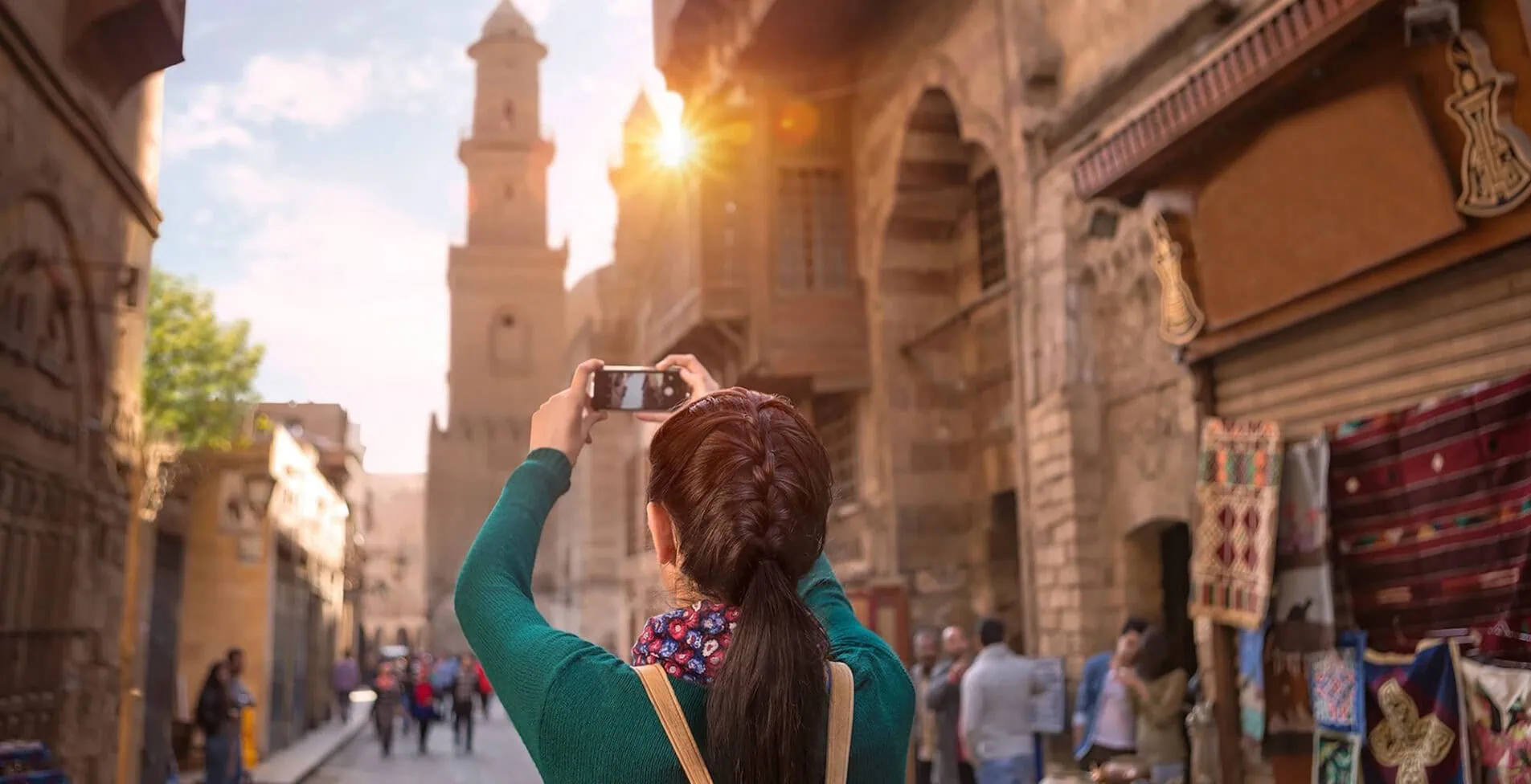
Our comprehensive guide reveals Cairo’s must-see attractions alongside authentic local experiences that most guidebooks miss. From the world-famous Pyramids of Giza to intimate neighborhood cafés where locals gather for evening tea, you’ll discover why Cairo remains one of humanity’s most fascinating destinations. For broader travel planning — from where to stay to getting around the city — see our full Cairo travel guide.
Table of Contents
Essential Ancient Wonders: Where History Comes Alive
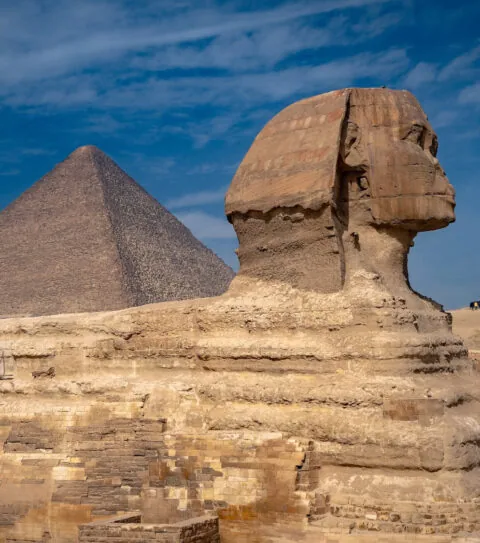
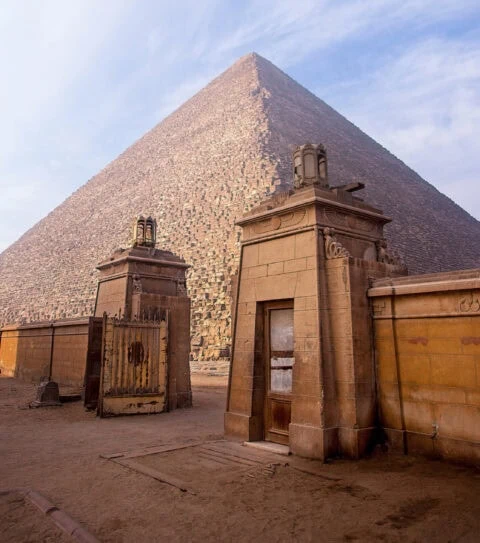
The Pyramids of Giza command attention like few monuments on Earth. Standing at the edge of Cairo’s urban sprawl, these 4,500-year-old structures continue to baffle engineers and archaeologists with their mathematical precision and sheer scale. The Great Pyramid of Khufu originally stood 146 meters (481 feet) tall and remained the world’s tallest human-made structure for over 3,800 years.
Great Pyramid Complex Experience
We recommend starting your visit at sunrise, around 6:00 am (06:00), when golden light illuminates the limestone blocks and tourist crowds remain minimal. The complex includes three main pyramids, the enigmatic Great Sphinx, and several smaller satellite pyramids. Allow at least four hours for a thorough exploration.
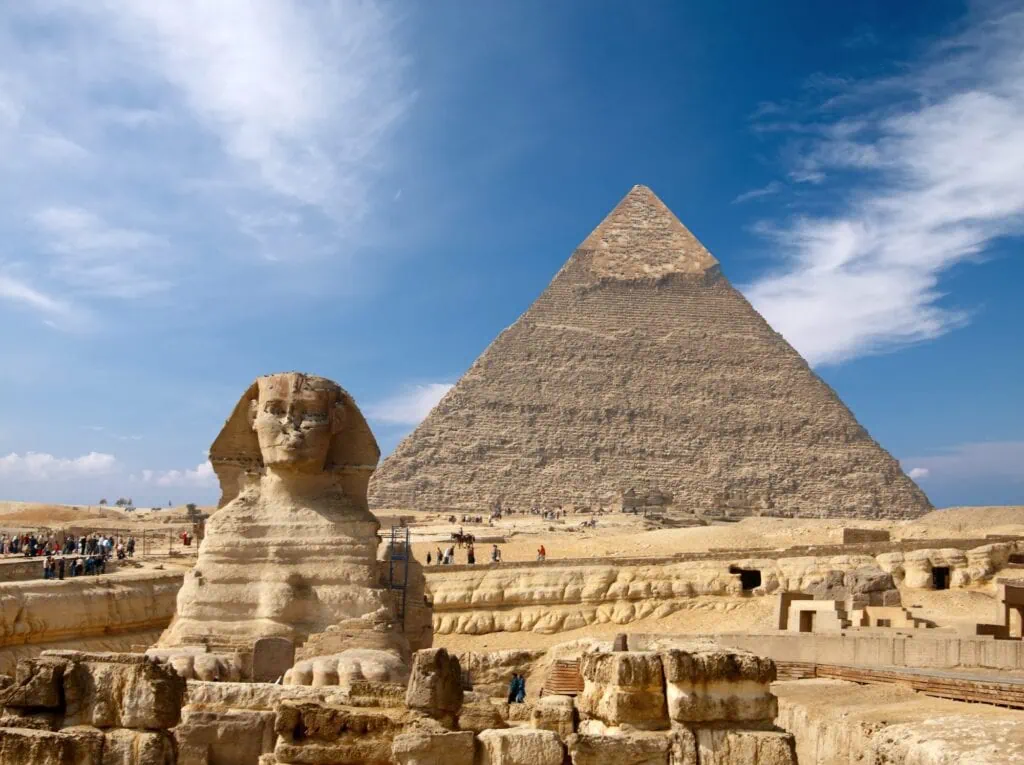
The Sound and Light Show at 7:30 pm (19:30) transforms the pyramids into storytelling canvases, though the experience varies significantly by language and season. We arrange private viewings from optimal positions for our guests.
Grand Egyptian Museum Discovery
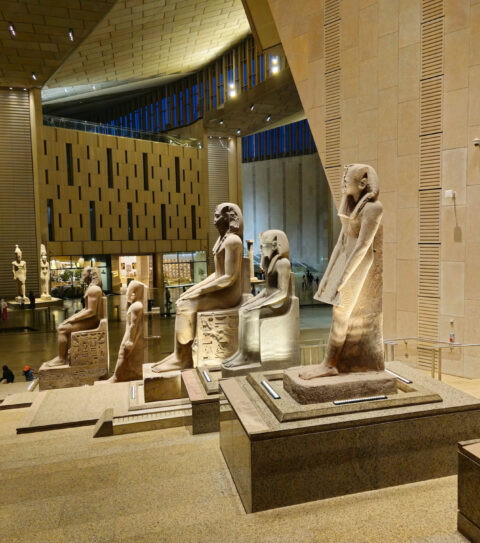
The recently opened Grand Egyptian Museum near the pyramids houses over 100,000 artifacts, including Tutankhamun’s complete burial collection. This architectural marvel spans 120,000 square meters (1.3 million square feet) and represents the world’s largest archaeological museum dedicated to a single civilization.
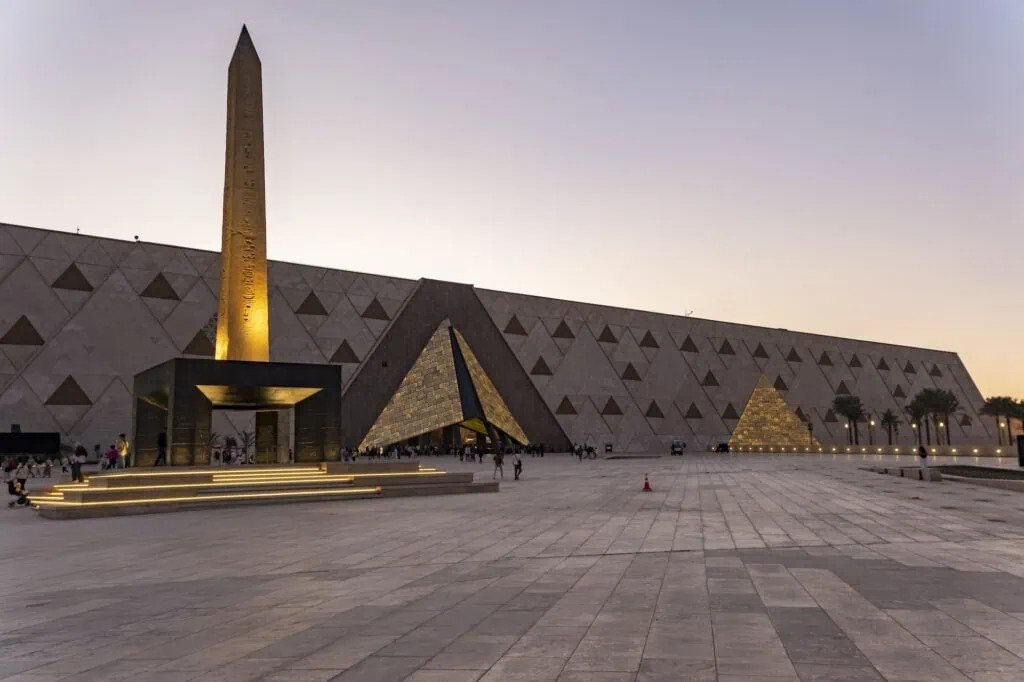
Interactive displays use cutting-edge technology to bring ancient stories to life. The museum’s crown jewel remains Tutankhamun’s golden funeral mask, displayed in a climate-controlled environment that preserves its 3,300-year-old craftsmanship.
Saqqara: Egypt’s Oldest Pyramid
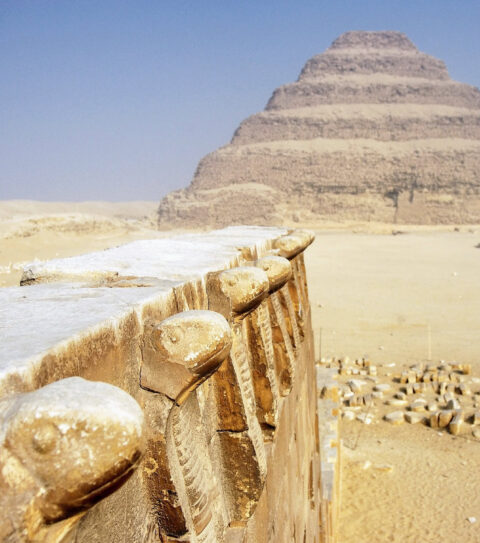
Located 30 kilometers (19 miles) south of Cairo, Saqqara contains the Step Pyramid of Djoser, built around 2650 BCE. This six-tiered structure represents humanity’s first attempt at monumental stone architecture.
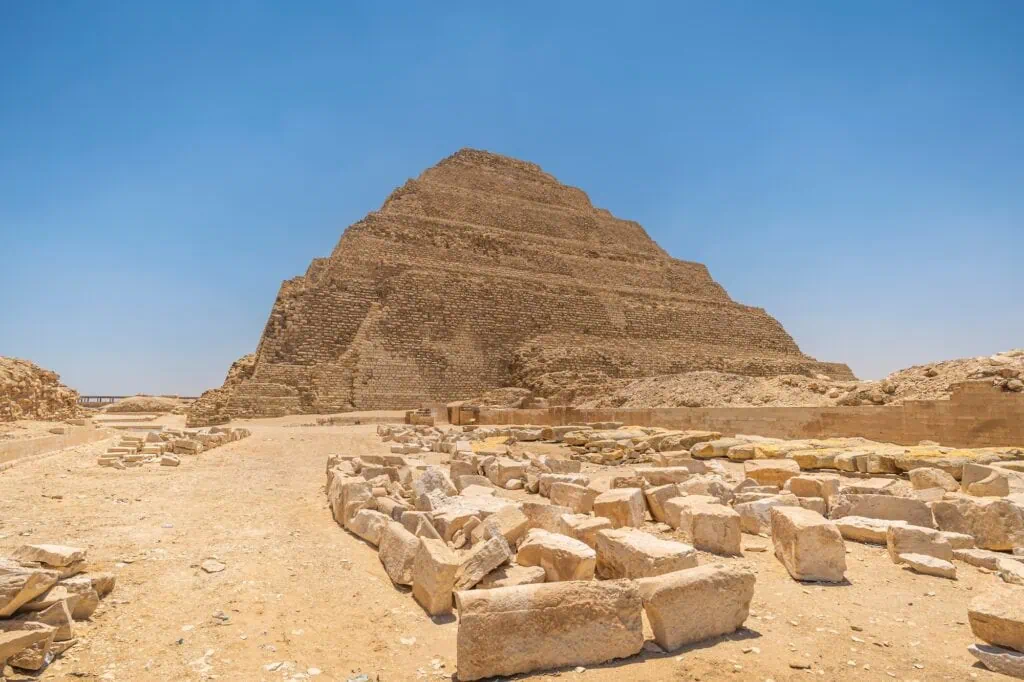
Recent excavations have revealed pristine tomb chambers with original wall paintings still vibrant after millennia underground.
Navigating Islamic Cairo’s Timeless Streets
Islamic Cairo encompasses over 600 mosques, madrasas, hammams, and fountains dating from the Islamic era. UNESCO recognizes this area as a World Heritage Site, though its narrow medieval streets pulse with contemporary Egyptian life.
The Citadel of Salah El-Din dominates the city skyline from its limestone plateau. Built in the 12th century, this massive fortress complex showcases various architectural periods. The Muhammad Ali Mosque within the citadel, constructed between 1830 and 1848, features distinctive Ottoman-style architecture with twin minarets visible across Cairo. Its alabaster walls earned the nickname “Alabaster Mosque,” though the interior’s intricate details deserve equal attention.
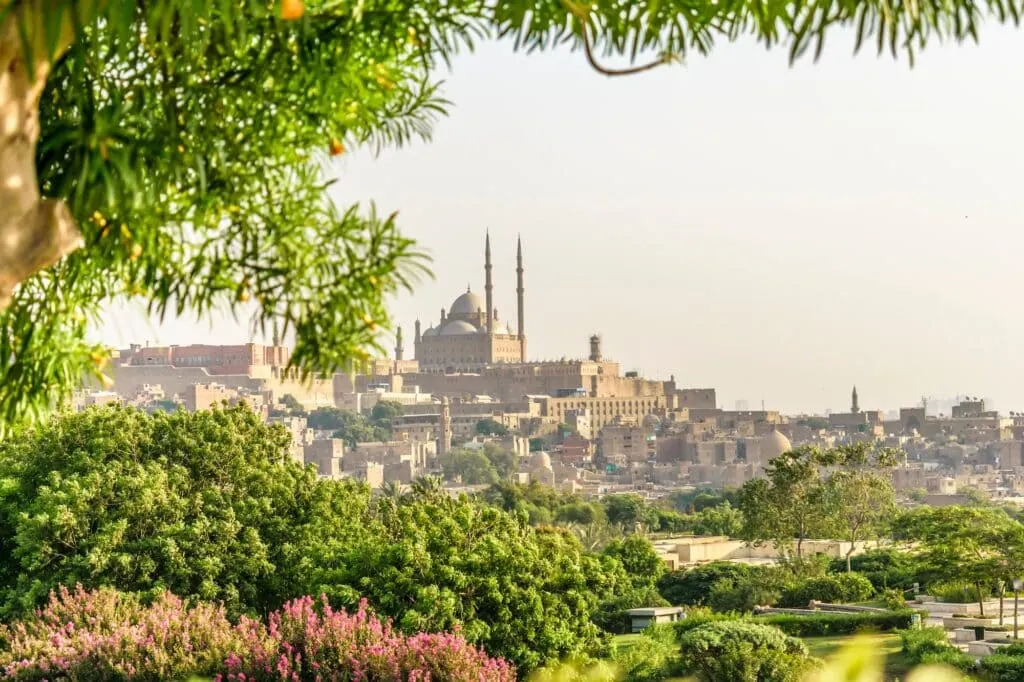
Al-Azhar Mosque and University, founded in 970 CE, continues operating as one of Islam’s most important centers of learning. Students from across the Muslim world study here, creating an atmosphere where ancient scholarship meets modern academia. The mosque’s peaceful courtyards offer respite from Cairo’s intensity.
Khan Al-Khalili Bazaar Adventures
Khan Al-Khalili represents the Middle East’s most famous bazaar, where merchants have traded since the 14th century. Navigate narrow alleyways filled with handcrafted jewelry, traditional textiles, spices, and antiques. Haggling remains expected and entertaining.

The surrounding area includes historic coffeehouses where Nobel Prize winner Naguib Mahfouz penned many novels. Fishawi Café claims continuous operation since 1773, serving traditional Egyptian coffee and tea in an atmosphere unchanged by centuries.
Coptic Cairo: Christian Heritage Preserved
Old Cairo’s Coptic Quarter preserves Egypt’s Christian heritage within Roman fortress walls. The Hanging Church, officially Saint Virgin Mary’s Coptic Orthodox Church, sits atop Roman gate towers, creating its distinctive “hanging” appearance. Built in the 3rd century CE, it contains stunning wooden screens, ancient icons, and a marble pulpit supported by 15 columns representing Christ and his disciples.
The Coptic Museum houses the world’s largest collection of Coptic Christian artifacts. Manuscripts, textiles, metalwork, and stone carvings illustrate Egypt’s Christian period from 300 to 1100 CE. The museum’s garden contains elements from various Coptic buildings throughout Egypt.
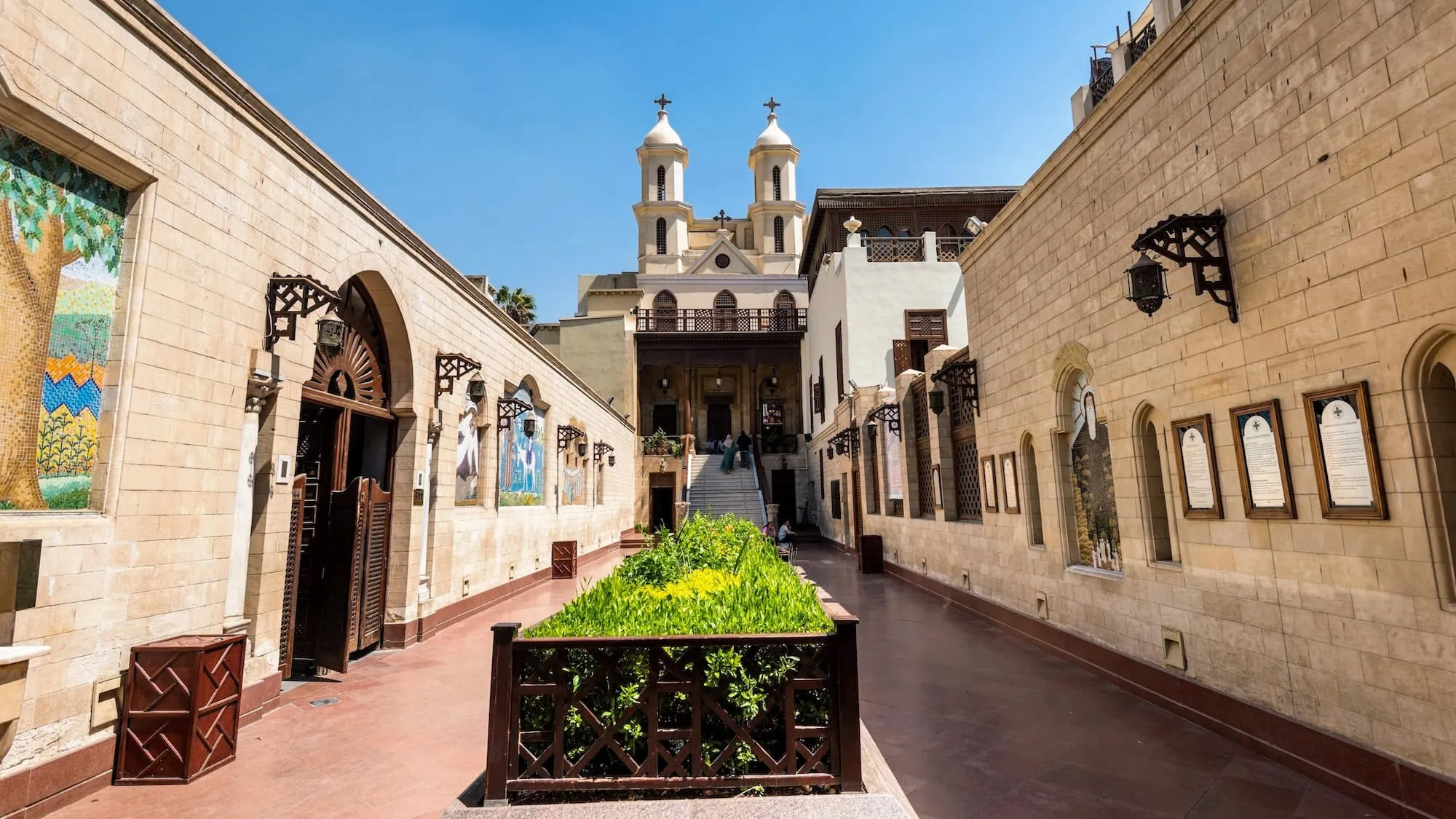
Ben Ezra Synagogue, located within the Coptic compound, served Cairo’s Jewish community for over 1,000 years. Legend suggests it occupies the site where baby Moses was found, though archaeological evidence remains inconclusive.
Museums and Cultural Treasures Beyond Tourism
The National Museum of Egyptian Civilization in Fustat showcases Egypt’s cultural evolution from prehistoric times through contemporary periods. Unlike traditional archaeological museums, NMEC presents living culture alongside ancient artifacts. The Royal Mummies Hall displays 22 pharaohs and queens in specially designed sarcophagi, including Ramesses II and Hatshepsut.
Baron Empain Palace: Art Nouveau Marvel
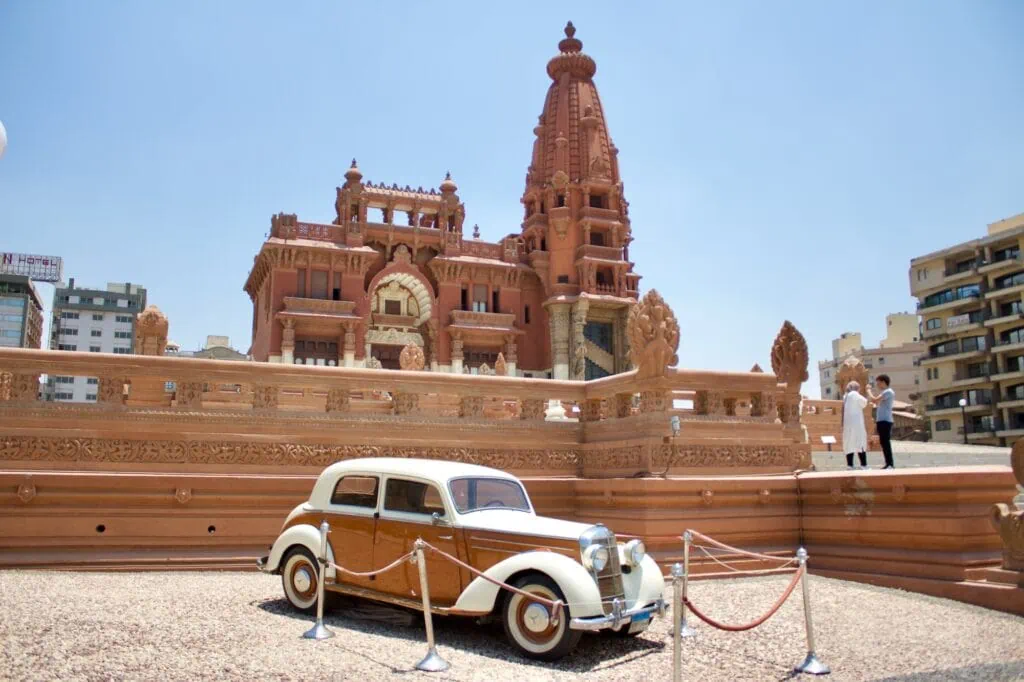
Baron Empain Palace, a forgotten architectural gem tucked away in Heliopolis, represents early 20th-century Cairo’s cosmopolitan character. Built by Belgian industrialist Baron Édouard Empain between 1907 and 1911, the palace combines Cambodian Angkor Wat influences with European Art Nouveau styling. Recent restoration efforts have opened sections to visitors, revealing intricate stone carvings and period furnishings.
Cave Church of Saint Simon
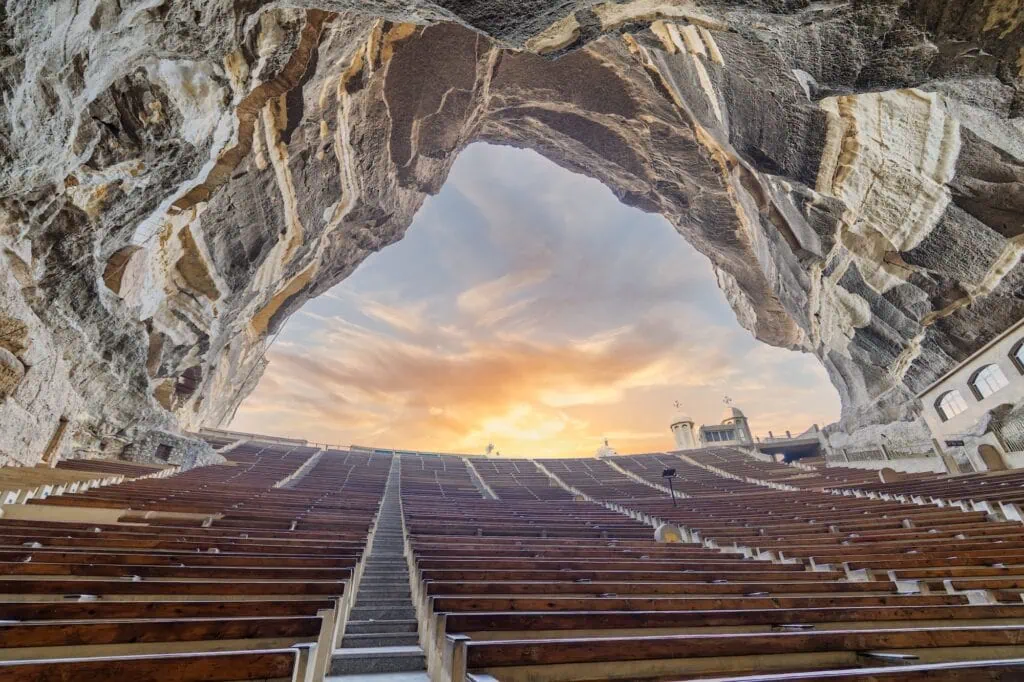
Carved directly into Mokattam Mountain’s cliffs, the Church of Saint Simon serves the Zabbaleen community — Cairo’s garbage collectors — in one of the city’s most extraordinary settings. The main cathedral seats 20,000 worshippers, making it the Middle East’s largest church. Stone carvings depicting biblical scenes cover cave walls, created by local artisans using simple tools. The surrounding Garbage City demonstrates remarkable recycling innovation, where residents process 80% of Cairo’s waste.
Al-Azhar Park and Green Spaces
Al-Azhar Park transformed a 500-year-old garbage dump into 30 hectares (74 acres) of manicured gardens and fountains. The Aga Khan Trust for Culture’s ambitious project removed over 80,000 truck loads of debris, revealing portions of Ayyubid-era city walls underneath.
Evening visits offer spectacular Cairo skyline views, especially during sunset around 6:00 pm (18:00) in winter or 7:30 pm (19:30) in summer. The park’s restaurants serve both traditional Egyptian and international cuisine in settings overlooking the historic city.
Adjacent restoration projects have revitalized the Darb al-Ahmar neighborhood, creating pedestrian-friendly streets lined with restored Mamluk-era buildings now housing cafés, workshops, and cultural centers.
Authentic Culinary Experiences Off the Tourist Trail
Cairo’s food scene extends far beyond hotel restaurants and tourist-focused establishments. Abou Tarek, a modest downtown restaurant, perfected koshari—Egypt’s national dish combining rice, lentils, macaroni, and spiced tomato sauce. The family-run establishment has served this comfort food since 1950, attracting everyone from construction workers to government ministers.
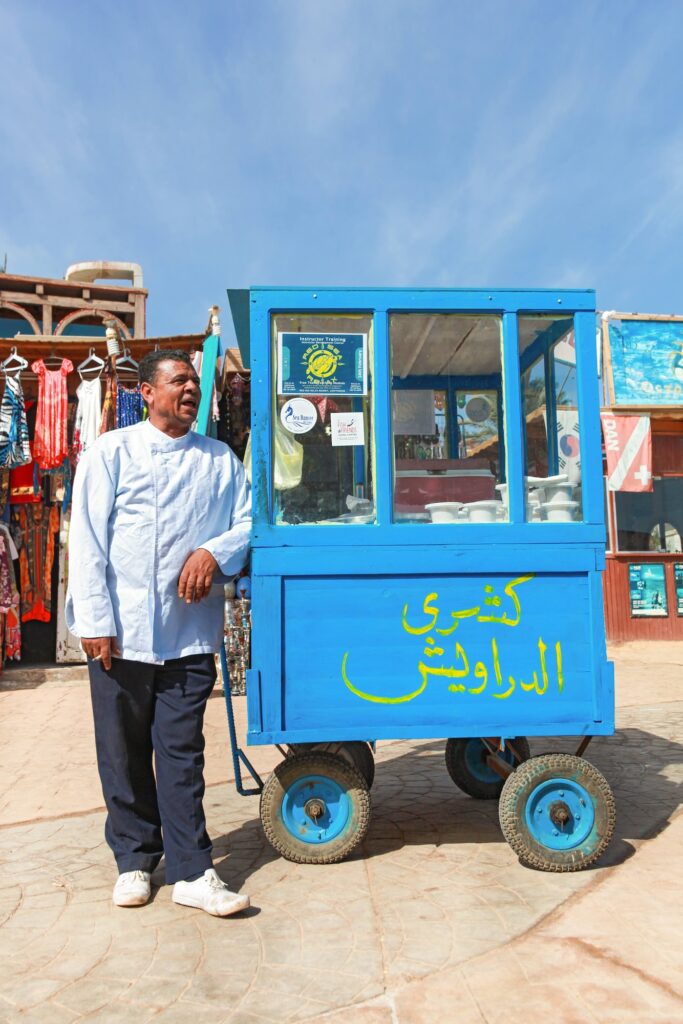
Street food vendors throughout Islamic Cairo offer ful medames (slow-cooked fava beans), ta’meya (Egyptian falafel made from fava beans rather than chickpeas), and fresh baladi bread baked in wood-fired ovens. These authentic flavors cost a fraction of tourist restaurant prices while providing genuine cultural immersion.
Traditional ahwa (coffeehouses) remain social hubs where locals gather for backgammon, dominos, and animated discussions over glasses of sweet tea and Turkish coffee. Some establishments trace their origins to Ottoman times, maintaining original furnishings and unhurried atmospheres.
From This Guide to Your Own Cairo Adventure
Cairo’s tourist attractions span 5,000 years and more neighborhoods than any single trip can cover — which is exactly why we build every itinerary around you. Explore our curated Cairo tour packages to see how we combine the Pyramids of Giza, the Egyptian Museum, Islamic Cairo, and lesser-known gems like Baron Empain Palace into seamless, privately guided journeys, each one 100% customizable.
Frequently Asked Questions
Early morning (6:00-9:00 am) and late afternoon (4:00-7:00 pm) offer comfortable temperatures and optimal lighting for photography.
Four to five days allow thorough exploration of major sites without rushing.
These areas are generally safe during daylight hours, though experienced guides help navigate crowds effectively.
Long pants or skirts, covered shoulders, and head scarves are required for mosque visits.
Yes, though separate tickets are required and daily visitor numbers are limited.
Quality handcrafted items start around $10-20 USD, with negotiation expected on all prices.
The older Egyptian Museum focuses on pharaonic artifacts, while GEM presents broader civilization with modern displays.
Most sites charge separate photography fees (typically $2-10 USD) for cameras.
We provide private vehicles with professional drivers familiar with Cairo’s traffic patterns.
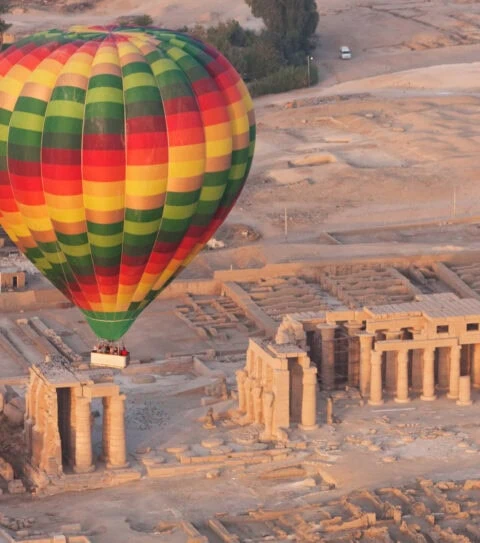
Sunrise hot air balloon rides over pyramids and private after-hours museum tours offer exclusive memories.
Don’t miss Egypt’s greatest treasures
Highlights of Egypt
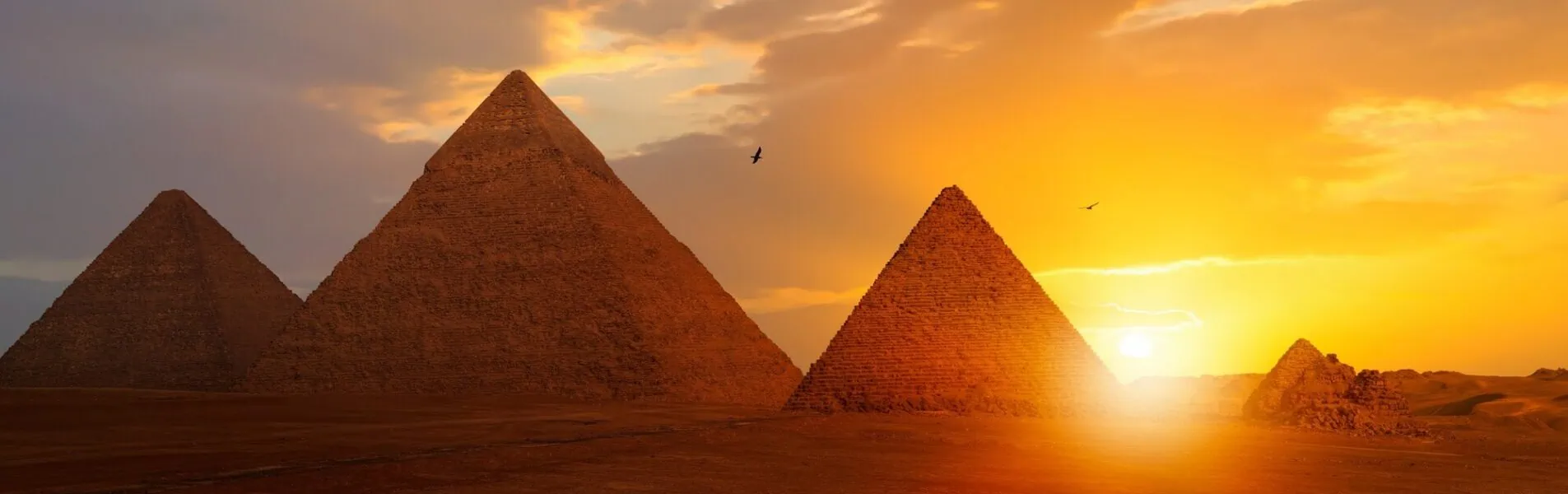
Design Your Custom Tour
Explore Egypt your way by selecting only the attractions you want to visit
The Best of Egypt Tailored Just for You
Private Guided Egypt Tours
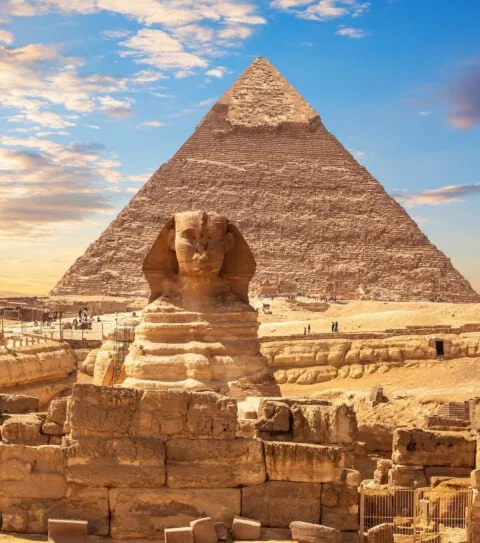
Top-Rated Egypt Tours
Discover timeless wonders with our top-rated private Egypt tours—crafted for those who seek the extraordinary.
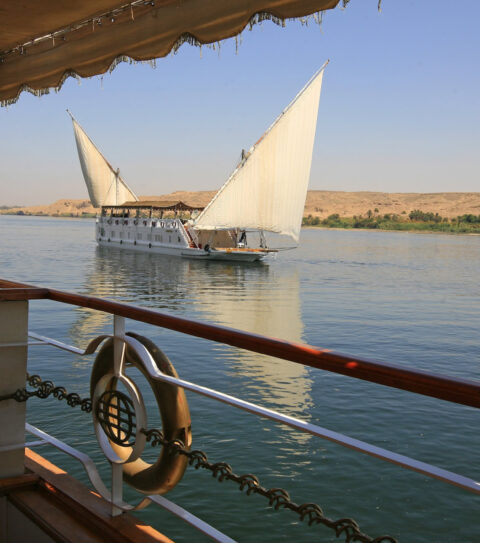
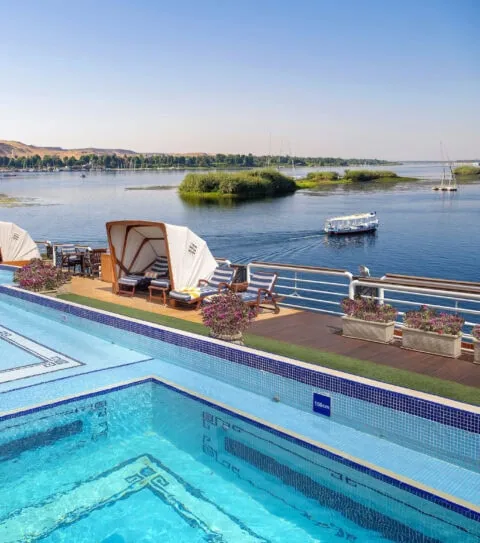
Tours w/ Nile Cruises
Sail the Nile in comfort and elegance—where every bend unveils a new chapter of Egypt’s timeless story.
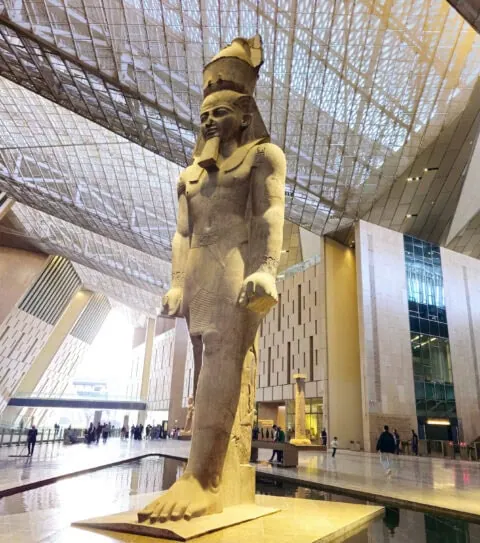
Luxury Egypt Tours
Experience Egypt in style—with private guides, 5-star comfort, and exclusive access to iconic wonders.
Egypt Christmas Tours
Celebrate Christmas with ancient wonders, golden sunshine, and epic moments on a magical journey.
Egypt Easter Tours
Make this Easter extraordinary with a sun-filled escape to Egypt—where timeless wonders and landscapes await.
Egypt Accessible Tours
Discover Egypt without limits—our accessible tours are thoughtfully designed to ensure comfort and ease.