

Should You Combine Egypt and Jordan in One Trip? Independent vs Guided Travel
Picture this: standing before the Great Pyramid of Giza at sunrise, then three days later watching the sunset paint Petra’s Treasury in shades of rose gold.
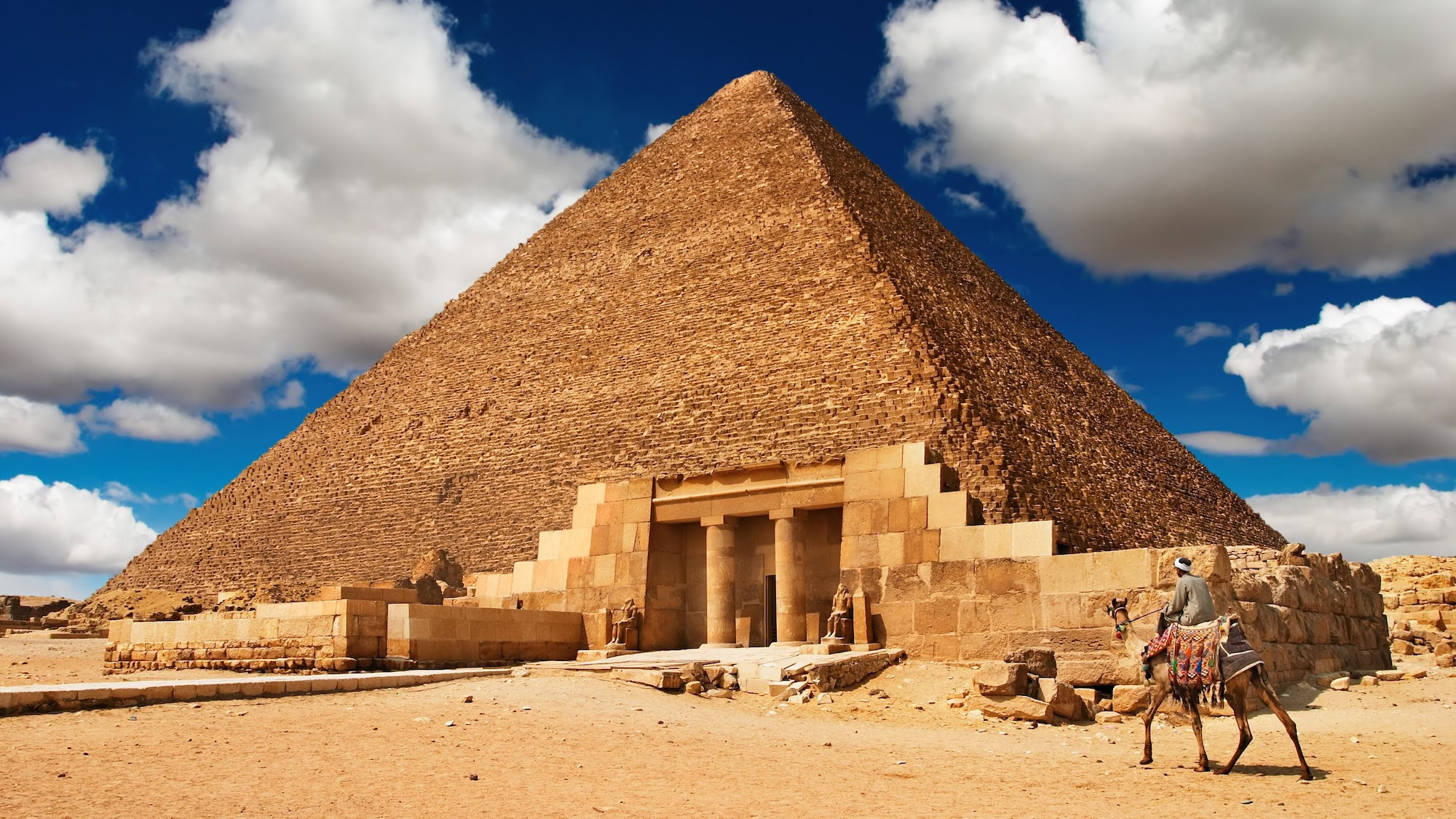
An Egypt and Jordan combination tour offers access to some of the world’s most spectacular ancient sites within a single trip. These neighboring countries share borders, similar climates, and complementary histories that make them natural travel companions. Yet choosing between a guided tour and independent travel requires careful consideration of your priorities, experience level, and travel style.
Both destinations present unique challenges and rewards that can significantly impact your overall experience. The decision ultimately comes down to what matters most: structured convenience with expert insights, or the freedom to explore at your own pace with deeper cultural immersion.
Table of Contents
What Makes Egypt and Jordan Tours So Popular
Combining these two destinations saves considerable time and money compared to separate trips. Most tours follow a logical geographic flow, starting in Cairo before moving south to Luxor, then crossing into Jordan via the Aqaba border. This routing minimizes travel fatigue while maximizing your time at major sites.
Logistics Made Simple
We handle visa requirements, border crossings, and accommodation bookings across both countries. For U.S. visitors, this means obtaining an Egypt e-visa ($25) and Jordan visa on arrival ($40), while Europeans typically enjoy visa-free entry to Jordan with advance Egypt visa requirements. The border crossing between Taba (Egypt) and Aqaba (Jordan) involves multiple steps that tour operators navigate efficiently.
International flights often require connections through Dubai, Istanbul, or European hubs when visiting both countries independently. Tour packages typically include domestic flights between Cairo and Luxor, plus ground transportation throughout Jordan.
Access to Expert Knowledge
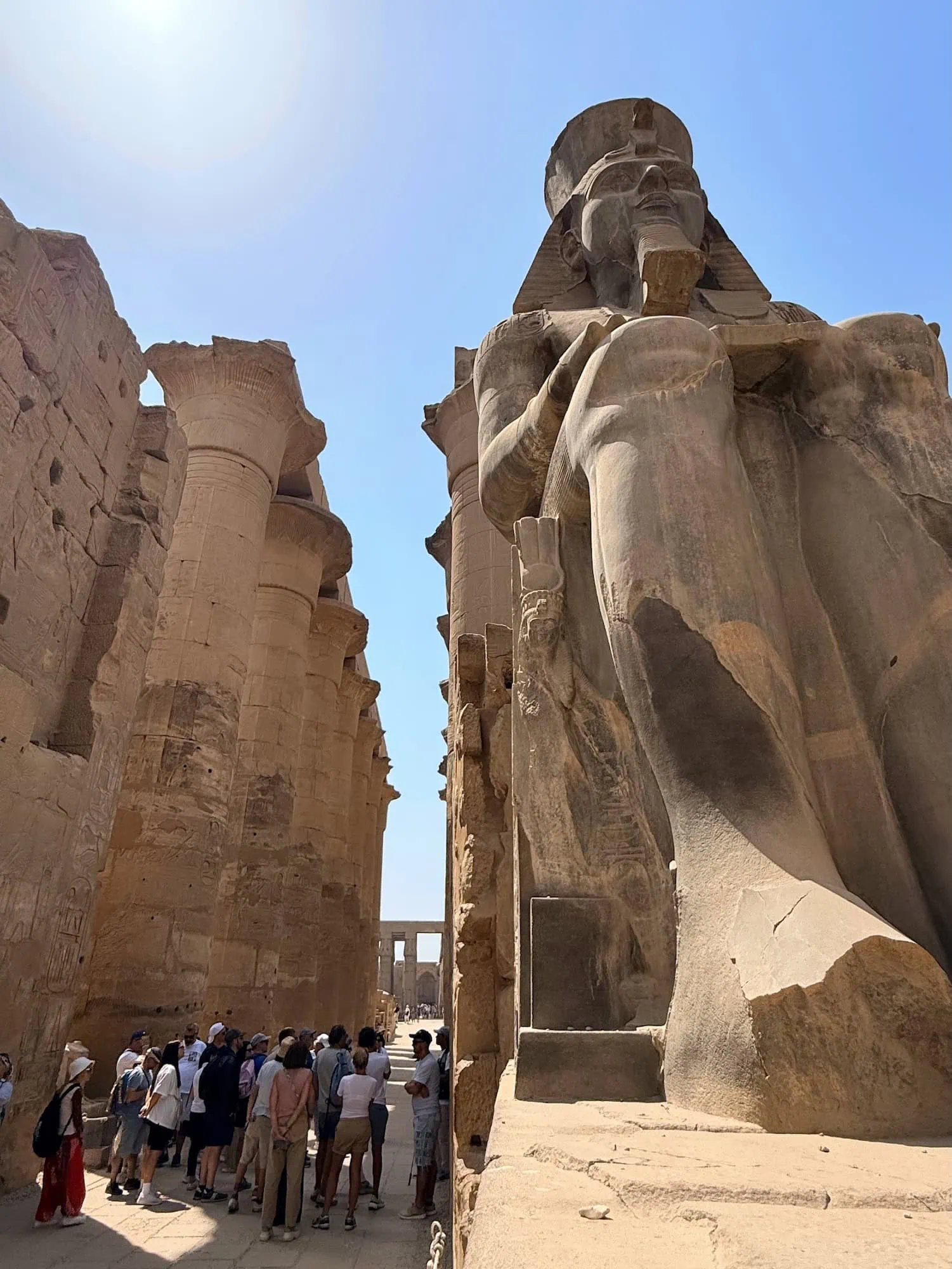
Professional guides provide historical context that transforms ancient stones into vivid stories. Our certified Egyptologists and Jordanian guides undergo years of training to interpret hieroglyphs, explain construction techniques, and share archaeological discoveries. This expertise proves invaluable at complex sites like Karnak Temple or Jerash Roman ruins.
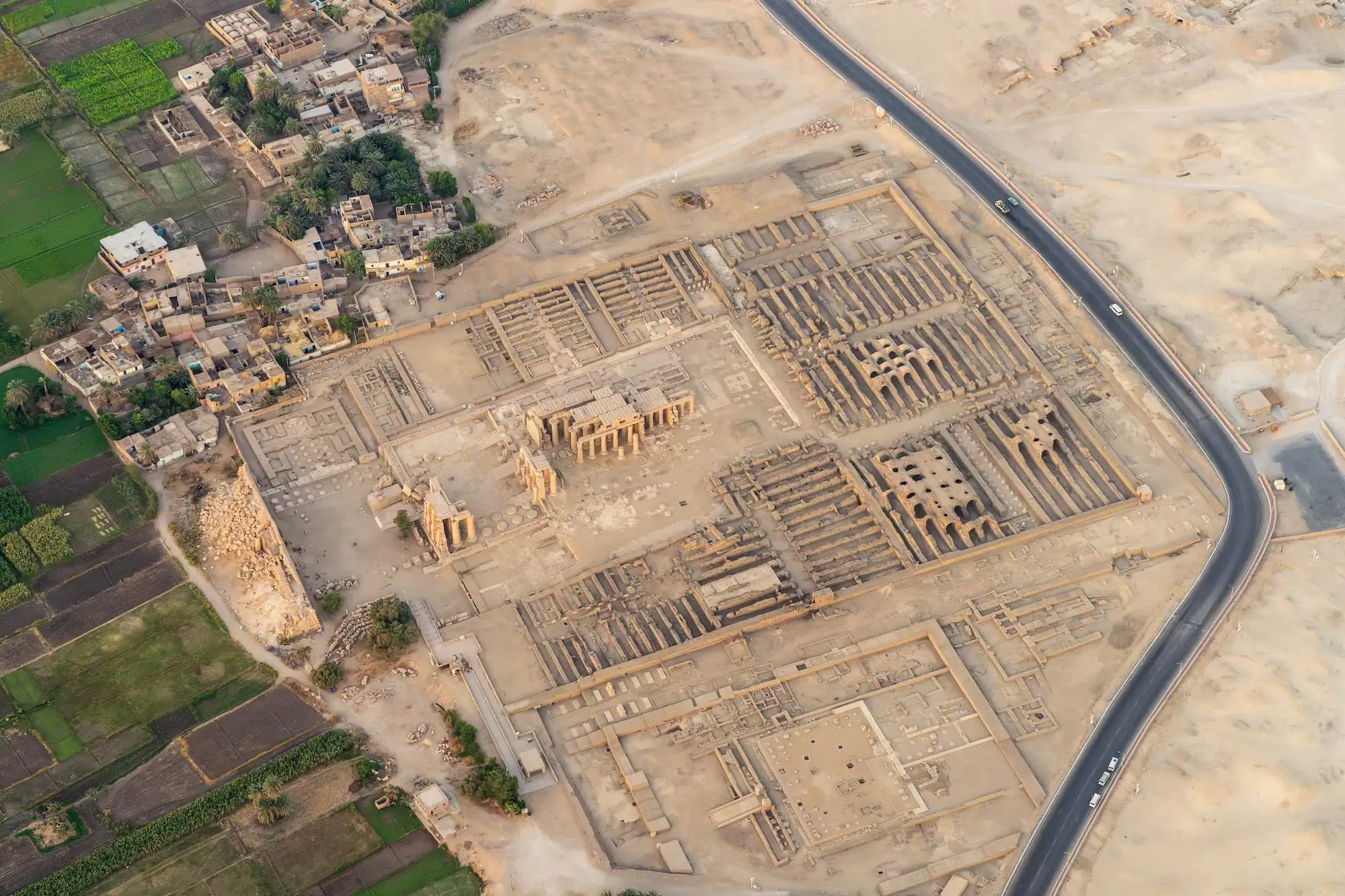
Local guides also navigate cultural nuances, recommend authentic restaurants, and facilitate meaningful interactions with local communities. They understand optimal timing for each site, avoiding crowds and harsh midday sun while ensuring the best photographic opportunities.
Group Dynamics and Safety
Small group tours (typically 12-16 people) create natural camaraderie while maintaining intimate experiences. Solo travelers particularly benefit from instant companionship and shared discovery moments. Group buying power often provides access to exclusive experiences, such as private early morning entry to the pyramids or special permission for photography inside tombs.
Security considerations remain important in both countries. Tour operators maintain current relationships with local authorities, receive real-time security updates, and adjust itineraries when necessary for guest safety.
Independent Travel: Freedom Comes with Challenges
Exploring Egypt and Jordan independently offers unmatched flexibility and authentic cultural encounters. Budget-conscious travelers can save 30-40% compared to organized tours, staying in locally-owned accommodations and eating at neighborhood restaurants.
The freedom to linger at fascinating sites or skip less interesting ones appeals to many travelers. Independent visitors can spend entire afternoons photographing Petra’s hidden corners or dedicate extra time to specific interests like Islamic architecture in Cairo or hiking in Wadi Rum.
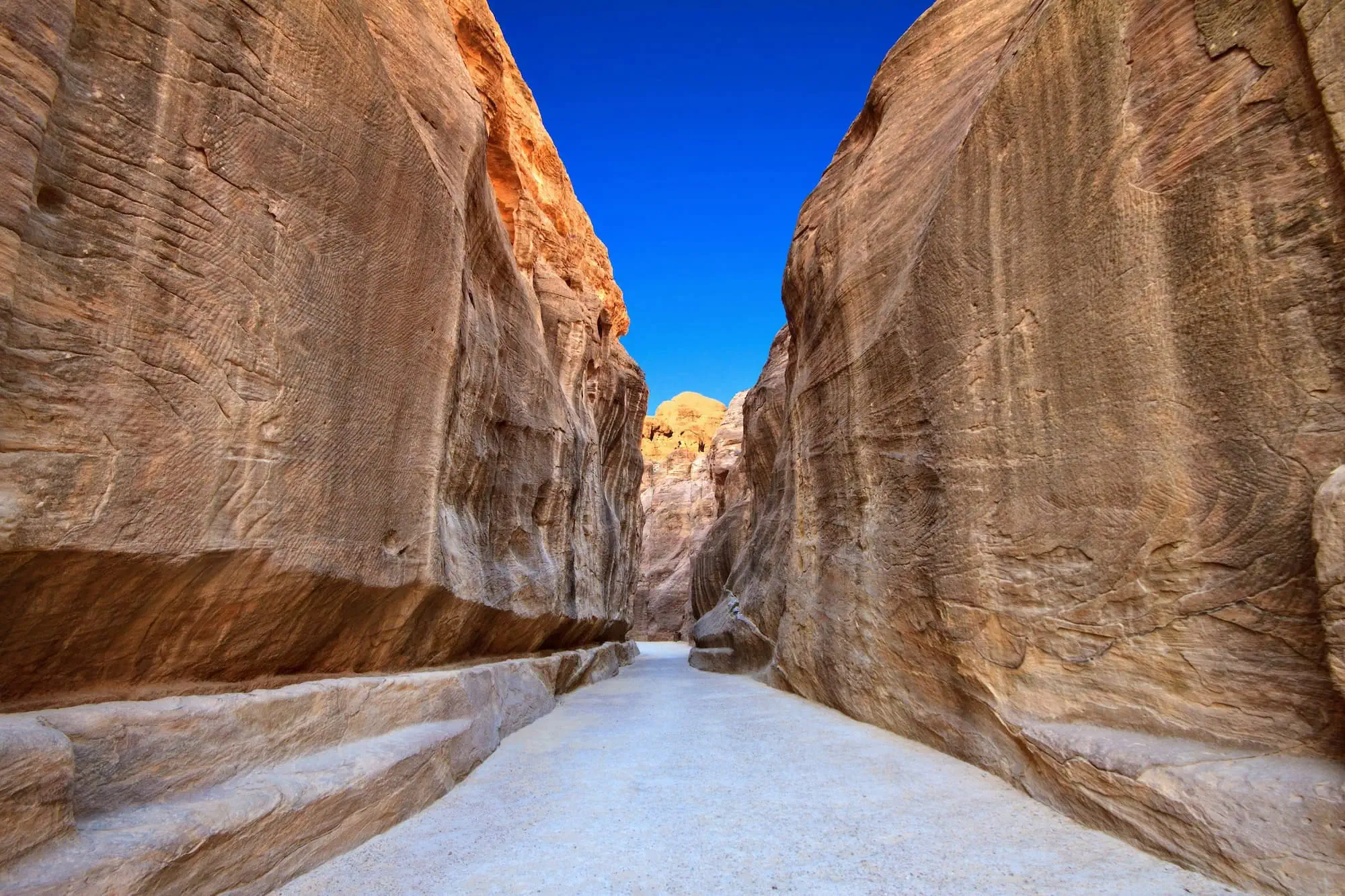
However, independent travel demands significant preparation and cultural adaptability. Language barriers complicate transportation, dining, and accommodation arrangements outside major tourist areas. Negotiating taxi fares, understanding local customs, and navigating bureaucratic processes require patience and flexibility.
Budget Considerations Beyond the Obvious
While independent travel reduces tour costs, hidden expenses often emerge. Private transportation between scattered Egyptian sites can cost $100-150 per day. Quality accommodations in prime locations command premium prices, especially during peak season. Licensed guides for major sites typically charge $50-75 per day, though their expertise remains invaluable.
Entry fees add up quickly: Giza pyramids ($15), Grand Egyptian Museum ($15), Valley of the Kings ($15), Abu Simbel ($25), Petra day pass ($70). Photography tickets inside tombs and monuments require additional fees of $10-20 each.
Cultural Navigation and Communication
Arabic and Arabic-influenced English present communication challenges in rural areas and traditional markets. Restaurant menus, transportation schedules, and local customs may not accommodate Western expectations. Understanding appropriate dress codes, tipping practices, and social interactions requires cultural sensitivity.
Religious observances, particularly during Ramadan, significantly impact travel experiences. Restaurant hours, tourist site schedules, and local business operations change during this month-long period.
Tour Types: Finding Your Perfect Match
Classic Cultural Tours
These comprehensive itineraries cover essential highlights across both countries over 10-14 days. Expect visits to the pyramids, Luxor temples, Petra, Jerash, and Wadi Rum with comfortable accommodations and reliable transportation. Cultural tours prioritize historical education and iconic photo opportunities while maintaining moderate daily walking requirements.
Adventure-Focused Expeditions
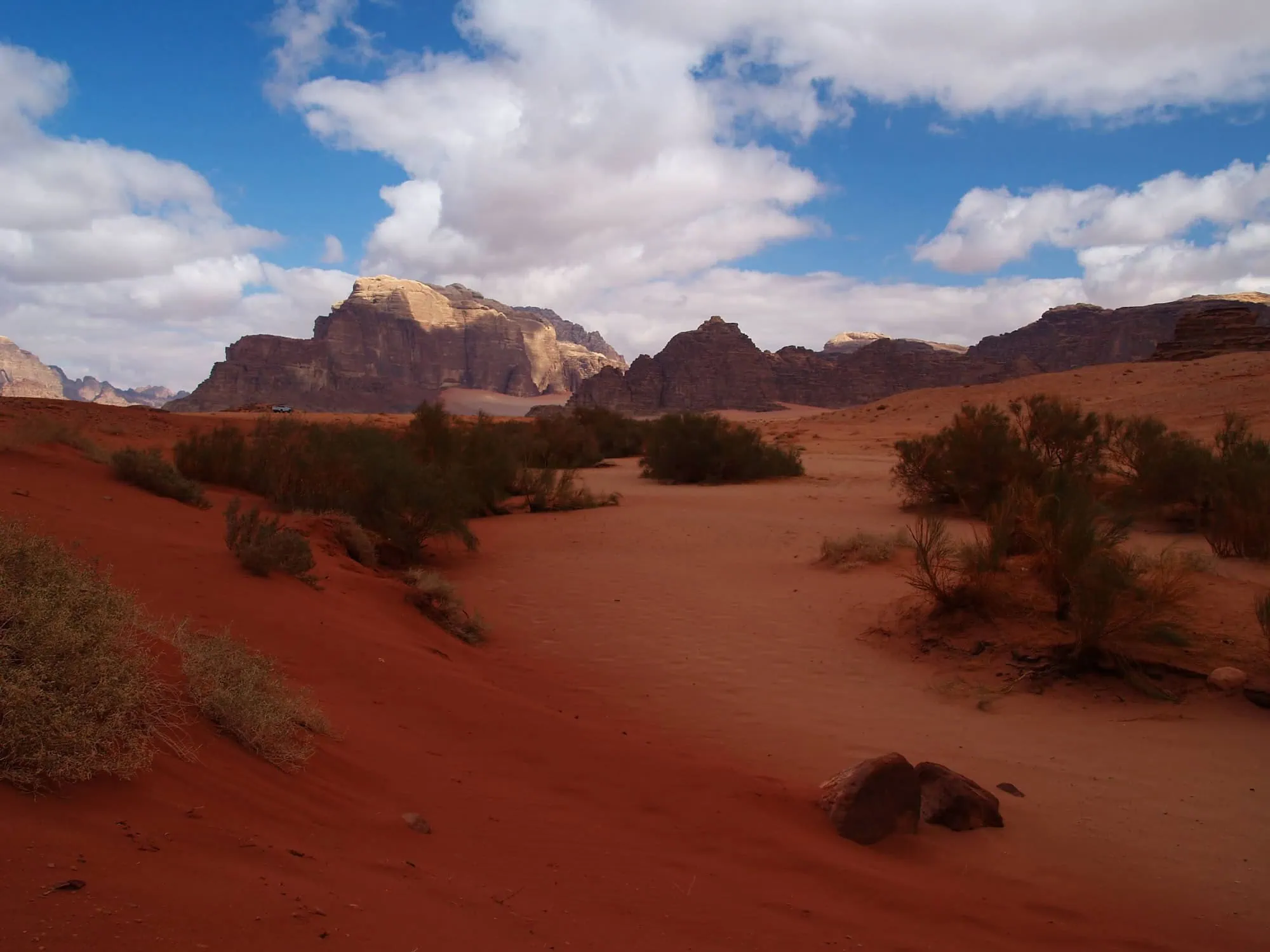
Active travelers gravitate toward tours emphasizing hiking, camel riding, and desert camping. These itineraries include challenging activities like climbing Mount Sinai for sunrise, multi-day hiking in Petra’s backcountry, and overnight camping under Wadi Rum’s stars. Physical fitness requirements increase significantly compared to standard tours.
Luxury Experiences
High-end tours feature premium accommodations like the Old Winter Palace in Luxor or Feynan Ecolodge in Jordan’s Dana Reserve. Private guides, exclusive access to restricted sites, gourmet dining, and luxury Nile cruise vessels justify higher costs for discerning travelers. We provide private transportation, personalized itineraries, and 24/7 customer support throughout your journey.
Family-Friendly Options
Specialized family tours accommodate children’s shorter attention spans and different interests. Interactive archaeological activities, camel rides, and cultural workshops engage young travelers while educational components remain age-appropriate. Accommodations provide family rooms and kid-friendly dining options.
Key Factors in Your Decision
Experience Level and Comfort Zone
First-time Middle East visitors often prefer guided tours for cultural introduction and logistical support. Experienced independent travelers may find organized itineraries too structured or tourist-focused. Consider your previous international travel experience, particularly in developing countries or non-Western cultures.
Language skills significantly impact independent travel success. Basic Arabic phrases help with navigation and cultural respect, though English remains widely understood in tourist areas.
Time Constraints and Efficiency
Limited vacation time favors tour efficiency over independent exploration flexibility. Tours maximize site visits within available days, eliminating research time and transportation delays. Independent travelers need additional buffer days for unexpected delays, spontaneous discoveries, and rest periods.
Work schedules may dictate fixed departure and return dates, making tour predictability attractive compared to independent travel uncertainties.
Cultural Immersion Priorities
Deep cultural engagement often requires independent travel freedom to form local relationships and explore beyond tourist zones. Staying in family-run guesthouses, shopping in neighborhood markets, and joining local celebrations provide authentic experiences rarely available on tours.
However, cultural immersion also depends on personal openness and communication skills rather than just travel style. Respectful, curious travelers can achieve meaningful connections within group tour frameworks.
Budget Reality Check
Tour costs typically range from $2,500-4,500 per person for 10-14 days, including international flights from North America. Independent travel costs vary dramatically based on accommodation choices, transportation methods, and dining preferences, generally ranging from $100-300 per day.
Hidden tour costs include optional excursions, personal expenses, tips, and travel insurance. Independent travel budgets must account for visa fees, travel insurance, emergency funds, and potential price negotiations.
Making the Final Choice
Your ideal Egypt and Jordan experience aligns with personal priorities rather than universal recommendations. Consider creating a weighted scoring system for factors most important to you: budget constraints, cultural immersion desires, comfort requirements, time limitations, and social preferences.
Risk tolerance plays a crucial role. Tours provide predictable experiences with professional support systems. Independent travel offers potentially richer rewards alongside increased uncertainty and personal responsibility.
Many seasoned travelers recommend starting with organized tours for first visits, then returning independently once familiar with local customs and logistics. This approach provides cultural foundation while preserving future adventure opportunities.
Remember that both options can create transformative travel experiences. The “right” choice depends entirely on your personal travel style, current life circumstances, and adventure appetite.
Frequently Asked Questions
Most combined Egypt and Jordan tours last 10 to 14 days, which provides enough time to visit major highlights without spending too much of the trip in transit. A typical itinerary includes Cairo, Luxor, Aswan, a Nile cruise, Petra, Wadi Rum, and Amman. Shorter trips often feel rushed because of international transfers and domestic travel requirements. Travelers wanting a more relaxed pace should consider 12 to 14 days rather than trying to fit both countries into one week.
Yes, combining guided and independent travel is one of the most popular ways to experience Egypt and Jordan. Many travelers use organized tours for complex logistics such as Nile cruises, Petra visits, border crossings, and domestic flights, then add extra days independently in destinations they particularly enjoy. This hybrid approach balances convenience with flexibility. For example, travelers often extend their stay in Cairo, Amman, or the Red Sea after completing the guided portion.
October through April is generally the best time to visit both Egypt and Jordan because temperatures are comfortable for outdoor sightseeing. During this period, daytime temperatures in many destinations range between 15°C and 25°C (59°F to 77°F). December through February is peak tourism season, especially around Christmas and New Year. October, November, March, and April often provide the best combination of pleasant weather, manageable crowds, and strong flight availability.
Yes, organized tours are an excellent option for solo travelers visiting Egypt and Jordan for the first time. Guided tours eliminate many logistical challenges, including transportation, hotel check-ins, domestic flights, and border-crossing arrangements. They also provide built-in social interaction with fellow travelers and access to local guides who understand the destinations. Solo travelers often find tours more efficient and less stressful than planning every detail independently across two countries.
A quality Egypt and Jordan tour typically costs between $2,500 and $4,500 per person, excluding or including international flights depending on the package. Pricing varies based on hotel category, cruise quality, group size, and included experiences. Luxury itineraries featuring five-star hotels, premium Nile cruises, and private guides can exceed $6,000 per person. Travelers should compare inclusions carefully because airport transfers, domestic flights, and entrance fees can significantly affect overall value.
Yes, independent travel in Egypt and Jordan requires advance planning, particularly if you intend to visit multiple cities and archaeological sites. Travelers should research visa requirements, transportation schedules, accommodation options, and attraction opening hours several weeks before departure. Popular destinations such as Petra, Luxor, and Nile cruises can have limited availability during peak season. Planning ahead reduces costs, improves itinerary efficiency, and minimizes unexpected travel disruptions.
The better value depends on your priorities: guided tours maximize convenience and time efficiency, while independent travel can reduce costs for flexible travelers. Tours often bundle hotels, transportation, guides, entrance fees, and logistics into a single package, which can provide strong value when visiting multiple destinations. Independent travelers may spend less overall but invest significantly more time organizing transportation and accommodations. Value should be measured in both money and time saved.
Yes, families can successfully travel independently in Egypt and Jordan, especially if they have prior international travel experience. However, managing transportation, hotel transfers, sightseeing schedules, and border crossings with children can be demanding. Organized tours reduce logistical stress and often include family-friendly pacing, private vehicles, and knowledgeable guides. Families traveling with younger children frequently appreciate the convenience of having major arrangements handled in advance.
Basic Arabic phrases can be very helpful, but English is widely spoken throughout major tourist destinations in both Egypt and Jordan. Learning greetings, numbers, and common expressions such as “thank you” and “how much?” often improves interactions with local people. Hotels, airports, major attractions, and tourism businesses routinely serve English-speaking visitors. Even a small effort to use Arabic is often appreciated and can help build positive rapport during your trip.
Choose a tour operator by evaluating guide qualifications, group sizes, accommodation standards, transportation quality, and recent traveler reviews. Companies with experienced guides and smaller groups often provide more personalized experiences than large-scale operations. Look for transparent pricing that clearly lists included meals, entrance fees, and domestic transportation. Reading reviews from the previous 12 months is especially valuable because it reflects current service quality rather than historical performance.
Most Egypt and Jordan tours welcome travelers of all ages, although certain itineraries may have minimum age requirements or physical fitness expectations. Activities such as desert camping in Wadi Rum, climbing pyramid passages, or extensive walking at Petra may be challenging for some travelers. Tour operators typically provide difficulty information before booking. Families, seniors, and multigenerational groups can usually find itineraries designed specifically for their comfort and mobility levels.
If you become ill during independent travel, travel insurance becomes one of your most important safeguards. Major cities such as Cairo, Alexandria, Amman, and Aqaba have modern hospitals and private medical facilities, but access may be more limited in remote areas. Comprehensive insurance can help cover medical treatment, transportation, and emergency evacuation if necessary. Before departure, save local emergency numbers and keep digital copies of your insurance documents readily accessible.

Design Your Custom Tour
Explore Egypt and Jordan your way by selecting only the attractions you want to visit