

The Church of St. George – A Gem in the Heart of Old Cairo
Step into Cairo’s oldest quarter and discover where history breathes.
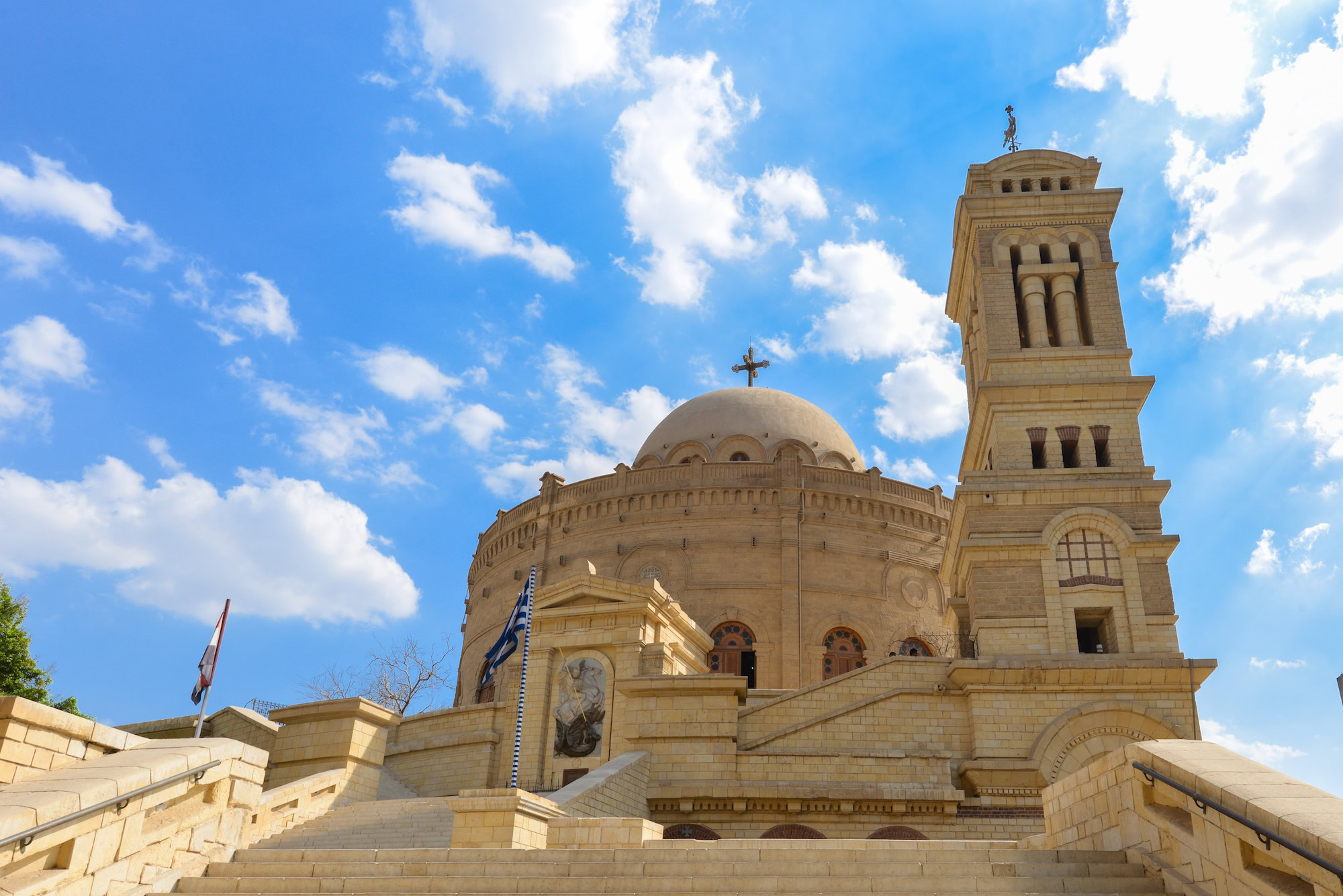
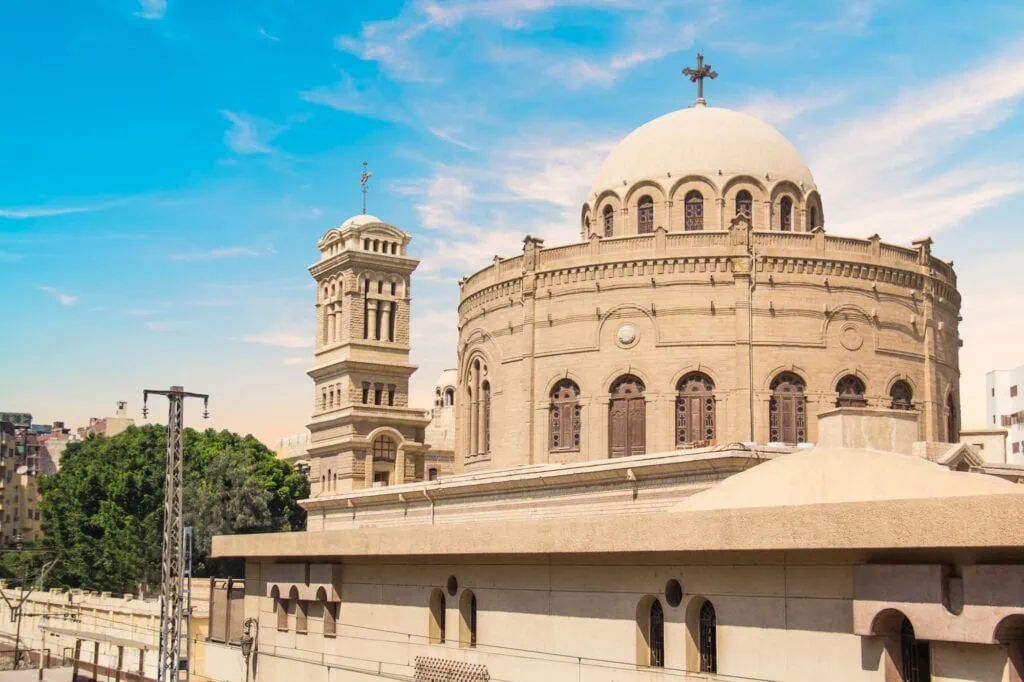
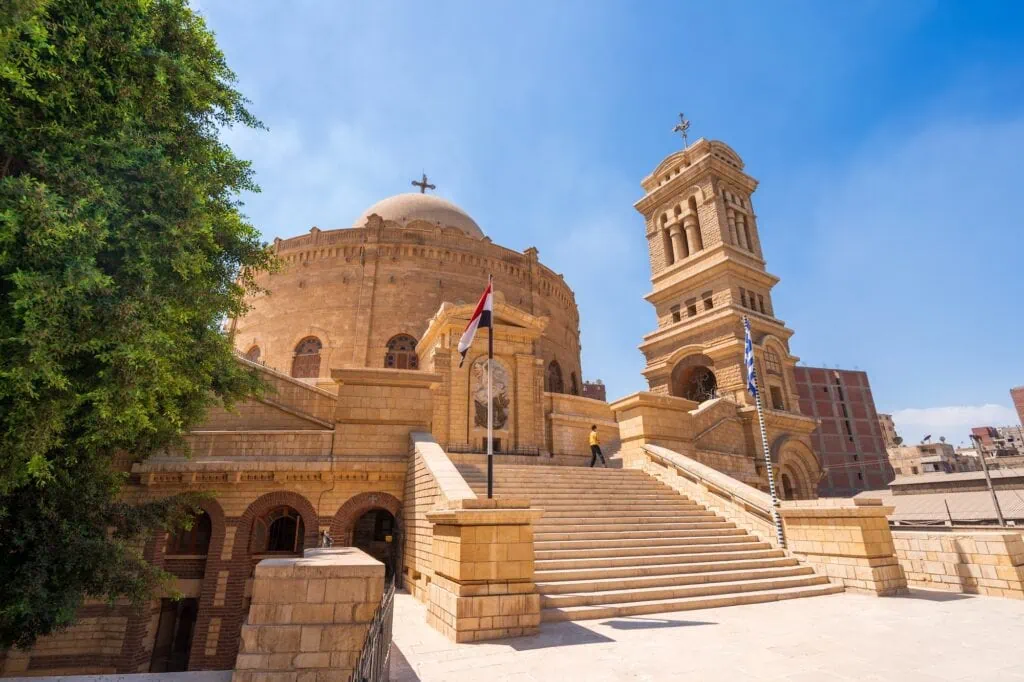
The Church of St. George stands as a remarkable testament to Egypt’s rich Christian heritage, rising from the ancient Babylon Fortress in Coptic Cairo. This circular sanctuary has weathered centuries of change while maintaining its role as both an active place of worship and a window into Egypt’s diverse religious landscape. Built in the 10th century and rebuilt after a devastating 1904 fire, the church continues to serve the Greek Orthodox community while welcoming visitors from around the world.
Unlike the rectangular designs typical of most Christian churches, St. George’s unique round architecture immediately captures your attention and hints at the fascinating stories contained within its walls.
Table of Contents
Historical Foundations of Mari Gerges Church
The Church of St. George traces its origins to the 10th century, though the site itself carries much deeper historical significance. Positioned within the ancient Babylon Fortress complex, this sacred space occupies land that has witnessed Roman rule, Coptic persecution, and the evolution of Christianity in Egypt across more than a millennium.
Early Christian Presence at Fortress
Archaeological evidence suggests Christian worship occurred here centuries before the current structure emerged. The Roman fortress provided both protection and a central location for Egypt’s growing Christian community during the Byzantine period. When Arab conquest transformed Egypt’s religious landscape, the fortress area became a sanctuary where Christian traditions could continue flourishing.
The church’s dedication to Saint George reflects the martyr’s special significance in Egyptian Christianity. Local traditions speak of healing powers associated with the saint’s relics, drawing pilgrims who sought both spiritual comfort and physical restoration.
Reconstruction After the 1904 Fire
Fire devastated the original medieval structure in 1904, destroying centuries of accumulated artwork and religious artifacts. The Greek Orthodox Patriarchate of Alexandria immediately began reconstruction efforts, choosing to maintain the church’s distinctive circular design while incorporating modern safety features and structural improvements.
The Greek Orthodox Connection
Saint George Church operates under the jurisdiction of the Greek Orthodox Patriarchate of Alexandria, one of the oldest Christian institutions in the world. This connection places the church within a broader network of Orthodox communities across Egypt and the Eastern Mediterranean, maintaining theological and cultural ties that stretch back to early Christianity’s expansion.
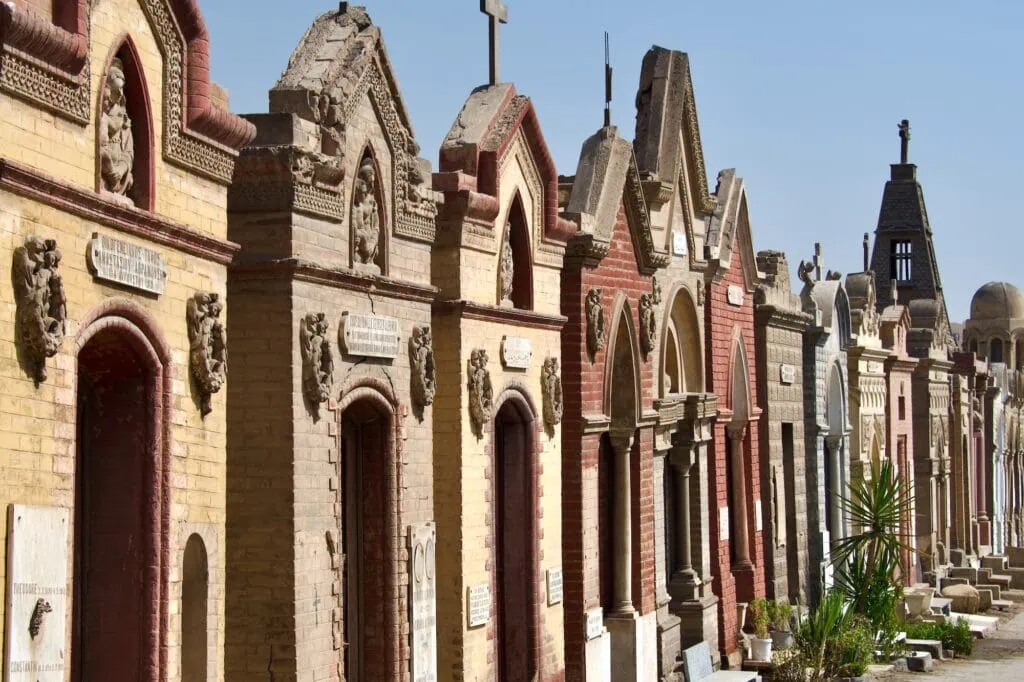
The patriarchal residence, located within the same complex, houses administrative offices and provides quarters for visiting clergy. This arrangement creates a living monastery environment where daily prayers, administrative duties, and pastoral care converge in one sacred space.
Architectural Marvel: The Round Design
Few churches worldwide share St. George’s circular foundation, making this structure architecturally significant beyond its religious importance.
The round design serves both practical and symbolic purposes. Acoustically, the curved walls create excellent sound distribution, allowing prayers and hymns to reach every corner without amplification. Symbolically, the circle represents eternity and divine perfection in Orthodox theology, reminding worshippers of God’s infinite nature each time they gather for services.
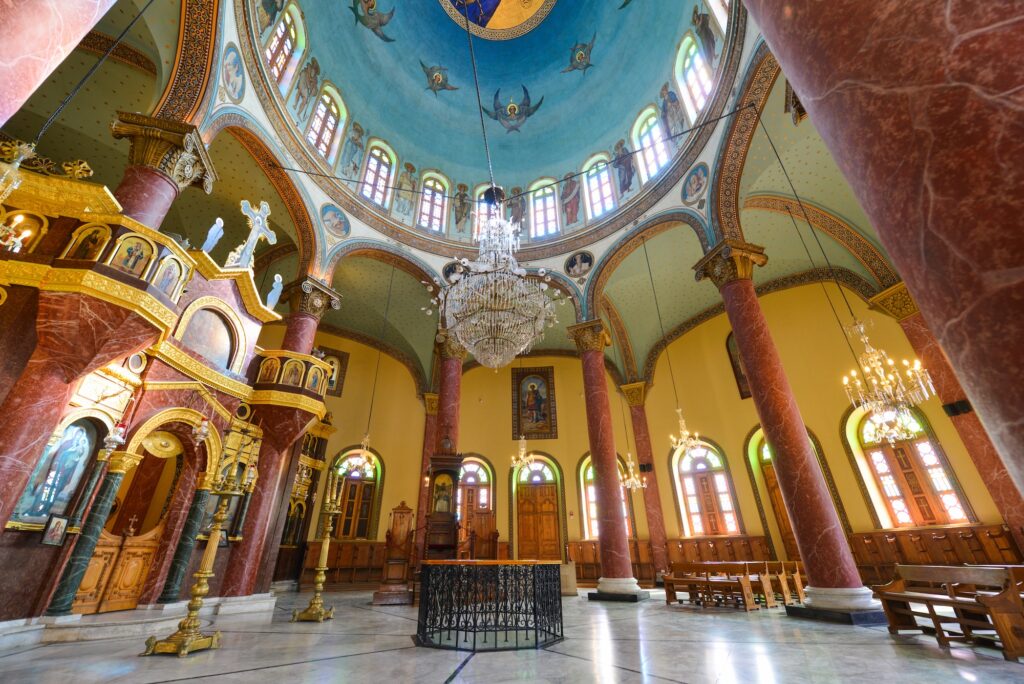
Visitors entering through the main doorway immediately notice how the circular space draws their eyes upward toward the central dome. Stained glass windows filter Cairo’s intense sunlight into gentle, colored beams that shift throughout the day, creating an ever-changing atmosphere of contemplation and reverence. The interior features intricate woodwork carved by master craftsmen who understood both traditional Orthodox iconographic requirements and local Egyptian artistic traditions.
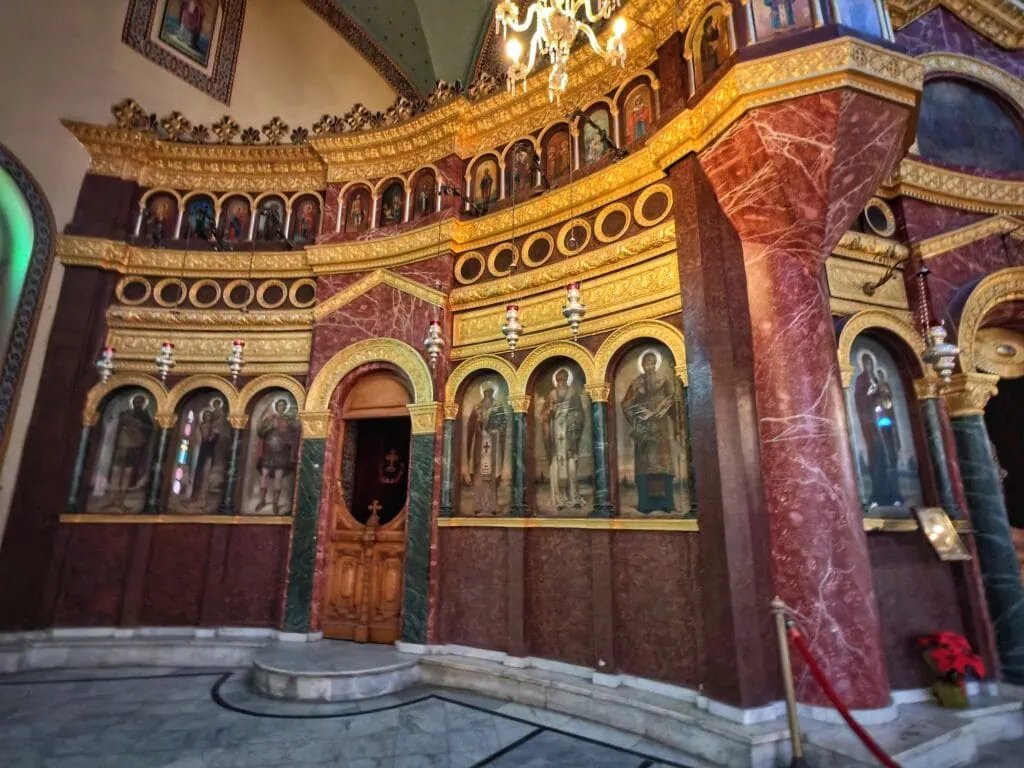
Stone pillars support the dome while creating smaller prayer areas around the church’s perimeter. These alcoves house icons of various saints, each illuminated by small oil lamps that flicker continuously, maintained by devoted parishioners who consider lamp-keeping a form of prayer itself.
The church’s elevated position within the fortress complex provides views across Old Cairo’s rooftops, connecting the sacred interior with the bustling city beyond. This visual connection reminds congregants that their faith must engage with the wider world rather than retreat from it.
Religious Significance and Living Traditions
Beyond architectural interest, St. George Church maintains active religious practices that continue attracting both local Orthodox Christians and visitors seeking spiritual experiences.
Daily Worship and Community Life
Morning prayers begin each day before sunrise, when Cairo’s heat remains manageable and the city’s sounds stay muted. These early services draw regular attendees who appreciate the peaceful atmosphere and the opportunity to begin their day with focused prayer. Evening vespers attract different congregants, often including visitors who time their Old Cairo explorations to coincide with these traditional services.
The church maintains a full liturgical calendar, celebrating major Orthodox feasts with elaborate ceremonies that showcase centuries-old traditions. These celebrations often spill beyond the church walls into the surrounding courtyard, creating community gatherings that strengthen bonds among Cairo’s Orthodox population.
The Molid Festival
Each spring, the church hosts a molid (religious festival) honoring Saint George, drawing thousands of participants from across Egypt’s Christian communities. This celebration combines solemn religious observance with joyful community gathering, featuring traditional food, music, and storytelling that passes down legends of the saint’s miraculous interventions.
Pilgrimage and Healing Traditions
Many visitors come seeking the saint’s intercession for healing, continuing traditions that predate Islam’s arrival in Egypt. The church maintains a collection of ex-voto offerings – small metal objects representing body parts or situations for which healing was requested or received. These tangible expressions of faith create a physical record of the community’s ongoing relationship with divine intervention.
Pilgrims often spend extended time in prayer before specific icons, some traveling considerable distances to reach this particular church because of its reputation for answered prayers. The church welcomes these visitors while maintaining the dignity and quiet atmosphere necessary for meaningful worship.
Exploring the Coptic Cairo Context
Saint George Church occupies a prime position within Coptic Cairo, one of the world’s most concentrated areas of early Christian monuments. This location provides visitors with opportunities to explore multiple religious sites within walking distance, creating a comprehensive understanding of Egypt’s Christian heritage.
Relationship with Nearby Sites
The famous Hanging Church (Al-Mu’allaqa) stands just minutes away, representing Coptic Orthodox traditions that complement the Greek Orthodox practices at Saint George. The Coptic Museum houses artifacts and manuscripts that illuminate the broader context of Christianity’s development in Egypt, while the Ben Ezra Synagogue adds Jewish heritage to this remarkable religious quarter.
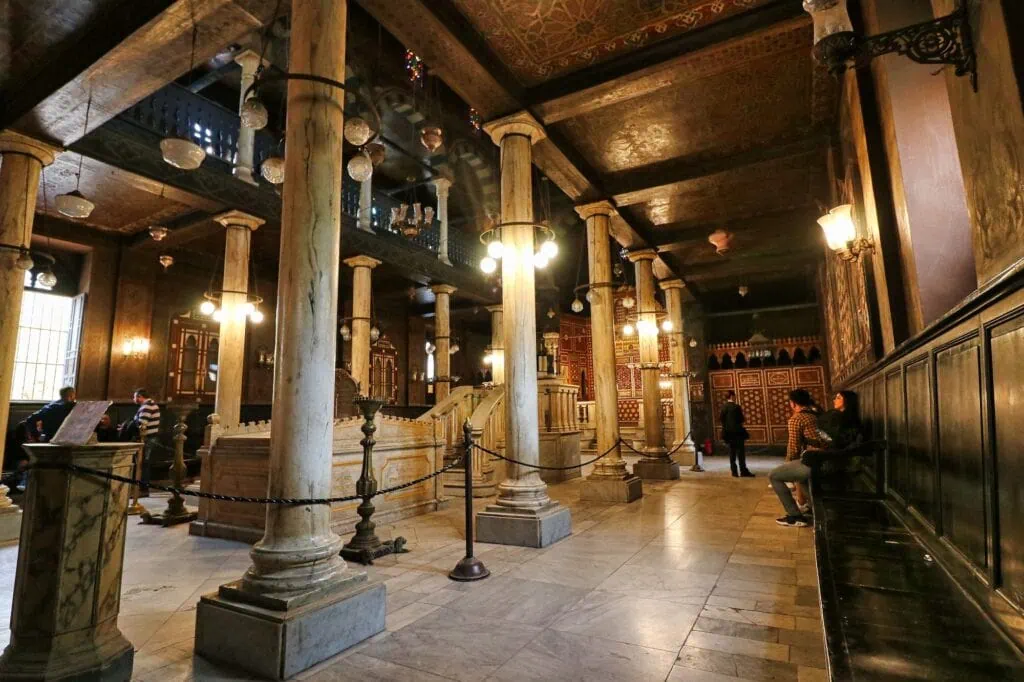
Walking between these sites reveals how different Christian communities coexisted and influenced each other throughout history. The architectural styles, liturgical practices, and community organizations show both common roots and distinctive developments that enriched Egypt’s religious landscape.
The Babylon Fortress Significance
Remnants of Roman defensive walls surround the church complex, providing tangible connections to Egypt’s pre-Islamic past. These ancient stones witnessed the transition from pagan Rome to Christian Byzantine rule, then to Islamic governance under various dynasties. Exploring these ruins while visiting active churches creates a unique sense of historical continuity rarely available elsewhere.
Archaeological work continues uncovering new evidence of how this area served as a crossroads for Mediterranean cultures. Recent discoveries include Byzantine-era pottery, Coptic manuscripts, and evidence of early Islamic-Christian interaction that shaped Egypt’s distinctive religious character.
Visiting Saint George Church Today
Modern visitors find Saint George Church remarkably accessible despite its ancient origins, with practical considerations that make exploration both comfortable and meaningful.
The church welcomes visitors during specific hours that respect ongoing religious activities while providing ample opportunities for tourism and photography. Entry requires appropriate dress – covering shoulders and knees – though the staff maintains a supply of modest clothing for visitors who arrive unprepared. This respectful approach ensures that tourism enhances rather than disrupts the church’s primary religious mission.
Photography is permitted in most areas, allowing visitors to capture the unique architectural details and atmospheric lighting that make this site so memorable. However, flash photography during services is discouraged to maintain the contemplative environment that active worship requires.
The church’s location within the Cairo Metro system makes public transportation convenient, with Mari Girgis station providing direct access to the Old Cairo area. Alternatively, taxi services and private tours can arrange visits that combine Saint George with other nearby religious sites for a comprehensive exploration of Coptic Cairo.
Guided tours, available in multiple languages, provide historical context and religious explanation that enhance appreciation for the church’s significance. These guides often include local Christians who bring personal knowledge and emotional connection to the stories they share.
Best Times for Visits
Morning visits between 9:00 am (09:00) and 11:00 am (11:00) offer the most comfortable temperatures and the best natural lighting for photography. The church’s elevated position catches morning breezes that provide relief from Cairo’s heat, while the stained glass windows create particularly beautiful color patterns during these hours.
Evening visits around 4:00 pm (16:00) to 6:00 pm (18:00) allow visitors to experience the church as natural light fades and oil lamps become more prominent, creating a different but equally compelling atmosphere.
Planning Your Visit to Old Cairo
Saint George Church serves as an excellent starting point or centerpiece for broader Old Cairo exploration, with strategic planning enhancing your overall experience of this historic quarter.
Combining Religious Sites
A typical day in Coptic Cairo might begin at Saint George Church, continue to the nearby Hanging Church, include the Coptic Museum for historical context, and conclude with the Ben Ezra Synagogue. This progression provides a chronological journey through different periods and communities while maintaining geographical efficiency.
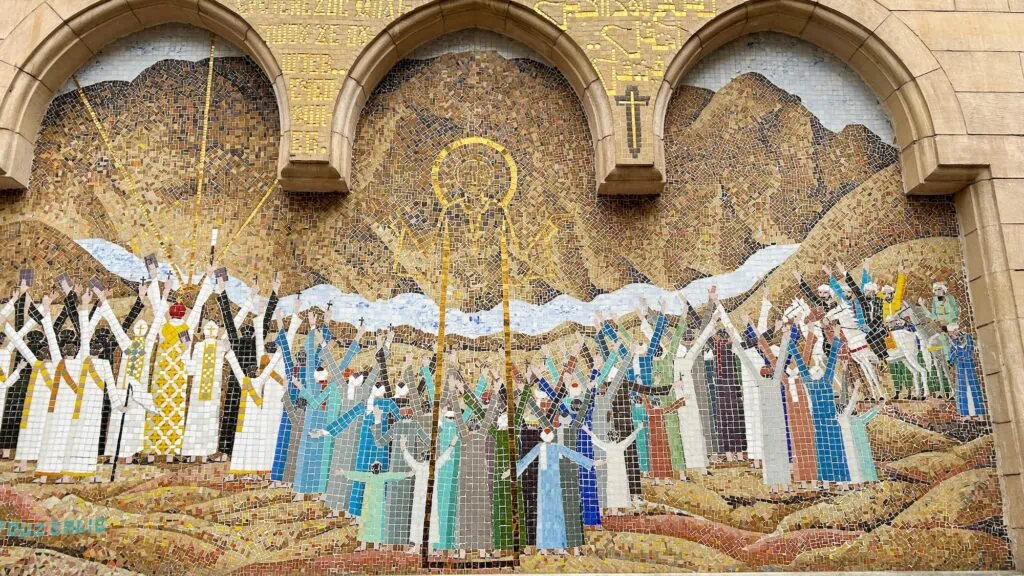
The proximity of these sites allows for a walking tour that covers significant ground without excessive travel time. However, Cairo’s heat makes midday breaks essential, and the church’s peaceful interior provides an ideal refuge during the hottest hours.
Transportation and Access
The Mari Girgis Metro station connects directly to central Cairo and other major tourist destinations, making public transportation both economical and efficient. For U.S. visitors, the Metro system operates with clearly marked English signage and accepts payment via rechargeable cards available at all stations. European travelers will find the system familiar to many continental European metro networks, while visitors from Latin America and other regions can navigate easily using the simple color-coded line system.
Private transportation offers more flexibility for combining Old Cairo with other Cairo attractions like the Egyptian Museum or the Citadel. Our experienced drivers understand tourist schedules and can provide valuable local knowledge about traffic patterns, optimal timing, and additional sites worth visiting.
Experience Cairo’s Living Spiritual Legacy
The Church of St. George stands as a striking symbol of Cairo’s layered religious heritage, where history, architecture, and devotion come together in a truly unique setting. With EgyptToursPlus, we connect meaningful sites like this to a broader journey—blending spiritual landmarks, cultural highlights, and Egypt’s iconic wonders into one seamless experience.
You choose your travel dates, your pace, and the experiences that shape your itinerary. From private guided visits and smooth logistics to carefully selected stays and expert planning, we tailor every detail around you—so your journey through Egypt feels effortless, personal, and deeply rewarding.
Frequently Asked Questions
Saint George Church is architecturally unique because its rare circular design differs dramatically from the rectangular basilica layout used in most Egyptian churches. The current structure rises above the remains of a Roman tower in Coptic Cairo, creating impressive acoustics and a symbolic sense of continuity and eternity within Orthodox Christian tradition. The domed interior and elevated position also distinguish it visually from neighboring churches such as the Hanging Church. Morning light through the upper windows provides the best atmosphere for photography and quiet reflection.
The current Saint George Church structure was rebuilt in 1904 after a major fire destroyed much of the earlier medieval church, although the site itself dates back to at least the 10th century. Builders preserved the church’s famous circular plan while reinforcing it with newer materials suited to modern Cairo conditions. The church stands within the ancient Babylon Fortress area of Coptic Cairo, one of Egypt’s oldest continuously inhabited Christian districts. Visitors interested in architecture should look closely at the mix of Byzantine, Ottoman, and local Egyptian influences.
Saint George Church is administered by the Greek Orthodox Patriarchate of Alexandria, one of the oldest Christian institutions in the world, founded according to tradition by Saint Mark in the 1st century AD. The church serves Cairo’s Greek Orthodox community while also welcoming Egyptian Christians, international pilgrims, and general visitors. Services and liturgical traditions follow Eastern Orthodox practices rather than Coptic Orthodox rites seen in nearby churches. The site remains both an active place of worship and a major religious heritage landmark in Old Cairo.
Most visitors spend 30-45 minutes touring Saint George Church, although travelers attending services or exploring nearby Coptic Cairo landmarks often stay significantly longer. The church’s circular sanctuary, icons, elevated galleries, and connection to the Roman Babylon Fortress reward slower exploration despite the relatively compact size. Many visitors combine the church with the Hanging Church, Ben Ezra Synagogue, and the Coptic Museum within the same half-day itinerary. Early weekday mornings usually provide the calmest atmosphere for detailed viewing and photography.
Yes, visitors to Saint George Church are expected to wear modest clothing that covers shoulders and knees, consistent with customs followed at active religious sites across Egypt. Women are not always required to cover their hair, but scarves are welcomed and may be useful during services or religious celebrations. Lightweight long sleeves and comfortable shoes work best because visitors often combine multiple walking tours through Coptic Cairo. Respectful dress helps preserve the church’s spiritual atmosphere and avoids unwanted attention during worship periods.
Saint George Church sits in the heart of Coptic Cairo within walking distance of several major religious landmarks, including the Hanging Church, Ben Ezra Synagogue, Abu Serga Church, and the Coptic Museum. This concentration of Christian, Jewish, and Roman-era sites within a relatively compact district makes Old Cairo one of Egypt’s most historically layered neighborhoods. Most attractions can be explored together within 2-4 hours depending on pace and crowd levels. The nearby Mari Girgis Metro Station provides convenient access without navigating heavy downtown traffic.
Photography is generally permitted inside Saint George Church, although flash photography during prayers or liturgical services is discouraged out of respect for worshippers and delicate religious artwork. Visitors often photograph the circular nave, iconostasis, chandeliers, and elevated galleries that distinguish the church from nearby Coptic sites. Policies can vary during religious festivals or crowded ceremonies, so checking with church staff before extensive photography is recommended. Early morning visits usually provide the clearest interior lighting and the fewest interruptions.
Services at Saint George Church are conducted primarily in Arabic and Greek, reflecting both Egypt’s local Orthodox Christian community and the historic traditions of the Greek Orthodox Patriarchate of Alexandria. Portions of major liturgies may also include ancient Byzantine chants and occasional Coptic phrases during special celebrations. Even visitors unfamiliar with the languages often find the incense, chanting, and ceremonial processions culturally memorable. Religious festivals and Sunday services generally provide the fullest liturgical experience for non-local visitors.
The annual feast of Saint George, commonly celebrated each spring in the Coptic and Orthodox calendars, is the church’s most important public religious celebration. Pilgrims gather for liturgies, candle processions, prayers, and community events that transform the surrounding Coptic Cairo district into an active spiritual gathering place. Attendance increases significantly during Easter season and major Orthodox feast days as well. Travelers hoping to witness ceremonies should arrive early because churches in Old Cairo become especially crowded during religious holidays and weekends.
Saint George Church complements nearby Coptic Cairo landmarks by representing the Greek Orthodox tradition within a district otherwise dominated by Coptic Orthodox churches and historic Jewish heritage sites. Its location beside the Roman Babylon Fortress and near the Hanging Church allows visitors to compare multiple architectural and liturgical traditions within a few hundred meters. Together, these monuments illustrate nearly 2,000 years of religious continuity in Old Cairo. Combining the sites into one guided walking tour provides much stronger historical context than isolated visits.
The easiest public transportation route to Saint George Church is Cairo Metro Line 1 via Mari Girgis Station, which exits directly into the Coptic Cairo district within a short walking distance of the church. Private taxis and ride-share services are also practical, especially for travelers combining Old Cairo with downtown attractions or the Citadel in one day. Traffic in central Cairo can become extremely slow between 8:00-10:00 am and 4:00-7:00 pm, so metro travel is often faster during peak hours.
Yes, English-language guided tours are widely available at Saint George Church and throughout Coptic Cairo, often alongside Arabic, French, German, and Spanish options. Professional guides help visitors understand the church’s Greek Orthodox traditions, Roman fortress foundations, iconography, and historical relationship with neighboring Christian and Jewish sites. Egypt Tours Plus frequently includes Saint George Church within broader Old Cairo itineraries led by certified Egyptologists or heritage specialists. Guided visits are especially valuable because much of the church’s symbolism is not immediately obvious without explanation.
Design Your Custom Tour
Explore Egypt your way by selecting only the attractions you want to visit