

Pharaonic Village – An Epic Journey through Egypt’s Pharaonic Past
Step into ancient Egypt without leaving modern-day Cairo.
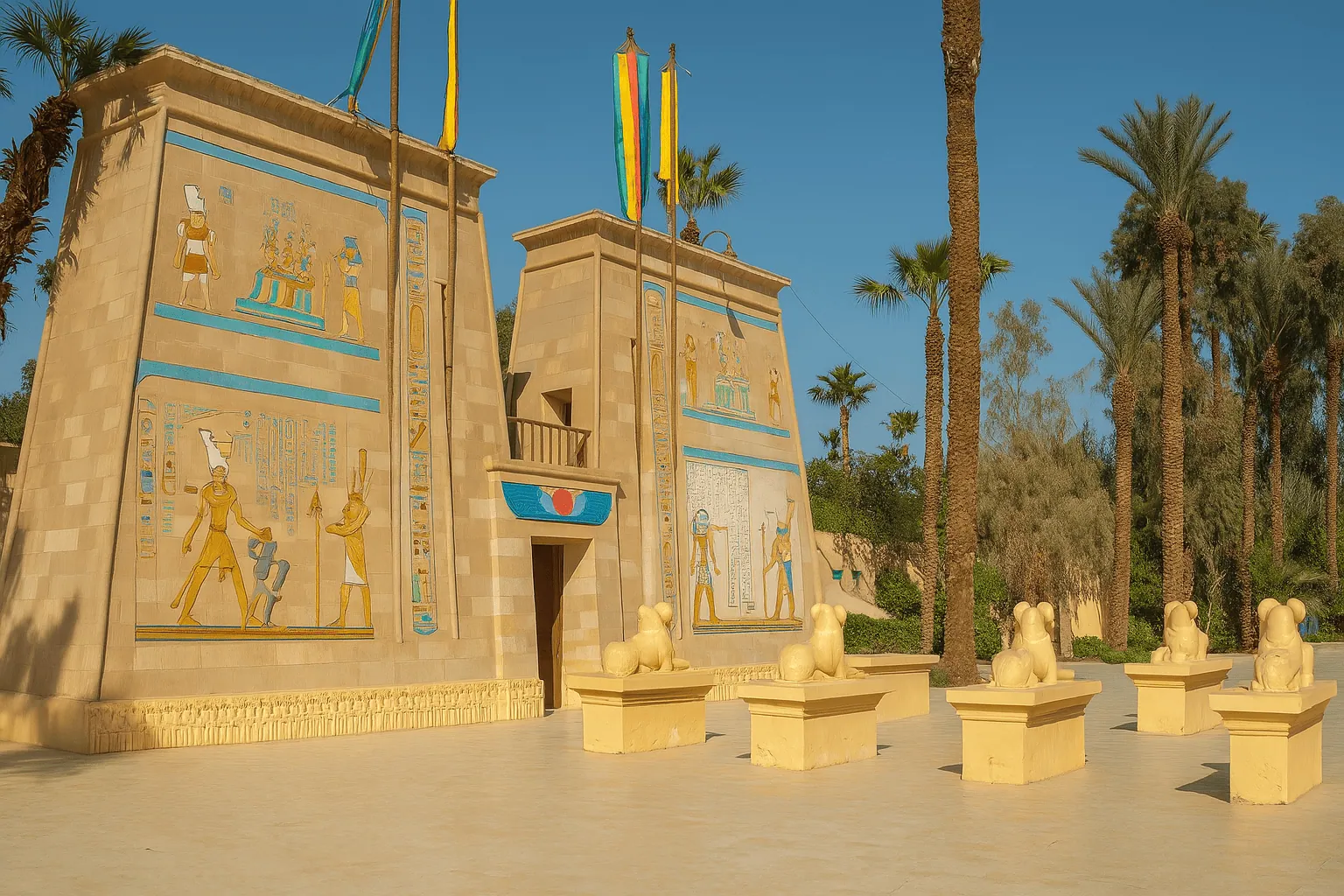
The Pharaonic Village transforms how we experience history, offering visitors an immersive journey through 5,000 years of Egyptian civilization on a carefully recreated island near the bustling capital. Founded by Dr. Hassan Ragab in 1974, this living museum brings ancient Egyptian life to vivid reality through authentic demonstrations, detailed replicas, and guided boat tours that transport you back in time. Unlike traditional museums with static displays behind glass, this unique attraction lets you witness papyrus making, mummification processes, and daily life scenes performed by costumed actors in period-appropriate settings.
Our decades of expertise in Egyptian tourism give us deep insight into what makes the Pharaonic Village truly special for international visitors seeking authentic cultural experiences.
Table of Contents
What Makes the Village Unique
The living museum concept sets this attraction apart from Cairo’s other historical sites. Visitors board traditional boats for guided tours through waterways that wind past recreated ancient Egyptian scenes, workshops, and monuments.
Interactive Historical Demonstrations
Ancient craftspeople demonstrate traditional techniques using methods unchanged for millennia. Watch skilled artisans create papyrus from papyrus plants using original processes, or observe the intricate steps of mummification explained in fascinating detail. These hands-on workshops provide educational value that static museum displays simply cannot match.
The demonstrations run continuously throughout the day, ensuring every visitor experiences these remarkable skills firsthand. Professional guides explain the historical significance while craftsmen work, creating an educational dialogue that brings ancient techniques to life.
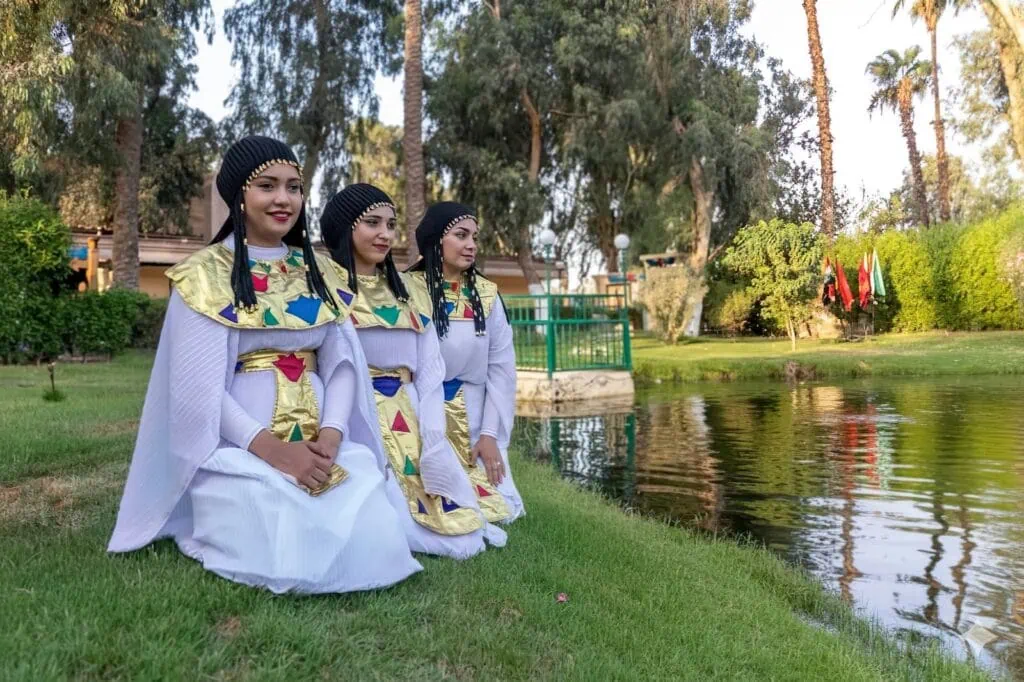
Authentic Recreations and Replicas
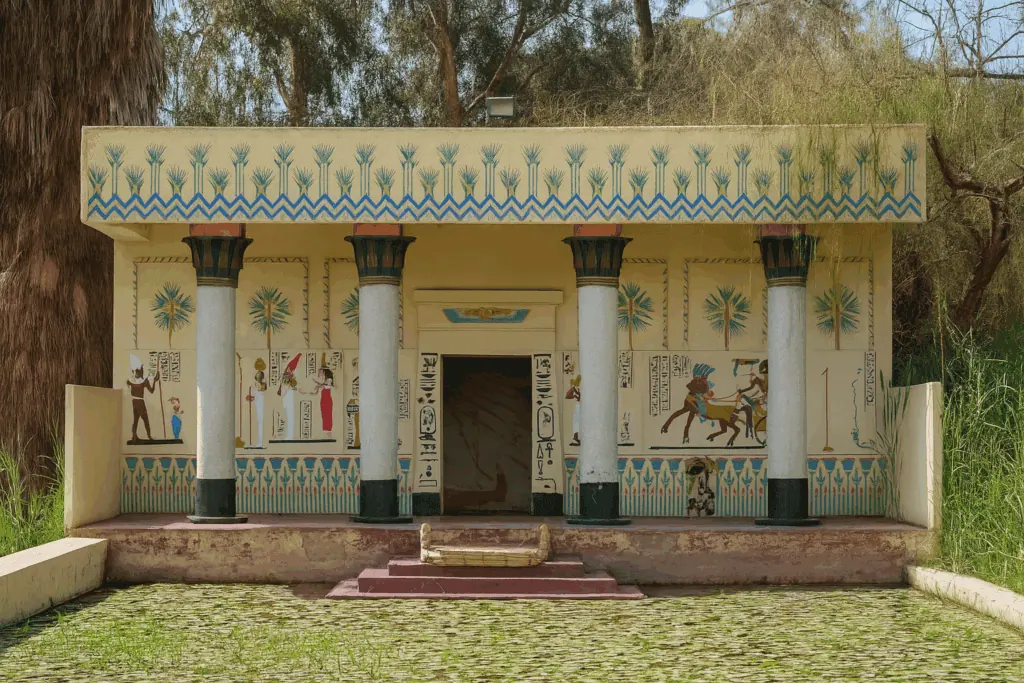
The village features meticulously crafted replicas of famous Egyptian monuments and tombs. The Tutankhamun tomb replica showcases treasures and burial chambers with stunning accuracy, allowing visitors to experience what Howard Carter discovered in 1922 without traveling to Luxor’s Valley of the Kings.
Ancient Egyptian houses, temples, and workshops populate the island according to archaeological evidence. Each structure reflects specific historical periods, from Old Kingdom simplicity to New Kingdom grandeur. The attention to detail extends to furniture, tools, and daily objects that populated ancient Egyptian homes.
Boat Tours Through History
The guided boat ride serves as your time machine through Egyptian civilization. Multilingual guides provide commentary in English, Arabic, French, and German as you drift past scenes of ancient life. The 90-minute journey covers major periods of Egyptian history, from prehistoric times through the Islamic era.

Water channels connect different themed areas, creating natural transitions between historical periods. This unique transportation method allows for comprehensive coverage of the extensive site while keeping visitors comfortable and engaged.
Planning Your Visit
Opening hours run daily from 9:00 am (09:00) to 5:00 pm (17:00), giving visitors ample time to explore all exhibits and demonstrations. The village operates year-round, though morning visits offer cooler temperatures during summer months.
Admission costs 200 Egyptian pounds for adults and 100 pounds for children under 12. Student discounts apply with valid identification. Group rates become available for parties of 15 or more, making this an excellent choice for educational tours or family gatherings.
Getting There and Transportation
The Pharaonic Village sits on Jacob’s Island in the Giza Governorate, approximately 30 minutes from central Cairo by taxi or private vehicle. Public transportation requires multiple connections, so we recommend booking private transportation for convenience and comfort.
Parking facilities accommodate tour buses and private vehicles. The entrance provides clear signage in multiple languages, and staff members speak English to assist international visitors with ticketing and orientation.
Exhibitions and Museums
Beyond the boat tours, several indoor museums house extensive collections of artifacts, replicas, and educational displays covering Egypt’s rich heritage.
The main exhibition halls contain over 3,000 pieces representing different dynasties and periods. Ancient Egyptian jewelry, pottery, tools, and religious objects provide context for the outdoor demonstrations and recreated scenes. Each display includes detailed explanations in English and Arabic.
Historical timeline exhibits help visitors understand the progression of Egyptian civilization from prehistoric settlements through modern times. Interactive elements allow hands-on exploration of certain artifacts under supervision, particularly appealing to younger visitors who learn best through tactile experiences.
Specialized museums focus on specific aspects of ancient Egyptian culture. The Religion Museum explores belief systems, burial practices, and the pantheon of Egyptian gods and goddesses. The Daily Life Museum showcases how ordinary Egyptians lived, worked, and entertained themselves across different social classes and time periods.
Tutankhamun’s Tomb Experience
The replica tomb represents one of the village’s crown jewels, featuring exact reproductions of the boy king’s burial chamber and treasures. Professional archaeologists advised on every detail, from wall paintings to artifact placement, ensuring historical accuracy.
Visitors can examine golden artifacts, canopic jars, and the famous burial mask without the crowds and restrictions found at the actual tomb in Luxor. Photography restrictions apply inside the replica tomb, preserving the solemn atmosphere appropriate for this sacred space.
The experience includes detailed explanations of burial practices, religious beliefs surrounding death and afterlife, and the significance of various treasures buried with pharaohs. Many visitors find this replica more accessible and informative than viewing the original tomb under typical tourist conditions.
Educational Value and Cultural Significance
Dr. Hassan Ragab envisioned the Pharaonic Village as an educational institution that would preserve and share Egyptian cultural heritage with future generations. His vision created a space where academic research meets public engagement, making complex historical concepts accessible to visitors of all ages and backgrounds.
School groups frequently visit for structured educational programs that complement classroom learning about ancient civilizations. Professional educators design age-appropriate activities that align with curriculum standards while maintaining the entertainment value that keeps students engaged throughout their visit.
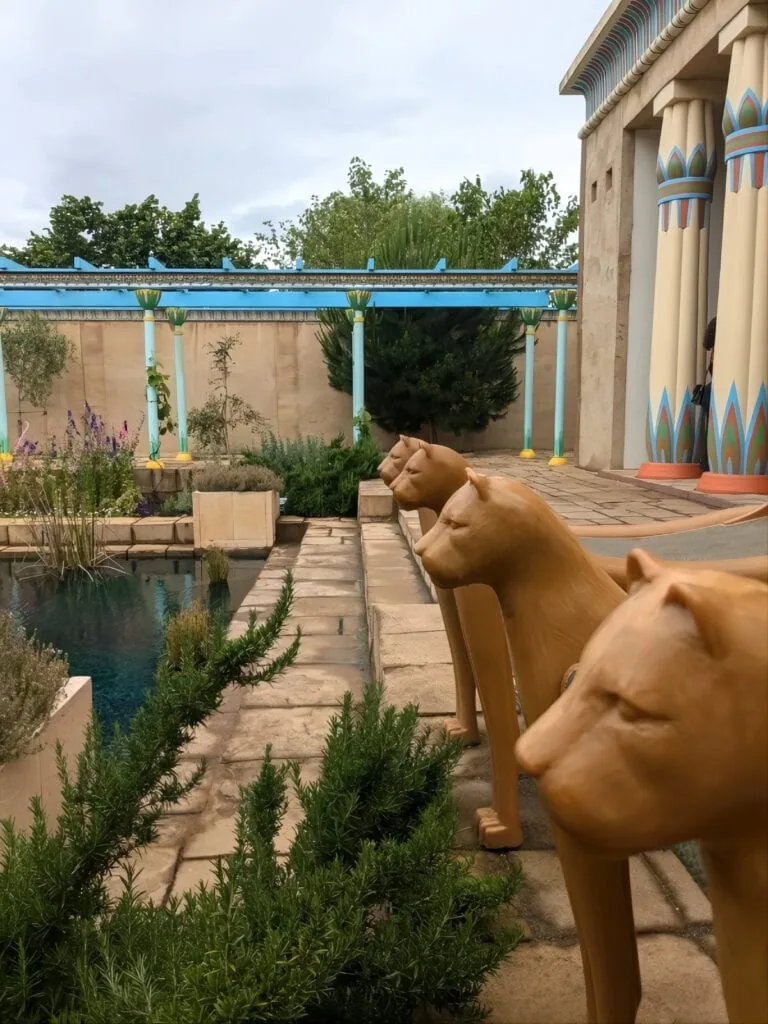
The village collaborates with universities and research institutions to ensure historical accuracy in all presentations. Regular updates incorporate new archaeological discoveries and scholarly interpretations, keeping the experience current with evolving understanding of ancient Egyptian culture.
International visitors gain insights into Egyptian civilization that extend far beyond typical tourist attractions. The comprehensive approach covers social structures, technological achievements, artistic traditions, and religious practices that shaped one of history’s most influential cultures.
Research and Preservation Efforts
Ongoing research projects use the village as a laboratory for testing theories about ancient Egyptian construction techniques, agricultural practices, and manufacturing processes. These experiments contribute to scholarly understanding while providing authentic content for visitor experiences.
Preservation specialists work continuously to maintain the quality of replicas and demonstrations. Traditional materials and methods receive priority to ensure authenticity, though modern conservation techniques protect exhibits from weather and wear.
Documentation efforts record traditional crafts and techniques that might otherwise disappear. Master craftsmen train younger generations in ancient arts, creating a living link between past and present that enriches both scholarly research and visitor experiences.
Tips for Maximizing Your Experience
Early morning arrivals allow you to experience demonstrations before crowds build up, particularly during peak tourist seasons. The first boat tours of the day often provide more intimate experiences with guides and performers.
Comfortable walking shoes are essential, as the village covers significant ground even with boat transportation between major areas. Sun protection becomes crucial during summer months, though shaded areas and indoor exhibits provide relief from heat.
Photography enthusiasts should bring extra batteries and memory cards, as the village offers countless opportunities for memorable shots. While flash photography is prohibited in certain areas, natural lighting throughout most of the site supports excellent images.
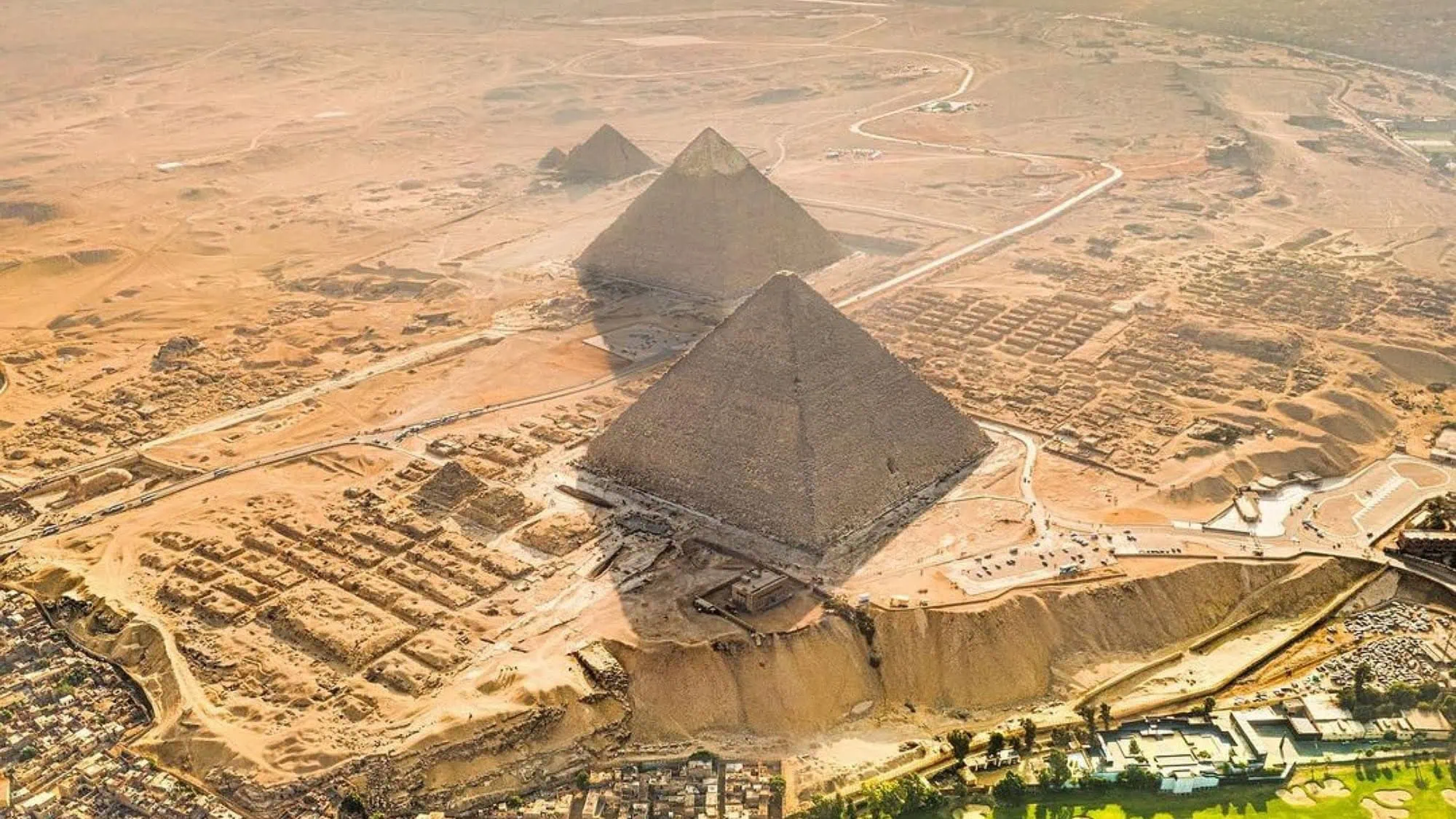
Consider combining your Pharaonic Village visit with other Giza attractions like the pyramids and Sphinx, all located within the same governorate. This creates a full day of Egyptian historical exploration without extensive travel between sites.
What to Bring and Expect
Bottled water and light snacks are available on-site, though prices reflect tourist area premiums. Bringing your own refreshments can enhance comfort during longer visits, particularly for families with children.
The village provides English-language materials and guides, but basic Arabic phrases can enrich interactions with craftspeople and performers. Many staff members appreciate visitors who attempt to use local greetings and expressions of gratitude.
Expect to spend 3-4 hours for a comprehensive visit including boat tours, museum exhibitions, and craft demonstrations. Rushing through the experience diminishes its educational value, so plan adequate time for this unique cultural immersion.
Step Into Living Ancient Egypt
The Pharaonic Village brings history to life in a uniquely immersive way, offering a vivid introduction to the stories, traditions, and daily life of ancient Egypt. With EgyptToursPlus, we integrate experiences like this into a broader, carefully curated journey—connecting interactive discoveries with the country’s most iconic sites for a rich and balanced itinerary.
You choose your travel dates, your pace, and the experiences that define your route. From private guides and seamless logistics to handpicked accommodations and personalized touring, we tailor every detail to your preferences—ensuring a smooth, engaging, and truly customized Egypt experience.
Frequently Asked Questions
A complete visit to the Pharaonic Village typically takes 3-4 hours, including the Nile canal boat ride, live demonstrations, museums, and reconstructed ancient Egyptian scenes. The attraction covers roughly 14 acres on Jacob’s Island in Giza and combines outdoor exhibits with indoor collections focused on daily life in ancient Egypt. Families and history enthusiasts often stay longer to explore specialty museums dedicated to Tutankhamun, mummification, and Coptic history. Arriving early helps visitors avoid midday heat and school-group crowds.
Yes, the Pharaonic Village offers guided tours in English, Arabic, French, and German, with multilingual guides usually available through advance reservation. Language support is particularly useful during the narrated boat journey, where guides explain ancient Egyptian farming, religion, and craftsmanship demonstrated by live actors along the canals. International groups visiting Cairo often coordinate language preferences before arrival to ensure smoother scheduling. Travelers visiting during peak winter tourism months should reserve non-English tours several days ahead whenever possible.
Most areas of the Pharaonic Village are wheelchair accessible, including primary walkways, museum buildings, and many exhibit spaces, although certain boat sections and older ramps may present challenges. Staff members generally assist visitors during boarding and transitions between attractions when requested in advance. Compared to many archaeological sites in Egypt with uneven ancient stone surfaces, the village offers a more manageable environment for mobility-impaired travelers. Visitors using wheelchairs should still allow extra time for boarding and navigating crowded exhibition areas.
Morning visits between 9:00 am and 11:00 am provide the most comfortable conditions at the Pharaonic Village during Cairo’s hot summer months. Temperatures in Giza regularly exceed 35°C (95°F) between June and August, so earlier hours offer cooler weather, softer lighting, and fewer crowds from school groups and tour buses. The shaded canals and landscaped areas help moderate heat, but outdoor demonstrations remain warmer by midday. Booking the first available entry slot creates a noticeably more relaxed experience.
The Pharaonic Village offers light refreshments, snacks, and beverages on-site, although visitors seeking full meals usually dine at nearby Giza or central Cairo restaurants afterward. Small cafes inside the attraction provide practical breaks during the 3-4 hour visit, especially for families with children. Because the village sits near the Nile and major Cairo districts, visitors have easy access to broader dining options within a short drive. Bringing bottled water is recommended, particularly during warmer months between May and September.
The Pharaonic Village complements rather than replaces visits to authentic archaeological sites like the Giza Pyramids or Luxor temples because it focuses on interactive education and reconstructed daily life. Unlike protected ruins where touching artifacts is prohibited, the village uses live demonstrations, recreated workshops, and narrated boat scenes to explain farming, religion, and crafts from ancient Egypt. This format is especially effective for children and first-time visitors. Many travelers use the attraction as an introduction before exploring Egypt’s original monuments.
Yes, selected demonstrations at the Pharaonic Village allow limited visitor participation, especially papyrus making, pottery shaping, and certain traditional craft activities supervised by staff members. These interactive sessions help explain how ancient Egyptians produced writing materials, ceramics, and household goods thousands of years ago. Participation opportunities vary depending on crowd levels, staffing, and scheduled demonstrations during the day. Families visiting with children often find these hands-on experiences more memorable than standard museum displays or static exhibits.
Photography is permitted throughout most areas of the Pharaonic Village, including outdoor recreations, canals, and demonstration zones, although flash photography may be restricted inside certain museums and exhibition halls. The attraction’s recreated ancient Egyptian scenes are specifically designed to be visually engaging and educational, making them popular for family travel photography. Visitors using professional cameras or tripods may occasionally receive additional guidance from staff. Morning visits generally provide the clearest lighting and least crowded photo opportunities.
The Pharaonic Village appeals to a broad age range, but children between approximately 8 and 16 years old often respond especially well to the interactive demonstrations and reconstructed ancient Egyptian environments. Adults interested in history, archaeology, and Egyptian culture also appreciate the educational storytelling and specialty museums. Younger children tend to enjoy the boat rides and live-action scenes more than traditional museum settings. Multi-generational families frequently choose the attraction because it combines entertainment with structured historical interpretation.
Individual travelers can usually visit the Pharaonic Village without advance reservations, but groups of 10 or more should book ahead to secure preferred tour times and language options. Peak visitation periods during winter tourism season, school holidays, and weekends can increase wait times for larger parties. Advance booking also helps coordinate transportation and guided services from Cairo or Giza hotels. Visitors combining the village with pyramids or museum tours often benefit from arranging the full day’s logistics in advance.
Yes, the Pharaonic Village includes several souvenir shops selling papyrus art, jewelry, alabaster items, textiles, and handicrafts inspired by traditional Egyptian designs. Many products reflect techniques demonstrated throughout the attraction, particularly papyrus production and pottery work. Prices are generally fixed compared to traditional Cairo bazaars, making shopping more straightforward for visitors unfamiliar with bargaining customs. Travelers interested in authentic handcrafted items should compare quality carefully and request information about locally made products before purchasing higher-value souvenirs.
Yes, the Pharaonic Village combines easily with nearby Cairo and Giza attractions, particularly the Giza Pyramids, the Grand Egyptian Museum area, or central Cairo cultural sites. Its location on Jacob’s Island in Giza places it within practical driving distance of major tourist districts, although Cairo traffic can significantly affect timing. Most combined itineraries require a full day when transportation and meal breaks are included. Scheduling the village in the morning often works best before afternoon visits to museums or pyramid sites.
Design Your Custom Tour
Explore Egypt your way by selecting only the attractions you want to visit