

Discovering the Vibrant Nubian Villages of Aswan
Step into a world where colors dance on ancient walls.
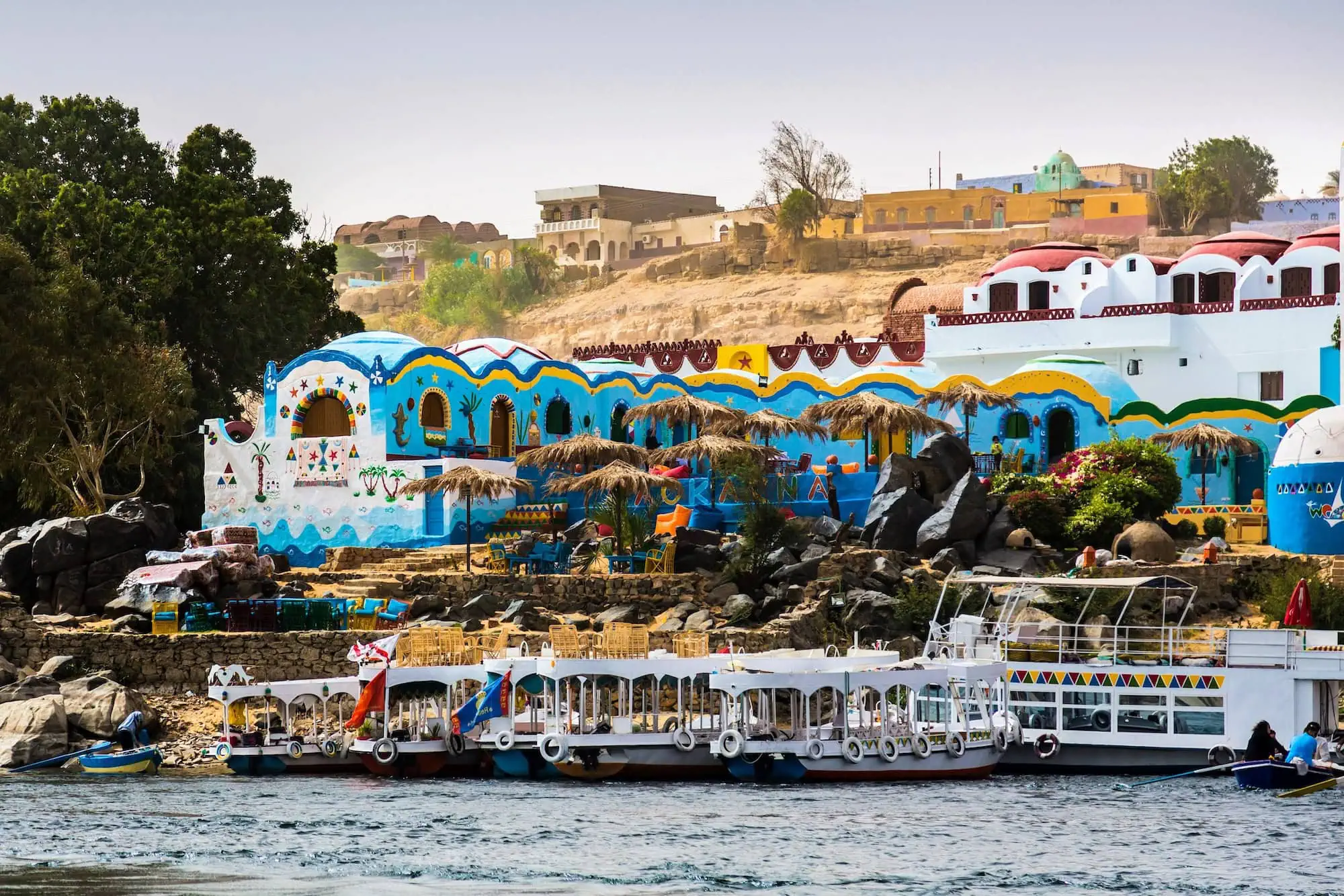
These remarkable settlements along the Nile represent one of Egypt’s most authentic cultural experiences, far removed from the mainstream tourist circuits across the wider Aswan area. The Nubian villages near Aswan offer visitors an intimate glimpse into a civilization that has thrived for millennia, maintaining traditions that predate the pharaohs while adapting to modern times. The contrast between the desert landscape and these vibrant communities creates an unforgettable impression that stays with travelers long after they’ve returned home.
We’ve been guiding visitors to these extraordinary places for decades, watching as guests discover the warmth of Nubian hospitality and the beauty of living traditions that continue to flourish today.
Table of Contents
The Heart of Nubian Culture in Modern Egypt
Nubian identity runs deeper than the colorful facades that catch every photographer’s eye. These communities represent the last stronghold of a culture that once ruled vast kingdoms stretching from southern Egypt into Sudan. Today’s villagers are direct descendants of those ancient peoples, carrying forward languages, customs, and artistic traditions that have survived conquest, displacement, and modernization.
Living Languages and Ancient Wisdom
The Nubian language, spoken fluently in households throughout these villages, connects current generations to their ancestral roots. Children grow up bilingual, switching effortlessly between Arabic for school and business, and Nubian for family conversations and traditional songs. This linguistic preservation extends beyond mere communication – it carries forward oral histories, folktales, and cultural knowledge that would otherwise disappear.
Elderly villagers serve as living libraries, recounting stories of life before the High Dam’s construction forced massive relocations. Their memories preserve details about traditional farming techniques, seasonal celebrations, and family genealogies that stretch back centuries.
Traditional Crafts That Tell Stories
Every household seems to harbor skilled artisans who transform raw materials into functional art. Women weave baskets from palm fronds using patterns passed down through generations, each design carrying symbolic meaning. The intricate beadwork adorning traditional garments requires exceptional skill and patience, with color combinations that reflect family status and regional identity.
Men work with wood and clay, crafting furniture and pottery that serves daily needs while maintaining aesthetic principles rooted in ancient traditions. The woodworking techniques used for building traditional boats remain largely unchanged, demonstrating remarkable continuity across millennia.
Architecture That Celebrates Life
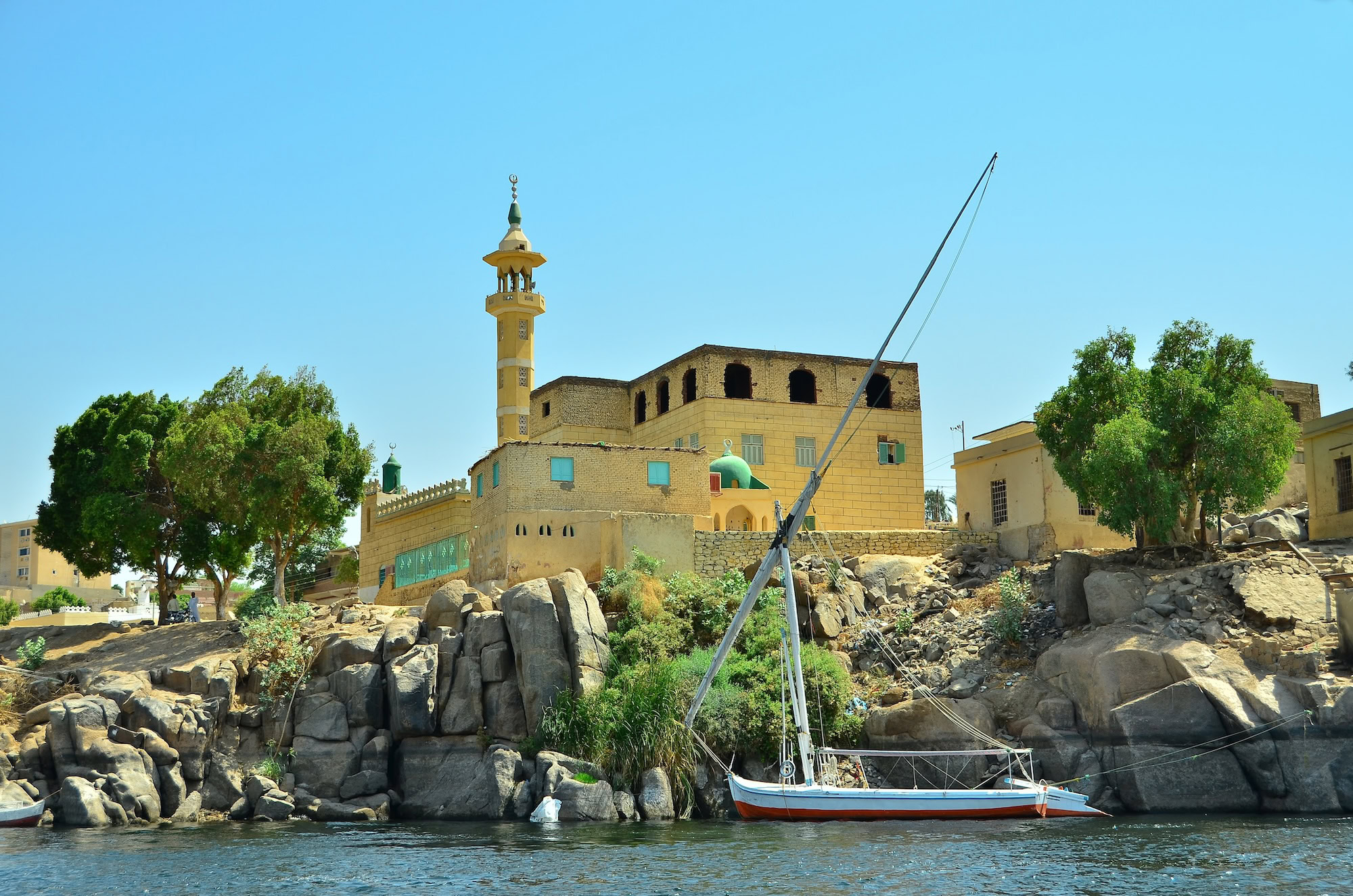
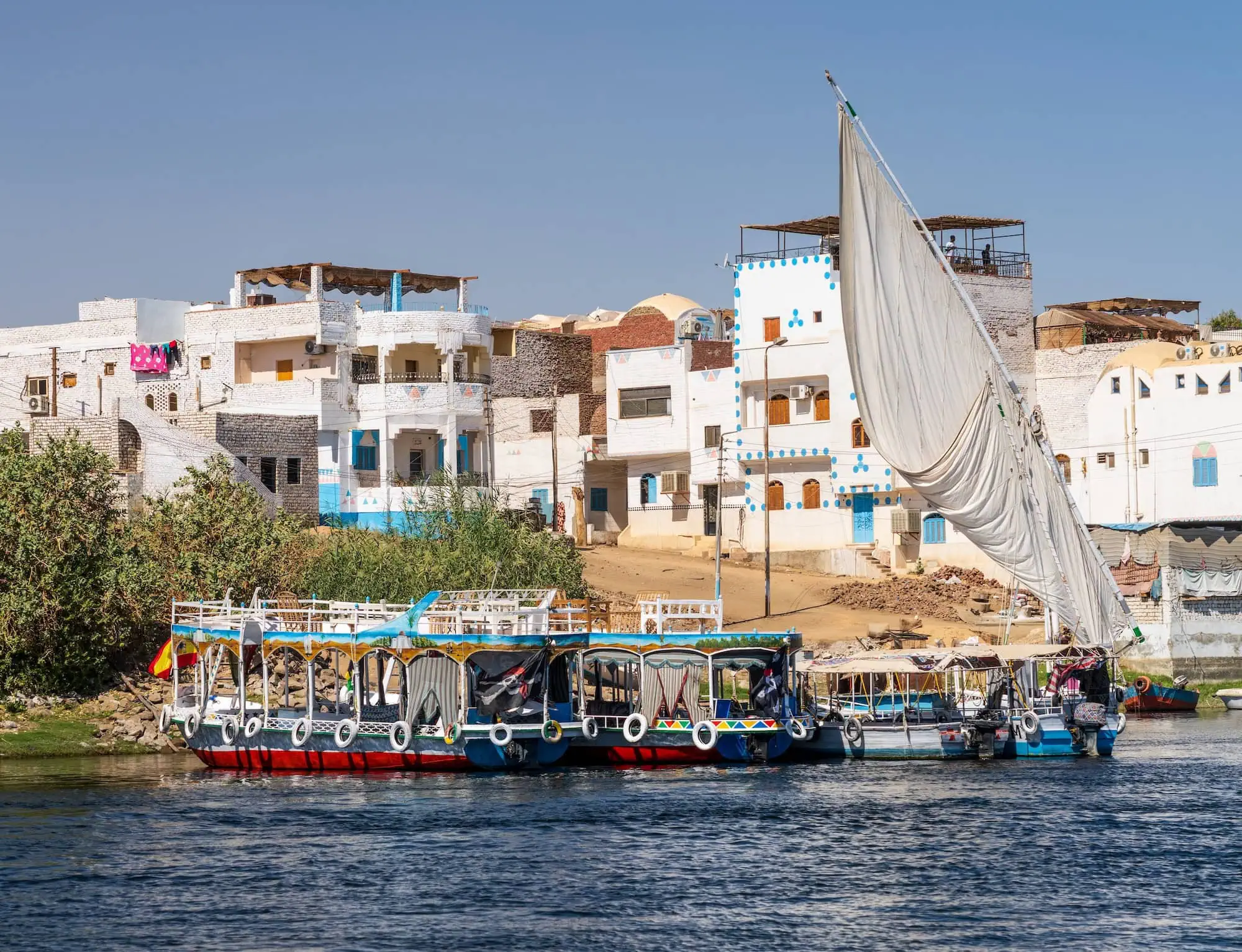
Those famous bright colors aren’t just for show – they serve practical and spiritual purposes in Nubian society. Blue paint, made from local minerals, traditionally wards off evil spirits while reflecting heat during scorching summer months. Yellow represents prosperity and harvest abundance, while green connects homes to the life-giving Nile. Red accents symbolize strength and protection for family members.
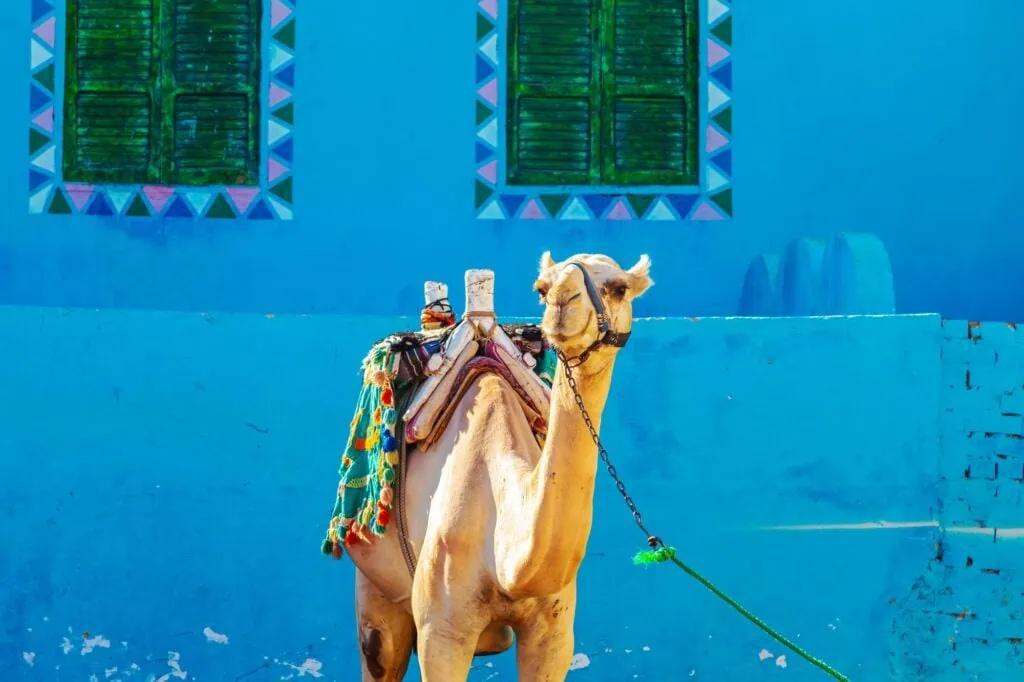
The architectural style itself reflects desert adaptation perfected over generations. Thick mud-brick walls provide natural insulation, while strategic window placement creates cooling cross-breezes without compromising privacy. Courtyards serve as outdoor living rooms where families gather during pleasant evening hours.
Elephantine Island: Where History Meets Daily Life
This ancient settlement predates most Egyptian monuments, yet remains vibrantly alive with resident families who’ve called it home for generations, much like the communities found on Elephantine Island. Archaeological evidence suggests continuous habitation for over 3,000 years, making it one of the longest continuously occupied sites in the region.
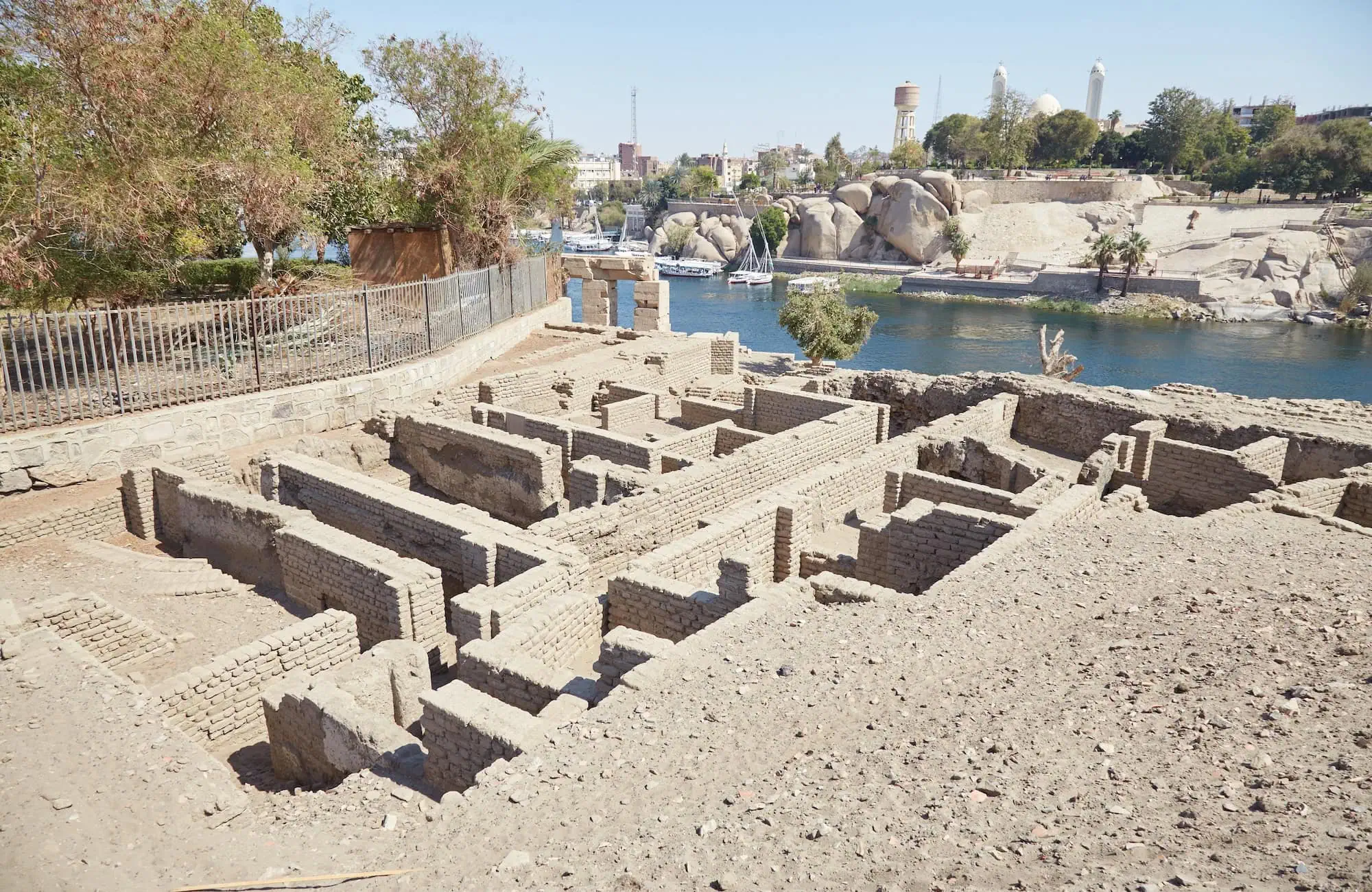
Modern villagers live alongside excavated temples and ancient granite quarries, creating a unique blend where archaeological treasures integrate seamlessly into contemporary daily routines. Children play games among ruins that once housed Nubian princes, while their parents tend gardens that grow in soil enriched by millennia of human habitation.
The island’s strategic position at the first cataract made it a crucial trading post throughout history. Today’s residents maintain that commercial spirit through small businesses catering to visitors while preserving traditional occupations like fishing and farming. The contrast between ancient stones and modern solar panels illustrates how these communities embrace progress without abandoning their heritage.
Siou and Koti: Sister Villages with Distinct Characters
Each village has developed its own personality despite sharing similar cultural foundations. Siou village emphasizes agricultural traditions, with extensive date palm groves and vegetable gardens that supply local markets. Families here often maintain small livestock herds, following grazing patterns established by their ancestors.
Koti village has become known for its artistic communities, where painters and craftspeople create contemporary works inspired by traditional motifs. The village’s narrow alleys showcase outdoor galleries where local artists display pieces that blend ancient symbolism with modern techniques.
Both communities welcome visitors warmly, though each offers different perspectives on Nubian life and culture.
Planning Your Visit to These Cultural Treasures
Transportation to Nubian villages typically involves a scenic felucca ride across the Nile, allowing visitors to experience daily life along the river while exploring what else the Aswan area has to offer. Approaching these communities by boat mirrors the way travelers have arrived here for centuries, with time to absorb the landscape’s beauty before stepping ashore.

Most village visits work best during morning or late afternoon hours when temperatures are manageable and lighting enhances the architectural colors that make these places so photogenic. However, sunset visits offer magical moments when the painted houses seem to glow against the darkening desert backdrop.
What to Expect During Your Experience
Village tours often begin with traditional welcome ceremonies involving Nubian tea served in family courtyards, an experience commonly included on journeys that feature a classic Nile cruise or more intimate dahabiya cruises through Upper Egypt. Hosts typically share stories about their family’s history, the village’s development, and current community projects. These conversations provide context that transforms a simple sightseeing visit into meaningful cultural exchange.
Traditional Cuisine and Hospitality Customs
Nubian cooking reflects the community’s agricultural heritage and geographical position at the crossroads between Egypt and Sudan. Meals often feature ingredients grown locally, including unique varieties of sorghum, millet, and legumes that have sustained these populations for generations. The preparation methods, passed down through families, create flavors distinct from mainstream Egyptian cuisine.
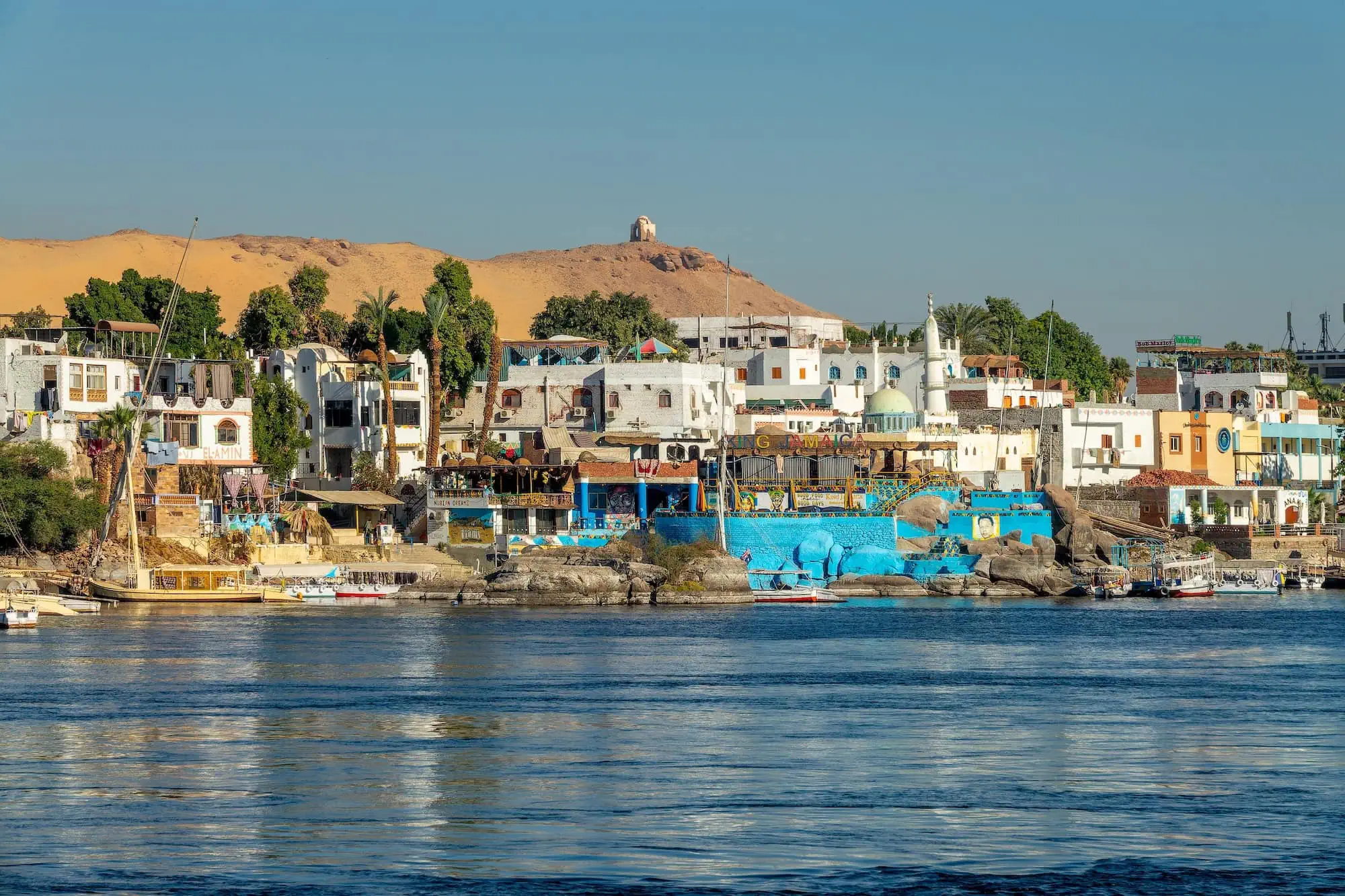
Hospitality customs emphasize generosity and respect for guests, with hosts often preparing special dishes to honor visitors. Understanding these traditions enhances the experience for everyone involved, creating opportunities for genuine cultural connection rather than superficial tourist interactions.
Accommodation Options for Extended Stays
Several guesthouses operated by village families offer overnight accommodation for visitors seeking deeper immersion. These simple but comfortable lodgings provide authentic experiences of Nubian daily life, from participating in morning household routines to evening conversations under star-filled desert skies.
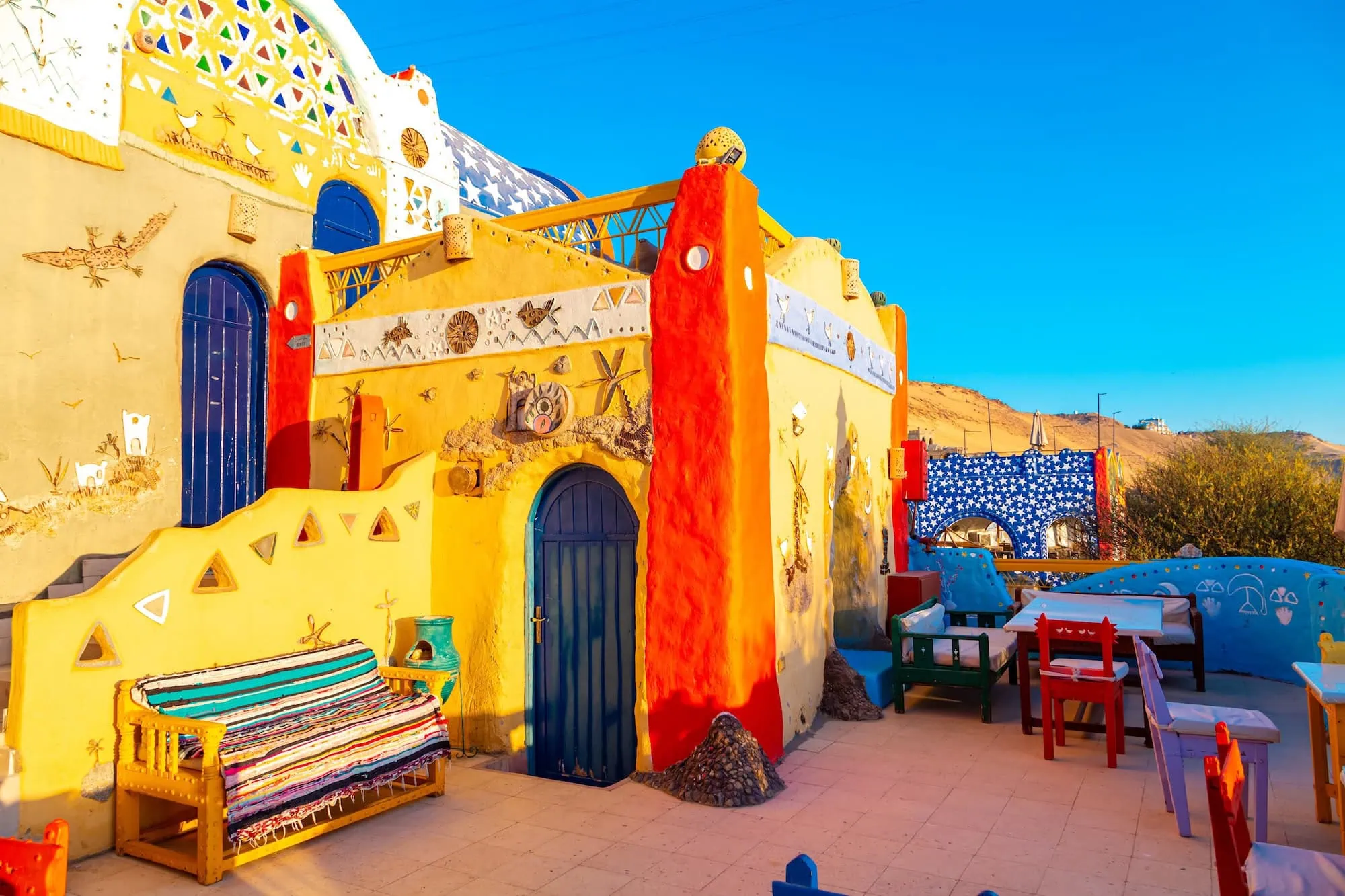
Staying overnight allows visitors to witness the village rhythm as it truly unfolds – early morning prayers, children heading to school, women preparing meals, and men gathering for coffee and conversation. This natural pace contrasts sharply with day-trip schedules and reveals layers of community life invisible during brief visits.
Navigating Cultural Sensitivities and Local Customs
Respectful interaction begins with understanding that these are functioning communities, not tourist attractions. Residents appreciate visitors who show genuine interest in learning about their culture rather than simply taking photographs. Simple gestures like learning basic Nubian greetings or asking permission before photographing people demonstrate respect that locals notice and appreciate.
Dress codes reflect both Islamic traditions and local customs, with modest clothing expected in all village areas. Women visitors should cover shoulders and wear long pants or skirts, while men should avoid shorts and sleeveless shirts. These guidelines apply regardless of the season or activity level.
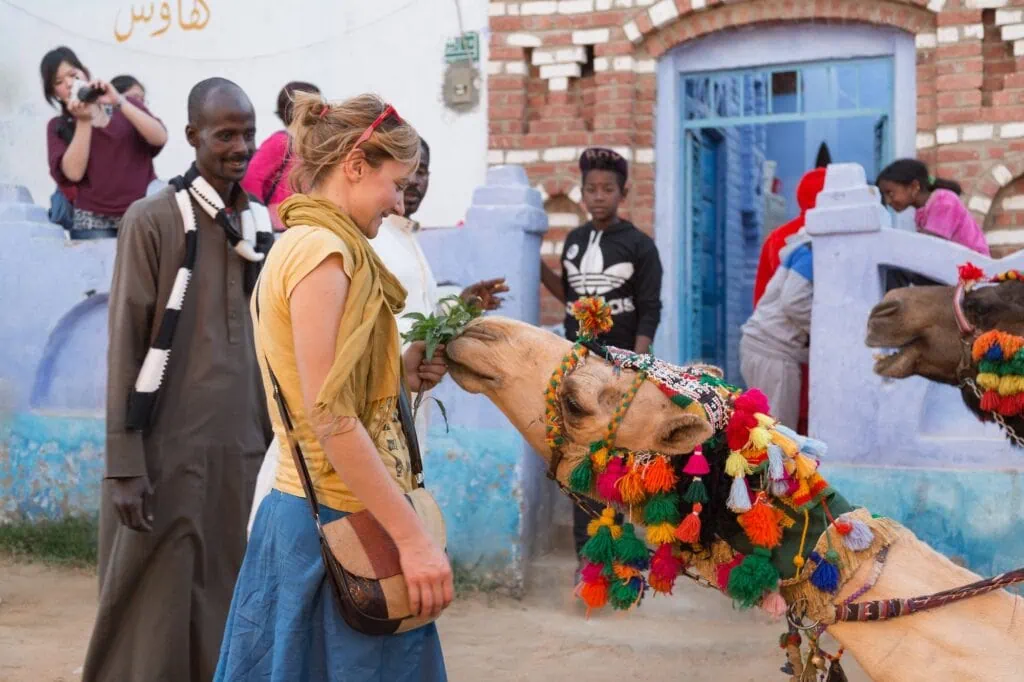
Photography etiquette varies by family and location, with some areas freely allowing pictures while others require permission or might be completely private. Taking time to communicate with residents about photography preferences prevents misunderstandings and often leads to better photo opportunities as people become comfortable with the process.
Gift-giving customs encourage bringing items that benefit the entire community rather than individual families. School supplies, medical items, or contributions to community projects are typically more appropriate than personal gifts that might create social imbalances.
Understanding the Historical Context Behind Modern Villages
The construction of the Aswan High Dam in the 1960s fundamentally altered Nubian life, forcing the relocation of entire communities from their ancestral lands now submerged beneath Lake Nasser. This massive displacement could have destroyed Nubian culture entirely, but instead strengthened community bonds as families worked together to recreate their traditions in new locations.
Modern villages represent remarkable resilience and adaptation rather than unchanged preservation. Residents have successfully integrated beneficial aspects of contemporary life – education, healthcare, technology – while maintaining core cultural elements that define Nubian identity. This dynamic balance creates communities that are genuinely alive rather than frozen museum pieces.
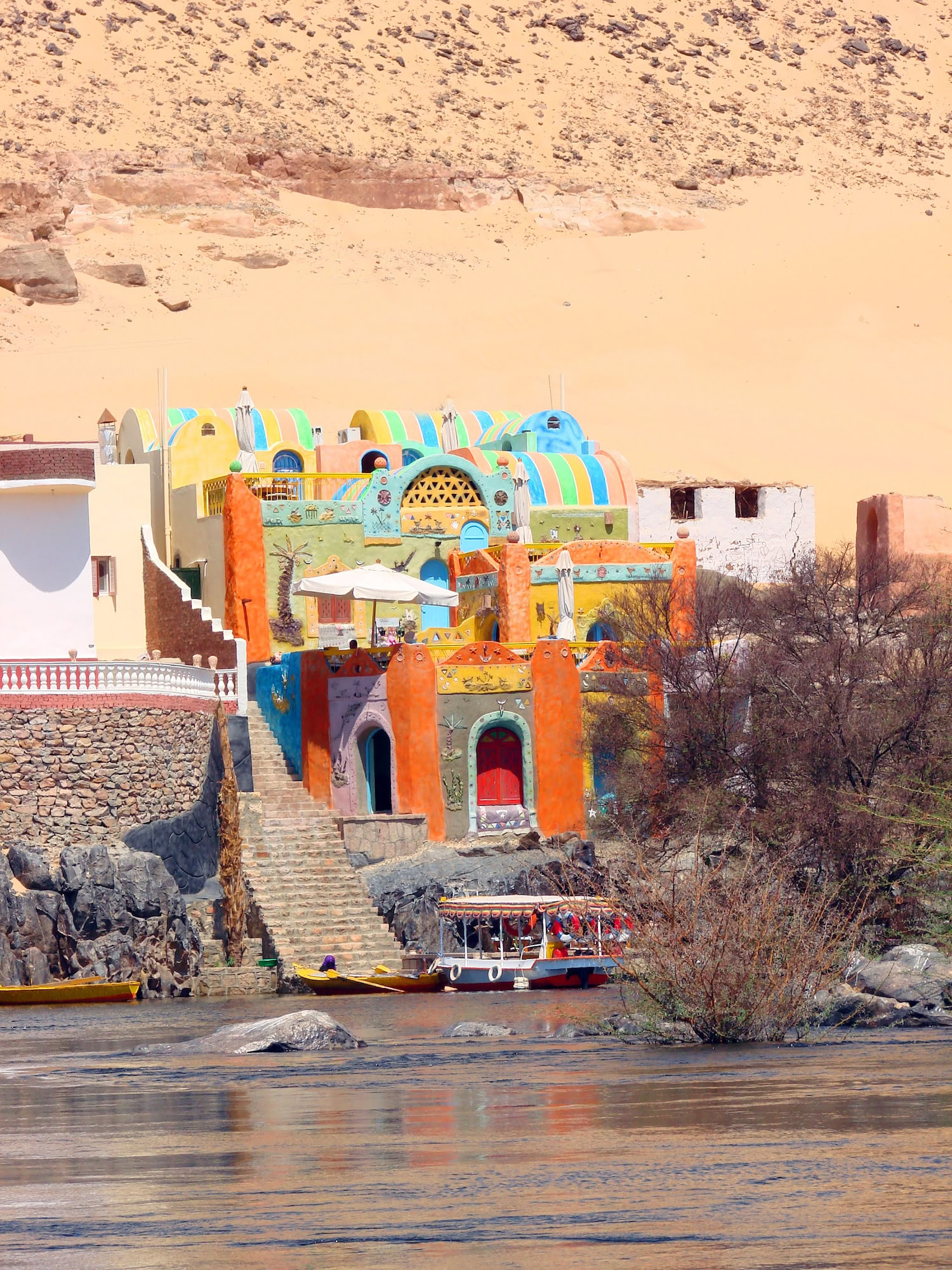
Government support for cultural preservation has increased in recent years, with programs supporting traditional crafts, language education, and cultural festivals. These initiatives help ensure that Nubian traditions continue evolving naturally rather than simply surviving through tourism alone.
The Role of Education in Cultural Continuity
Village schools now include Nubian language and cultural studies alongside standard Egyptian curriculum, ensuring younger generations understand their heritage while preparing for modern opportunities. Many graduates pursue higher education in Cairo or Alexandria but return to contribute their skills to community development projects.
This educational balance produces young people who can navigate both traditional village life and contemporary Egyptian society, serving as cultural bridges that strengthen rather than dilute Nubian identity.
Seasonal Considerations for Village Visits
Winter months from October through March offer the most comfortable conditions for exploring these desert communities. Temperatures during this period range from pleasant morning coolness around 59°F (15°C) to warm, sunny afternoons reaching 77°F (25°C). The minimal rainfall and gentle breezes create ideal conditions for outdoor activities and extended walking tours through village streets.
Spring visits between March and May showcase the agricultural cycle as farmers prepare fields and tend growing crops. This season provides insights into traditional farming methods and irrigation techniques that have sustained these communities for generations. However, temperatures begin climbing toward summer highs, requiring earlier morning starts and longer midday breaks.
Summer months present challenges for most visitors, with daytime temperatures often exceeding 104°F (40°C) and intense sun that makes outdoor exploration difficult. However, early morning and late evening activities remain possible, and the reduced tourist numbers during this season can create more intimate experiences with local families.
The autumn transition from September through November offers another excellent visiting window, with gradually cooling temperatures and clear skies that enhance photography opportunities. Agricultural harvests during this period add visual interest and provide opportunities to witness traditional food processing techniques.
Experience The Color And Culture Of Nubian Villages
The Nubian Villages of Aswan offer a vibrant and authentic side of Egypt—where colorful homes, warm hospitality, and rich traditions create a truly memorable experience. With EgyptToursPlus, we seamlessly include these cultural encounters in a private journey that connects local life along the Nile with Egypt’s most iconic historical landmarks.
You choose your travel dates, your pace, and the experiences that shape your route. From cultural immersion to Nile-side relaxation and carefully selected comforts, we tailor every detail around your preferences—ensuring a smooth, refined, and deeply personal travel experience from start to finish.
Frequently Asked Questions
Plan at least 4-6 hours for a rewarding Nubian village visit near Aswan, though overnight stays provide a much deeper cultural experience with home-cooked meals, music, and family interaction. Most tours include boat transport on the Nile, time in colorful riverside villages like Gharb Soheil, and visits to local homes or craft workshops. Travelers staying overnight gain better insight into Nubian traditions, language, and daily life beyond standard sightseeing. Sunset visits are especially memorable because temperatures become significantly cooler after 4:00 pm.
No special permits are required to visit public Nubian villages around Aswan, including popular communities on Elephantine Island and the west bank near Gharb Soheil. Visitors are welcome in most public spaces, shops, and cafes, although respectful behavior and modest clothing are appreciated in these traditional Muslim communities. Permission should always be requested before photographing people inside homes or private gatherings. Hiring a local Nubian guide also helps visitors navigate cultural etiquette more comfortably and respectfully.
Yes, many Nubian villages around Aswan offer hands-on craft workshops where visitors can learn basket weaving, pottery, henna art, beadwork, and traditional painting techniques directly from local artisans. Workshops usually last between 30 minutes and 2 hours depending on the activity and are often hosted inside family homes or community centers. These experiences provide valuable income for local families while preserving cultural traditions passed down for generations. Purchasing crafts directly from artisans also supports the village economy more effectively than buying imported souvenirs.
Traditional felucca sailboats and small motorboats provide the most common transportation to Elephantine Island, with crossings from Aswan’s Corniche typically taking 10-20 minutes depending on river currents and departure point. Feluccas offer a quieter and more scenic experience, especially during sunrise or sunset when Nile winds are strongest. Public ferries also operate regularly at lower prices for local commuters and visitors. Morning departures generally provide calmer water and cooler temperatures for photography and sightseeing.
Yes, Nubian cuisine naturally includes many vegetarian and vegan-friendly dishes based on beans, lentils, rice, flatbread, vegetables, and regional spices grown along the Nile Valley. Common meals include ful medames, grilled vegetables, lentil stews, and okra dishes served with fresh bread and hibiscus tea. Because meat historically remained expensive in many Nubian communities, plant-based cooking traditions became deeply rooted in local culture. Visitors with dietary restrictions should still notify hosts or guides in advance for smoother meal planning.
Basic Nubian village visits near Aswan generally cost around $15-25 USD per person, while overnight stays with meals and cultural activities often range between $40-60 USD depending on accommodation quality and transport arrangements. Private boat charters, guided tours, and craft workshops can increase overall costs slightly. Compared with major Egyptian archaeological attractions, Nubian village experiences remain relatively affordable while offering direct cultural interaction. Carrying small cash denominations in Egyptian pounds is useful because many family-run businesses do not accept cards.
Yes, Nubian villages around Aswan are generally welcoming and family-friendly, with calm streets, open spaces, and opportunities for children to interact with local families and learn about different cultures firsthand. Many kids enjoy short Nile boat rides, colorful painted houses, traditional music, and simple craft demonstrations. Parents should still supervise carefully near riverbanks, docks, and village animals. Morning or late afternoon visits are usually more comfortable for younger children because midday temperatures in Aswan regularly exceed 38°C (100°F) during summer.
Arabic is the primary language spoken in Nubian villages, although many residents also speak traditional Nubian dialects such as Nobiin or Kenuzi-Dongolawi that reflect the region’s ancient cultural heritage. Basic English is common among younger residents, shop owners, and guides involved in tourism around Aswan. Visitors traveling with Egypt Tours Plus typically receive interpretation support from professional guides familiar with both local customs and regional history. Learning a few Arabic greetings is often warmly appreciated by village families.
Most Nubian villages near Aswan now offer basic modern amenities including electricity, running water, mobile phone coverage, and simple bathroom facilities, although accommodations intentionally maintain a traditional architectural style. Guesthouses commonly feature colorful painted interiors, rooftop seating areas, and Nile-facing terraces rather than luxury resort infrastructure. Internet access can be inconsistent depending on the village location and season. Travelers seeking more comfort usually combine village visits with hotel stays in central Aswan located 15-30 minutes away by boat or car.
Traditional Nubian celebrations usually coincide with Islamic holidays such as Eid al-Fitr and Eid al-Adha, as well as weddings, harvest periods, and local community events that follow the lunar calendar. Because Islamic dates shift annually by approximately 10-11 days on the Gregorian calendar, festival timing changes each year. Visitors during major celebrations may experience traditional drumming, dancing, henna ceremonies, and communal feasts rarely seen during standard tours. Asking local guides about upcoming events can help travelers experience authentic cultural gatherings respectfully.
Visitors can support Nubian communities most effectively by choosing family-run guesthouses, hiring local guides, eating in village restaurants, and purchasing handmade crafts directly from artisans rather than imported souvenir vendors. Community-based tourism creates sustainable income opportunities that help preserve Nubian language, music, and architectural traditions threatened by modernization and displacement after the creation of Lake Nasser. Respectful cultural interaction also matters as much as financial support. Avoid aggressive bargaining on handmade goods because prices often directly support extended families.
For an overnight stay in a Nubian village, pack comfortable walking shoes, lightweight modest clothing, sun protection, insect repellent, reusable water bottles, and essential toiletries because local shops carry limited supplies. Evenings along the Nile can become noticeably cooler between November and February, so a light jacket is useful during winter months. Portable chargers and cash in Egyptian pounds are also practical additions. Small educational gifts like notebooks or pens are appreciated when offered respectfully through local hosts or guides.
Ancient Wonders of Aswan, Modern Comfort
Sail the Nile Through Aswan Like a Pharaoh

Design Your Custom Tour
Explore Egypt your way by selecting only the attractions you want to visit