

Discovering Elephantine Island: Egypt’s Sacred Gateway to Nubia
Ancient granite rocks rise from the Nile waters near Aswan, holding secrets that span over 4,000 years.
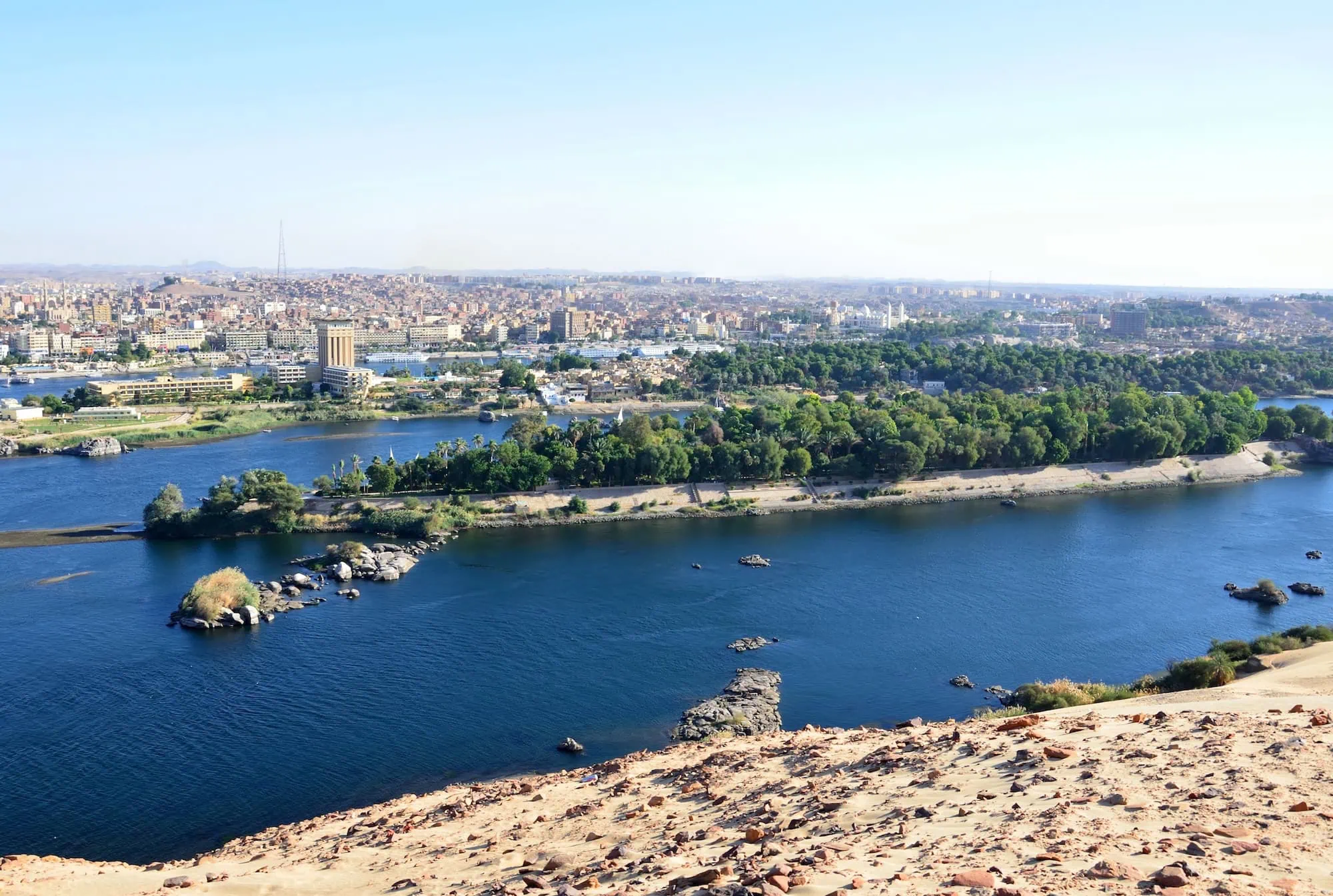
Located at the first cataract of the Nile River, Elephantine Island has witnessed the rise and fall of pharaohs, served as Egypt’s southern border fortress, and remained a sacred center for water worship throughout the wider Aswan surroundings. This granite outcrop in Upper Egypt earned its name from the massive boulders that resembled elephants drinking from the river, though ivory trading through this strategic port likely contributed to the designation. Today, we guide travelers through both its archaeological treasures and living Nubian villages, where ancient traditions continue alongside modern life.
Whether you’re drawn to temple ruins, fascinated by nilometers that measured life-giving floods, or eager to experience authentic Nubian culture, Elephantine Island offers an intimate glimpse into Egypt’s layered history for travelers planning time in Aswan.
Table of Contents
Sacred Temples and Divine Connections
The island’s southern tip holds the reconstructed Temple of Satet, goddess of the Nile floods and protector of Egypt’s southern borders. Archaeological teams have uncovered evidence of continuous worship here from the Early Dynastic period through Roman times, making this one of Egypt’s longest-serving religious sites.
Temple of Khnum Complex
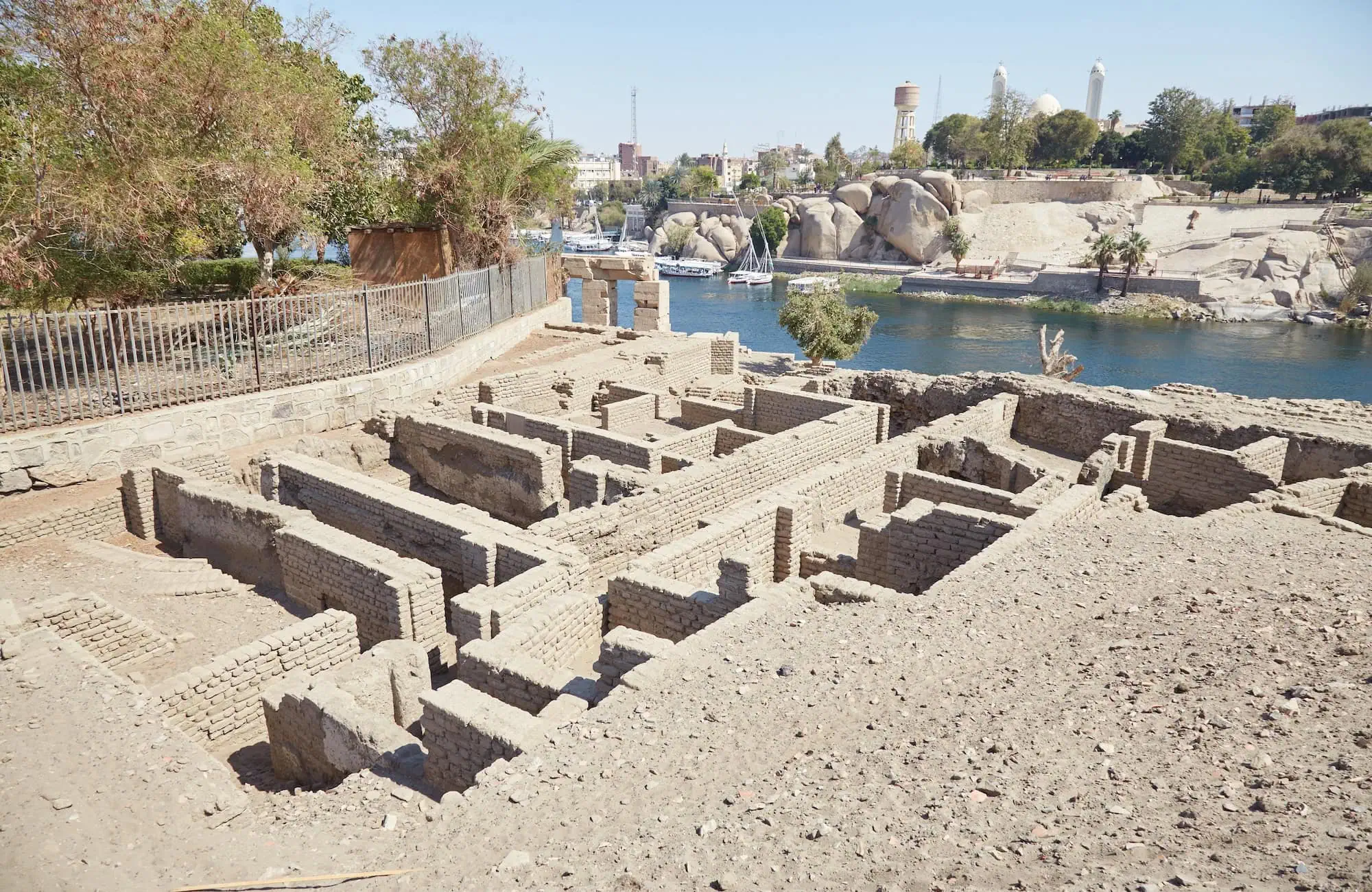
Khnum, the ram-headed creator god, dominated religious life on Elephantine for over two millennia. Ancient Egyptians believed he controlled the Nile’s annual floods from caverns beneath the island, molding humans on his potter’s wheel from Nile mud. The temple complex once sprawled across much of the island’s center, though only foundations and scattered blocks remain today.
We often encounter visitors surprised by the temple’s modest current state compared to Karnak or Luxor. Yet archaeologists consider these ruins among Egypt’s most significant for understanding religious evolution. Hieroglyphic inscriptions here record the “Famine Stele” legend, where seven years of failed floods supposedly ended only after proper offerings to Khnum.
Satet Temple and Nilometer
The goddess Satet’s temple underwent multiple reconstructions, with the visible remains dating from the 18th Dynasty. Her role as flood guardian made this location crucial for agricultural planning throughout ancient Egypt. Adjacent to her temple, the famous nilometer provided precise flood measurements that determined taxation and agricultural policies across the kingdom.
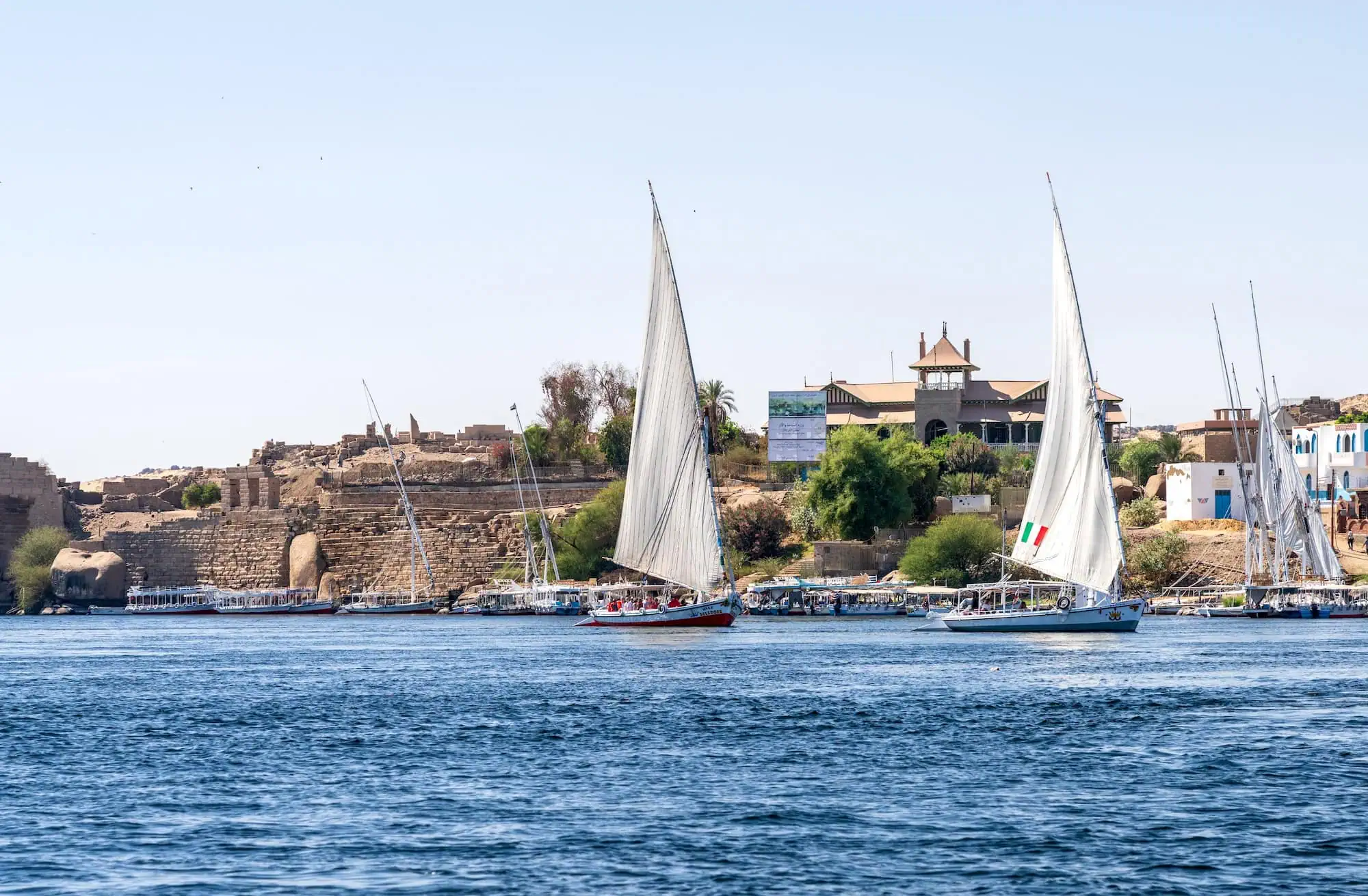
This stone-lined well, connected to the Nile through underground channels, allowed priests to predict flood levels months in advance. The system remained in use until the 19th century, representing one of humanity’s longest-running hydrological monitoring systems.
Archaeological Discoveries and Museum Treasures
Excavations continue revealing layer upon layer of human habitation, from predynastic settlements through Coptic Christian communities. The Aswan Museum, housed in the former villa of British architect William Willcocks, displays many artifacts discovered across Elephantine Island and nearby archaeological zones.
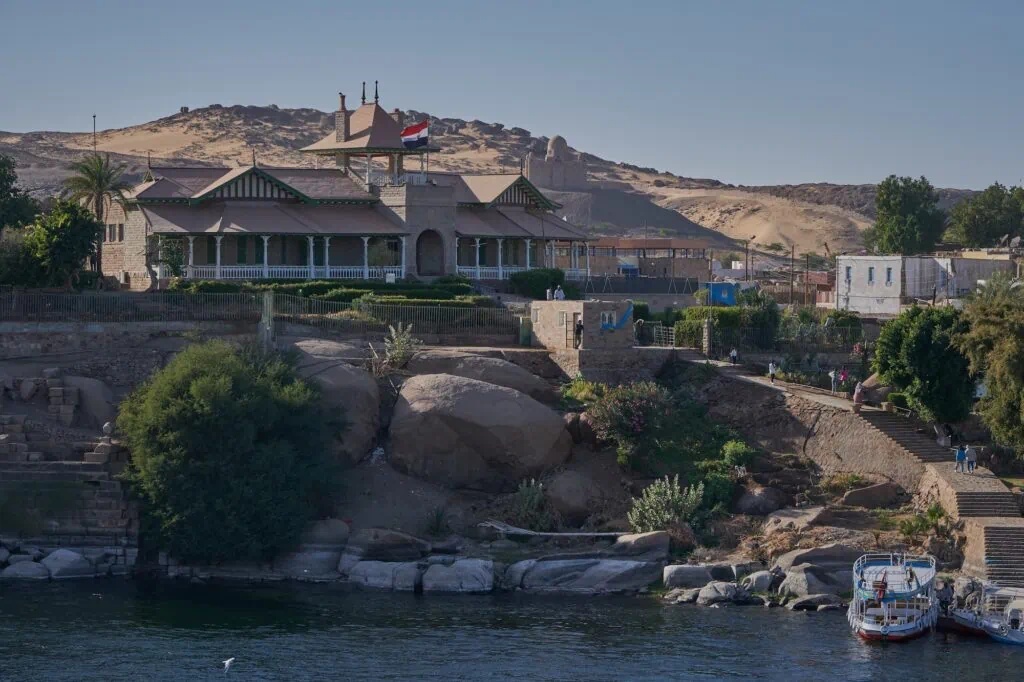
Recent German archaeological missions have uncovered intact papyri from Jewish military colonists who served Persian rulers here in the 5th century BCE. These Aramaic documents provide rare insights into daily life during foreign occupation, including marriage contracts, business dealings, and religious practices of this diverse community.
Notable Artifacts and Finds
Stone vessels from the early dynastic period demonstrate the island’s importance from Egypt’s earliest unified kingdom. Pottery shards reveal trade connections extending to Nubia, the Eastern Desert, and even the Mediterranean world. Bronze mirrors, cosmetic containers, and jewelry found in residential areas show that wealth flowed through this border community.
The museum’s collection includes a remarkable granite statue of Khnum from the New Kingdom period, discovered in fragments and carefully reconstructed. Its hieroglyphic inscriptions describe temple offerings and flood ceremonies that sustained ancient Egyptian civilization.
Living Nubian Culture in Modern Villages
Three Nubian villages occupy the island’s northern and central sections, where families rebuilt community life after displacement—an experience closely connected to Nubian village life near Aswan. These communities maintain distinct cultural traditions while adapting to their island environment.
Colorful houses painted in blues, yellows, and greens reflect traditional Nubian aesthetics, while rooftop gardens grow vegetables and herbs using Nile water. Women still practice traditional henna painting and weave palm frond baskets, skills passed through generations since ancient times. Men continue building traditional feluccas, though many now cater to tourism rather than fishing alone.
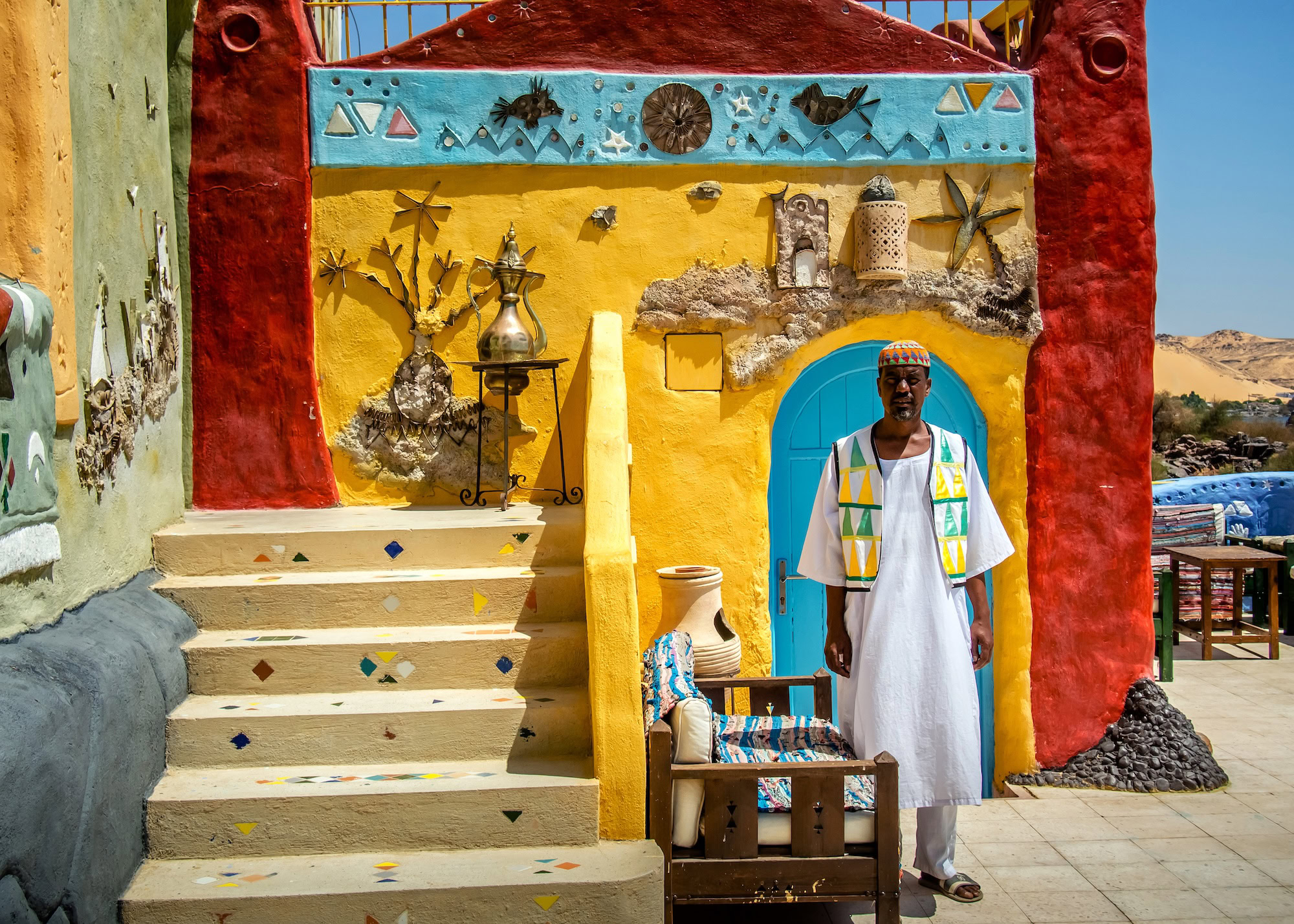
Village children attend Arabic-language schools while learning Nubian languages at home, creating a bilingual community that bridges Egypt’s Arab and African identities. During Coptic Christmas and Islamic holidays, visitors can witness celebrations that blend religious traditions with distinctly Nubian customs.
Walking through these neighborhoods provides authentic cultural exchange opportunities. Families often invite respectful visitors for tea and conversation, sharing stories about Nubian history and contemporary challenges. We recommend engaging with local guides who can facilitate these interactions while ensuring cultural sensitivity.
Practical Visiting Information
Getting There and Around
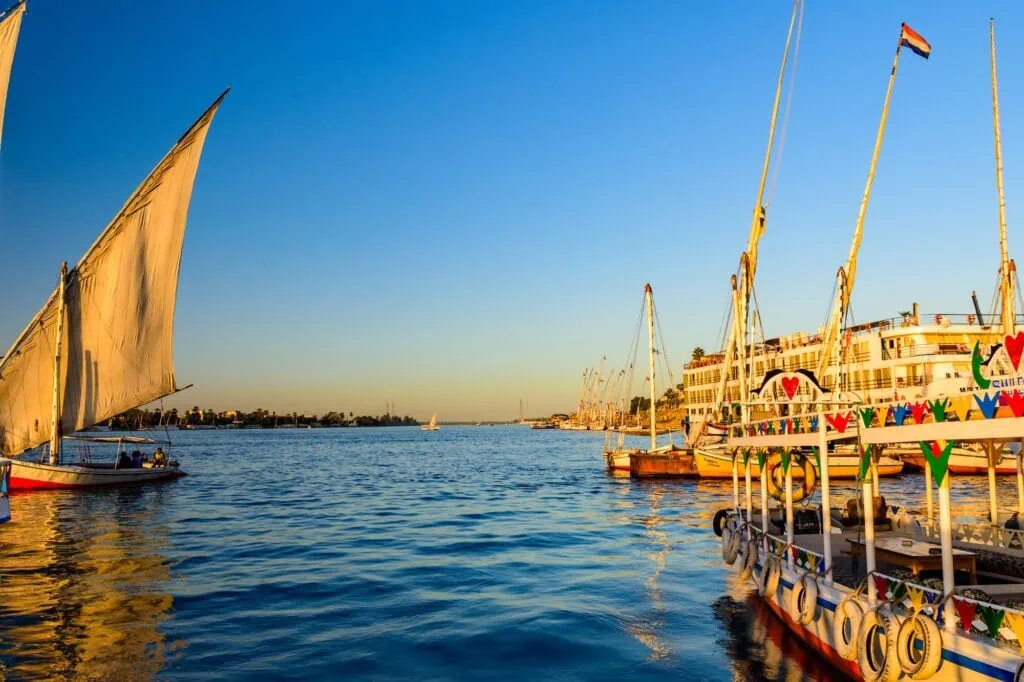
Regular motor boats depart from Aswan’s corniche throughout the day, while many travelers experience Elephantine Island as part of an Nile tour through Upper Egypt. The journey costs modest amounts for tourists, though prices vary by season and negotiation. Traditional feluccas offer slower but more atmospheric transportation, particularly during sunset hours.
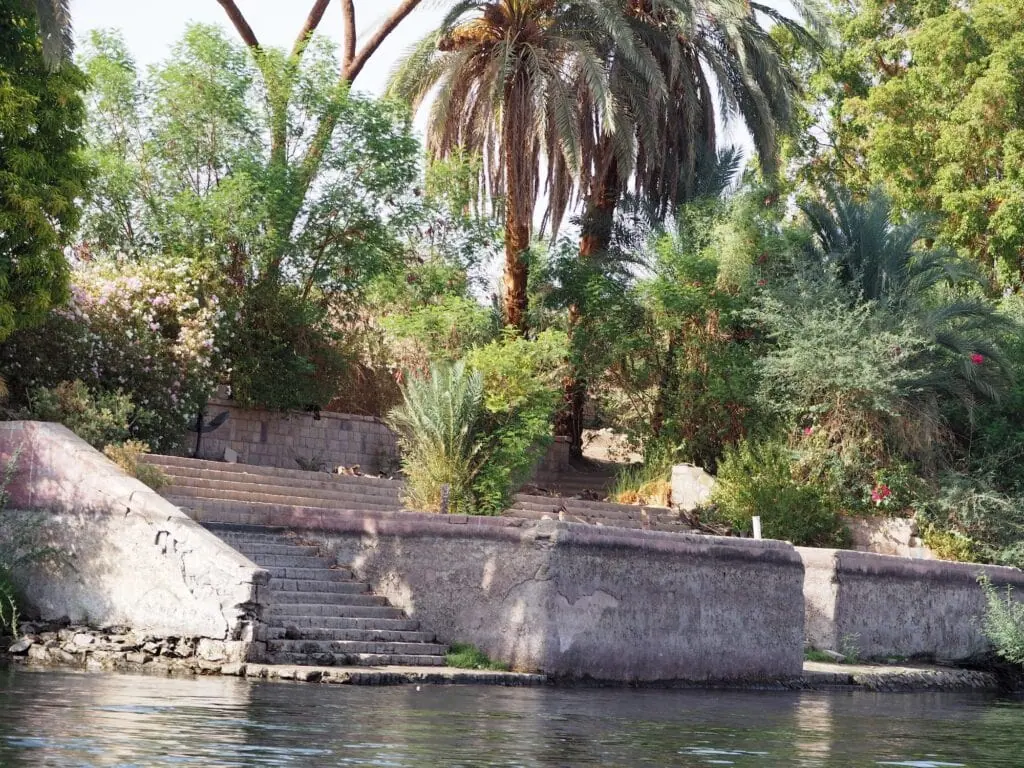
Once on the island, walking remains the primary transportation method. Stone pathways connect major sites, though comfortable shoes are essential due to uneven ancient paving and granite outcrops.
Best Times to Visit
Morning hours between 8:00 am (08:00) and 11:00 am (11:00) provide optimal lighting for photography and comfortable temperatures for exploration, especially during summer months when afternoon heat can reach 104°F (40°C) or higher. Winter mornings may start cool at 59°F (15°C) but warm quickly in the desert sun.
Planning Your Visit
Allow minimum three hours for a comprehensive tour including the museum, temple ruins, and village walk. Photography enthusiasts often spend entire days capturing architectural details, river views, and village life. The museum requires separate admission beyond basic island access.
Archaeological Significance and Historical Periods
Predynastic Through Old Kingdom
Evidence suggests continuous settlement from approximately 3100 BCE, making Elephantine one of Egypt’s oldest inhabited locations. Early rulers established administrative control here to manage trade routes and monitor southern borders against Nubian incursions.
Middle Kingdom Expansion
During the 12th Dynasty, pharaohs significantly expanded the Khnum temple complex and strengthened military installations. Inscriptions from this period describe expeditions into Nubia for gold, exotic animals, and enslaved people, with Elephantine serving as the primary staging point.
New Kingdom Glory
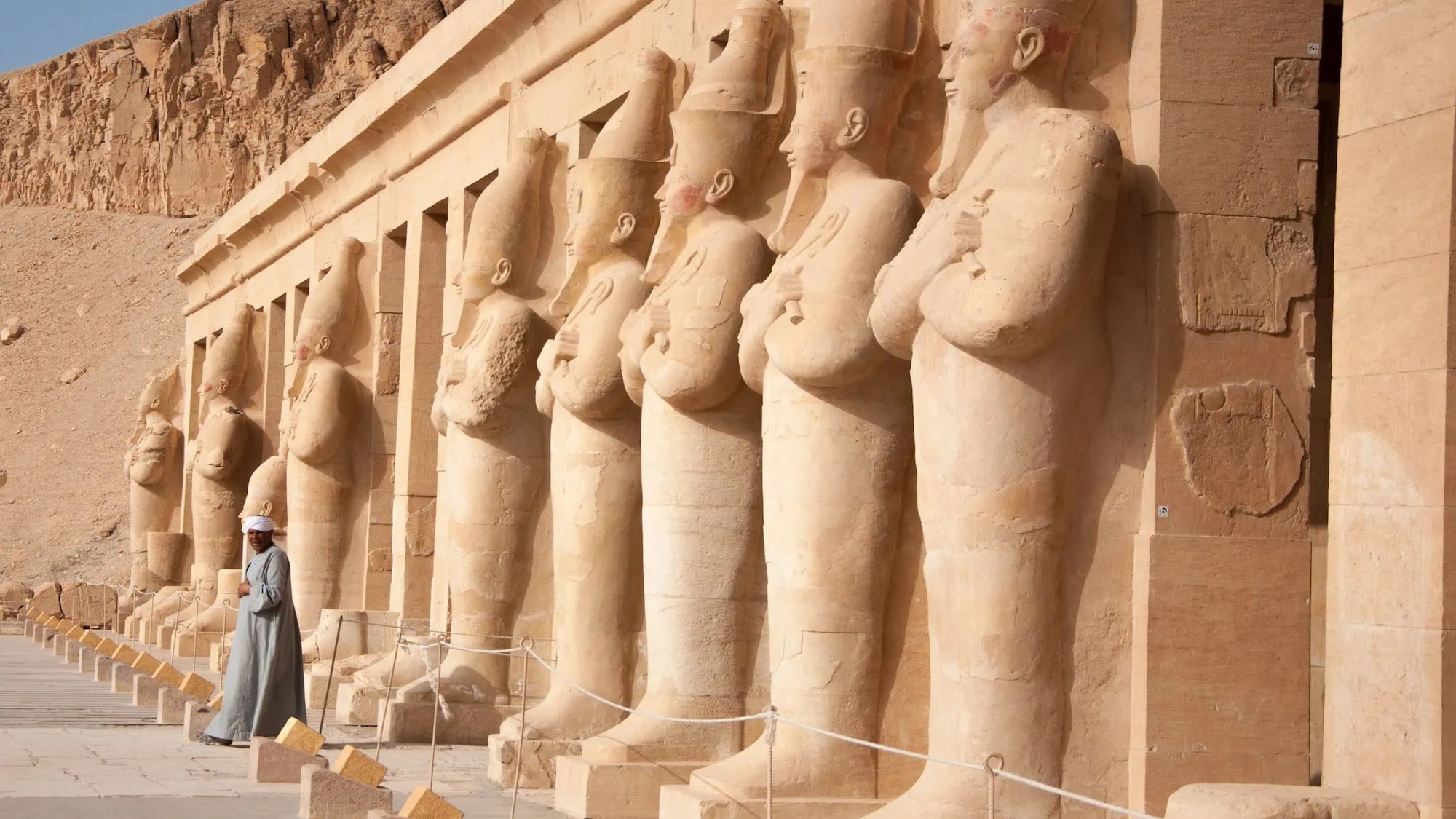
The 18th and 19th dynasties marked Elephantine’s golden age, when massive temple construction projects employed hundreds of workers. Pharaohs including Hatshepsut and Ramesses II left inscriptions here, while trade with Nubia reached unprecedented levels.
Persian and Ptolemaic rulers continued temple maintenance and expansion, adapting Egyptian religious practices to serve new political needs while maintaining the island’s strategic importance.
Modern Conservation Efforts
German and Swiss archaeological teams work continuously to preserve and document the island’s heritage. Their efforts include stabilizing ancient foundations, cataloging artifacts, and training Egyptian archaeologists in modern excavation techniques.
Climate change poses new challenges, as increasing temperature fluctuations cause stone expansion and contraction that threatens ancient structures. Rising Nile levels during flood seasons also require ongoing monitoring and protective measures.
Tourism management balances preservation needs with economic benefits for local Nubian communities. Visitor education programs help protect archaeological sites while ensuring sustainable cultural exchange between tourists and residents.
Discover Elephantine Island the right way – with respect, insight, and meaningful connection.
Explore Nubian culture, ancient ruins, and living traditions as part of thoughtfully designed journeys that support local communities and protect Egypt’s heritage with our expert-led Egypt tour packages.
Discover The Timeless Charm Of Elephantine Island
Elephantine Island offers a unique blend of history, culture, and Nile-side tranquility—where ancient ruins, local life, and scenic views come together in one unforgettable setting. With Egypt Tours Plus, we seamlessly include this distinctive destination in a private journey that connects Aswan’s hidden gems with Egypt’s most iconic landmarks.
You choose your travel dates, your pace, and the experiences that shape your route. From cultural immersion and riverfront relaxation to ancient wonders and refined comfort, we tailor every detail around your preferences—ensuring a smooth, expertly planned, and deeply personal travel experience.
Frequently Asked Questions
Most visitors should plan 3-4 hours on Elephantine Island to comfortably explore the Aswan Museum, ancient temple ruins, Nilometer, and living Nubian village areas without rushing. The island stretches roughly 1.2 km (0.75 miles) along the Nile and combines archaeological sites with active local communities, which makes it more layered than a standard monument stop. Travelers interested in photography or cultural interaction often stay longer. Morning visits are especially pleasant before midday temperatures rise across Aswan.
Elephantine Island can be challenging for visitors with mobility limitations because many archaeological sections include uneven stone pathways, sandy ground, and stair access near temple ruins and traditional village lanes. Some flatter residential areas and boat docks are easier to navigate, particularly with assistance from guides or companions. The island developed over thousands of years without modern accessibility planning, so wheelchair access remains limited in several historic zones. Early morning visits are usually more comfortable because temperatures stay cooler.
Yes, many Nubian families on Elephantine Island welcome respectful visitors into their homes for tea, conversation, and cultural experiences, especially when visits are arranged through local guides. The island remains one of Aswan’s oldest continuously inhabited communities and offers insight into Nubian traditions, architecture, and daily life along the Nile. Guided visits help ensure appropriate etiquette and fair compensation for hosts. Visitors should ask permission before taking photographs inside homes or family courtyards.
Morning light between 8:00 am and 10:00 am generally provides the best conditions for photographing Elephantine Island’s temple ruins, Nilometer, and granite landscapes. Early sunlight creates softer shadows across ancient stone surfaces while avoiding the harsh overhead glare common in Upper Egypt after midday. The island’s position in the Nile also allows excellent panoramic views toward Aswan’s west bank and desert hills. Photographers interested in village life often prefer late afternoon when local streets become more active and naturally lit.
Elephantine Island has several small Nubian cafes and family-run eateries serving tea, coffee, grilled dishes, and simple Egyptian meals, although dining options remain modest compared to central Aswan. Most establishments are located near village pathways and riverside docking areas rather than inside archaeological zones. Fresh Nile fish, falafel, and traditional bread are commonly available depending on the season and time of day. Visitors planning longer stays may prefer eating lunch on the island before returning to mainland Aswan.
Admission to the Aswan Museum on Elephantine Island requires a separate entrance ticket in addition to boat transportation costs from the mainland. Egyptian archaeological sites typically use different pricing structures for Egyptian nationals and international visitors, with foreigners paying higher admission rates. Tickets often include access to nearby ruins and historical areas connected to the museum complex. Carrying cash in Egyptian pounds is advisable because card payment systems may not always be available at smaller island facilities.
Yes, Elephantine Island is generally enjoyable for children because it combines open-air ruins, boat rides, village streets, and interactive cultural experiences in a less crowded setting than many major Egyptian attractions. Young visitors often enjoy the short Nile crossings and opportunities to see traditional Nubian houses and local wildlife along the riverbanks. Parents should supervise carefully near uneven archaeological surfaces, steep steps, and active boat docks. Morning visits are usually easier for families because temperatures remain significantly cooler.
Visitors to Elephantine Island should bring comfortable walking shoes, sun protection, drinking water, and modest clothing suitable for both archaeological exploration and visits through local Nubian communities. Lightweight fabrics and hats are especially important between April and October when Aswan temperatures frequently exceed 38°C (100°F). Cameras and portable chargers are useful because the island offers excellent Nile and desert photography opportunities throughout the day. Small Egyptian pound notes are also practical for boat rides, snacks, and local handicraft purchases.
Swimming around Elephantine Island is technically possible in some calm sections of the Nile, but it is generally discouraged because of strong currents, hidden rocks, and constant boat traffic near the island’s shoreline. Traditional feluccas, motorboats, and local ferries move frequently through the surrounding channels, particularly during busy tourist hours. Water conditions can also change quickly depending on Nile flow and seasonal activity. Visitors seeking safer water experiences should use designated hotel pools or organized swimming areas instead.
Elephantine Island offers a quieter and more intimate experience than major Aswan attractions such as Abu Simbel or Philae Temple because it combines living Nubian culture with archaeological remains in a relaxed residential setting. Unlike heavily touristed temple complexes, the island allows visitors to move between ancient ruins, village alleys, museums, and Nile viewpoints within the same compact area. The atmosphere feels less commercial and more locally connected. Travelers interested in daily life and history together often find Elephantine especially rewarding.
Most residents of Elephantine Island speak Arabic as their primary daily language, while many Nubian families also maintain traditional Nubian languages passed down through generations in southern Egypt. English is spoken at varying levels among guides, younger residents, and tourism-related businesses, especially near boat docks and cafes. Visitors who learn a few Arabic greetings are often warmly received by local communities. The island’s multilingual heritage reflects centuries of trade, migration, and cultural exchange along the Nile corridor.
Yes, guided tours of Elephantine Island are widely available through local Nubian guides, Egyptologists, and operators such as Egypt Tours Plus, with options ranging from cultural walks to archaeology-focused excursions. Expert guides help visitors understand the island’s 5,000-year history, including its importance as Egypt’s southern frontier during pharaonic times. Guided visits also make navigation easier because archaeological remains and village areas are spread across multiple sections of the island. Private tours provide the most flexible pace and cultural interaction.
Ancient Wonders of Aswan, Modern Comfort
Sail the Nile Through Aswan Like a Pharaoh

Design Your Custom Tour
Explore Egypt your way by selecting only the attractions you want to visit