

Tomb of Pennut – Visiting One of Egypt’s Rarest Attractions
One of Nubia’s most compelling archaeological treasures survived the waters.
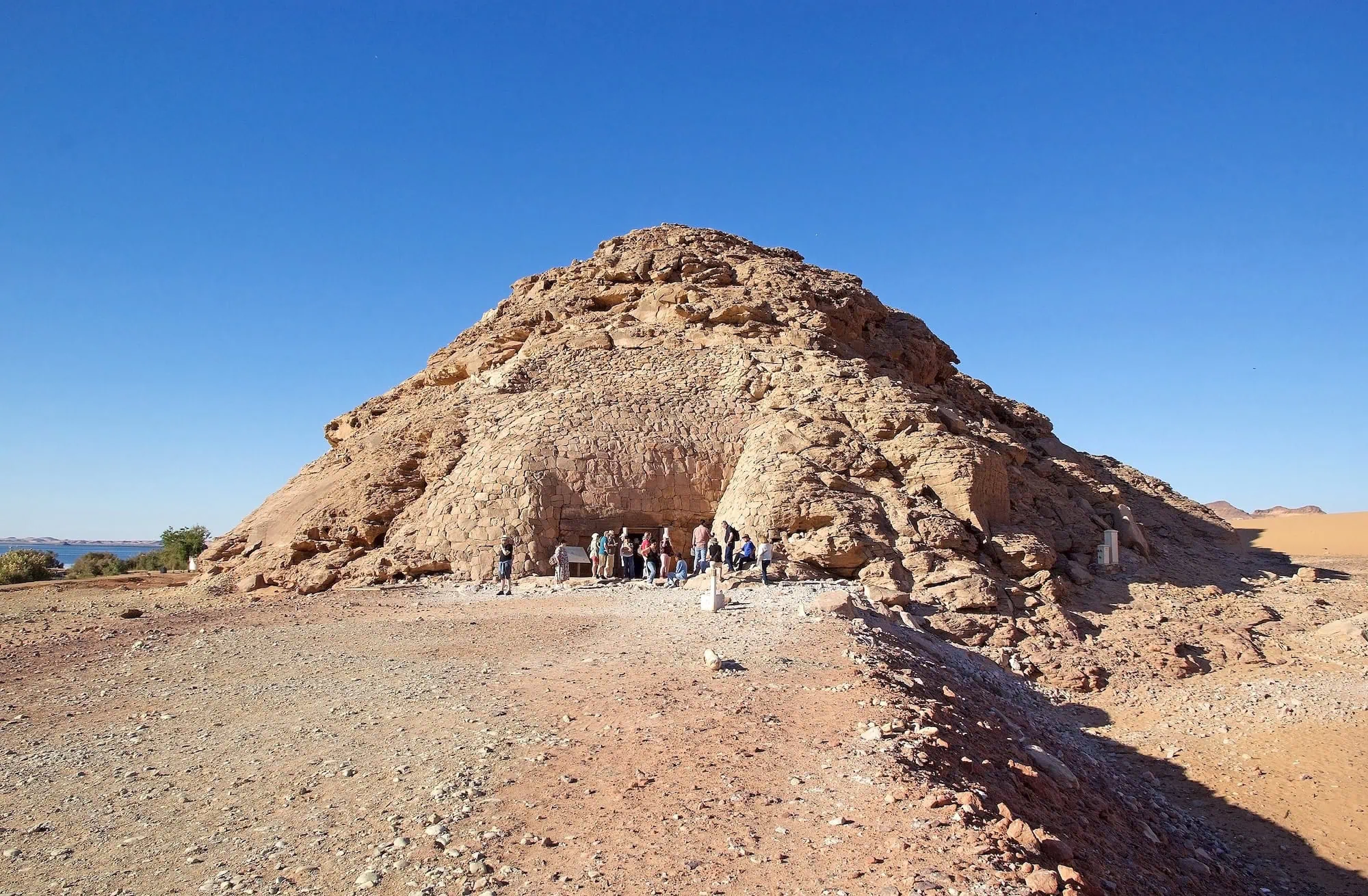
The Tomb of Pennut stands as a remarkable testament to ancient Egyptian–Nubian relations during the late New Kingdom (20th Dynasty) and to the international rescue work carried out in connection with the Aswan High Dam.
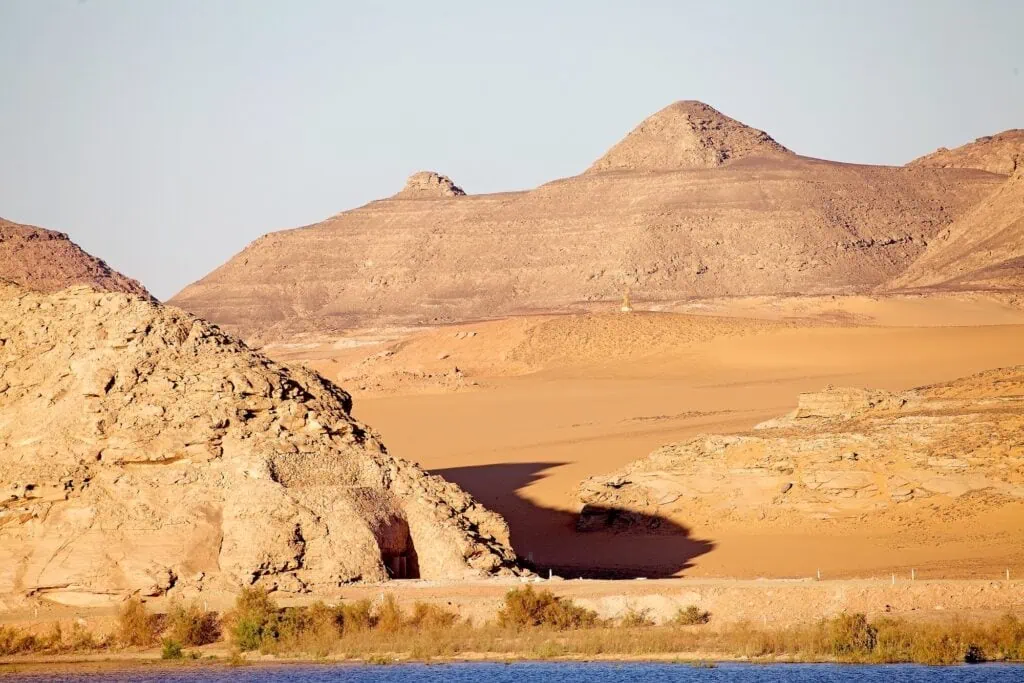
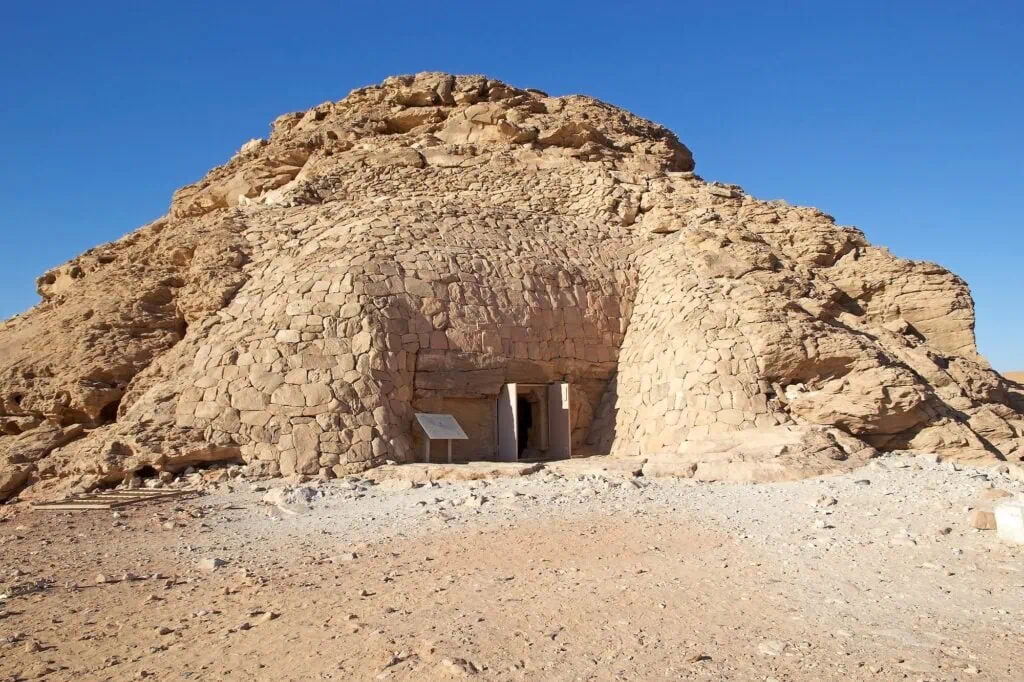
Originally carved into the cliffs at Aniba, this rock-cut tomb now rests at New Amada, where visitors can explore the intricate reliefs and architectural details that once adorned the burial place of a powerful Nubian official. We offer exclusive guided tours that bring this extraordinary monument’s history to life, providing deep insights into the political and religious complexities of Ramses VI’s reign. Our expert Egyptologists help travelers understand not just what they’re seeing, but why it matters in the broader context of ancient Egyptian civilization and Nubian heritage preservation.
Table of Contents
Historical Significance of Pennut’s Legacy
The tomb belonged to Pennut, who served as overseer of Aniba province during one of ancient Egypt’s most challenging periods. Political decline marked the 20th Dynasty, yet Pennut maintained his influential position as high priest of the Horus temple in this strategically important region.
Administrative Power in Lower Nubia
Aniba functioned as the administrative capital of Lower Nubia, known in ancient times as Miam. Four Horus temples operated throughout the region, with Pennut overseeing religious activities that connected Egyptian deities with local Nubian traditions. His authority extended beyond religious duties into civil administration, making him one of the most powerful officials south of the first cataract.
The viceroy Siesis appointed regional governors like Pennut to maintain Egyptian control during increasingly unstable times. These officials balanced local interests with pharaonic demands, often walking a diplomatic tightrope.
Religious Responsibilities and Temple Management
Pennut’s primary role involved managing the Temple of Horus at Aniba, where Egyptian and Nubian religious practices merged. Archaeological evidence suggests he coordinated ceremonies that honored both Egyptian gods and local Nubian deities, creating a syncretic religious system that helped maintain peace in the region.
Temple records indicate complex rituals involving seasonal celebrations, royal festivals, and local agricultural ceremonies. Pennut’s tomb decorations reflect this religious diversity, showing him participating in various ceremonial activities that would have been central to his daily responsibilities.
Political Context During Ramses VI’s Reign
Egypt faced mounting pressures from external threats and internal economic challenges during this period. The pharaoh’s control over distant provinces like Nubia required trusted administrators who could maintain loyalty while managing local populations effectively. Pennut represented this crucial administrative class that held the empire together during its declining years.
Architectural Marvel and Artistic Details
Carved directly into sandstone cliffs, the tomb showcases sophisticated engineering techniques adapted to local geological conditions. Master craftsmen created a complex layout featuring multiple chambers connected by carefully planned corridors.
The entrance leads into an antechamber decorated with scenes from Pennut’s life and career achievements. Relief carvings demonstrate exceptional artistic skill, with detailed hieroglyphic texts providing historical context for each depicted scene. Visitors can observe how ancient artists adapted traditional Egyptian artistic conventions to accommodate local Nubian influences.
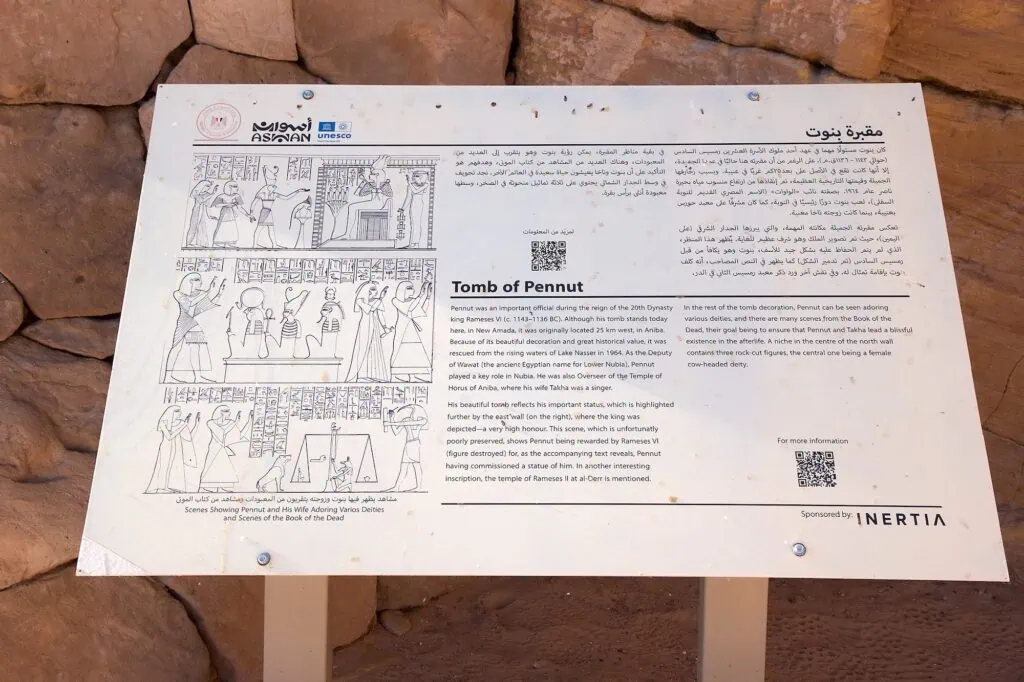
A central niche contains three statues representing Pennut in different ceremonial roles – as administrator, priest, and royal representative. These sculptures reveal sophisticated understanding of human anatomy and religious symbolism, combining realistic portraiture with idealized divine attributes.
Wall decorations include offering scenes, religious ceremonies, and administrative activities that defined Pennut’s professional life. The artistic program follows traditional Egyptian funerary conventions while incorporating distinctly Nubian elements, creating a unique visual narrative that reflects the cultural complexity of this frontier region.
UNESCO Rescue Operation and Modern Preservation
Rising waters from the Aswan High Dam threatened numerous Nubian monuments during the 1960s. International cooperation saved the Tomb of Pennut through one of UNESCO’s most challenging relocation projects.
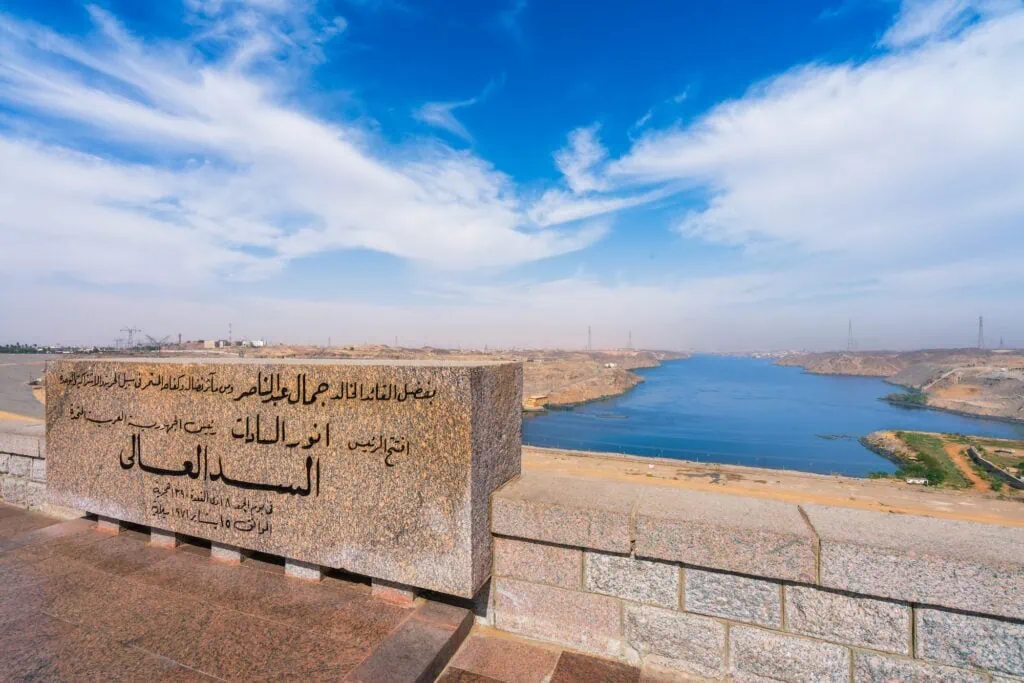
Engineers carefully dismantled the entire tomb structure, documenting every architectural element and decorative detail. Transportation to New Amada required specialized equipment and techniques developed specifically for this operation. Reconstruction followed original specifications exactly, ensuring that visitors today experience the tomb as ancient builders intended.
The rescue operation established important precedents for international archaeological cooperation. Methods developed for relocating Pennut’s tomb influenced similar projects worldwide, contributing to modern heritage preservation techniques that continue protecting endangered cultural sites.
Climate-controlled environments now protect the delicate reliefs and painted surfaces that survived over three millennia. Advanced monitoring systems track environmental conditions, ensuring optimal preservation for future generations while maintaining accessibility for scholarly research and public education.
Visiting the New Amada Complex
New Amada houses several relocated monuments within a carefully designed archaeological park. The Tomb of Pennut forms part of this UNESCO World Heritage site alongside other rescued Nubian treasures.
Planning Your Visit
The site is typically open during daytime hours, though schedules and access arrangements may vary. Entry tickets include access to all monuments within the complex, providing comprehensive exploration opportunities.
We recommend allowing at least two hours for a thorough visit, though archaeological enthusiasts often spend entire days studying the detailed reliefs and inscriptions. Our private guides enhance the experience by explaining architectural techniques, historical contexts, and preservation challenges that make this site extraordinary.
Lake Nasser Cruise Integration
Most visitors reach New Amada as part of Lake Nasser cruise itineraries that combine multiple archaeological sites with comfortable accommodation aboard modern vessels. These cruises offer unique perspectives on Nubian heritage while providing access to remote monuments impossible to reach by land.
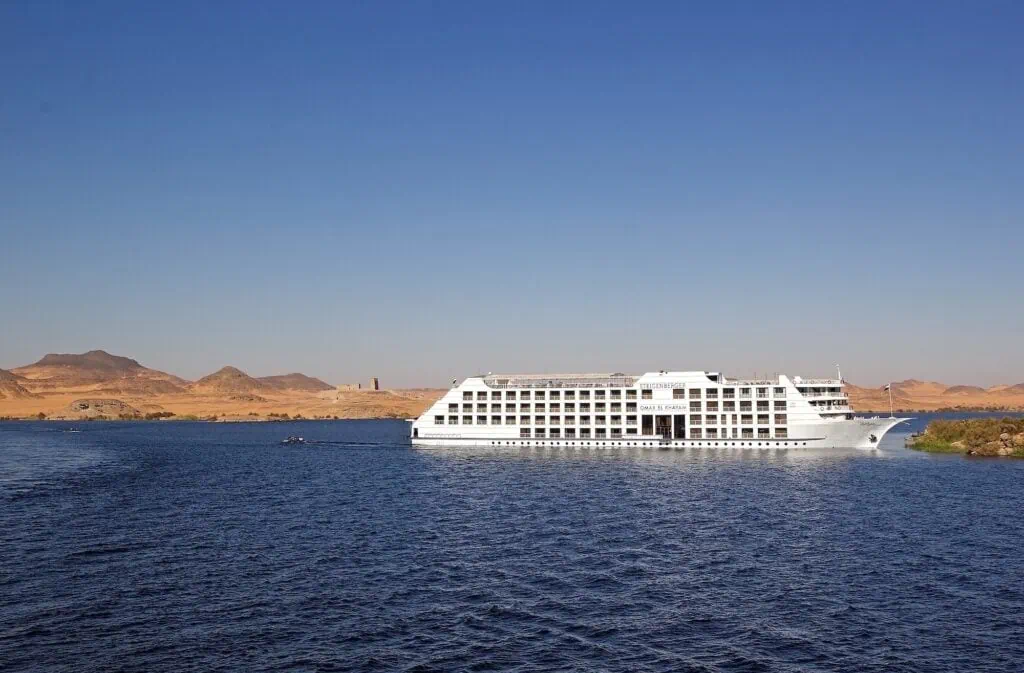
Cruise schedules typically include dedicated time for exploring each monument with qualified guides who specialize in Nubian archaeology and ancient Egyptian history. Evening lectures aboard ship provide additional context for the sites visited during daytime excursions.
Transportation and Accessibility
Road access to New Amada requires four-wheel-drive vehicles due to desert terrain, though the site itself features accessible pathways suitable for most mobility levels. Air conditioning within the tomb structure maintains comfortable temperatures year-round, making visits pleasant regardless of external weather conditions.
Private transportation with experienced drivers familiar with desert routes ensures safe, efficient travel between archaeological sites. We provide comprehensive logistics support for independent travelers seeking maximum flexibility in their exploration of this remarkable region.
Cultural Impact and Archaeological Research
Modern archaeological investigations continue revealing new insights about ancient Egyptian-Nubian relations through careful study of tomb decorations, architectural techniques, and preserved artifacts. Recent research focuses on understanding how local Nubian traditions influenced Egyptian administrative practices in frontier regions.
Digital documentation projects now create detailed three-dimensional records of the tomb’s artistic program, enabling scholars worldwide to study decorative elements and hieroglyphic texts without visiting the physical site. These technological advances support ongoing research while protecting fragile ancient surfaces from excessive handling.
The tomb’s artistic program provides crucial evidence about religious syncretism, administrative hierarchies, and cultural exchange in ancient Nubia. Comparative studies with similar monuments reveal patterns of adaptation that helped Egyptian civilization maintain control over diverse populations across vast territories.
Educational programs based on Pennut’s tomb teach visitors about archaeological methods, heritage preservation, and the importance of international cooperation in protecting cultural treasures. These initiatives demonstrate how ancient monuments continue serving educational purposes thousands of years after their original construction.
Connection to Broader Nubian Heritage
The Tomb of Pennut represents just one element within the broader network of Nubian monuments that UNESCO’s intervention saved from submersion. Understanding its context within this larger archaeological landscape enhances appreciation for the cultural achievements of both Egyptian and Nubian civilizations.
Archaeological evidence from the original Aniba site reveals a sophisticated urban center with temples, administrative buildings, residential quarters, and extensive cemetery areas. Pennut’s tomb occupied a prominent position within this necropolis, reflecting his high status within the community’s social hierarchy.
Trade routes connecting Egypt with sub-Saharan Africa passed through Aniba, bringing exotic goods, raw materials, and cultural influences that enriched local society. Pennut’s administrative responsibilities included managing these commercial activities, collecting taxes, and ensuring smooth transportation of goods northward to Egypt proper.
The preservation of monuments like Pennut’s tomb enables modern visitors to appreciate the sophisticated administrative systems that maintained peace and prosperity in ancient Nubia for centuries. These achievements represent collaborative efforts between Egyptian and Nubian peoples that created one of Africa’s most remarkable civilizations.
Discover The Stories Within The Tomb Of Pennut
The Tomb of Pennut offers a rare and personal glimpse into life in ancient Nubia—where detailed inscriptions and a peaceful setting reveal stories often overlooked on traditional routes. With EgyptToursPlus, we seamlessly include this hidden gem in a private journey that connects lesser-known treasures with Egypt’s most iconic highlights.
You choose your travel dates, your pace, and the experiences that shape your route. Whether exploring southern Egypt in depth or combining it with a broader itinerary, we tailor every detail around your preferences—ensuring a smooth, refined, and deeply personal travel experience from beginning to end.
Frequently Asked Questions
Exploring the Tomb of Pennut itself typically takes 45 to 60 minutes, while the broader New Amada archaeological complex usually requires 2 to 3 hours for a complete visit. Most travelers combine the tomb with nearby monuments including the Temple of Amada and the Temple of Derr, all relocated during the UNESCO Nubian Monuments Campaign of the 1960s. Guided visits take longer because the wall inscriptions and Nubian-Egyptian artistic details require explanation to fully appreciate their historical significance.
The Tomb of Pennut stands out for its rare fusion of Egyptian and Nubian artistic traditions, combined with exceptionally successful UNESCO relocation and preservation work after the construction of the Aswan High Dam. Originally carved into cliffs near Aniba in Lower Nubia during the reign of Ramesses VI, the tomb contains colorful reliefs blending local Nubian influences with formal Egyptian religious iconography. Unlike many heavily damaged New Kingdom tombs, Pennut’s painted scenes remain unusually legible because of careful dismantling and reconstruction efforts.
The Tomb of Pennut stands out for its rare fusion of Egyptian and Nubian artistic traditions, combined with exceptionally successful UNESCO relocation and preservation work after the construction of the Aswan High Dam. Originally carved into cliffs near Aniba in Lower Nubia during the reign of Ramesses VI, the tomb contains colorful reliefs blending local Nubian influences with formal Egyptian religious iconography. Unlike many heavily damaged New Kingdom tombs, Pennut’s painted scenes remain unusually legible because of careful dismantling and reconstruction efforts.
Pennut served as both a high-ranking priest and provincial administrator in Lower Nubia during Egypt’s New Kingdom period, overseeing religious ceremonies and regional governance near Egypt’s southern frontier. His titles connected him to the Temple of Horus and to the administration of Aniba, an important strategic settlement along Nile trade routes. This dual authority was significant because Egyptian officials in Nubia often combined civil, military, and religious responsibilities to maintain control over commerce and local populations during the reign of Ramesses VI.
UNESCO engineers relocated the Tomb of Pennut by carefully dismantling it block by block during the international Nubian Monuments Rescue Campaign launched after the Aswan High Dam threatened to flood ancient sites beneath Lake Nasser. Every stone section was numbered, documented, and transported before reconstruction at New Amada using the original layout and materials. This painstaking process during the 1960s preserved wall reliefs, inscriptions, and architectural integrity that would otherwise have disappeared permanently beneath rising reservoir waters.
Visitors to the New Amada complex can also explore the Temple of Amada, the Tomb of Khaemwaset, and the Temple of Derr, all relocated through the same UNESCO rescue operation that saved the Tomb of Pennut. The Temple of Amada is especially important because it is the oldest surviving temple in Nubia, dating to the 18th Dynasty under Thutmose III and Amenhotep II. Most Lake Nasser cruise itineraries include these monuments together because they collectively explain Egypt’s political and religious expansion into Nubia.
The relocated New Amada site includes relatively accessible pathways and stabilized visitor areas, although some sections near the Tomb of Pennut still involve uneven stone surfaces and limited maneuvering space. Compared with many original cliff tombs in Upper Egypt, the reconstructed site is easier to navigate because UNESCO incorporated modern visitor access during relocation planning. Travelers with mobility concerns should still expect moderate walking and occasional steps. Morning visits are usually more comfortable because desert temperatures rise quickly after midday.
The Tomb of Pennut preserves strong evidence of Egyptian-Nubian cultural exchange through its artistic styles, administrative inscriptions, religious symbolism, and architectural techniques dating to the late New Kingdom period. Scenes inside the tomb combine traditional Egyptian funerary imagery with regional Nubian influences visible in clothing styles, local administration references, and frontier governance practices. Lower Nubia functioned as both a trade corridor and cultural crossroads, so officials like Pennut often operated within blended political and social environments rather than purely Egyptian settings.
Lake Nasser cruises enhance visits to the Tomb of Pennut by connecting travelers with multiple relocated Nubian monuments that share the same UNESCO rescue history and geographic context. Sailing between remote archaeological sites allows visitors to understand how temples and tombs originally related to Nile trade routes, frontier administration, and Nubian settlement patterns. Cruise itineraries also reduce difficult overland desert travel while providing access to otherwise isolated locations. Multi-site interpretation helps visitors place Pennut’s tomb within the broader history of Egyptian Nubia.
The Tomb of Pennut faces ongoing preservation challenges involving humidity control, visitor impact, temperature fluctuations, and protection of fragile painted surfaces more than 3,000 years old. Although relocation saved the monument from flooding beneath Lake Nasser, reconstructed environments still require constant monitoring to prevent pigment deterioration and stone stress. Conservation teams regularly assess airflow, lighting, and human traffic because even small environmental changes can gradually damage ancient wall decorations. Restricted visitor numbers sometimes help reduce long-term conservation risks.
Aniba was strategically important because it controlled major Nile trade routes and administrative communications between Egypt and territories farther south in Nubia and central Africa. Located near the Second Cataract region, the settlement functioned as both a military checkpoint and commercial hub during the New Kingdom. Officials like Pennut managed taxation, religious authority, and movement along this frontier corridor. Control of Aniba helped Egypt secure gold resources, trade goods, and political influence throughout Lower Nubia during the Ramesside period.
The Tomb of Pennut continues to provide archaeologists with valuable research opportunities involving pigment analysis, relocation engineering, frontier administration, and Egyptian-Nubian cultural interaction during the late New Kingdom. Scholars study inscription styles, burial practices, and artistic techniques to compare Nubian provincial tombs with monuments in Upper Egypt. The site also offers important data about large-scale UNESCO conservation methods developed during the Lake Nasser rescue campaign. Modern imaging technologies now help researchers examine faded reliefs without physically touching fragile surfaces.
Design Your Custom Tour
Explore Egypt your way by selecting only the attractions you want to visit