

Dakhla Oasis, Egypt – Tropical Paradise of the Western Desert
Few places capture Egypt’s enduring mystery quite like Dakhla Oasis.
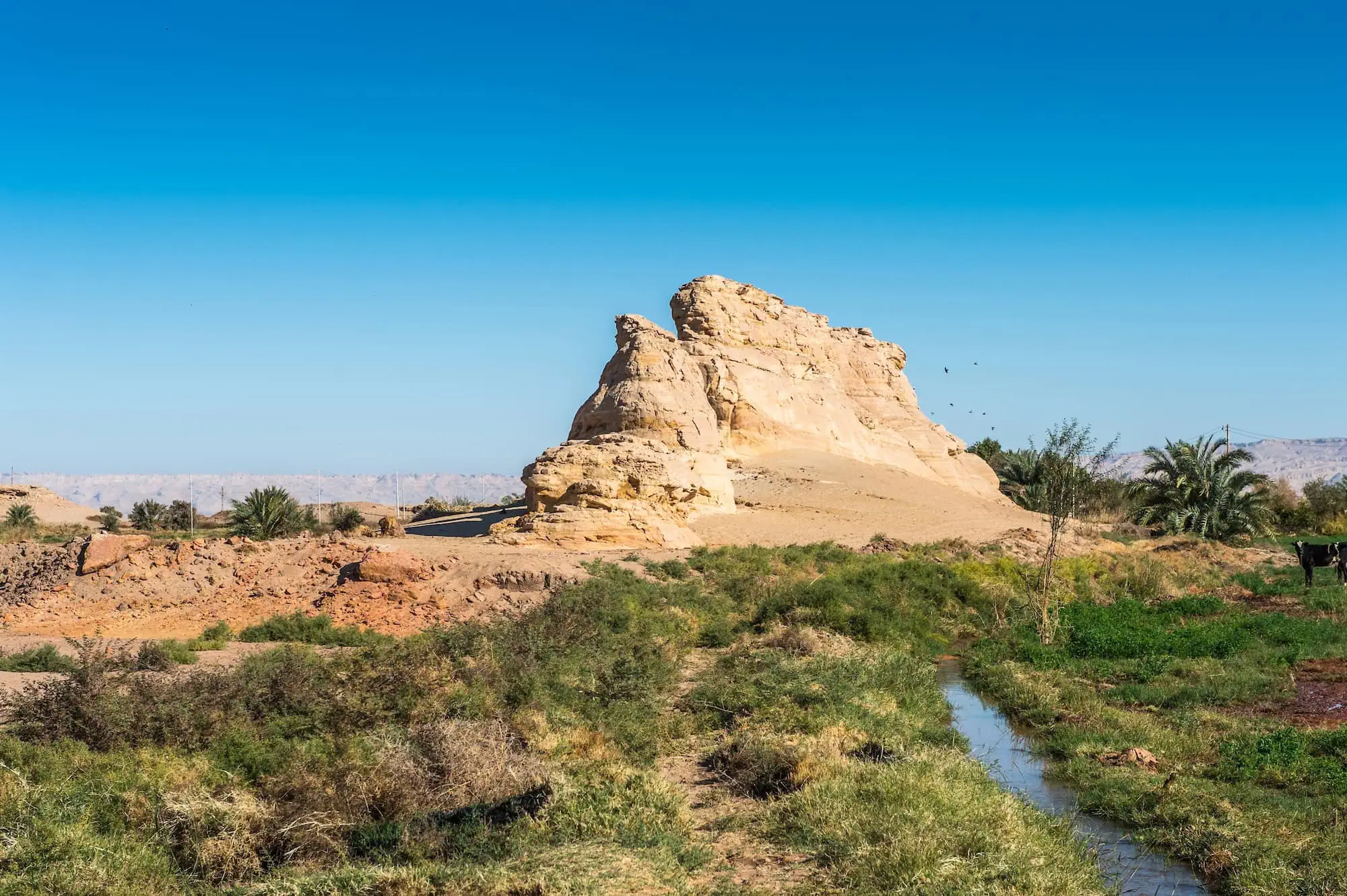
Located 740 km southwest of Cairo in Egypt’s Western Desert, this remarkable oasis spans across the New Valley Governorate and represents one of the country’s most historically significant yet underexplored destinations. Ancient civilizations have thrived here for millennia, leaving behind medieval Islamic architecture, Roman fortifications, and pharaonic temples that tell stories of trade routes, religious devotion, and desert survival.
Unlike the crowded tourist circuits of the Nile Valley, Dakhla offers an authentic glimpse into Egypt’s desert heritage, where traditional farming communities still cultivate dates and olives using irrigation methods perfected over centuries.
Table of Contents
Geography and Climate of Egypt’s Western Desert Gem
Dakhla Oasis stretches across approximately 2,000 square kilometers of the Western Desert, making it one of Egypt’s largest oases. The region sits in a natural depression surrounded by dramatic escarpments that rise up to 200 meters above the oasis floor.
Strategic Desert Location
The oasis lies roughly halfway between the Nile Valley and Libya, positioned along ancient caravan routes that connected sub-Saharan Africa with Mediterranean civilizations. This strategic placement made Dakhla a crucial stopping point for traders carrying gold, ivory, and exotic goods northward while transporting manufactured items south.
Modern travelers can reach the oasis via the well-maintained desert highway from Kharga Oasis to the south or Farafra Oasis to the north. The journey from Cairo typically takes 8-10 hours by road, crossing some of Egypt’s most spectacular desert landscapes.
Desert Climate Patterns
Dakhla experiences a true desert climate with extreme temperature variations between day and night. Summer temperatures often exceed 40°C (104°F) during the day but can drop to comfortable levels after sunset. Winter months from December through February offer the most pleasant conditions, with daytime temperatures reaching 20-25°C (68-77°F).
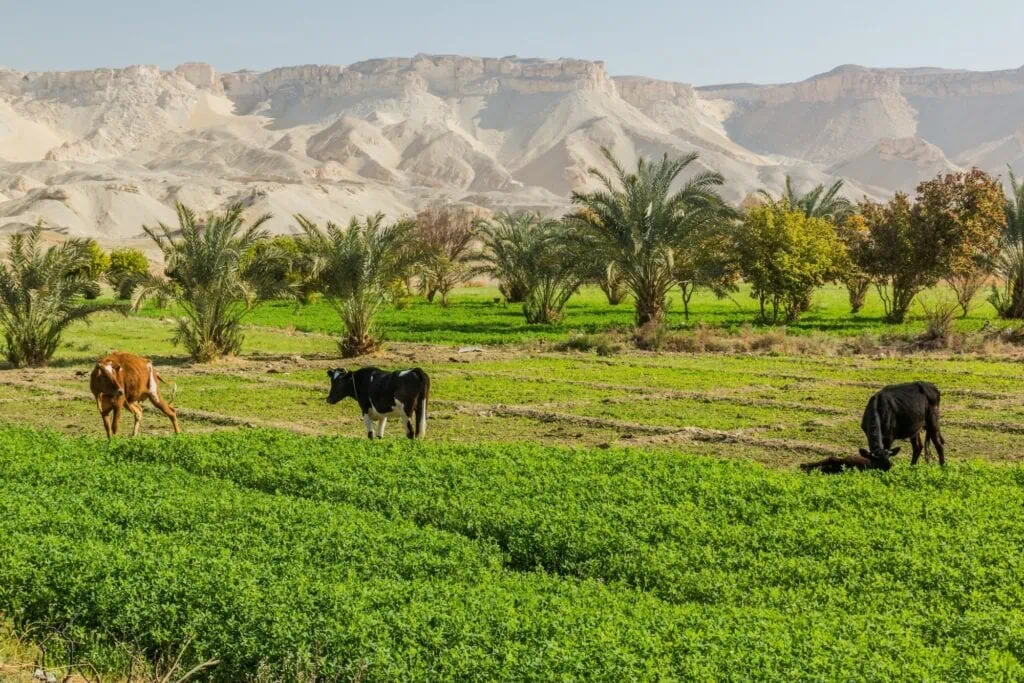
The oasis receives virtually no rainfall throughout the year, relying instead on artesian wells and natural springs that tap into underground aquifers formed thousands of years ago.
Historic Towns and Ancient Settlements
Dakhla’s main population centers each offer unique insights into different periods of Egyptian civilization. These settlements have evolved organically over centuries, creating distinctive architectural styles and cultural traditions that reflect the oasis’s diverse heritage.
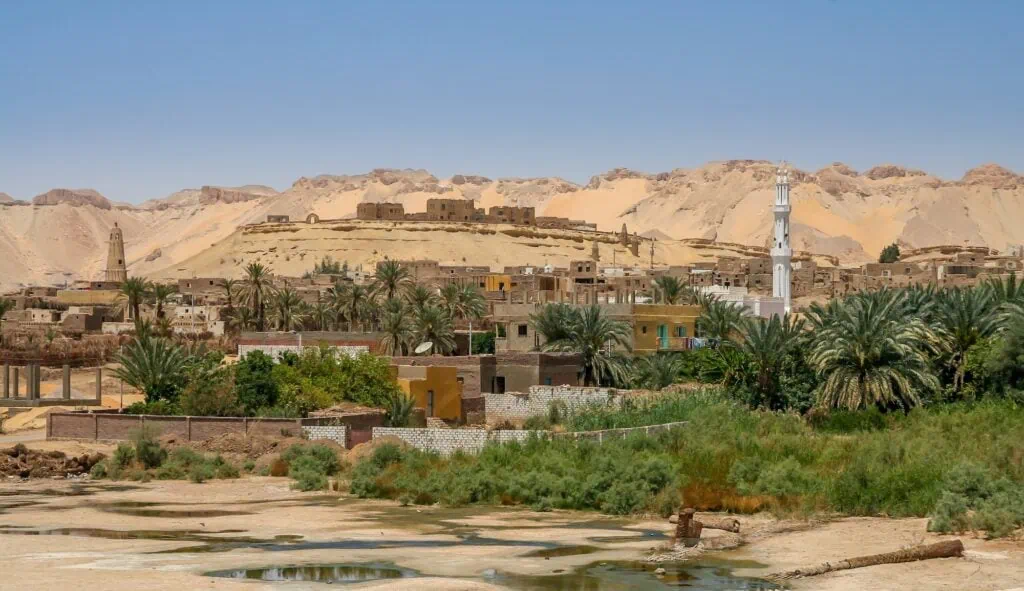
Al-Qasr stands as the jewel of medieval Islamic architecture in the Western Desert. This fortified town dates back to the 10th century and showcases remarkably well-preserved mud-brick buildings that seem to emerge naturally from the desert landscape. Narrow winding streets connect traditional houses with wooden doors, decorative lintels, and rooftop terraces that provided defense against desert raiders.
The town’s ancient mosque features a unique wooden minaret constructed entirely without metal fasteners, demonstrating the remarkable craftsmanship of medieval builders working with limited materials. Local artisans still practice traditional pottery-making techniques passed down through generations, creating distinctive ceramics using clay from the oasis floor.
Mut: Administrative Center and Modern Hub
Mut serves as Dakhla’s administrative capital and largest settlement, home to approximately 20,000 residents. The town centers around a modern market area where farmers sell fresh dates, olives, and vegetables grown using traditional irrigation methods.
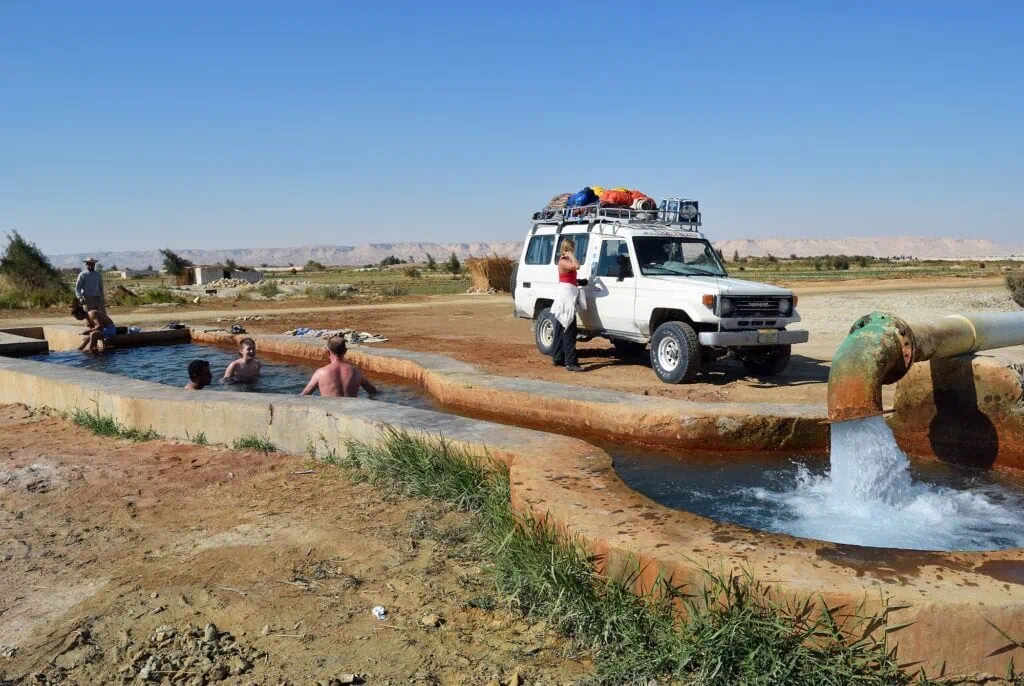
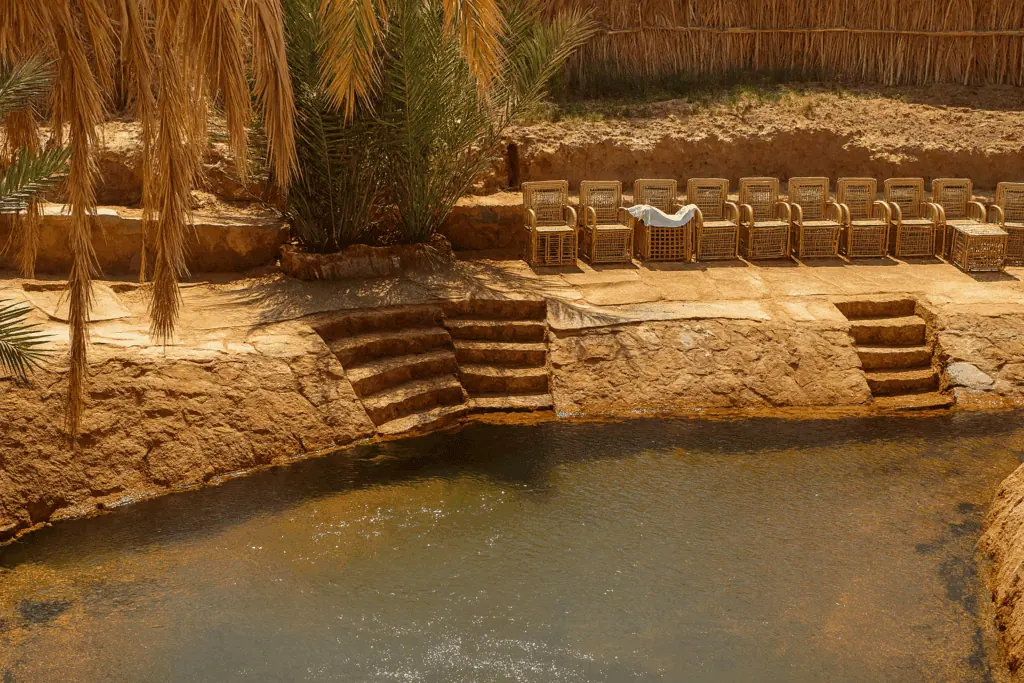
Several hot springs near Mut provide therapeutic benefits and recreational opportunities for visitors. These natural pools maintain temperatures around 40°C (104°F) year-round, creating welcome respite after long desert journeys.
The town also hosts a small museum displaying artifacts from various periods of oasis history, including Roman pottery, Islamic manuscripts, and traditional Bedouin jewelry that illustrates the cultural exchanges facilitated by trans-Saharan trade.
Balat: Windows into Ancient Egypt
Balat represents one of Egypt’s most significant archaeological sites outside the Nile Valley. This ancient settlement contains remains from the Old Kingdom period (around 2500 BCE) through the Roman era, offering researchers unprecedented insights into provincial Egyptian life.
Excavations have revealed a Greco-Roman necropolis containing beautifully decorated tombs with colorful wall paintings depicting daily life, religious ceremonies, and agricultural practices. The site also includes mastaba tombs built for local governors who administered the oasis on behalf of pharaonic authorities.
Recent archaeological work has uncovered evidence of sophisticated urban planning, including drainage systems, administrative buildings, and craft workshops that demonstrate the oasis’s importance as a regional center during antiquity.
Archaeological Treasures and Ancient Monuments
The Western Desert preserves Egypt’s history in ways that the heavily developed Nile Valley cannot match. Dakhla’s dry climate and relative isolation have protected countless artifacts and structures from both natural deterioration and modern development pressures.
Temple of Thoth at Amheida
This Greco-Roman period temple complex dedicated to Thoth, the god of wisdom and writing, represents one of the best-preserved provincial temples in Egypt. The site includes not only the main temple structure but also residential areas, administrative buildings, and craft workshops that provide comprehensive insights into ancient community life.
Wall paintings within the temple depict both traditional Egyptian religious scenes and Greco-Roman influences that reflect the cultural fusion occurring during the Ptolemaic and Roman periods. The quality of these frescoes rivals those found in more famous Nile Valley sites, yet visitors often have the entire complex to themselves.
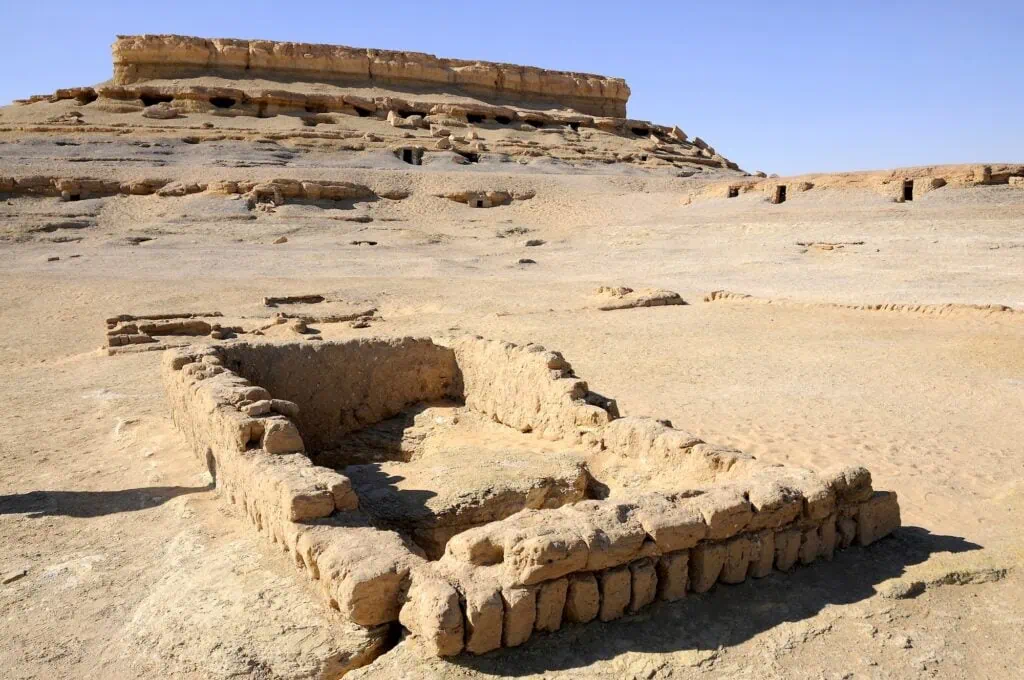
Archaeological teams continue uncovering new sections of the site each year, regularly discovering papyrus documents, pottery, and personal items that illuminate daily life in ancient Dakhla. These finds contribute significantly to our understanding of how Egyptian culture adapted and evolved in desert frontier communities.
Deir el-Hagar Temple Complex
Located about 10 km north of Mut, Deir el-Hagar Temple, this Roman-era temple dedicated to the Theban Triad (Amun, Mut, and Khonsu) showcases the continuation of traditional Egyptian religious practices under Roman rule. The temple’s sandstone construction and detailed reliefs demonstrate the skill of provincial craftsmen working far from major cultural centers.
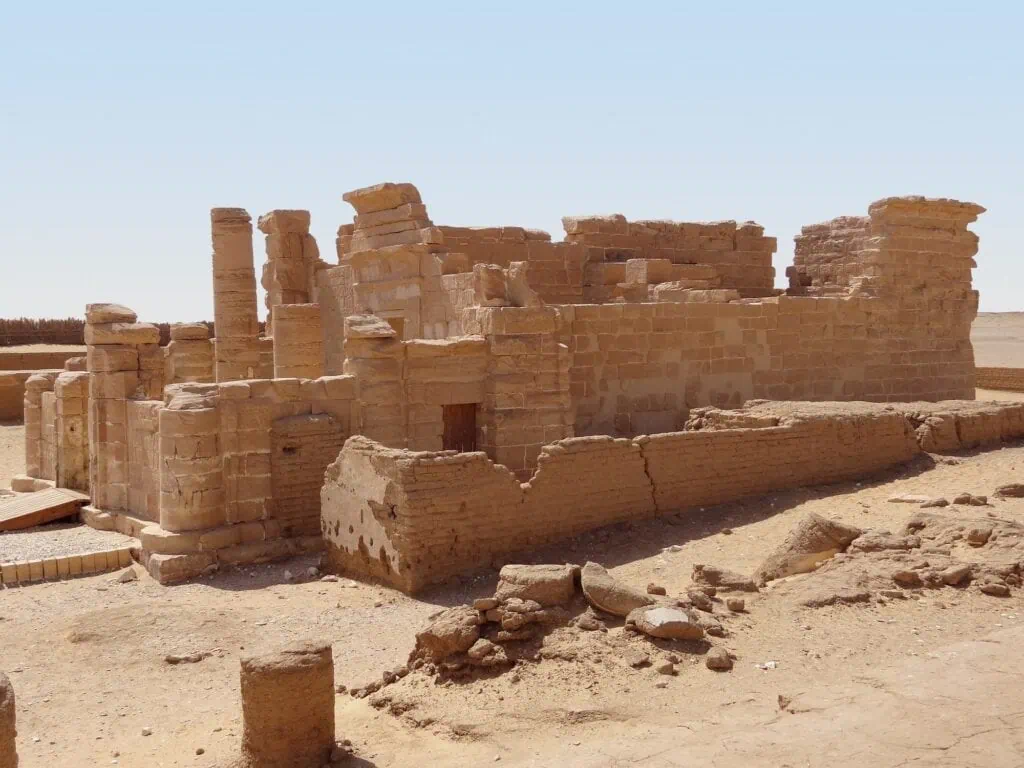
The complex includes several smaller chapels, administrative buildings, and residential quarters for temple staff. Hieroglyphic inscriptions provide valuable information about local religious customs and the economic relationships between temple authorities and oasis communities.
Surrounding the main temple area, archaeologists have identified numerous smaller sites including pottery workshops, granaries, and residential areas that supported the temple’s operations. These discoveries help reconstruct the economic and social networks that sustained religious institutions in ancient Egypt’s desert regions.
Natural Springs and Desert Adventures
Beyond its historical significance, Dakhla offers outstanding opportunities for desert recreation and natural exploration. The oasis’s unique geology creates diverse landscapes ranging from palm groves and cultivated fields to dramatic rock formations and sand dune fields.
Natural hot springs scattered throughout the oasis provide relaxing experiences after days of archaeological exploration. Bir el-Gabal and Mut Hot Springs are the most accessible, offering developed facilities while maintaining their natural character. These geothermal features result from deep groundwater circulation through heated rock layers, creating mineral-rich waters believed to have therapeutic properties.
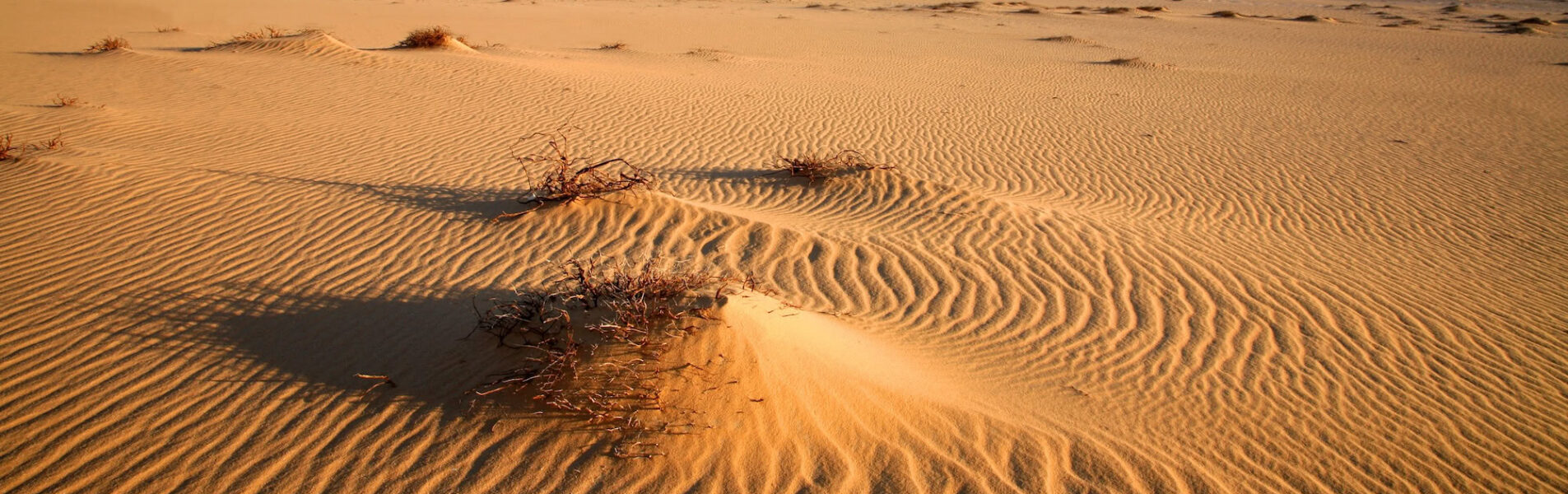
Desert safari opportunities around Dakhla rival anywhere in Egypt. The surrounding landscape includes the famous White Desert formations to the north, dramatic escarpments offering panoramic views, and vast sand seas that stretch toward Libya. Local guides lead expeditions ranging from half-day trips to multi-day camping adventures that explore remote archaeological sites and geological wonders.
Rock art sites near the oasis preserve prehistoric images of giraffes, ostriches, and other animals that inhabited the region when the Sahara supported grasslands and permanent rivers. These petroglyphs provide evidence of human presence in the area dating back over 8,000 years, long before the establishment of pharaonic civilization.
Stargazing conditions in Dakhla rank among the world’s finest due to minimal light pollution and consistently clear skies. The desert’s high altitude and dry atmosphere create exceptional visibility for astronomical observation, making night camps particularly memorable experiences.
Traditional Culture and Local Communities
Modern Dakhla preserves many traditional practices that connect contemporary residents with their historical heritage. Local communities maintain agricultural methods, craft traditions, and social customs that have evolved over centuries of desert life.
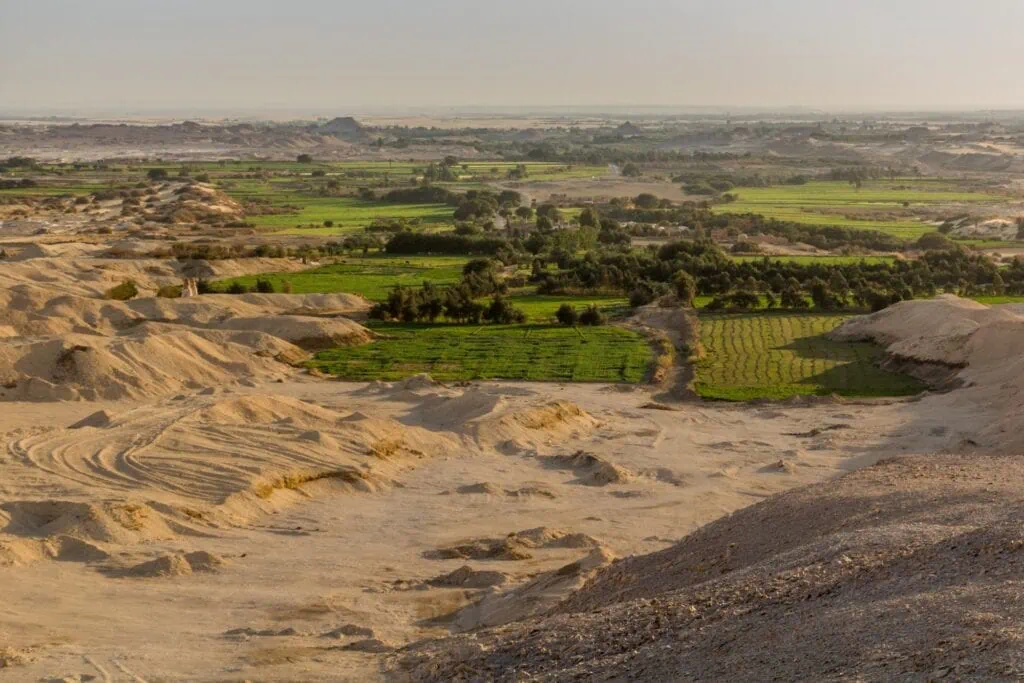
Traditional farming in the oasis relies on ancient irrigation techniques using springs and artesian wells. Date palm cultivation forms the backbone of the local economy, with farmers growing numerous varieties prized throughout Egypt for their quality and flavor. Olive groves, vegetable gardens, and small grain fields create a patchwork of green cultivation areas that contrast dramatically with the surrounding desert.
Local pottery traditions continue using techniques and designs that echo ancient examples found in archaeological sites throughout the oasis. Craftspeople work with local clay deposits to create both functional items for daily use and decorative pieces that reflect traditional Islamic geometric patterns and Nubian-influenced designs.
Bedouin communities maintain connections to broader tribal networks that extend across the Western Desert into Libya and Sudan. Their knowledge of desert navigation, weather patterns, and survival techniques proves invaluable for visitors interested in understanding how people have adapted to extreme desert environments.
Traditional music and storytelling preserve oral histories that complement the archaeological record. Evening gatherings often feature performances that recount tales of caravan journeys, tribal conflicts, and legendary figures from oasis history.
Planning Your Journey to Dakhla Oasis
Getting to Dakhla requires careful planning but rewards visitors with one of Egypt’s most authentic and undeveloped destinations. Most travelers approach via the desert highway system that connects all major Western Desert oases, creating opportunities for extended desert circuits that can include Siwa, Bahariya, Farafra, and Kharga oases.
Transportation and Access
Regular bus service connects Dakhla with Cairo, Luxor, and Assiut, though journey times are considerable – typically 10-12 hours from Cairo depending on route and stops. Private vehicle travel offers more flexibility and allows for photographic stops at scenic viewpoints along the desert highways.
For international visitors, domestic flights to Kharga Oasis followed by a 3-hour drive provide faster access, though flight schedules can be irregular and should be confirmed well in advance.
Accommodation and Services
Dakhla offers accommodations ranging from basic guesthouses to eco-lodges designed to provide comfort while maintaining harmony with the desert environment. Several establishments feature traditional architecture using local materials and construction techniques that provide natural climate control.
Local restaurants serve traditional Upper Egyptian cuisine featuring fresh ingredients from oasis farms. Date specialties, locally grown vegetables, and traditional bread baked in mud-brick ovens provide authentic flavors that reflect the region’s agricultural heritage.
Banking and communication services in Mut can handle basic traveler needs, though visitors should plan for limited internet connectivity and bring sufficient cash for rural areas where electronic payment systems may not be available.
We at Egypt Tours Plus have decades of experience organizing Western Desert expeditions that combine historical exploration with desert adventure. Our private guides possess deep knowledge of archaeological sites, local culture, and desert safety procedures that ensure both educational value and traveler security.
Our tailored itineraries can incorporate Dakhla as part of comprehensive Egypt experiences that include Nile Valley highlights, Red Sea relaxation, or extended desert circuits that showcase the full diversity of Egypt’s landscapes and cultures.
Archaeological Research and Conservation
Ongoing archaeological work in Dakhla continues revealing new insights into Egypt’s provincial history and desert adaptations. International research teams collaborate with Egyptian authorities to document, preserve, and interpret the oasis’s rich cultural heritage.
Recent discoveries include well-preserved papyrus archives that detail administrative procedures, tax collection, and trade relationships during the Roman period. These documents provide unprecedented insights into how central government policies were implemented in remote desert communities.
Conservation challenges in the desert environment require specialized approaches to protect mud-brick architecture, wall paintings, and organic materials from temperature extremes, wind erosion, and occasional flash floods. International expertise combines with local knowledge to develop sustainable preservation strategies.
Climate change impacts on groundwater levels and agricultural sustainability represent growing concerns for both archaeological preservation and community survival. Research programs monitor these changes while developing adaptive strategies that balance conservation goals with local economic needs.
Educational initiatives introduce visitors to ongoing research while promoting appreciation for the oasis’s cultural significance. These programs demonstrate how archaeological work contributes to broader understanding of human adaptation to challenging environments throughout history.
Practical Information for Modern Travelers
Understanding practical considerations helps ensure successful visits to this remote but rewarding destination. Weather patterns, cultural sensitivities, and logistical requirements differ significantly from mainstream Egyptian tourist destinations.
Best visiting seasons extend from October through March when temperatures remain comfortable for outdoor activities and archaeological exploration. Summer visits require careful planning around extreme heat and limited daytime activity hours.
Appropriate clothing should include sun protection, comfortable walking shoes for uneven archaeological sites, and warm layers for cool desert evenings. Modest dress remains important when visiting religious sites and interacting with conservative rural communities.
Photography regulations at archaeological sites may restrict flash photography or tripod use to protect sensitive wall paintings and artifacts. Checking current policies with site authorities prevents disappointment and supports ongoing conservation efforts.
Medical facilities in the oasis can handle minor issues but serious conditions require evacuation to major cities. Travel insurance covering desert activities and medical evacuation provides essential security for remote area travel.
Cultural interactions benefit from basic Arabic phrases, respect for local customs, and appreciation for traditional hospitality practices. Small gifts or purchases from local craftspeople support community economies while providing authentic souvenirs.
Experience The Timeless Beauty Of The Dakhla Oasis
Far from the busy cities, the Dakhla Oasis offers a slower, more authentic side of Egypt—lush landscapes, historic villages, and a deep sense of calm that’s hard to find elsewhere. With EgyptToursPlus, we turn this hidden oasis into part of a seamless, private journey that connects desert serenity with Egypt’s most iconic highlights.
You choose when to travel, how fast to move, and what to experience along the way. From remote oasis exploration to cultural landmarks and luxury touches, we tailor every detail to your preferences—ensuring a smooth, comfortable, and fully personalized journey guided by our expertise.
Frequently Asked Questions
Dakhla Oasis lies approximately 740 km (460 miles) southwest of Cairo, with overland travel typically requiring 10 to 12 hours through Egypt’s Western Desert highways. Most routes pass through Kharga Oasis or Bahariya depending on the itinerary and road conditions. Domestic flights to nearby oasis regions can reduce travel time significantly, but road journeys remain the most common option for travelers exploring multiple desert destinations. Many visitors break the drive with an overnight stay to avoid fatigue and maximize sightseeing time.
October through March is the best period for visiting Dakhla Oasis because daytime temperatures usually range between 20°C and 28°C (68°F to 82°F), making archaeological exploration far more comfortable. Summer temperatures regularly exceed 40°C (104°F), especially in July and August, which limits outdoor activities during midday hours. Winter also offers clearer skies for desert photography and camping experiences. Travelers planning temple visits or walking tours should prioritize early mornings regardless of season.
Dakhla Oasis offers accommodation ranging from simple guesthouses in Mut to eco-lodges built with traditional mud-brick architecture and modern amenities such as air conditioning and private bathrooms. Several lodges focus on sustainable desert tourism and incorporate palm wood, adobe walls, and local craftsmanship into their design. Most properties are smaller than resort hotels in Cairo or the Red Sea, which creates a quieter and more authentic oasis atmosphere. Advance booking is recommended during Egypt’s winter travel season.
Independent travel to Dakhla Oasis is possible by public bus, private vehicle, or domestic transport connections, although guided tours provide stronger logistical support and deeper historical interpretation. The oasis contains scattered archaeological sites, desert roads, and remote areas where navigation can become difficult for first-time visitors. Professional guides also help travelers coordinate permits, local transportation, and timing between attractions such as Deir El Hagar and Al-Qasr. Independent travelers should still plan routes carefully because distances between sites are substantial.
Dakhla Oasis contains several major archaeological sites including Al-Qasr medieval Islamic town, the Roman-era Deir El Hagar Temple, Balat settlement ruins, and multiple necropolises spread across the oasis. Many structures date from the Pharaonic, Roman, and early Islamic periods, offering a rare chronological range within one desert region. Al-Qasr alone preserves centuries-old mud-brick alleyways, mosques, and residential architecture still partially inhabited today. Travelers interested in archaeology typically need at least two full days to explore the oasis properly.
Dakhla Oasis contains several natural hot springs, many maintaining water temperatures near 40°C (104°F) throughout the year due to underground geothermal activity and deep fossil aquifers. Springs near Mut and nearby desert villages are commonly used for relaxation and traditional therapeutic bathing by both residents and travelers. Some pools are fully developed with changing facilities, while others remain more natural and isolated. Evening visits are especially popular during winter because desert temperatures cool rapidly after sunset.
Paved desert highways connect Dakhla Oasis with Kharga, Farafra, Bahariya, and other Western Desert settlements, making multi-oasis itineraries logistically feasible by four-wheel-drive vehicle or long-distance bus. The road between Dakhla and Kharga is particularly important because it links the oasis system to the Nile Valley and Upper Egypt. Travel times remain significant due to the region’s scale, with some inter-oasis journeys taking 3 to 6 hours. Private drivers offer the most flexibility for archaeological and photography-focused trips.
Dakhla Oasis is generally considered very safe for tourists, especially when travelers use licensed guides, registered accommodations, and established desert routes monitored by local authorities. The oasis has a small population, low crime rates, and longstanding tourism infrastructure connected to Egypt’s Western Desert circuit. The main risks relate more to remoteness, dehydration, and transportation logistics than personal security concerns. Visitors should still carry identification, maintain communication access, and avoid isolated desert travel without experienced local support.
Dakhla Oasis differs from Siwa because it emphasizes extensive archaeological remains and medieval Islamic architecture, while Siwa is more closely associated with Berber culture, salt lakes, and natural springs. Dakhla also contains a wider concentration of Roman and Pharaonic sites, including Deir El Hagar and Balat. Siwa feels more isolated culturally and geographically, whereas Dakhla historically functioned as an important administrative and trade center linking desert caravan routes. Travelers interested in history often find Dakhla particularly rewarding.
Desert camping around Dakhla Oasis is possible with proper equipment, experienced guides, and reliable four-wheel-drive transportation capable of handling remote terrain and nighttime temperature shifts. Camping excursions often include dune landscapes, rock formations, and exceptionally dark skies suitable for astrophotography and stargazing. Winter nights can become surprisingly cold despite warm daytime conditions, especially between December and February. Travelers should choose licensed operators because mobile coverage and emergency infrastructure remain limited in remote desert zones.
Dakhla Oasis is known for traditional pottery, woven textiles, palm-based handicrafts, and decorative objects influenced by Islamic, Nubian, and oasis design traditions developed over centuries of desert trade. Local artisans still use techniques passed through generations, particularly in mud-brick communities such as Al-Qasr. Handmade pottery remains especially important because oasis settlements historically relied on locally produced storage vessels for water and grain. Purchasing directly from workshops helps support small-scale craftspeople and preserves traditional production methods.
Artesian wells in Dakhla Oasis commonly reach depths between 100 and 300 meters to access underground fossil aquifers formed during wetter prehistoric phases of the Sahara. These ancient water reserves support agriculture, date palm cultivation, and human settlement across one of Egypt’s driest environments. Many wells were expanded or modernized during the 20th century as part of New Valley development projects. The availability of underground water is one reason Dakhla remained continuously inhabited for thousands of years despite its desert isolation.
Design Your Private Western Desert Adventure
Travel with your own expert guide, private 4×4 vehicle, and a route tailored to you.