

Kasr El Labkha – Ancient Aqueducts; Temples and Tombs Await
Standing against the backdrop of Egypt’s endless desert sands, Kasr El Labkha emerges as one of antiquity’s most remarkable engineering achievements.
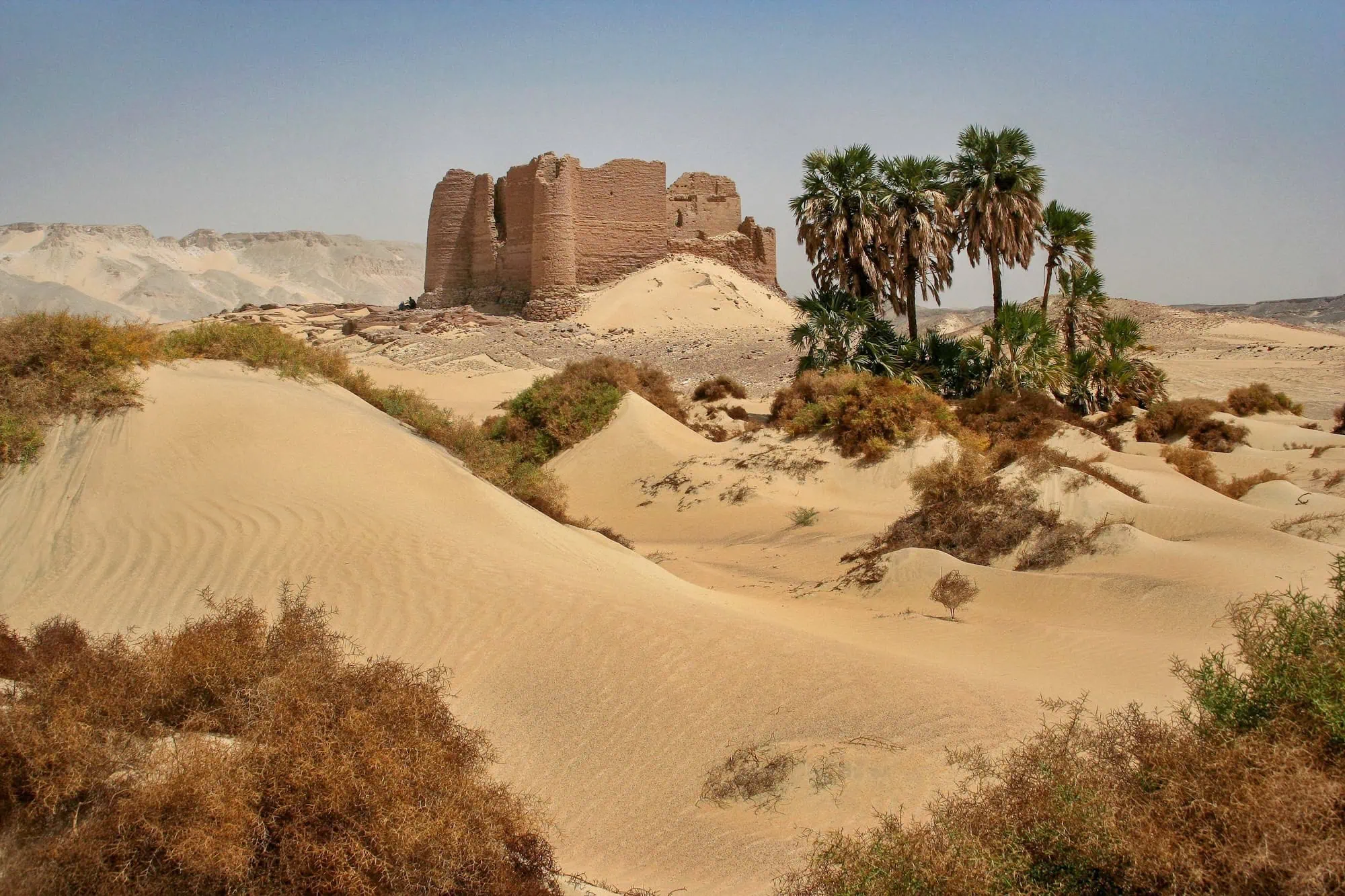
This extraordinary Roman fortress complex, located 40 km (25 miles) north of Al Kharga in the Western Desert, represents far more than crumbling stone walls. Built during the 5th century CE, the site encompasses a four-story defensive structure, elaborate aqueduct systems, and a necropolis containing over 500 mummies. Archaeological excavations have revealed intricate temple remains, Greek-Roman burial chambers, and evidence of sophisticated water management that sustained life in this harsh environment for centuries.
What makes Kasr El Labkha particularly compelling is its role as a crucial waystation along ancient trade routes. The Romans didn’t simply build a fortress here – they created an entire oasis community that protected merchant caravans, housed military personnel, and maintained Egypt’s economic lifeline through the Western Desert.
Table of Contents
Location and Historical Context
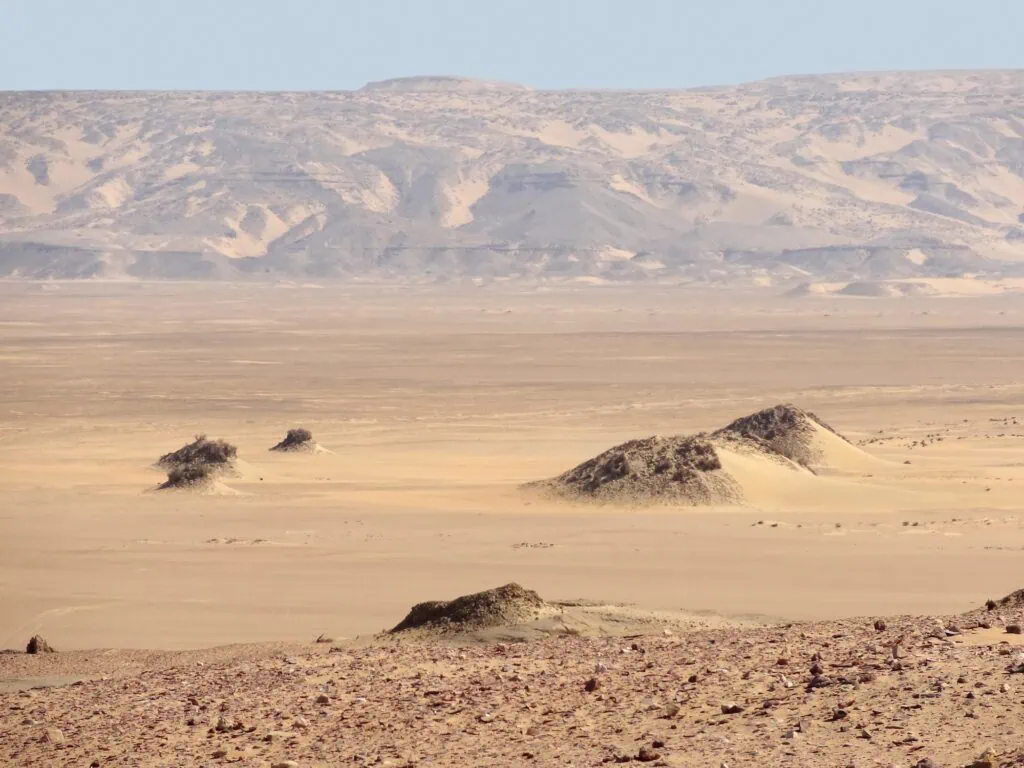
Kasr El Labkha sits strategically positioned on an escarpment overlooking the Kharga Oasis depression. The elevated location provided Roman forces with commanding views across the desert approaches.
Strategic Military Placement
Roman military engineers selected this site with precision. The escarpment position offered natural defensive advantages while controlling access to vital water sources below. Trade caravans traveling between the Nile Valley and sub-Saharan Africa necessarily passed through this corridor, making the fortress essential for taxation and protection.
Ancient sources describe a network of similar fortifications throughout the Western Desert. Kasr El Labkha served as the northern anchor of this defensive chain, working in conjunction with other Roman outposts to secure Egypt’s western frontier.
The Kharga Oasis Connection
The fortress formed part of a larger Roman presence throughout the New Valley Governorate. This region, known to the Romans as the “Great Oasis,” supported agricultural communities and mining operations that contributed significantly to Egypt’s economy. Water from artesian springs enabled year-round habitation and cultivation in an otherwise inhospitable landscape.
Trade Route Protection
Merchants carrying gold, ivory, and exotic goods from Nubia and beyond relied on Roman protection. The fortress garrison collected taxes, provided security escorts, and maintained supply depots for desert crossings. Without these services, trans-Saharan commerce would have remained impossibly dangerous.
Archaeological Discoveries and Structures
Recent excavations have transformed our understanding of daily life at this remote outpost. The four-story Roman fortress dominates the site, but surrounding structures reveal a complex community.
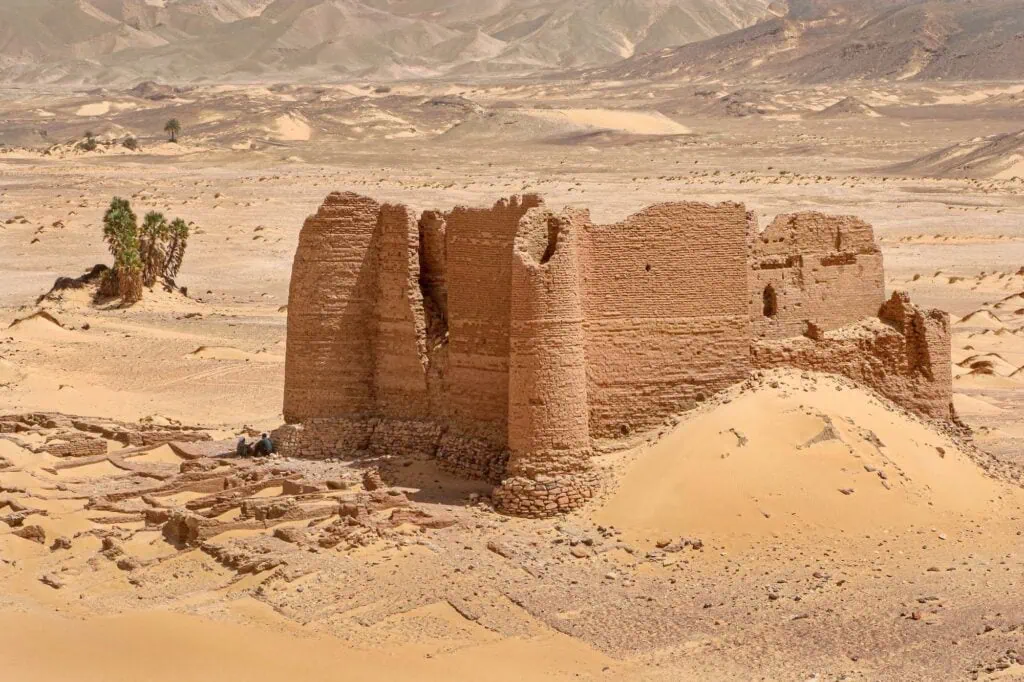
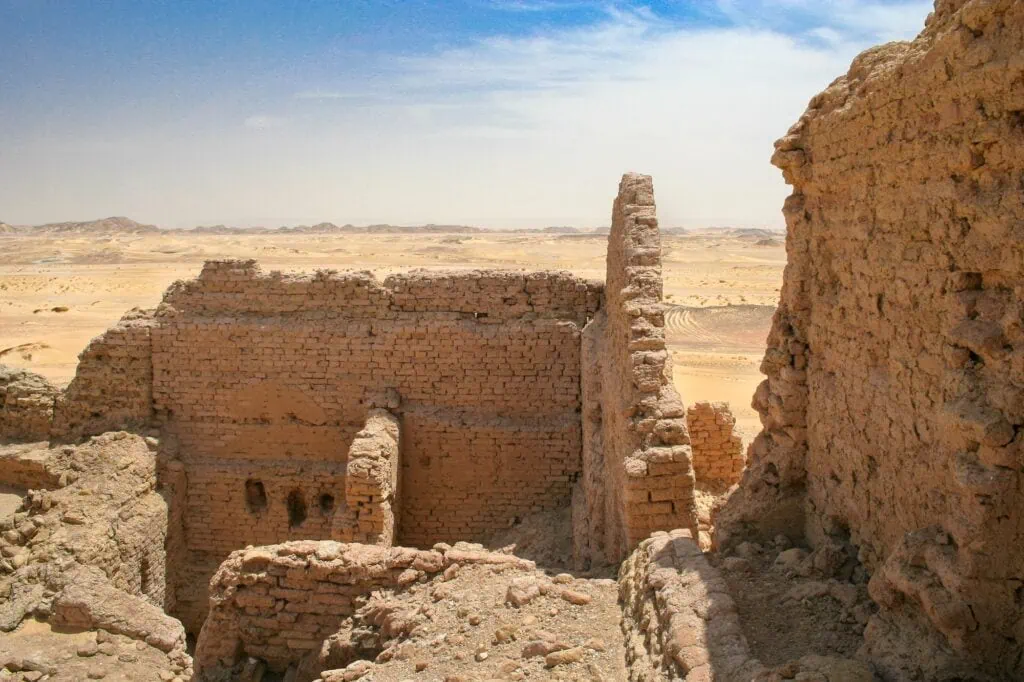
The main fortification covers approximately 2,000 square meters (21,500 square feet) and reaches heights of 15 meters (49 feet). Thick stone walls, constructed from local limestone, have withstood fifteen centuries of desert conditions. Interior chambers served multiple functions – military barracks, administrative offices, storage facilities, and religious spaces all coexisted within the defensive perimeter.
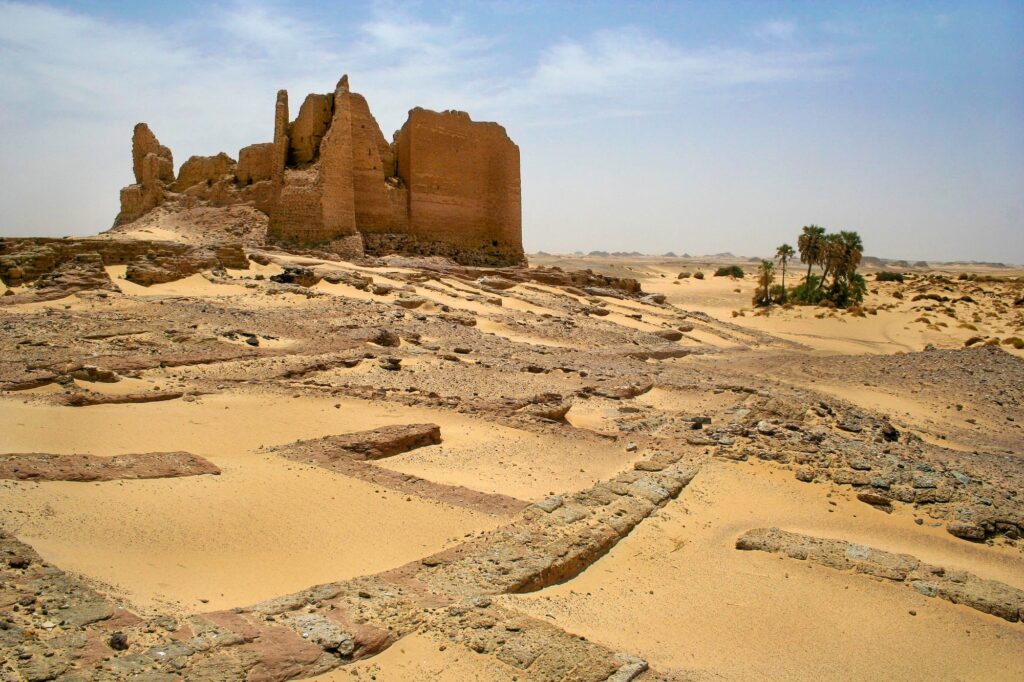
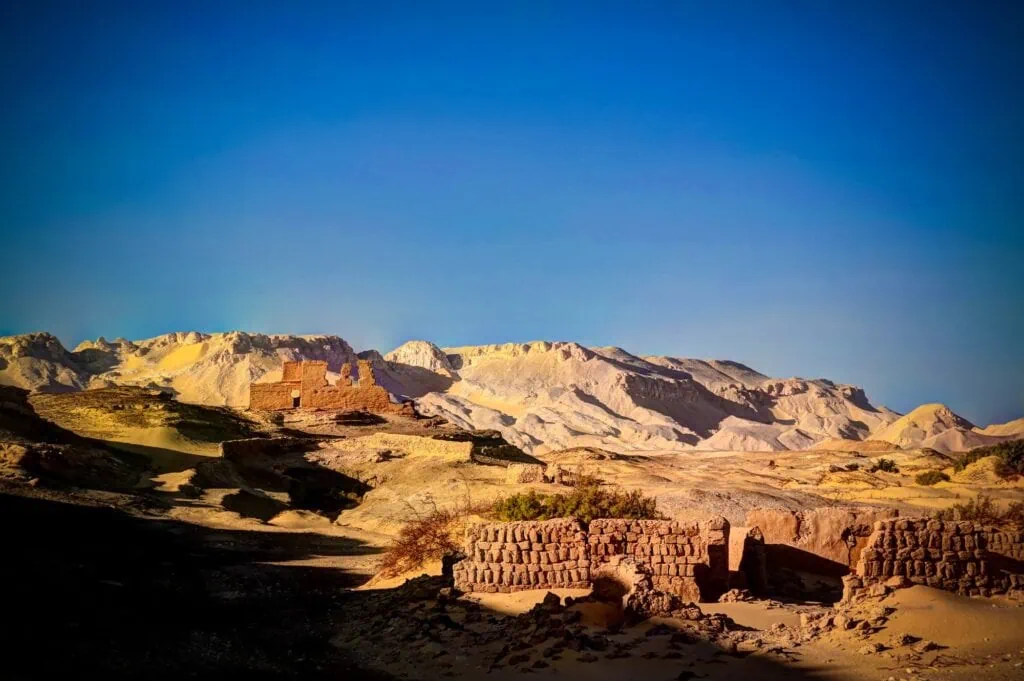
Two temple structures stand partially intact near the fortress walls. These buildings exhibit classic Roman architectural elements adapted for desert conditions, including innovative ventilation systems and water collection features. Inscriptions found within the temples reference both traditional Egyptian deities and Roman gods, illustrating the cultural fusion that characterized frontier life.
The Necropolis Complex
Beyond the fortress walls lies one of Egypt’s most significant Roman-era burial grounds. Over 500 mummies have been recovered from underground chambers carved directly into the bedrock. Unlike the elaborate preparations associated with pharaonic burials, these remains reflect Greco-Roman traditions adapted for desert preservation.
Many burials include grave goods indicating diverse cultural backgrounds – Roman coins, Greek pottery, and traditional Egyptian amulets appear together in individual tombs. This mixture suggests the garrison included soldiers and civilians from across the Roman Empire, creating a truly cosmopolitan community in the heart of the Western Desert.
Carbon dating places most burials between 200-400 CE, during the height of Roman control over Egypt. The preservation quality rivals that found in more famous sites, thanks to the extremely arid conditions and careful burial practices.
Engineering Marvels: The Aqueduct System
The Romans transformed this desert location into a thriving settlement through remarkable hydraulic engineering. An extensive aqueduct network channeled water from distant springs to the fortress and surrounding buildings.
Archaeological surveys have traced these channels across several kilometers of desert terrain. The system included covered conduits, collection pools, and distribution points that maximized every drop of available water. Sophisticated filtration chambers removed sand and sediment before water reached storage cisterns within the fortress walls.
Engineers carved channels directly through solid rock formations where necessary. The precision of these cuts demonstrates advanced surveying techniques and mathematical understanding. Gradients were calculated to maintain steady flow rates across varying terrain without erosion or stagnation.
Water storage became an art form at Kasr El Labkha. Multiple cistern levels within the fortress could hold enough fresh water to sustain the garrison through extended siege conditions. Overflow systems prevented waste during seasonal abundance while emergency reserves remained protected in the deepest chambers.
Visiting Kasr El Labkha Today
Modern visitors can explore this ancient fortress through carefully planned Western Desert safari tours. The site remains relatively undeveloped, preserving its authentic archaeological character while offering insights into Roman frontier life.
Planning Your Visit
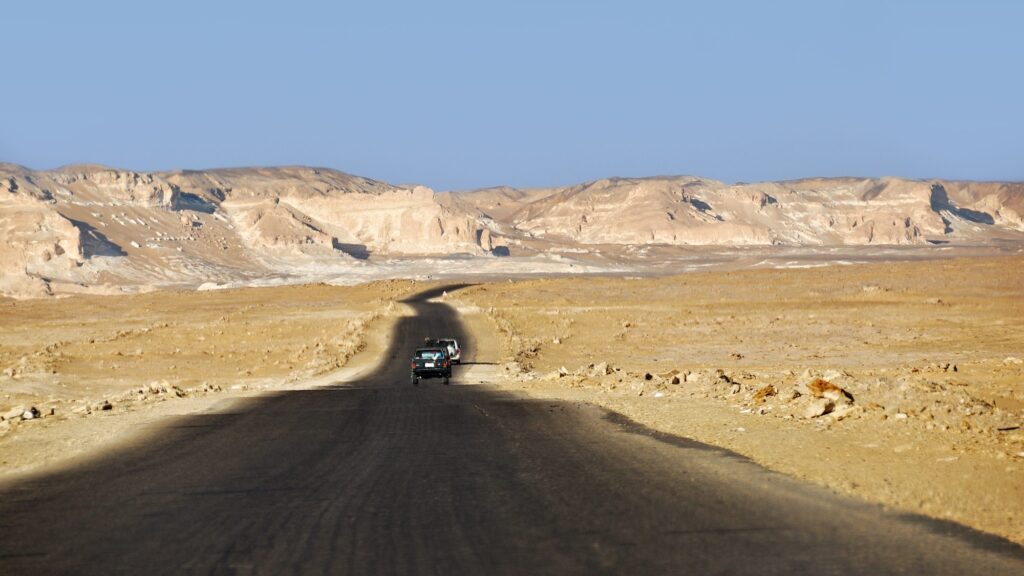
Access requires 4×4 vehicles due to challenging desert terrain. The journey from Al Kharga takes approximately 2 hours through varied landscapes including sand dunes, rock formations, and scattered oasis settlements. Professional guides familiar with desert navigation are essential for safe travel.
Temperature considerations significantly impact timing. Summer months see daytime readings above 45°C (113°F), making exploration dangerous between 10:00 am (10:00) and 4:00 pm (16:00). Winter visits offer more comfortable conditions, with temperatures ranging from 15°C to 25°C (59°F to 77°F).
What to Expect
Walking through the fortress ruins provides tangible connections to ancient life. Original staircases lead between levels, allowing visitors to experience the commanding desert views that Roman soldiers knew. Information panels, recently installed by Egyptian authorities, explain architectural features and historical context in multiple languages.
Photography opportunities abound, from sweeping desert panoramas to detailed architectural elements. The contrast between ancient stonework and endless sand creates striking visual compositions. Early morning and late afternoon light enhance both photography and comfortable exploration.
Practical Considerations
Bring substantial water supplies – desert conditions cause rapid dehydration even during cooler months. Sun protection including hats, long sleeves, and sunscreen rated SPF 30+ prevents serious sunburn. Sturdy hiking boots provide necessary ankle support on uneven terrain.
No facilities exist at the site itself. Visitors must carry all needed supplies including food, water, and emergency communications equipment. Mobile phone coverage remains unreliable in this remote area.
The Roman Frontier Experience
Life at Kasr El Labkha differed dramatically from urban Roman centers. Soldiers stationed here faced isolation, extreme weather, and constant vigilance against desert raiders. Yet archaeological evidence reveals surprising comfort levels and cultural sophistication.
Pottery fragments include fine tableware imported from Mediterranean workshops alongside utilitarian vessels produced locally. This combination suggests efforts to maintain civilized standards despite frontier conditions. Gaming pieces, jewelry, and personal items found throughout the site indicate leisure activities and individual expression flourished within military discipline.
The garrison likely included specialists beyond regular soldiers – engineers to maintain the aqueducts, administrators to manage trade taxation, and craftsmen to provide essential services. Families may have accompanied some personnel, creating a permanent civilian population alongside military units.
Food remains show varied diets including both Mediterranean staples and local adaptations. Grain storage areas could hold supplies for extended periods, while hunting and limited agriculture supplemented imported provisions. Desert animals, dates from nearby oases, and preserved fish from Nile sources all contributed to nutrition.
Cultural Significance and Legacy
Kasr El Labkha represents more than military architecture – it embodies cultural exchange across civilizations. Roman engineering expertise, Egyptian craftsmanship, and desert survival knowledge combined to create something entirely new.
The site influenced subsequent Islamic architecture in the region. Later Mamluk and Ottoman structures throughout the Western Desert show clear Roman precedents in fortress design and water management. This technological continuity spans over a millennium, demonstrating practical effectiveness.
Modern conservation efforts seek to preserve this heritage while enabling responsible tourism. Egyptian archaeologists collaborate with international teams to document structures before further deterioration. Climate change and occasional flash flooding pose ongoing threats to site stability.
Exploring the Broader Region
Kasr El Labkha forms part of a larger Western Desert archaeological landscape. Several nearby sites complement the Roman fortress experience, creating opportunities for extended exploration.
Ancient quarries that supplied stone for fortress construction remain visible throughout the area. These extraction sites reveal Roman mining techniques and the massive logistical efforts required to transport building materials across desert distances.
Other Roman outposts along the ancient trade routes offer comparative perspectives. Qasr Ghweita, located closer to modern Al Kharga, shows different architectural approaches to desert fortification. Together, these sites illustrate the comprehensive Roman strategy for controlling Egypt’s western approaches.
Traditional Berber settlements in the region maintain cultural practices with ancient roots. Local communities preserve knowledge of desert survival, water location, and navigation techniques that likely influenced Roman operations centuries ago.
Planning Your Desert Adventure
We organize comprehensive excursions that combine archaeological exploration with authentic desert experiences. Our expert guides possess decades of experience navigating the Western Desert while sharing detailed knowledge of Roman history and Egyptian culture.
Custom itineraries can include multiple archaeological sites, traditional oasis visits, and stargazing opportunities that showcase the incredible night skies above the Sahara. Modern 4×4 vehicles ensure safety and comfort during desert travel, while experienced drivers handle challenging terrain with confidence.
Our Tailor-Made Egypt Tours eliminate the rushed schedule of group excursions, allowing time for thorough site exploration and photography. Personal attention from qualified Egyptologists brings ancient history to life through detailed explanations and answers to individual questions.
Step Into The Solitude Of Qasr El Labeka
Deep in the Western Desert, Qasr El Labeka offers a rare sense of isolation and authenticity—where ancient ruins meet vast, untouched landscapes. With Egypt Tours Plus, we transform this remote site into part of a seamless private journey, connecting hidden desert treasures with Egypt’s most iconic experiences.
You decide when to travel, how fast to move, and what your journey includes. From off-the-grid exploration to cultural highlights and refined comfort throughout, we tailor every detail to your preferences—ensuring a smooth, expertly planned, and deeply personal travel experience.
Frequently Asked Questions
Qasr El Labeka, also spelled Kasr El Labkha, lies deep in Egypt’s Western Desert approximately 650 km southwest of Cairo, with most overland journeys taking 8 to 10 hours depending on route and road conditions. The fortress sits near Kharga Oasis in the New Valley Governorate and is usually visited as part of a multi-day desert itinerary rather than a standalone excursion. Travelers commonly combine the site with Kharga, Dakhla, and other Roman desert outposts. Early departures are strongly recommended because daytime desert heat intensifies quickly.
October through March is the best period for visiting Qasr El Labeka because daytime temperatures in Egypt’s Western Desert are significantly cooler and safer for extended outdoor exploration. Winter temperatures typically range between 20°C and 28°C (68°F to 82°F), while summer afternoons can exceed 40°C (104°F). The fortress has very limited shade, so comfortable weather makes a major difference during walking tours and photography sessions. Morning visits also provide softer desert light and fewer heat-related travel disruptions.
Standard tourist visits to Qasr El Labeka generally do not require separate personal permits, but organized desert tours often coordinate security clearances and route approvals with local authorities in the New Valley region. Because the site sits in a remote desert zone near sensitive border and military areas, independent travel can be more complicated than visiting major Nile Valley attractions. Most travelers visit through licensed operators familiar with current regulations and checkpoints. Booking through an experienced Egypt desert tour provider simplifies logistics considerably.
Most visitors spend 1 to 2 hours exploring Qasr El Labeka itself, depending on interest in Roman military history, photography, and surrounding desert scenery. The fortress contains mudbrick defensive structures, watchtower remains, and traces of Roman occupation connected to ancient caravan and trade routes across the Western Desert. Exploration time often increases when combined with nearby archaeological sites in Kharga Oasis. Travelers interested in architecture and ancient frontier systems usually benefit from visiting with a knowledgeable guide.
Yes, Qasr El Labeka can be suitable for children who are comfortable with desert travel, uneven ground, and hot outdoor conditions under proper adult supervision. Older children often enjoy the fortress atmosphere, open desert landscapes, and climbing opportunities around ancient defensive walls and lookout areas. However, the remote location means families should carry extra water, snacks, sun protection, and appropriate footwear throughout the visit. Morning tours are generally easier for children because temperatures remain cooler and walking conditions are more comfortable.
Visitors to Qasr El Labeka should bring sun protection, a wide-brim hat, sunglasses, lightweight breathable clothing, sturdy walking shoes, and plenty of drinking water for the remote desert environment. Temperatures in the Western Desert can shift dramatically between daytime and evening, especially from November through February, so light layers are also useful. A camera with extra batteries is recommended because charging opportunities may be limited during longer excursions. Travelers visiting multiple oasis sites should also carry cash for small local purchases and rest stops.
No permanent modern bathroom facilities are typically available directly at Qasr El Labeka because the fortress sits in an isolated desert location far from major tourism infrastructure. Most organized tours schedule restroom stops in Kharga Oasis or at nearby service points before reaching the archaeological area. Visitors should prepare for basic desert conditions and limited amenities throughout the excursion. Carrying tissues, hand sanitizer, and extra water is advisable, especially during longer multi-site desert tours across the New Valley region.
Yes, Qasr El Labeka is commonly combined with other Roman and early Christian sites in Kharga Oasis, including the Temple of Hibis, Al Bagawat necropolis, and the nearby fortress of Qasr El Ghueita. These sites collectively reveal how Rome controlled trade routes and military movement across Egypt’s Western Desert nearly 2,000 years ago. Multi-site itineraries also reduce overall travel time because the archaeological locations are spread across remote desert distances. Two- or three-day oasis tours provide the most comfortable pacing.
Visiting Qasr El Labeka requires moderate physical effort because the terrain includes sand, rocky ground, uneven pathways, and limited shaded resting areas. Most travelers with average mobility can comfortably explore the fortress, but desert heat and long driving distances may increase fatigue during warmer months. The site does not involve technical climbing, although some elevated viewpoints and ruined sections require careful footing. Comfortable shoes, hydration, and slower pacing are especially important during midday visits in the desert climate.
Qasr El Labeka differs completely from Egypt’s pyramids because it represents a Roman frontier fortress rather than a pharaonic royal tomb complex built thousands of years earlier. While the pyramids date primarily to the Old Kingdom around 2600 BCE, Qasr El Labeka reflects Roman military and trade activity in Egypt during the first centuries CE. The fortress offers insight into daily life, desert defense, and caravan control rather than monumental burial architecture. Travelers interested in lesser-known historical layers of Egypt often find the contrast especially rewarding.
Yes, Egypt Tours Plus can arrange private transportation from Cairo to Qasr El Labeka as part of customized Western Desert itineraries that typically include Kharga Oasis, Dakhla Oasis, and nearby archaeological landmarks. Because the journey covers hundreds of kilometers through remote desert highways, private vehicles with experienced drivers are the safest and most practical option for international travelers. Most itineraries include overnight stops rather than same-day returns due to the driving distance. Early departures help maximize sightseeing time and avoid intense afternoon heat.
Photography is generally allowed throughout Qasr El Labeka, and the fortress is especially popular with travelers interested in desert landscapes, Roman ruins, and dramatic Western Desert lighting conditions. The site’s remote setting and minimal modern development create excellent opportunities for wide-angle and sunset photography. Drone use, however, may be restricted or prohibited without prior authorization because of regional security regulations. Morning and late afternoon visits usually produce the best contrast, softer shadows, and more comfortable temperatures for extended photography sessions.
Design Your Private Western Desert Adventure
Travel with your own expert guide, private 4×4 vehicle, and a route tailored to you.