

Cleopatra’s Pool, Egypt – Unwinding and Swimming Like a Queen
Most travelers visit Egypt for pyramids and temples, but few discover the desert sanctuary where legend says Cleopatra herself once bathed.
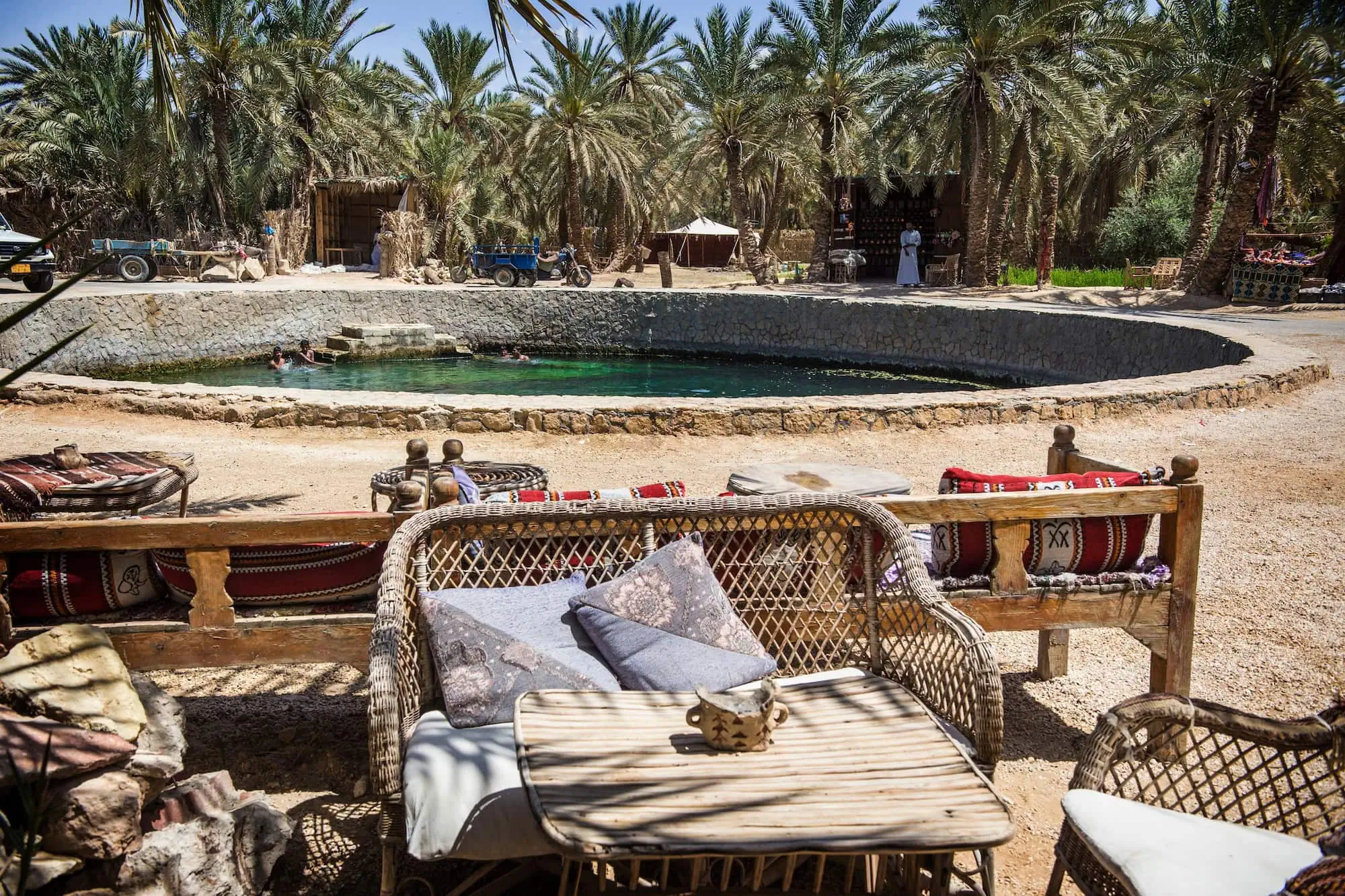
Cleopatra’s Pool, also known as Spring of Juba or Ain Juba, sits hidden in the remote Siwa Oasis, approximately 560 kilometers (348 miles) west of Cairo. This natural spring has bubbled up from underground sources for millennia, creating a stone-rimmed pool of crystal-clear water in the heart of Egypt’s Western Desert. While historians debate whether Queen Cleopatra VII actually visited this remote location, the spring’s therapeutic waters and stunning desert setting have made it one of Egypt’s most sought-after natural attractions.
We’ve helped thousands of travelers experience this magical oasis, and our decades of expertise ensure you’ll discover not just the famous pool, but the rich culture and hidden wonders of Siwa that most tourists never see.
Table of Contents
Why Cleopatra’s Pool Captivates Every Visitor
The first glimpse stops you in your tracks. Clear spring water reflects the endless blue sky while date palms cast dancing shadows across the ancient stone walls that frame the pool.
The Natural Wonder Behind the Legend
Natural spring water maintains a consistent temperature of 22-26°C (72-79°F) year-round, making it perfect for swimming regardless of season. Underground sources feed the pool continuously, ensuring the water stays fresh and clean. The stone structure surrounding the spring was built to contain the flowing water, creating a natural swimming area that’s approximately 3 meters (10 feet) deep.
Local geology explains this desert miracle. Deep aquifers beneath the Western Desert push mineral-rich water to the surface through natural pressure. These same geological forces created the entire Siwa depression, one of Egypt’s most fertile oases.
Royal Connections and Ancient History
Historical records from the Ptolemaic period mention various royal visits to Siwa Oasis, particularly to consult the famous Oracle of Amun. Cleopatra VII, known for her intelligence and political acumen, would have understood the strategic importance of maintaining relationships with desert communities. The spring’s alternative name, “Spring of Juba,” references King Juba II of Numidia, who married Cleopatra Selene II, daughter of Mark Antony and Cleopatra VII.
Archaeological evidence around Siwa shows continuous habitation for over 12,000 years. The Oracle Temple, located just minutes from the spring, attracted pilgrims from across the ancient Mediterranean world, including Alexander the Great in 331 BC.
The Desert Sanctuary Experience
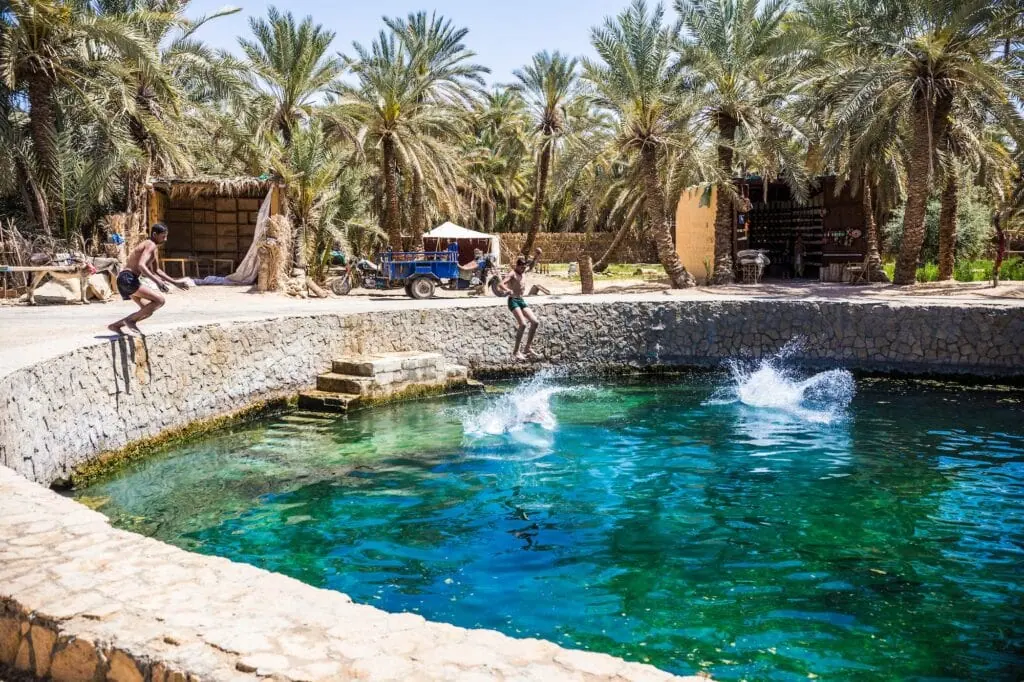
Swimming in these therapeutic waters creates an almost surreal experience. The mineral content, including natural salts and trace elements, leaves skin feeling incredibly soft. Many visitors describe the sensation as floating in silk, with the desert silence broken only by gentle bubbling from the spring source.
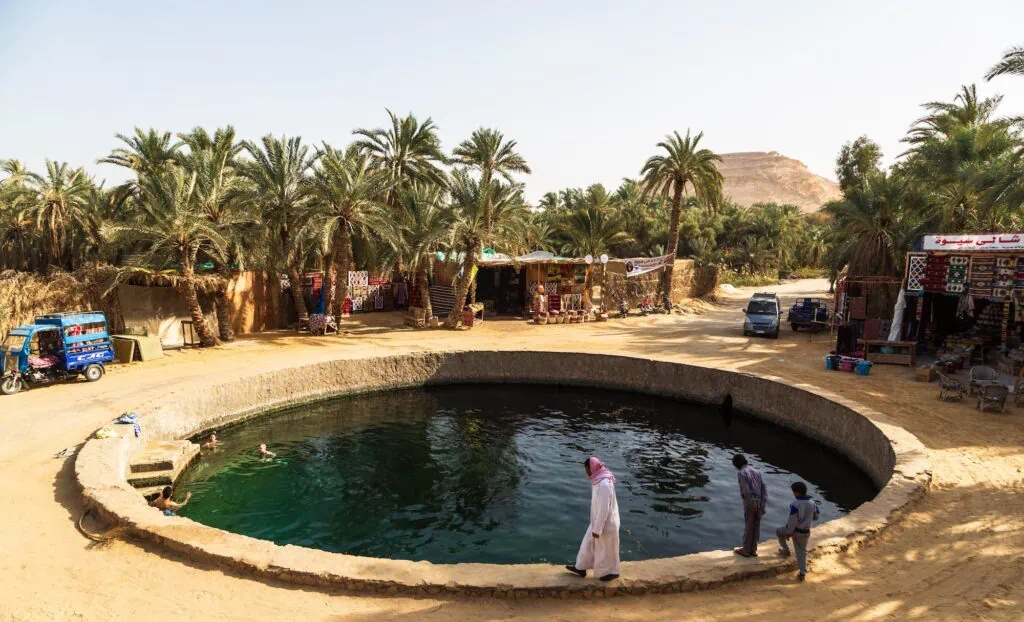
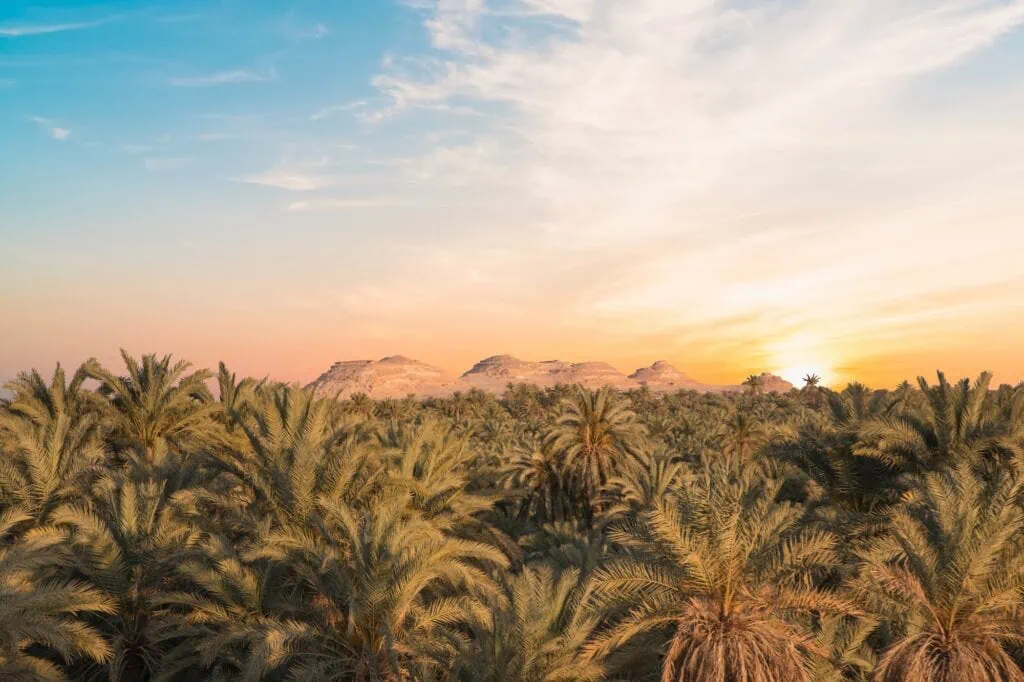
Temperature differences between the cool water and desert air create a unique microclimate around the pool. Palm trees and vegetation thrive in this small pocket, creating shade and natural beauty that contrasts dramatically with the surrounding sand dunes.
Best Times to Visit
October through April offers ideal conditions with comfortable daytime temperatures ranging from 20-25°C (68-77°F). December and January see cooler evenings dropping to 5-10°C (41-50°F), perfect for desert camping but requiring warm clothing. Summer months from May through September bring extreme heat exceeding 40°C (104°F), making outdoor activities challenging during midday hours.
We recommend visiting during the morning hours between 8:00 am (08:00) and 11:00 am (11:00) or late afternoon from 4:00 pm (16:00) until sunset. The changing light creates spectacular photography opportunities, particularly as the sun sets behind the Great Sand Sea.
Transportation and Access Options
Most visitors reach Siwa Oasis from Cairo, Alexandria, or Marsa Matrouh. The journey from Cairo takes approximately 8-9 hours by road through the Western Desert, passing through several checkpoints where security personnel verify travel documents and destination details.
Private vehicles offer the most flexibility, but desert driving requires experience with sand conditions and emergency preparedness. Our professional drivers know every kilometer of the route, carry emergency equipment, and maintain radio contact with our support team throughout the journey. Public transportation exists but involves multiple connections and irregular schedules that don’t suit most international travelers.
Entry Requirements and Guidelines
U.S. visitors need a valid passport and Egyptian tourist visa, available on arrival at Cairo International Airport for $25 USD or through Egyptian consulates before travel. European Union citizens follow similar requirements, while some nationalities qualify for visa-free entry for stays under 14 days. Check current requirements through Egyptian diplomatic missions, as policies occasionally change.
Local customs in Siwa require modest dress, even while swimming. Men typically wear shorts and shirts, while women should bring full-coverage swimwear or light clothing that covers arms and legs. The conservative Berber community appreciates respectful behavior and appropriate attire from all visitors.
The Cultural Heart of Siwa Oasis
Beyond the famous spring lies a living community with traditions spanning thousands of years, where Berber culture thrives in modern Egypt.
Siwan people speak Siwi, an unwritten Berber language distinct from Arabic. Traditional crafts include basket weaving using palm fronds, silver jewelry creation, and olive cultivation methods unchanged for generations. The community maintains strong social bonds through shared festivals, communal work projects, and ancient storytelling traditions.
Traditional Life Around the Oasis
Agriculture dominates daily life with date palm cultivation, olive groves, and small vegetable gardens sustained by natural springs throughout the depression. Families often own small plots where they grow tomatoes, onions, and herbs using traditional irrigation methods that conserve precious water resources.
Women play central roles in handicraft production, creating intricate embroidered clothing, woven baskets, and silver ornaments sold in local markets. Men typically manage agricultural work, guide services for tourists, and maintain the complex network of irrigation channels that distribute spring water across cultivated areas.
Oracle Temple and Ancient Connections
The Oracle of Amun once rivaled Delphi in importance, drawing pilgrims from across the Mediterranean world. Alexander the Great’s visit in 331 BC remains the most famous historical pilgrimage, where he supposedly received confirmation of his divine parentage. The temple ruins, built from local limestone and decorated with hieroglyphic inscriptions, sit atop a rocky outcrop overlooking the entire oasis.
Archaeological excavations continue revealing artifacts from different periods of occupation. Roman pottery, Ptolemaic coins, and ancient Greek inscriptions demonstrate the site’s international significance during antiquity.
Modern Siwa and Tourism Balance
Today’s Siwa balances traditional life with growing tourism interest. Local families run small guesthouses, restaurants serving traditional foods, and guide services that support community economics without overwhelming local infrastructure. Sustainable tourism practices help preserve both cultural traditions and natural resources while providing income opportunities for residents.
Community leaders work with tourism operators to establish guidelines protecting sensitive areas while ensuring visitors can experience authentic Siwan culture. These partnerships create mutual benefits where tourism revenue supports local development projects including school improvements, medical facilities, and infrastructure maintenance.
Natural Wonders Beyond the Famous Pool
Siwa Oasis contains numerous springs, salt lakes, and geological formations that most visitors never discover during short stays.
The Great Sand Sea Adventure
Massive sand dunes stretch westward from Siwa toward the Libyan border, creating landscapes that inspired countless desert films and adventure stories. The Great Sand Sea covers approximately 72,000 square kilometers (27,800 square miles) with dune heights reaching 140 meters (459 feet). Desert safaris explore this wilderness using specially equipped 4×4 vehicles designed for sand navigation.
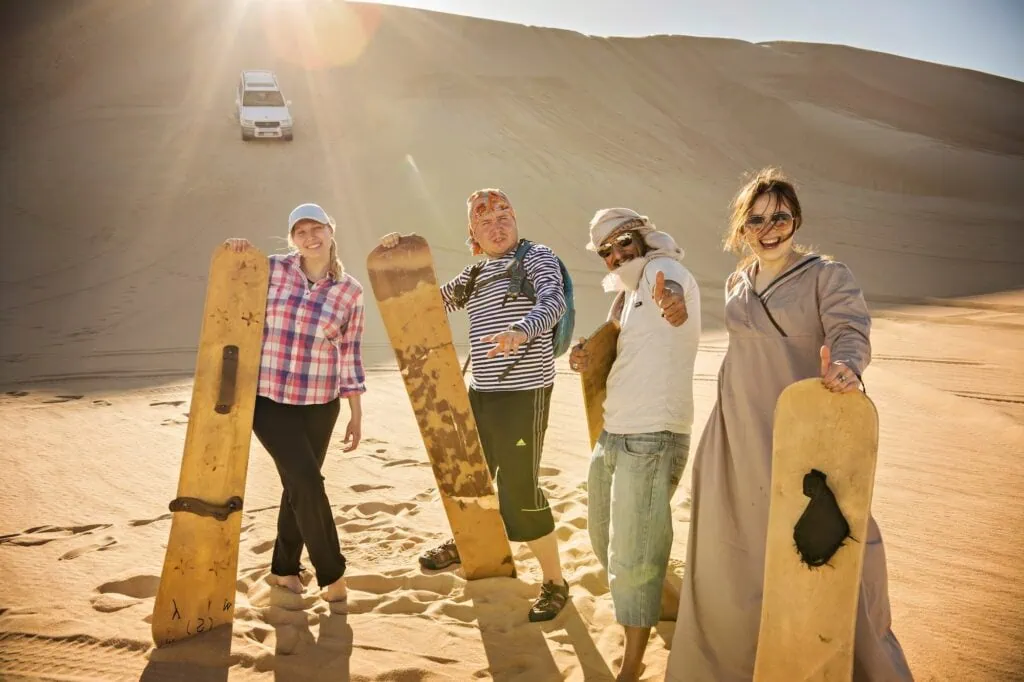
Sandboarding down steep dune faces provides thrills for adventure seekers, while sunset viewing from high dune crests offers photography opportunities rivaling any mountain vista. Night camping under unpolluted desert skies reveals star displays impossible to see in populated areas.
Hidden Springs and Secret Swimming Spots
Fatnas Island, locally called “Fantasy Island,” sits in a salt lake connected to the main oasis by a narrow causeway. Palm trees cover this small island, creating shade for picnicking while watching spectacular sunsets over the water. The salt content makes floating effortless, though swimming requires caution due to the high mineral concentration.
Bir Wahed, another natural spring about 12 kilometers (7.5 miles) from town, offers a more secluded swimming experience surrounded by sand dunes. Hot spring water here reaches 35°C (95°F), providing natural spa treatments in complete desert isolation.
Salt Lakes and Mineral Formations
Several salt lakes throughout the oasis create unique ecosystems supporting migrant bird populations during winter months. Flamingos, herons, and various duck species stop during Mediterranean migrations, creating excellent bird watching opportunities. Salt harvesting continues as a traditional industry, with families collecting and processing salt using methods passed down through generations.
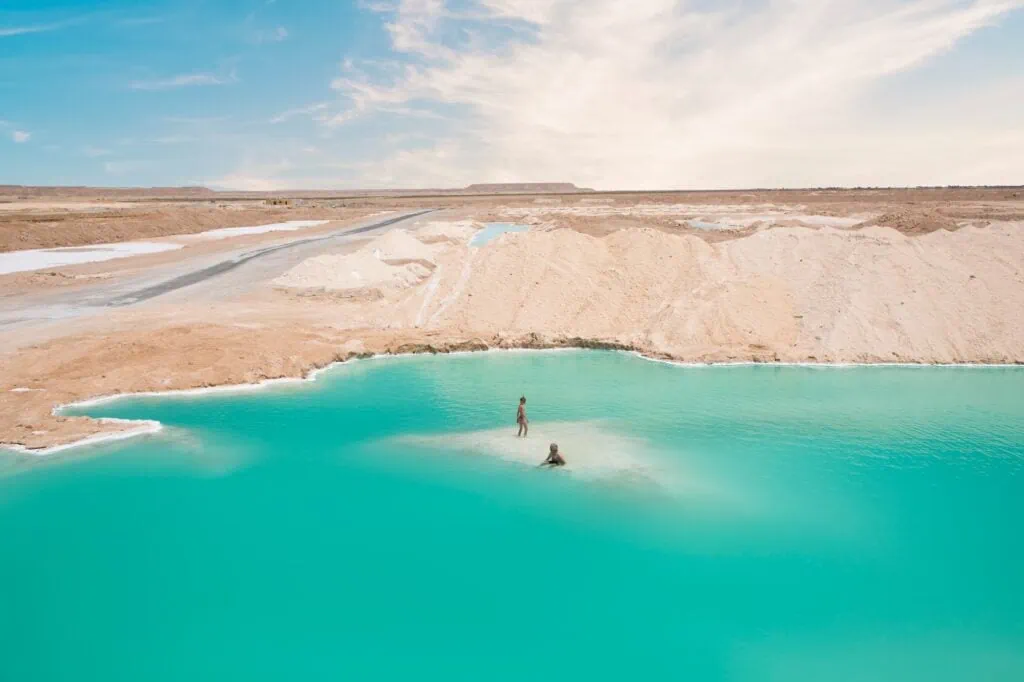
Crystalline salt formations create sculptural landscapes around lake edges, particularly beautiful during sunrise when light refracts through natural salt crystals. These formations change seasonally as water levels fluctuate and different minerals precipitate from solution.
Relax In The Timeless Waters Of Cleopatra’s Pool
Cleopatra’s Pool in Siwa offers a moment of pure calm—crystal-clear spring water surrounded by palm trees and desert serenity. With EgyptToursPlus, we turn this iconic oasis experience into part of a thoughtfully designed private journey, connecting relaxation in Siwa with Egypt’s most remarkable cultural and historical sites.
You choose when to travel, how fast to explore, and what experiences shape your itinerary. From tranquil oasis escapes to legendary landmarks and seamless travel in between, we tailor every detail around your preferences—ensuring a smooth, comfortable, and deeply personal journey.
Frequently Asked Questions
Cleopatra’s Pool in Siwa Oasis reaches approximately 3 meters (10 feet) at its deepest point, with remarkably clear spring water fed by natural underground aquifers. The circular stone pool allows strong swimmers to dive comfortably while still remaining accessible for casual bathing near the edges. Water clarity stays high because fresh mineral-rich water continuously flows through the spring rather than remaining stagnant. Visitors should use caution on the stone steps because algae and mineral deposits can make surfaces slippery.
Yes, Cleopatra’s Pool remains swimmable throughout the year because the natural spring water maintains temperatures between roughly 22°C and 26°C (72°F to 79°F). Even during Siwa’s cooler winter months from December through February, the water feels comfortable compared to surrounding desert temperatures. Summer visits are especially popular because daytime highs in Siwa often exceed 38°C (100°F). Early morning and late afternoon swims usually provide the most comfortable experience and softer lighting for photography.
Cleopatra’s Pool is located in Siwa Oasis approximately 560 km west of Cairo, with overland travel usually taking 8 to 9 hours depending on road conditions and checkpoint delays. Most visitors reach Siwa by private vehicle, organized desert tour, or long-distance bus through Egypt’s Western Desert highway network. Because of the distance, travelers typically spend at least two nights in the oasis rather than attempting a rushed visit. Overnight travel options help maximize sightseeing time upon arrival.
Historical evidence does not conclusively prove Cleopatra VII bathed in Cleopatra’s Pool, although the Ptolemaic dynasty maintained strong connections to Siwa Oasis and the nearby Oracle of Amun. The pool’s association with Cleopatra likely developed through local tradition and tourism folklore over centuries. Siwa itself held major political and spiritual importance during the Greek and Roman periods, especially after Alexander the Great visited the oracle temple in 331 BCE. The legend nevertheless remains central to the site’s identity.
Visitors to Cleopatra’s Pool should wear modest swimwear or lightweight clothing that respects Siwa’s conservative local culture and predominantly Muslim community. While international tourists commonly swim in standard bathing attire, overly revealing clothing may attract unwanted attention in smaller local areas outside major resorts. Lightweight fabrics, sandals, sunglasses, and sun protection are essential because Siwa’s desert climate produces intense sunlight for much of the year. Bringing a towel and dry clothing is also recommended for longer sightseeing days.
Yes, Cleopatra’s Pool is generally considered safe for swimming because fresh underground spring water continuously circulates through the pool, helping maintain cleanliness and visibility. The mineral-rich water remains naturally filtered and cooler than surrounding desert temperatures, which makes it popular with both visitors and local residents. Stone edges and submerged steps can become slippery from algae and mineral buildup, so careful footing is important. Swimming during quieter morning hours also provides a calmer and safer experience.
Several major Siwa attractions lie close to Cleopatra’s Pool, including the Temple of the Oracle of Amun, Siwa salt lakes, Shali Fortress, and the Great Sand Sea. The Oracle Temple, located at Aghurmi village, is especially significant because Alexander the Great reportedly visited it in 331 BCE. Visitors often combine swimming stops with desert safaris, hot springs, and sunset excursions across the dunes. Most sites sit within 10 to 30 minutes of central Siwa by vehicle or bicycle.
No, Siwa Oasis is generally too far from Cairo for a practical day trip because the journey requires roughly 16 to 18 hours of round-trip driving through the Western Desert. Most travelers spend at least 2 to 3 days exploring Siwa comfortably, allowing time for Cleopatra’s Pool, desert safaris, salt lakes, and historical sites. Overnight stays also help visitors experience Siwa’s distinctive oasis culture and slower pace. Multi-day itineraries provide significantly better value than rushed transportation-heavy schedules.
The best times to visit Cleopatra’s Pool are typically between 8:00 am and 11:00 am or after 4:00 pm when temperatures become more comfortable and crowds decrease. Midday heat in Siwa can become intense, particularly from May through September when temperatures often exceed 40°C (104°F). Early and late visits also provide softer natural lighting for photography and a more relaxed atmosphere around the spring. Sunset visits pair especially well with nearby desert and salt lake excursions.
No special permits are required for most international visitors traveling to Siwa Oasis, and a standard Egyptian tourist visa is sufficient for entry. Security checkpoints exist along the Western Desert highways, so travelers should carry passports at all times during the journey. Certain remote desert safari areas near the Libyan border may occasionally require local coordination or guide registration depending on current regulations. Organized tours simplify these logistics and transportation arrangements considerably for first-time visitors.
Entry to Cleopatra’s Pool is generally inexpensive, with admission fees commonly ranging from 20 to 50 Egyptian pounds depending on season, maintenance work, and local management policies. Small additional charges may apply for changing facilities, nearby cafés, or private seating areas surrounding the spring. Prices can fluctuate because the site operates under local tourism administration rather than a fixed national museum system. Carrying cash in small Egyptian pound denominations is recommended because card payments are uncommon.
Siwa Oasis offers accommodation ranging from traditional mud-brick guesthouses and eco-lodges to luxury desert camps and boutique resorts built using local kershef salt-and-mud architecture. Many properties emphasize sustainability, natural cooling methods, and integration with Siwan culture rather than large-scale modern hotel development. Popular lodging areas cluster near Shali Fortress and the salt lakes, providing convenient access to Cleopatra’s Pool and desert excursions. Booking ahead during winter and holiday periods is highly recommended because room inventory remains limited.
Design Your Private Western Desert Adventure
Travel with your own expert guide, private 4×4 vehicle, and a route tailored to you.