

Badr Museum – One Man’s Astonishing Gift to Farafra Oasis
Deep in Egypt’s Western Desert lies an extraordinary cultural sanctuary.
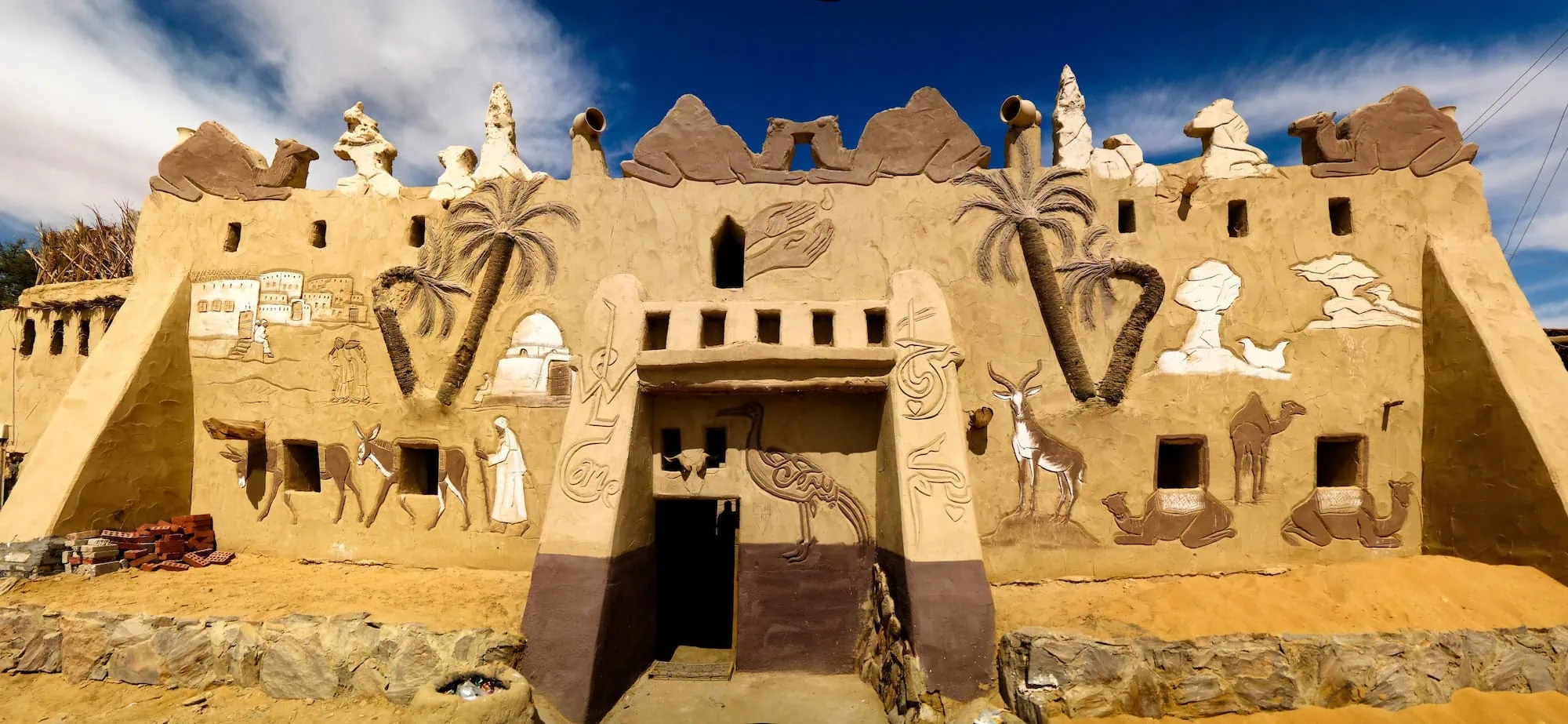
The Badr Museum stands as one of Egypt’s most unique artistic destinations, created by the visionary artist Badr Abdel Moghny in the heart of Farafra Oasis. This remarkable museum showcases traditional oasis life through innovative sculptures crafted entirely from natural desert materials – sand, mud, and stone. We’ve guided countless travelers to this hidden gem, where authentic Egyptian artistry meets the raw beauty of the Sahara landscape. The museum offers visitors an intimate glimpse into Bedouin culture and desert traditions that have endured for centuries.
Located approximately 627 km (390 miles) southwest of Cairo, this cultural oasis provides a compelling reason to venture beyond Egypt’s conventional tourist trail.
Table of Contents
The Artistic Vision Behind Badr Museum
Badr Abdel Moghny transformed his passion for preserving traditional oasis culture into Egypt’s most distinctive desert museum. Born and raised in Farafra Oasis, the artist witnessed firsthand how modernization threatened to erase centuries-old Bedouin traditions. His response was revolutionary – creating lifelike sculptures using only materials found in the surrounding desert environment.
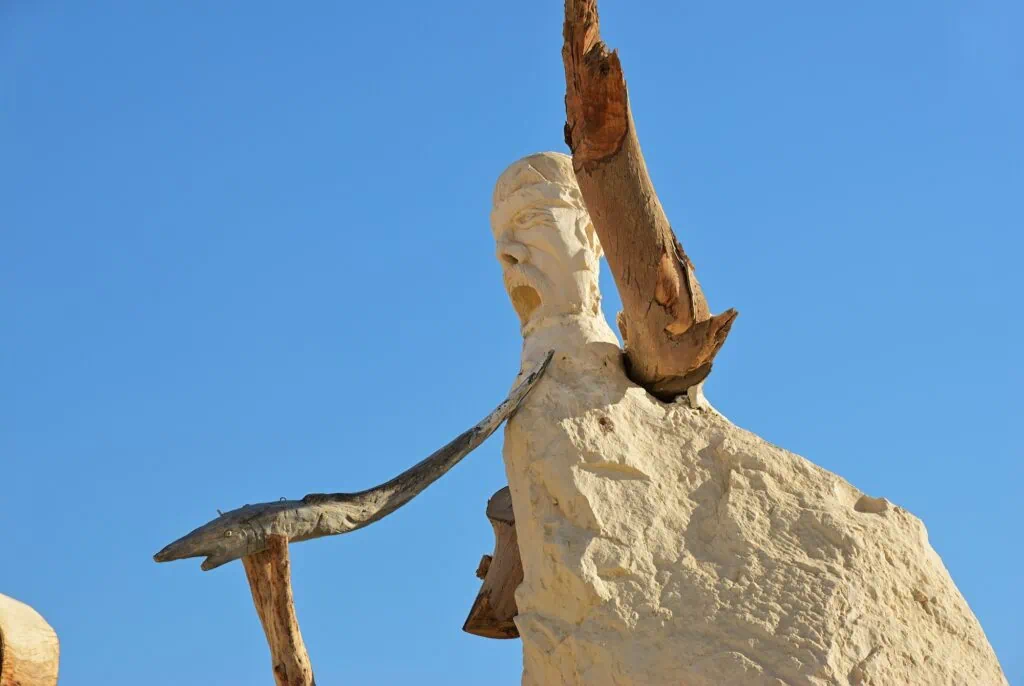
Unique Sculptural Techniques
The museum’s sculptures demonstrate masterful craftsmanship using sand, mud, and local stone. Abdel Moghny developed innovative methods to bind these natural materials, ensuring his artworks withstand the harsh desert climate. Each piece captures intricate details of traditional oasis life – from Bedouin women preparing bread to merchants leading camel caravans across ancient trade routes.
Cultural Preservation Through Art
Every sculpture tells a story of Farafra’s heritage. The artist meticulously researched traditional clothing, tools, and daily activities before creating each piece. Visitors encounter scenes of date harvesting, weaving, pottery making, and desert navigation techniques passed down through generations. This artistic documentation serves as a living archive of Western Desert culture.
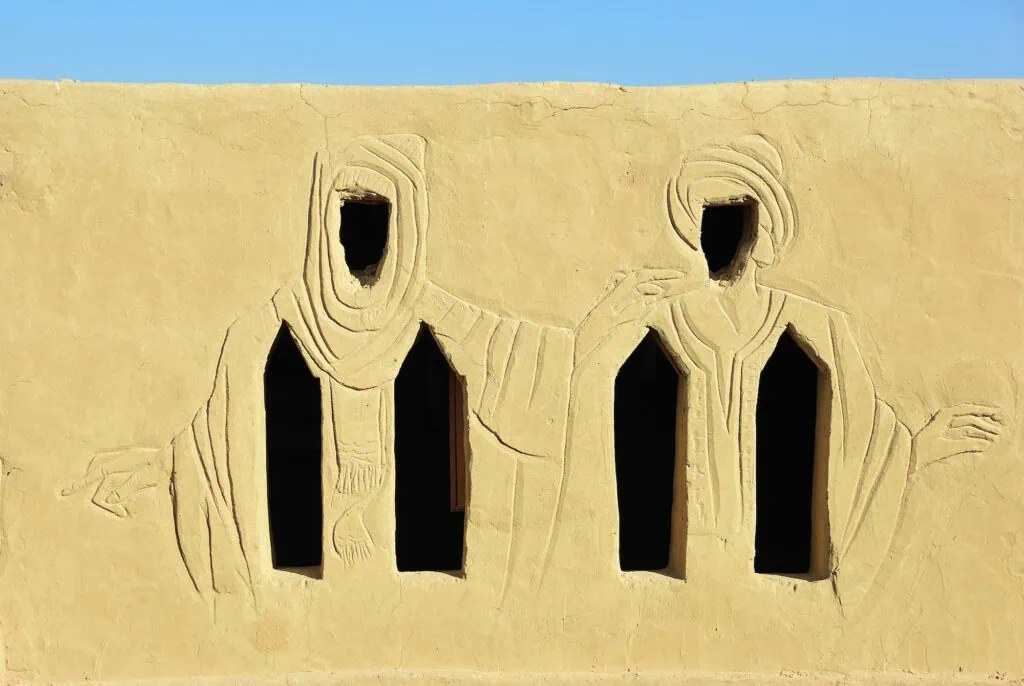
International Recognition
The museum has earned acclaim from art critics and cultural preservationists worldwide. International visitors frequently describe their experience as transformative, gaining deep appreciation for Egypt’s desert communities. The unique approach to cultural preservation through indigenous materials has inspired similar projects across North Africa.
Exploring the Museum’s Collections
Walking through Badr Museum feels like stepping into a three-dimensional history book. The collection spans multiple rooms, each dedicated to different aspects of traditional oasis life.
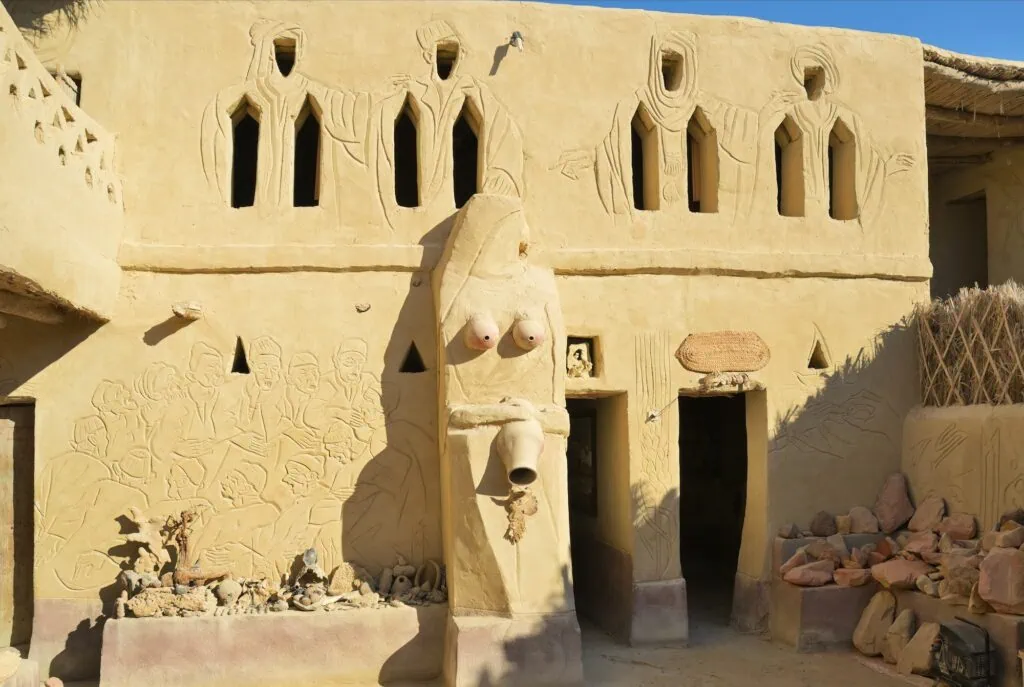
The main gallery houses the most impressive sculptures – life-sized figures depicting daily activities in remarkable detail. Women grind grain using traditional stone mills while children play ancient desert games. Men tend to date palms and repair irrigation channels that have sustained Farafra Oasis for millennia. The expressions on each sculpted face convey genuine emotion, bringing these historical scenes to vivid life.
Traditional Desert Architecture
Several sculptures showcase traditional building techniques used in Western Desert settlements. Visitors learn how ancient inhabitants constructed homes using palm fronds, mud bricks, and stone foundations. These architectural displays reveal ingenious methods for creating comfortable living spaces despite extreme desert conditions. The museum itself exemplifies these principles, maintaining cool interior temperatures naturally.
Agricultural Heritage
Farafra Oasis has supported agriculture for thousands of years through sophisticated irrigation systems. The museum’s agricultural displays demonstrate how desert communities cultivated dates, vegetables, and grains in seemingly impossible conditions. Sculptural scenes show farmers managing water distribution, harvesting crops, and processing food for long-term storage.
Planning Your Visit to Farafra Oasis
The journey to Badr Museum rewards adventurous travelers with unforgettable experiences. Farafra Oasis serves as an excellent base for exploring multiple Western Desert attractions, including the famous White Desert National Park located just 45 km (28 miles) north.
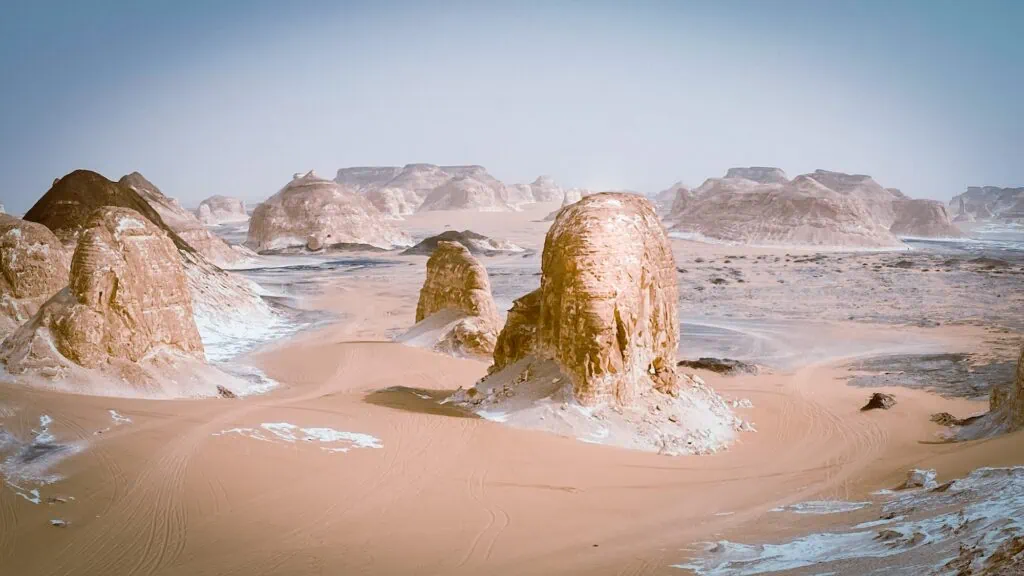
We recommend allocating 2-3 hours for your museum visit to fully appreciate the artistic craftsmanship and cultural significance. The best photography light occurs during early morning or late afternoon when desert shadows enhance the sculptural details. Most visitors combine their museum trip with overnight desert camping or a visit to nearby hot springs.
Transportation requires careful planning since public transport to Farafra Oasis is limited. We arrange private vehicles with experienced desert drivers who know the challenging routes through Egypt’s Western Desert. The road conditions can be demanding, making professional guidance essential for a safe and comfortable journey.
Optimal Visiting Seasons
Desert weather significantly impacts your museum experience. Winter months (November through March) offer the most comfortable temperatures, ranging from 20°C to 25°C (68°F to 77°F) during the day. Summer visits require early morning arrivals due to extreme heat that can exceed 45°C (113°F). Spring and autumn provide excellent middle-ground conditions for extended exploration.
Accommodation Options
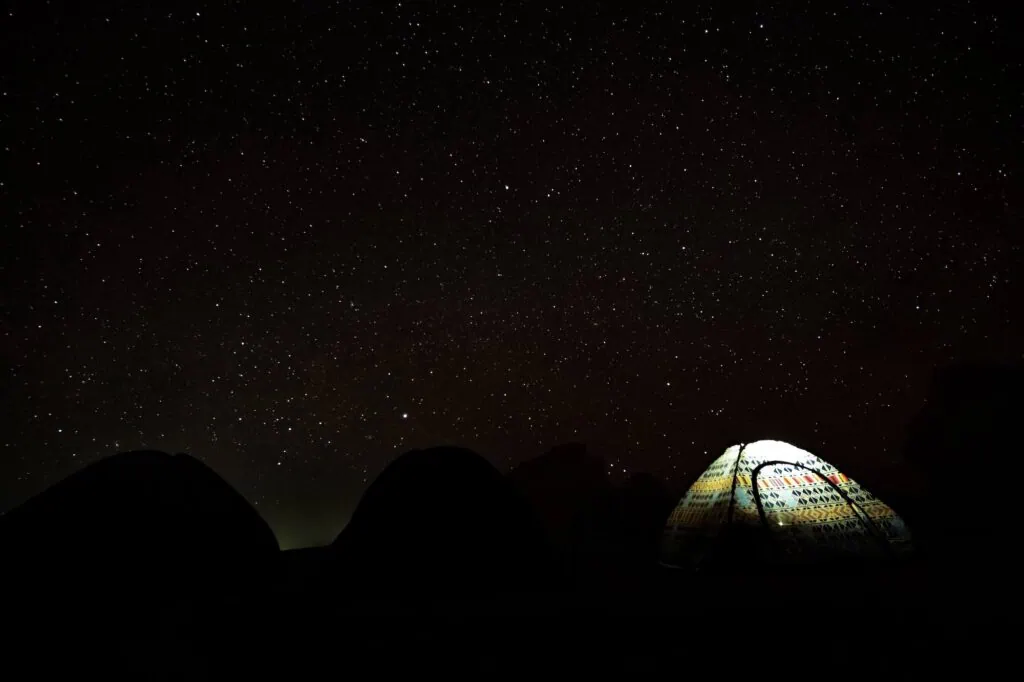
Farafra Oasis offers several accommodation choices, from traditional guesthouses to eco-lodges designed for desert tourism. Many visitors prefer staying overnight to experience the spectacular star-filled skies that make the Sahara famous. We can arrange authentic desert camping experiences complete with Bedouin-style meals and traditional music around evening campfires.
The Broader Cultural Context
Badr Museum represents a growing movement to preserve Egypt’s diverse cultural heritage beyond the pharaonic monuments. The Western Desert contains numerous archaeological sites and living communities that maintain ancient traditions despite modern pressures.
Connection to Ancient Trade Routes
Farafra Oasis historically served as a crucial stop along trans-Saharan trade routes. Caravans carrying goods between the Nile Valley and West Africa regularly resupplied in this fertile desert sanctuary. The museum’s trade-related sculptures capture this commercial heritage, showing merchants, camels, and the exchange of goods that sustained desert communities for centuries.
Environmental Harmony
The museum’s artistic philosophy emphasizes humanity’s relationship with harsh natural environments. Sculptures demonstrate how desert inhabitants developed sustainable practices long before environmental consciousness became mainstream. Traditional water conservation, solar cooking methods, and seasonal migration patterns revealed through the artwork offer valuable lessons for modern desert communities.
Artistic Innovation Within Tradition
While deeply rooted in cultural preservation, Badr Abdel Moghny’s work represents genuine artistic innovation. His techniques for creating durable sculptures from ephemeral desert materials required years of experimentation. The results challenge conventional boundaries between fine art and ethnographic documentation, creating a unique artistic category that serves both aesthetic and educational purposes.
Combining Museum Visits with Desert Adventures
The remote location of Badr Museum creates opportunities for comprehensive Western Desert exploration. We design multi-day itineraries that combine cultural experiences with natural wonders, maximizing your investment in reaching this distant destination.
White Desert National Park
The surreal limestone formations of White Desert National Park provide a stark contrast to the museum’s cultural focus. These wind-sculpted rocks create otherworldly landscapes that photographers and adventure seekers find irresistible. Many visitors describe the transition from artistic sculptures to natural sculptures as profoundly moving, highlighting the creative power present throughout Egypt’s desert regions.
Crystal Mountain and Agabat Valley
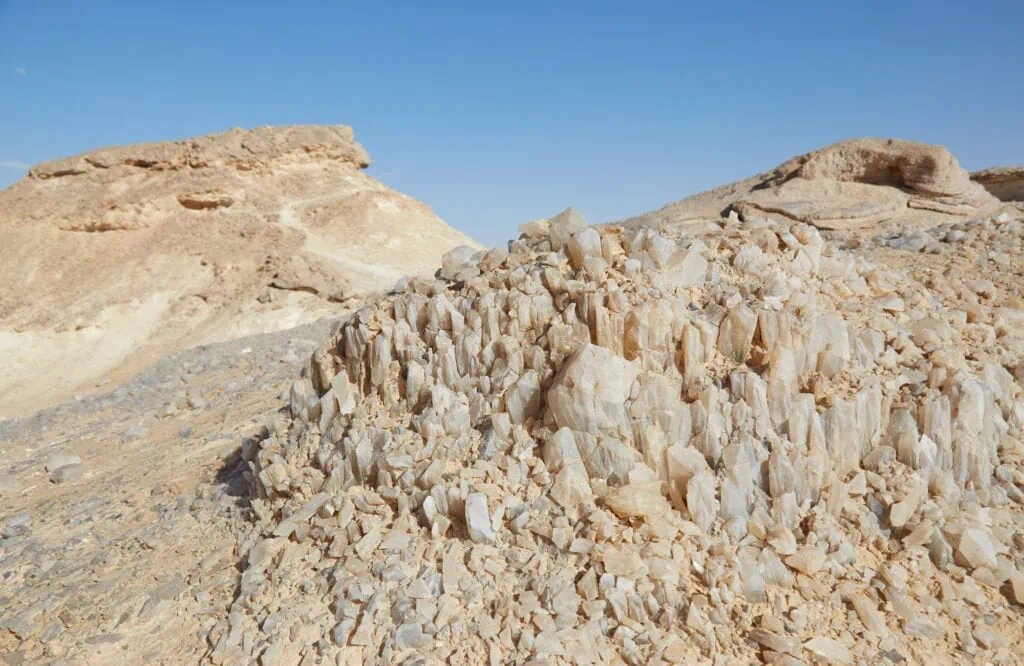
Additional geological attractions within reasonable distance include Crystal Mountain, where ancient marine fossils create sparkling formations, and Agabat Valley, known for dramatic sandstone cliffs. These natural monuments complement the museum’s human-focused narratives, creating a complete picture of desert life encompassing both cultural and environmental elements.
Hot Springs and Desert Wellness
Farafra Oasis features several natural hot springs believed to have therapeutic properties. Local communities have used these mineral-rich waters for healing purposes for generations. We arrange visits to authentic springs away from commercialized developments, allowing genuine relaxation in pristine desert settings.
Practical Information for International Visitors
Visa Requirements
U.S. visitors need a tourist visa obtainable upon arrival at Cairo International Airport for $25 USD or through the Egyptian e-visa system before travel. European Union citizens follow the same procedures, while visitors from some Latin American countries may require advance visa applications through Egyptian consulates. We provide detailed visa guidance based on your nationality during trip planning.
Currency and Costs
Museum entrance fees are modest, typically around 50 Egyptian Pounds (approximately $1.60 USD). Local guides may request additional fees for detailed explanations, though the museum’s visual nature makes guided tours helpful rather than essential. We recommend bringing Egyptian currency since credit card acceptance in remote desert locations is limited.
Health and Safety Considerations
Desert travel requires specific health preparations. We advise bringing sunscreen (SPF 30 minimum), wide-brimmed hats, and plenty of water. The extremely dry climate can cause dehydration more quickly than anticipated. Our professional drivers carry emergency supplies and maintain communication with local authorities throughout desert journeys.
Photography Guidelines
The museum welcomes photography for personal use, though flash photography may damage some delicate sculptures. Natural lighting through the museum’s windows provides excellent illumination for capturing artistic details. Respectful photography of local communities in Farafra Oasis is generally appreciated, though asking permission demonstrates cultural sensitivity.
Experience Art And Identity At Badr Museum
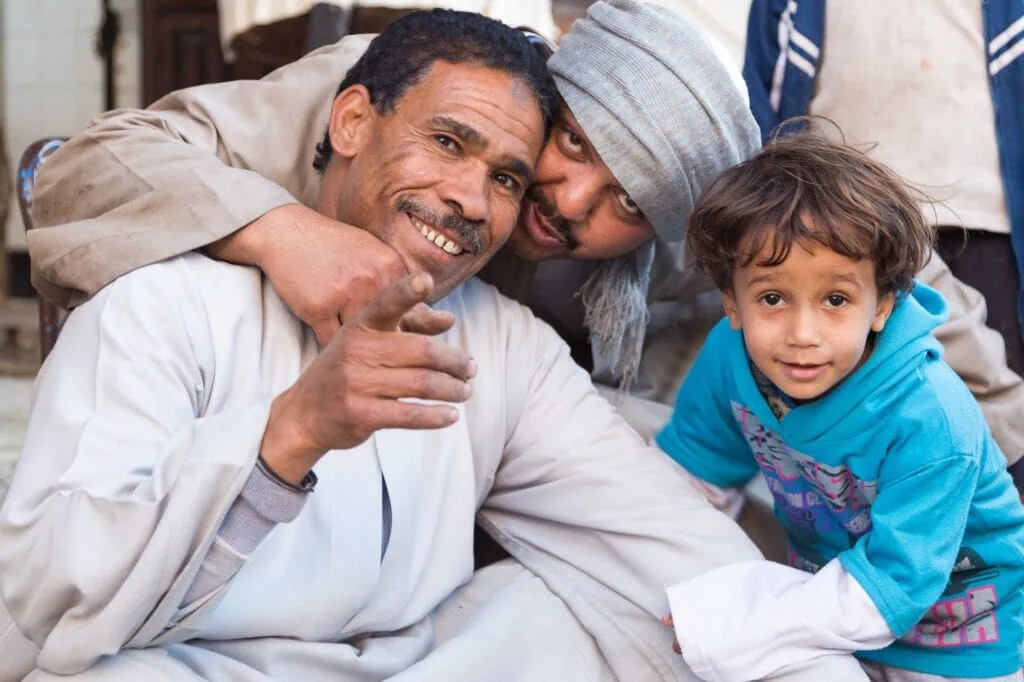
Badr Museum offers a deeply personal window into Egypt’s artistic soul—where one artist’s vision brings local culture, emotion, and tradition vividly to life. With EgyptToursPlus, we incorporate this distinctive cultural stop into a private journey that blends meaningful encounters with Egypt’s most iconic and inspiring destinations.
You choose your travel dates, set your pace, and design your route exactly as you imagine it. From cultural immersion to desert landscapes and refined comfort along the way, we tailor every detail to your preferences—ensuring a seamless, well-crafted, and truly personal travel experience.
Frequently Asked Questions
Reaching Badr Museum from Cairo typically takes 6 to 7 hours by road, covering approximately 630 km through Egypt’s Western Desert toward Farafra Oasis. Most travelers combine the journey with overnight stays because the route also passes major desert attractions such as Bahariya Oasis and the White Desert National Park. Road conditions are generally good on the main highways, but distances between services are significant. Early morning departures help travelers avoid midday desert heat and maximize sightseeing time.
Yes, Badr Museum is well suited for children because its colorful visual storytelling, handcrafted sculptures, and immersive desert themes engage younger visitors more effectively than text-heavy museums. Artist Badr Abdel Moghny designed the museum using painted mud-brick architecture, life-sized figures, and scenes from oasis life that children can easily interpret visually. The compact layout also makes visits manageable for families with shorter attention spans. Pairing the museum with a White Desert excursion creates a balanced cultural and outdoor experience for families.
Arabic is the primary language spoken at Badr Museum, although many guides and local staff can communicate basic to intermediate English with international visitors. Travelers visiting Farafra Oasis often rely on tour guides for deeper explanations about the artwork, symbolism, and oasis traditions represented throughout the museum. Because the museum focuses heavily on local culture and oral storytelling, guided interpretation significantly improves the experience. Private tours arranged through Egypt Tours Plus typically include English-speaking desert guides and drivers.
Yes, independent visits to Badr Museum are possible, but most travelers choose organized transport because Farafra Oasis lies deep within Egypt’s Western Desert with long stretches between towns and limited public transportation. The museum sits near White Desert tourism routes, approximately 50 km from key desert camping areas. Guided trips simplify navigation, security checkpoints, and accommodation logistics while allowing travelers to combine cultural and natural attractions efficiently. Self-driving visitors should prepare carefully for fuel availability and desert road conditions.
Visitors should wear lightweight, breathable clothing that covers arms and legs, along with comfortable walking shoes, sunglasses, and sun protection suitable for desert conditions. Farafra Oasis temperatures regularly exceed 35°C (95°F) outside winter months, and the museum’s outdoor courtyards expose visitors to direct sun for much of the day. Neutral or light-colored fabrics help reduce heat absorption during long desert drives and sightseeing stops. Closed-toe shoes are preferable because desert sand and rocky ground surround many nearby attractions.
Yes, Farafra Oasis contains several small local restaurants and cafés serving traditional Egyptian dishes such as grilled chicken, rice, lentils, falafel, and fresh flatbread. Dining options remain modest compared to Cairo or Luxor because Farafra is a remote oasis community with a relatively small permanent population. Many desert tour itineraries also include meals prepared at eco-lodges or desert camps near White Desert National Park. Travelers with dietary restrictions should notify guides in advance because ingredient variety can be limited.
Badr Museum differs from most Egyptian museums because it focuses on contemporary oasis culture and folk art rather than pharaonic antiquities or royal collections. Created by local artist Badr Abdel Moghny in Farafra Oasis, the museum blends painted architecture, handmade sculptures, and environmental art directly into the desert landscape. Unlike large institutions such as the Egyptian Museum in Cairo, this experience feels highly personal and community-centered. Visitors interested in modern Egyptian identity and rural traditions often find it especially memorable.
The best way to combine Badr Museum with the White Desert is through a 2 to 3 day Western Desert itinerary including Farafra Oasis, Black Desert, Crystal Mountain, and overnight camping. The museum lies conveniently near the main White Desert access route, making it a logical cultural stop before or after desert excursions. Travelers typically spend 1 to 2 hours at the museum and continue toward camping areas before sunset. Winter and early spring provide the most comfortable temperatures for combined itineraries.
Advance booking is not strictly required for Badr Museum itself, but arranging transportation, desert permits, and overnight accommodations ahead of time is strongly recommended. Farafra Oasis has limited lodging capacity compared to Egypt’s major tourist cities, particularly during the October to March desert travel season. Organized tours also coordinate entry timing with White Desert excursions and security checkpoint procedures across the Western Desert highways. Booking several days ahead improves vehicle availability and guide selection for private trips.
Badr Museum stands out because it combines innovative desert art, authentic oasis culture, and one of Egypt’s most remote landscapes into a single experience unavailable elsewhere in the country. The museum’s handmade sculptures, murals, and mud-brick structures reflect daily life in Farafra Oasis rather than ancient royal history, giving travelers a rare perspective on modern desert communities. Its location near White Desert National Park also transforms the journey into a broader Western Desert adventure rather than a standalone museum stop.
Design Your Private Western Desert Adventure
Travel with your own expert guide, private 4×4 vehicle, and a route tailored to you.