Is Egypt Safe for American Tourists?
Safety concerns shouldn’t stop you from experiencing Egypt. Recent data shows that thousands of American tourists visit Egypt safely each year, with the vast majority encountering only minor inconveniences rather than serious safety issues.
While the U.S. State Department maintains its advisory to “exercise increased caution,” Egypt’s tourism infrastructure has significantly improved, and most crimes against foreigners are opportunistic rather than violent. Understanding the real risks, knowing which areas to avoid, and taking proper precautions allows American travelers to explore this incredible destination confidently.
Our decades of experience guiding American visitors through Egypt have shown us that informed travelers consistently have safe, memorable experiences when they follow practical safety guidelines.
Table of Contents
Understanding Egypt’s Current Safety Landscape
Egypt’s security situation has stabilized considerably since 2014, with government authorities implementing comprehensive measures to protect tourist areas. The Egyptian military and police maintain a visible presence around major attractions, hotels, and tourist zones, creating multiple layers of protection for visitors.
Tourism represents a vital economic pillar for Egypt, generating billions in revenue annually. This economic importance drives significant government investment in tourist safety infrastructure. You’ll notice armed security at entrances to archaeological sites, metal detectors at hotels, and regular patrols in areas frequented by international visitors.
Comparing Egypt’s Safety to Popular Destinations
Egypt consistently ranks safer than many popular international destinations when examining actual crime statistics affecting tourists. Countries like Mexico, Jamaica, and even parts of the United States record higher rates of tourist-targeted crime than Egypt’s main tourism zones.
The most common issues American tourists face in Egypt involve harassment by vendors, minor scams, and occasional petty theft – problems you’d encounter in many major tourist destinations worldwide. Violent crime against tourists remains extremely rare, with most incidents involving disputes between locals rather than targeting foreigners.
Official Government Perspectives
The U.S. State Department’s current advisory focuses primarily on terrorism risks and civil unrest potential rather than everyday safety concerns. Their guidance reflects diplomatic caution rather than imminent danger for tourists following standard precautions.
Egyptian authorities work closely with international security agencies to monitor potential threats. Tourist police units receive specialized training in assisting foreign visitors and operate specifically in areas where Americans typically travel. These dedicated units speak multiple languages and understand cultural differences that might cause confusion.
Regional Security Variations
Northern Egypt, including Cairo, Alexandria, and the Nile Delta, maintains the highest security presence. Tourist areas in these regions benefit from enhanced surveillance and rapid response capabilities. Southern Egypt, particularly around Luxor and Aswan, also enjoys strong security measures due to heavy tourist traffic.
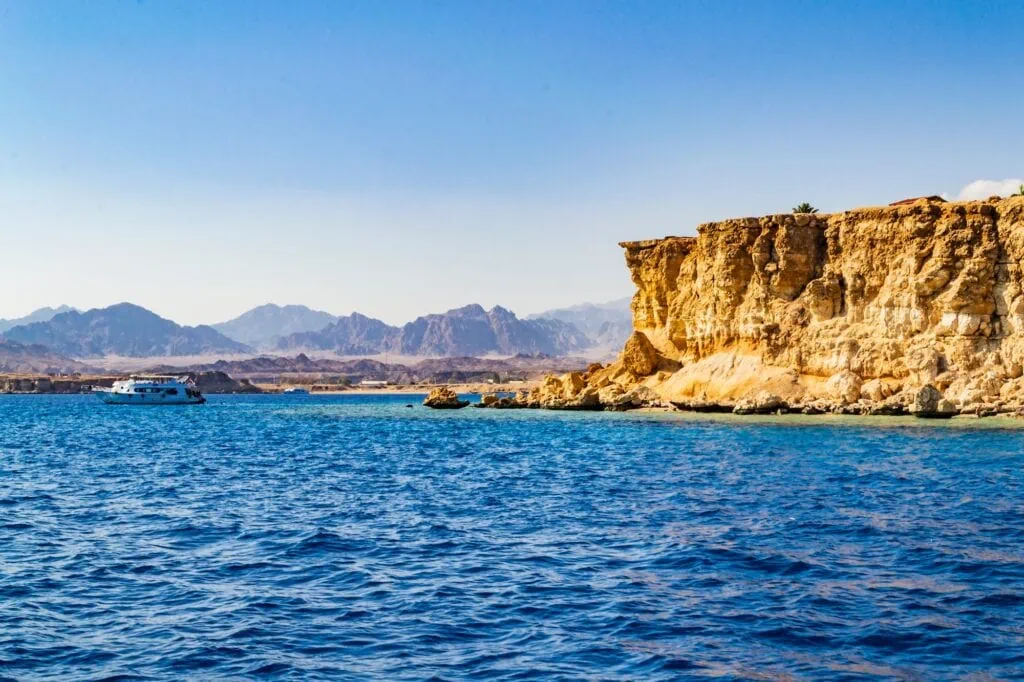
The Red Sea coast, including Sharm El Sheikh and Hurghada, operates under special security protocols given the concentration of international visitors. Resort areas employ private security alongside government forces, creating additional protective layers.
Areas to Avoid and Safe Tourist Zones
Certain regions require extra caution while others welcome American tourists with minimal risk concerns. The Sinai Peninsula, excluding resort areas like Sharm El Sheikh, faces ongoing security challenges. The U.S. State Department specifically advises against travel to North Sinai and recommends extreme caution in other Sinai regions.
Border areas with Gaza and Libya also present elevated risks that most tour operators avoid entirely. Western Desert regions near Libya require special permits and experienced guides. Independent travel to these areas isn’t recommended for American tourists without proper security arrangements. Similarly, some remote areas of Upper Egypt away from established tourist routes may lack adequate security infrastructure.
Prime Safe Zones for American Visitors
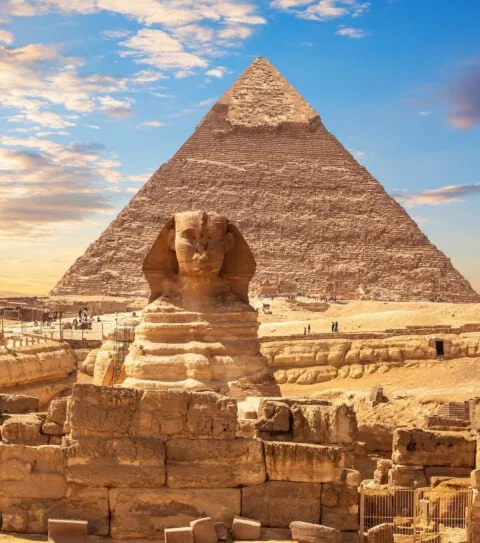
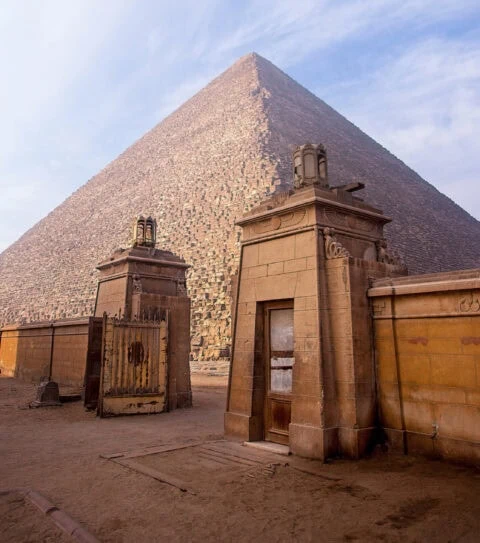
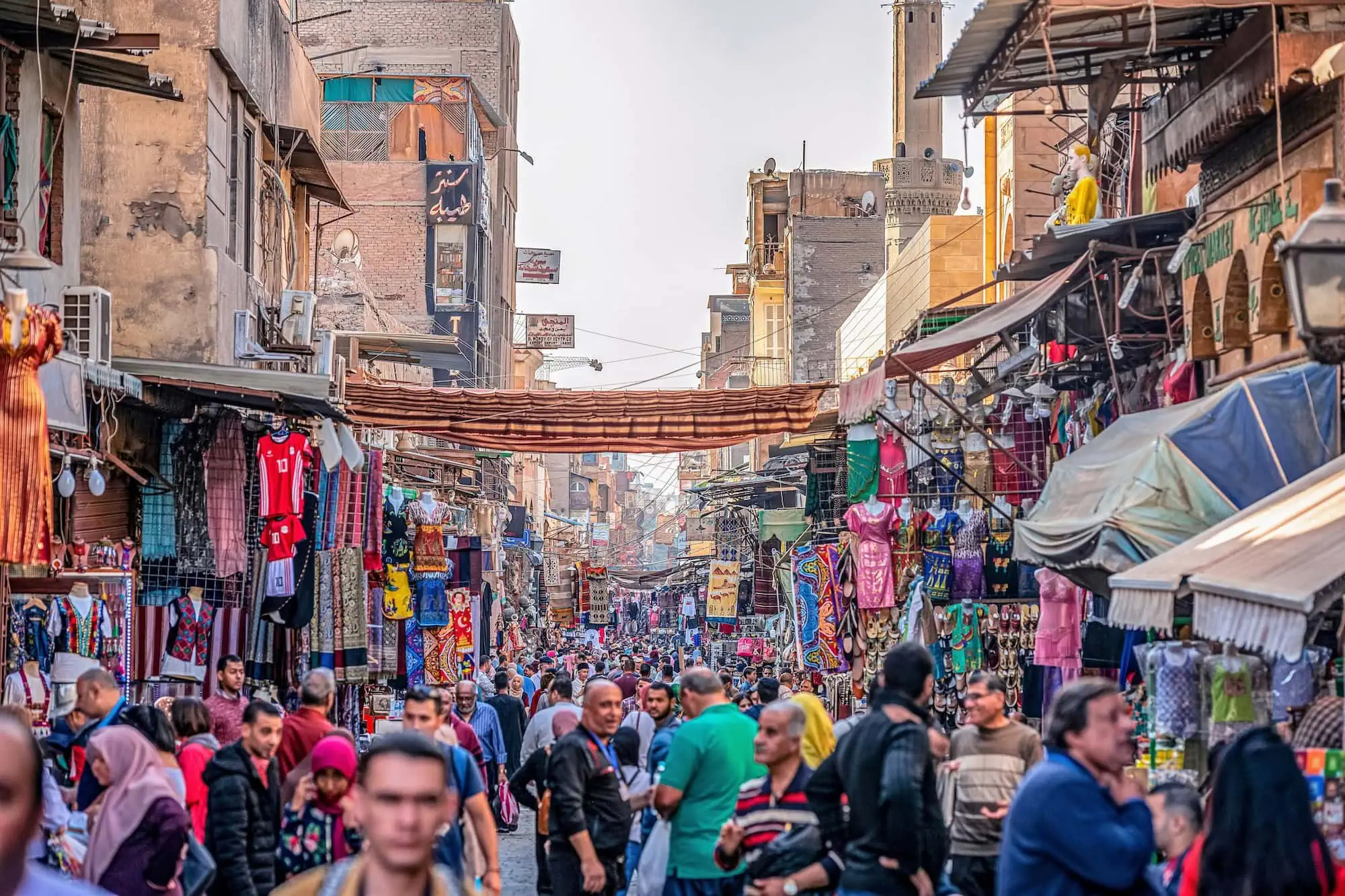
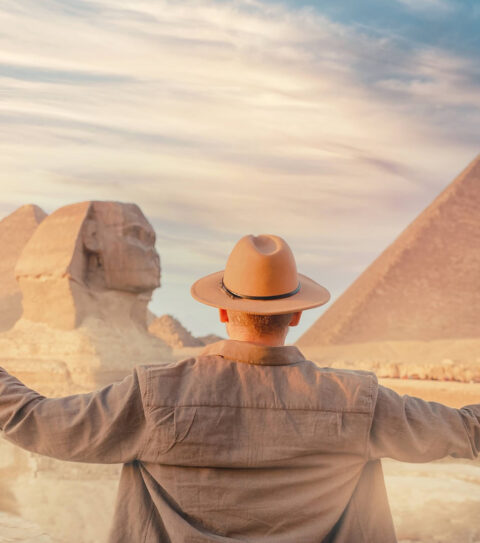
Cairo’s tourist district, including areas around the Egyptian Museum, Khan El Khalili bazaar, and major hotels, maintains constant security presence. The Giza pyramid complex operates under special protection protocols with dedicated tourist police and controlled access points.
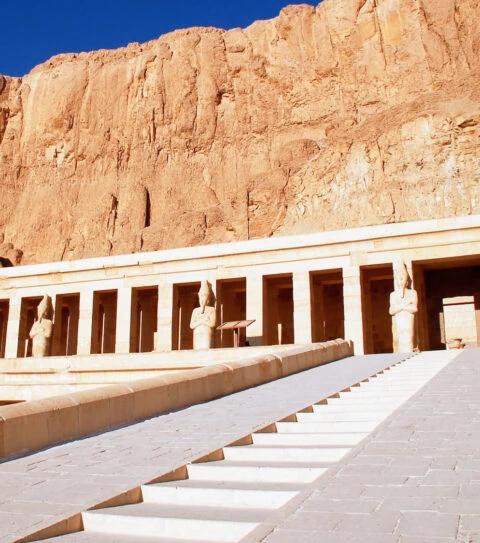
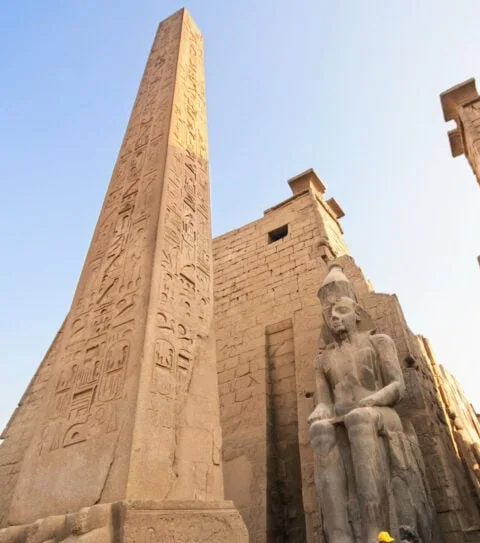
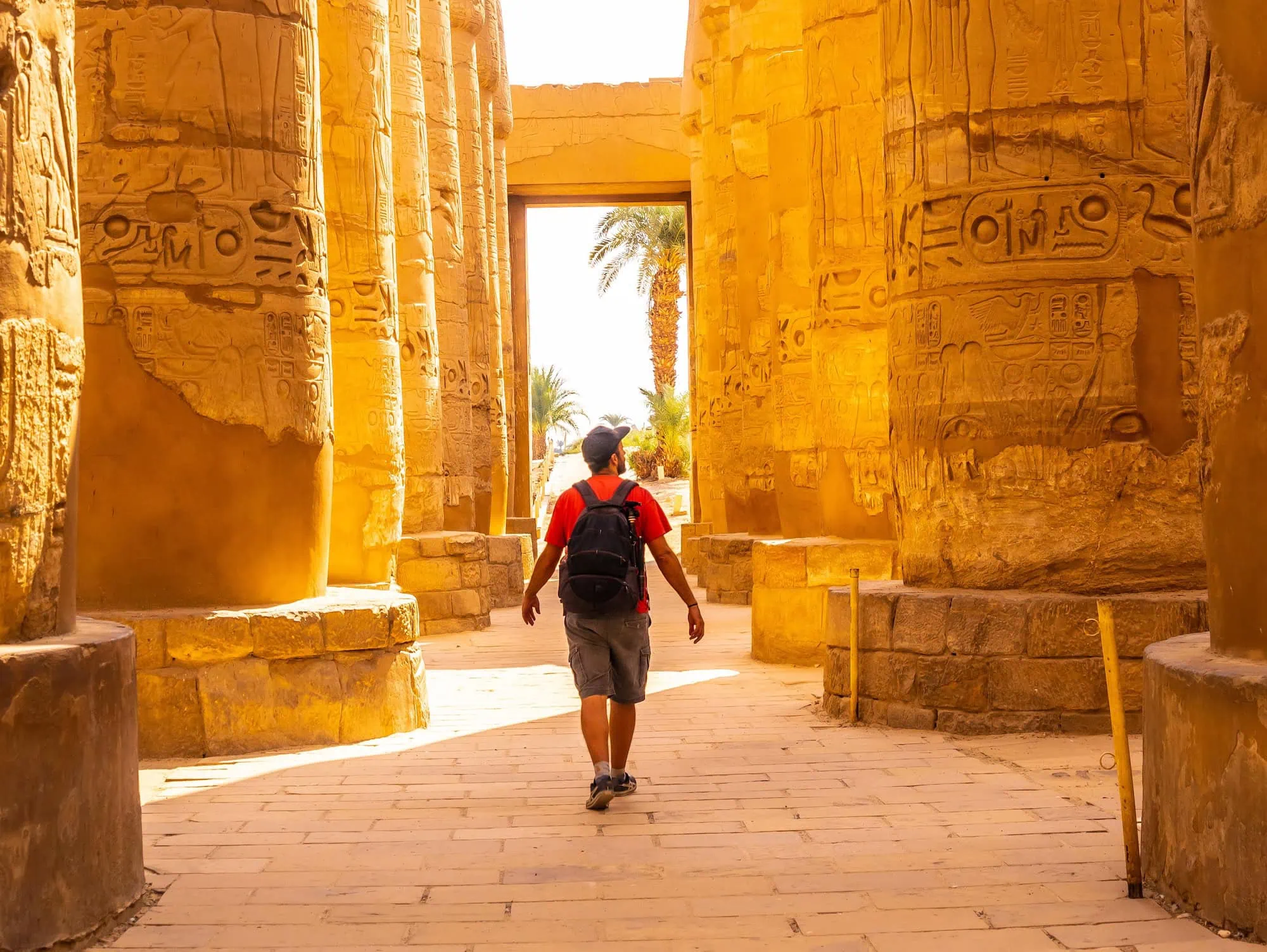
Luxor’s east and west banks, home to the Valley of the Kings and Karnak Temple, benefit from extensive security measures. Authorities recognize these sites’ global significance and maintain appropriate protection levels. Similarly, Aswan and its surrounding archaeological sites receive priority security attention.
Red Sea resort destinations like Hurghada and Marsa Alam operate under tourism-focused security frameworks. These areas see regular international flights and maintain infrastructure specifically designed for American and European visitors.
Nile River Cruise Safety
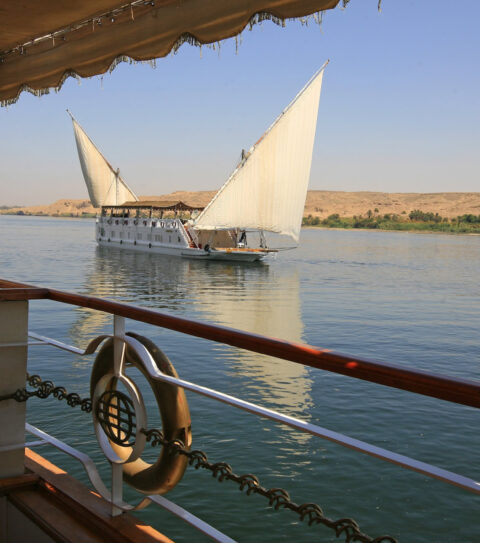
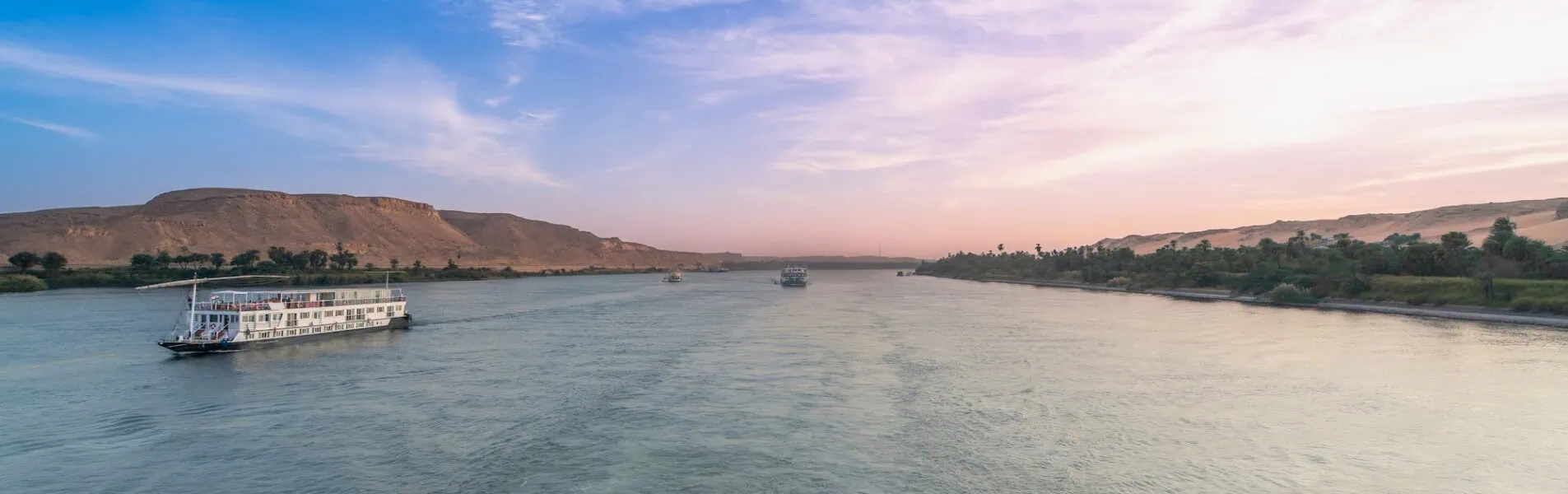
Nile River Cruise Vacations between Luxor and Aswan follow heavily monitored routes with established security checkpoints. Cruise operators work directly with Egyptian authorities to ensure passenger safety throughout the journey. The river route itself passes through well-controlled territory with minimal security concerns.

Modern cruise vessels employ trained security personnel and maintain communication with shore-based authorities. Medical facilities aboard ships can handle common health issues, while serious emergencies can access evacuation procedures to proper medical facilities.
Common Safety Challenges and Prevention
Harassment and persistent selling represent the most frequent complaints from American tourists visiting Egypt. Vendors, particularly around major attractions, often employ aggressive tactics to attract customers.
Managing Street Harassment Effectively
Confidence and firm politeness work better than anger when dealing with persistent vendors. A clear “no, thank you” in English, followed by purposeful walking, typically ends most interactions. Avoid engaging in extended conversations unless you’re genuinely interested in purchasing something.
Female travelers may experience additional attention, though this rarely escalates beyond verbal harassment. Dressing conservatively and traveling with companions reduces unwanted attention significantly. Many American women find that local customs regarding modest dress actually provide comfort and respect from local communities.
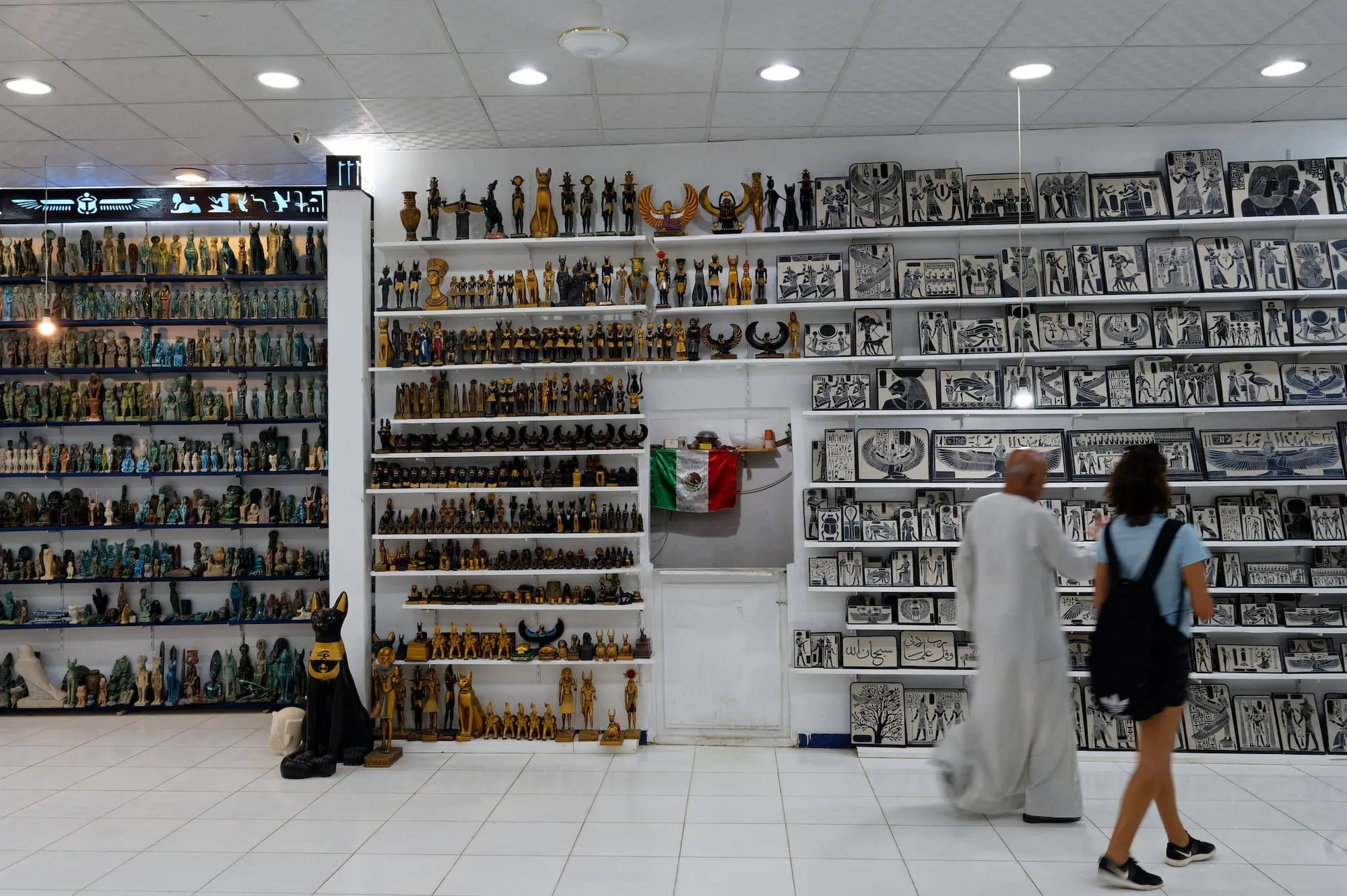
Tour guides serve as effective buffers against harassment since vendors recognize their professional relationships with tourists. Independent travelers should consider hiring guides for busy markets or crowded archaeological sites where harassment tends to peak.
Preventing Common Scams
Phone and camera theft occurs most frequently in crowded areas like markets and public transportation. Keep expensive electronics secure and avoid displaying valuable items unnecessarily. Pickpocketing happens but remains less common than in many European tourist destinations.
Overcharging represents a more prevalent issue than theft. Restaurants, taxi drivers, and vendors often quote inflated prices to foreign tourists. Research standard prices beforehand and don’t hesitate to negotiate or walk away from unreasonable offers.
Fake police officers occasionally attempt to intimidate tourists into paying unauthorized fines. Real Egyptian police carry proper identification and work through official channels. If approached by someone claiming police authority, ask to see identification and request to go to an official police station.
Transportation Safety Considerations
Cairo traffic presents genuine safety challenges that require attention and caution. Crossing streets demands extreme care since traffic laws are interpreted flexibly. Many Americans find taxi rides nerve-wracking due to aggressive driving styles, though accidents involving tourists remain statistically uncommon.
Professional tour operators provide experienced drivers who understand both local traffic patterns and tourist comfort levels. These drivers receive training in defensive driving techniques and maintain vehicles to higher safety standards than typical local options.
Domestic flights within Egypt operate to international safety standards with modern aircraft and experienced crews. Airlines like EgyptAir maintain good safety records and serve routes between major tourist destinations reliably.
Health and Medical Safety Considerations
Egypt’s climate and environment present specific health challenges that Americans should prepare for before arrival. Water quality varies significantly between tourist areas and local communities. Bottled water remains the safest option throughout your visit, while ice in drinks should come from reputable establishments only.
Most hotels and restaurants catering to international visitors use filtered or bottled water for cooking and ice production.
Managing Climate-Related Health Issues
Desert climate causes rapid dehydration, especially during summer months when temperatures exceed 40°C (104°F). Americans accustomed to humid climates often underestimate fluid needs in dry desert air. Drink water consistently throughout the day rather than waiting until you feel thirsty.
Sun exposure intensity increases due to minimal cloud cover and reflection from sand and stone surfaces. Sunscreen with high SPF ratings becomes essential, along with protective clothing and wide-brimmed hats during outdoor sightseeing.
Heat exhaustion affects tourists who attempt too much activity during peak temperature hours. Plan intensive sightseeing for early morning or late afternoon, with rest periods in air-conditioned spaces during midday heat.
Medical Infrastructure and Services
Major tourist destinations offer medical facilities with English-speaking staff and modern equipment. Cairo, Alexandria, Luxor, and Red Sea resorts maintain hospitals capable of handling serious medical emergencies and providing evacuation services if necessary.
Travel insurance with medical coverage becomes particularly important when visiting Egypt. Ensure your policy covers emergency evacuation, as specialized medical treatments may require transport to facilities in Cairo or abroad.
Pharmacies in tourist areas stock common medications and can provide basic remedies for traveler’s diarrhea, headaches, and minor ailments. Pharmacists often speak English and can recommend appropriate treatments for common tourist health issues.
Cultural Safety and Respectful Travel
Understanding Egyptian cultural norms enhances both safety and enjoyment during your visit. Conservative dress codes apply throughout Egypt, particularly when visiting religious sites or traditional communities. American tourists who dress modestly find themselves welcomed more warmly and experience less harassment from locals.
This applies to both men and women, though women face stricter expectations.
Religious Site Protocols
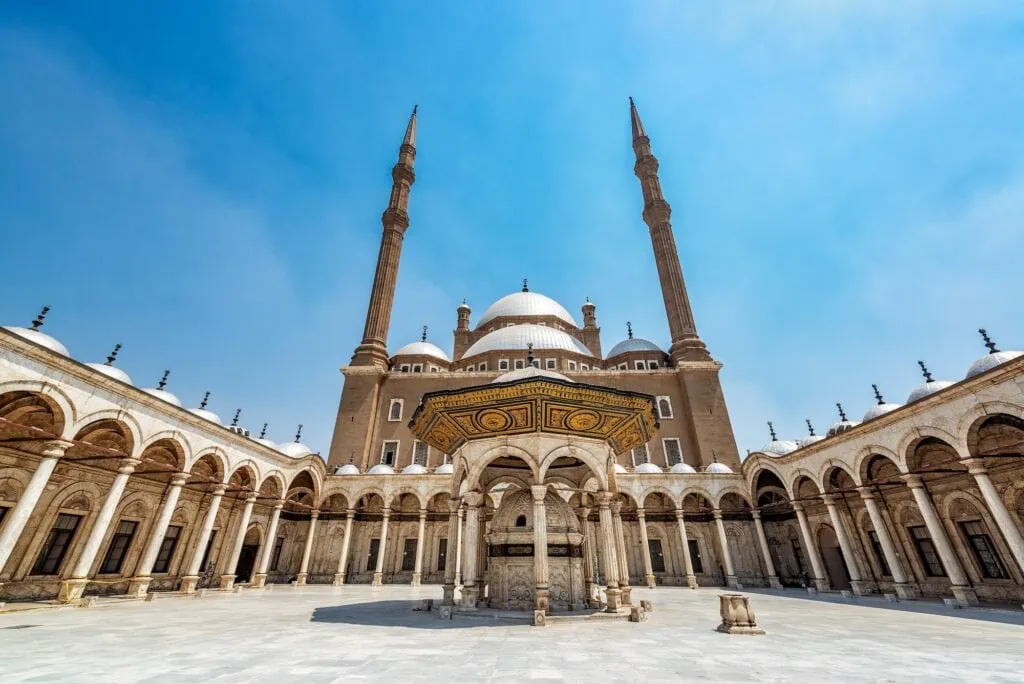
Mosques require specific dress codes and behavior guidelines that American tourists should understand before visiting. Women must cover arms, legs, and hair, while men should wear long pants and shirts with sleeves. Some mosques provide covering garments for tourists who arrive unprepared.
Photography restrictions apply to many religious and archaeological sites. Always ask permission before photographing people, especially women or religious figures. Some sites prohibit photography entirely, while others charge additional fees for camera use.
Ramadan presents special considerations for tourists, as eating, drinking, or smoking in public during daylight hours may cause offense. Many restaurants close during day hours, though hotel dining typically continues normally for international guests.
Building Positive Local Interactions
Learning basic Arabic phrases shows respect and often results in warmer treatment from locals. Simple greetings like “shukran” (thank you) and “ma’a salama” (goodbye) create positive impressions and can help defuse tense situations.
Bargaining is expected in markets and with street vendors, but approach negotiations with humor and patience rather than aggression. Egyptians appreciate tourists who engage in friendly haggling while respecting cultural boundaries.
Tipping customs differ significantly from American practices. Service workers rely heavily on tips, with expected amounts varying by service type. Understanding appropriate tipping reduces confusion and ensures good treatment throughout your visit.
Working with Professional Tour Services
Professional tour operators provide the most effective safety framework for American tourists visiting Egypt. Experienced guides understand local safety conditions and can navigate potential problems before they affect tourists. They know which areas to avoid, how to handle harassment situations, and can communicate with local authorities when necessary.
Our guides receive ongoing safety training and maintain contact with security services throughout tours.
Advantages of Professional Security Support
Licensed tour operators maintain insurance coverage and work within established safety protocols. They coordinate with local authorities and monitor security conditions continuously. If situations change, professional operators can modify itineraries quickly to ensure tourist safety.
Modern tour vehicles undergo regular maintenance and safety inspections. Professional drivers receive defensive driving training and understand both local traffic patterns and international tourist comfort expectations. Air conditioning, GPS systems, and communication equipment enhance both safety and comfort.
24/7 customer support means help remains available throughout your visit. Professional operators can assist with medical emergencies, travel disruptions, or security concerns at any hour. This support network provides peace of mind that independent travelers don’t enjoy.
Evaluating Tour Operator Safety Standards
Established operators demonstrate their safety commitment through certifications, insurance coverage, and transparent communication about potential risks. They provide detailed safety briefings and emergency contact information before tours begin.
Modern fleet vehicles, experienced multilingual guides, and established relationships with local authorities indicate serious safety commitment. Operators who’ve served American tourists for decades understand specific concerns and cultural differences that affect comfort and security.
References from recent American customers provide valuable insights into operator reliability and safety standards. Established operators encourage communication with previous clients and maintain transparent review policies.
Essential Safety Preparations Before Travel
Proper preparation significantly enhances safety and reduces risks during Egyptian travel. Comprehensive travel insurance should cover medical emergencies, evacuation, and trip cancellation. Egypt-specific policies often include coverage for archaeological site injuries and desert environment risks that standard policies might exclude.
Documentation and Communication Setup
Register with the U.S. State Department’s STEP program to receive security updates and emergency assistance if needed. Provide detailed itinerary information and emergency contacts to family members or colleagues who can assist if communication disruptions occur.
Copy important documents and store them separately from originals. Include passport, visa, insurance information, and emergency contacts. Digital copies stored securely online provide backup access if physical documents are lost or stolen.
Local SIM cards or international roaming plans ensure communication capability throughout your visit. Download offline maps and translation apps before arrival, as internet connectivity may be limited in remote areas.
Financial Safety Preparations
Notify your bank and credit card companies about Egyptian travel to prevent security holds on your accounts. ATMs in tourist areas generally work with American cards, though fees may be substantial.
Carry cash in small denominations for tips and minor purchases. Large bills can be difficult to change, especially in smaller establishments. Keep money divided between different locations to reduce loss risk if theft occurs.
Emergency cash reserves should remain separate from daily spending money. Consider traveler’s checks for large amounts, though cash exchanges typically offer better rates in Egypt.
Frequently Asked Questions
Yes, Egypt is generally considered one of the Middle East’s most established tourism destinations, with extensive infrastructure designed to support international visitors, including Americans. Egypt welcomes millions of tourists annually and has decades of experience managing large-scale tourism at sites such as the Pyramids of Giza, Luxor, and Aswan. Dedicated tourist police units, airport security procedures, and visible security at major attractions contribute to a structured visitor environment. Most Americans experience Egypt without serious safety incidents.
American tourists should avoid North Sinai, areas bordering Libya and Gaza, and remote Western Desert regions that are not part of organized tourism programs. These areas are regularly identified in government travel advisories due to security concerns and limited tourism infrastructure. In contrast, Egypt’s primary tourist destinations, including Cairo, Giza, Luxor, Aswan, Abu Simbel, Hurghada, and Sharm El Sheikh, remain open to visitors and receive extensive security oversight. Always review current travel advisories before departure.
Violent crime against American tourists in Egypt is rare, with most visitor complaints involving scams, aggressive sales tactics, or petty theft rather than physical attacks. Egypt’s tourism industry is a major economic sector, and authorities devote significant resources to protecting key tourist zones. Popular destinations such as the Giza Plateau, Luxor Temple, and Nile cruise routes are heavily frequented by international visitors. Standard precautions, including safeguarding valuables and using reputable transportation, are usually sufficient.
Yes, American women can travel alone in Egypt, although many find guided tours or organized transportation more comfortable and convenient. The primary challenges tend to involve persistent attention, cultural differences, and occasional verbal harassment rather than violent crime. Major tourist destinations are accustomed to hosting solo female travelers from around the world. Dressing conservatively, using trusted transportation, and avoiding isolated areas after dark can significantly improve the experience.
Egyptian food is generally safe for Americans when dining at reputable restaurants, hotels, and Nile cruise vessels that cater to international visitors. Most digestive issues result from unfamiliar bacteria in food or water rather than poor hygiene. Bottled water is widely available throughout Egypt and is the safest choice for drinking and brushing teeth. Freshly cooked meals typically carry lower risk than raw vegetables, unpeeled fruit, or food purchased from unverified street vendors.
No specific vaccinations are required for most American tourists entering Egypt, but routine immunizations should be current before travel. The U.S. Centers for Disease Control and Prevention (CDC) commonly recommends that travelers consider protection against illnesses such as hepatitis A and, in some cases, typhoid. Recommendations vary depending on travel style, duration, and destination within Egypt. Schedule a consultation with a healthcare provider 4 to 6 weeks before departure for personalized guidance.
Medical care in Egypt is generally reliable in major cities and tourist centers, where private hospitals often provide higher standards of care and English-speaking staff. Cairo, Alexandria, Hurghada, and Sharm El Sheikh all have facilities experienced in treating international visitors. For severe conditions requiring specialized treatment, medical evacuation coverage through comprehensive travel insurance can provide additional peace of mind. Carry insurance details and emergency contact numbers at all times.
Americans who encounter police or security personnel in Egypt should remain calm, respectful, and prepared to show identification if requested. Security checks are common at airports, museums, temples, and major tourist attractions, and are generally routine. Carrying a passport copy and keeping the original secure is often recommended. Tourist police units operate in many visitor areas and are specifically tasked with assisting foreign travelers, including English-speaking visitors.
Yes, public transportation in Egypt is generally safe, although comfort and convenience vary considerably by mode of transport. Cairo Metro is widely used and provides an affordable way to navigate parts of the city, while ride-hailing services such as Uber offer greater convenience and predictable pricing. Local minibuses can be crowded and difficult for first-time visitors to navigate. Private transportation arranged through a hotel or tour provider is often the easiest option.
Egypt has implemented substantial tourism security improvements since the period of political instability that followed 2011. Measures have included expanded security screening, increased tourist police presence, upgraded airport procedures, enhanced surveillance systems, and stronger coordination with international security partners. Since 2014, tourism infrastructure and visitor management systems have continued to develop across major destinations. These investments have helped restore confidence among international travelers visiting Egypt’s most important attractions.
Americans visiting Egypt should keep contact information for the U.S. Embassy in Cairo, their travel insurance provider, accommodation, local guide, and any tour operator readily accessible. The U.S. Embassy can assist with lost passports, emergency communication, and serious legal or medical situations. Saving phone numbers both digitally and on paper provides a useful backup if a device is lost or internet access becomes unavailable. Preparation is often the most valuable emergency resource.
Professional guide services can significantly improve both safety and convenience for American visitors in Egypt. Licensed guides help navigate cultural expectations, manage transportation logistics, reduce exposure to common scams, and assist with communication when language barriers arise. They also provide immediate support if unexpected situations occur at airports, attractions, or hotels. For first-time visitors, expert local guidance often reduces stress while enhancing the overall travel experience.
Explore our most popular guides and expert tips to make your trip safe, smooth, and unforgettable.
Plan Your Egypt Adventure with Confidence
How to Plan a Trip Egypt
Step-by-step guide to help you plan the perfect Egypt trip — from routes and budget to booking.
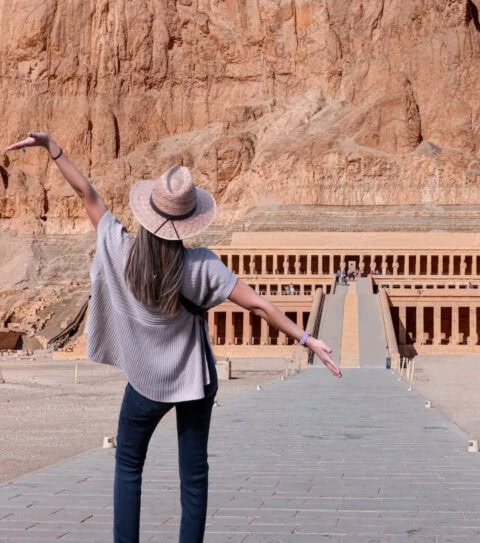
Best Time to Visit Egypt
Learn the best months to visit Egypt based on weather, crowds, and local travel experiences.
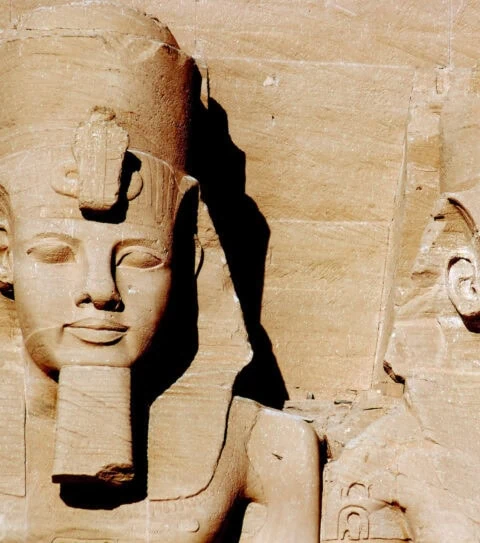
Must Visit Places in Egypt
Explore Egypt’s top sights — from pyramids to temples — and hidden gems worth seeing.
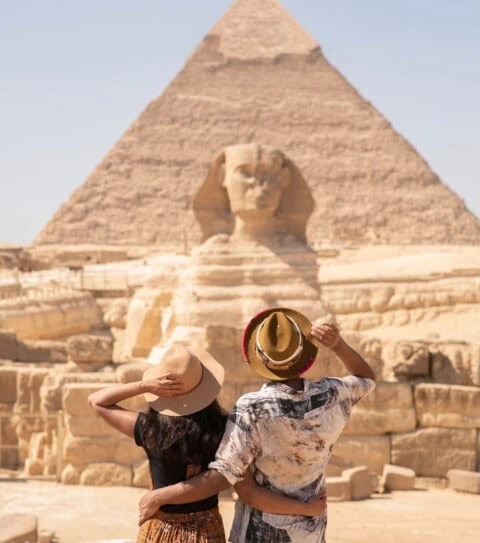
Top-Rated Egypt Tours
Handpicked private tours with local guides — our most loved and best-reviewed experiences.
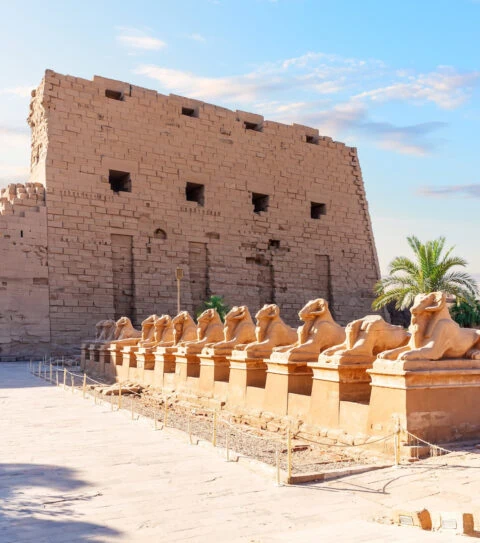
How Many Days to Visit Egypt?
Find out how many days you need in Egypt — from quick trips to full itineraries.
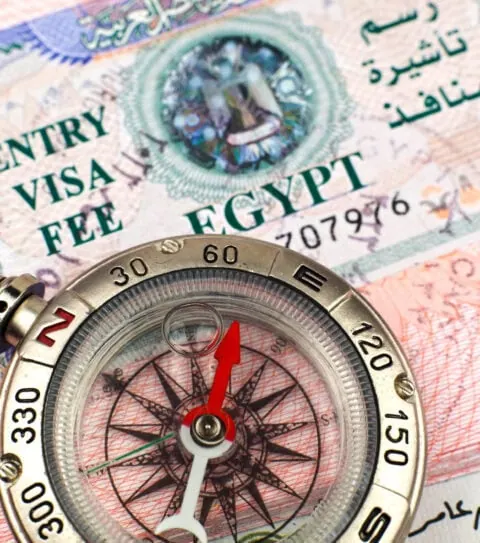
Egypt Visa Requirements
Check if you need a visa and get simple, up-to-date entry info based on your nationality.
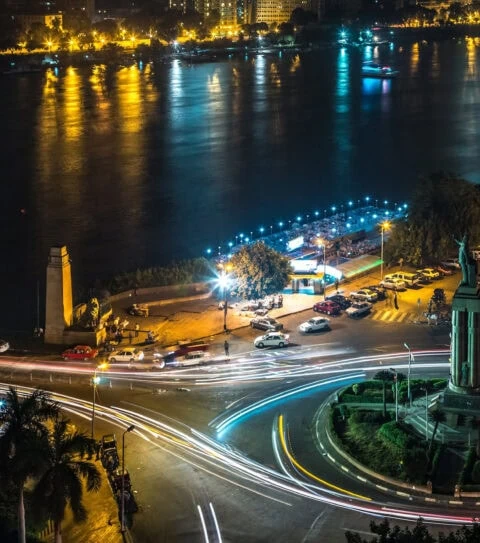
Is it Safe to Travel to Egypt?
Is Egypt safe? Get honest safety tips, area advice, and what to know before you travel.
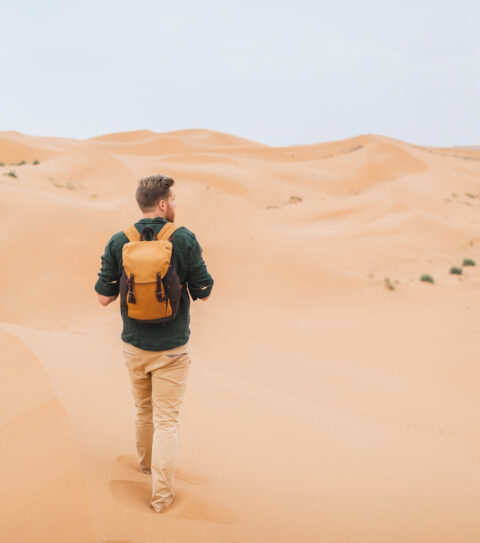
What to Pack for Egypt
A quick packing guide with essentials, cultural tips, and clothing advice for your Egypt trip.
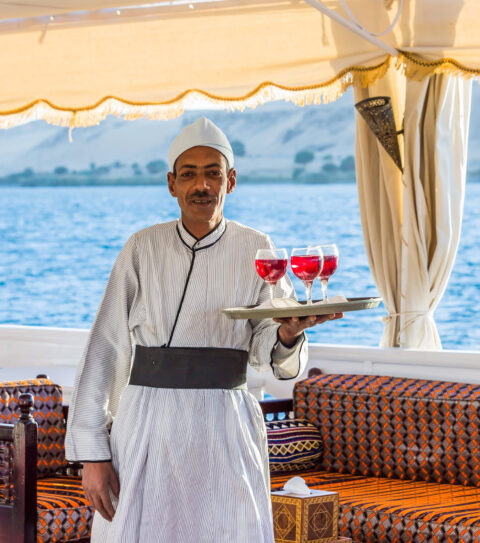
Design Your Custom Tour
Explore Egypt your way by selecting only the attractions you want to visit