

Khan El Khalili Bazaar: Shop & Explore
Step through the ancient gates and suddenly you’re surrounded by centuries of tradition.
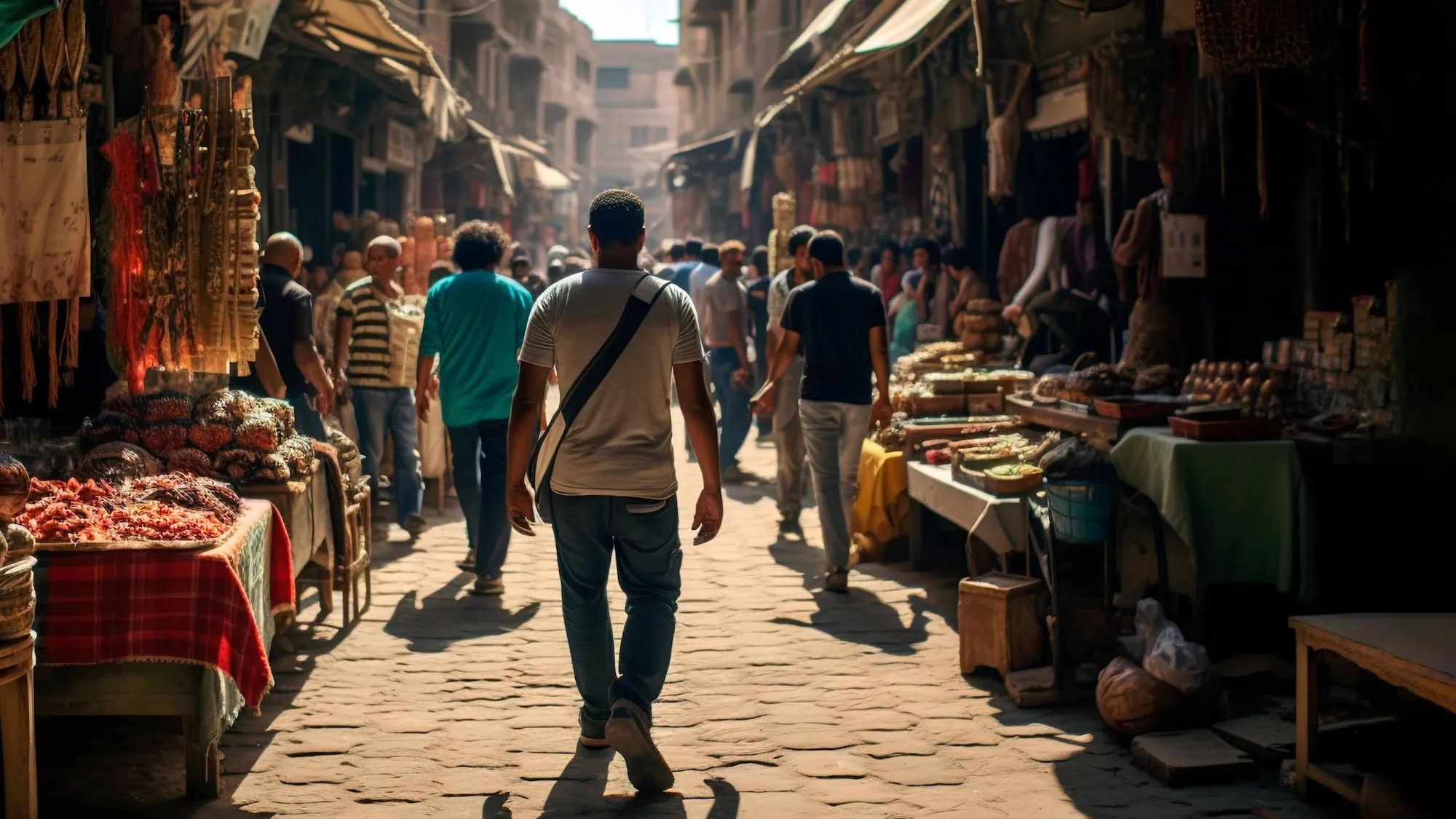
Khan El-Khalili Bazaar pulses with the same energy that has drawn traders, travelers, and treasure hunters since the 14th century. This isn’t just another tourist market – it’s Cairo’s beating commercial heart, where genuine Egyptian culture meets the irresistible chaos of Middle Eastern commerce. From hand-carved artifacts that whisper stories of pharaohs to spices that transport your senses across continents, every narrow alley promises discoveries you won’t find anywhere else.
Whether you’re hunting for authentic souvenirs, experiencing traditional Egyptian hospitality, or simply absorbing the intoxicating atmosphere of Islamic Cairo, we’ll guide you through everything this legendary bazaar offers.
Table of Contents
The Historic Soul of Islamic Cairo
Khan El-Khalili stands exactly where the eastern Fatimid palace once commanded medieval Cairo. The Mamluk era transformed this royal ground into a bustling caravanserai around 1382, when Jaharkas al-Khalili established the trading complex that bears his name today. Sultan Barquq’s reign saw the bazaar flourish into the commercial powerhouse that would define Cairo’s economic landscape for centuries.
UNESCO World Heritage Recognition
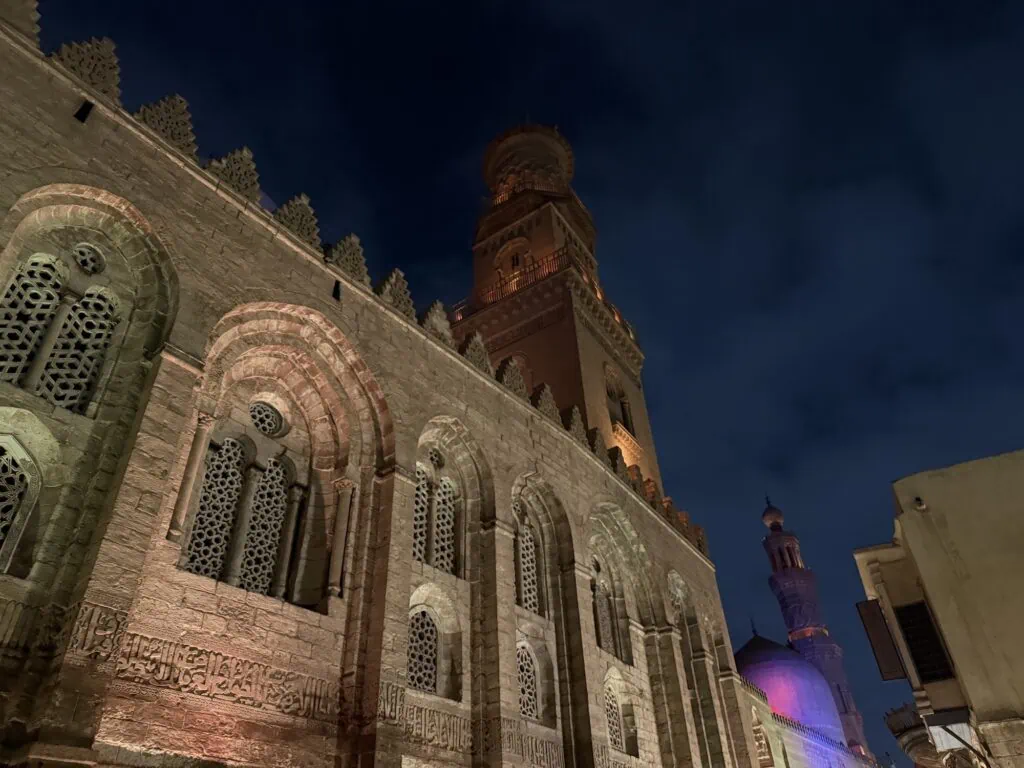
The bazaar earned its place within Islamic Cairo’s UNESCO World Heritage designation for good reason. Mamluk architecture surrounds you at every turn – carved stone doorways, intricate geometric patterns, and vaulted ceilings that have sheltered merchants for over 600 years. These aren’t replicas or reconstructions; you’re walking through authentic medieval structures that witnessed the rise and fall of empires.
Strategic Location in Medieval Trade Routes
Medieval traders chose this location strategically. Positioned along the legendary trade routes connecting Africa, Asia, and Europe, Khan El-Khalili became the natural meeting point where caravans unloaded precious goods from across the known world. Today’s vendors continue this tradition, offering everything from Nubian gold to handwoven textiles that echo the bazaar’s international heritage.
Al-Muizz Street Connection
The famous Al-Muizz Street leads directly into the bazaar’s heart, creating a seamless journey through Islamic Cairo’s most significant monuments.
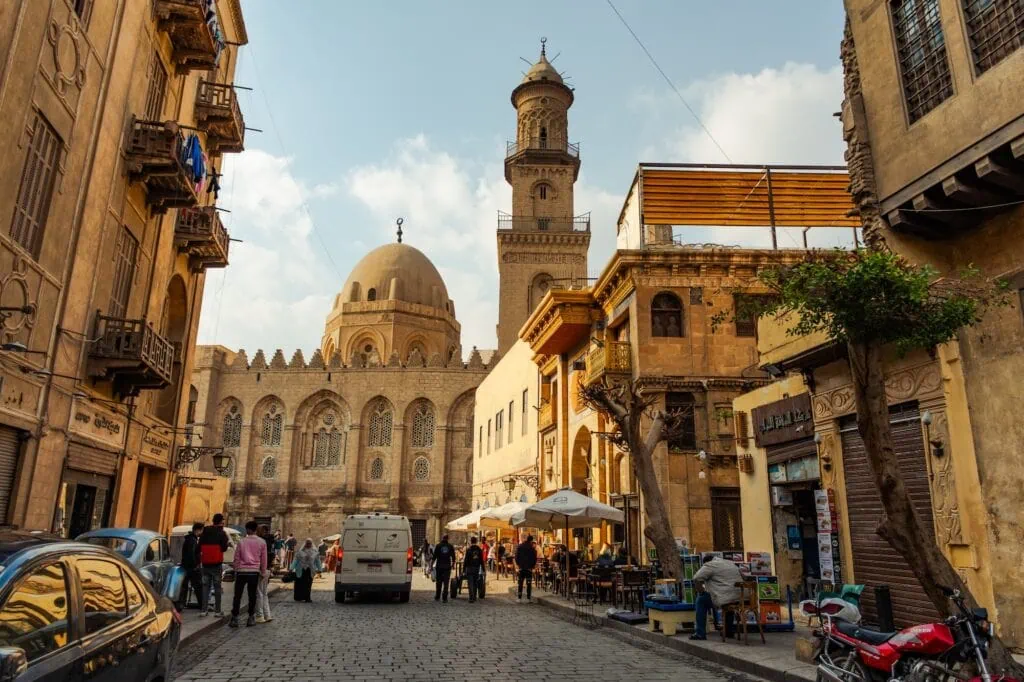
Walking this route, you’ll pass historic mosques, madrasas, and Mamluk-era buildings that provide perfect context for understanding Khan El-Khalili’s cultural importance.
What Makes This Bazaar Extraordinary
The sensory overload hits immediately – incense burning in copper braziers, vendors calling out prices in Arabic, English, and broken French, while the aroma of cardamom and cinnamon drifts from spice stalls. This bazaar operates as Cairo’s living museum, where business practices unchanged for centuries play out before your eyes.
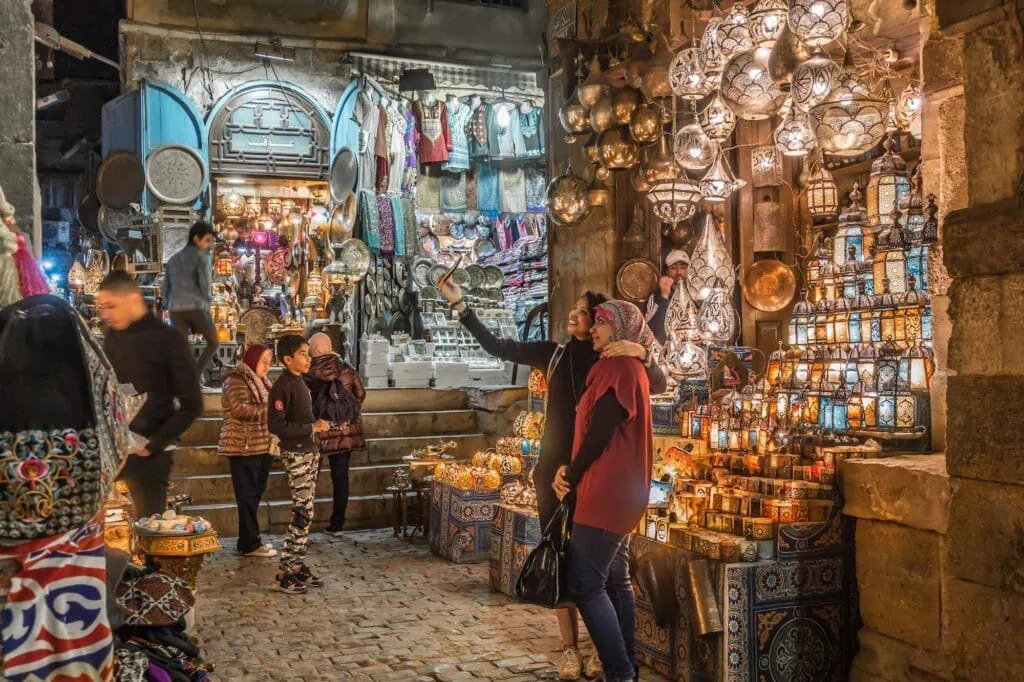
Unlike sanitized tourist markets elsewhere, Khan El-Khalili maintains its authentic character through genuine local patronage. Egyptians shop here regularly for everything from wedding jewelry to household items, ensuring the bazaar serves real community needs rather than just tourist expectations. You’ll witness this authenticity in the serious negotiations between local buyers and sellers, conducted in rapid Arabic with gestures that transcend language barriers.
Traditional Craftsmanship Art
Local artisans still practice techniques passed down through generations. Watch silversmiths hammer intricate patterns into jewelry, observe woodcarvers shaping elaborate mashrabiya screens, and discover leather workers crafting bags using tools their grandfathers would recognize. These aren’t performance demonstrations – these craftsmen depend on their skills for their livelihood, creating genuine quality in every piece.
Essential Shopping Guide
Spices and Aromatics
The spice quarter explodes with colors and fragrances that define Middle Eastern cuisine. Saffron threads glow like gold in glass jars, while pyramids of paprika, cumin, and za’atar create an artist’s palette of earthy tones. Quality varies dramatically, so examine spices carefully before purchasing.
High-grade saffron commands premium prices but delivers authentic Persian flavor impossible to replicate with inferior substitutes. Fresh spices should release strong aromas when you crush small samples between your fingers. Avoid pre-packaged tourist blends – the best vendors weigh spices fresh from large sacks, allowing you to inspect quality firsthand.
Handcrafted Jewelry and Precious Metals
Egyptian gold maintains exceptional purity standards, typically 18-21 karats compared to the 14-karat standard common elsewhere. Silver jewelry showcases traditional Bedouin designs alongside contemporary interpretations of pharaonic motifs. Serious buyers should understand current gold prices before entering negotiations.
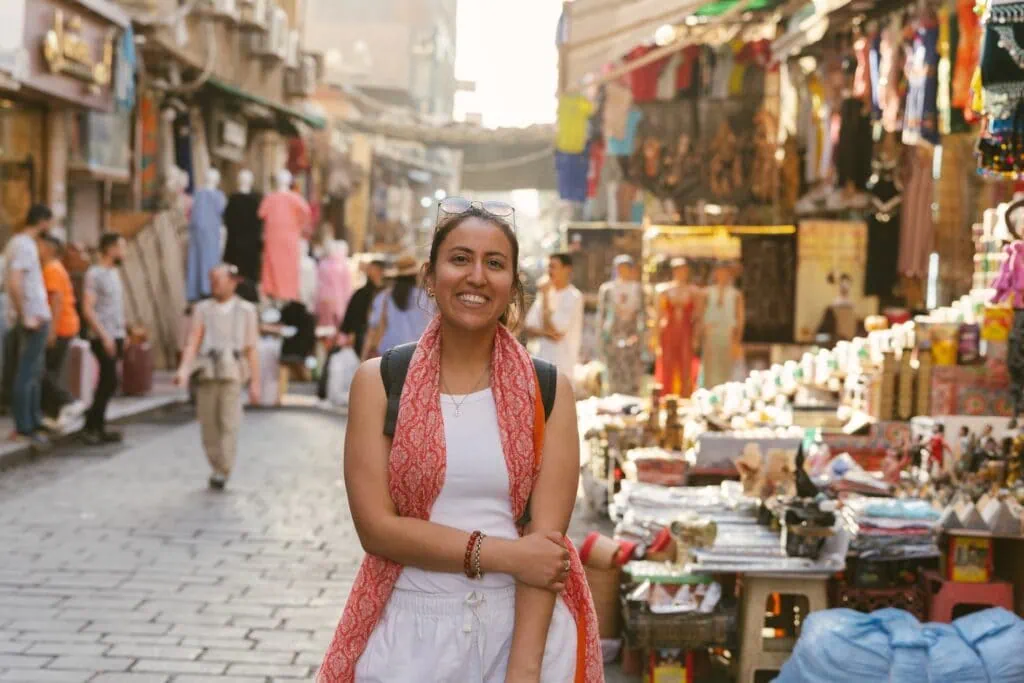
Cartouche pendants remain popular souvenirs, with your name inscribed in hieroglyphs on genuine gold or silver. Quality jewelers will create custom pieces while you wait, demonstrating their craftsmanship through the entire production process. Always request authenticity certificates for expensive purchases.
Traditional Textiles and Fabrics
Egyptian cotton built its reputation for softness and durability over centuries of cultivation along the Nile. Galabiyyas (traditional robes) made from premium cotton provide comfortable, authentic clothing perfect for Cairo’s climate. Hand-embroidered pieces command higher prices but showcase exceptional artistry worth the investment.
Silk scarves painted with pharaonic designs make elegant gifts, though quality ranges from tourist-grade prints to museum-quality hand-painted artwork. Examine the fabric’s weight and the precision of painted details to distinguish authentic craftsmanship from mass production.
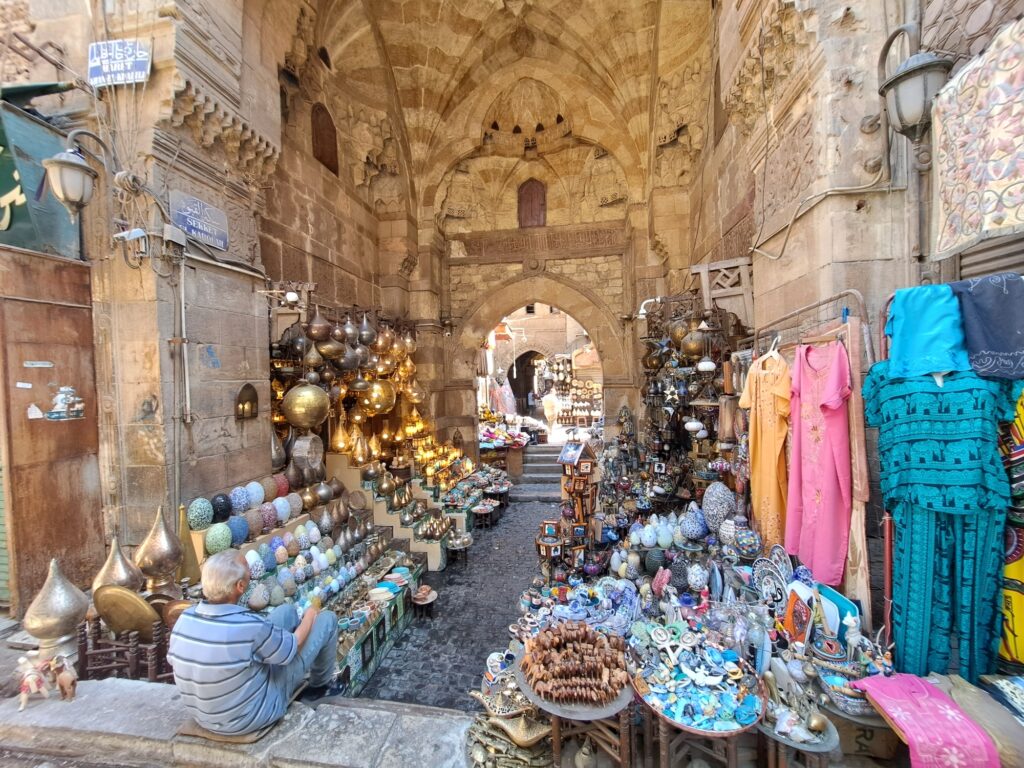
Papyrus Art and Antiquities
Real papyrus feels distinctly different from the banana leaf substitutes common in tourist shops. Authentic papyrus should bend without breaking and display the characteristic cross-hatched pattern visible when held to light. Genuine pieces cost significantly more but last indefinitely with proper care.
Antique dealers occupy some of the bazaar’s oldest stalls, offering everything from Ottoman-era artifacts to British colonial memorabilia. Serious collectors should verify authenticity and understand export regulations before purchasing genuine antiquities. Reproduction pieces often provide similar aesthetic appeal without legal complications.
Mastering the Art of Haggling
Successful bargaining requires patience, humor, and understanding of local customs.
Start by showing genuine interest in items, asking questions about materials, origins, and craftsmanship. This demonstrates respect for the merchant’s expertise and establishes the foundation for fair negotiations. Initial quoted prices typically start 300-500% above reasonable final prices, so don’t appear shocked by opening offers.
Timing Your Negotiations
Morning shopping offers advantages before crowds arrive and temperatures climb. Vendors feel fresh and optimistic, potentially leading to better prices and more patient interactions. Late afternoon brings urgency as merchants want to complete daily sales goals, but also brings fatigue that might work against complex negotiations.
Reading Vendor Personalities
Experienced merchants quickly assess customer sophistication and adjust their approach accordingly. Confident buyers who demonstrate product knowledge typically receive more reasonable initial quotes. Show familiarity with materials, ask specific questions about manufacturing techniques, and reference other vendors’ prices to establish your market awareness.
Strategic Bargaining Techniques
Begin negotiations at roughly 30% of the quoted price, then gradually increase your offers while requesting the vendor lower their prices simultaneously. This creates the collaborative feeling essential to successful Middle Eastern bargaining. Walking away often triggers final offers, but only use this technique if you’re genuinely prepared to leave empty-handed.
Planning Your Visit
Optimal Visiting Hours
We recommend arriving between 9:00 am (09:00) and 11:00 am (11:00) when the bazaar feels manageable and vendors maintain peak energy levels. Afternoon temperatures frequently exceed 35°C (95°F) during summer months, making morning exploration significantly more comfortable. Evening visits offer cooler temperatures but bring larger crowds and more aggressive vendors.
Navigation and Safety Tips
The bazaar’s maze-like layout confuses even experienced visitors. Establish landmarks like the central mosque or prominent shops to maintain orientation. Stick to main thoroughfares initially, then explore smaller alleys once you understand the general layout.
Keep valuable items secure and maintain awareness of your surroundings. Pickpocketing occurs occasionally in crowded areas, particularly during peak tourist seasons. We suggest carrying minimal cash and leaving expensive jewelry at your hotel.
Transportation and Access
Most visitors reach Khan El-Khalili through Islamic Cairo, accessible by taxi, metro, or organized tour. The nearest metro station requires a 15-minute walk through historic neighborhoods that provide excellent preparation for the bazaar experience. Parking remains challenging, so public transportation typically proves more convenient than private vehicles.
Experiencing Local Culture
Traditional Coffeehouse Culture
El-Fishawy Café represents Khan El-Khalili’s social center, operating continuously since the 18th century. This legendary establishment serves traditional Turkish coffee, mint tea, and shisha while maintaining the authentic atmosphere that attracted writers like Naguib Mahfouz. Sitting among locals playing backgammon and engaged in animated discussions provides insights into contemporary Egyptian culture.
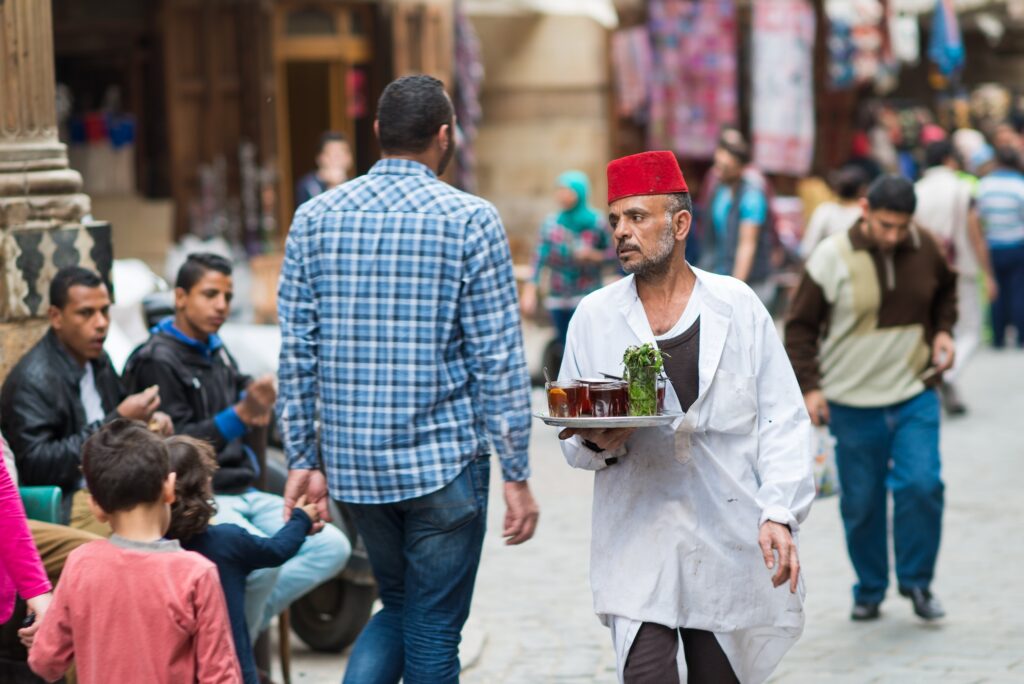
Architectural Discoveries
Between shopping, explore the bazaar’s remarkable architecture. Mamluk-era buildings display sophisticated engineering through their cooling systems, decorative stonework, and innovative use of space. Many shops occupy ground floors of residential buildings where families have lived for generations, creating a genuine neighborhood feeling despite tourist activity.
Religious and Cultural Observances
The bazaar reflects Islamic Cairo’s religious character through its rhythm and customs. Prayer times pause commercial activity as vendors and shoppers fulfill religious obligations. Visitors should dress modestly and respect local customs, particularly when photographing people or religious sites.
Food and Refreshment Options
Street food vendors throughout the bazaar offer authentic Egyptian snacks and beverages. Freshly squeezed sugar cane juice provides natural refreshment, while traditional sweets like basbousa and konafa deliver intense flavors perfected over centuries. Quality varies significantly, so observe local customers to identify the most popular stalls.
Traditional restaurants hidden within the bazaar serve home-style Egyptian cuisine in atmospheric settings. These family-run establishments often occupy historic buildings with original architectural details intact, creating dining experiences unavailable in modern restaurants.
Your Gateway to Authentic Culture
Khan El-Khalili Bazaar offers more than shopping – it provides direct access to Egyptian culture, history, and hospitality that remains largely unchanged despite centuries of political and social transformation. Every interaction, from serious negotiations over precious metals to casual conversations over mint tea, contributes to understanding Egypt’s complex identity.
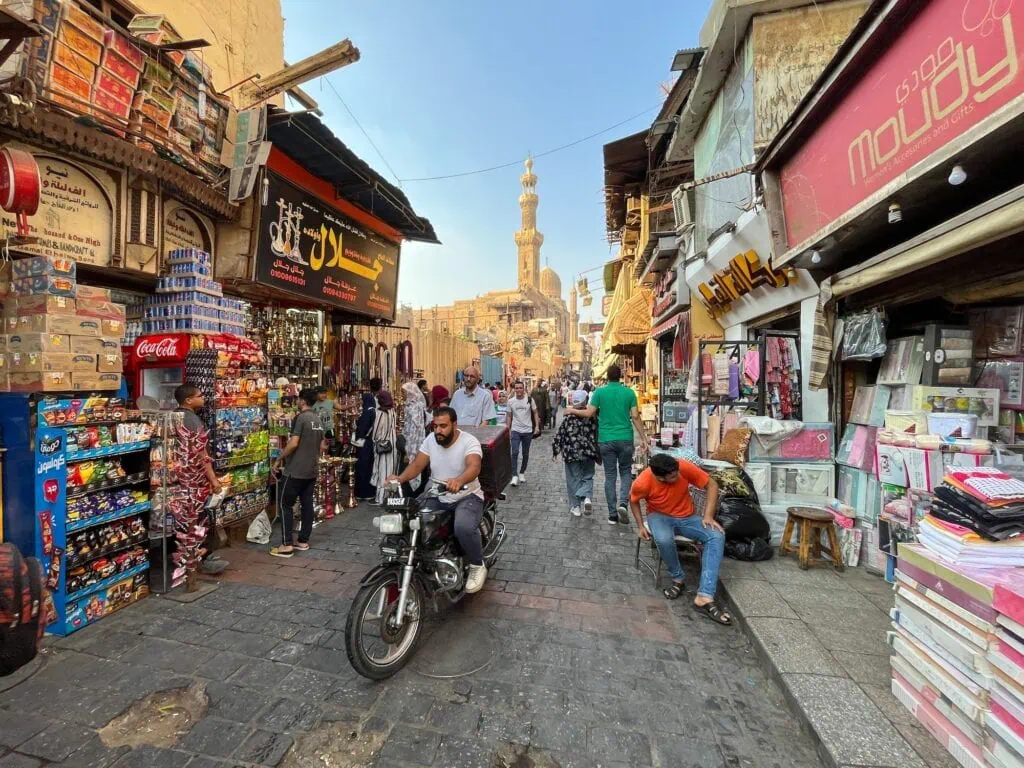
The bazaar’s enduring appeal lies in this authenticity. While tourist attractions elsewhere might feel manufactured or artificial, Khan El-Khalili continues serving local communities while welcoming visitors into genuine cultural exchanges. Your purchases support traditional craftsmen, your presence contributes to the bazaar’s economic vitality, and your curiosity helps preserve cultural traditions that might otherwise disappear.
We’ve spent decades guiding travelers through Egypt’s most significant destinations, and Khan El-Khalili consistently ranks among the most memorable experiences our guests encounter. Our expert guides understand the bazaar’s hidden gems, know which vendors offer genuine quality, and can facilitate cultural interactions that independent visitors might miss.
Through our personalized tours, you’ll discover craftsmen whose families have worked the same stalls for generations, taste foods that represent authentic regional cuisine, and participate in traditions that connect modern Egypt to its magnificent past. This isn’t just tourism – it’s cultural immersion that creates lasting memories and genuine understanding.
Immerse Yourself In The Energy Of Khan El Khalili
Khan El Khalili Bazaar is the beating heart of historic Cairo—where vibrant markets, traditional crafts, and centuries-old trade create an atmosphere unlike anywhere else in Egypt. With EgyptToursPlus, we seamlessly include this iconic experience in a private journey that blends cultural discovery with Egypt’s most unforgettable highlights.
You choose your travel dates, your pace, and the experiences that shape your route. From guided bazaar exploration and authentic local encounters to curated experiences and refined comfort throughout, we tailor every detail around your preferences – ensuring a smooth, engaging, and deeply personal travel experience.
Frequently Asked Questions
Most shops in Khan El-Khalili open around 9:00 am and continue operating until approximately 10:00 pm, although individual vendors set their own schedules. Cafés and restaurants often stay open later, especially on weekends and during Ramadan when the market becomes busiest after sunset. Located in Historic Cairo near Al-Hussein Mosque, the bazaar remains active throughout the day but feels most atmospheric during the evening hours. Morning visits usually provide easier shopping and less crowded alleyways.
Yes, bargaining is a normal and expected part of shopping in Khan El-Khalili, especially for souvenirs, jewelry, textiles, lamps, and handcrafted goods. Vendors often quote higher initial prices anticipating negotiation, and respectful bargaining is considered part of the traditional market culture rather than rude behavior. Fixed pricing is more common in modern boutiques or government-certified craft stores. Visitors unfamiliar with local pricing often benefit from comparing several shops before purchasing higher-value items such as silver or handmade carpets.
Most small vendors in Khan El-Khalili still prefer cash payments in Egyptian pounds, although some larger shops and jewelry dealers now accept credit cards. Travelers should carry enough local currency for shopping, snacks, and small tips because card machines may not always function reliably in the crowded historic district. ATMs are available near Al-Hussein Square and surrounding streets, but they can become busy during evenings and holidays. Smaller denominations are especially useful when bargaining or buying inexpensive items.
The best time to visit Khan El-Khalili is between October and April, when Cairo temperatures are generally cooler and more comfortable for walking through the crowded market lanes. Winter daytime temperatures usually range between 18°C and 26°C (64°F to 79°F), while summer afternoons frequently exceed 38°C (100°F). Evening visits during cooler months are especially popular because cafés, lanterns, and street activity create a lively atmosphere. Morning visits remain best for quieter shopping and easier photography.
Khan El-Khalili is generally considered safe for solo female travelers, particularly during daylight hours and in the market’s busier central sections near Al-Hussein Mosque. Like most major tourist districts, visitors should remain aware of their surroundings, avoid isolated alleys late at night, and dress modestly in respect of local customs. Most interactions involve persistent sales tactics rather than genuine safety concerns. Guided walking tours through Historic Cairo can provide added comfort and cultural context for first-time visitors.
Visitors should plan at least 3-4 hours to properly explore Khan El-Khalili, although many travelers spend a full day shopping, dining, and visiting nearby Islamic Cairo landmarks. The bazaar contains hundreds of interconnected stalls selling spices, jewelry, textiles, perfumes, antiques, brassware, and traditional crafts across a maze-like network of medieval streets. Because the district also includes historic mosques and cafés such as El Fishawy, rushed visits often miss the broader cultural experience. Evening visits provide the most vibrant atmosphere.
Prices in Khan El-Khalili are often slightly higher than in smaller regional markets because of the bazaar’s international reputation and central location in Historic Cairo. The market attracts millions of visitors annually, which increases demand for souvenirs, handmade crafts, and jewelry. However, the concentration of skilled artisans and long-established merchants also means product variety and quality can be higher than in many smaller bazaars. Comparing multiple vendors before buying expensive items usually leads to better pricing and negotiation leverage.
Yes, many established shops in Khan El-Khalili offer international shipping for larger purchases such as carpets, brass lamps, furniture, and decorative artwork. Reputable dealers typically provide receipts, tracking details, and shipping estimates, although delivery times and customs procedures vary by country. Travelers purchasing high-value goods should confirm insurance coverage and packaging standards before payment. Egypt Tours Plus generally recommends using long-established shops with visible business licenses and clear export documentation for international shipments.
Most vendors in Khan El-Khalili speak at least basic English because the market has served international travelers for decades. Many shopkeepers also understand French, Spanish, Italian, German, or Russian phrases commonly used in tourism-related transactions. Communication usually becomes easier around prices, bargaining, and product descriptions because vendors are accustomed to negotiating with foreign visitors daily. Learning a few Arabic greetings or numbers can still improve interactions and often creates friendlier conversations during shopping experiences.
Small tips are appreciated in Khan El-Khalili for helpful services such as giving directions, carrying purchases, or assisting with photographs, although tipping is not mandatory. Amounts between 5 and 20 Egyptian pounds are generally considered appropriate for minor assistance depending on the situation and time involved. Egypt’s tipping culture, known locally as “baksheesh,” is common throughout tourism areas and service industries. Keeping small bills accessible makes these interactions easier and avoids awkward exchanges involving large denominations.
Yes, Khan El-Khalili contains several well-known traditional restaurants and cafés serving classic Egyptian dishes in historic settings dating back centuries. El Fishawy Café, established in the 1700s, remains one of Cairo’s most famous coffeehouses and is closely associated with writer Naguib Mahfouz. Visitors can also find grilled meats, koshary, molokhia, and traditional desserts throughout the surrounding lanes near Al-Hussein Mosque. Evening dining is particularly atmospheric when the market becomes illuminated and crowded with both locals and tourists.
Genuine antiques are difficult to verify in Khan El-Khalili because many products sold are decorative reproductions inspired by ancient Egyptian, Islamic, or Ottoman designs. Reputable antique dealers typically provide authenticity certificates, provenance details, and export documentation for legally tradable historical items. Egyptian antiquities laws strictly prohibit the export of genuine pharaonic artifacts without government authorization. Travelers considering expensive purchases should consult trusted specialists or guides familiar with authentic materials, craftsmanship, and current antiquities regulations.
Design Your Custom Tour
Explore Egypt your way by selecting only the attractions you want to visit