Is it Safe to Travel to Egypt as a Woman?
Solo female travel opens doors to incredible experiences worldwide.
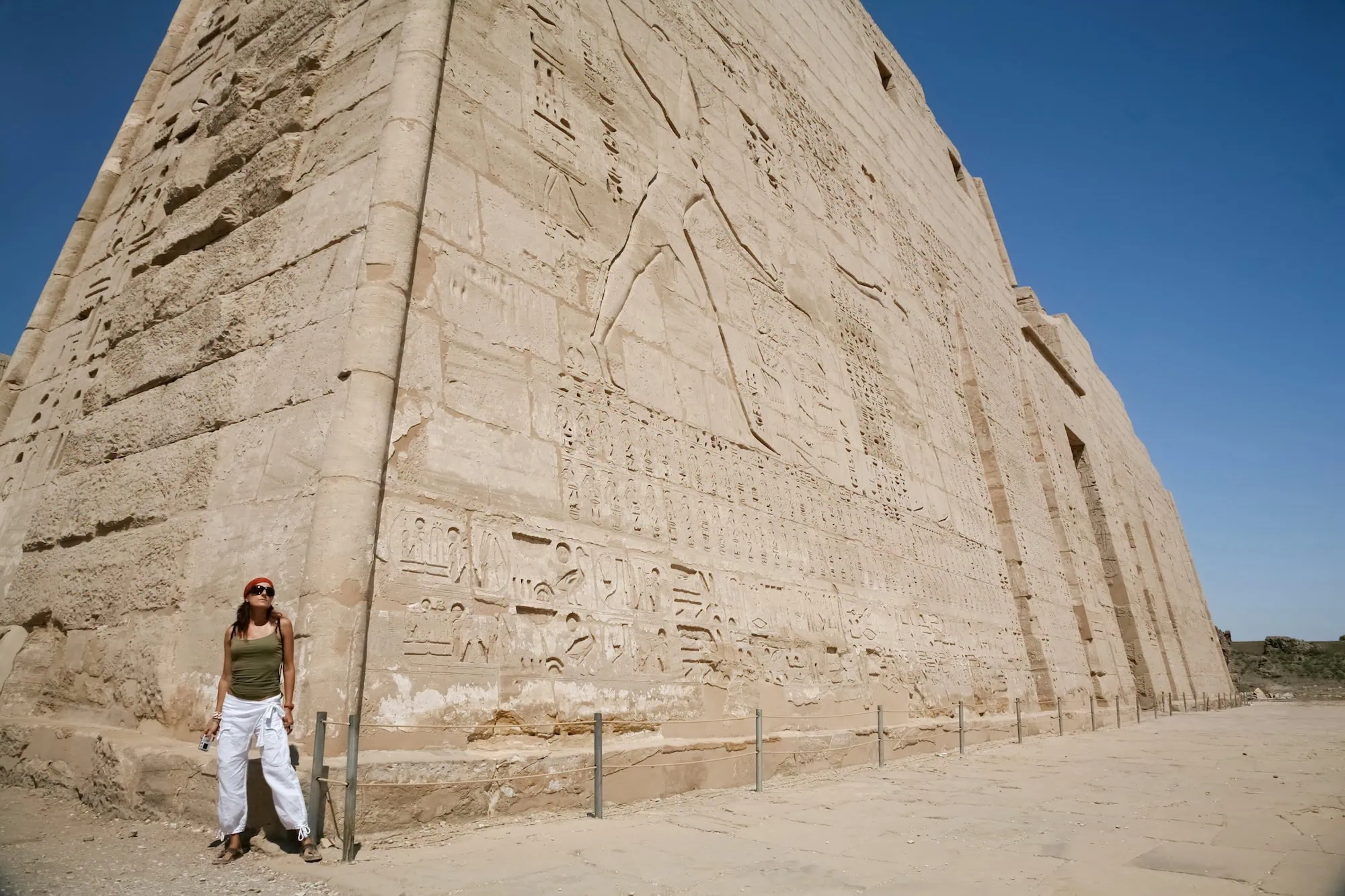
Egypt presents unique considerations for women travelers that deserve honest discussion. This ancient land offers breathtaking pyramids, vibrant bazaars, and warm hospitality, but cultural differences and safety concerns require thoughtful preparation. Understanding these realities helps you make informed decisions about visiting one of the world’s most fascinating destinations.
We’ve gathered insights from experienced female travelers, official advisories, and local expertise to provide you with practical, balanced information for planning your Egyptian adventure.
Table of Contents
Current Safety Situation for Women in Egypt
The U.S. State Department maintains a Level 2 travel advisory for Egypt, indicating travelers should exercise increased caution. This moderate risk level reflects ongoing security concerns but doesn’t prohibit travel.
Regional Safety Variations
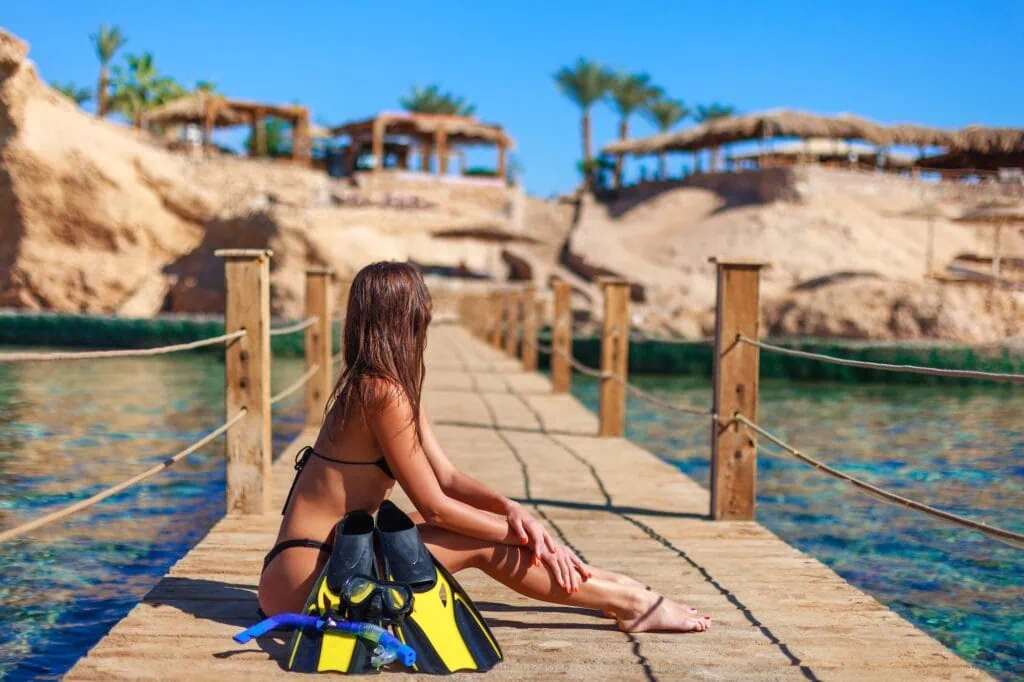
Safety conditions vary significantly across Egyptian destinations. Dahab and other Red Sea resort towns generally offer more relaxed environments for solo women travelers. These coastal areas have established tourism infrastructure and greater cultural exposure to international visitors.
Tourist Police Presence
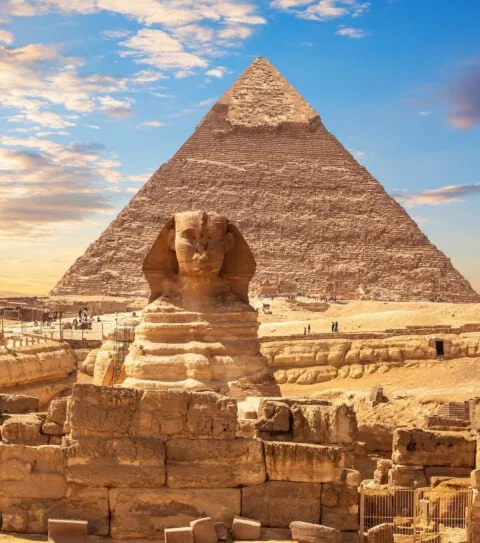
Egypt maintains dedicated tourist police units in major destinations like Cairo, Luxor, and Aswan. These specially trained officers speak multiple languages and focus specifically on visitor safety. You’ll find tourist police stations near major attractions including the Pyramids of Giza and Egyptian Museum.
Transportation Security
Public transportation requires extra awareness for women travelers. The Cairo metro system includes women-only cars during peak hours (7:00 am to 10:00 am and 5:00 pm to 8:00 pm). Ride-sharing apps like Uber operate in major cities and provide additional safety through GPS tracking and driver identification.
Cultural Challenges and Harassment Concerns
Egyptian society maintains conservative values that significantly impact women’s experiences. Street harassment remains a persistent issue, particularly in crowded areas of Cairo and tourist zones.
Verbal comments and unwanted attention occur frequently in public spaces. Local customs view direct eye contact from women as potentially inviting conversation, which can escalate interactions unexpectedly. Many female travelers report feeling constantly watched or commented upon, especially in traditional neighborhoods.
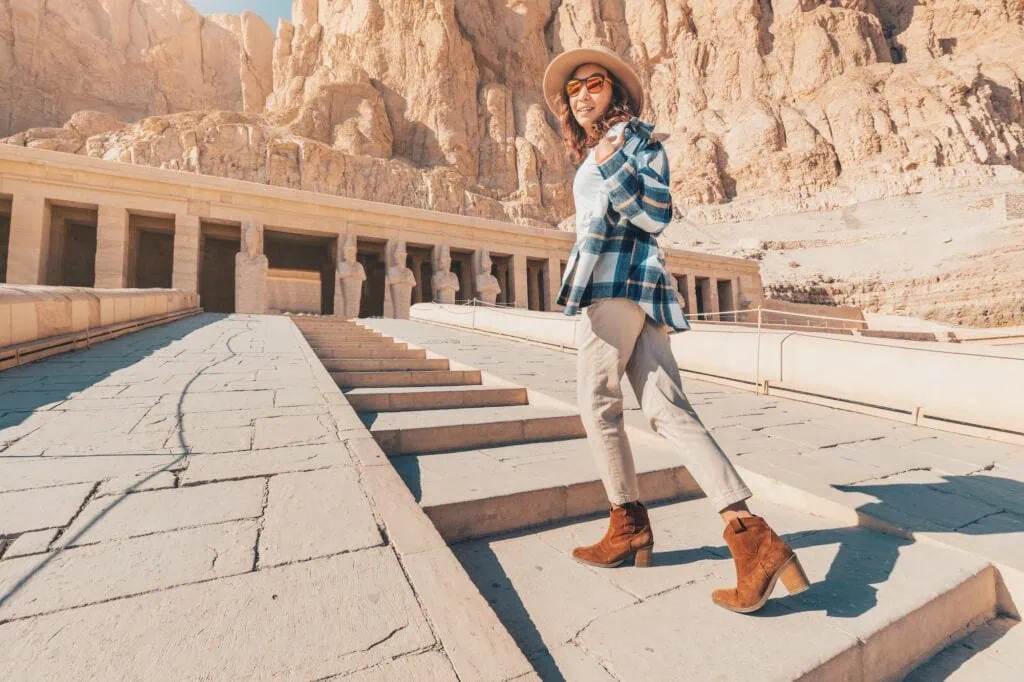
Religious and cultural norms influence daily interactions. Friday prayers and religious holidays may intensify conservative attitudes. Understanding these patterns helps you plan activities and dress choices accordingly.
Managing Unwanted Attention
Confident body language often deters persistent harassment better than appearing uncertain or lost. Wearing sunglasses can help avoid unwanted eye contact while maintaining your ability to observe surroundings. Local women frequently ignore catcalls completely rather than responding, which proves most effective.
Carrying yourself with purpose and destination in mind sends clear signals that you’re not seeking interaction. Walking quickly and avoiding lingering in one location reduces opportunities for unwanted approaches.
Language Barriers and Miscommunication
Arabic phrases like “la shukran” (no thank you) and “khalas” (enough/stop) provide direct ways to communicate boundaries. Learning these basic expressions before arrival proves invaluable for clear communication.
English-speaking harassment still occurs, but using Arabic responses often demonstrates cultural awareness and seriousness about your boundaries.
Destination-Specific Safety Analysis
Cairo Safety Considerations
Cairo presents the most complex environment for solo women travelers. This bustling metropolis combines ancient Islamic culture with modern urban challenges.
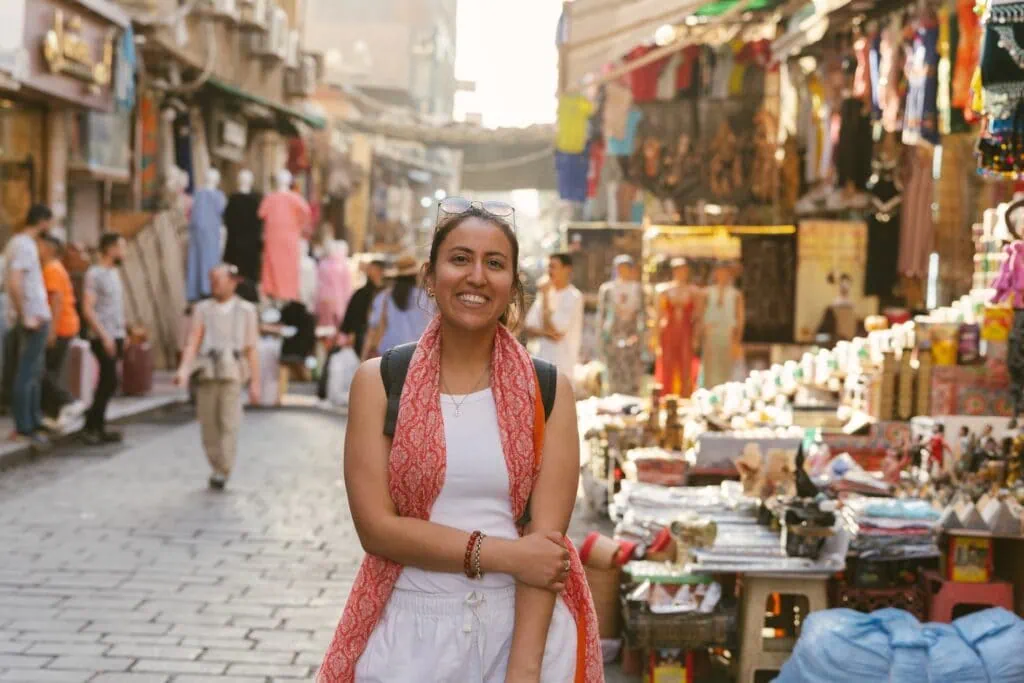
The historic Islamic Cairo district requires particular caution due to narrow streets and dense crowds. Tourist areas like Khan El Khalili bazaar see constant foot traffic, creating opportunities for pickpocketing and harassment. However, these same busy areas also provide safety through visibility and tourist police presence.
Modern Cairo neighborhoods like Zamalek and New Cairo offer more westernized environments. These areas have international hotels, restaurants, and shopping centers where conservative dress codes may be slightly more relaxed.
Luxor and Valley of the Kings
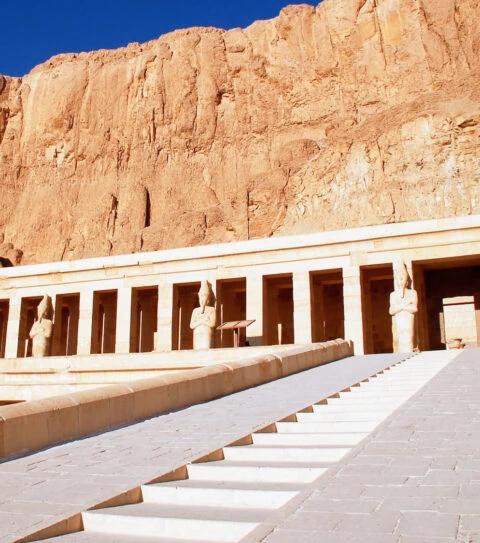
Luxor’s tourism-focused economy creates a more accommodating environment for international visitors. The concentration of archaeological sites means constant tourist police presence and established visitor services.
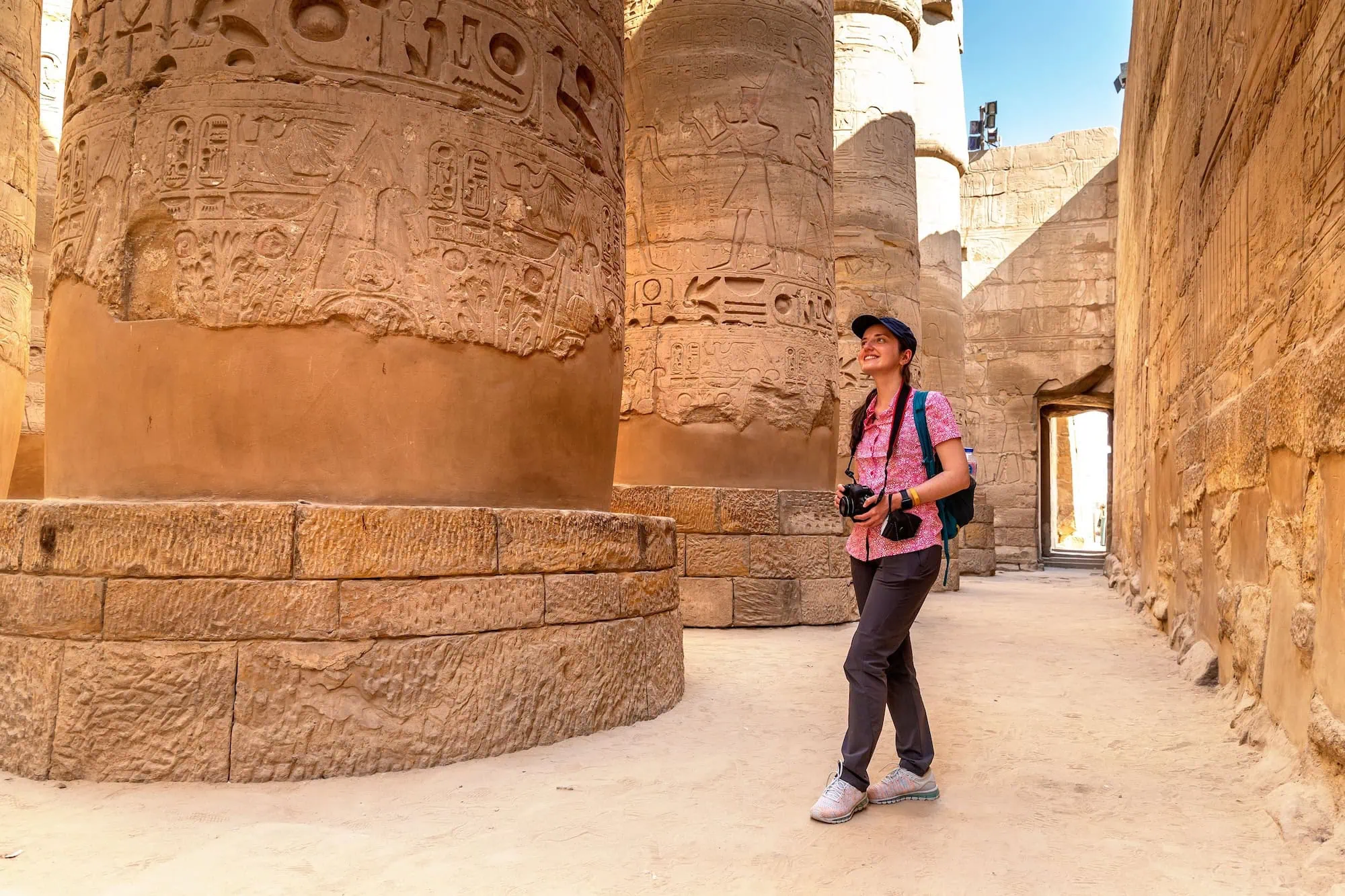
However, persistent vendor approaches at major sites like Karnak Temple can feel overwhelming. Hiring official guides through your hotel or our recommended services provides a buffer against aggressive sales tactics while ensuring authentic historical information.
Dahab and Red Sea Coast
Dahab stands out as Egypt’s most female-friendly destination. This laid-back coastal town attracts international backpackers and divers, creating a more liberal atmosphere than inland cities.
Beach culture here accommodates swimwear and casual clothing that would be inappropriate elsewhere in Egypt. The predominant tourist economy means locals are accustomed to Western behavior and dress standards.
Sharm El Sheikh and Hurghada offer similar coastal advantages but with more resort-focused environments. All-inclusive properties provide controlled environments where cultural concerns are minimized.
Upper Egypt and Aswan
Aswan maintains a more traditional atmosphere while still welcoming tourists. The Nubian culture prevalent here often feels warmer and more hospitable than northern Egyptian cities.
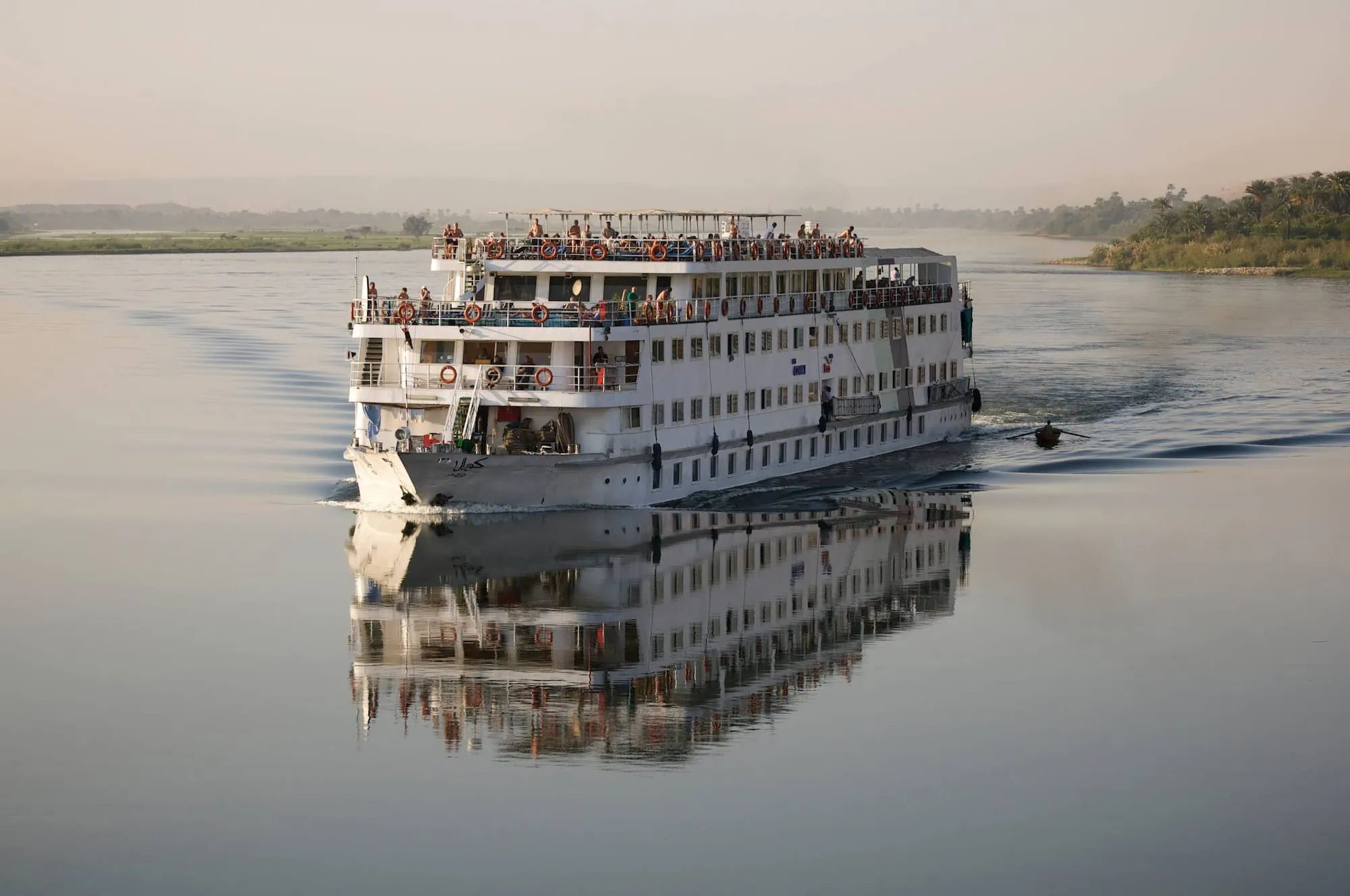
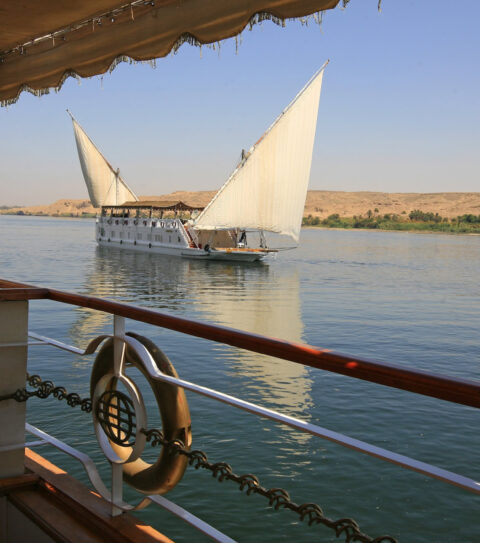
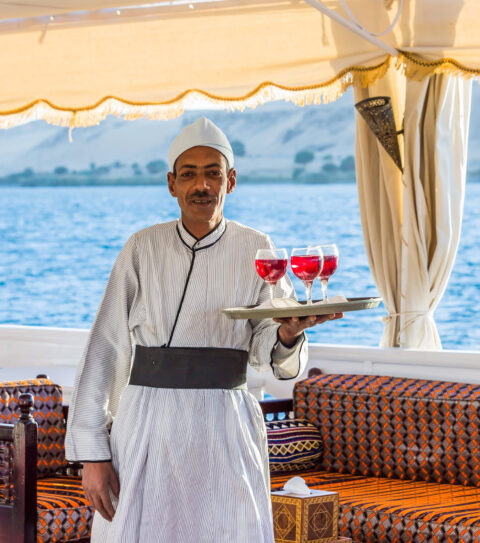
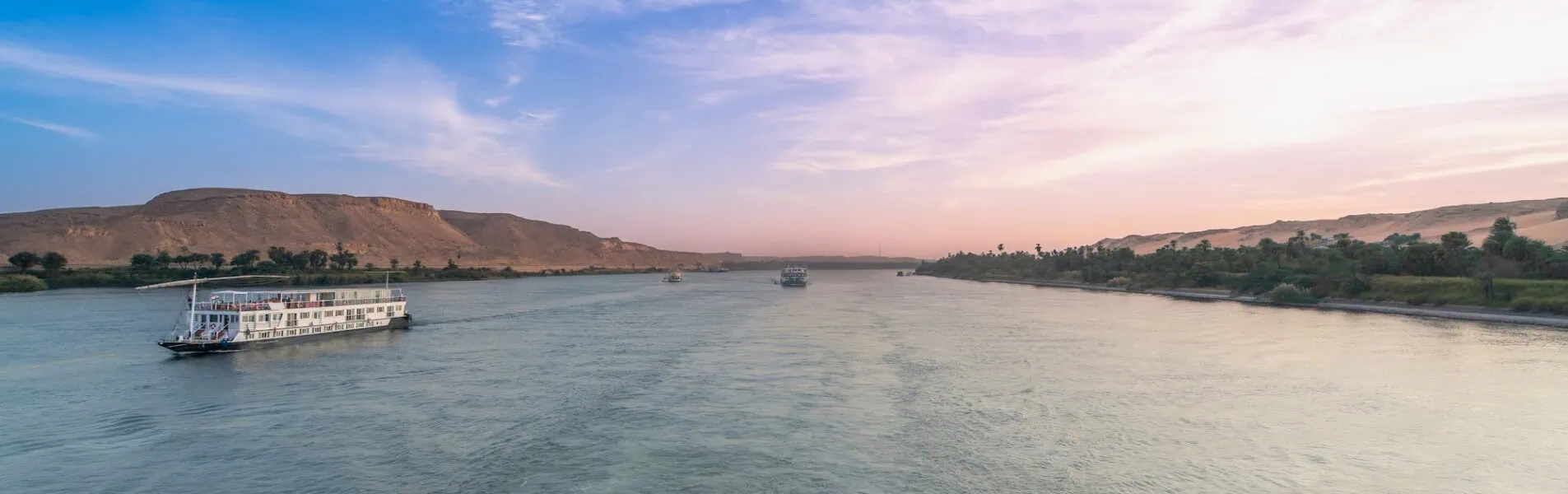
Nile cruise excursions between Luxor and Aswan are conducted as small group experiences with up to 12 participants, providing safety through numbers while maintaining intimate group dynamics. These cruises include professional guides and structured itineraries that minimize uncontrolled interactions.
Practical Safety Strategies and Recommendations
Dress Code Guidelines
Conservative dressing significantly impacts your daily experiences in Egypt. Long pants or skirts covering ankles, shirts covering arms to the wrists, and loose-fitting clothing demonstrate cultural respect while reducing unwanted attention.
Lightweight fabrics like cotton and linen provide comfort in Egypt’s warm climate while meeting conservative requirements. Scarves serve multiple purposes – covering hair when entering mosques, providing extra shoulder coverage, and offering protection from sun and sand.
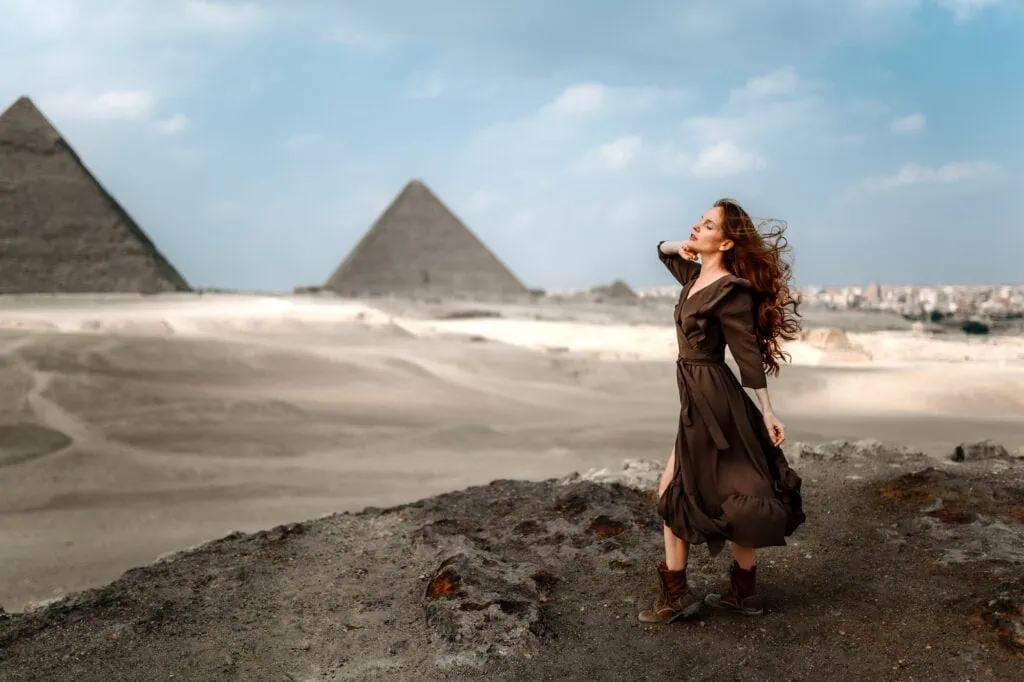
Avoid tight-fitting clothing, low necklines, or anything that emphasizes body shape. What feels modest in Western contexts may still attract attention in conservative Egyptian environments.
Professional Guide Services
Hiring reputable guides transforms your Egyptian experience from potentially stressful to genuinely educational. Professional guides with decades of expertise provide cultural context while serving as cultural intermediaries in challenging situations.
Our private guides undergo extensive training in both historical knowledge and cultural sensitivity. They understand the unique concerns of female travelers and adjust touring approaches accordingly. This includes managing vendor interactions, explaining cultural nuances, and ensuring appropriate site access.
Accommodation Choices
Hotel selection significantly impacts your overall safety and comfort. International hotel chains maintain western service standards and security protocols. These properties typically have 24-hour front desk service, secure lobbies, and English-speaking staff.
Boutique hotels in tourist areas often provide personalized service with local knowledge. Staff at quality establishments can arrange reliable transportation, recommend safe restaurants, and provide current safety updates for specific neighborhoods.
Technology and Communication
Download offline maps before arriving since internet connectivity can be unreliable. Google Translate app with Arabic language pack helps with basic communication when language barriers arise.
Keep family and friends informed of your itinerary through regular check-ins. WhatsApp works well throughout Egypt for international communication. Local SIM cards are available at airports and provide reliable connectivity.
Travel Insurance and Emergency Preparedness
Comprehensive travel insurance becomes essential when traveling solo in Egypt. Medical facilities outside major cities may not meet international standards, making emergency evacuation coverage valuable.
Medical Considerations
Egyptian healthcare varies dramatically between modern private hospitals in Cairo and basic facilities in rural areas. Private hospitals like As-Salam International Hospital in Cairo provide western-standard care but at significant cost without proper insurance.

Keep prescription medications in original containers with clear labeling. Bring extra supplies since specific brands may not be available locally. Women’s health products are available in pharmacies but selection may be limited compared to western countries.
Embassy Resources
Register with your embassy upon arrival for security updates and emergency assistance. U.S. citizens can use the STEP program (Smart Traveler Enrollment Program) for real-time security information and easier location during emergencies.
Embassy services include replacing lost passports, providing local attorney lists, and facilitating communication with family during crises. However, embassies cannot provide evacuation services except in extreme circumstances.
Emergency Contacts and Local Support
Tourist police hotline (126) operates throughout Egypt with English-speaking operators. Regular police (122) may have language barriers but respond to emergencies. Ambulance service (123) exists but response times and quality vary significantly by location.
Expert Recommendations and Final Thoughts
Many experienced female travelers successfully visit Egypt using common sense precautions and cultural awareness. The key lies in realistic expectations and thorough preparation rather than avoiding the destination entirely.
Our award-winning service includes 24-hour customer support throughout your journey, ensuring help remains available when needed. Private drivers with modern vehicles eliminate transportation concerns while providing safe, air-conditioned travel between sites.
Egypt’s incredible historical significance and cultural richness make it worth careful consideration despite legitimate safety concerns. Tailored itineraries can minimize risk while maximizing authentic experiences through professional planning and local expertise.
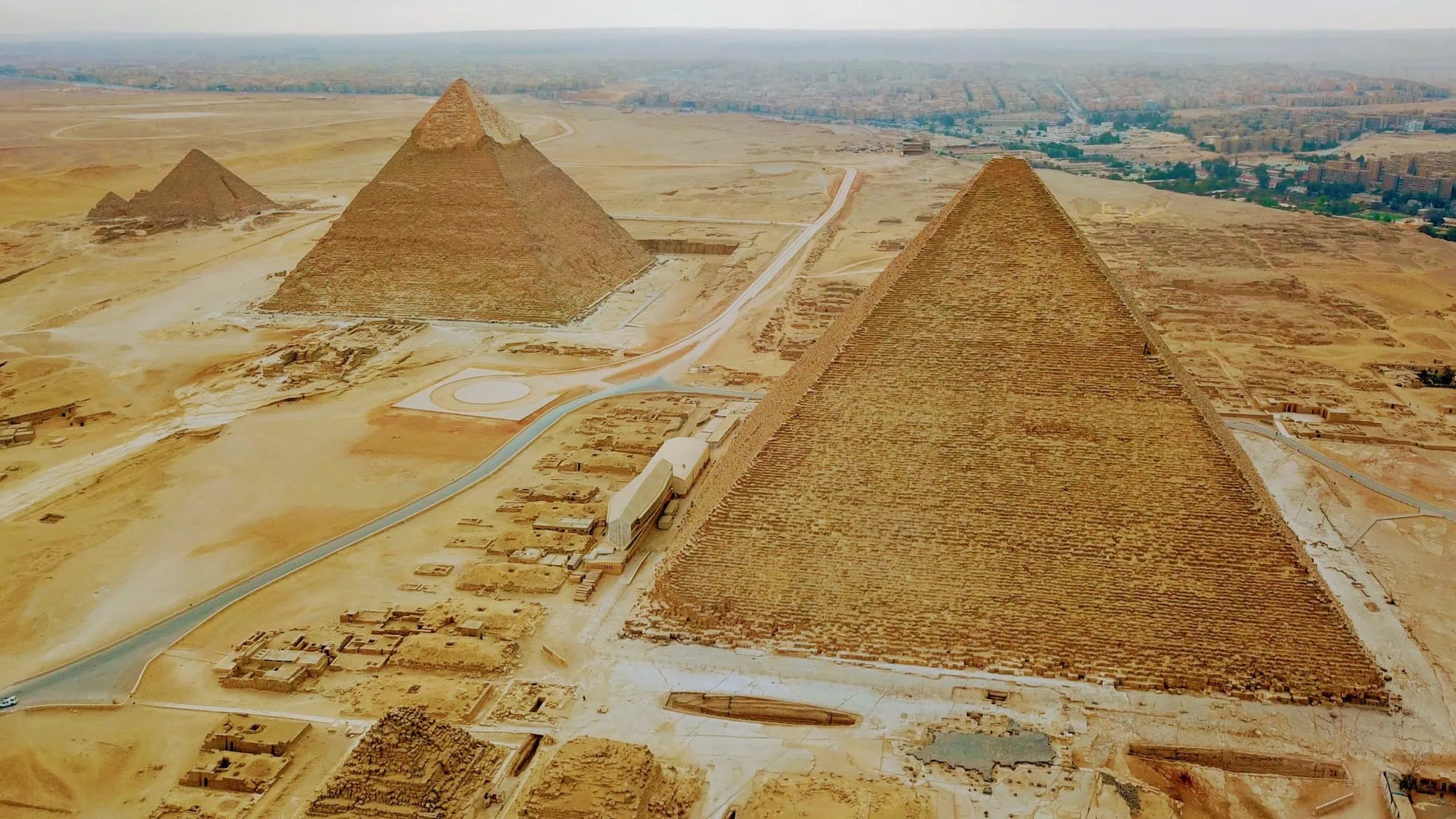
Consider traveling during cooler months (October through April) when comfortable clothing alignment with conservative requirements becomes easier. This timing also coincides with peak tourism season, providing additional safety through increased visitor presence and services.
Frequently Asked Questions
Yes, many women travel alone in Egypt safely each year, but solo female travelers should expect moderate challenges that require preparation and situational awareness. Egypt receives millions of international visitors annually, including a large number of independent women travelers. The most common issues involve unwanted attention, persistent vendors, and cultural misunderstandings rather than violent crime. Dressing conservatively, arranging reliable transportation, and staying in well-reviewed accommodations can significantly improve the travel experience.
Long pants, maxi skirts, loose-fitting dresses, and tops that cover the shoulders are generally the most appropriate choices for women visiting Egypt. Conservative clothing aligns with local cultural norms and often reduces unwanted attention in busy public areas. Lightweight cotton or linen fabrics work well because daytime temperatures regularly exceed 85°F (29°C) for much of the year. A light scarf is also useful for visiting mosques and religious landmarks.
Yes, travelers should avoid restricted border regions, parts of North Sinai, and certain remote desert areas unless visiting through an authorized and properly permitted program. The U.S. Department of State and other government travel advisories regularly identify North Sinai near Gaza and Israel as a high-risk area. Most tourist destinations, including Cairo, Luxor, Aswan, Abu Simbel, Hurghada, and Sharm El Sheikh, operate under extensive tourism security measures and remain accessible to visitors.
Street harassment is relatively common in Egypt, particularly in large cities and heavily visited tourist districts, but it usually takes the form of comments, staring, or attempts to start conversations. Solo women may experience more attention than they would in North America or Western Europe. In most cases, ignoring remarks and continuing confidently is the most effective response. Incidents rarely escalate beyond verbal interactions, especially in areas frequented by tourists.
Yes, women can use public transportation in Egypt, but ride-hailing services and licensed taxis are generally more comfortable and predictable than crowded local transit. Cairo Metro includes women-only carriages during peak commuting periods, providing an additional option for female passengers. Apps such as Uber operate in Cairo and several major cities, offering GPS tracking and fare transparency. For longer journeys, domestic flights and organized transfers are often the most convenient choice.
Yes, female Egyptologists and licensed female tour guides are available through many established tour operators throughout Egypt. Some women travelers prefer female guides because they provide additional cultural insight and can create a more comfortable atmosphere during private tours. Egypt’s tourism industry includes many highly qualified women working as guides, historians, and travel specialists. If this preference is important, request a female guide before confirming your itinerary.
October through April is generally the best time for women to visit Egypt because cooler temperatures make conservative clothing much more comfortable. Winter daytime temperatures in Cairo often range from 65°F to 77°F (18°C to 25°C), compared with summer highs that frequently exceed 100°F (38°C). The peak tourism season also means more organized tours, more travelers at major sites, and a busier tourism infrastructure. November through February offers the most comfortable sightseeing conditions.
A firm but polite “la shukran” (Arabic for “no thank you”) is usually the most effective way to deal with persistent vendors. Tourist areas such as Khan el-Khalili, the Giza Plateau, and major temple complexes attract sellers who often approach visitors repeatedly. Avoid engaging in lengthy conversations if you are not interested in purchasing anything. Walking confidently and continuing toward your destination typically discourages further attention. A local guide can also help minimize unwanted interactions.
Yes, reputable Egyptian hotels are generally safe for solo women travelers and often maintain security measures comparable to international standards. Major hotels typically provide 24-hour reception, controlled entry points, luggage screening, and on-site security personnel. Properties operated by international brands and well-established boutique hotels in Cairo, Luxor, Aswan, Hurghada, and Sharm El Sheikh are accustomed to hosting solo female guests. Reading recent reviews before booking remains a sensible precaution.
Women traveling in Egypt have access to tourist police, embassy assistance, hotel security teams, and local emergency services. The Tourist Police hotline (126) is specifically designed to assist visitors and can often provide support in English. Travelers should also register with their embassy’s traveler enrollment program when available, such as the U.S. State Department’s STEP system. Save emergency contacts offline so they remain accessible without internet service.
Yes, women are welcome at most Egyptian mosques and religious sites provided they follow local dress and behavior requirements. Clothing should generally cover the arms, legs, and hair when entering active mosques, including famous sites such as the Mosque of Muhammad Ali in Cairo. Many major religious attractions provide scarves or coverings for visitors who need them. Visiting outside prayer times often allows for a more relaxed and less crowded experience.
Group tours generally provide a higher level of convenience and support, while independent travel offers greater flexibility but requires more planning and cultural awareness. Organized tours handle logistics such as transportation, hotel check-ins, site tickets, and local navigation, reducing many common stress points for first-time visitors. Independent travelers can certainly explore Egypt successfully, but they should be comfortable arranging transportation and responding confidently to local interactions. First-time visitors often find guided travel easier and more efficient.
Explore our most popular guides and expert tips to make your trip safe, smooth, and unforgettable.
Plan Your Egypt Adventure with Confidence
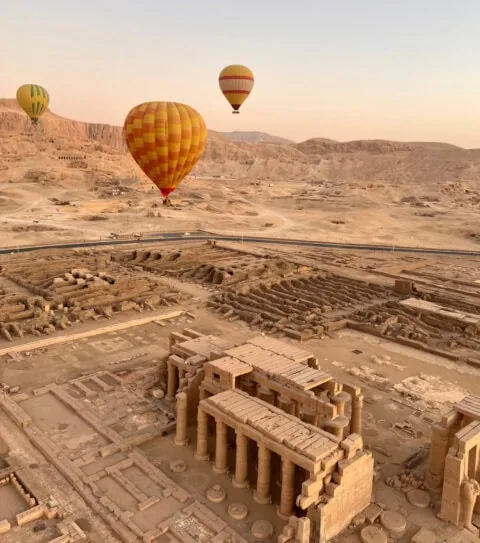
How to Plan a Trip Egypt
Step-by-step guide to help you plan the perfect Egypt trip — from routes and budget to booking.
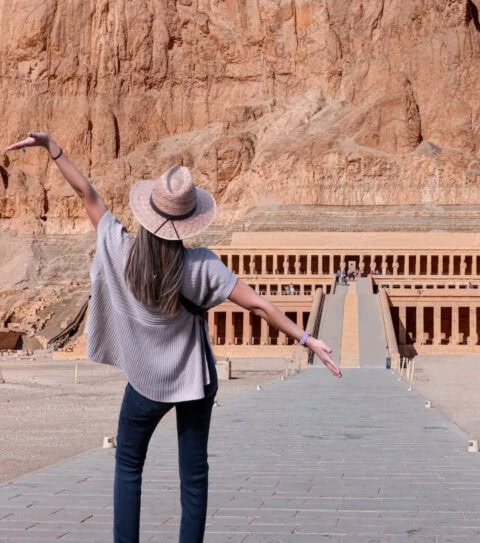
Best Time to Visit Egypt
Learn the best months to visit Egypt based on weather, crowds, and local travel experiences.
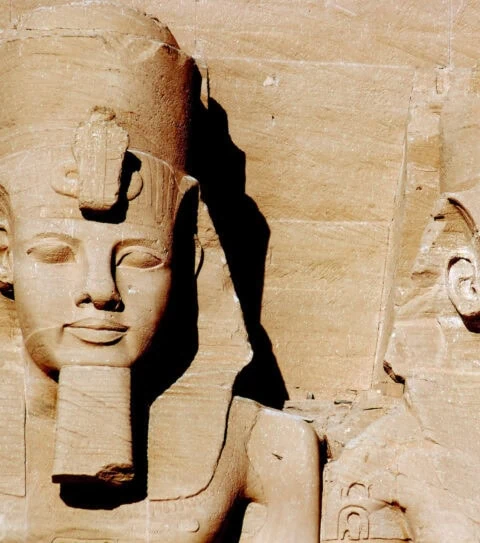
Must Visit Places in Egypt
Explore Egypt’s top sights — from pyramids to temples — and hidden gems worth seeing.
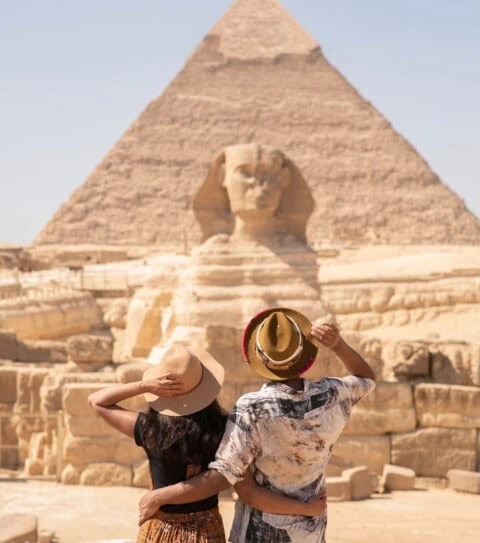
Top-Rated Egypt Tours
Handpicked private tours with local guides — our most loved and best-reviewed experiences.
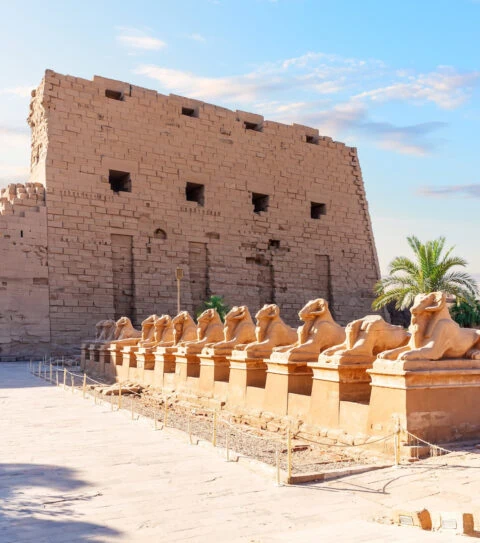
How Many Days to Visit Egypt?
Find out how many days you need in Egypt — from quick trips to full itineraries.
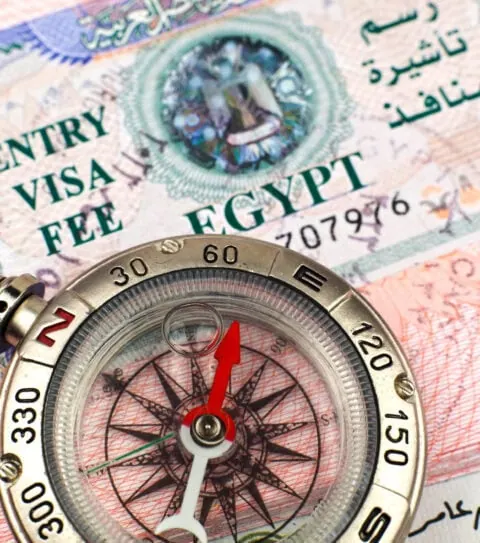
Egypt Visa Requirements
Check if you need a visa and get simple, up-to-date entry info based on your nationality.
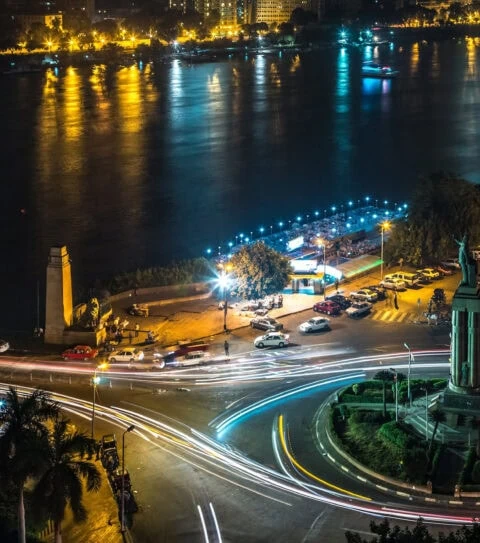
Is it Safe to Travel to Egypt?
Is Egypt safe? Get honest safety tips, area advice, and what to know before you travel.
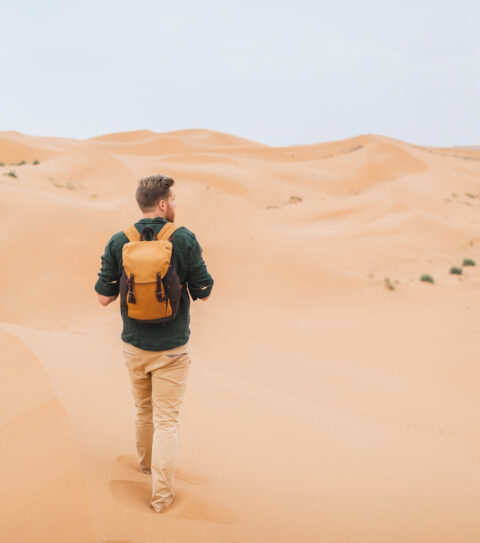
What to Pack for Egypt
A quick packing guide with essentials, cultural tips, and clothing advice for your Egypt trip.
Design Your Custom Tour
Explore Egypt your way by selecting only the attractions you want to visit