Egypt Travel Restrictions
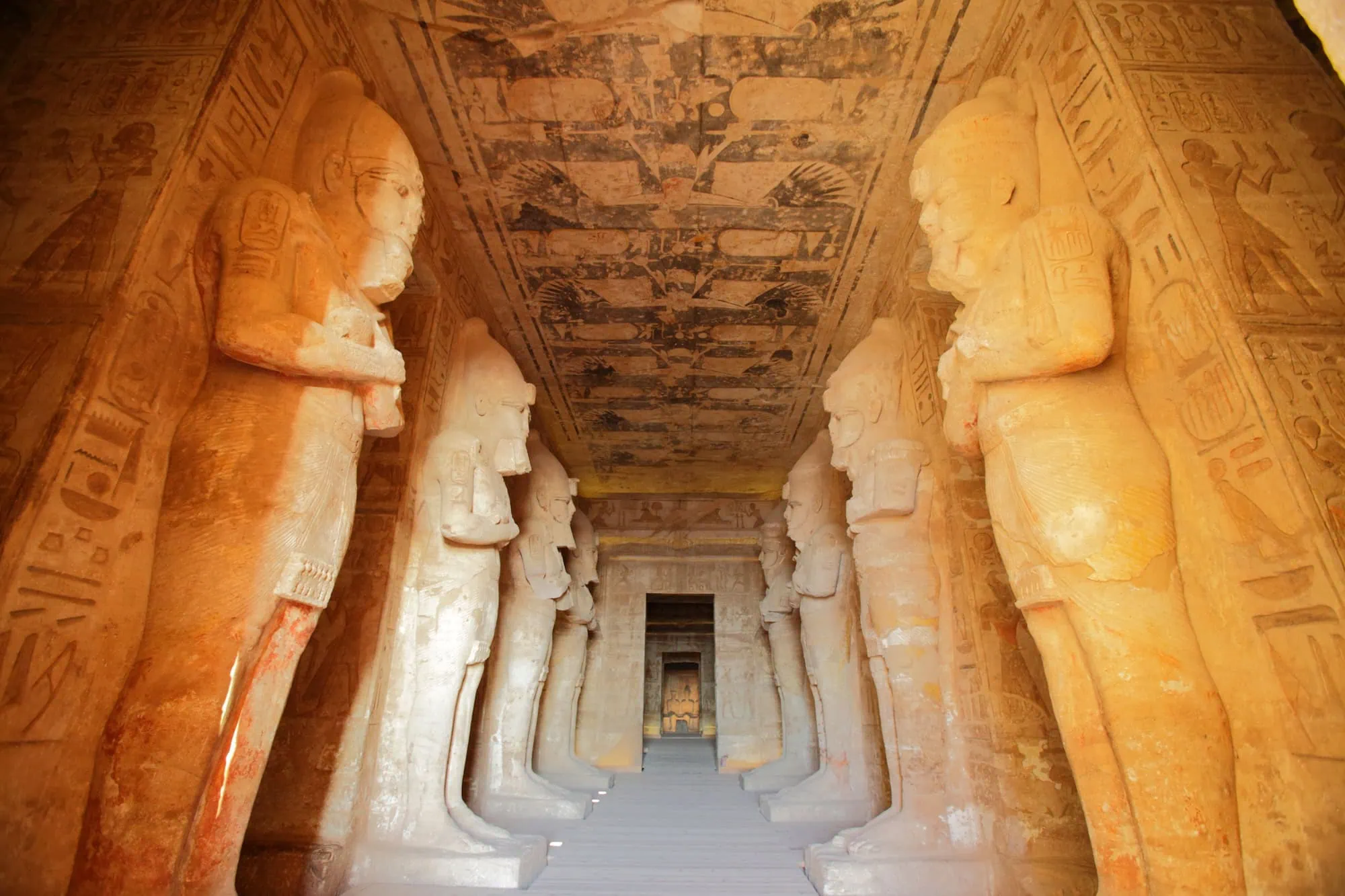
Egypt maintains specific travel restrictions due to ongoing security concerns and regional tensions. Understanding these restrictions before you travel is essential for a safe and smooth journey to this incredible destination.
Multiple government sources consistently advise heightened caution when visiting Egypt, with particular attention to certain regions that require extra planning or should be avoided entirely. Our decades of experience operating tours throughout Egypt means we stay updated on all current travel advisories and safety requirements to ensure our guests have accurate information for their journey.
Table of Contents
Current Travel Advisory Levels
U.S. State Department Advisory
The United States maintains a Level 2 advisory for Egypt, recommending increased caution due to terrorism threats and crime. This advisory affects most tourist areas but doesn’t prohibit travel.
American visitors should register with the U.S. Embassy in Cairo and maintain awareness of their surroundings. The advisory specifically mentions demonstration risks in urban areas and recommends avoiding large gatherings. Women travelers receive additional safety guidance regarding harassment concerns in certain areas.
International Caution Advisories
Both Australia and Canada issue “high degree of caution” advisories for Egypt. The Australian government emphasizes terrorism risks and Middle East regional tensions as primary concerns.
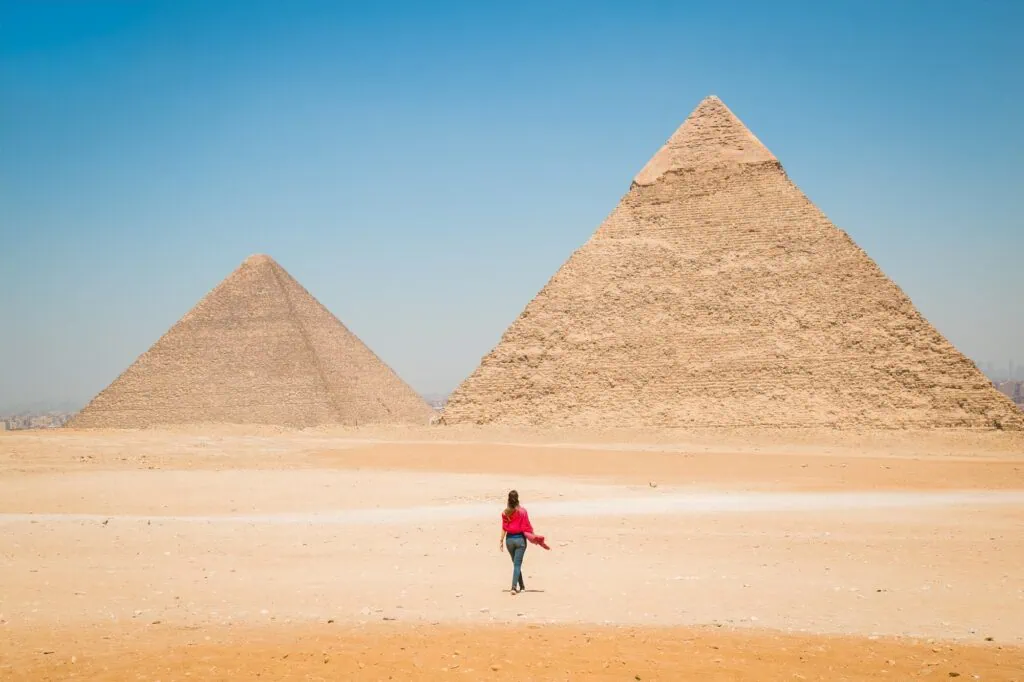
Canadian authorities similarly warn about ongoing regional conflicts affecting travel safety. These advisories don’t prevent travel but require additional preparation and awareness from visitors.
Prohibited and High-Risk Areas
Egypt restricts access to several regions due to security threats. The Northern Sinai Peninsula remains completely off-limits to tourists, with Egyptian authorities maintaining strict military control. This includes areas near the Gaza Strip border.
The Middle Sinai Peninsula also carries do-not-travel warnings from multiple governments. These restrictions exist due to active security operations against terrorist groups operating in remote areas.
Western Desert regions near the Libya border require special permits and government authorization. Most tour operators avoid these areas entirely. Our itineraries focus on approved tourist zones with established security protocols.
Red Sea Tourism Zones
Visitors can continue to travel safely to Sharm El Sheikh, one of Egypt’s most popular Red Sea resorts, known for its beaches, diving sites, and international-standard tourism infrastructure. Hurghada remains a leading holiday destination with enhanced security measures, a strong tourism presence, and well-established resort facilities. Further south, Dahab offers a more relaxed atmosphere while maintaining the same focus on visitor safety and security.
Across Egypt’s Red Sea coast, resort destinations benefit from regular police presence, enhanced security protocols, and international safety standards, allowing tourists to enjoy their stay with confidence.
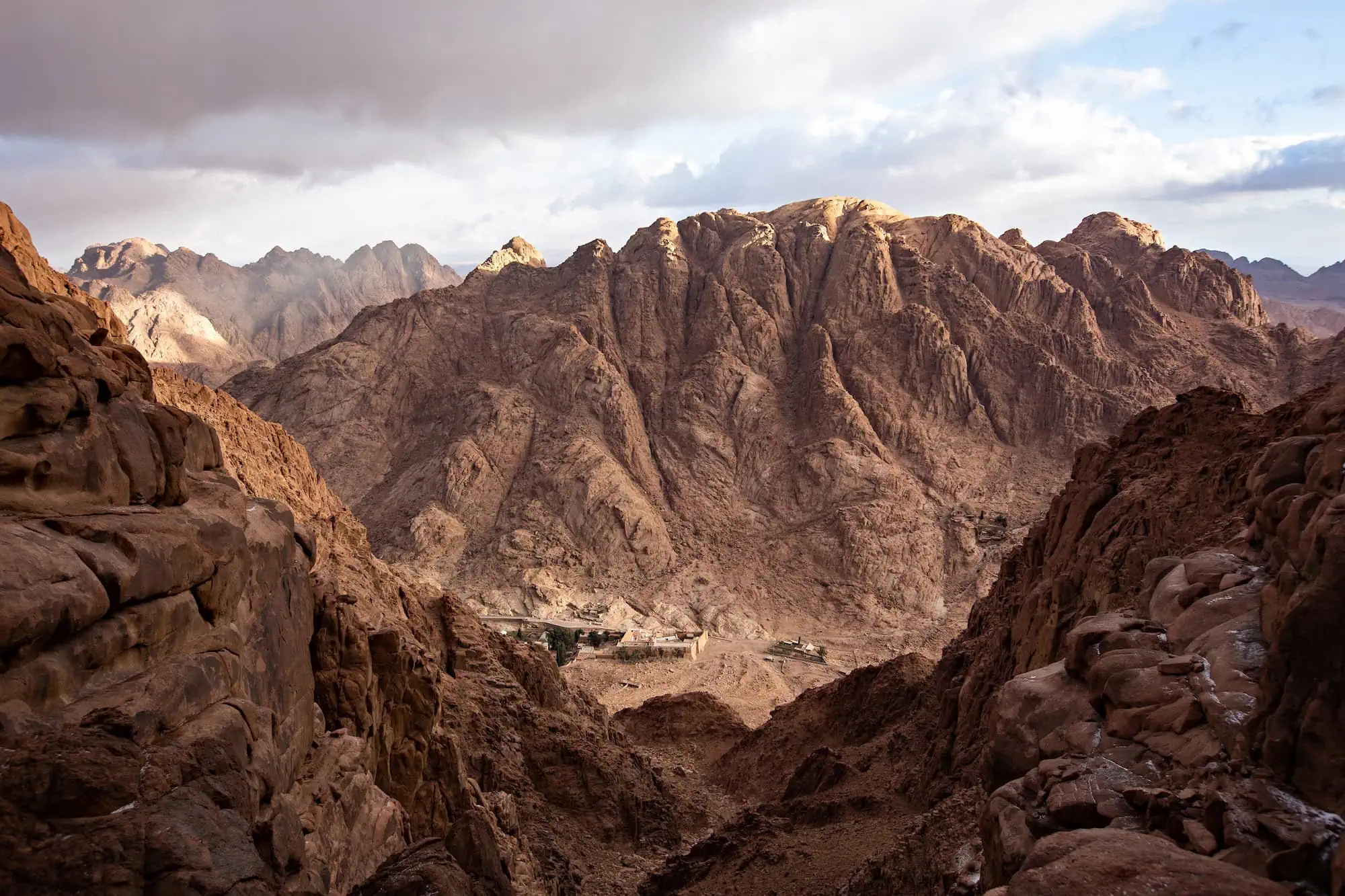
South Sinai destinations including St. Catherine’s Monastery operate under controlled access with approved tour operators. We coordinate all necessary permits and security clearances for these excursions.
Entry Requirements and Visa Restrictions
U.S. citizens must obtain a tourist visa before arrival or upon entry at Egyptian airports. The visa costs $25 USD for single entry and remains valid for 30 days. European visitors face similar requirements, though some nationalities can purchase visas on arrival.
Tourist visas allow access to approved destinations but don’t permit travel to restricted areas. Dual citizens may face additional scrutiny during entry procedures. We recommend carrying documentation proving your travel itinerary and accommodation bookings.
Passport validity must extend at least six months beyond your departure date. Some travelers require yellow fever vaccination certificates if arriving from affected countries. Health documentation requirements vary based on your departure location and recent travel history.
Health and Medical Restrictions
Vaccination Requirements
Egypt requires proof of yellow fever vaccination for travelers arriving from endemic areas. Routine vaccinations including hepatitis A, hepatitis B, and typhoid are strongly recommended.
The CDC suggests consulting travel medicine specialists before departure. Polio vaccination updates may be required for visitors from certain countries. Rabies vaccination is recommended for travelers planning extended stays or rural area visits.
Medical Facility Standards
Medical facilities outside Cairo and Alexandria may not meet international standards. Travel insurance with medical evacuation coverage is essential.

Prescription medications should include extra supplies and proper documentation. Our 24/7 customer support includes medical emergency assistance and coordination with local healthcare providers when needed.
Regional Security Variations
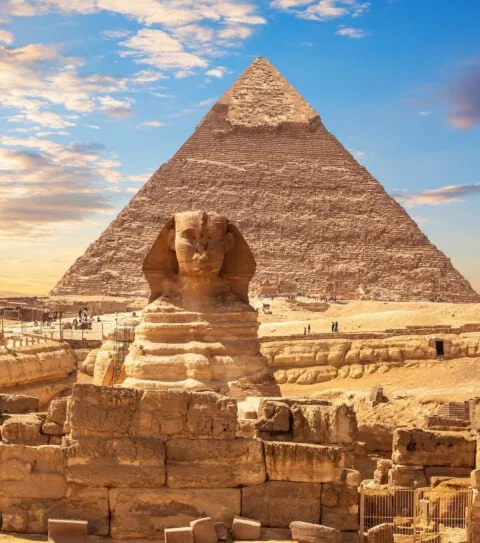
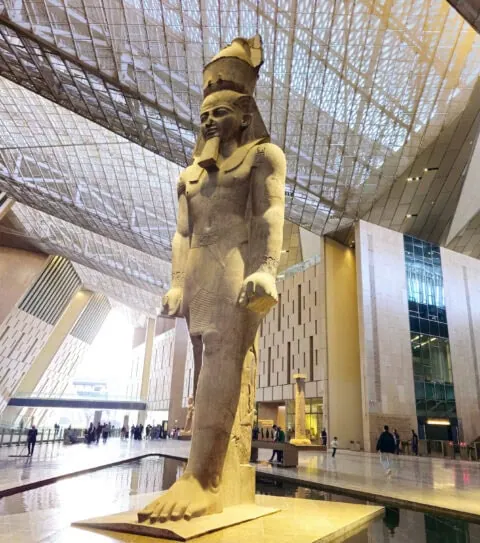
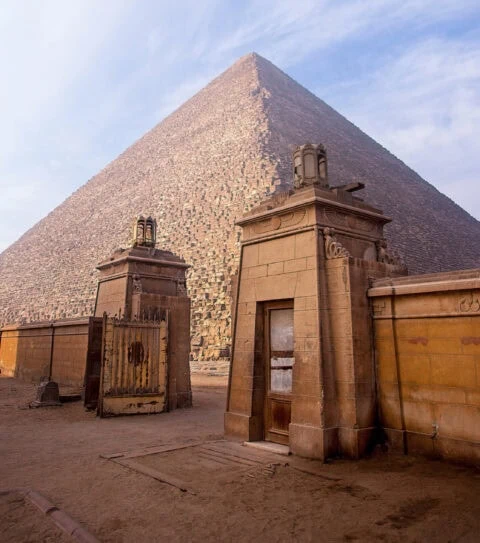
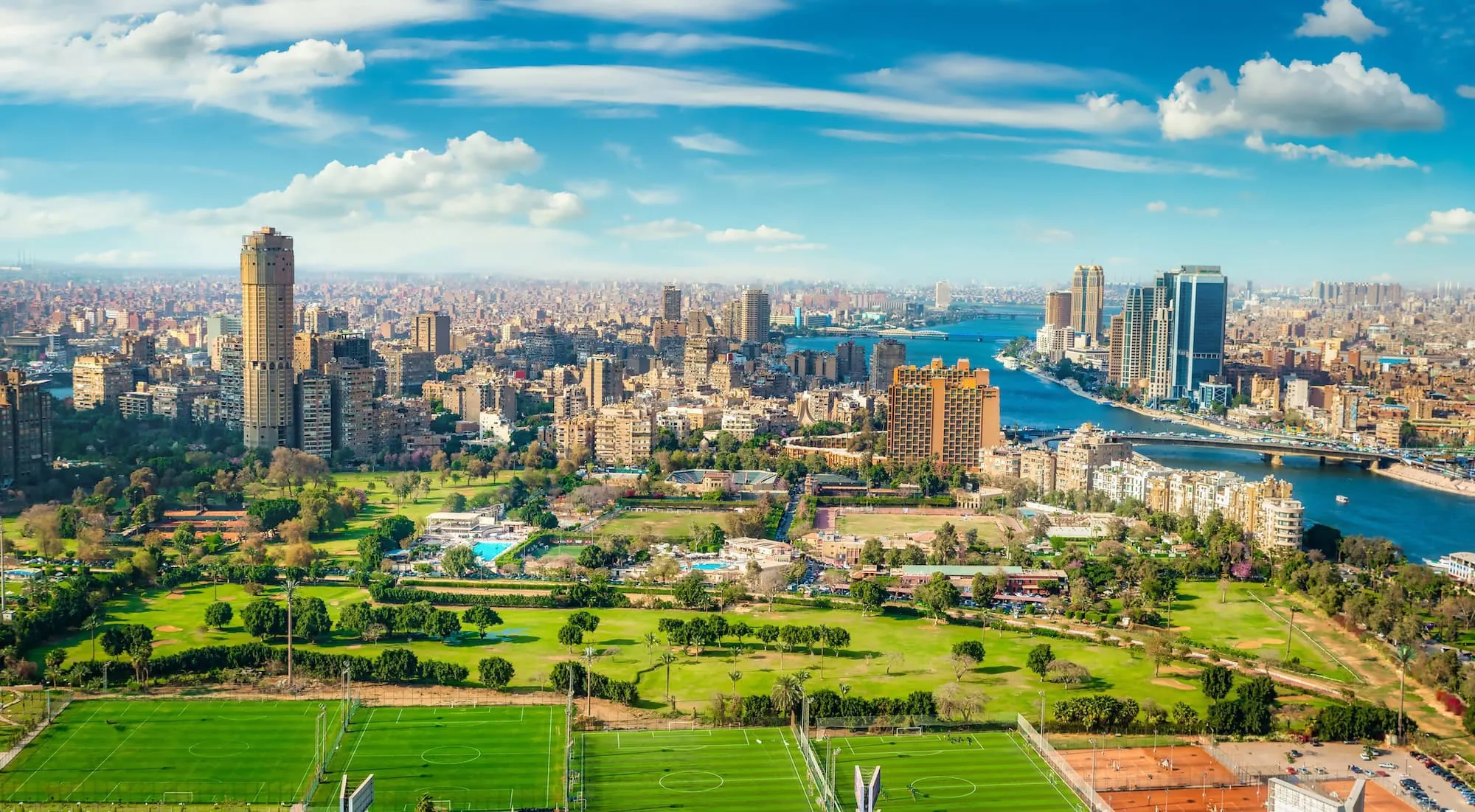
Security levels vary significantly across Egypt’s tourist destinations. Cairo requires heightened awareness but remains accessible with proper precautions. The Grand Egyptian Museum, pyramids at Giza, and other major attractions maintain security protocols.
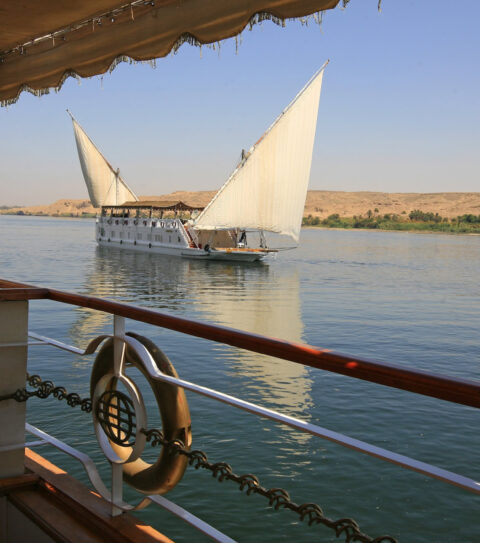
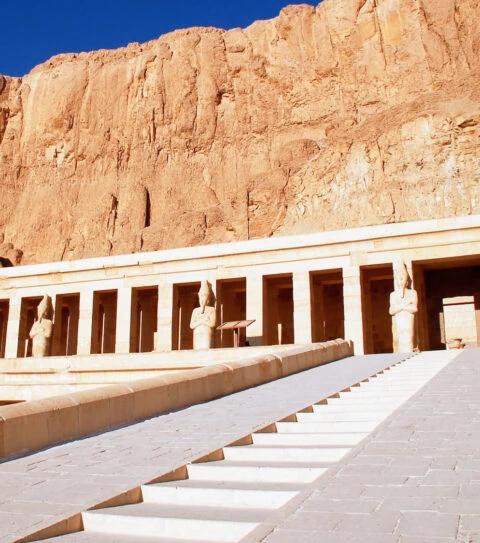
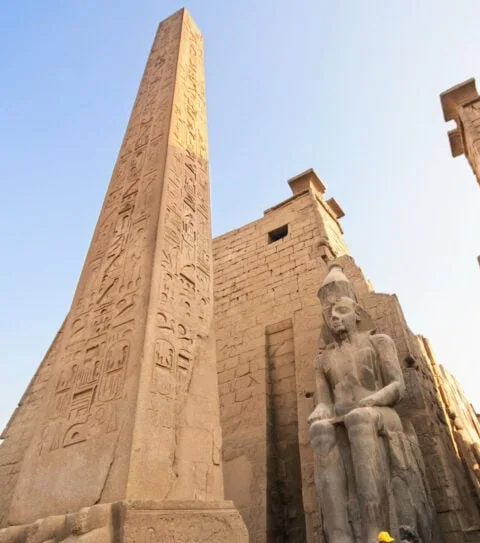
Luxor and Aswan experience fewer restrictions due to their tourism-focused infrastructure. Nile cruise routes between these cities operate under government security oversight.
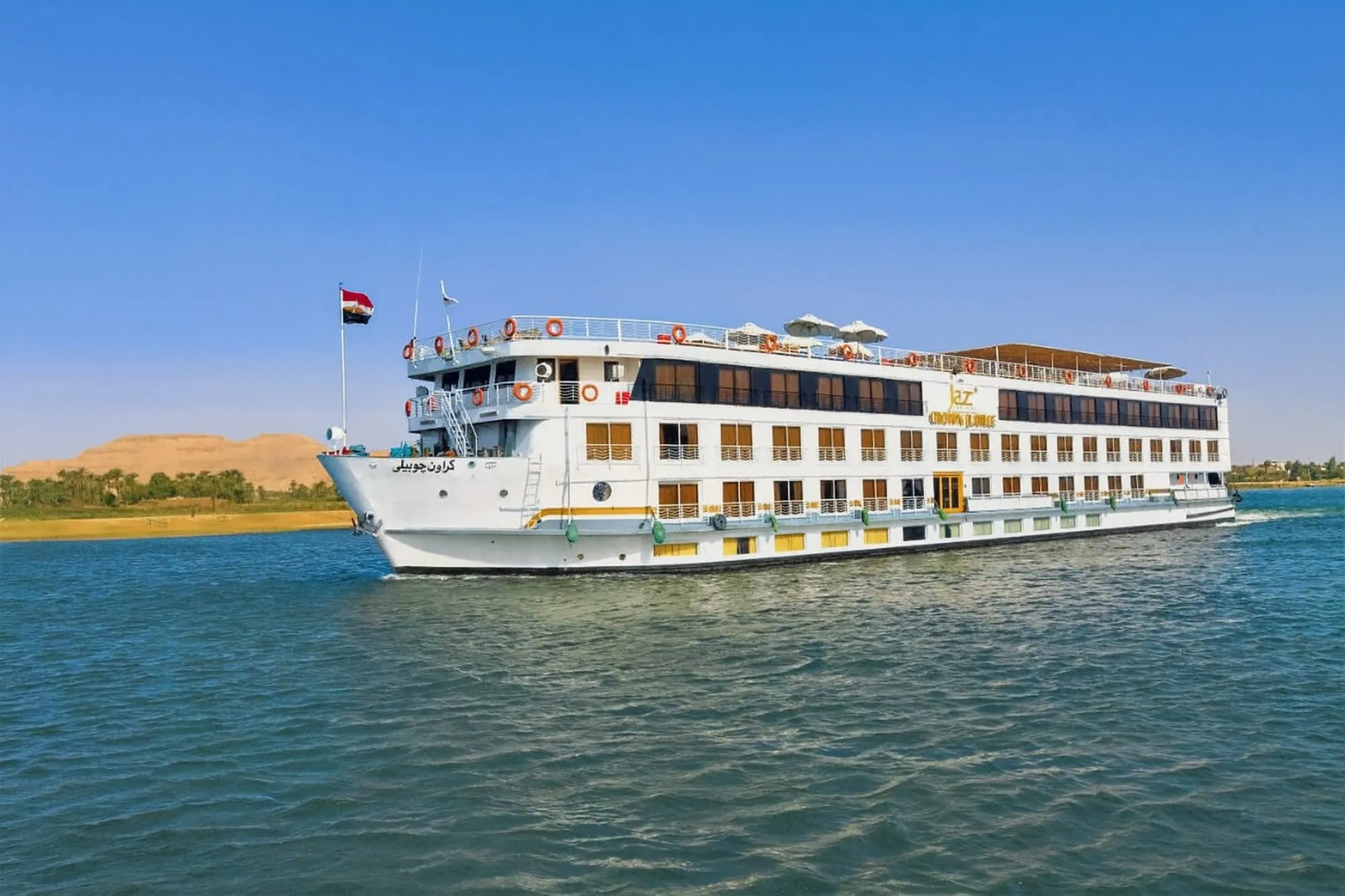
Alexandria and Mediterranean coastal areas face minimal restrictions. Red Sea resort destinations like Hurghada maintain resort-style security with minimal impact on tourist activities. Upper Egypt regions beyond Aswan require special permissions and are generally not recommended for independent travel.
Border and Transportation Restrictions
Gaza Strip Border Area
The border region with Gaza remains completely closed to tourists. Egyptian authorities maintain strict military control over this area. No civilian access is permitted regardless of nationality.
Libya Border Restrictions
Areas within 50 kilometers of the Libya border require government permits. Transportation to these regions is heavily restricted. Tour operators cannot arrange visits to border areas.
Airport Security Measures
Egyptian airports implement enhanced security screening for all international flights. Arrive at airports at least three hours before international departures.
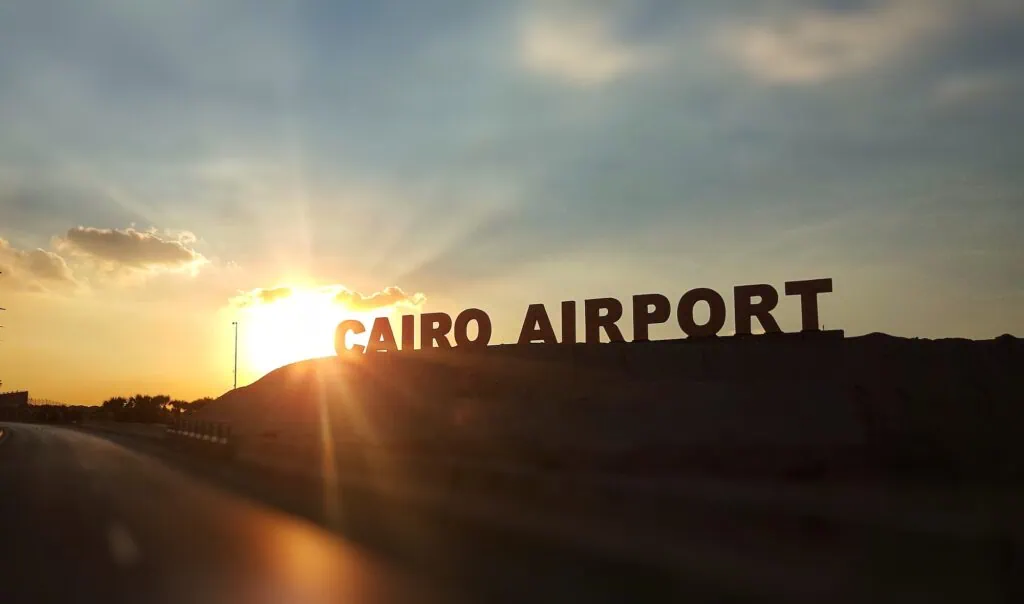
Electronic devices may require additional screening procedures. Internal flights within Egypt face fewer restrictions but still require proper identification and documentation.
Tourism Industry Safety Protocols
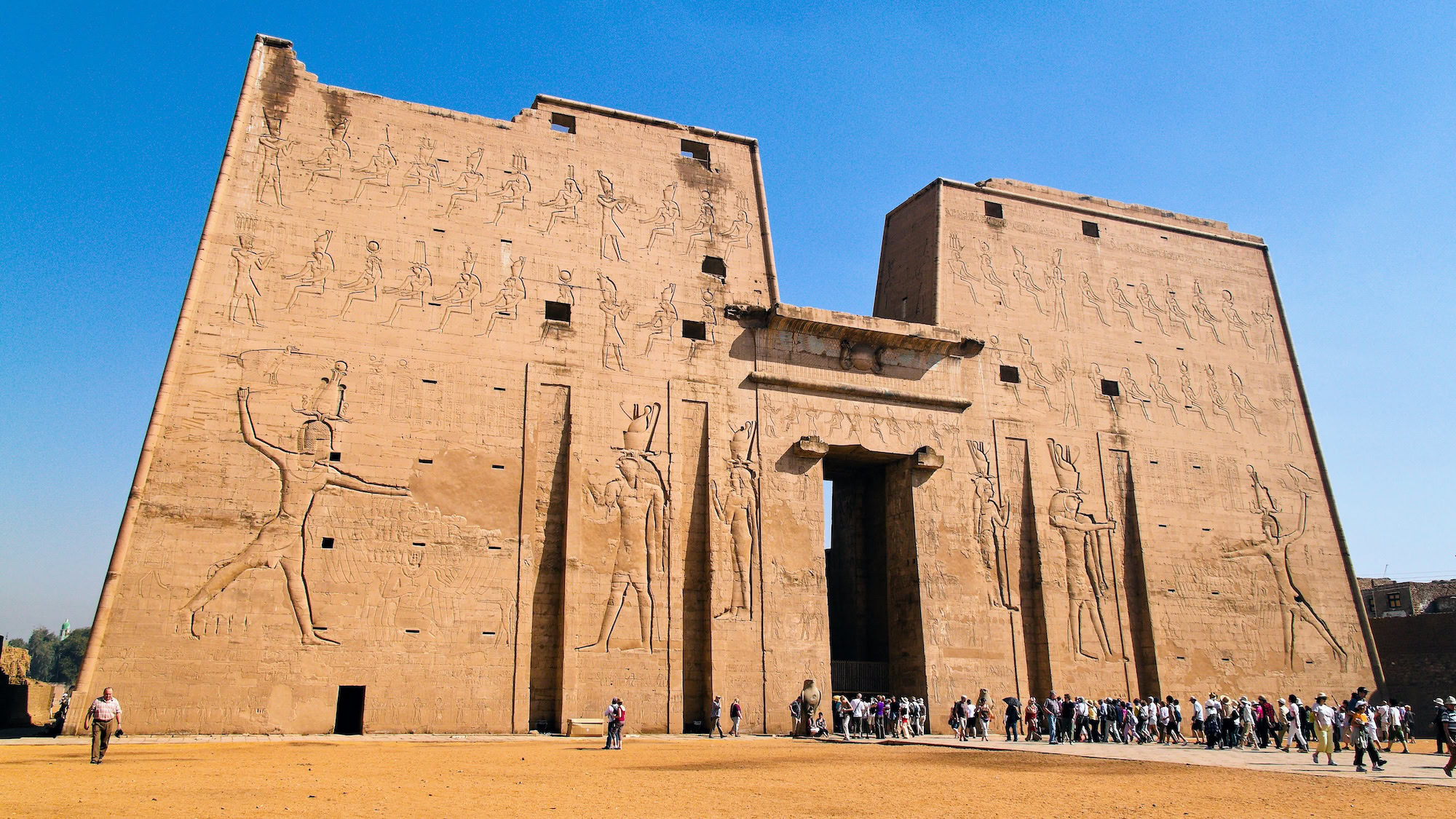
Egyptian tourism authorities work closely with international operators to maintain safety standards. Hotels in major tourist areas employ security personnel and screening procedures. Our carefully selected accommodations meet international safety requirements.
Tourist police units operate in all major destinations. These specialized units focus specifically on visitor safety and assistance. English-speaking officers are available in tourist zones.
Transportation safety includes using only licensed operators with proper insurance coverage. Our modern vehicles and professional drivers undergo regular safety inspections and security briefings.
Insurance and Emergency Preparations
Comprehensive travel insurance covering medical evacuation is mandatory for Egypt travel. Policies should include coverage for political evacuation and trip interruption. Standard travel insurance may not cover areas with government advisories.
Emergency contact information should include your embassy, tour operator, and insurance provider. We provide all guests with 24-hour emergency contact numbers and local support team information.
Register with your embassy upon arrival in Egypt. This registration enables consular assistance during emergencies and provides important safety updates. Cash reserves in USD are recommended as ATM access may be limited in some areas.
Planning Your Egypt Visit
Book accommodations in advance through established operators. Independent booking in restricted areas may create complications with local authorities. Our award-winning service includes all necessary permits and local coordination.
Flexible itineraries allow adjustments based on current conditions. We monitor security updates daily and modify tours when necessary for guest safety.
Private guides provide real-time local knowledge and safety awareness. Cultural sensitivity training helps visitors navigate local customs safely. Understanding appropriate dress codes and behavioral expectations reduces potential complications.
Frequently Asked Questions
Yes, Americans can currently travel to Egypt, although the U.S. Department of State advises exercising increased caution due to risks such as terrorism and crime in certain regions. Egypt welcomes millions of international visitors each year, and major tourism destinations including Cairo, Luxor, Aswan, Abu Simbel, Hurghada, and Sharm El Sheikh remain open and heavily visited. Travelers should review the latest U.S. travel advisory before departure and avoid areas specifically listed as high-risk.
Tourists should avoid the North Sinai region, areas near the Gaza border, and portions of the Western Desert close to the Libyan border due to ongoing security concerns. These restrictions are reflected in travel advisories issued by governments including the United States, United Kingdom, and Canada. Popular tourism centers such as Cairo, Giza, Luxor, Aswan, and the Red Sea resorts are located far from these restricted zones. Always check current advisories before finalizing travel plans.
No special permits are required for most of Egypt’s major tourist attractions, including the Pyramids of Giza, the Egyptian Museum, the Grand Egyptian Museum, Karnak Temple, and Nile cruise destinations between Luxor and Aswan. Standard admission tickets provide access to these sites, although certain premium experiences, such as entering specific tombs or pyramid chambers, may require separate tickets. Purchasing tickets early during peak season can reduce waiting times.
Travel insurance is not legally required for entry into Egypt, but comprehensive coverage is strongly recommended for all visitors. A policy that includes medical treatment, emergency evacuation, trip interruption, and baggage protection can be valuable, especially when traveling long distances between cities such as Cairo, Luxor, and Aswan. Medical standards vary across the country, and emergency transportation costs can be significant. Insurance provides an important layer of financial protection throughout your trip.
European travelers can generally visit Egypt’s main tourist destinations without unusual restrictions, provided they meet visa and passport requirements. Citizens from many European countries are eligible for e-visas or visas on arrival at major international airports. The same regional security restrictions that apply to other visitors also apply to Europeans, particularly near North Sinai and border areas. Most tourism itineraries operate entirely within approved and frequently visited regions.
Egypt generally does not require routine vaccinations for entry, but yellow fever vaccination is mandatory for travelers arriving from countries where yellow fever is present. Health authorities commonly recommend hepatitis A, hepatitis B, and typhoid vaccinations because these diseases can be contracted through contaminated food or water. Travelers should consult a healthcare provider 4-8 weeks before departure. Routine immunizations should also be up to date before international travel.
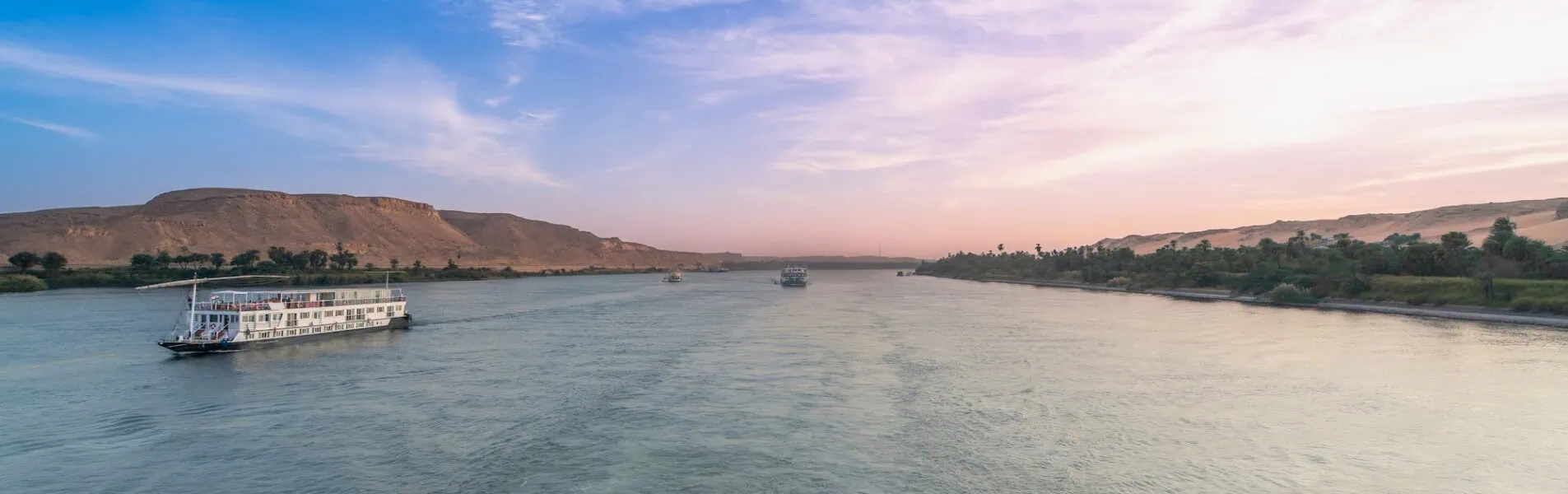
Yes, Nile cruises operating between Luxor and Aswan are widely regarded as safe and continue to function normally under established tourism security measures. The approximately 220 km (137 mile) stretch of Nile River between these cities is one of Egypt’s most visited tourism corridors. Cruise ships follow regulated routes and coordinate with local authorities where required. Booking with a reputable operator helps ensure smooth logistics and access to experienced guides.
The most reliable way to stay informed is to monitor official government travel advisory websites and register with your embassy’s traveler notification program if available. Travel conditions can change due to security developments, weather events, or transportation disruptions. Reputable tour operators also monitor local conditions daily and can advise on itinerary adjustments. Check updates regularly during the weeks leading up to departure and throughout your trip.
If travel restrictions change while you are in Egypt, follow guidance from local authorities, contact your embassy or consulate, and coordinate with your airline or tour provider. Most changes affect specific regions rather than the country’s major tourism hubs. Keeping digital and printed copies of travel documents, accommodation details, and emergency contacts can help streamline any necessary adjustments. Remaining flexible with travel plans is often the best approach.
Red Sea resort destinations such as Hurghada, El Gouna, Marsa Alam, and Sharm El Sheikh generally experience few travel-related restrictions and remain among Egypt’s most popular tourist areas. These destinations receive millions of domestic and international visitors annually and maintain tourism-focused infrastructure, international airports, and established security measures. They are geographically distant from the regions most commonly highlighted in foreign travel advisories.
Yes, independent travel is possible throughout most of Egypt’s major tourism destinations, including Cairo, Alexandria, Luxor, Aswan, and the Red Sea coast. Independent travelers can use domestic flights, trains, private transfers, and licensed taxis to move between cities. However, organized tours often simplify logistics and provide local expertise, particularly at archaeological sites. Travelers should avoid restricted regions and remain aware of current government advisories.
In addition to a passport valid for at least six months beyond your intended stay, most travelers need an Egyptian tourist visa obtained either in advance or on arrival, depending on nationality. Visitors should also carry accommodation confirmations, return or onward travel details, and any health documentation required based on recent travel history. Keeping both printed and digital copies of important documents can make airport and hotel check-ins more efficient.
Explore our most popular guides and expert tips to make your trip safe, smooth, and unforgettable.
Plan Your Egypt Adventure with Confidence
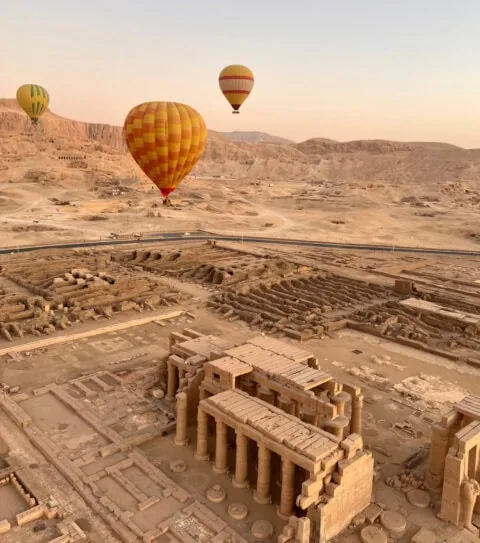
How to Plan a Trip Egypt
Step-by-step guide to help you plan the perfect Egypt trip — from routes and budget to booking.
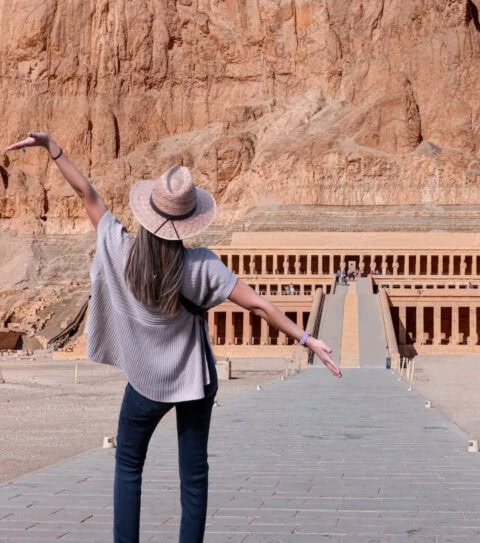
Best Time to Visit Egypt
Learn the best months to visit Egypt based on weather, crowds, and local travel experiences.
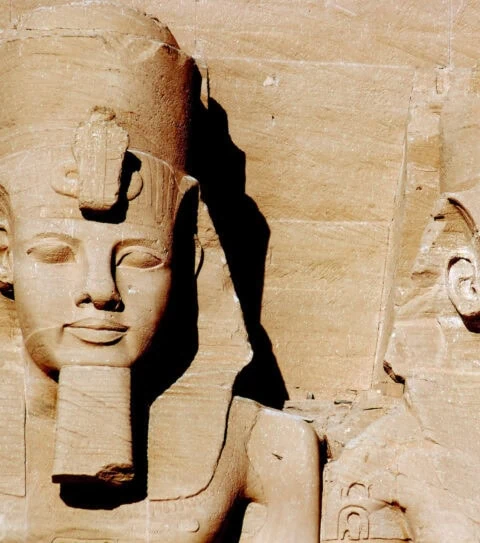
Must Visit Places in Egypt
Explore Egypt’s top sights — from pyramids to temples — and hidden gems worth seeing.
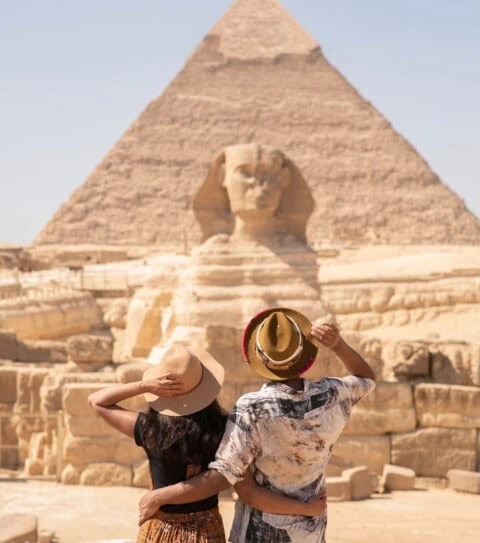
Top-Rated Egypt Tours
Handpicked private tours with local guides — our most loved and best-reviewed experiences.
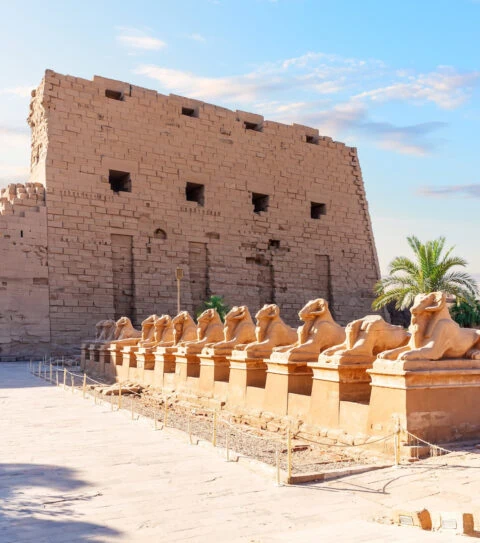
How Many Days to Visit Egypt?
Find out how many days you need in Egypt — from quick trips to full itineraries.
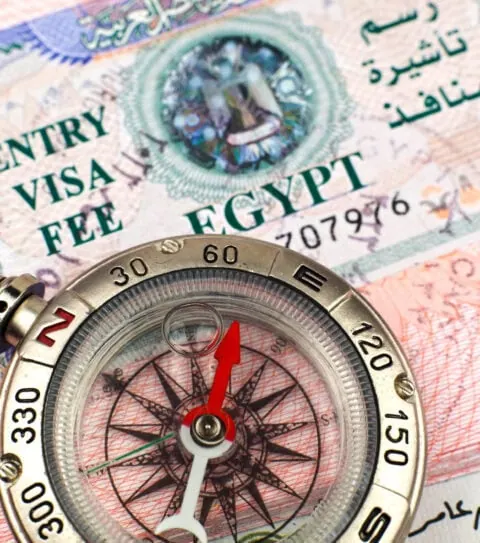
Egypt Visa Requirements
Check if you need a visa and get simple, up-to-date entry info based on your nationality.
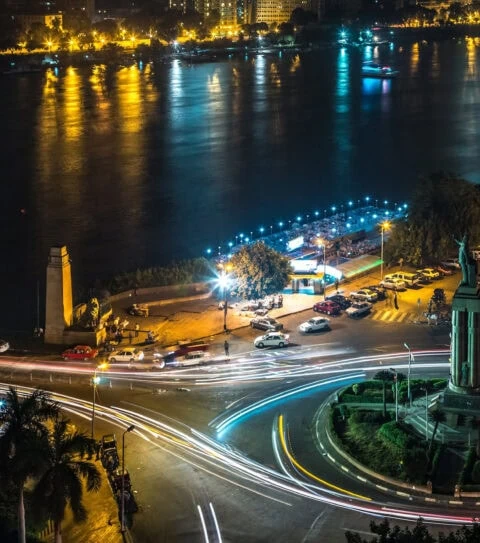
Is it Safe to Travel to Egypt?
Is Egypt safe? Get honest safety tips, area advice, and what to know before you travel.
What to Pack for Egypt
A quick packing guide with essentials, cultural tips, and clothing advice for your Egypt trip.

Design Your Custom Tour
Explore Egypt your way by selecting only the attractions you want to visit