Internet Access in Egypt: Your Guide to Staying Connected
Getting online in Egypt isn’t just about finding WiFi anymore. The country has transformed its digital landscape dramatically over the past two decades.
From less than one percent internet penetration in 2000, Egypt now boasts 81.9% connectivity as of early 2025, placing it among Africa’s digital leaders. This remarkable growth reflects both government investment in telecommunications infrastructure and Egyptians’ growing embrace of digital technology.
Current Infrastructure and Technology
Egypt’s internet backbone relies heavily on fiber-optic networks extending across major cities and urban centers. Broadband access through VDSL and FTTH reaches most metropolitan areas, with download speeds averaging 9.75 Mbps according to recent measurements.
This places Egypt second in North Africa for connection speed, though performance varies significantly between urban and rural regions. Seven companies control Egypt’s internet infrastructure, classified as Class A ISPs.
Major Internet Service Providers
Telecom Egypt dominates with approximately 72% market share, followed by TE Data and Vodafone Egypt. This concentration creates limited competition, which impacts both pricing and service quality for consumers.
The market structure presents challenges for customers seeking alternatives. Most residential users rely on ADSL connections through their local provider, while businesses increasingly opt for dedicated fiber connections.
Network Performance and Reliability
Internet resilience in Egypt scores 44% according to Internet Society measurements, indicating medium capacity for handling network disruptions. The country operates six data centers and three active Internet Exchange Points (IXPs), providing reasonable redundancy for critical services.

However, this infrastructure remains centralized around Cairo and Alexandria, creating potential vulnerabilities. IPv6 adoption remains limited, with only 5% of users able to access resources using the newer protocol.
Usage Patterns and Demographics
Approximately 80.8 million Egyptians use the internet regularly, representing 73% of the population as of 2023. This figure has grown from just 37% in 2017, demonstrating rapid digital adoption across age groups and geographic regions.
Mobile internet dominates usage patterns, with smartphones serving as the primary gateway to online services for most users. Urban areas show near-universal connectivity, while rural regions still face significant gaps.
Regional Variations in Quality
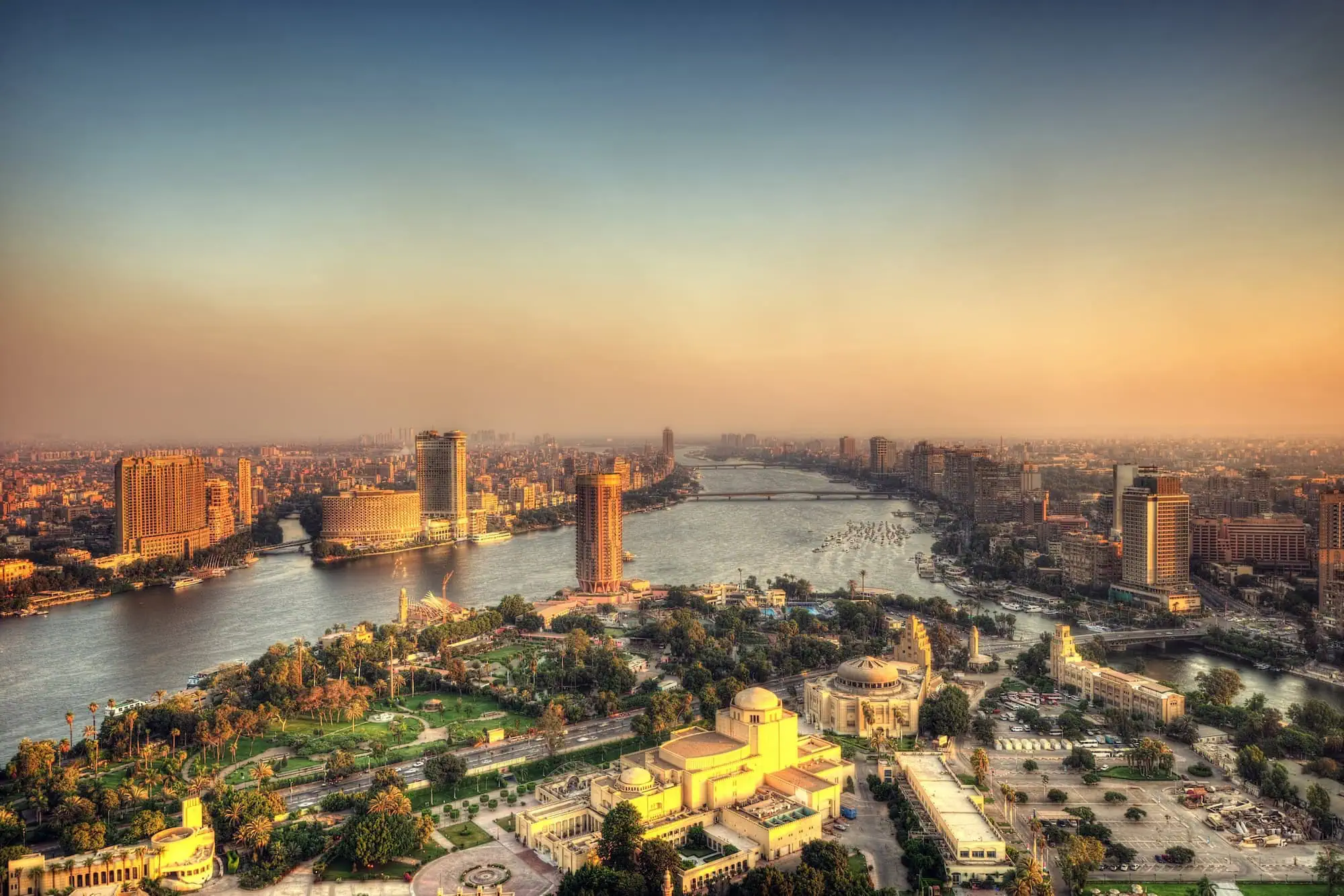
Connection quality varies dramatically between Egypt’s governorates. Alexandria and Cairo enjoy relatively stable, high-speed connections suitable for streaming and video conferencing. However, southern governorates often experience slower speeds and less reliable service.
Tourism centers along the Red Sea coast, including Sharm El Sheikh and Hurghada, maintain excellent connectivity to support international visitors. These areas receive priority infrastructure investment, resulting in speeds and reliability comparable to major European cities.
Internet Freedom and Censorship
Egypt’s internet environment faces significant freedom restrictions, particularly since 2014. The government has expanded online censorship under President el-Sisi’s administration, blocking access to numerous websites and social media platforms during sensitive periods.
Website blocking occurs through multiple methods, including DNS manipulation and deep packet inspection. Popular platforms like Facebook, Twitter, and YouTube have faced temporary restrictions during political events or protests.
Historical Context of Control
The most dramatic example of internet control occurred during the 2011 revolution, when authorities shut down the entire country’s internet access on January 27. This unprecedented blackout lasted several days, demonstrating the government’s willingness to sacrifice economic activity for political control.
More recent censorship focuses on selective blocking rather than complete shutdowns. News websites, human rights organizations, and opposition political groups face particular scrutiny.
Cybersecurity Landscape and Protection
Egypt scores 100/100 on the Global Cybersecurity Index, indicating strong national preparedness for cyber threats. This high rating reflects government investment in cybersecurity infrastructure and legal frameworks designed to protect both citizens and critical systems.
The National Telecom Regulatory Authority (NTRA) oversees cybersecurity standards and coordinates responses to major incidents. Egyptian banks and government services have implemented robust security measures following increased cyber attack attempts in recent years.
Data Protection and Privacy
Egyptian data protection laws have evolved to address growing privacy concerns, though enforcement remains inconsistent. Users should understand that internet service providers may retain browsing records and communication logs, potentially sharing this information with government authorities when requested.
Social media monitoring occurs regularly, with authorities tracking public posts for potential security threats or political dissent. This surveillance environment influences how many Egyptians communicate online, leading to self-censorship and careful content selection.
Practical Guide for Visitors
Foreign visitors can access internet services relatively easily through hotels, cafes, and mobile data plans. Tourist areas maintain excellent connectivity, with many establishments offering complimentary WiFi. However, certain websites and services may be inaccessible due to government restrictions.
Purchasing a local SIM card provides the most reliable internet access for travelers. Major mobile operators including Vodafone, Orange, and Etisalat offer prepaid data packages suitable for short-term stays.
Setting Up Internet Service
Residents establishing new internet connections face various options depending on location and budget. ADSL remains the most common choice for apartments and homes, offering speeds between 2-16 Mbps depending on the selected package.
Installation typically takes 1-2 weeks after application, requiring Egyptian identification or residency documentation. Business users should consider dedicated fiber connections for better reliability and speed.
Cost Considerations
Internet costs in Egypt remain relatively affordable compared to regional standards. Basic residential packages start around 100 EGP monthly, while higher-speed options range up to 500 EGP.
Mobile data plans offer competitive alternatives, with unlimited packages available for approximately 200-300 EGP per month. Business packages command premium pricing, reflecting dedicated bandwidth and enhanced support services.
Frequently Asked Questions
Average download speeds reach 9.75 Mbps, placing Egypt second in North Africa.
Telecom Egypt dominates with 72% market share, while Vodafone offers competitive alternatives.
Most websites work normally in tourist areas, though some platforms face restrictions.
Yes, most hotels provide complimentary WiFi with reliable connections for international guests.
Basic residential packages start at 100 EGP monthly, with mobile plans around 200-300 EGP.
VPNs help access restricted content, though their use may violate regulations during emergencies.
Mobile internet often provides more reliable service in smaller cities than ADSL.
Yes, urban areas support video conferencing though backup connections are recommended for business.
Contact local ISPs with Egyptian identification, expect 1-2 weeks installation time for ADSL.
Government surveillance capabilities exist, with ISPs potentially retaining browsing records when required.
Yes, internet cafes remain common in urban areas offering affordable hourly access.



Design Your Custom Tour
Explore Egypt your way by selecting only the attractions you want to visit