How Many Days to Visit Egypt?
Planning your Egypt trip shouldn’t feel overwhelming.
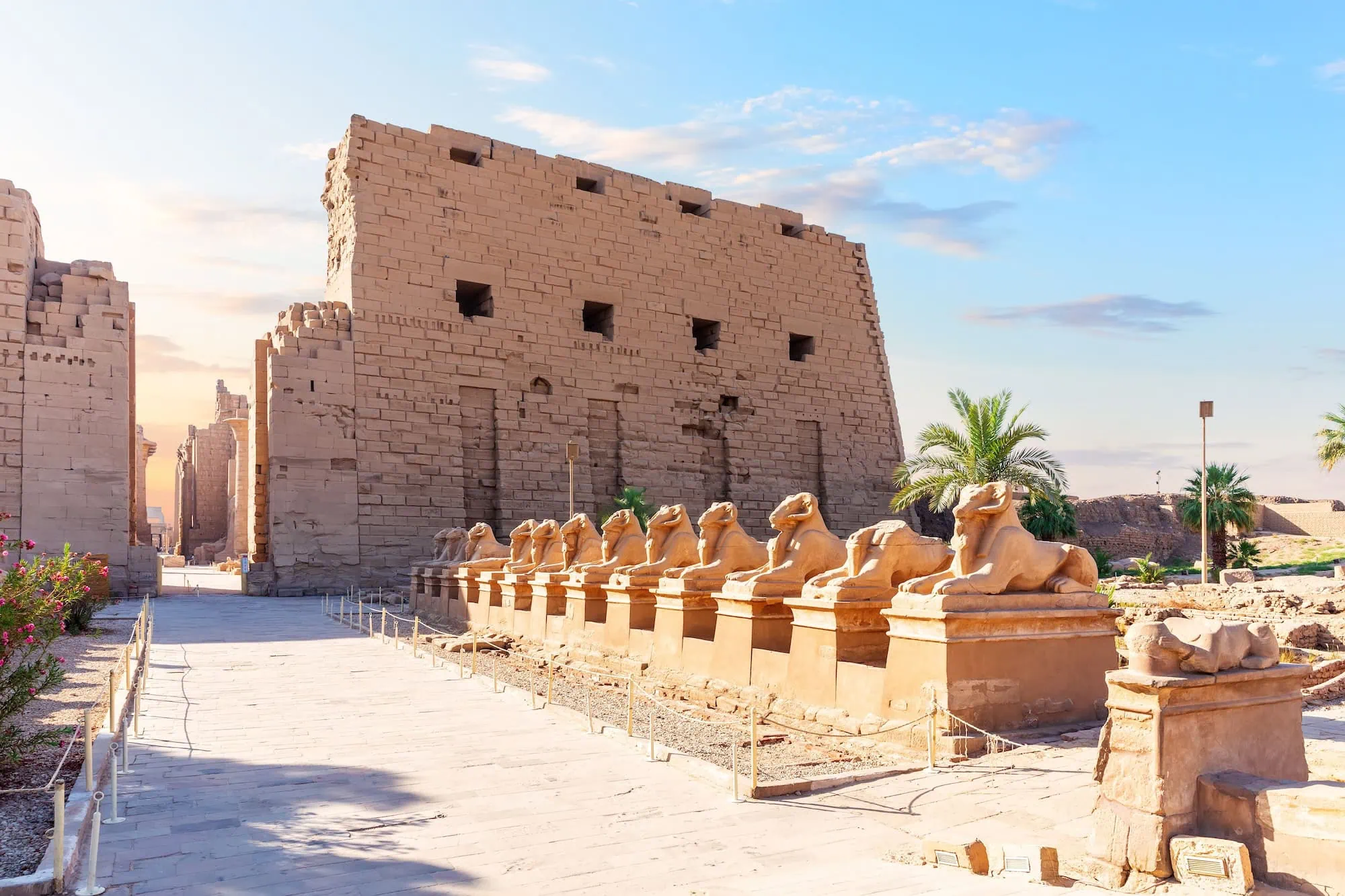
Most travelers wonder whether a week covers enough ground or if two weeks might be excessive. After guiding thousands of visitors through Egypt’s ancient wonders and modern cities, we’ve learned that the ideal duration depends on your interests, travel style, and specific destinations.
Some visitors fall in love with Cairo’s bustling energy and want to extend their stay, while others prefer moving quickly between major highlights. The key lies in understanding what Egypt offers and matching that to your personal travel preferences.
Your Egyptian adventure can range from an intensive 5-day highlights tour to a comprehensive 2-week journey that includes everything from temple complexes to Red Sea relaxation.
Table of Contents
Essential Duration for Egypt’s Must-See Destinations
Most first-time visitors need at least 7-10 days to experience Egypt’s core attractions without feeling rushed.
Cairo and Giza
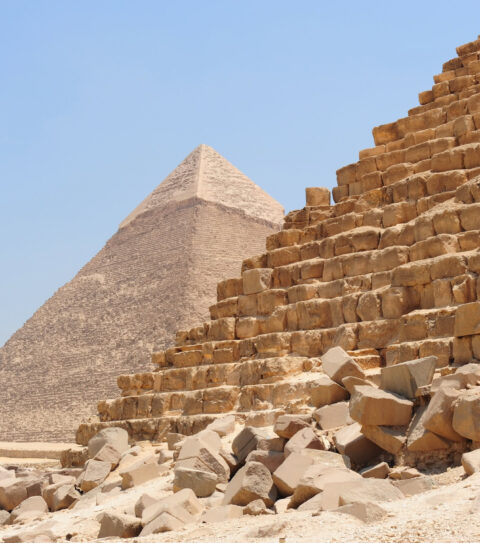
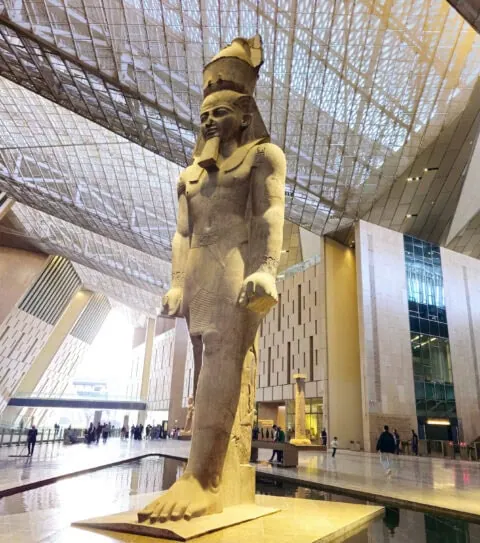
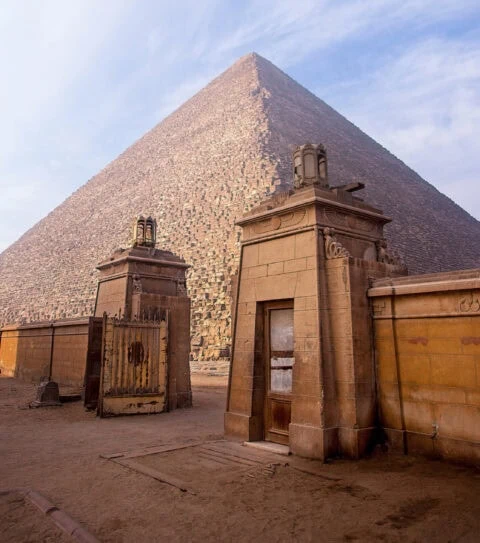
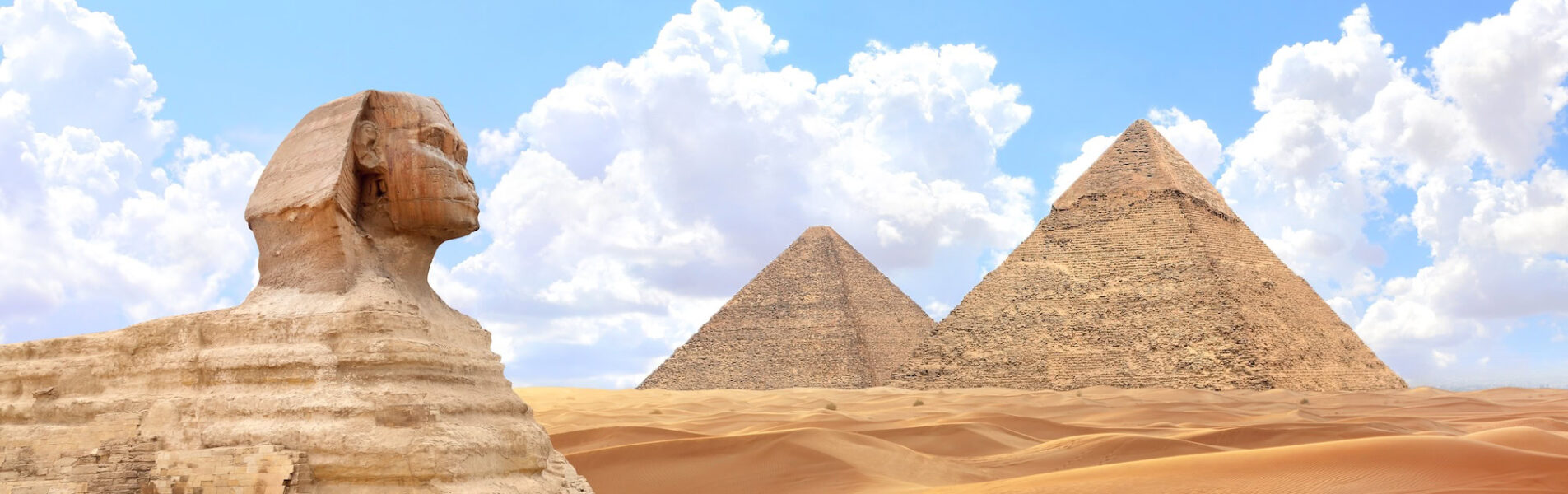
Cairo and Giza deserve ample time to be experienced properly. The Pyramids of Giza alone justify a full day, now complemented by the nearby Grand Egyptian Museum (GEM), where the Solar Boat of Khufu and the complete treasures of Tutankhamun are displayed in a state-of-the-art setting.
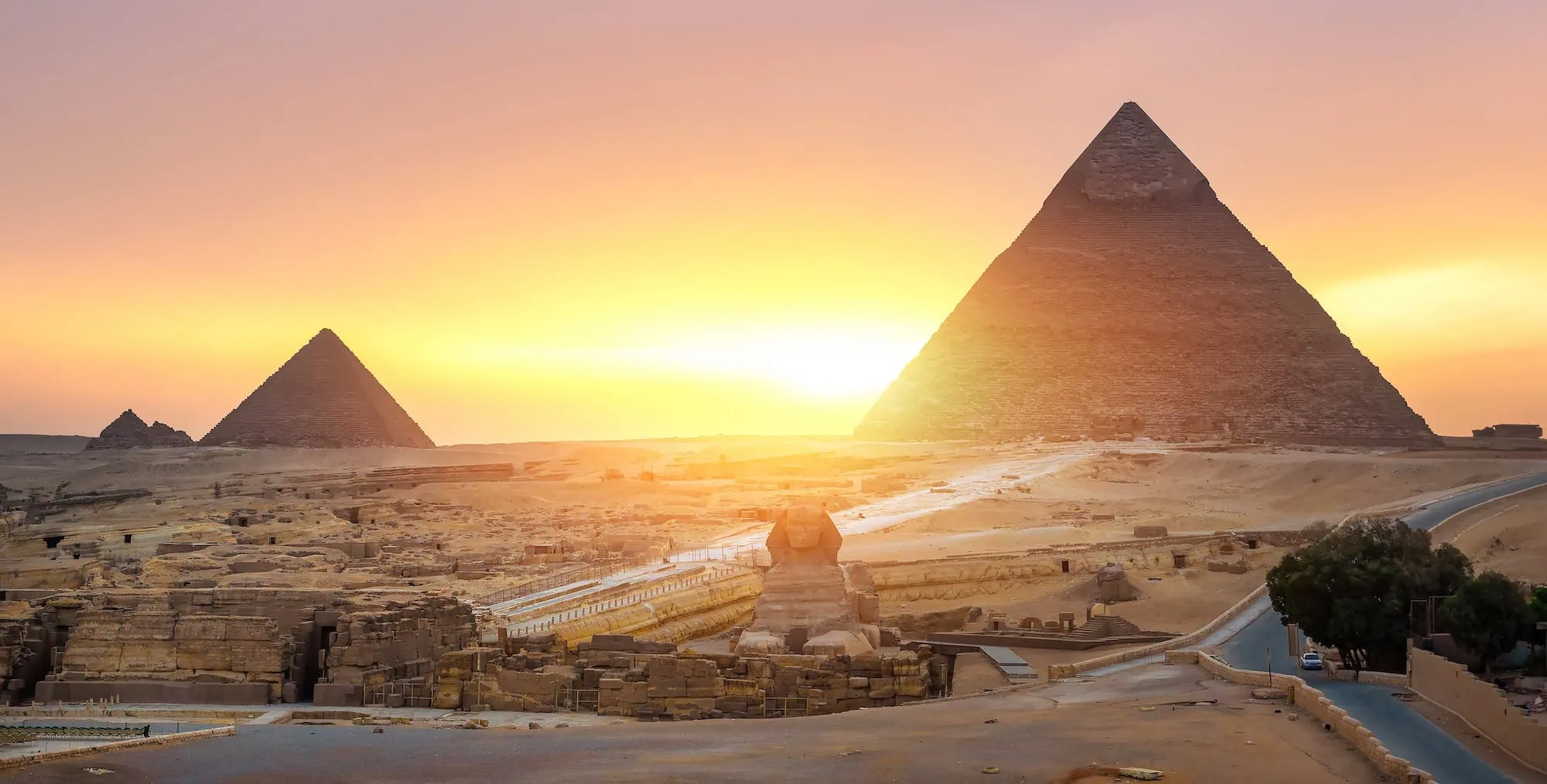
The GEM has become the centerpiece of Egypt’s ancient heritage experience, offering a far more immersive and modern presentation than ever before. Meanwhile, the historic Egyptian Museum in Tahrir still holds selected masterpieces and is worth a visit for its classical atmosphere.
Allow additional time to explore Islamic Cairo, with its medieval mosques, vibrant bazaars, and historic streets. The Citadel of Saladin, home to the iconic Mosque of Muhammad Ali, offers sweeping panoramic views over the city.
Cairo’s scale is often underestimated—planning sufficient time is key to fully appreciating its depth, contrasts, and world-class archaeological treasures.
Luxor and Valley of Kings
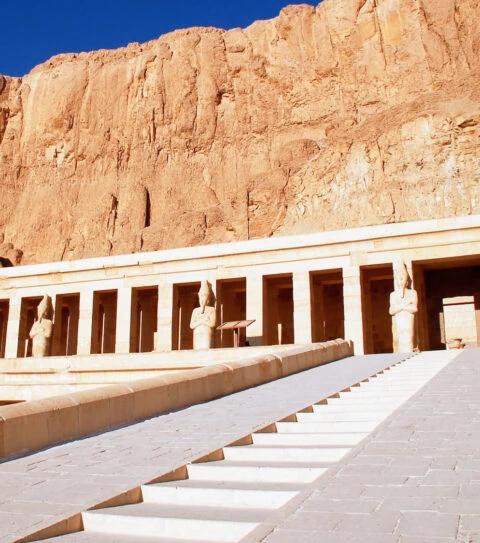
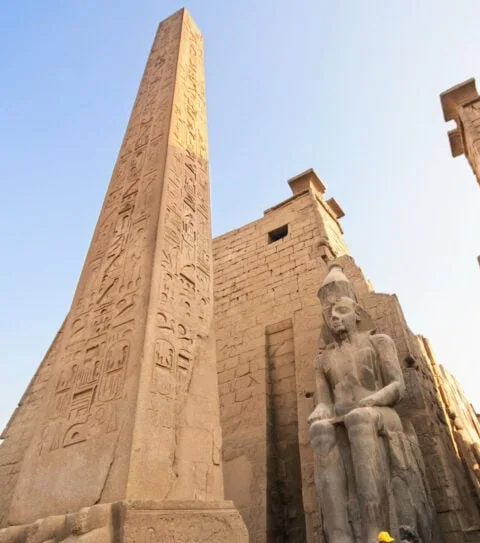
Luxor functions as an open-air museum with temples and tombs spanning both banks of the Nile. The Valley of the Kings contains over 60 pharaonic tombs, though only a selection remains open to visitors at any time.
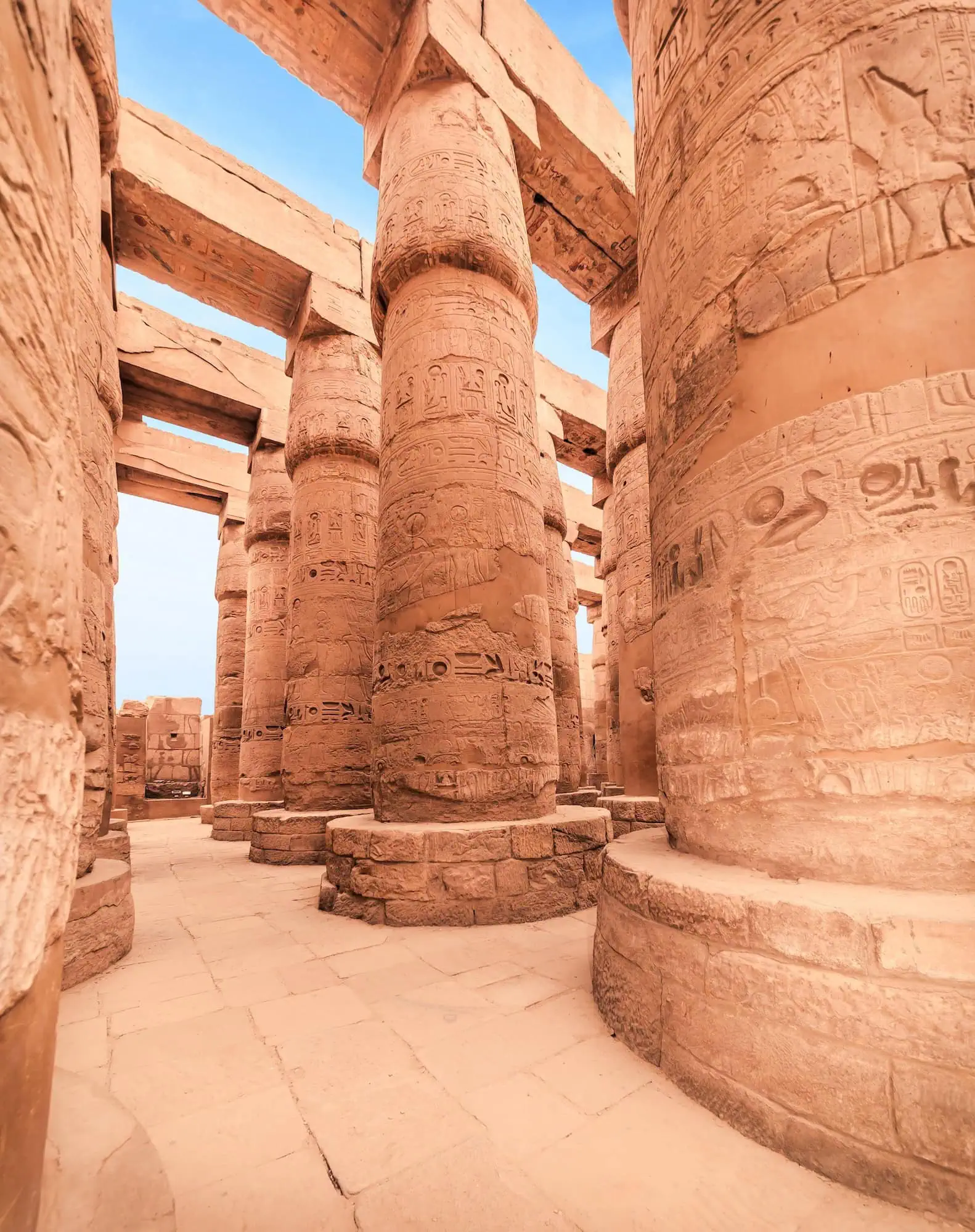
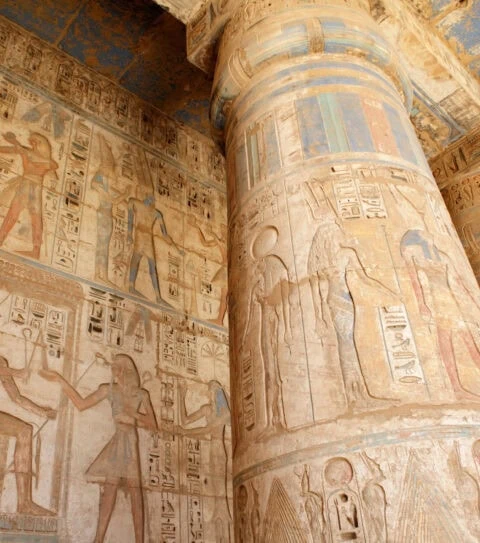
Karnak Temple Complex requires several hours to explore properly. Its Great Hypostyle Hall contains 134 massive columns and represents one of ancient Egypt’s most impressive architectural achievements.
Aswan and Abu Simbel
Aswan‘s more relaxed atmosphere provides welcome contrast after busy Cairo and Luxor. The Philae Temple, relocated to Agilkia Island, showcases Ptolemaic and Roman architecture.
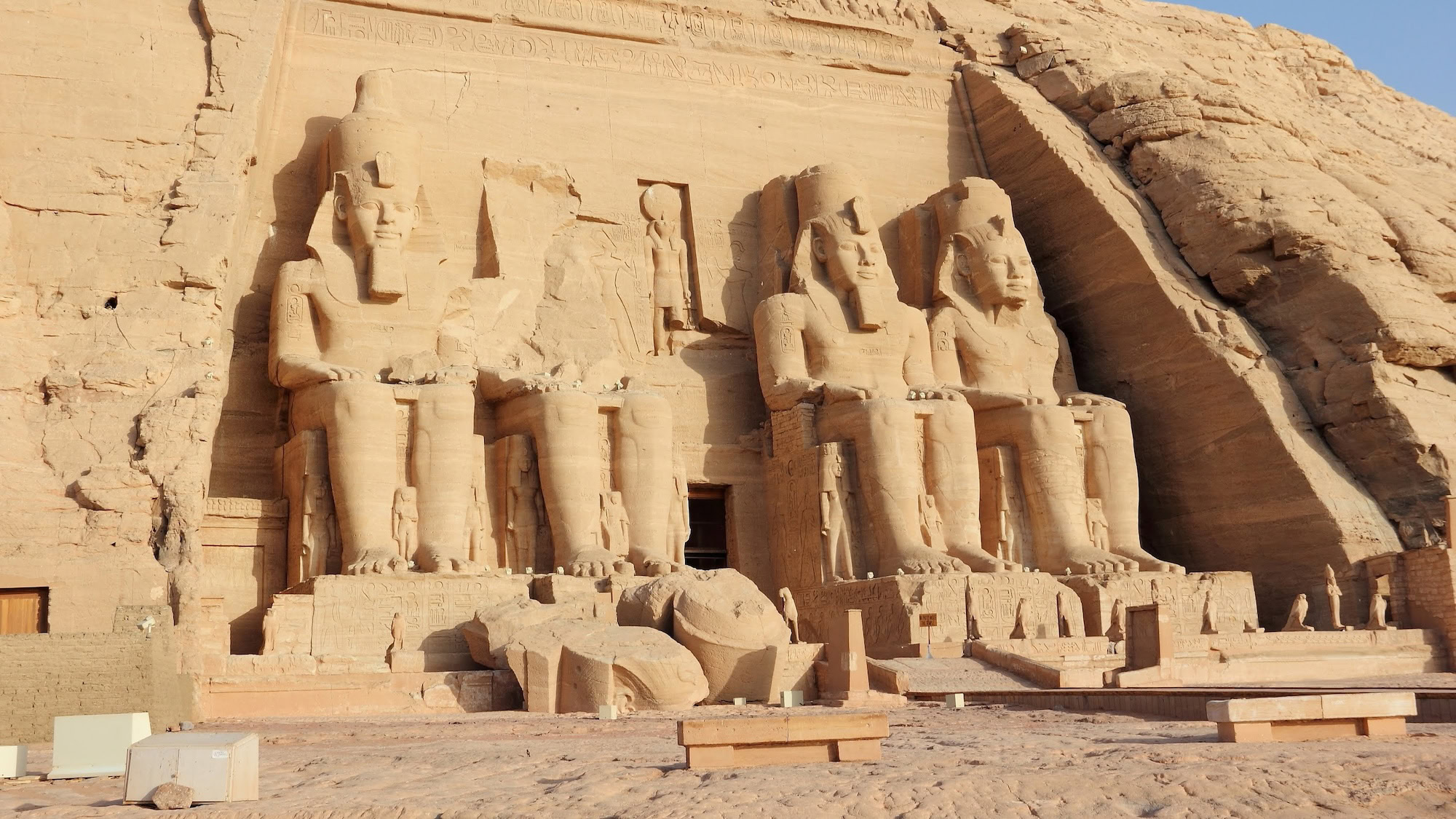
Abu Simbel, though requiring a day trip or overnight stay, ranks among Egypt’s most spectacular monuments. The twin temples were carved directly into cliffsides during Ramesses II’s reign and later relocated entirely to save them from flooding when the High Dam was constructed.
Optimal Itinerary Lengths Based on Travel Style
Short Visit
This timeframe works for travelers wanting Egypt’s highlights without extensive exploration. Focus on Cairo, Giza, and either Luxor or Aswan. Domestic flights between cities maximize your time at destinations rather than in transit.
We recommend flying from Cairo to Luxor or Aswan instead of taking overnight trains if your schedule is tight.
Standard Duration
Most visitors find this length ideal for experiencing Egypt’s major destinations without constant rushing. Include Cairo, Luxor, Aswan, and consider adding Alexandria or a Red Sea extension.
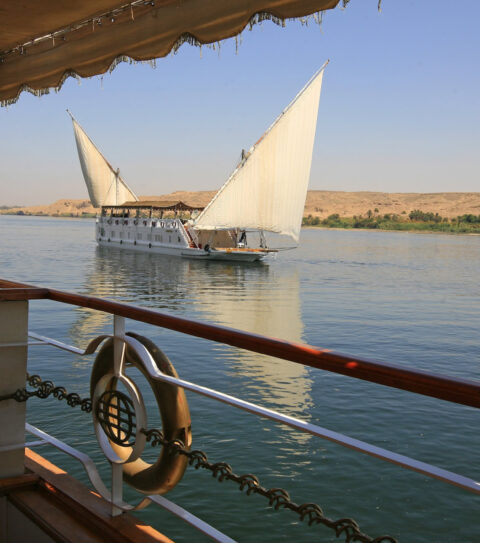
A 3-4 day Nile cruise between Luxor and Aswan fits perfectly within this timeframe. Cruising allows you to visit temples like Edfu and Kom Ombo while enjoying comfortable accommodation and meals.
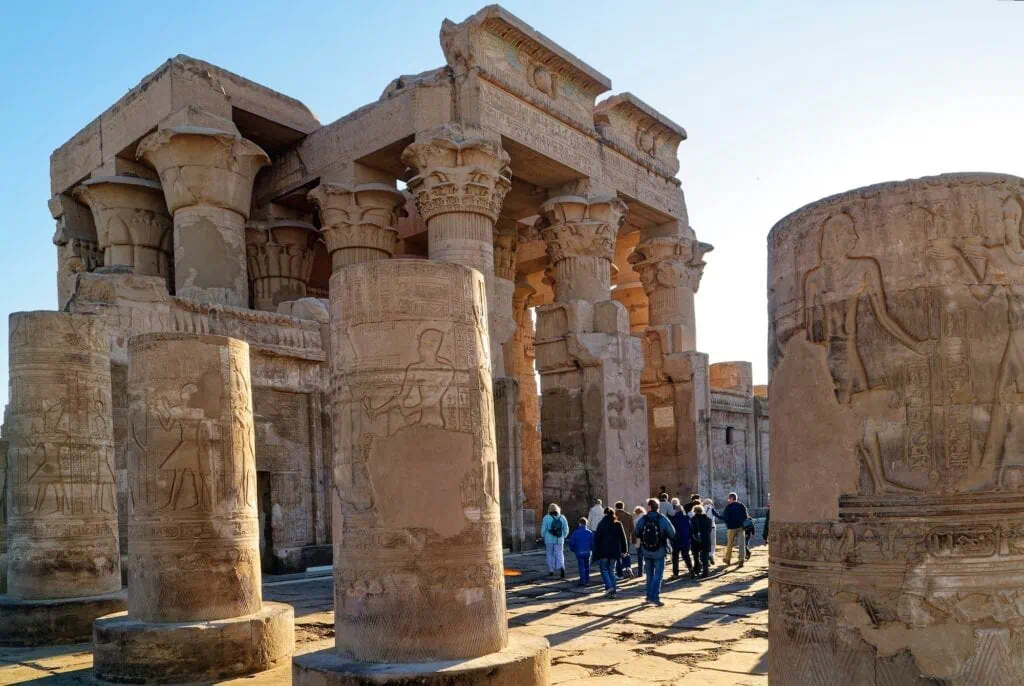
The cruise experience itself becomes part of your Egyptian adventure, not just transportation between cities.
Extended Journey
Longer stays allow for deeper exploration and additional destinations. Consider combining Egypt with nearby countries like Jordan, or explore less-visited areas such as the White Desert, Siwa Oasis, or Egypt’s Mediterranean coast.
This duration permits a more relaxed pace with rest days built into your schedule. You can spend extra time at sites that particularly interest you rather than following a rigid timetable.
Regional Combinations That Work Well
Egypt pairs naturally with several neighboring destinations for travelers with extended vacation time.
Egypt and Jordan
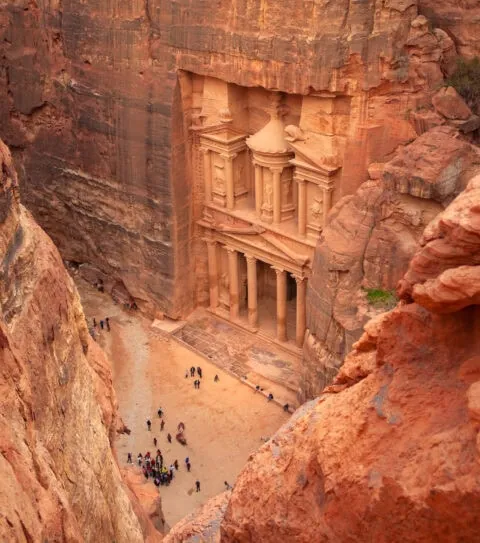
This combination covers two countries rich in ancient history. After exploring Egypt’s pyramids and temples, Jordan offers Petra’s rose-colored facades and Wadi Rum’s dramatic desert landscapes.
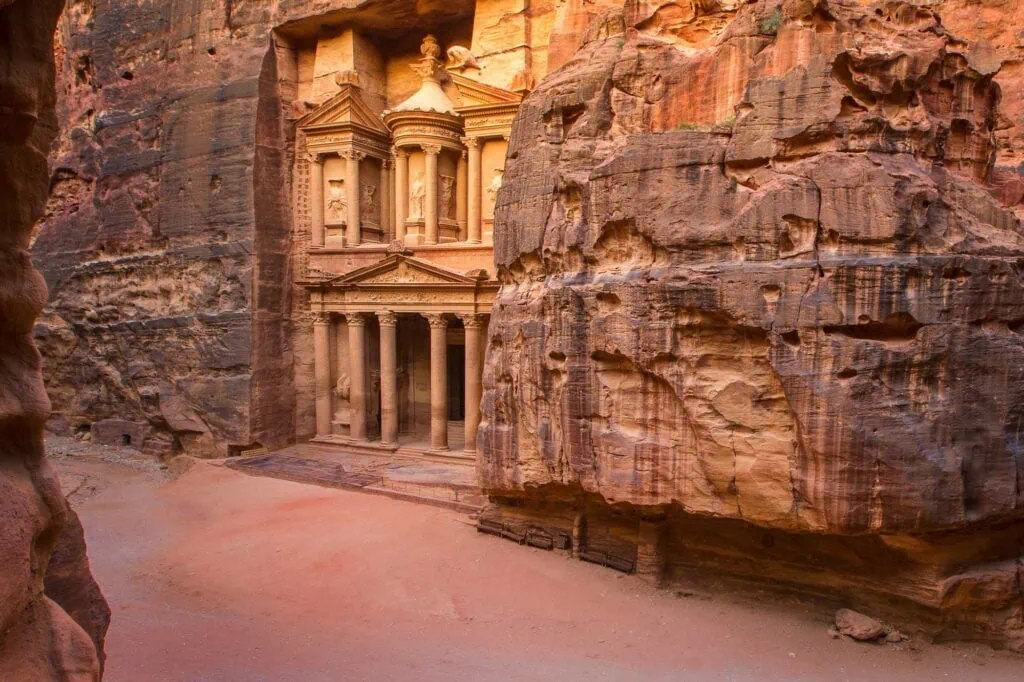
Most travelers spend 7-8 days in Egypt and 4-6 days in Jordan. Border crossings between the countries are straightforward, with regular ferry services connecting Nuweiba in Egypt’s Sinai Peninsula to Aqaba in Jordan.
Mediterranean Extension
Adding Alexandria extends your Egyptian experience along the Mediterranean coast. The city’s Greco-Roman heritage, including the modern Bibliotheca Alexandrina and Catacombs of Kom el Shoqafa, provides cultural variety from southern Egypt’s pharaonic sites.
Coastal areas like the North Coast offer beach relaxation if you need a break from intensive sightseeing.
Red Sea Addition
Hurghada and Sharm El Sheikh provide excellent diving, snorkeling, and beach relaxation after exploring ancient monuments. The Red Sea’s coral reefs rank among the world’s most beautiful underwater ecosystems.

This combination works particularly well for families or travelers who want both cultural exploration and leisure time.
Seasonal Considerations for Trip Length
Egypt’s climate significantly impacts how much you can comfortably see in a day, especially during summer months when temperatures regularly exceed 40°C (104°F).
Winter months from November through February offer the most pleasant touring conditions. You can maintain a busier schedule and spend more time outdoors exploring temple complexes and archaeological sites.
Spring and autumn provide good compromises between weather and crowd levels. Summer travel requires adjusting your itinerary.
Start early morning tours around 6:00 am (06:00) and plan afternoon rest periods during the hottest parts of the day. This might extend your required stay if you want to see the same number of attractions.
The lunar calendar affects some attractions. Ramadan impacts restaurant hours and local schedules, though tourist sites generally maintain normal operations.
Practical Factors That Influence Duration
Transportation Time
Egypt’s size means substantial travel time between regions. Cairo to Aswan takes approximately 12 hours by train or 1.5 hours by flight. Factor these travel days into your total trip length.

Road conditions and traffic in major cities can extend journey times significantly. Peak traffic hours in Cairo can turn a 30-minute trip into a 2-hour ordeal.
Visa Requirements
U.S. citizens can obtain Egyptian tourist visas on arrival or through e-visa applications before traveling. The tourist visa allows stays up to 30 days, giving you flexibility for extended trips.
European visitors have similar requirements, while some Latin American nationals may need advance visa applications. Visa extensions are possible through local immigration offices if you decide to extend your stay after arriving.
Budget Considerations
Longer stays obviously cost more, but Egypt offers excellent value for extended visits. Accommodation, meals, and local transportation remain relatively affordable compared to European or North American standards.
Multi-day Nile cruises often provide better per-day value than equivalent hotel stays and restaurant meals when you factor in included meals and guided excursions. Private guides and drivers become more economical on longer trips as you can negotiate better daily rates.
Making the Most of Your Chosen Duration
Regardless of your trip length, advance planning maximizes your experience. Book internal flights early, especially during peak season from December through February. Temple photography permits often sell out at popular sites like Abu Simbel.
Consider working with local experts who understand Egypt’s logistics and can arrange private guides, transportation, and accommodation that match your interests and schedule. Our decades of experience helping travelers navigate Egypt’s complexities means you’ll spend more time enjoying destinations and less time dealing with travel complications.
Private guides enhance your experience significantly, especially at complex sites like Karnak Temple or the Egyptian Museum. Their expertise helps you understand historical context and navigate sites efficiently.
Modern, air-conditioned vehicles make the difference between comfortable touring and exhausting travel, particularly during warmer months. Professional drivers familiar with routes and local conditions ensure safe, timely transfers between destinations.
Frequently Asked Questions
Most first-time visitors spend 8 to 10 days in Egypt, which provides enough time to experience Cairo, Luxor, and Aswan without rushing. An itinerary of this length usually includes the Giza Pyramids, the Egyptian Museum, Karnak Temple, the Valley of the Kings, and a Nile cruise segment. Shorter trips often require domestic flights and tighter schedules. For travelers seeking a balanced introduction to Egypt’s history and culture, 8 to 10 days is widely considered the sweet spot.
Yes, one week is enough to see Egypt’s main highlights if the itinerary is carefully planned and focused on key destinations. A 7-day trip can typically include Cairo, the Giza Pyramids, Luxor, and either Aswan or a short Nile cruise. Domestic flights help maximize sightseeing time across Egypt’s long north-south distances. Visitors should prioritize quality over quantity and avoid trying to cover too many locations in a single week.
The minimum time needed for a Nile cruise is typically 3 to 4 days, depending on the route and vessel. Most cruises operate between Luxor and Aswan, covering approximately 220 km of the Nile and stopping at major sites such as Karnak Temple, Edfu Temple, Kom Ombo Temple, and Philae Temple. Shorter itineraries focus on the highlights, while longer cruises allow for a more relaxed pace. A 4-day cruise is often the most popular option for first-time visitors.
Plan to spend 3 to 4 days in Cairo to properly experience the city’s major historical and cultural attractions. This timeframe allows visitors to explore the Giza Pyramids, the Great Sphinx, the Egyptian Museum or Grand Egyptian Museum, Islamic Cairo, and Khan el-Khalili Bazaar. Cairo is a metropolitan area of more than 20 million people, so travel times between attractions can be significant. Allowing several days creates a far more enjoyable experience than trying to rush through the highlights.
Yes, Abu Simbel is one of the most popular day trips from Aswan and can be visited comfortably in a single day. The UNESCO-listed temples of Ramses II and Queen Nefertari are located approximately 280 km southwest of Aswan and are accessible by road convoy, private vehicle, or domestic flight. Most excursions last between 6 and 10 hours depending on transportation choice. Early departures help visitors avoid peak heat and larger tour groups.
No, 15 days is not too long for Egypt and actually allows for a much deeper exploration of the country. A two-week itinerary can comfortably include Cairo, Luxor, Aswan, Abu Simbel, a Nile cruise, Alexandria, and several days on the Red Sea coast in destinations such as Hurghada or Sharm El Sheikh. Egypt’s archaeological sites span more than 3,000 years of history, so additional time often enhances rather than diminishes the experience.
Summer visits between June and August often benefit from longer itineraries because sightseeing schedules must adapt to extreme daytime heat. In southern destinations such as Luxor and Aswan, temperatures frequently exceed 40°C (104°F), making midday breaks necessary. Travelers may choose to explore sites early in the morning and again in the late afternoon. Adding an extra day or two helps maintain a comfortable pace without sacrificing key attractions.
Yes, including rest days is highly recommended, especially on itineraries longer than 10 days. Egypt sightseeing often involves early departures, extensive walking, domestic flights, and visits to large archaeological complexes such as Saqqara, Karnak, and Abu Simbel. A rest day at a Nile cruise stop or Red Sea resort can help prevent travel fatigue and improve overall enjoyment. Many experienced travelers find that a slower pace leads to a more memorable trip.
A combined Egypt and Jordan itinerary typically requires 10 to 14 days for a well-balanced experience. Most travelers spend 7 to 8 days in Egypt visiting Cairo, Luxor, and Aswan, then devote 4 to 6 days to Jordan’s highlights, including Petra, Wadi Rum, and the Dead Sea. Direct flights between Cairo and Amman make the combination practical. Two weeks allows enough time to explore both countries without feeling rushed.
Families with children generally benefit from spending 8 to 12 days in Egypt, allowing time for sightseeing, rest, and schedule flexibility. Children often enjoy the Giza Pyramids, Nile cruises, and interactive museum experiences, but long days of continuous touring can become tiring. A well-paced itinerary balances cultural attractions with leisure time and shorter travel days. Including a Red Sea resort stay is a popular way to keep younger travelers engaged.
If you want to combine Egypt’s ancient sites with beach relaxation, add 3 to 4 extra days to your cultural itinerary. A typical 10-day historical tour becomes a 13- to 14-day vacation when destinations such as Hurghada, El Gouna, Marsa Alam, or Sharm El Sheikh are included. The Red Sea coast offers year-round snorkeling, diving, and resort experiences that contrast nicely with archaeological sightseeing. Spending at least three nights by the sea creates the best balance between exploration and relaxation.

Design Your Custom Tour
Explore Egypt your way by selecting only the attractions you want to visit