

Souks In Dubai – One Aspect Of The City You Cannot Afford To Miss
Step into Dubai’s most authentic cultural heartbeat. The contrast couldn’t be more striking.
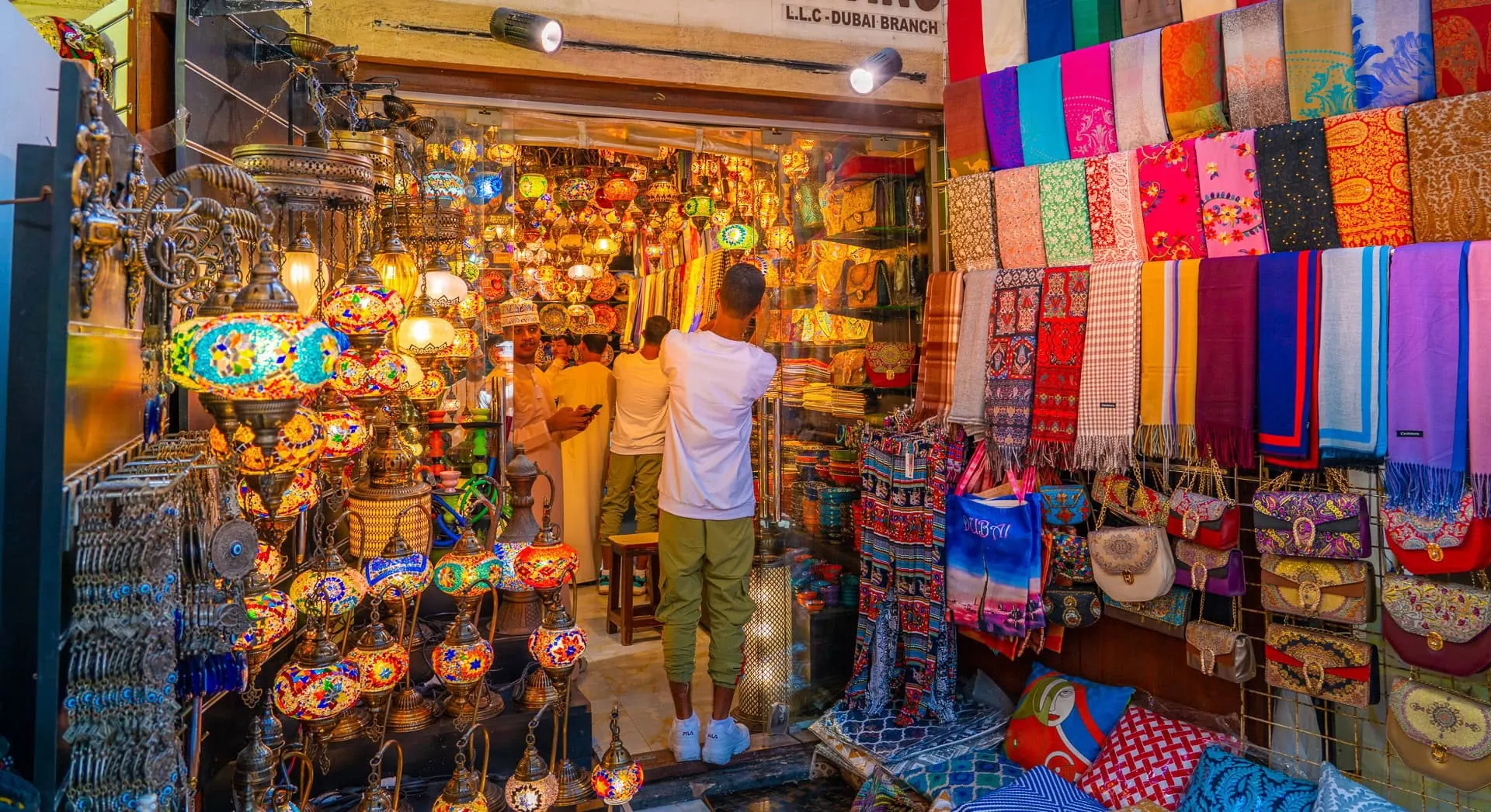
While Dubai’s glass towers define its modern skyline and luxury malls showcase global brands, the historic souks of Deira and Bur Dubai offer a completely different experience. Here, bargaining is part of the culture, and every alley reveals spices, textiles, gold, and handcrafted goods from across the region.
These traditional markets have served as the city’s commercial center for over a century and continue to thrive alongside Dubai’s rapid development, preserving a vital link to its trading heritage.
The souks are often included in our Egypt and Dubai tour packages, where Dubai’s cultural side is combined with its modern highlights and Egypt’s timeless historical landmarks.
With firsthand experience exploring these vibrant districts, we provide the insights you need to navigate the souks with confidence and make the most of your visit.
Table of Contents
Where to Find Dubai’s Most Authentic Markets
Dubai’s traditional souks cluster around Dubai Creek, the historic waterway that gave birth to the city’s trading heritage. Each market has evolved into a specialized destination where merchants from India, Iran, and across the Middle East have established family businesses spanning generations.
Gold Souk: The World’s Largest Gold Marketplace
Over 300 retailers line the covered walkways of this glittering maze in Deira. Gold jewelry here ranges from traditional Arabic designs to modern international styles, with prices determined by daily gold rates plus craftsmanship fees. The souk operates on transparency – every piece displays its weight and purity.
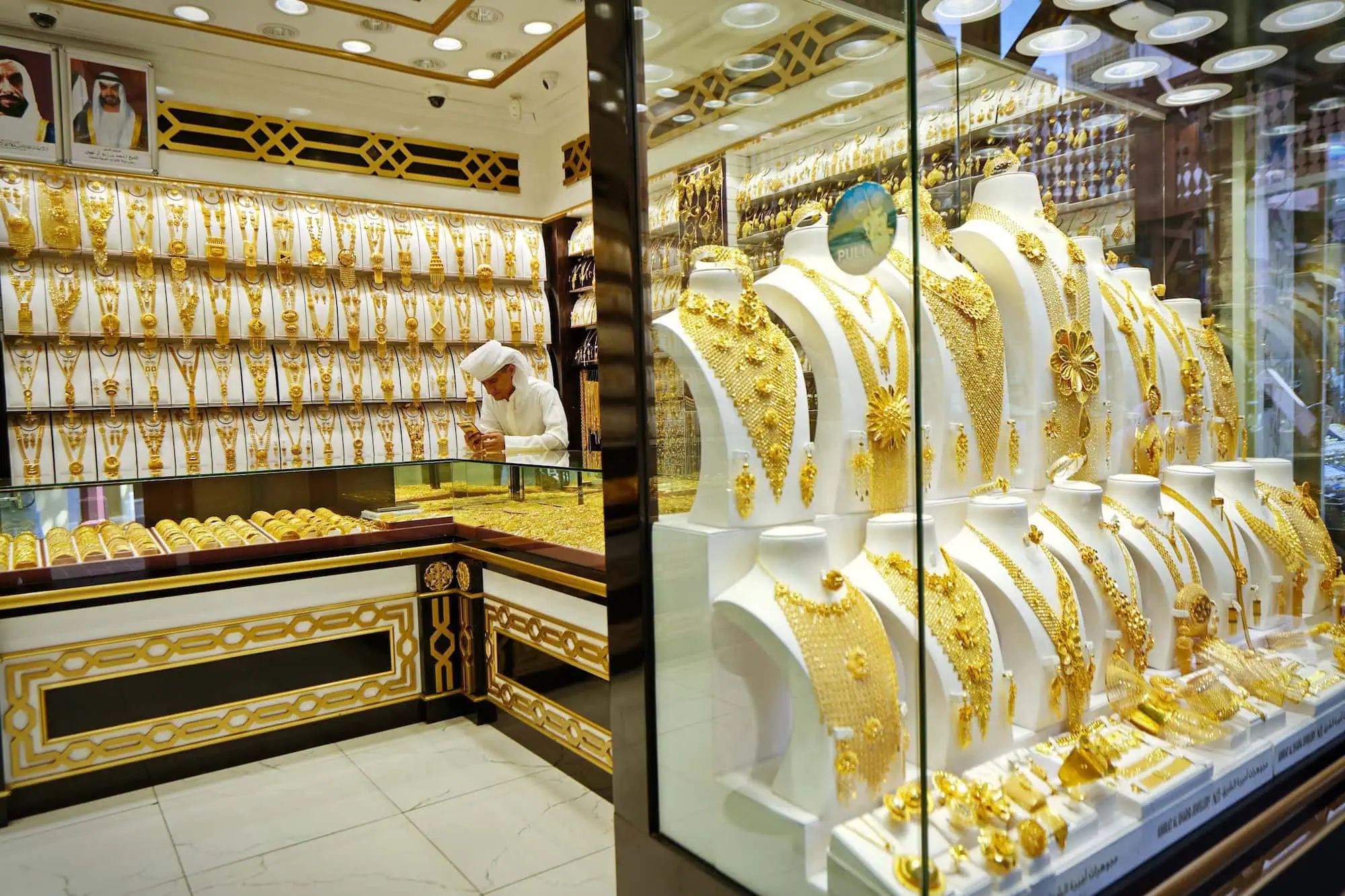
Bargaining starts at roughly 25% below the asking price for jewelry, though pure gold prices remain fairly fixed. Visit during evening hours when the souk buzzes with local families shopping for wedding jewelry.
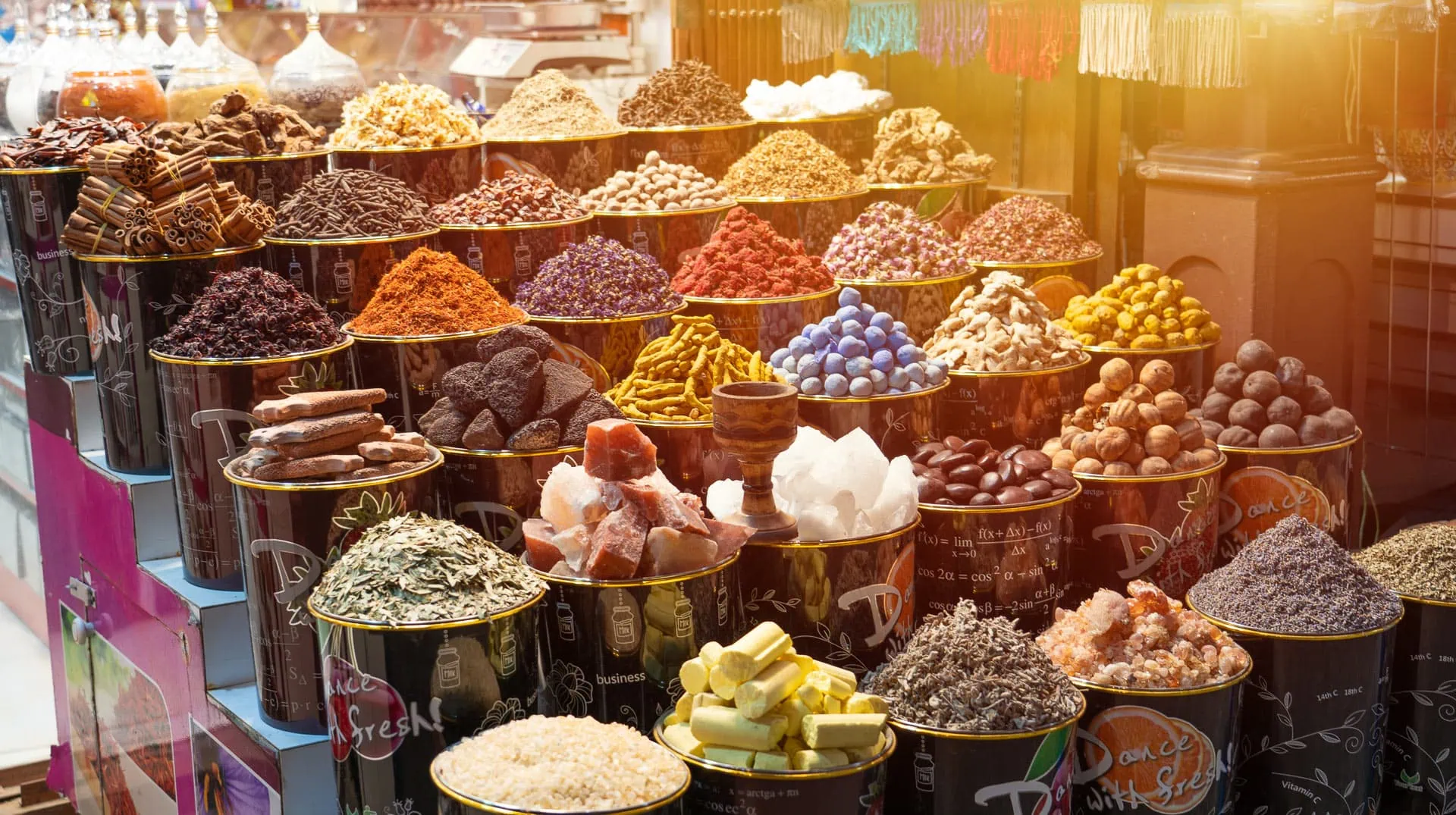
Spice Souk: Aromatic Gateway to Middle Eastern Cuisine
Adjacent to the Gold Souk, narrow alleys overflow with sacks of cardamom, saffron, and frankincense. This sensory wonderland showcases spices from across Asia and Africa, many unavailable in standard supermarkets.
Local vendors offer generous samples and expert advice on traditional spice blends. Purchase whole spices rather than pre-ground versions for maximum freshness and flavor intensity.
Textile Souk: Fabrics from Across the Silk Road
Housed in a traditional covered market building, merchants display silk fabrics, pashminas, and traditional garments from India, Pakistan, and Central Asia. Many shops offer custom tailoring services with surprisingly quick turnaround times.
Look for authentic handwoven fabrics rather than machine-made alternatives. Quality differences become apparent when examining thread density and pattern consistency.
Navigate Like a Local: Transportation and Timing
Getting to Dubai’s souks requires understanding the city’s geography. Deira houses the Gold and Spice Souks on the creek’s northeastern bank, while Bur Dubai contains the Textile Souk and Grand Souk directly across the water.
Traditional Abra Boats: The Authentic Route
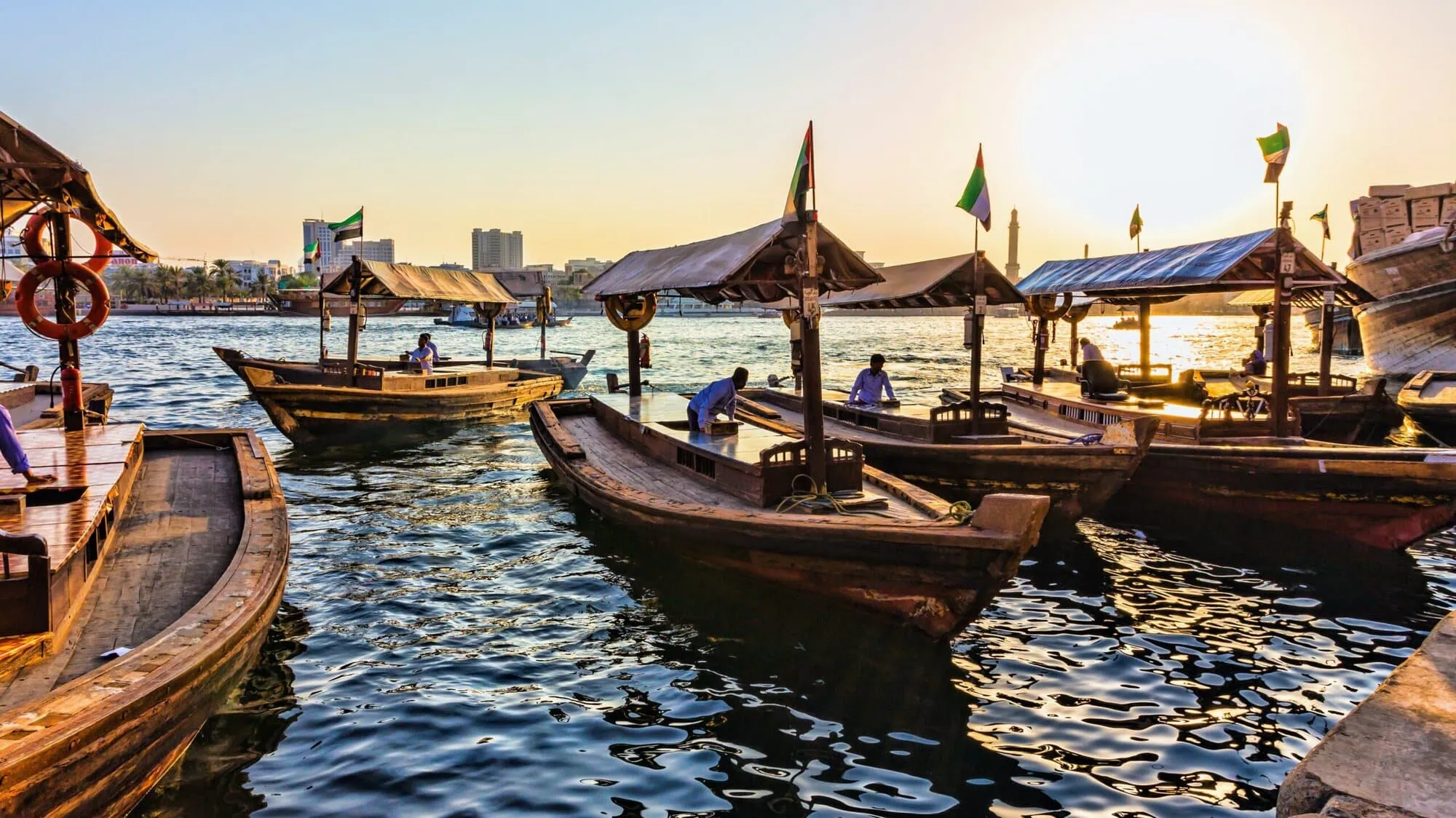
These wooden water taxis cross Dubai Creek for just 1 AED (about $0.25), providing both transportation and cultural immersion. Abras depart every few minutes from stations near each souk district. The five-minute journey offers stunning views of both historic and modern Dubai.
Creek crossings peak during sunset hours when golden light illuminates both traditional dhows and contemporary architecture. Purchase tickets directly from the boat captain – no advance booking required.
Metro and Modern Transport
Al Ghubaiba Metro Station serves Bur Dubai’s souks, while Union and Baniyas Square stations provide access to Deira markets. Taxis and ride-sharing services offer door-to-door convenience, though traffic can slow progress during peak shopping hours from 4:00 pm (16:00) to 8:00 pm (20:00).
Optimal Shopping Hours
Most souks open around 10:00 am (10:00) and close by 10:00 pm (22:00), with some vendors taking midday breaks between 1:00 pm (13:00) and 4:00 pm (16:00). Evening shopping provides cooler temperatures and livelier atmosphere as local families begin their shopping excursions.
Friday mornings see reduced activity due to prayer services, while Saturday through Thursday evenings offer peak energy and selection.
Master the Art of Souk Bargaining
Haggling forms the foundation of souk commerce, but success requires understanding cultural expectations rather than aggressive demands. Initial prices typically start 50-100% above final sale prices, creating room for the negotiation dance that both buyers and sellers genuinely enjoy.
Begin by showing genuine interest in products before discussing prices. Merchants appreciate customers who examine craftsmanship and ask informed questions about materials or origins. This approach establishes respect and often leads to better final deals.
Counter initial offers at roughly 40% of the quoted price, then gradually increase your bids while merchants decrease theirs. The process should feel collaborative rather than confrontational. Walking away politely often triggers final price reductions, though only do this if you’re genuinely prepared to leave empty-handed.
Cash payments remain essential throughout the souks. While some larger shops accept credit cards, cash transactions typically yield better prices and smoother negotiations. Carry small denomination notes to make exact payments and avoid change complications.
Cultural Etiquette That Opens Doors
Greeting merchants with “As-salaam alaikum” (peace be upon you) or simple Arabic phrases like “shukran” (thank you) creates immediate rapport. Most vendors speak multiple languages, but showing cultural awareness demonstrates respect for local traditions.
Dress modestly when visiting souks, particularly those near residential neighborhoods. Long pants and covered shoulders suit the traditional environment while showing consideration for local customs.
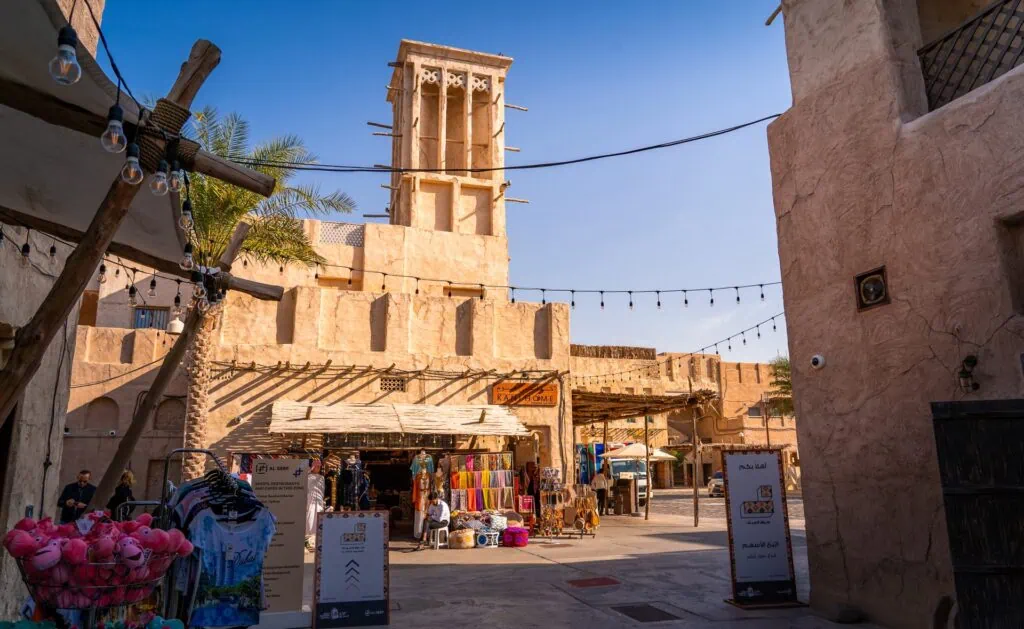
Accept offered tea or coffee when browsing – this hospitality creates personal connections that often translate into better prices and insider recommendations for other shops.
What to Buy: Insider Shopping Recommendations
Precious Items Worth the Investment
Traditional perfumes and oud represent exceptional souk purchases unavailable elsewhere. These complex fragrances blend rose, amber, and wood essences in combinations passed down through generations. Quality oud commands premium prices but offers unmatched authenticity and longevity.
Saffron from Kashmir and Iran costs significantly less in Dubai’s Spice Souk than in Western markets. Purchase whole threads rather than powder to ensure authenticity and potency.
Textiles and Traditional Garments
Silk scarves and pashminas offer portable luxury at fraction of retail prices elsewhere. Test fabric quality by checking for snags and examining weave consistency. Genuine silk produces distinctive sounds when rubbed between fingers.
Custom-tailored traditional garments like abayas or thobes showcase local craftsmanship while providing unique souvenirs. Allow 3-5 days for completion of custom orders.
Practical Souvenirs Under 100 AED
Decorative lanterns, brass coffee pots, and traditional incense burners combine functionality with authentic Middle Eastern design. These items pack well and serve as conversation pieces long after returning home.
Dates stuffed with nuts and traditional Arabic sweets offer edible memories that capture the region’s flavors. Purchase from vendors who allow tastings to ensure freshness and personal preference matches.
Hidden Gems Beyond the Main Souks
Perfume Souk in Deira
This lesser-known market specializes exclusively in traditional Arabian fragrances and modern perfume oils. Vendors blend custom scents based on personal preferences, creating unique fragrances unavailable anywhere else globally.
Grand Souk in Bur Dubai
The covered arcade houses diverse merchants selling everything from traditional carpets to electronic goods. This area offers more relaxed browsing without the intense salesmanship found in major tourist souks.
Al Karama Shopping Complex
While technically not a traditional souk, this indoor market provides excellent alternatives when weather makes outdoor shopping uncomfortable. Vendors here often offer competitive prices on textiles and handicrafts.
Frequently Asked Questions
UAE Dirhams work best, though US dollars are widely accepted.
Yes, Dubai maintains excellent security throughout tourist areas.
Plan 200-500 AED for meaningful purchases like jewelry or textiles.
Most vendors speak functional English plus several other languages.
Returns depend entirely on individual vendor policies and aren’t guaranteed.
Quality differences appear in craftsmanship details and materials used.
Evening hours from 6:00 pm to 9:00 pm see peak crowds.
Tipping isn’t expected, but exceptional service may warrant small gratuities.
Purchase from established shops and examine craftsmanship closely before buying.
Many established shops offer international shipping with insurance options.
Yes, families frequently shop together in souks throughout Dubai.
Design Your Custom Tour
Explore Egypt and Dubai your way by selecting only the attractions you want to visit