

Sheikh Zayed Road – A Very Different Approach To Exploring Dubai
Sheikh Zayed Road transforms how you experience Dubai’s skyline and urban pulse.
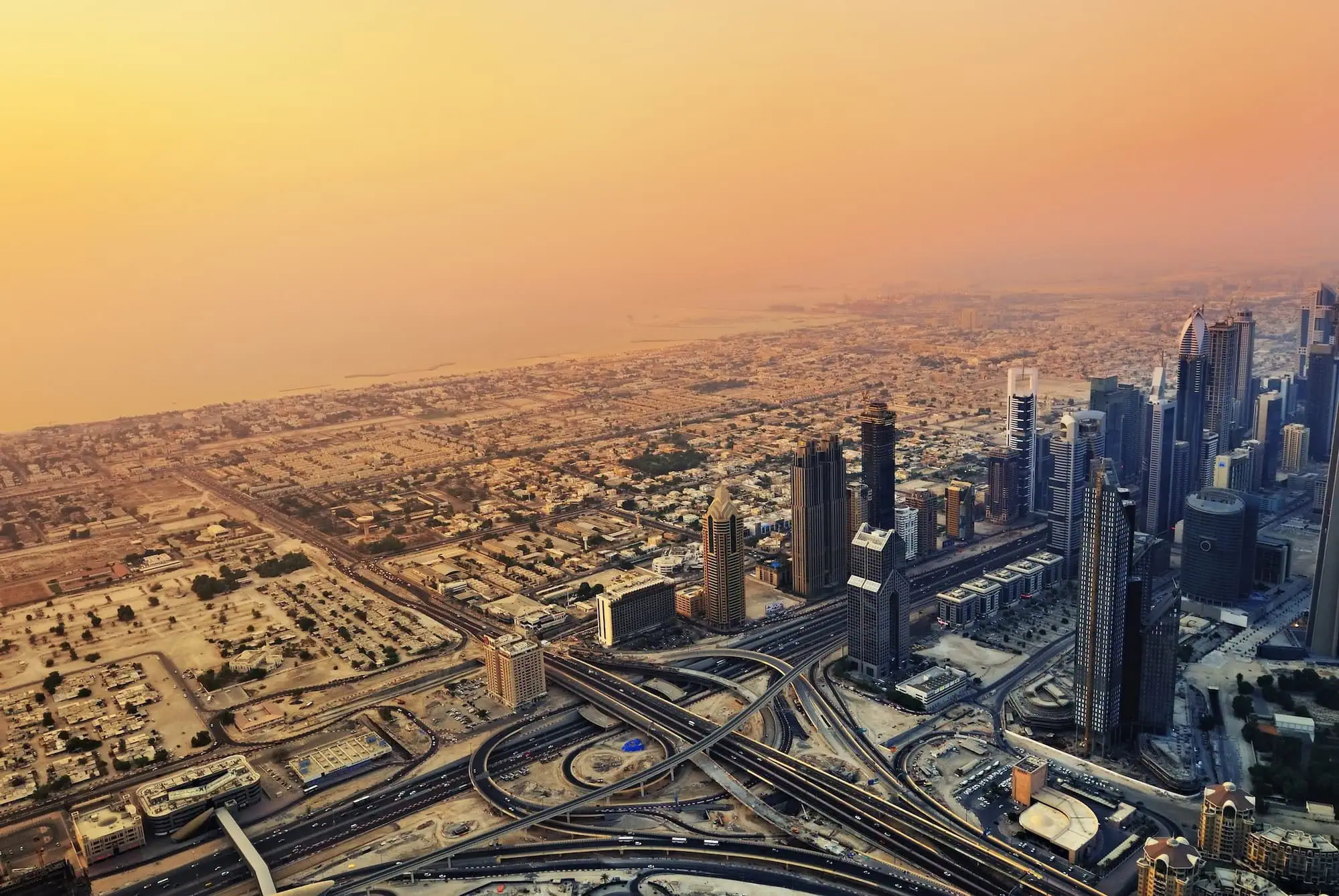
This remarkable 558.4-kilometer highway serves as the backbone of the United Arab Emirates, connecting seven emirates while showcasing some of the world’s most impressive modern architecture. As the E11 highway, it runs from the Saudi Arabian border at Al Batha to the Omani frontier, but its most iconic stretch cuts directly through the heart of Dubai.
As part of exploring Dubai tourist attractions, Sheikh Zayed Road offers a unique perspective on the city—where towering skyscrapers form a dramatic corridor of glass and steel. Along this route, visitors encounter luxury hotels, major shopping destinations, and dynamic business districts that define Dubai’s global identity.
No matter which one of our Egypt and Dubai luxury tours you choose, you will almost certainly find yourself traveling on this road at some point during your stay.
Table of Contents
The Engineering Marvel Behind Dubai’s Main Artery
Sheikh Zayed Road represents one of the most ambitious infrastructure projects in Middle Eastern history. Construction began in the late 1960s under a vision to create a unified transportation network across the Emirates, with the Dubai section completed by 1980.
Technical Specifications and Route Details
The highway spans multiple lanes in each direction, designed to handle the massive traffic volumes that connect Abu Dhabi, Dubai, and Sharjah. Speed limits vary by section, typically ranging from 80 to 120 kilometers per hour (50 to 75 mph) depending on the area’s urban density. The road’s width accommodates not only vehicle traffic but also the Dubai Metro Red Line, which runs parallel to much of the highway’s length through the city center.
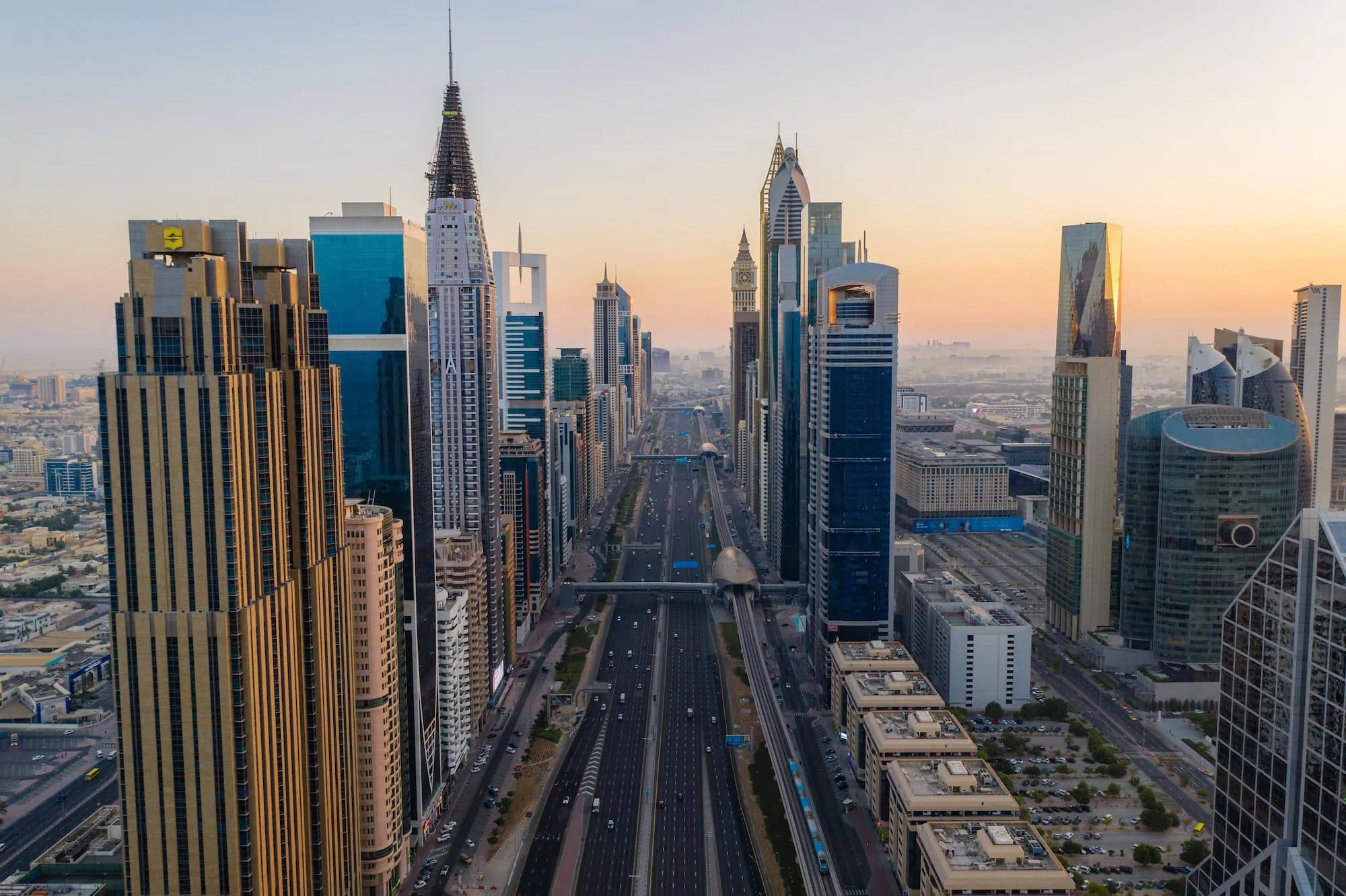
Modern traffic management systems monitor flow patterns throughout the day. During rush hours, particularly between 7:00 am (07:00) and 9:00 am (09:00), and again from 5:00 pm (17:00) to 8:00 pm (20:00), the highway experiences significant congestion despite its multiple lanes.
Historical Development and Naming
Originally proposed in 1968, the project honored Sheikh Zayed bin Sultan Al Nahyan, the founding father of the UAE. The road’s development coincided with the country’s oil boom and rapid modernization efforts. Each phase of construction reflected the growing economic prosperity of the region, with the Dubai section becoming increasingly elaborate as the city’s international profile expanded.
The highway connects seamlessly with other major routes, including connections to Dubai International Airport and the newer Al Maktoum International Airport at Dubai World Central.
Architectural Wonders and Iconic Landmarks
The skyline along Sheikh Zayed Road showcases architectural innovation spanning several decades of development.
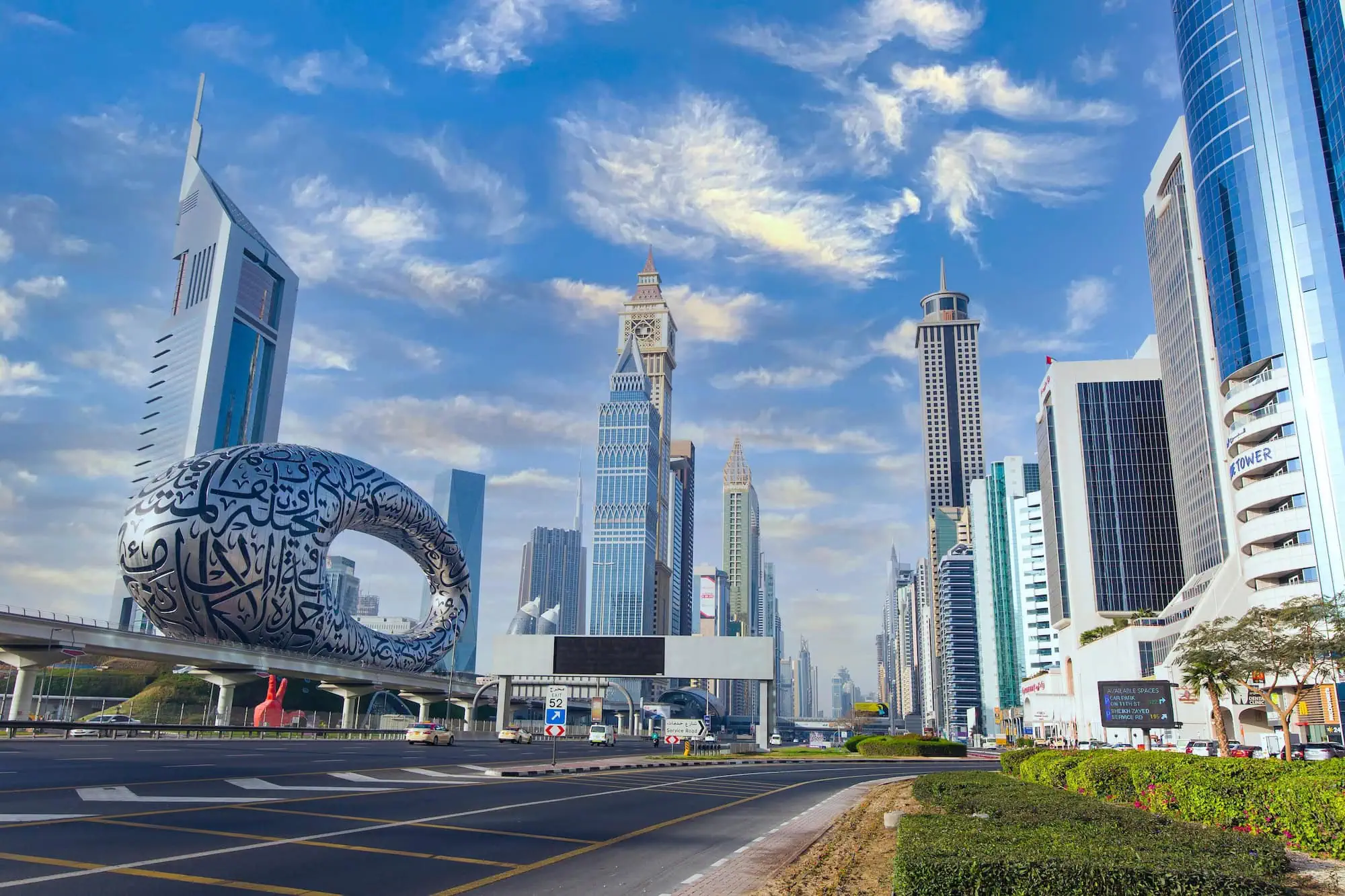
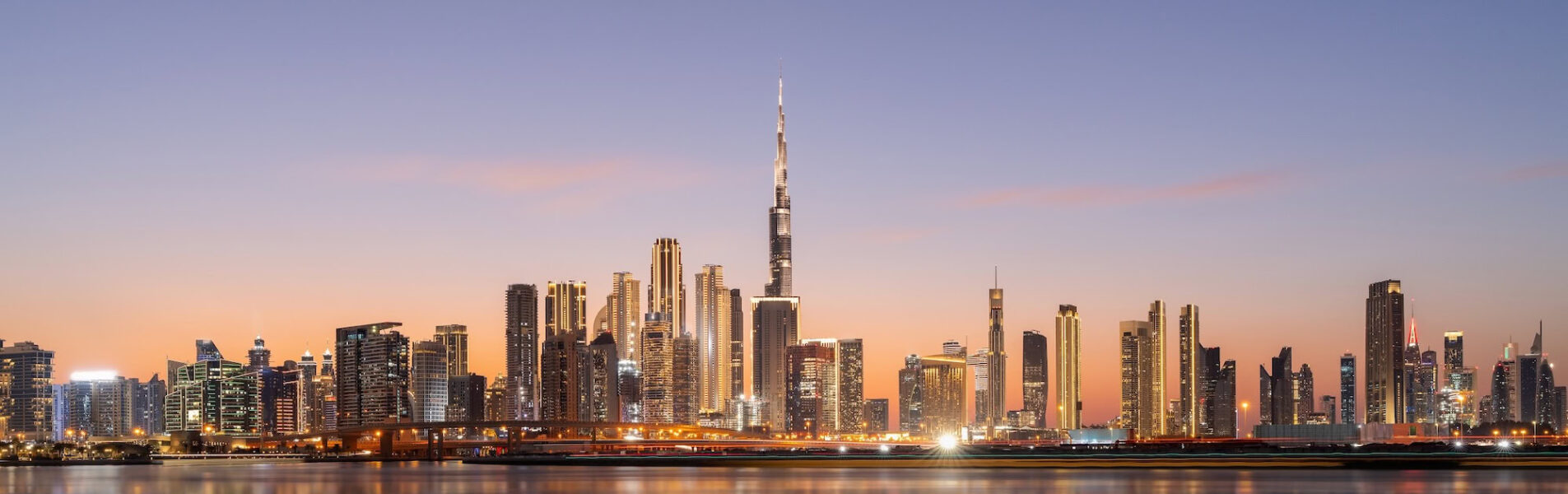
Emirates Towers stands as one of the most recognizable landmarks, housing both office spaces and luxury accommodations. The towers’ distinctive triangular design creates a striking silhouette against the desert sky. Nearby, the Burj Khalifa pierces the horizon at 828 meters (2,717 feet), serving as a constant reference point for navigation along the highway.
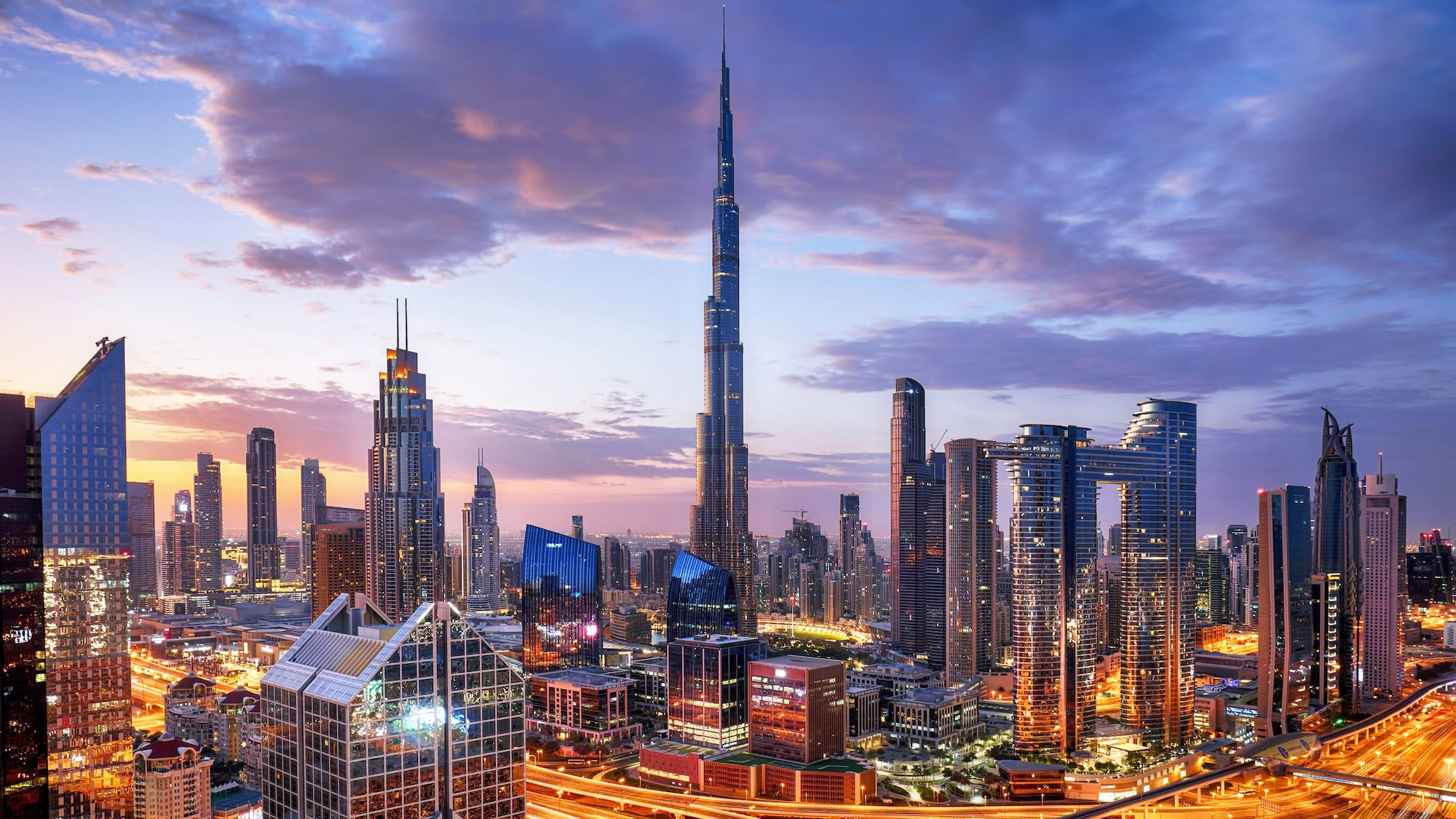
Business Bay emerges as a newer district, featuring numerous residential and commercial high-rises that reflect Dubai’s continued growth. The area hosts everything from corporate headquarters to upscale dining establishments. The Museum of the Future presents a unique architectural vision with its torus-shaped structure, representing Dubai’s commitment to innovation and forward-thinking design.
DIFC (Dubai International Financial Centre) creates a dedicated business hub along the road’s path. This district operates under its own regulatory framework, attracting international banks and financial institutions. The buildings here blend functionality with impressive design elements that contribute to the overall visual impact of the highway corridor.
Shopping and Entertainment Destinations
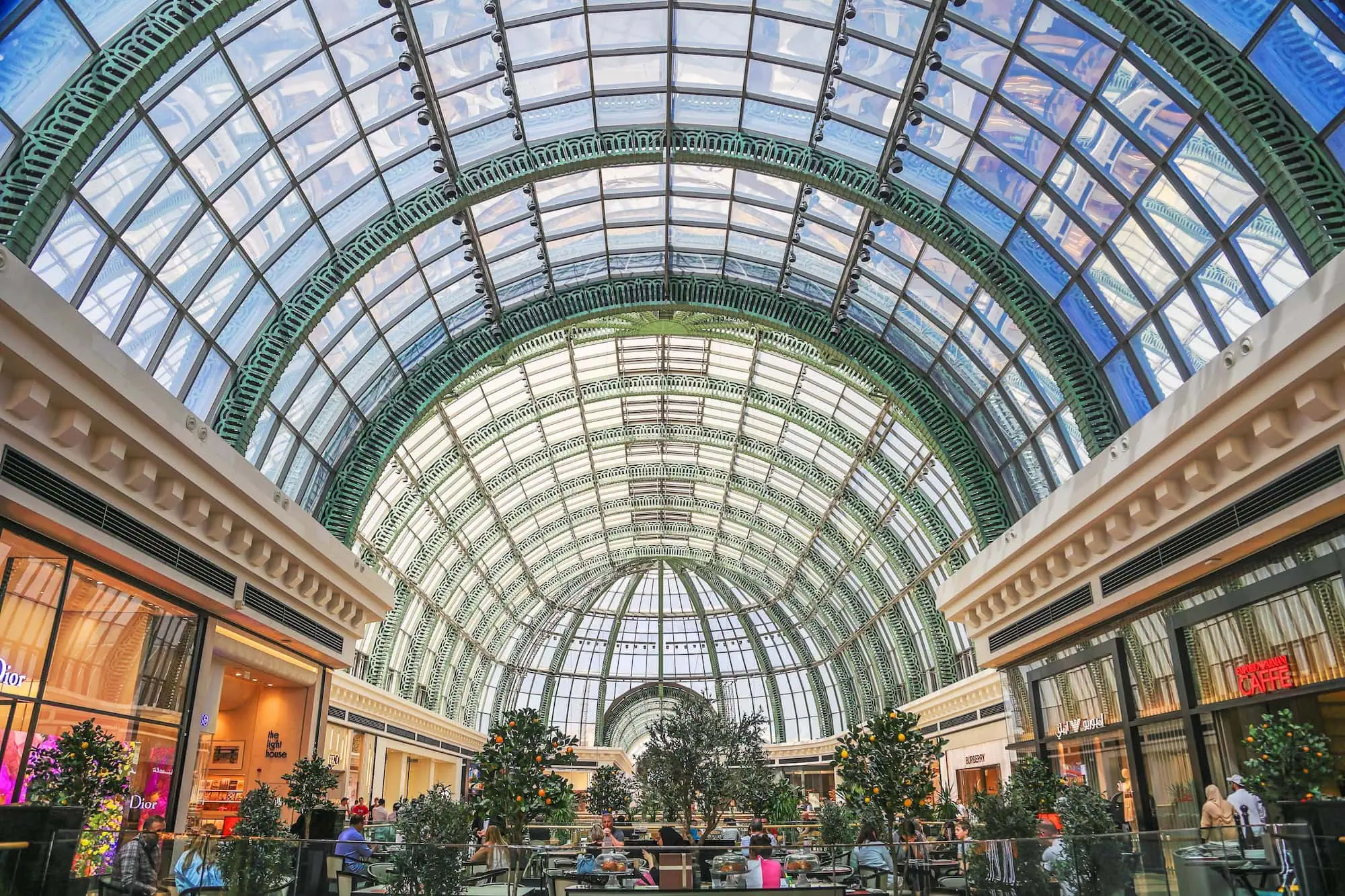
Mall of Emirates provides retail therapy on a grand scale, featuring both international brands and local designers. The mall’s Ski Dubai attraction offers an unexpected alpine experience in the desert climate. Temperature inside the facility maintains -4°C (25°F), creating real snow conditions year-round.
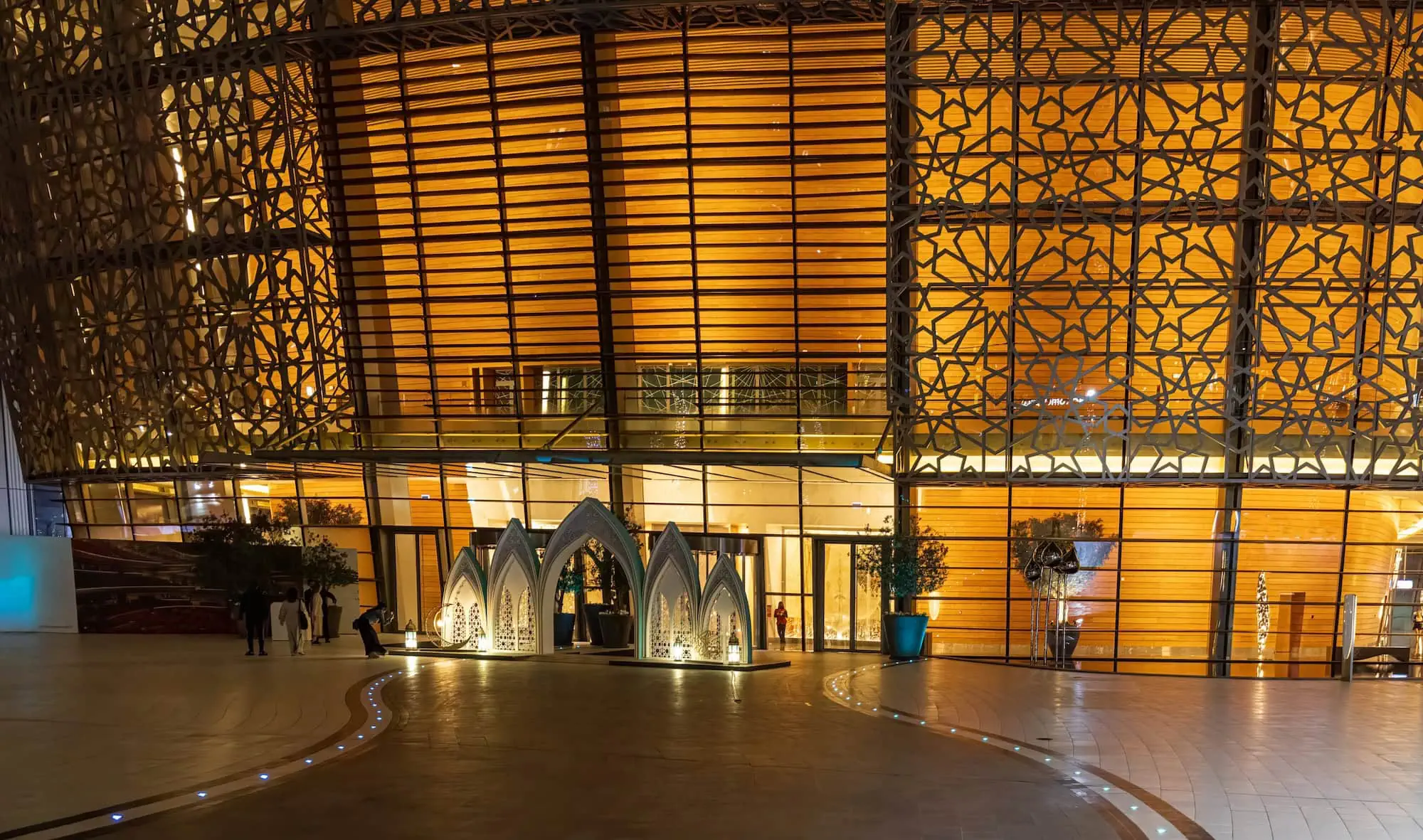
Dubai Opera adds cultural sophistication to the area with its dhow-inspired design. The venue hosts international performances ranging from classical music to contemporary shows, making it a cultural anchor for the surrounding district.
Transportation Network and Connectivity
Sheikh Zayed Road integrates with Dubai’s comprehensive public transportation system through strategic planning and design.
The Dubai Metro Red Line follows much of the highway’s route through the urban core, providing an alternative to driving during peak traffic periods. Major stations including Emirates, Business Bay, and Burj Khalifa/Dubai Mall offer direct access to key destinations along the corridor. Metro service operates from 5:00 am (05:00) to midnight (00:00) on weekdays, with extended hours until 1:00 am (01:00) on Fridays.
Bus routes complement the metro system with frequent service to areas not directly served by rail transit. The Road Transport Authority maintains dedicated bus lanes along certain sections to ensure reliable public transportation timing. These services connect residential areas with business districts and shopping destinations.
Taxi services and ride-sharing platforms operate extensively along the route. During peak hours, expect longer wait times and higher fares due to increased demand. The highway’s design includes dedicated pickup and drop-off zones near major attractions to minimize traffic disruption.
Navigation and Traffic Patterns
GPS navigation systems work reliably throughout the area, though local knowledge helps optimize route timing. Alternative routes exist parallel to the main highway, including Al Khaleej Road and Al Wasl Road, which can provide faster access during congested periods.
Traffic flow varies significantly by time and season. Weekends typically see lighter commuter traffic but heavier leisure-related congestion near shopping and entertainment destinations. During Ramadan and major holidays, traffic patterns shift substantially as work schedules and social activities adapt to cultural observances.
Real Estate and Living Options
The Sheikh Zayed Road corridor has become one of Dubai’s premier addresses for both residential and commercial real estate investments.
Residential Options and Market Dynamics
Housing options range from studio apartments to expansive four-bedroom penthouses, with many buildings offering hotel-style amenities and services. Rental prices vary considerably based on building age, amenities, and exact location relative to major landmarks. Properties closer to Business Bay and DIFC command premium rates due to proximity to employment centers.
The Dubai Land Department has designated 128 plots along the highway for freehold conversion, allowing international investors to purchase property with full ownership rights. This development has attracted significant investment from expatriate professionals and international buyers seeking long-term residency options.
Community Infrastructure and Amenities
Schools serving the area include several international institutions offering curricula from various educational systems. GEMS Wellington Academy provides British-style education, while other nearby options cover American, French, and International Baccalaureate programs. Most quality schools require advance registration due to high demand from expatriate families.
Healthcare facilities include both public and private options, with several major hospitals located within convenient distance of the highway. Dubai Hospital and other specialized medical centers provide comprehensive care, while numerous clinics offer routine health services.
Religious facilities accommodate the area’s diverse population. Several mosques serve Muslim residents, while churches and other places of worship provide for various faiths represented in Dubai’s international community.
Supermarkets and daily conveniences are abundant, with both international chains and local markets offering groceries and household goods. Many buildings include ground-floor retail spaces that house cafes, restaurants, and service providers.
Business and Commercial Landscape
Sheikh Zayed Road serves as the primary address for numerous multinational corporations and regional headquarters establishing Middle Eastern operations.
Financial and Business Districts
DIFC operates as a specialized economic zone with its own legal and regulatory framework based on English common law. This structure attracts international banks, insurance companies, and investment firms seeking regional expansion. The district’s courts handle commercial disputes independently, providing familiar legal processes for international businesses.
Business Bay continues expanding with new office towers and mixed-use developments. Companies based here benefit from proximity to other business districts while accessing more affordable rental rates compared to established areas like DIFC. The district’s master plan includes additional phases that will increase office space and residential options.
Corporate Culture and Networking
Professional networking thrives in the numerous venues along the highway corridor. Business lunches commonly occur in hotel restaurants and upscale dining establishments, while after-work networking events happen in rooftop venues and business clubs. The Dubai Chamber of Commerce maintains active programs for businesses in the area.
International companies often choose locations along Sheikh Zayed Road to project success and accessibility to clients and partners. The address carries prestige value while providing practical benefits like easy airport access and transportation connectivity.
Tourism and Visitor Experiences
Tourists find Sheikh Zayed Road offers convenient access to Dubai’s major attractions while providing spectacular urban scenery.
Sightseeing and Photography Opportunities
The highway itself becomes a tourist attraction as visitors marvel at the concentration of modern architecture. Photography enthusiasts capture skyline shots from various vantage points, though traffic considerations limit stopping opportunities. The Dubai Frame provides an elevated perspective of the highway corridor and surrounding developments.
Walking along portions of the route requires careful attention to designated pedestrian areas. The climate makes outdoor walking most comfortable during cooler months from November through March, when temperatures range from 20-30°C (68-86°F) during daytime hours.
Hotel and Accommodation Options
Luxury hotels line the highway, offering convenient access to business districts and shopping areas. The Address Boulevard provides views of both Burj Khalifa and the highway’s urban canyon. Other premium properties include Shangri-La, Four Points by Sheraton, and numerous apartment-hotels catering to extended-stay visitors.
Budget-conscious travelers find accommodation options in older buildings and areas slightly removed from the immediate highway corridor. These locations often provide better value while maintaining reasonable access to major attractions via public transportation or short taxi rides.
Future Development and Urban Planning
Dubai’s master planning envisions continued development along Sheikh Zayed Road as the city expands toward Expo 2020 legacy sites and beyond.
Upcoming Projects and Infrastructure
The Mohammed bin Rashid Al Maktoum City project will add significant residential and commercial space near the highway’s southern sections. This development includes artificial lakes, green spaces, and additional entertainment venues designed to complement existing attractions.
Transportation improvements include expanded metro coverage and enhanced bus rapid transit systems. Road capacity increases through intelligent traffic management rather than simple lane addition, reflecting environmental considerations and urban design principles.
Environmental and Sustainability Initiatives
Recent construction along the corridor emphasizes green building standards and energy efficiency. LEED certification becomes increasingly common for new developments, while existing buildings undergo retrofitting to improve environmental performance. Solar panel integration and advanced cooling systems reduce energy consumption despite the challenging desert climate.
Public spaces receive enhanced landscaping using drought-resistant plants and efficient irrigation systems. These improvements create more pleasant pedestrian environments while reducing maintenance requirements and water consumption.
Frequently Asked Questions
During off-peak hours, driving takes approximately 45-60 minutes. Rush hour can extend this to 90 minutes or more.
Early morning hours between 6:00 am and 8:00 am offer the best visibility and lighter traffic for photography.
Most major destinations offer parking, though spaces fill quickly during peak times and events.
Yes, the Dubai Metro Red Line provides excellent access to major destinations along the highway.
Speed limits vary by section, typically 80-120 km/h. Speed cameras monitor compliance with substantial fines.
Designated pedestrian areas and skybridge connections provide safe walking routes between major attractions.
UAE Dirhams are standard currency. Credit cards are widely accepted at major establishments.
No, excellent public transportation, taxi services, and ride-sharing make car rental unnecessary for most visitors.
The corridor hosts restaurants serving international cuisines with vegetarian, halal, and other dietary accommodations clearly marked.
Business areas expect smart casual attire, while shopping malls accommodate various dress styles.
Design Your Custom Tour
Explore Egypt and Dubai your way by selecting only the attractions you want to visit