

Little Petra – The Second Lost City of the Nabateans
While crowds gather at Petra’s iconic Treasury, just 8 kilometers (5 miles) north lies a quieter, equally fascinating site waiting to be explored.
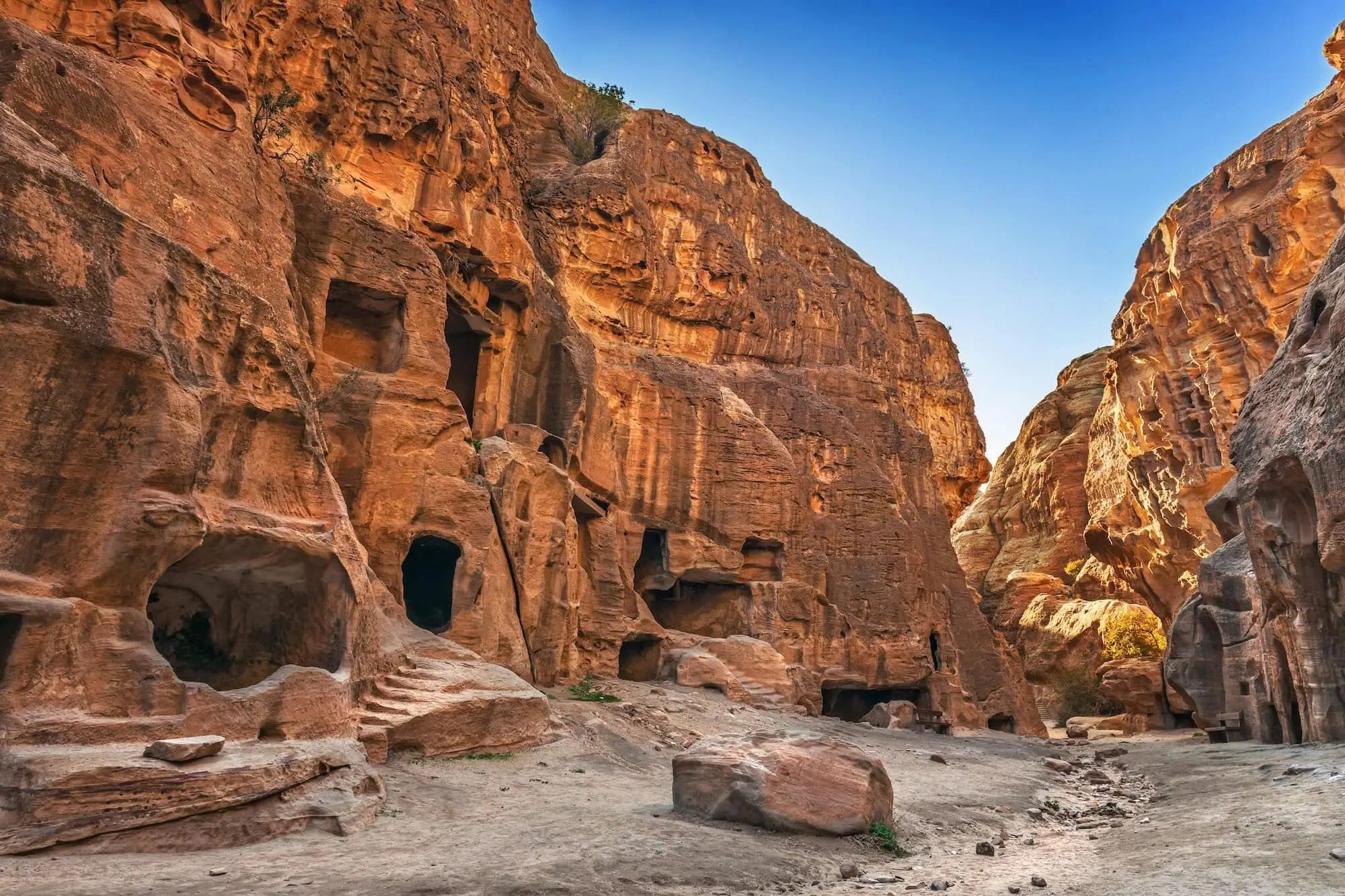
Little Petra offers many of the same elements that make Petra extraordinary—carved sandstone facades, intricate Nabataean architecture, and UNESCO World Heritage status—but without the heavy crowds. For many travelers, this hidden gem becomes a highlight not because it competes with Petra’s scale, but because it provides something different: a more peaceful, immersive way to experience Nabataean history. The site is also home to rare 2,000-year-old frescoes found nowhere else in Jordan, adding to its unique appeal.
Most visitors spend around an hour exploring the narrow passageways of Siq al-Barid, stepping into carved chambers, and climbing to viewpoints that reveal the full landscape. The atmosphere is relaxed and authentic—ideal for those looking to slow down and connect more deeply with the history.
To experience both Petra and Little Petra alongside Wadi Rum and Egypt’s iconic landmarks, explore our Combined Egypt and Jordan tours.
Table of Contents
What Makes Little Petra Worth Your Time
Little Petra earned its nickname from early 20th-century archaeologists who recognized its architectural similarities to the main Petra site. The Nabataeans carved this complex during their empire’s height in the 1st century CE, creating what scholars believe served as a crucial staging area for caravans traveling the ancient Silk Road trading routes.
The Painted Biclinium: Ancient Art Preserved
The site’s crown jewel hides within an unassuming chamber. Original Hellenistic-style ceiling frescoes, painted around 2,000 years ago, depict vine scrolls, birds, and possibly Dionysus-related imagery. These paintings represent the only surviving examples of Nabataean decorative art with color still visible. Conservation efforts have protected these delicate works, though access sometimes requires special permission during sensitive restoration periods.
Architectural Features and Layout
Two distinct sections define the archaeological site. Lower ground areas contain the majority of carved chambers, tombs, and what archaeologists identify as triclinium spaces—rooms designed for ceremonial dining and religious gatherings. Higher elevations provide panoramic viewpoints across the Ma’an Governorate landscape and reveal the site’s strategic positioning along ancient trade routes.
Sandstone canyon walls showcase the same rose-red coloring that makes Petra famous. Water channels carved into rock faces demonstrate sophisticated Nabataean engineering, designed to capture and direct precious rainfall in this arid region.
Practical Visitor Information
Free entrance makes Little Petra accessible to all budgets. The site opens daily from sunrise to sunset, with no official closing times or ticket requirements. Most tour groups focus their time on the main Petra Archaeological Park, leaving Siq al-Barid relatively quiet even during Jordan’s peak tourism seasons.
Getting There and Transportation Options
Wadi Musa serves as the primary base for exploring both Petra sites. Most hotels in Wadi Musa can arrange taxi transport to Little Petra for approximately 15-20 Jordanian dinars each way, though prices vary based on waiting time and group size.
Driving from central Wadi Musa takes about 15 minutes along well-maintained roads. Rental car access is straightforward, with parking available near the site entrance. Public transportation options remain limited, making private transport or organized tours the most reliable choices.
The journey itself offers scenic rewards. Desert landscapes, Bedouin settlements, and distant mountain ranges create a compelling backdrop that many visitors find as memorable as the archaeological site itself.
Exploring the Site: What to Expect
Your exploration begins where the paved road ends and carved facades emerge from sandstone walls. Unlike Petra’s dramatic Siq approach, Little Petra reveals its treasures gradually as you move deeper into the canyon system.
Chamber by Chamber Discovery
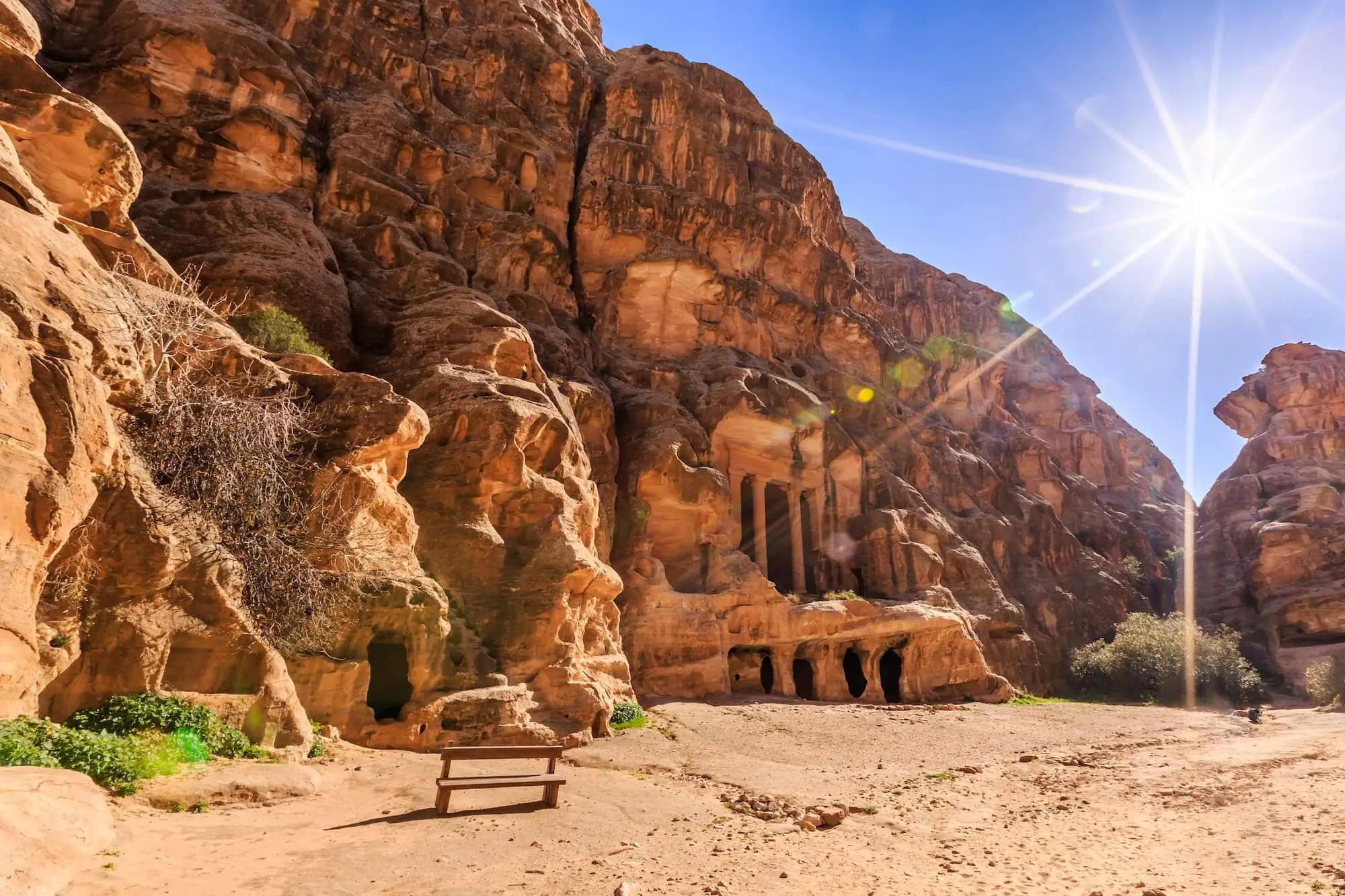
Each carved space tells part of the Nabataean story. Tombs display architectural elements that mirror Petra’s famous facades, though on a smaller scale. Storage areas reveal how merchants protected valuable goods during desert crossings. Religious spaces suggest this wasn’t merely a commercial outpost but a community with spiritual significance.
The triclinium chambers deserve special attention. These dining rooms accommodated the social and religious gatherings that cemented business relationships along trading routes. Carved benches and decorative elements remain visible, helping visitors visualize how Nabataean society functioned 2,000 years ago.
Physical Demands and Safety
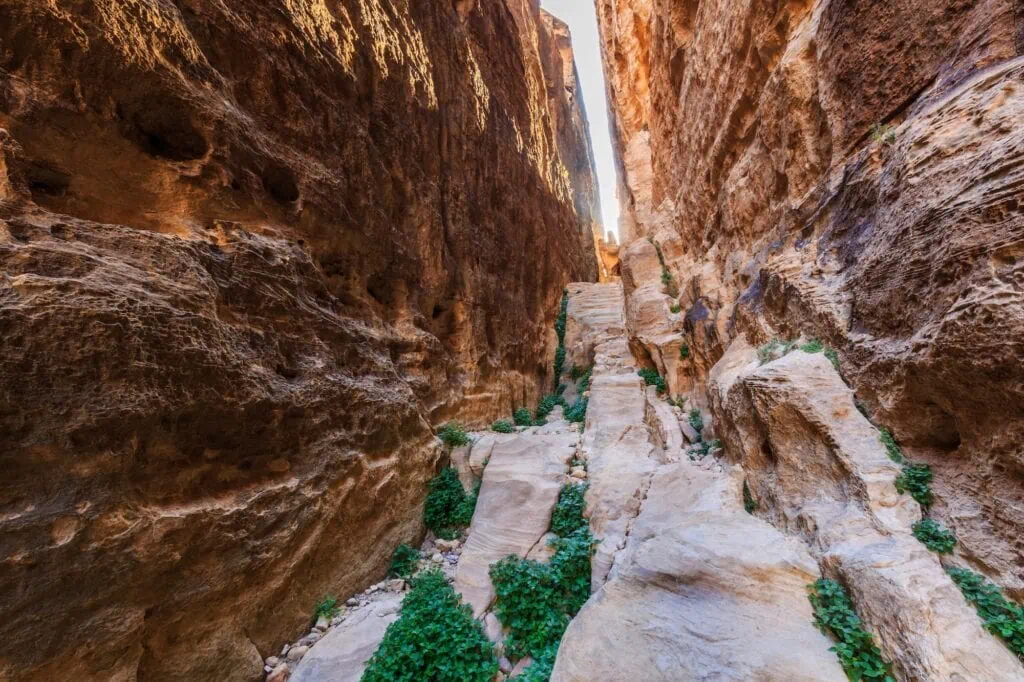
Most areas require only basic mobility and comfortable walking shoes. Stone pathways can be uneven, and some viewpoints involve scrambling over rocks. Weather conditions affect accessibility—flash flooding during rare rainfall can make certain areas temporarily dangerous.
The climb to upper viewpoints involves informal trails rather than constructed steps. While rewarding, these areas require reasonable fitness and caution, especially for visitors uncomfortable with heights or loose rock surfaces.
Historical Context and Nabataean Heritage
Little Petra’s significance extends far beyond its architectural beauty. This site anchored a trading network that connected Arabia, Egypt, Syria, and Mediterranean ports, channeling frankincense, spices, silk, and other luxury goods between East and West.
Nabataean civilization mastered desert survival through innovative water management, strategic location selection, and diplomatic relationships with Roman and other regional powers. Their architectural achievements at Little Petra demonstrate how prosperity from international trade translated into permanent cultural monuments.
The site’s abandonment likely occurred gradually as trade routes shifted and Roman influence expanded. By the 7th century CE, most Nabataean settlements had declined significantly, leaving these carved chambers as silent testimony to a sophisticated desert civilization.
Archaeological evidence suggests Little Petra functioned as both a practical waystation and a religious center. Inscriptions, pottery fragments, and architectural details support theories about its role in Nabataean society, though much remains mysterious about daily life here.
Planning Your Visit: Timing and Logistics
Early morning visits offer the best experience. Soft light enhances the sandstone’s natural colors while cool temperatures make exploration more comfortable. Late afternoon also provides excellent conditions, with dramatic shadows creating photographic opportunities.
Most visitors combine Little Petra with their main Petra itinerary rather than treating it as a standalone destination. This approach maximizes efficiency while providing valuable context for understanding Nabataean achievements across both sites.
Duration and Itinerary Suggestions
One hour allows time to see major chambers and reach primary viewpoints. Photography enthusiasts or history buffs often spend 90 minutes to two hours exploring thoroughly. The compact size makes rushed visits unnecessary—you can experience everything without feeling pressured by time constraints.
Consider bringing water, especially during warmer months. While the site provides shade within carved chambers, exposed walkways and climbing areas offer little protection from Jordan’s intense sun.
Seasonal Considerations
Jordan’s climate makes Little Petra accessible year-round, though summer temperatures can be extreme. Spring (March-May) and autumn (September-November) provide ideal weather conditions. Winter visits remain comfortable during midday hours, though early morning and late afternoon temperatures can be chilly.
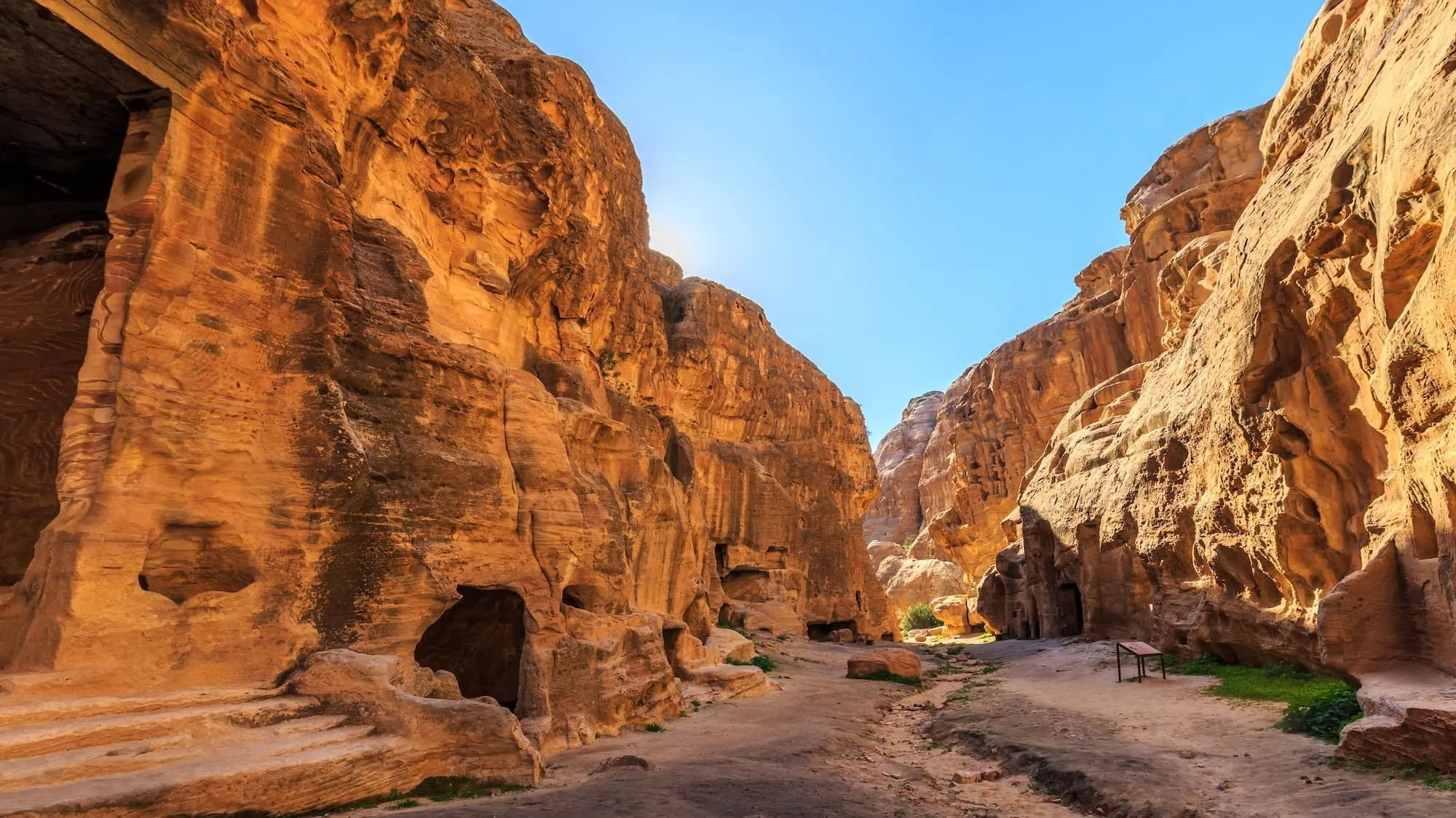
Rare rainfall can temporarily close access to certain areas due to flooding risks. These closures typically last only a few hours, but checking current conditions before traveling helps avoid disappointment.
Photography and Visual Documentation
Little Petra’s intimate scale creates different photographic opportunities compared to Petra’s monumental facades. Interior chambers benefit from available light techniques, while exterior areas offer landscape photography possibilities.
The Painted Biclinium requires special consideration for photography. Flash photography is prohibited to protect the ancient frescoes, making high-ISO capabilities or tripods valuable for interior shots.
Viewpoint areas provide panoramic opportunities showcasing the site’s desert setting. Wide-angle lenses capture the relationship between carved architecture and natural landscape that defines Nabataean site selection.
Comparing Little Petra and Main Petra
Little Petra offers a completely different experience from its famous neighbor, despite sharing Nabataean origins and architectural techniques. Where Petra overwhelms with scale and tourist energy, Little Petra invites quiet contemplation and detailed observation.
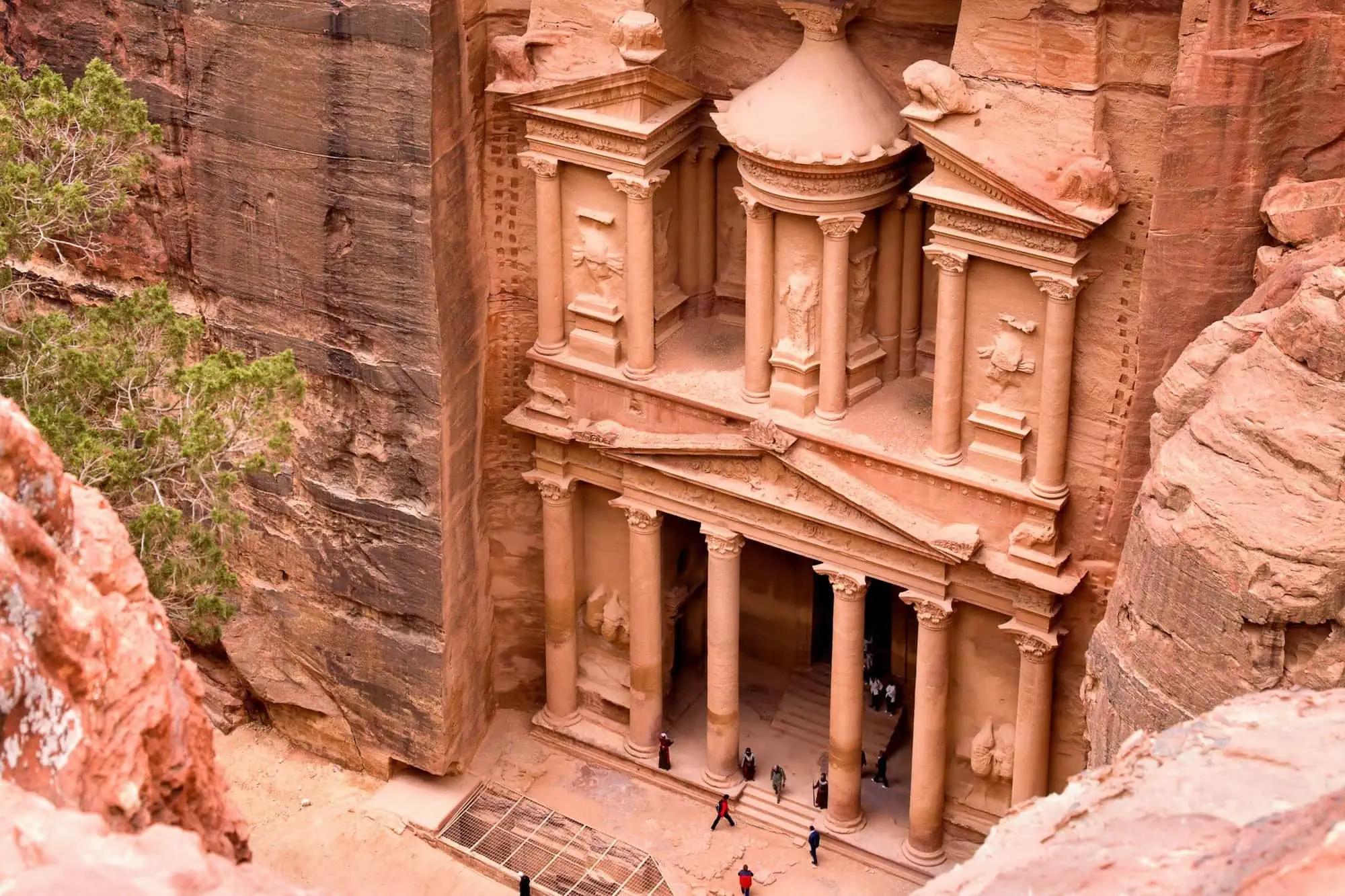
The Treasury, Monastery, and Royal Tombs at main Petra demonstrate Nabataean architecture at its most ambitious. Little Petra shows how the same civilization adapted their building techniques for practical, everyday purposes while maintaining artistic sophistication.
Both sites complement each other perfectly. Petra provides the grand introduction to Nabataean achievement, while Little Petra offers intimate insights into how this civilization actually functioned. Many visitors report that exploring both locations created a more complete understanding of Nabataean culture than either site alone could provide.
Our decades of experience guiding travelers through Jordan’s archaeological treasures has shown us that the combination of both Petra sites creates memories that last far longer than visiting either location independently. The contrast between monumentality and intimacy, crowds and solitude, spectacle and contemplation enriches the overall Jordan experience immeasurably.
Frequently Asked Questions
Most visitors find 60-90 minutes sufficient to explore all accessible areas and reach viewpoints.
Yes, though parents should supervise children around uneven surfaces and climbing areas.
Site is self-navigable, though guides provide valuable historical context and architectural details.
Early morning (8:00-10:00 am) or late afternoon (3:00-5:00 pm) offer ideal conditions.
Absolutely, though most visitors find the sites complement each other beautifully when experienced together.
No, Little Petra offers completely free access, unlike the main Petra Archaeological Park.
Taxi transport costs 15-20 JD for the 15-minute journey, or drive with rental car.
Basic facilities exist, but bringing water and supplies is recommended, especially during warmer months.
Yes, Painted Biclinium is typically accessible, though conservation work occasionally requires temporary restrictions.
Many travelers consider it essential for peaceful archaeological experience away from crowds.
Comfortable walking shoes, sun protection, water, and camera are the essential items.
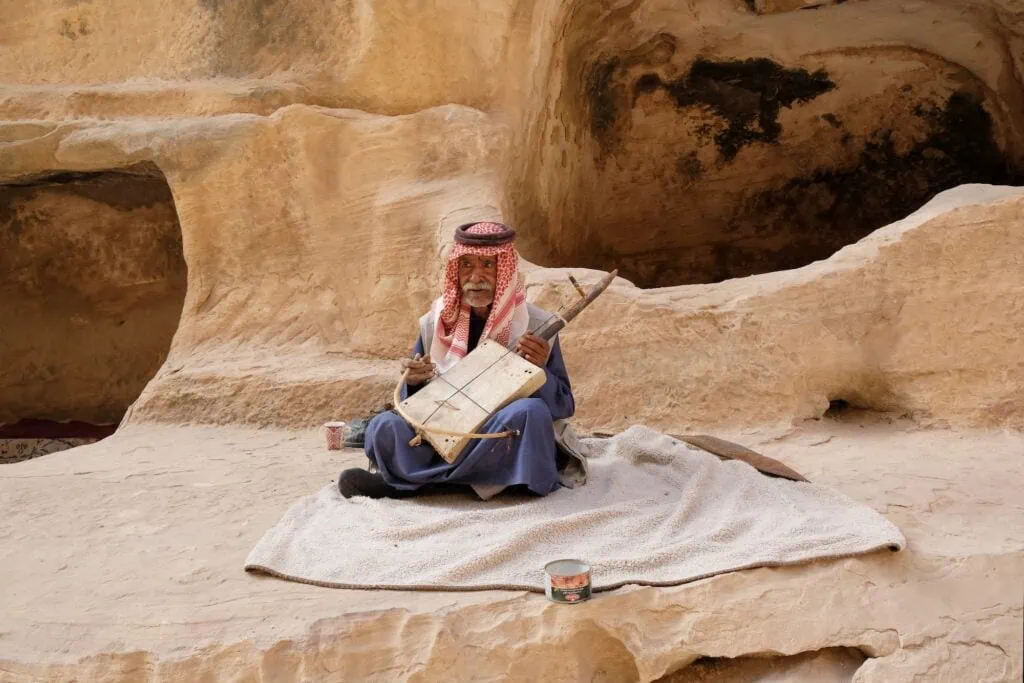
Some souvenir sellers operate near entrance, offering traditional Bedouin crafts and refreshments.
Design Your Custom Tour
Explore Egypt and Jordan your way by selecting only the attractions you want to visit