

Montreal Crusader Castle in Jordan – The Fortress That Took 2 Years to Conquer
Standing resilient against centuries of desert winds, this remote fortress reveals a side of history few travelers experience.
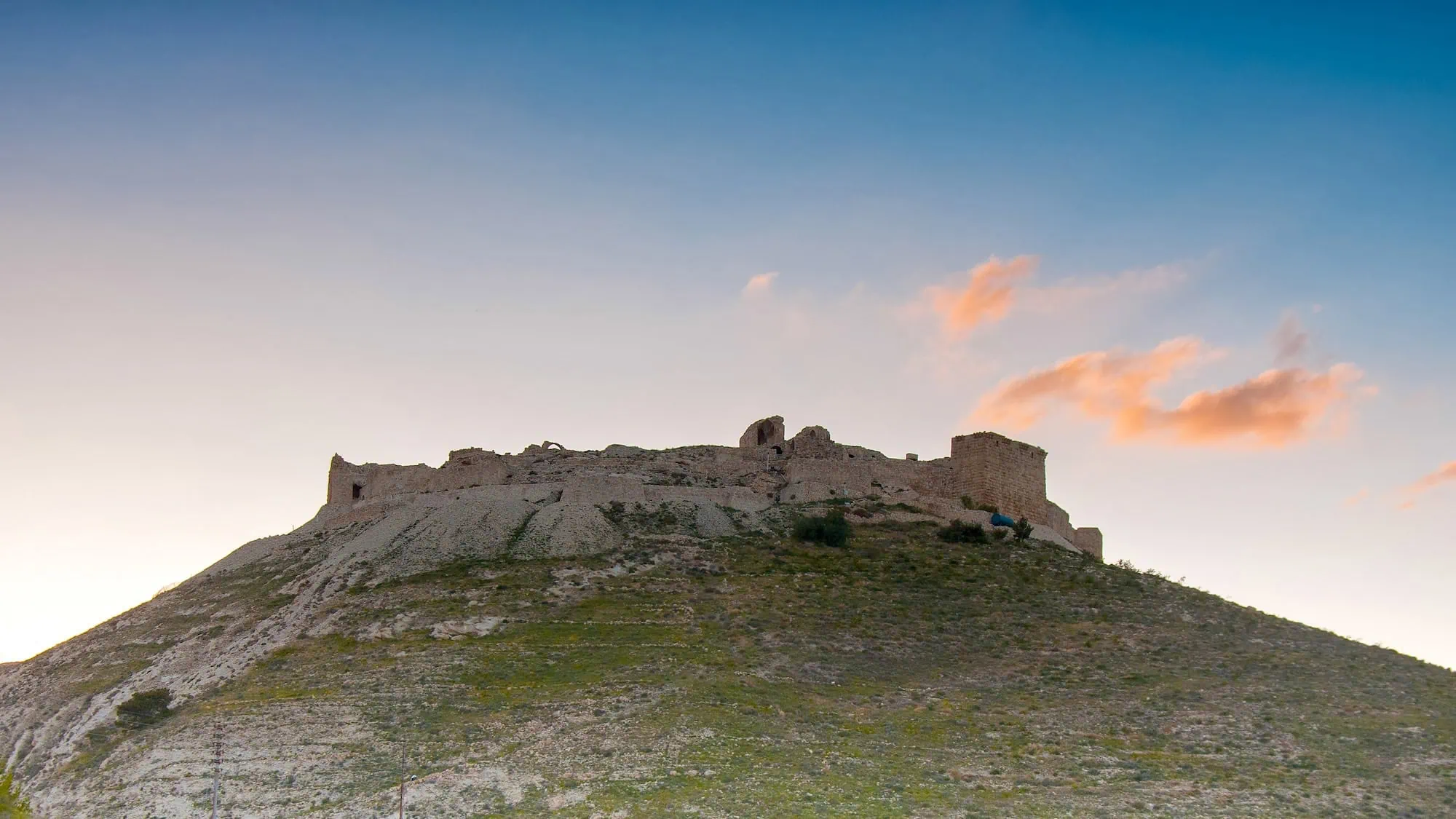
Montreal Crusader Castle rises from Jordan’s southern highlands with a dramatic presence. Built in 1115 by Baldwin I of Jerusalem, it once controlled key trade routes between Damascus and Egypt for more than 70 years before finally falling to Saladin after a prolonged siege. Today, visitors can explore the same chambers where Crusader knights planned their campaigns and descend into underground cisterns that once sustained life during times of conflict. The castle’s pale limestone gives it a distinctive appearance, standing in stark contrast to the surrounding landscape.
Reaching this lesser-visited site requires some effort, but the reward is a far more intimate and uncrowded experience compared to larger fortresses like Karak. It offers a deeper understanding of Crusader military strategy and daily life on the frontier.
To include Montreal Castle alongside Petra, Wadi Rum, and Egypt’s iconic highlights, explore our Combined Egypt and Jordan tours.
Table of Contents
Strategic Foundation and Early History
Baldwin I chose this windswept hilltop for reasons that become clear the moment you survey the surrounding landscape.
Location and Military Importance
The fortress occupies a commanding position 1,300 meters (4,265 feet) above sea level, overlooking the ancient King’s Highway that connected Cairo to Damascus. Crusader engineers recognized this route’s commercial value – spice caravans, pilgrims, and military supplies all passed beneath Montreal’s watchful towers.
Baldwin’s decision to fortify this particular hill stemmed from broader Crusader strategy. The Kingdom of Jerusalem needed to secure its southeastern frontier while controlling lucrative trade taxes. Montreal became the anchor of the Lordship of Oultrejourdain, a Crusader domain that stretched across what is now southern Jordan.
Construction Under Baldwin I
Work began in 1115 using local limestone quarried from the surrounding hills. Crusader masons employed techniques learned in Europe while adapting to Middle Eastern conditions. The castle’s primary defenses included a massive keep, multiple towers, and thick curtain walls designed to withstand siege engines.
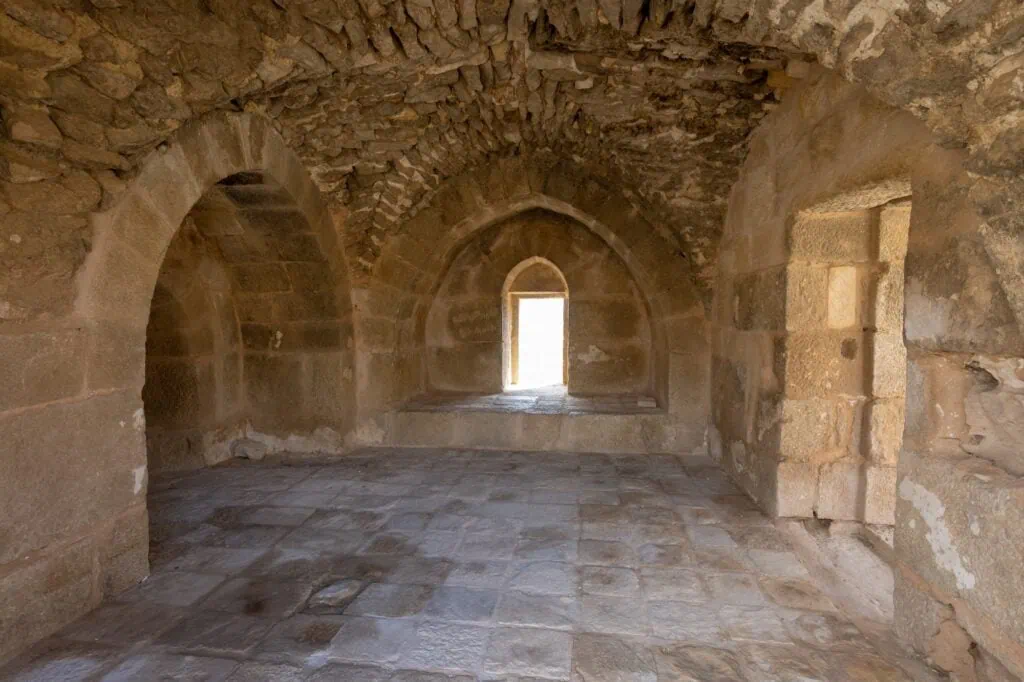
Early construction focused on military necessities rather than comfort. Baldwin’s engineers prioritized defensive positions, weapon storage, and water security over residential quarters. Archaeological evidence suggests the initial fortress housed approximately 150 knights and men-at-arms during peacetime.
Early Crusader Occupation
Montreal’s first decades saw constant military activity as Crusader forces used the castle to launch raids against Muslim territories. The fortress served as both defensive stronghold and offensive staging ground, with knights regularly patrolling trade routes to collect taxes and tribute.
Raynald of Châtillon later inherited control of Montreal through marriage, transforming the castle into his primary residence. Under his leadership, the fortress became infamous for aggressive tactics against Muslim merchants and pilgrims, ultimately provoking Saladin’s decisive response.
Architectural Marvel of Medieval Engineering
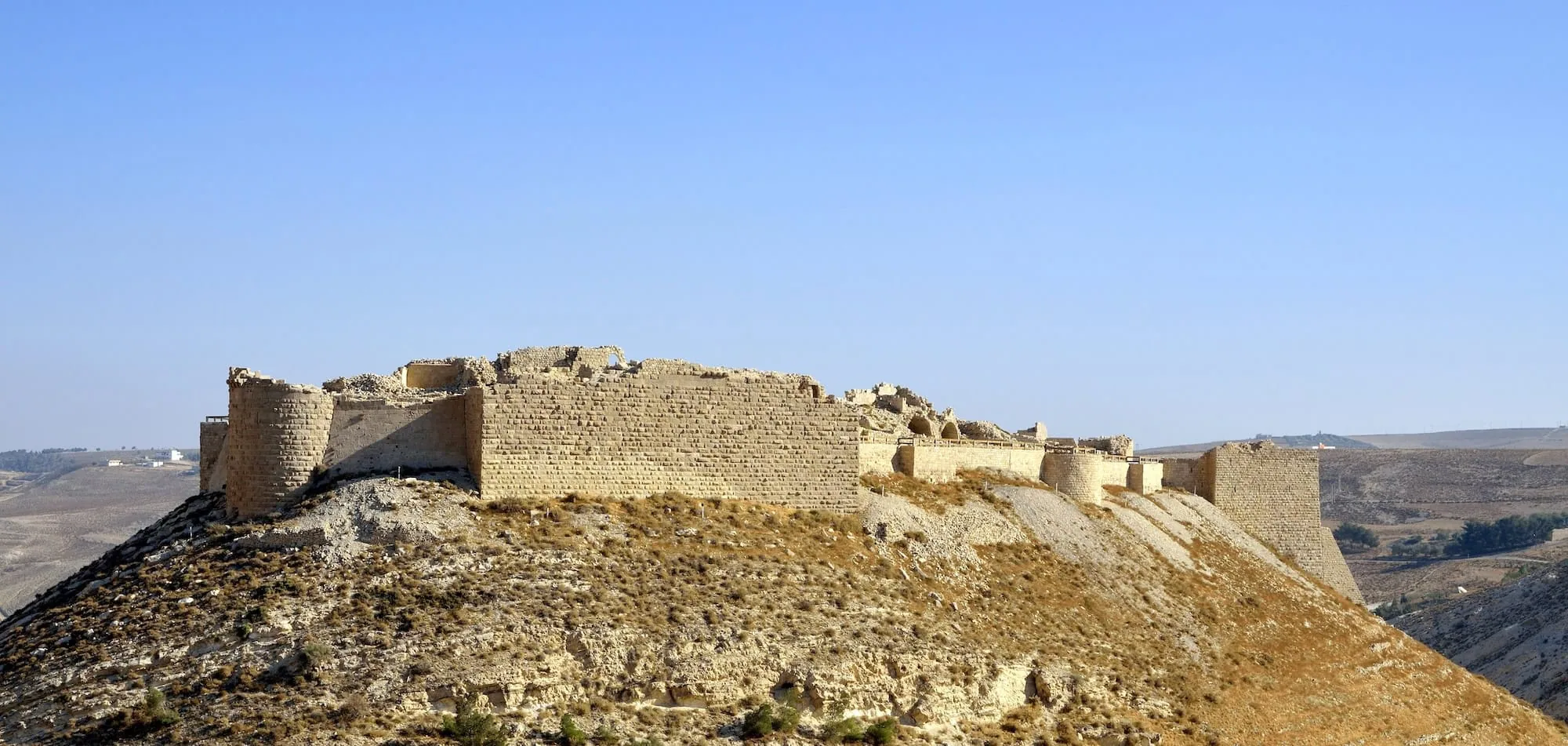
Montreal demonstrates sophisticated military architecture adapted to harsh desert conditions. The castle’s builders created an integrated defensive system that maximized the natural advantages of the hilltop location while addressing the unique challenges of desert warfare.
Massive limestone blocks form the foundation of walls that originally stood 15 meters (49 feet) high in places. The main keep dominated the eastern approach, where enemies would face the steepest climb while exposed to crossbow fire from multiple levels. Narrow arrow slits provided protection for defenders while limiting attackers’ ability to return effective fire.
Underground chambers reveal the castle’s most ingenious feature – an elaborate water collection and storage system. Crusader engineers carved cisterns directly into the bedrock, creating reservoirs capable of sustaining the garrison during extended sieges. Rainfall from the fortress’s roof and courtyards flowed through carefully designed channels into these underground chambers.
Defensive Innovations
The castle’s designers incorporated lessons learned from earlier Crusader fortifications across the Levant. Overlapping fields of fire ensured that attackers approaching any section of wall would face crossbow bolts from multiple directions. The gatehouse featured a portcullis and murder holes, forcing invaders into a confined killing zone.
Tower placement followed mathematical principles that maximized defensive coverage while minimizing blind spots. Each tower could provide supporting fire to its neighbors, creating an interlocking defensive network that required coordinated assault to overcome.
Saladin’s Siege and Castle Fall
The year 1189 brought Montreal’s greatest test when Saladin’s armies surrounded the fortress. This siege represented more than a simple military operation – it symbolized the broader struggle between Christian and Muslim forces for control of the Holy Land.
Saladin arrived with siege engines, including massive catapults capable of hurling 140-kilogram (308-pound) stones against the castle walls. Muslim engineers had studied Crusader fortification techniques and developed specific countermeasures for castles like Montreal.
The siege lasted several months as defenders gradually exhausted their supplies despite the sophisticated water storage system. Archaeological excavations have uncovered evidence of the desperate final weeks – arrow points embedded in walls, hastily repaired masonry, and makeshift defensive positions created as the original walls crumbled under constant bombardment.
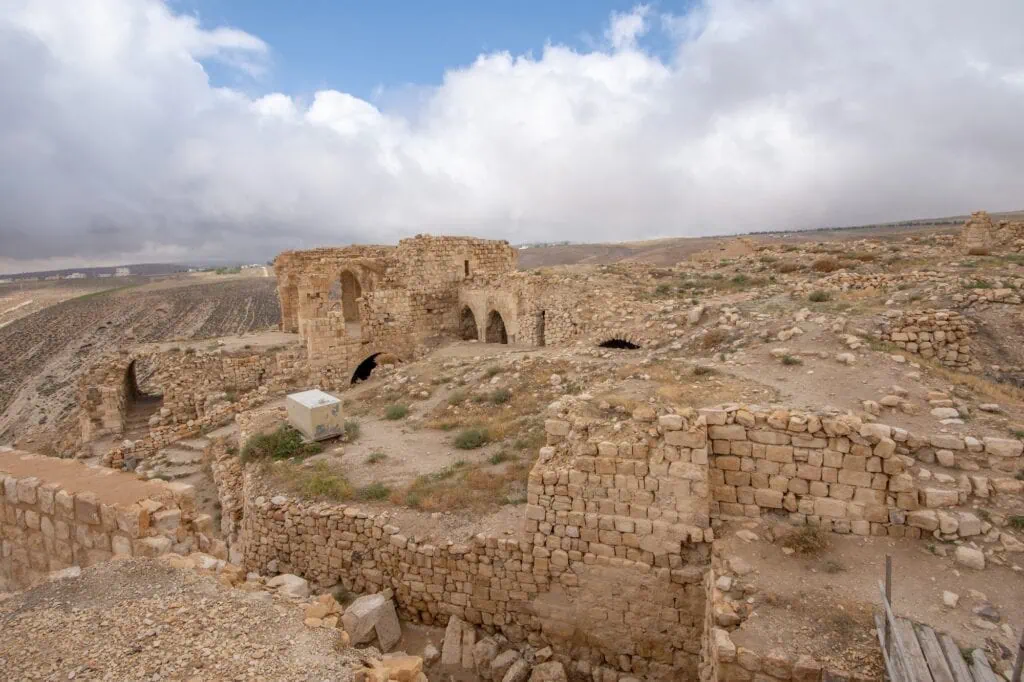
Montreal’s fall marked the end of Crusader control over the vital trade routes between Egypt and Damascus. Saladin’s victory here helped secure his broader strategic objectives in the region, cutting off Crusader finances and isolating remaining Christian strongholds.
The Final Assault
When Montreal’s walls finally gave way, Saladin demonstrated the mercy that had earned him respect even among his enemies. Rather than executing the surviving garrison, he allowed most defenders to leave safely after surrendering the castle. This decision reflected both military pragmatism and the chivalric codes that governed medieval warfare.
The castle’s surrender ended 74 years of Crusader occupation and began a new chapter under Ayyubid rule. Saladin immediately ordered repairs to damaged sections while adapting the fortress for his own strategic needs.
Archaeological Discoveries and Modern Exploration
Recent excavations at Montreal have revolutionized our understanding of daily life in Crusader castles. Archaeological teams have uncovered everything from kitchen utensils to military equipment, providing intimate details about the people who lived and died within these walls.
Pottery fragments reveal trade connections stretching from Cyprus to Cairo. Crusader inhabitants enjoyed imported wines, olive oil, and spices despite their remote location. Muslim artifacts from the post-1189 period show how new occupants adapted existing structures for their own cultural needs.
The most significant discovery involves the castle’s sophisticated hydraulic system. Ground-penetrating radar has revealed previously unknown chambers and water channels that extended far beyond the visible ruins. These findings suggest Montreal could sustain much larger garrisons than historians previously believed possible.
Conservation Efforts
Jordan’s Department of Antiquities has undertaken extensive conservation work to preserve Montreal’s remaining structures. UNESCO has included the site on its Tentative List for World Heritage status, recognizing the castle’s outstanding universal value as an example of Crusader military architecture.
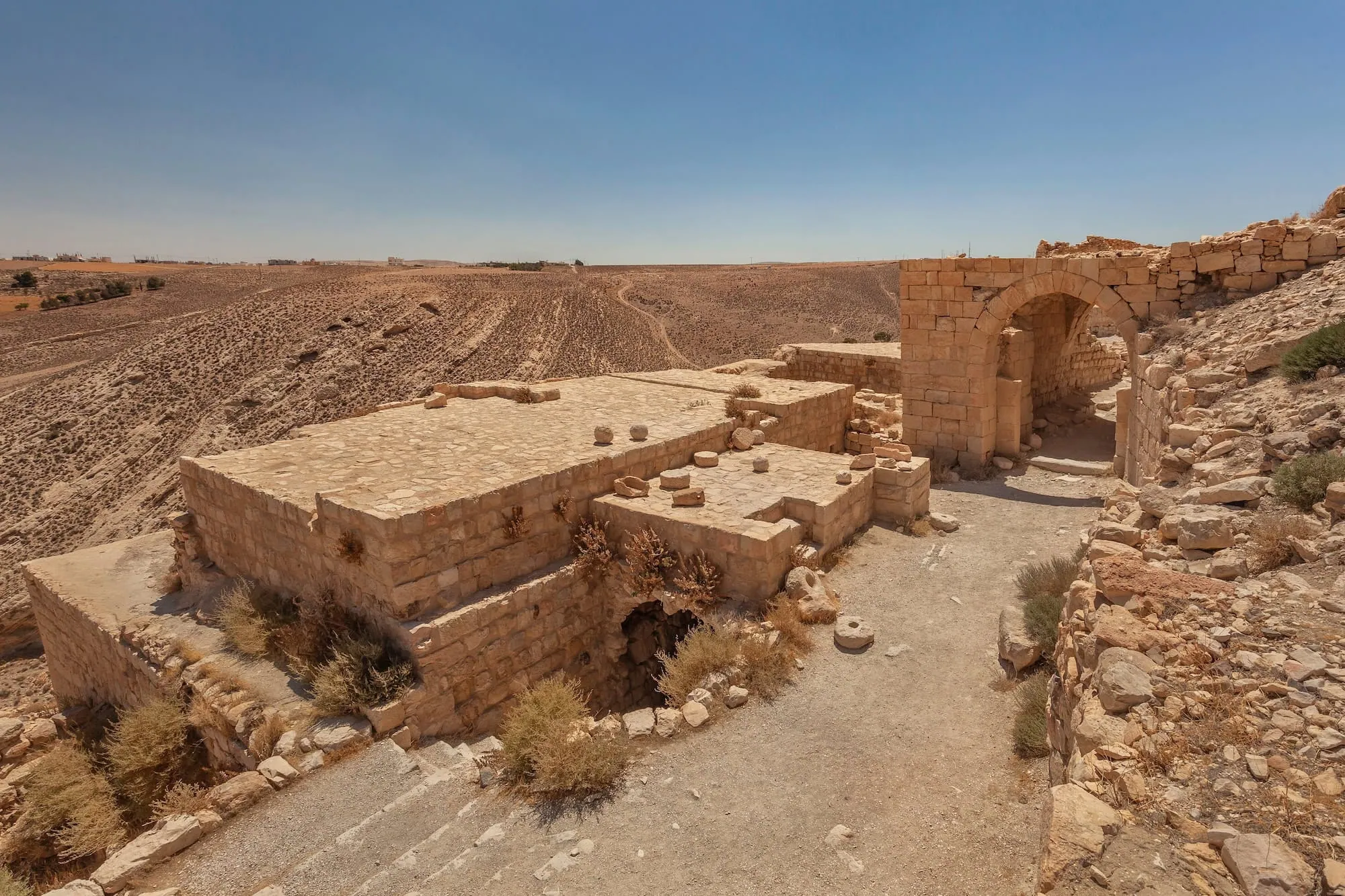
Modern preservation techniques help stabilize walls damaged by centuries of weathering while maintaining the site’s archaeological integrity. Visitors can now safely explore areas that were previously off-limits due to structural concerns.
Planning Your Visit to Montreal
We recommend visiting Montreal as part of a broader exploration of Jordan’s Crusader heritage. The castle lies approximately 20 kilometers (12 miles) north of Petra, making it an ideal addition to any southern Jordan itinerary.
Getting There
The journey from Amman takes roughly 3.5 hours by car via the Desert Highway. Public transportation options are limited, so most visitors arrive as part of organized tours or private vehicle arrangements. The final approach involves a steep climb up a winding mountain road that rewards travelers with spectacular views across the Jordan Rift Valley.
We provide comfortable, air-conditioned vehicles and experienced drivers who know the region’s roads and conditions. Our guides understand the historical context that makes Montreal meaningful rather than simply presenting another collection of ancient stones.
Best Time to Visit
Spring (March-May) and autumn (October-November) offer the most pleasant weather conditions for exploring the castle ruins. Daytime temperatures during these periods typically range from 18-25°C (64-77°F), ideal for walking among the ruins and climbing to higher vantage points.
Summer visits require early morning or late afternoon timing to avoid the intense midday heat. Winter can bring occasional rainfall that makes stone surfaces slippery, though the cooler temperatures provide comfortable conditions for extended exploration.
Our decades of expertise in Jordan tourism ensure we time visits to maximize both comfort and photographic opportunities. We understand which angles capture Montreal’s most dramatic aspects and when natural lighting enhances the ancient stonework.
What to Expect
Montreal requires moderate physical fitness due to uneven terrain and steep climbs within the castle grounds. Sturdy walking shoes are essential, as are sun protection and adequate water supplies. The site lacks modern facilities, so visitors should prepare accordingly.
The reward for this effort is an authentic medieval experience largely unmarked by modern tourist infrastructure. Unlike more developed archaeological sites, Montreal retains the mysterious atmosphere that draws serious history enthusiasts and photographers seeking dramatic ancient landscapes.
Frequently Asked Questions
Allow 2-3 hours to explore the main structures and underground chambers, plus additional time for photography and enjoying the panoramic views.
Children over 8 can enjoy the site with proper supervision, though uneven surfaces and steep drops require constant attention from adults.
Yes, the 30-minute drive between sites makes this combination feasible, though we recommend dedicating separate days to fully appreciate each location.
A small entrance fee applies, though fees change periodically so confirm current rates when planning your visit.
Montreal is smaller and less restored than Kerak, offering a more intimate and authentic medieval atmosphere with fewer crowds.
While not mandatory, a knowledgeable guide significantly enhances the experience by explaining architectural features and historical context that aren’t obvious to casual visitors.
Photography is allowed in most areas, though flash photography may be restricted in certain underground chambers to protect ancient surfaces.
Montreal demonstrates unique adaptations to Middle Eastern conditions, particularly in water storage systems and defensive strategies against desert warfare.
Access to upper levels depends on current structural assessments, as safety considerations may temporarily restrict certain areas.
Essential items include sturdy shoes, sun hat, sunscreen, water, and a camera with extra batteries, as charging facilities aren’t available on-site.
Basic facilities may be available near the entrance, though conditions vary so plan accordingly for remote site visits.
Montreal sees far fewer visitors than major tourist sites, maintaining an intimate atmosphere even during Jordan’s busiest travel periods.
Design Your Custom Tour
Explore Egypt and Jordan your way by selecting only the attractions you want to visit