

Amman Archaeological Museum – A True Ancient Treasure Trove
Step into Jordan’s most captivating window to the past.
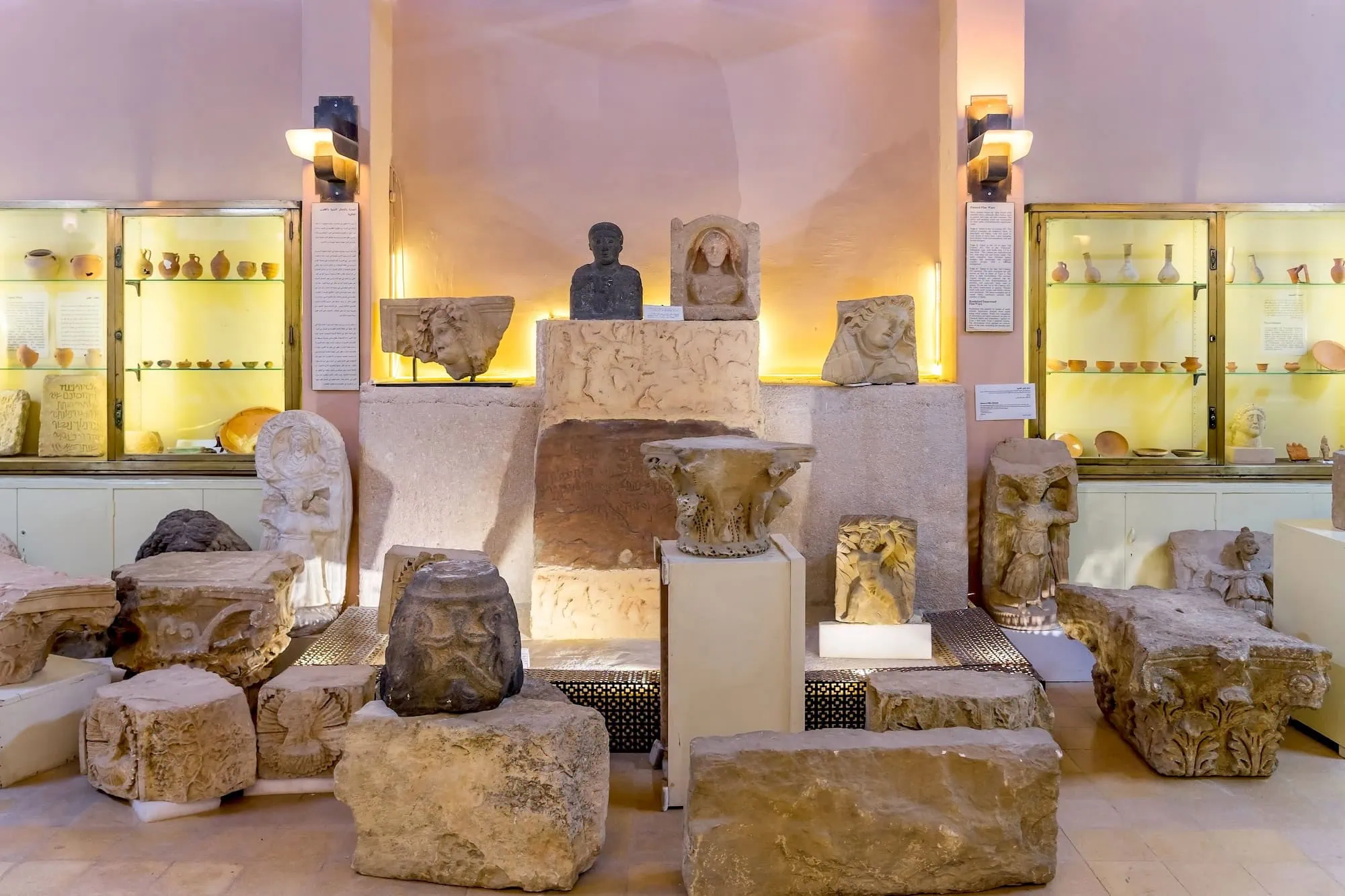
The Amman Archaeological Museum stands as one of the Middle East’s most remarkable cultural institutions, housing treasures that span over 200,000 years of human civilization. From the world-renowned Ain Ghazal statues to fragments of the Dead Sea Scrolls, this exceptional collection reveals the depth and richness of Jordan’s archaeological heritage.
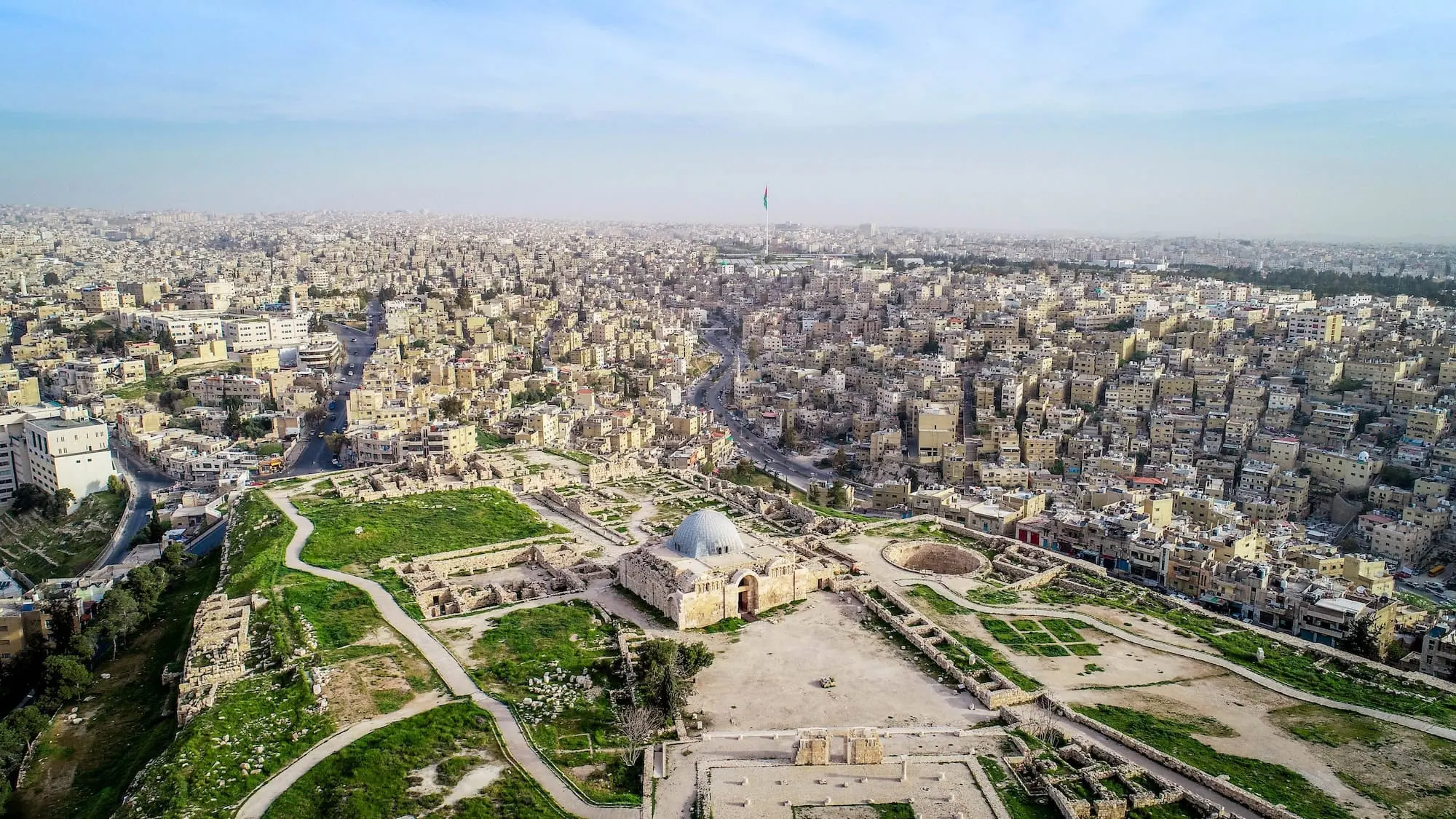
Located atop the historic Amman Citadel, the museum offers visitors an unparalleled journey through time, showcasing artifacts that have shaped our understanding of ancient civilizations. The setting itself adds another layer of significance, placing you at the heart of one of the oldest continuously inhabited cities in the world.
The museum is often included in our Egypt and Jordan itinerary tours, where cultural experiences in Amman are combined with iconic highlights such as Petra, Wadi Rum, and Egypt’s ancient monuments.
Whether you’re visiting Jordan for the first time or looking to deepen your understanding of Middle Eastern history, this site offers a compelling and enriching experience.
Table of Contents
The Museum’s Rich Historical Foundation
The Jordan Archaeological Museum opened its doors in 1951 under the careful guidance of the Department of Antiquities. This wasn’t simply another cultural institution – it represented Jordan’s commitment to preserving and sharing its extraordinary archaeological wealth with the world.
Origins and Early Development
The museum’s founding came during a pivotal period in Jordan’s history. Archaeological discoveries were rapidly expanding knowledge of the region’s ancient civilizations, from Paleolithic settlements to Islamic dynasties. The museum quickly became the primary repository for the most significant finds from excavations across the kingdom.
King Hussein recognized the importance of establishing a world-class facility that could properly house and display Jordan’s growing collection of artifacts. The location atop the Amman Citadel was carefully chosen, placing the museum within one of the region’s most historically significant archaeological sites.
Architectural Significance
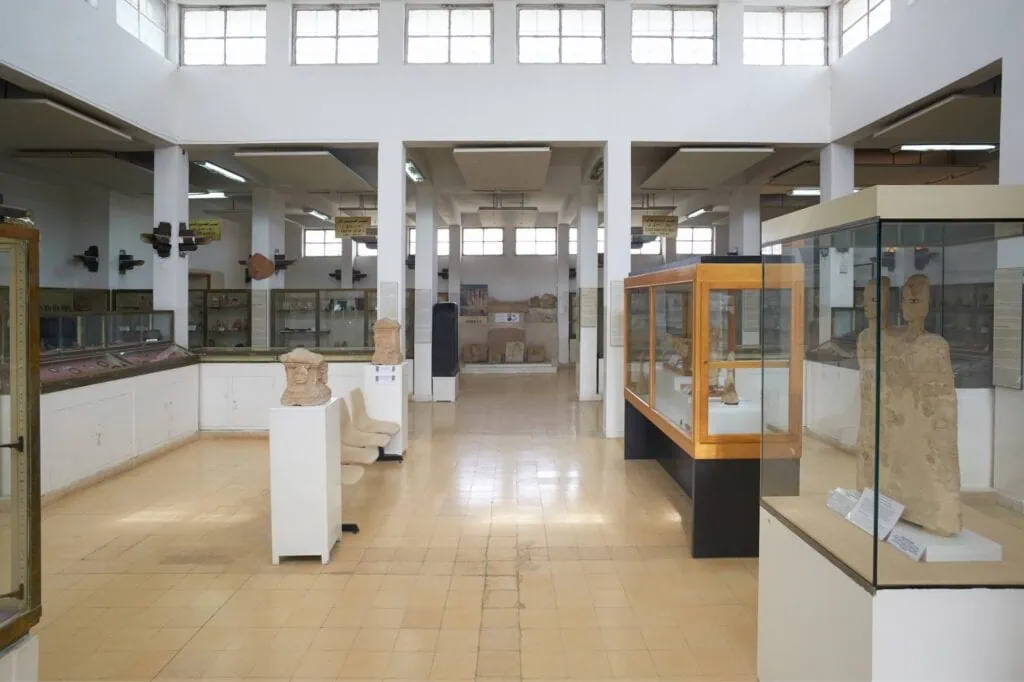
The museum building itself reflects traditional Jordanian architectural principles while incorporating modern conservation requirements. The structure harmonizes with the ancient Citadel surroundings, creating a seamless blend of past and present that enhances the visitor experience.
Climate control systems protect delicate artifacts from the harsh Middle Eastern environment. Specialized lighting preserves fragile materials while allowing optimal viewing conditions for visitors exploring the chronologically arranged exhibitions.
Extraordinary Collections That Define Civilizations
The museum houses over 40,000 artifacts representing every major period of human settlement in Jordan. These collections go far beyond typical archaeological displays – they tell the complete story of human development in this crucial crossroads region.
The Paleolithic collection includes some of humanity’s earliest tools and evidence of settlement patterns dating back 200,000 years. Rhinoceros teeth and preserved animal remains provide insight into the region’s ancient climate and ecosystem. These finds demonstrate how early humans adapted to changing environmental conditions across millennia.
Bronze Age artifacts reveal sophisticated metalworking techniques and trade networks that connected Jordan to civilizations across the Mediterranean and Mesopotamia. Pottery, jewelry, and ceremonial objects show the artistic achievements of these early urban societies.
The Islamic period collections span from the Umayyad through the Mamluk dynasties. Intricate calligraphy, architectural elements, and decorative arts showcase the golden age of Islamic civilization. These pieces demonstrate how Jordan remained a vital cultural center throughout the Islamic expansion.
The Legendary Ain Ghazal Statues
No discussion of the museum’s treasures is complete without highlighting the famous Ain Ghazal statues. These 9,000-year-old plaster figures represent some of the world’s earliest large-scale human sculptures. Discovered in 1983, they revolutionized understanding of Neolithic artistic capabilities.
The statues’ remarkable preservation allows detailed study of ancient artistic techniques and religious practices. Each figure displays unique characteristics, suggesting they represented specific individuals rather than generic human forms. Their discovery near Amman transformed scholarly understanding of early settlement patterns in the region.
Planning Your Visit: Practical Information
The museum operates Tuesday through Sunday, opening at 9:00 am (09:00) and closing at 5:00 pm (17:00). We recommend arriving early to avoid crowds and enjoy cooler temperatures, particularly during summer months when afternoon heat can make the walk to the Citadel challenging.
Getting There and Access
The museum’s location atop the Citadel provides spectacular views of modern Amman, but the climb requires moderate physical fitness. Comfortable walking shoes are essential, as the approach involves ancient stone pathways and some steep sections.
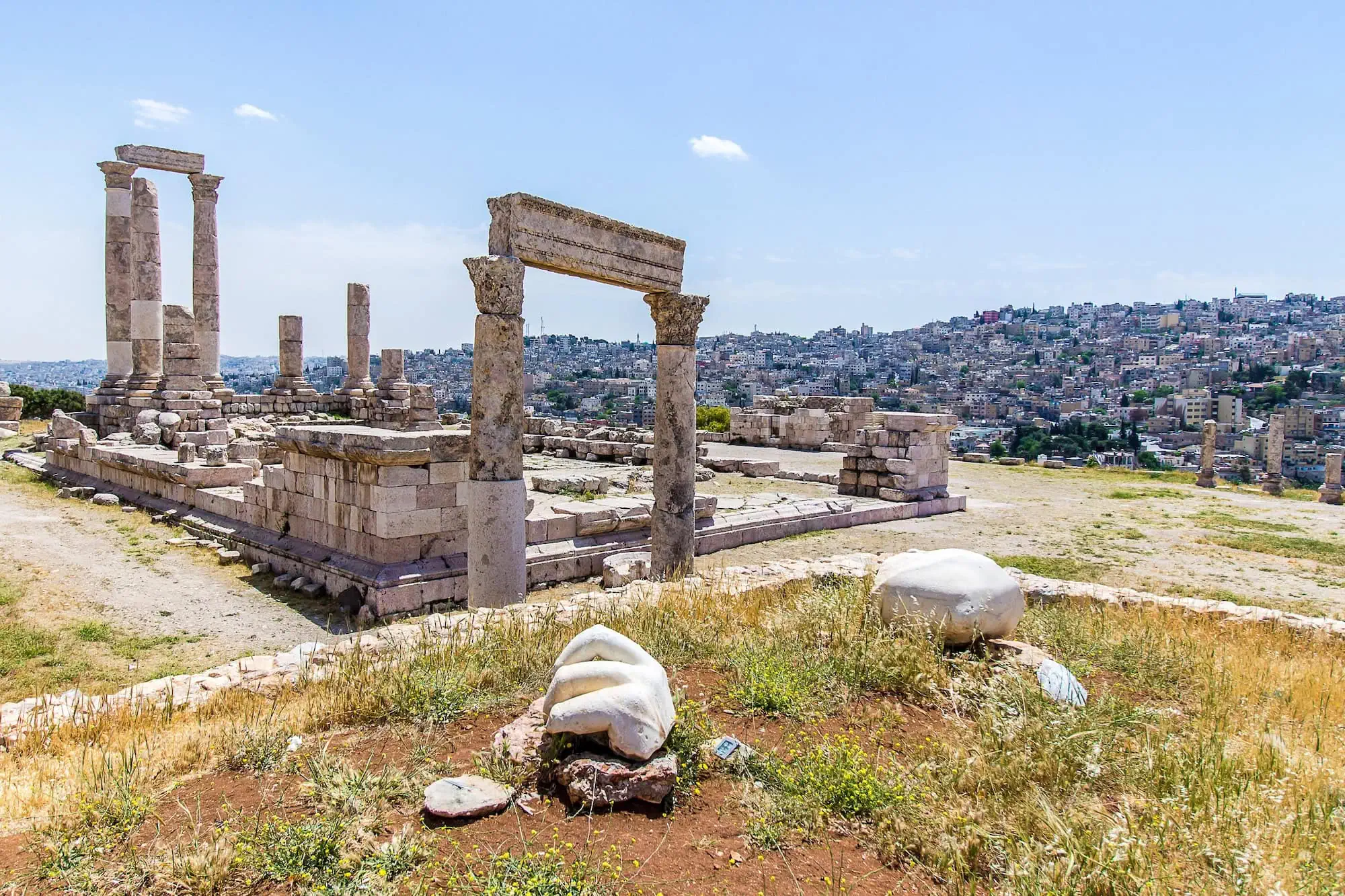
Parking is available at the base of the Citadel, though spaces fill quickly during peak tourist seasons. Many visitors combine their museum trip with exploration of other Citadel attractions, including the Temple of Hercules and the Umayyad Palace complex.
Public transportation options include regular bus service to downtown Amman, followed by a short walk to the Citadel entrance. Taxi services offer direct access, though drivers may not wait for your return trip. We can arrange private transportation as part of our comprehensive Amman heritage tours, ensuring seamless access and expert guidance throughout your visit.
Admission and Special Considerations
Entry fees remain remarkably affordable, making the museum accessible to international visitors and local families alike. Jordan Pass holders receive free admission, along with access to numerous other archaeological sites throughout the kingdom.
Photography is permitted in most galleries, though flash photography may damage sensitive artifacts. The museum shop offers high-quality reproductions and scholarly publications for those seeking lasting mementos of their visit.
Exploring Jordan’s Archaeological Heritage
The museum experience transforms dramatically when viewed through expert interpretation. Our specialized guides bring decades of archaeological knowledge to every tour, revealing hidden connections between artifacts and their historical contexts.
Understanding the chronological arrangement helps visitors appreciate how civilizations built upon previous achievements. The progression from simple stone tools to sophisticated Islamic art demonstrates humanity’s remarkable creative evolution across millennia.
Interactive displays complement traditional exhibition cases, particularly in sections devoted to the Dead Sea Scrolls and early writing systems. These technological enhancements help visitors understand complex archaeological concepts without overwhelming the authentic artifacts themselves.
Connecting with Jordan’s Living Heritage
The museum doesn’t exist in isolation – it connects directly to ongoing archaeological work throughout Jordan. Recent discoveries continue adding to the collection, ensuring the museum remains a dynamic institution rather than a static repository.
Many artifacts link to sites visitors can explore during extended stays in Jordan. Petra, Jerash, and Umm Qais all contribute to the museum’s collections while offering their own unique archaeological experiences. We help travelers understand these connections through carefully planned itineraries that maximize learning opportunities across multiple sites.
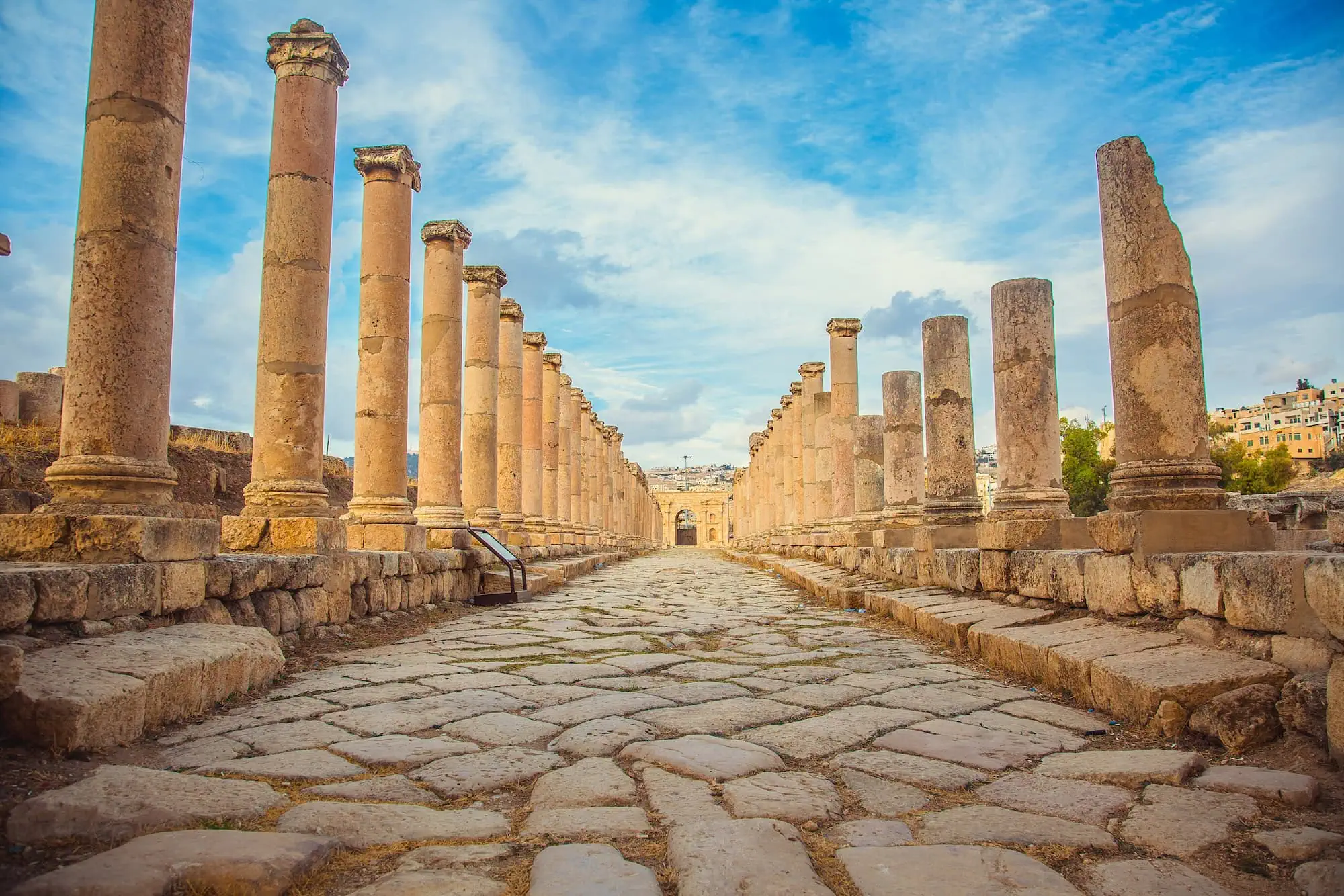
Local artisans continue traditions represented in the museum’s historical collections. Modern pottery, metalwork, and textile production echo techniques displayed in ancient artifacts, creating living connections between past and present.
Enhancing Your Museum Experience
Before Your Visit
Researching key pieces beforehand enhances appreciation during your actual museum tour. The Ain Ghazal statues, Islamic calligraphy collections, and Paleolithic tools represent essential viewing priorities for first-time visitors.
Understanding Jordan’s geographical position helps contextualize trade relationships evident in artifact origins. The kingdom’s location at the crossroads of Africa, Asia, and Europe created unique cultural exchanges reflected throughout the museum’s collections.
During Your Exploration
Allow minimum three hours for a comprehensive visit, though archaeological enthusiasts often spend entire days exploring detailed exhibitions. The chronological arrangement guides visitors through human development, but thematic approaches focusing on art, technology, or religion offer alternative exploration strategies.
Note-taking or sketching is encouraged in most galleries. Many visitors find that recording their observations enhances retention and provides valuable references for future study or sharing with friends and family.
After Your Museum Visit
The museum experience often sparks interest in visiting archaeological sites where featured artifacts were discovered. Jordan offers exceptional opportunities for extended archaeological tourism, from Paleolithic sites to complete Roman cities.
Our post-visit services include recommendations for additional sites, specialized bookshops, and academic resources for continued learning. Many travelers discover that their museum visit becomes the foundation for deeper exploration of Middle Eastern archaeology and history.
Frequently Asked Questions
Allow 2-3 hours for a thorough exploration of all galleries.
Yes, most artifacts feature English translations alongside Arabic descriptions.
Independent visits are welcome, though guided tours provide valuable archaeological expertise.
Spring and autumn offer ideal weather for exploring outdoor Citadel areas.
Yes, children find ancient statues fascinating, though parental supervision required.
Photography is permitted, but flash photography may damage sensitive artifacts.
Archaeological Museum focuses on chronological artifacts, Jordan Museum emphasizes cultural narratives.
Absolutely – Temple of Hercules and Umayyad Palace make excellent additions.
Several cafes and restaurants operate near Citadel entrance offering traditional cuisine.
Comfortable walking shoes, sun protection, and camera for spectacular Citadel views.
Yes, we include expert-guided archaeological tours in comprehensive Jordan itineraries.
Design Your Custom Tour
Explore Egypt and Jordan your way by selecting only the attractions you want to visit