

Ephesus in Izmir – One Of The Seven Wonders Of The Ancient World
Step into one of history’s most spectacular archaeological sites.
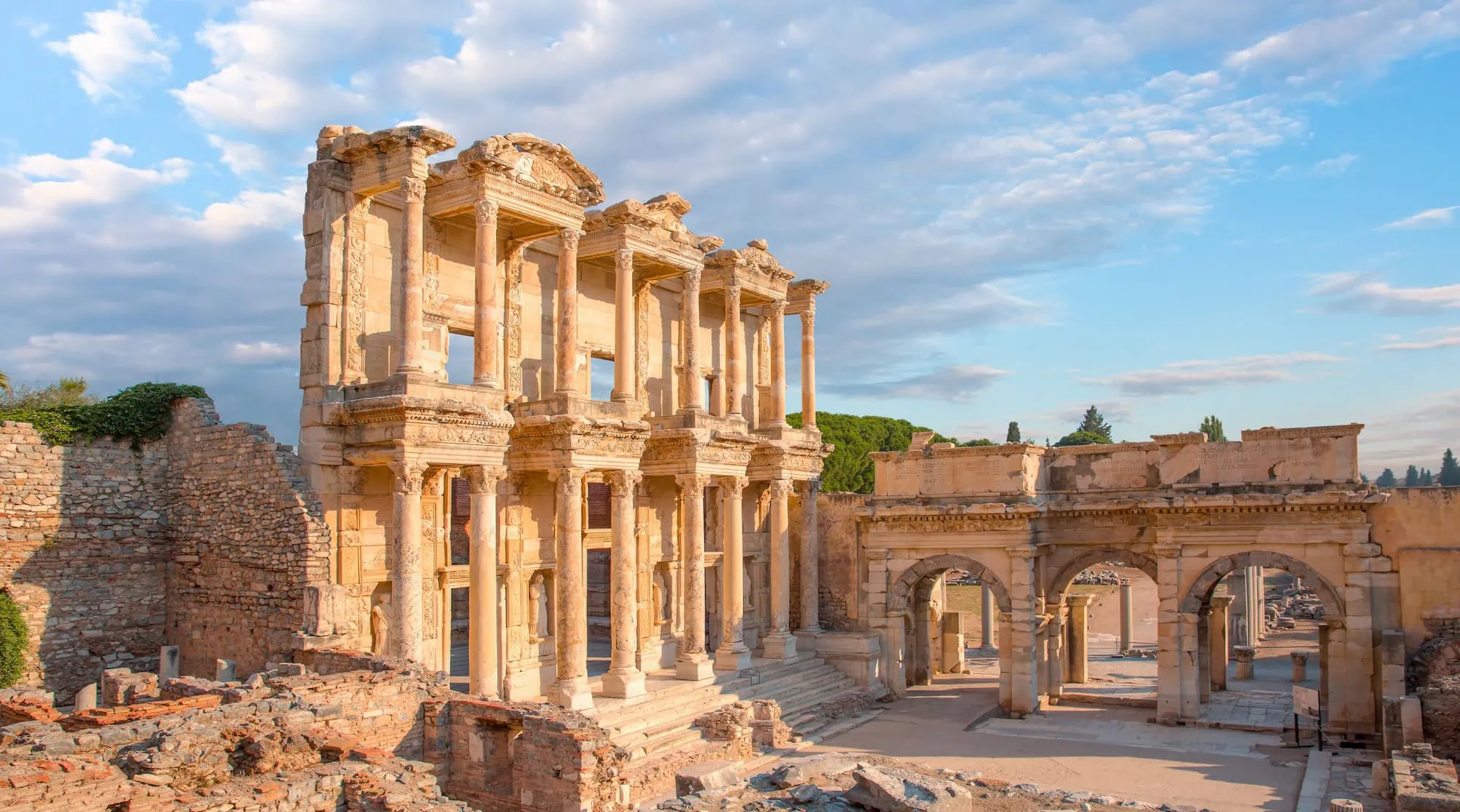
For over two millennia, Ephesus has captivated visitors with its remarkable Roman ruins, exceptional preservation, and deep historical significance. This ancient city on Turkey’s Aegean coast stands as one of the best-preserved examples of classical urban planning, where marble streets still reflect the legacy of emperors, scholars, and early Christian communities.
Ephesus can be included in our Egypt and Turkey Multi-Country Tours, where Turkey’s iconic archaeological sites are combined with Egypt’s ancient wonders for a rich and immersive travel experience.
From the iconic Library of Celsus to the vast Great Theatre, every part of the site reveals layers of Hellenistic and Roman civilization. As a UNESCO World Heritage Site, Ephesus offers a unique opportunity to explore one of the most influential cities of the ancient Mediterranean world.
Table of Contents
Historical Foundations of Ancient Ephesus
Ephesus emerged as a powerful Greek settlement around the 10th century BC, strategically positioned where the Cayster River met the Aegean Sea. This prime location transformed the city into a thriving commercial hub that would eventually become one of the most important centers in the ancient world.
The Greek and Hellenistic Era
The original settlement was established by Ionian Greeks who recognized the exceptional strategic value of this coastal location. Under Greek rule, Ephesus developed into a significant religious center, most notably housing the Temple of Artemis – one of the Seven Wonders of the Ancient World. This magnificent structure, larger than the Parthenon in Athens, drew pilgrims from across the Mediterranean and established Ephesus as a major pilgrimage destination.
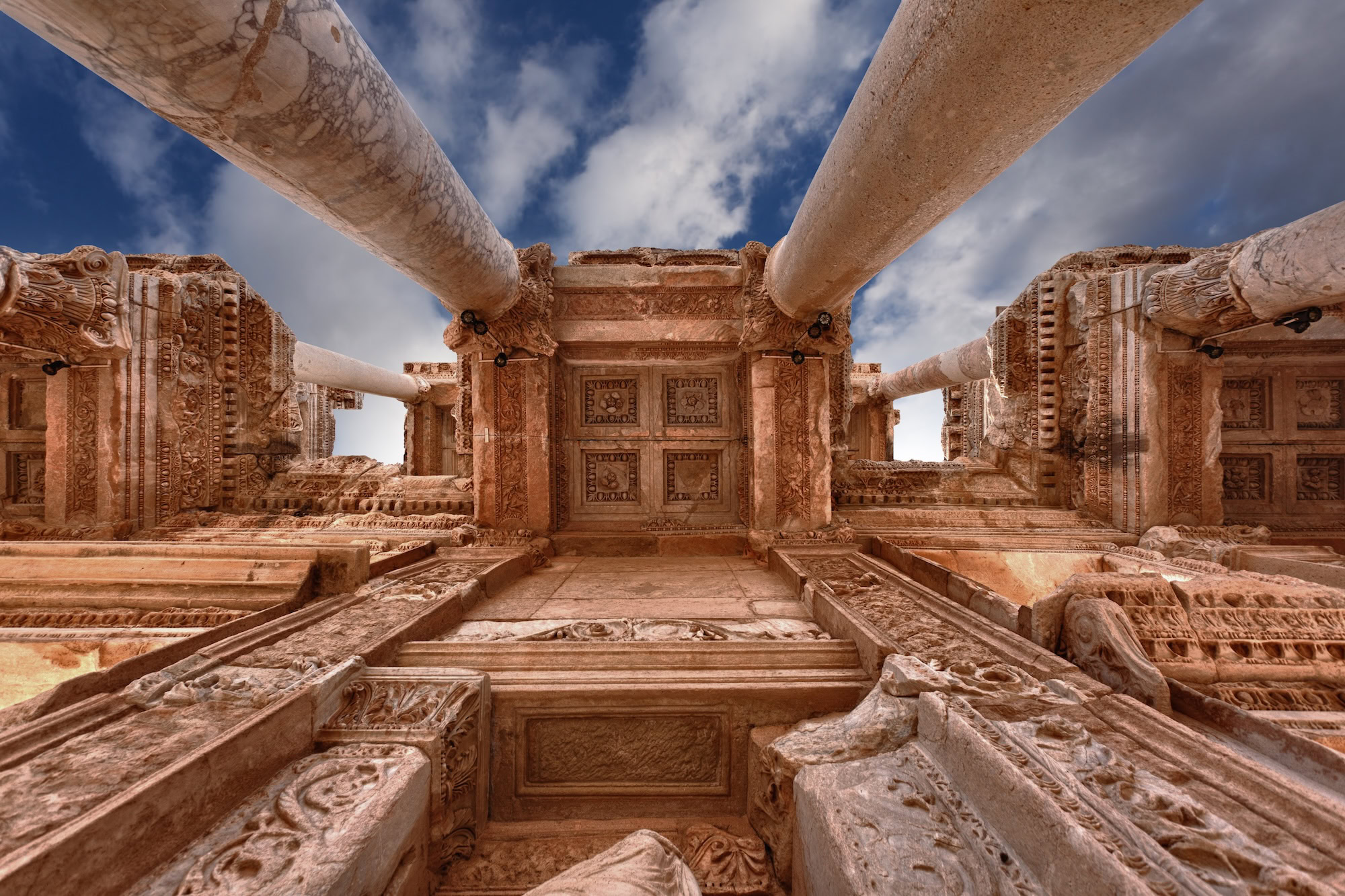
Archaeological evidence reveals that the Hellenistic period brought remarkable urban development. The city’s grid system, advanced water management, and sophisticated architectural planning laid the foundation for what would become the Roman Empire’s crown jewel in Asia Minor.
Roman Imperial Grandeur
When Ephesus became part of the Roman Empire in 133 BC, it entered its golden age. The Romans invested heavily in monumental construction projects, transforming the city into the capital of the province of Asia. Population estimates suggest that at its peak, between 200,000 and 250,000 people called Ephesus home, making it the second-largest city in the empire after Rome itself.
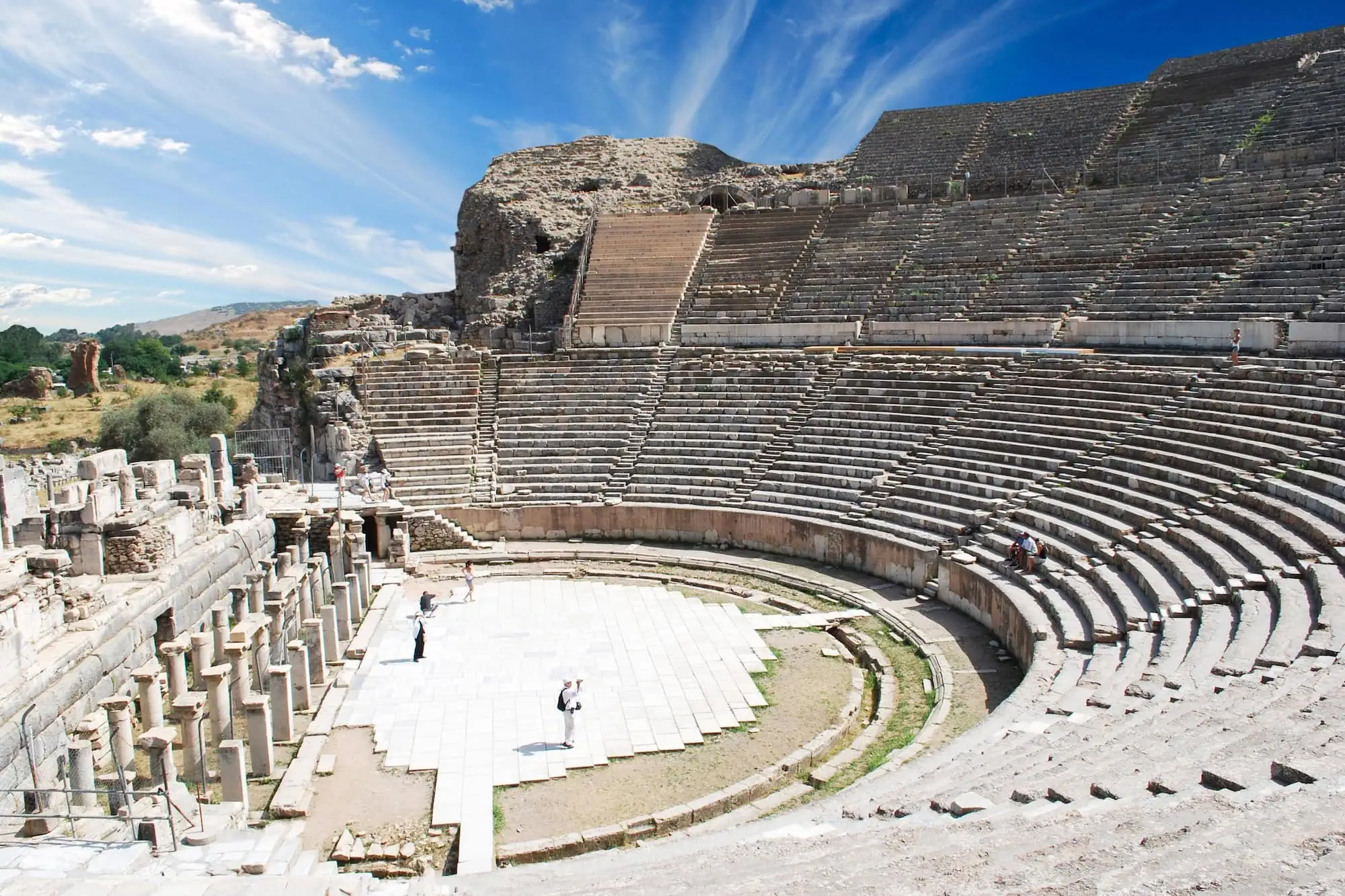
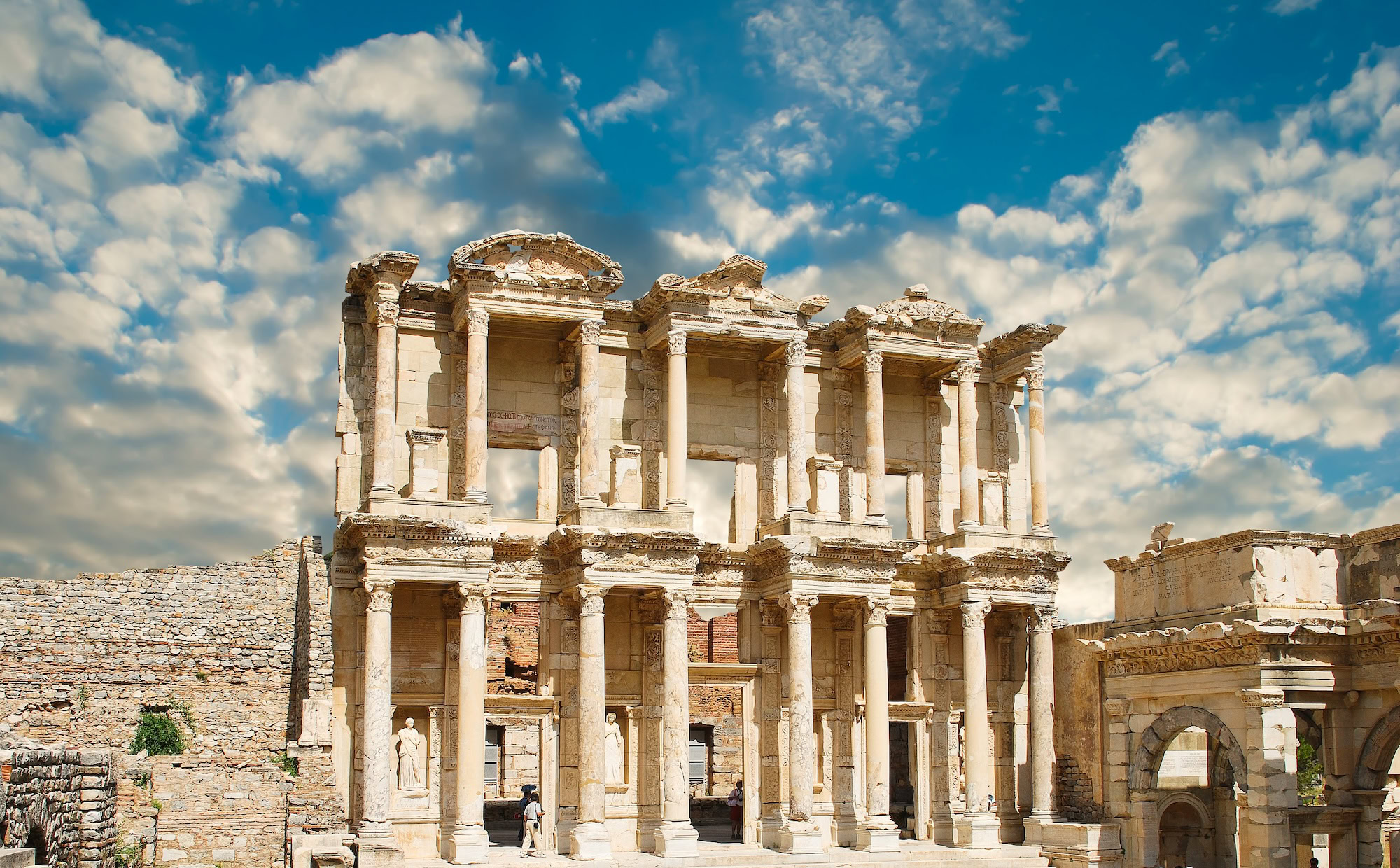
The Roman period saw the construction of most structures visitors admire today. The Library of Celsus, completed in 135 AD, housed over 12,000 scrolls and served as both a monument to learning and a magnificent tomb. The Great Theatre, capable of seating 25,000 spectators, hosted everything from gladiatorial contests to dramatic performances.
Early Christian Heritage
Ephesus holds extraordinary significance in early Christian history, with connections that transformed it into one of Christianity’s most sacred sites. According to tradition, the Apostle Paul lived here for three years during the 50s AD, establishing one of the most important early Christian communities. His ministry in Ephesus was so successful that it sparked riots among local silversmiths who profited from Temple of Artemis worship.
The House of the Virgin Mary, located on nearby Bulbul Mountain, is believed by many to be where Mary spent her final years under the care of the Apostle John. This site continues to attract Christian pilgrims from around the world and was visited by three popes in the 20th century alone.
Architectural Marvels and Must-See Monuments
Walking through Ephesus today means encountering some of the Mediterranean world’s most impressive ancient architecture. Each structure tells unique stories of Roman engineering prowess and artistic achievement.
The Library of Celsus stands as Ephesus’s most photographed and recognizable structure. Built as both a library and mausoleum for Roman Senator Tiberius Julius Celsus Polemaeanus, its elaborate façade features intricate marble carvings and statues representing wisdom, knowledge, intelligence, and valor. Recent restoration work has returned much of its original grandeur, allowing visitors to appreciate the sophisticated architectural techniques employed by Roman builders.
The Great Theatre dominates the lower section of the ancient city and represents one of the largest open-air theaters from antiquity. Carved directly into the slopes of Mount Pion, this architectural marvel demonstrates remarkable acoustic engineering – a whisper from the stage can be heard clearly in the highest rows. The theater’s political significance extends beyond entertainment, as it was here that angry Ephesians shouted “Great is Artemis of the Ephesians” during Paul’s missionary activities.
Recent excavations at the Terrace Houses have revealed how Ephesus’s wealthy residents lived during the Roman period. These luxurious homes, built on terraced slopes, feature elaborate mosaic floors, frescoed walls, and sophisticated heating systems. The preservation is so remarkable that original paint colors remain vivid after nearly 2,000 years.
The Odeon, a smaller covered theater, hosted musical performances and city council meetings. Its intimate size – seating approximately 1,500 people – created perfect acoustics for both political discourse and artistic performances. The marble seats and orchestra area remain largely intact, offering visitors a tangible connection to ancient civic life.
Sacred Spaces and Religious Architecture
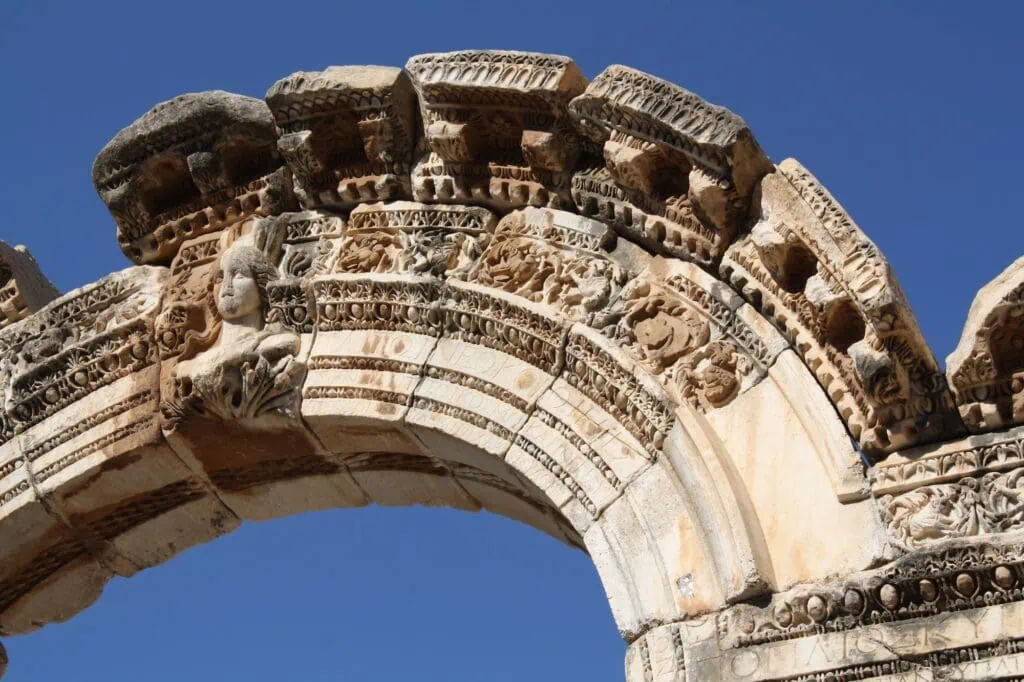
Beyond the famous Library and Theatre, Ephesus contains numerous religious structures that illuminate the spiritual diversity of ancient city life. The Temple of Hadrian, with its ornate façade and relief sculptures depicting mythological scenes, honors the Roman Emperor who visited the city in 128 AD.
The Basilica of St. John, built in the 6th century AD over the believed burial site of the Apostle John, represents the transition from pagan to Christian Ephesus. Though largely in ruins today, its massive scale and Byzantine architectural elements reveal the importance early Christians placed on this sacred location.
Exploring Ephesus: A Visitor’s Experience
Modern visitors to Ephesus encounter one of the world’s best-preserved ancient cities, where marble streets and monumental architecture create an immersive journey through time. The site’s exceptional preservation allows for an authentic experience of ancient urban life that few archaeological locations can match.
Your visit begins at the Upper Gate entrance, where the ancient Harbor Road leads you past some of Ephesus’s most significant monuments. This marble-paved street, wide enough for several chariots to pass side by side, connected the city center to its bustling harbor. Today, walking these same stones that emperors and merchants once traveled creates a profound connection to the ancient world.
The site’s layout follows the original Roman street grid, making navigation intuitive even for first-time visitors. Most tours follow a logical route from the Upper Gate to the Lower Gate, ensuring you encounter major monuments in a sequence that tells the city’s story chronologically. This downhill walk takes approximately two to three hours, depending on your pace and interest in detailed exploration.
During peak season, arriving early morning or late afternoon provides the best experience with fewer crowds and more favorable lighting for photography. The site offers minimal shade, making sun protection essential during summer months when temperatures can reach 35°C (95°F) by midday.
We recommend focusing your visit on the major highlights while allowing time for quiet contemplation at less crowded monuments. The Terrace Houses require a separate entrance fee but offer unparalleled insight into daily life among Ephesus’s elite residents. These remarkably preserved homes feature original frescoes, mosaics, and even ancient graffiti that bring the past to life in unexpected ways.
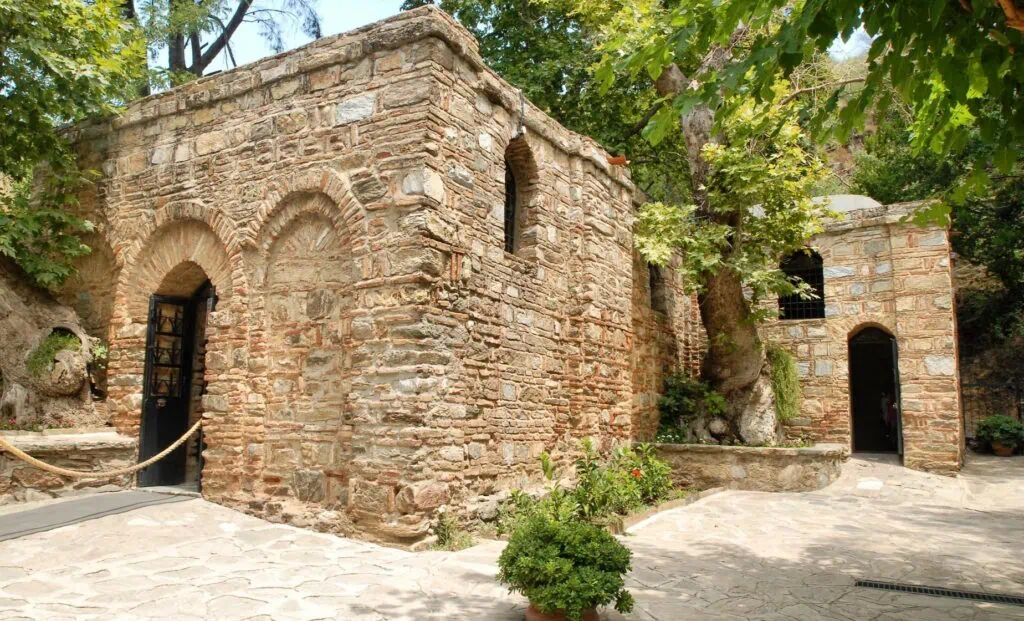
The House of the Virgin Mary, located 9 km (5.6 miles) from the main site, deserves inclusion in any comprehensive Ephesus visit. This peaceful sanctuary, nestled among pine forests on Bulbul Mountain, offers both spiritual significance and stunning views over the surrounding countryside.
UNESCO World Heritage Status and Global Significance
Ephesus received UNESCO World Heritage Site designation in 2015, recognizing its outstanding universal value as “an exceptional testimony to the cultural traditions of the Hellenistic, Roman Byzantine and Ottoman periods.” This prestigious status places Ephesus among fewer than 1,200 sites worldwide deemed essential for humanity’s cultural heritage.
The UNESCO inscription specifically highlights Ephesus as “an outstanding example of a Roman port city, with sea channel and harbour basin.” The site demonstrates successive Hellenistic and Roman settlements while maintaining exceptional integrity despite centuries of natural disasters and human intervention.
Conservation efforts under UNESCO guidelines focus on protecting both individual monuments and the broader archaeological landscape. Recent projects have stabilized the Library of Celsus façade, protected Terrace House mosaics from weather damage, and implemented sustainable tourism practices to manage the millions of annual visitors.
The World Heritage designation brings both opportunities and responsibilities. Increased international recognition attracts more visitors and research funding, while strict conservation requirements ensure future generations will inherit this remarkable testament to ancient civilization.
Modern archaeological techniques continue revealing new insights about Ephesian life. Ground-penetrating radar and 3D modeling help researchers understand the city’s complete urban layout, including areas not yet excavated. Recent discoveries include additional terrace houses, workshops, and evidence of the original harbor that made Ephesus a commercial powerhouse.
International collaboration between Turkish authorities and global archaeological institutions ensures that research and conservation meet the highest standards. Projects funded by the European Union and various national governments demonstrate the worldwide commitment to preserving this exceptional site.
Planning Your Perfect Ephesus Adventure
Smart planning transforms your Ephesus visit from a standard tour into an unforgettable journey through one of history’s greatest cities.
Consider visiting during shoulder seasons – April-May or September-October – when temperatures remain comfortable and crowds are more manageable. These months offer clear skies perfect for photography while avoiding the intense heat and masses of peak summer tourism.
Transportation from major Turkish cities is straightforward and reliable. From Istanbul, direct flights to Izmir take approximately one hour, followed by a comfortable one-hour drive to Selcuk, the modern town nearest to Ephesus. High-speed trains connect Istanbul to Izmir in about 8.5 hours, providing a scenic alternative to flying.
We provide private transportation from Izmir Airport directly to Ephesus, eliminating transfer complications while ensuring your journey begins comfortably. Our modern, air-conditioned vehicles and professional drivers familiar with the region’s history enhance your overall experience from arrival to departure.
Accommodation options in nearby Selcuk range from boutique hotels in restored Ottoman houses to modern facilities with swimming pools and spa services. Staying locally allows for early morning or evening visits to both Ephesus and the House of the Virgin Mary when lighting conditions are optimal for photography.
Expert guidance significantly enhances understanding of this complex archaeological site. Our qualified guides, many holding advanced degrees in archaeology or ancient history, provide insights impossible to gain from guidebooks alone. They explain architectural techniques, decode ancient inscriptions, and share recent archaeological discoveries that transform visible ruins into vivid stories of ancient life.
Private tours offer flexibility to spend extra time at monuments that particularly interest you while moving quickly past areas of lesser personal appeal. This personalized approach ensures your visit matches your specific interests, whether they focus on Roman architecture, early Christian history, or ancient urban planning.
Practical Considerations for Modern Visitors
Comfortable walking shoes with good traction are essential, as marble streets can become slippery and uneven surfaces are common throughout the site. The total walking distance covers approximately 2-3 kilometers (1.2-1.9 miles) over varied terrain.
Bring plenty of water and sun protection, especially during warmer months. Limited shade exists along the main route, and the nearest refreshment facilities are located at the entrance gates. Photography is permitted throughout most areas, though flash photography is prohibited in the Terrace Houses to protect delicate frescoes.
Entry tickets include access to the main archaeological site, while the Terrace Houses require an additional fee. Combined tickets offer better value for visitors interested in experiencing both areas. Audio guides are available in multiple languages, though personal guided tours provide far superior insights and the flexibility to ask questions about specific interests.
The site is partially accessible for visitors with mobility limitations, though the terrain’s ancient nature prevents full wheelchair accessibility. The main Harbor Road and several major monuments can be reached by those with limited walking ability, while the upper terraces require more extensive hiking.
Frequently Asked Questions
Most visitors spend 2-3 hours exploring the main archaeological site, with additional time for Terrace Houses.
April through May and September through October offer ideal weather conditions with comfortable temperatures.
While independent visits are possible, qualified guides provide invaluable historical context and architectural insights.
Ephesus is 80 km from Izmir, 550 km from Istanbul, with excellent road and flight connections.
The main site requires one entrance fee, while Terrace Houses and House of Virgin Mary require separate tickets.
Comfortable walking shoes, sun protection, water, and camera are essentials for exploring the site.
Photography is permitted in most areas, though flash photography is prohibited in Terrace Houses.
The main route involves moderate walking over uneven stones with some uphill sections.
Yes, the House of Virgin Mary is located 9 km from the main site and easily included.
Ephesus offers exceptional preservation of Roman urban planning and profound early Christian connections.
Design Your Custom Tour
Explore Egypt and Turkey your way by selecting only the attractions you want to visit