

Church of Hagia Sophia in Istanbul – A Byzantine Masterpiece
Emperor Justinian’s architectural masterpiece stands defiantly against Istanbul’s skyline.
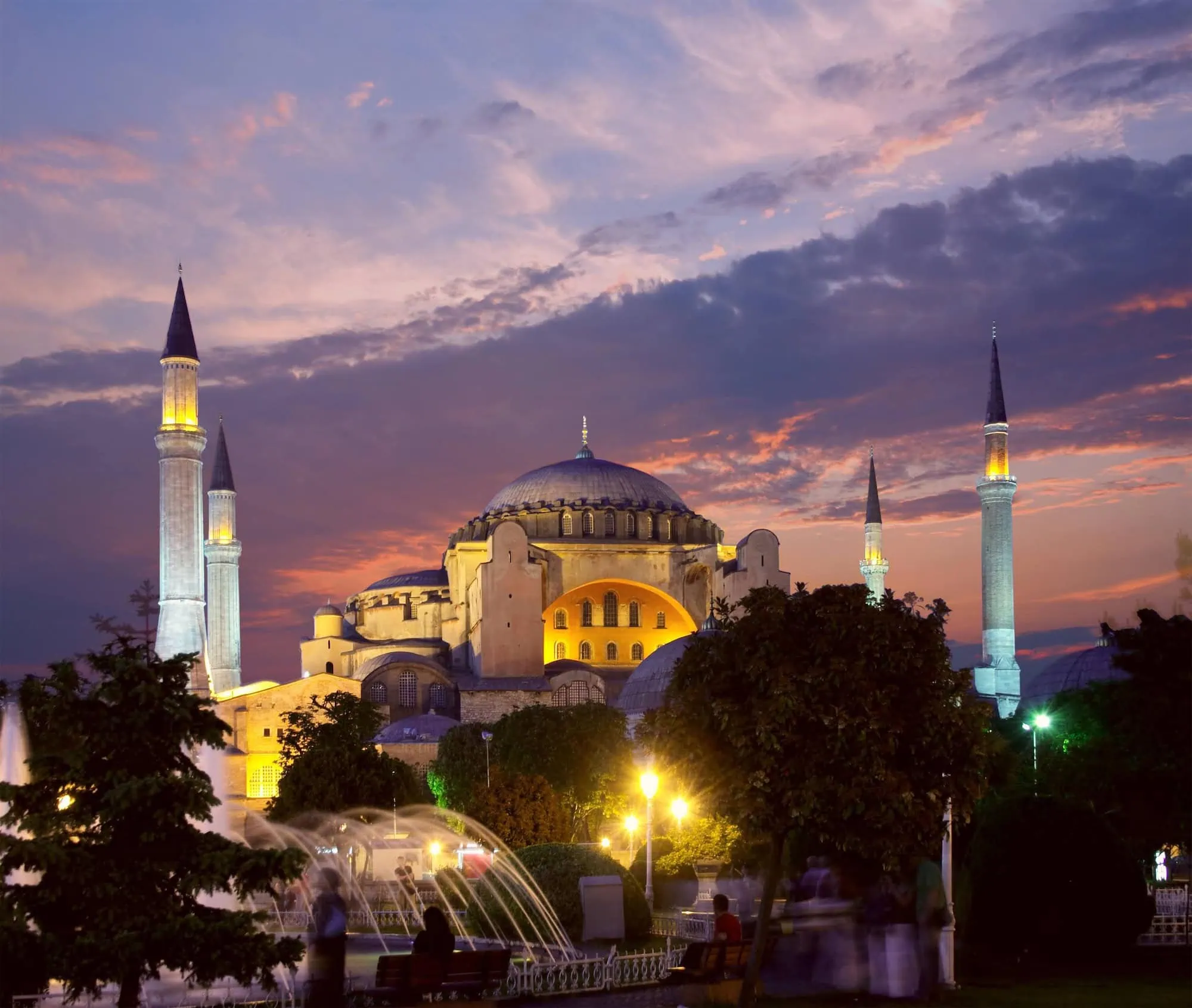
For nearly 1,500 years, Hagia Sophia has witnessed the rise and fall of empires while remaining one of the city’s most iconic landmarks. Built in just five years during the 6th century, it served as the world’s greatest cathedral for centuries before later becoming a mosque and, today, a globally recognized cultural monument.
Hagia Sophia can be included in our Luxury Egypt & Turkey Tours, where Istanbul’s most important historical sites are combined with Egypt’s ancient wonders for a deeply enriching travel experience.
What makes this structure so remarkable is not only its vast dome and intricate mosaics, but also how it reflects the layered identity of Istanbul—a city that bridges Europe and Asia. Located in Sultanahmet Square, it remains one of the most visited and admired architectural achievements in the world.
Whether you’re visiting for the first time or exploring its deeper historical significance, Hagia Sophia offers an unforgettable journey through centuries of cultural and religious transformation.
Table of Contents
Engineering Marvel That Changed Architecture Forever
The Hagia Sophia’s revolutionary construction techniques transformed how architects approached monumental buildings. When Anthemius of Tralles and Isidorus of Miletus began work in 532 CE, they faced an unprecedented challenge: creating a dome larger than any previous structure while maintaining structural integrity. Their solution involved pendentives – curved triangular sections that elegantly transfer the dome’s massive weight to four supporting pillars below.
The Dome That Defied Gravity
Standing beneath the central dome creates an almost mystical experience. The structure soars 55.6 meters (182 feet) above the floor with a diameter of 31 meters (102 feet), creating an interior space that feels simultaneously intimate and infinite. Forty windows around the dome’s base allow natural light to flood the interior, creating what visitors often describe as an ethereal glow that changes throughout the day.
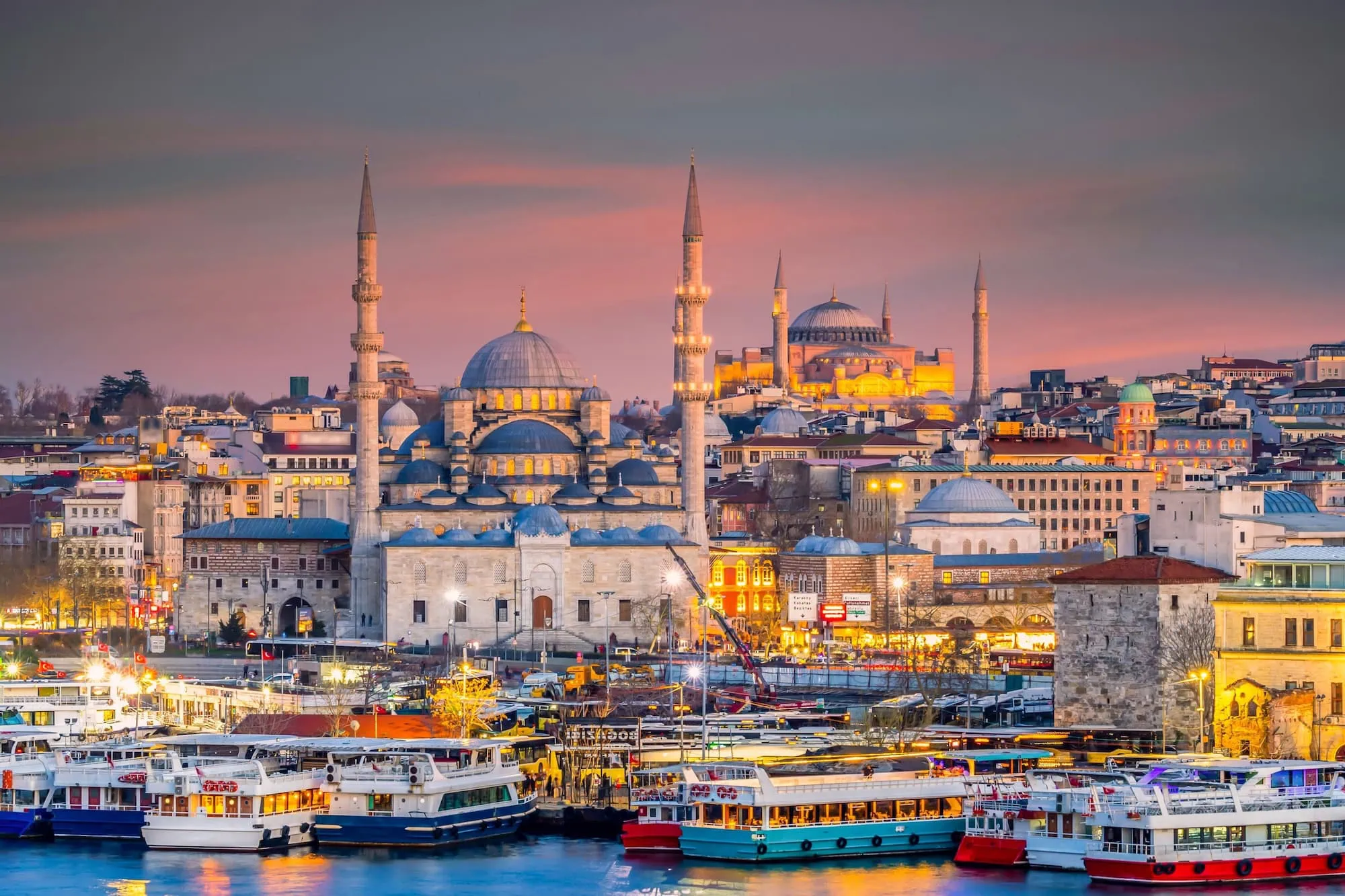
The dome’s construction required exceptional engineering precision. Byzantine builders used progressively lighter materials as they built upward – heavy stone at the base transitioning to lighter brick and finally hollow clay pots at the dome’s apex. This innovative approach distributed weight more effectively than any previous design.
Marble Columns from Ancient Temples
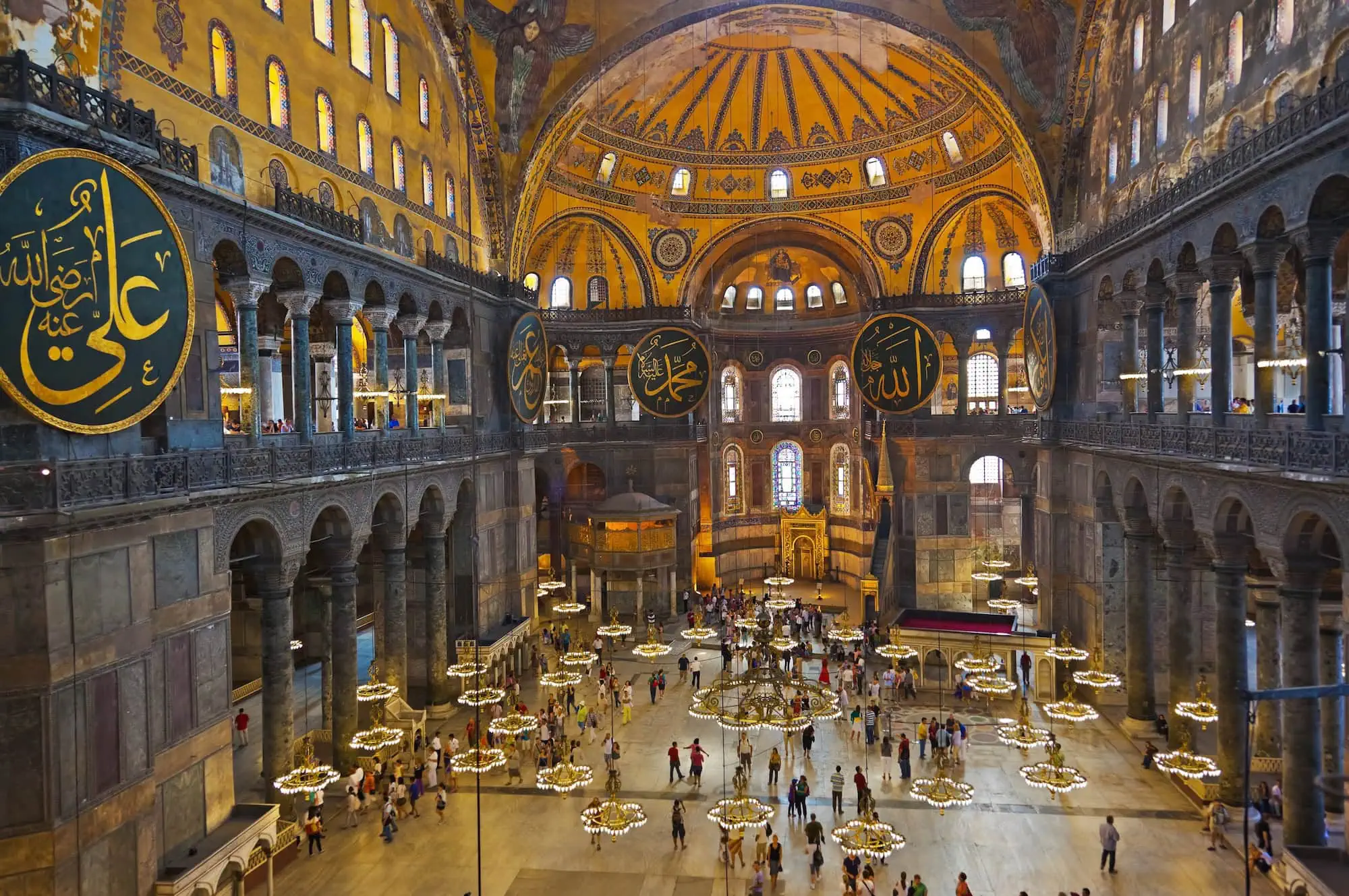
Walking through the nave, you’ll notice the 104 columns supporting the galleries and upper structures come from various sources across the Byzantine Empire. Purple porphyry columns originated from Egypt’s ancient quarries, while green marble specimens arrived from Thessaly in Greece. These weren’t random selections – Justinian specifically chose columns from pagan temples, symbolically incorporating the classical world into his Christian masterpiece.
Pendentive Innovation
The building’s most significant architectural contribution lies in its pendentive system. Before the Hagia Sophia, architects struggled to place circular domes on square foundations. The pendentives solved this challenge so elegantly that virtually every major domed structure built afterward adopted similar principles. Even today, engineers study these 6th-century innovations when designing modern civic buildings and sports arenas.
From Byzantine Cathedral to Ottoman Mosque
The Hagia Sophia’s transformation reflects Istanbul’s complex religious and political evolution through fourteen centuries. Originally dedicated as the Church of Holy Wisdom in 537 CE, it served as Eastern Christianity’s most important cathedral until Sultan Mehmed II conquered Constantinople in 1453.
Justinian’s Vision Realized
Emperor Justinian I commissioned the cathedral as part of his ambitious plan to restore the Roman Empire’s former glory. The project consumed the empire’s resources for five years, with over 10,000 workers contributing to its construction. When completed, Justinian reportedly declared, “Solomon, I have outdone thee!” – referencing the biblical Temple of Jerusalem.
The original interior featured extensive Christian iconography, including massive crosses and elaborate mosaic depictions of Christ, the Virgin Mary, and various saints. Gold and silver tesserae created shimmering surfaces that reflected candlelight, transforming the interior into what contemporary observers described as a vision of heaven itself.
Ottoman Adaptations
Following the conquest, Sultan Mehmed II immediately ordered the cathedral’s conversion to a mosque. Rather than destroying existing decorations, Ottoman architects covered Christian imagery with plaster and added Islamic elements. Four elegant minarets rose around the building’s perimeter, while a mihrab indicating Mecca’s direction was installed in the southeast wall. Large circular calligraphy panels bearing the names of Allah, Muhammad, and the first four Caliphs were suspended from the main dome.
These additions created an fascinating architectural dialogue between Christian and Islamic traditions. The building’s fundamental Byzantine structure remained unchanged, but Ottoman elements transformed its spiritual function and visual impact.
Art Treasures Hidden and Revealed
Christianity’s most spectacular mosaic program once adorned the Hagia Sophia’s interior surfaces. Although many mosaics remain covered by Islamic-era plaster, those visible today offer glimpses into Byzantine artistic mastery that influenced religious art for centuries.
The Deesis Mosaic
Located in the south gallery, the Deesis mosaic depicts Christ flanked by the Virgin Mary and John the Baptist. Created during the 13th century following Constantinople’s temporary recapture by Byzantine forces, this masterpiece demonstrates how Byzantine artists achieved unprecedented emotional expression through tesserae placement. Each face conveys subtle psychological depth rarely matched in medieval art.
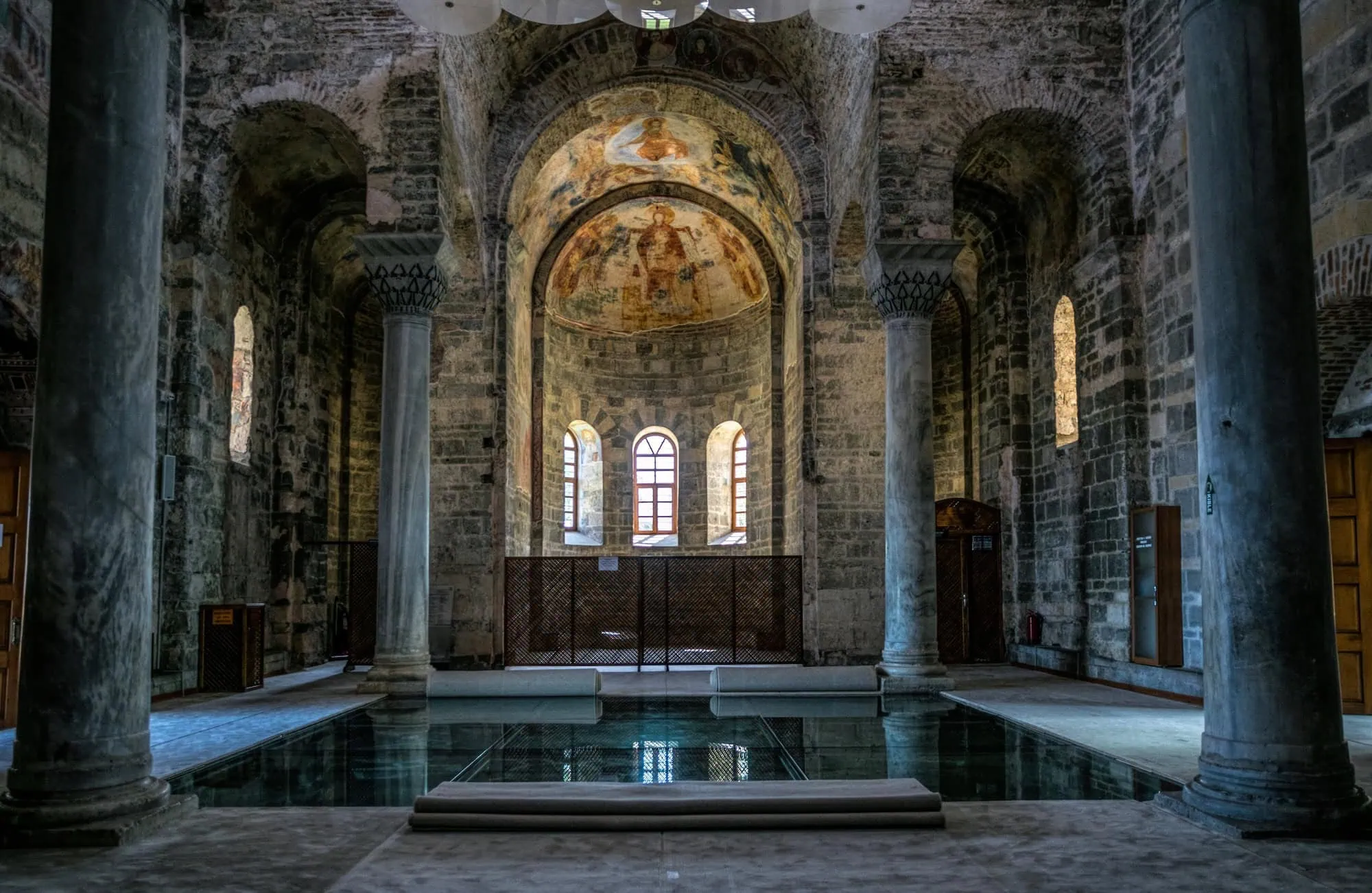
The mosaic’s technical excellence becomes apparent upon close examination. Artists used thousands of tiny glass and stone pieces to create smooth skin tones and realistic facial features. Gold backgrounds symbolize divine light while contributing to the composition’s otherworldly atmosphere.
Imperial Portraits and Sacred Scenes
The southwest entrance vestibule contains a striking mosaic showing Leo VI the Wise prostrating before Christ. This 9th-century work emphasizes imperial submission to divine authority – a theme central to Byzantine political theology. Meanwhile, the apse mosaic depicts the Virgin and Child, installed following iconoclasm’s end in 843 CE when religious images returned to church decoration.
These surviving examples represent a fraction of the original mosaic program. Historical accounts describe extensive narrative cycles covering biblical scenes, imperial ceremonies, and theological concepts. Future restoration work may reveal additional mosaics currently hidden beneath Ottoman plaster layers.
Visiting Istanbul’s Most Complex Monument
Planning your Hagia Sophia visit requires understanding current access procedures and the building’s unique status as an active mosque. Since 2020, the building has functioned as a working mosque while remaining open to tourists during specified hours outside prayer times.
Entry to the Hagia Sophia is free, making it one of Istanbul’s most accessible major attractions. The building opens to tourists from 9:00 am (09:00) to 5:00 pm (17:00) daily, with closures during the five daily prayer times. Friday visits require extra patience as the mosque hosts weekly congregational prayers.
Best Times for Photography
Morning light entering through the dome’s windows creates optimal photographic conditions between 10:00 am (10:00) and 12:00 pm (12:00). The interplay of natural light with interior surfaces produces dramatic effects impossible to replicate artificially. Late afternoon visits between 3:00 pm (15:00) and 4:30 pm (16:30) offer different lighting angles that highlight architectural details often obscured during midday hours.
Exploring the Galleries
Don’t miss the upper galleries, accessible via a ramp that winds through the building’s massive supports. The south gallery houses the most important surviving mosaics while providing elevated perspectives of the main floor. From these vantage points, visitors gain better appreciation for the building’s scale and proportional relationships.
The north gallery offers views of Islamic calligraphy panels and Ottoman architectural additions. Here, the cultural layering becomes most apparent as Byzantine columns support Ottoman renovations beneath a dome that has sheltered both Christian and Islamic worship.
Respectful Visit Guidelines
As an active mosque, the Hagia Sophia requires modest dress – long pants for everyone, covered shoulders, and headscarves for women (available at the entrance). Shoes must be removed before entering the main prayer area, though shoe covers are provided for tourists. Photography is permitted but flash usage is prohibited to preserve the mosaics.
During prayer times, portions of the building become inaccessible to tourists. We recommend checking current prayer schedules before arrival to maximize your visit time. The experience of witnessing prayers in this ancient space offers profound insights into the building’s living religious tradition.
The Ongoing Cultural Heritage Debate
The Hagia Sophia’s 2020 reconversion from museum to mosque sparked international discussions about cultural ownership, religious freedom, and heritage preservation. UNESCO expressed concern about the decision’s impact on the site’s World Heritage status, while various governments and cultural organizations offered differing perspectives on the building’s appropriate function.
This debate reflects broader questions about how multicultural societies should approach monuments representing multiple religious and cultural traditions. The building simultaneously represents Christian architectural achievement, Islamic cultural adaptation, and secular museum principles. Each interpretation carries legitimate historical and contemporary significance.
Turkey’s approach emphasizes the building’s current function as an active place of worship while maintaining tourist access and mosaic preservation. Critics argue that museum status better served the monument’s universal heritage value, while supporters contend that returning religious function honors the building’s primary historical purpose.
These discussions will likely continue as societies worldwide grapple with similar questions about contested heritage sites. The Hagia Sophia serves as a compelling case study in how modern nations balance religious needs, cultural preservation, and international heritage obligations.
Architectural Legacy Across Centuries
The Hagia Sophia’s influence extends far beyond Istanbul’s borders, inspiring architects and rulers across multiple continents and cultures. Its structural innovations and aesthetic principles shaped religious architecture from Russia to Spain, creating a visual vocabulary that remains recognizable today.
Byzantine Influence in Eastern Christianity
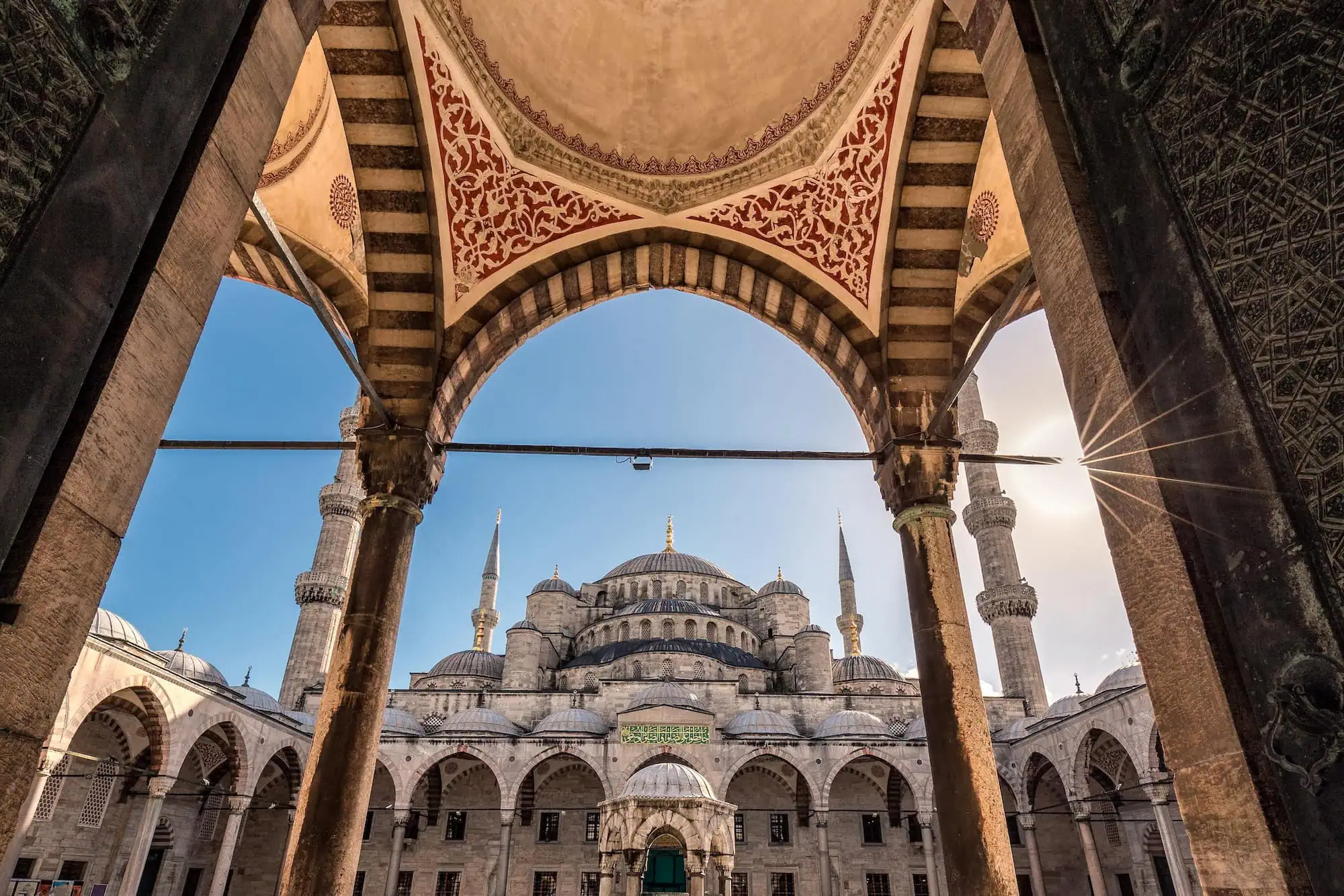
Orthodox churches throughout Eastern Europe adopted the Hagia Sophia’s architectural language. The Blue Mosque, built directly across from the Hagia Sophia in the early 17th century, deliberately echoes its proportions and dome arrangement while adding distinctly Ottoman elements. Russian church architecture, from Moscow’s Cathedral of Christ the Savior to St. Petersburg’s St. Isaac’s Cathedral, shows clear Hagia Sophia influence in their dome systems and interior arrangements.
These churches adapted Byzantine principles to local building traditions and climate requirements, creating regional variations that maintained the original’s spiritual impact while addressing practical local needs.
Ottoman Imperial Mosque Design
Following the conquest, Ottoman architects studied the Hagia Sophia intensively before designing new imperial mosques. Mimar Sinan, the empire’s greatest architect, explicitly sought to surpass the Hagia Sophia’s achievements in his masterwork, the Süleymaniye Mosque. While Sinan’s design achieved greater structural refinement, he acknowledged the Hagia Sophia as his primary inspiration and the standard against which all subsequent Ottoman mosques would be measured.
The building’s integration of structural engineering with spiritual atmosphere became a template for Islamic architecture across the Ottoman domains. From the Balkans to North Africa, mosque designers incorporated lessons learned from studying Justinian’s masterpiece.
Modern Architectural Recognition
Contemporary architects continue finding inspiration in the Hagia Sophia’s space-making principles. The building’s ability to create intimate human scale within monumental proportions influences modern civic buildings, sports stadiums, and concert halls. Its lighting strategies, using natural light to enhance interior atmosphere, inform sustainable building design approaches.
The pendentive system developed here appears in countless modern structures requiring large, unobstructed interior spaces. Understanding the Hagia Sophia’s engineering solutions provides insights valuable for contemporary structural challenges.
Planning Your Istanbul Journey
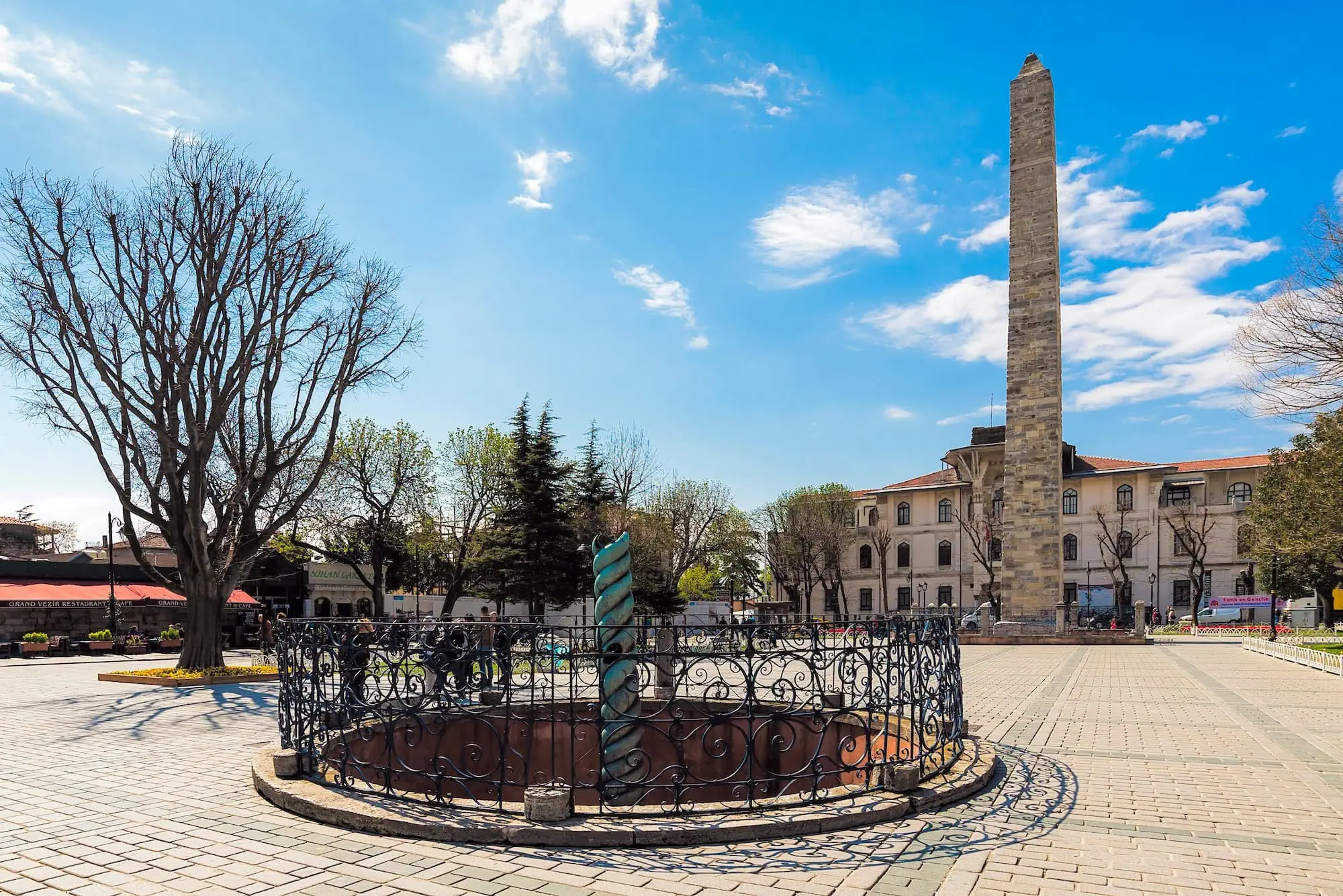
The Hagia Sophia forms the centerpiece of Istanbul’s Historic Peninsula, surrounded by other world-class attractions within walking distance. Sultanahmet Square, which fronts the building, also provides access to the Blue Mosque, Topkapi Palace, and the Basilica Cistern.
For those seeking a comprehensive understanding of Istanbul’s layered history, we recommend allocating at least two hours for the Hagia Sophia visit itself, allowing time for both the main floor and upper galleries. Combined with nearby attractions, a full day in the Sultanahmet area provides excellent introduction to the city’s Byzantine and Ottoman heritage.
The most enriching approach involves understanding the building’s context within Istanbul’s broader historical narrative. Our expert guides help visitors connect the Hagia Sophia’s story with the city’s development across multiple civilizations, revealing how this single monument reflects the complex cultural currents that have shaped modern Turkey.
Frequently Asked Questions
Construction began in 532 CE under Emperor Justinian I and completed in 537 CE, taking just five years to build.
Yes, entry is completely free as it functions as an active mosque, though donations are welcomed for maintenance.
The building opens to visitors from 9:00 am to 5:00 pm daily, closing during five daily prayer times.
Many mosaics remain visible, particularly in the upper galleries, while others stay covered by Islamic-era plaster for preservation.
Yes, long pants and covered shoulders are required for everyone, with headscarves needed for women entering the prayer areas.
Allow 2-3 hours to properly explore both the main floor and upper galleries with their important mosaic collections.
While official tours operate during certain periods, independent exploration with audio guides or private guides offers more flexibility.
Early morning visits between 9:00-10:00 am typically offer the most peaceful experience with optimal lighting conditions.
Photography is permitted throughout the interior, but flash photography is prohibited to protect the ancient mosaics.
Absolutely – the galleries house the most important surviving mosaics and provide unique architectural perspectives of the main space.
The Blue Mosque, Topkapi Palace, and Basilica Cistern are all within a 5-minute walk in Sultanahmet Square.
Tourist access is scheduled around prayer times, with clear areas designated for worship and visiting during operating hours.
Design Your Custom Tour
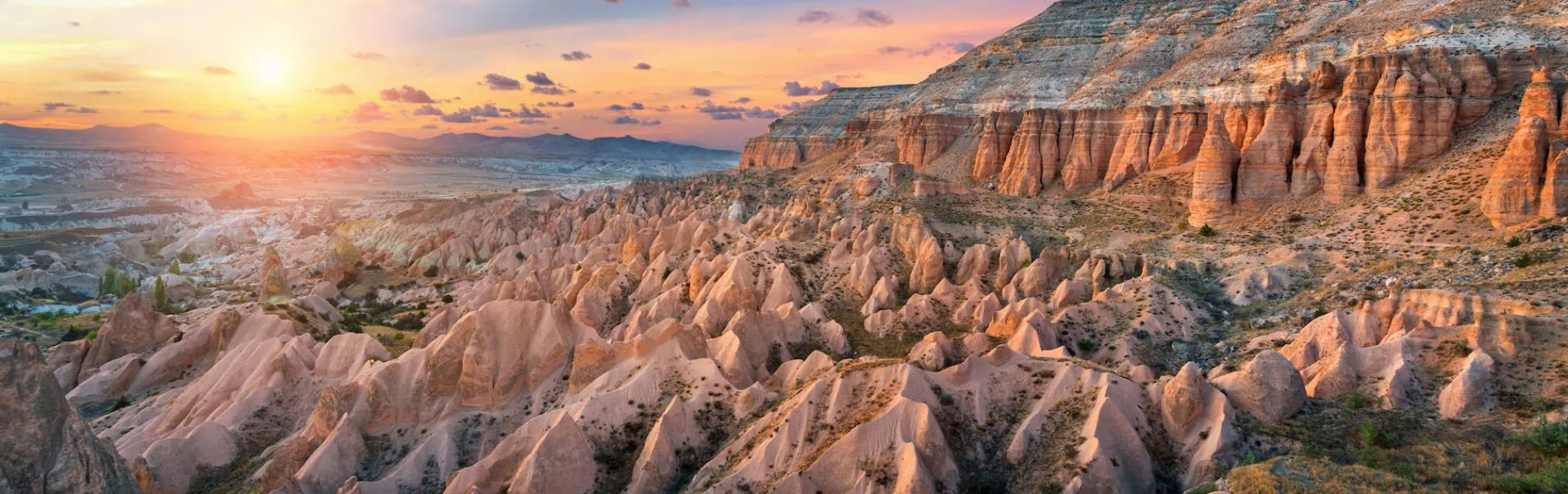
Explore Egypt and Turkey your way by selecting only the attractions you want to visit