

Bodrum Underwater Archaeology Museum In Western Turkey
Ancient shipwrecks tell stories the land cannot.
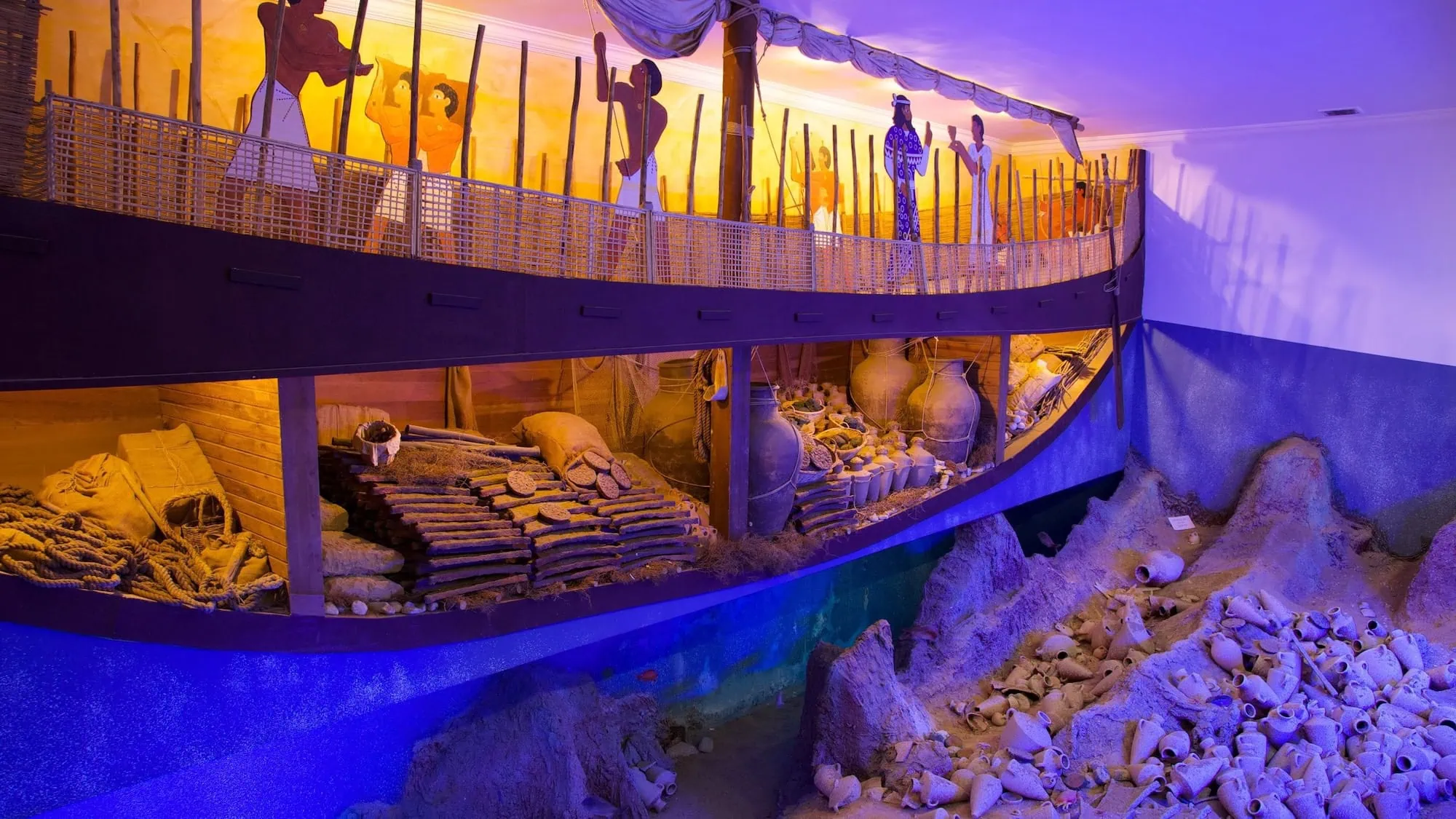
The Bodrum Museum of Underwater Archaeology stands as one of the world’s leading institutions dedicated to maritime history, located within the historic St. Peter’s Castle. This unique setting enhances the experience, combining centuries-old architecture with extraordinary underwater discoveries from the Aegean and Mediterranean seas.
Bodrum Museum of Underwater Archaeology can be included in our Combined Egypt and Turkey Tours, where Turkey’s coastal heritage is combined with its ancient landmarks and Egypt’s iconic historical sites.
With more than 300,000 visitors each year exploring its 14 specialized galleries, the museum offers deep insight into ancient trade routes, shipbuilding techniques, and life at sea. What makes this destination truly exceptional is not only its collection, but the powerful stories these artifacts reveal about human exploration and cultural exchange across civilizations.
Table of Contents
The Castle That Became a Museum
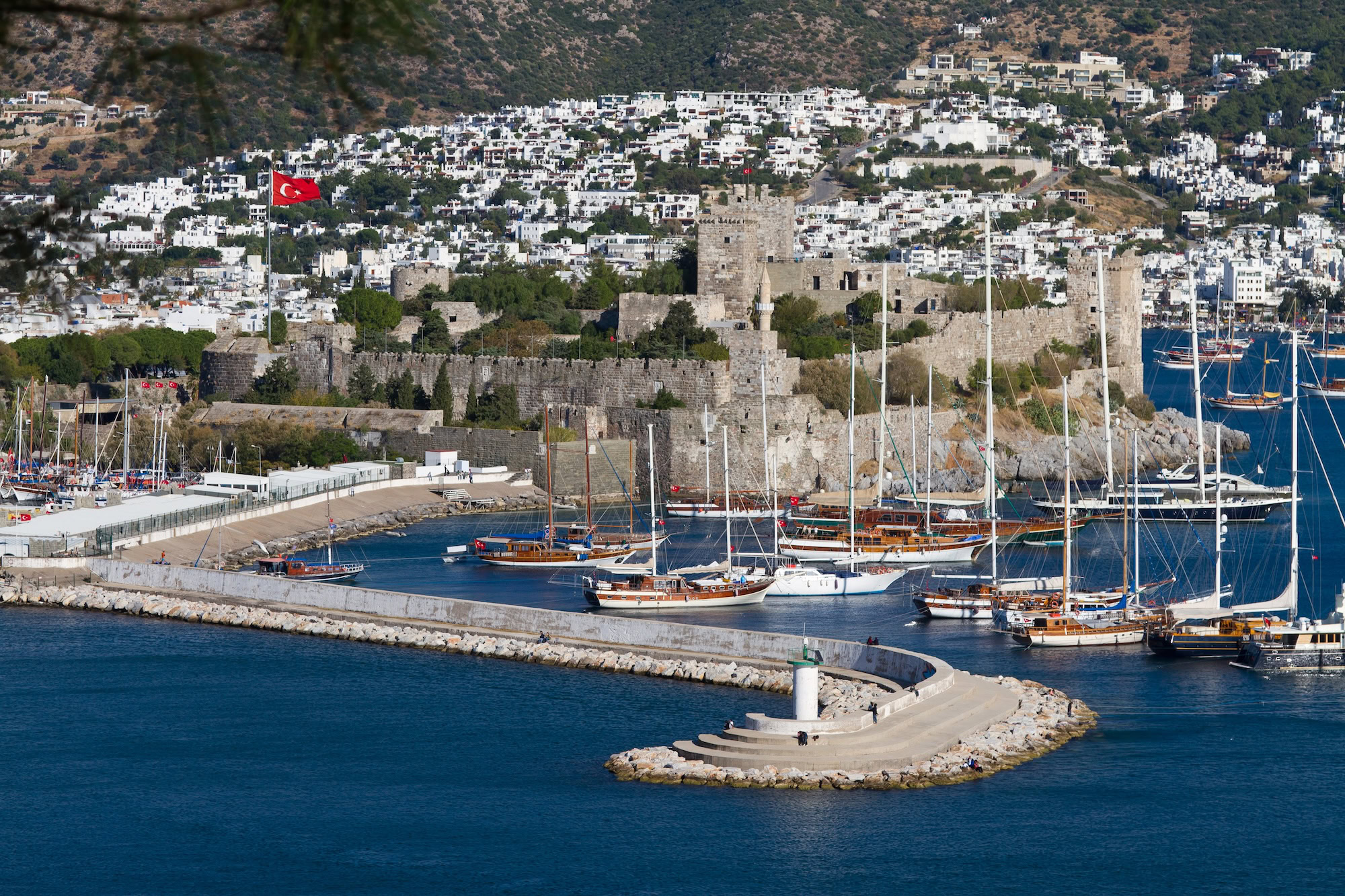
St. Peter’s Castle provides an extraordinary backdrop for one of Turkey’s most significant cultural institutions. Built by the Knights Hospitaller in the 15th century using stones from the ancient Mausoleum at Halicarnassus, the castle itself represents layers of history spanning millennia.
From Fortress to Cultural Institution
The transformation began in the 1960s when George Bass and his team established the Institute of Nautical Archaeology here. What started as a storage facility for underwater archaeological finds gradually evolved into a world-class museum.
The castle’s towers and courtyards now house specialized galleries, each designed to showcase different aspects of maritime heritage. The English Tower focuses on Bronze Age discoveries, while the French Tower displays medieval glass artifacts.
This thoughtful distribution across the castle’s various sections creates an immersive journey through maritime history.
Architectural Significance
The castle’s strategic position overlooking Bodrum’s twin harbors made it an ideal location for both its original defensive purpose and its current role as a museum. Visitors can explore not only the archaeological collections but also the castle’s own fascinating architecture, including its underground dungeons and defensive walls.
Extraordinary Shipwreck Discoveries
The Uluburun Shipwreck represents one of the most significant archaeological discoveries of the 20th century. Dating to the 14th century BCE, this Bronze Age vessel carried cargo from across the known world, demonstrating the sophisticated trade networks of ancient civilizations.
The Uluburun Revelation
Discovered off the coast of Turkey in 1982, the Uluburun shipwreck contained the oldest known shipwreck cargo ever recovered. The vessel carried ten tons of copper ingots, ivory tusks, ostrich eggshells, and glass ingots – evidence of trade connections spanning from the Baltic to Africa.
Reconstruction of this ancient merchant vessel and its cargo tells a remarkable story of international commerce 3,400 years ago. The meticulous excavation took 11 years to complete, with archaeologists making over 22,000 dives to recover and document every artifact.
This dedication to scientific methodology established new standards for underwater archaeology.
Medieval Maritime Treasures
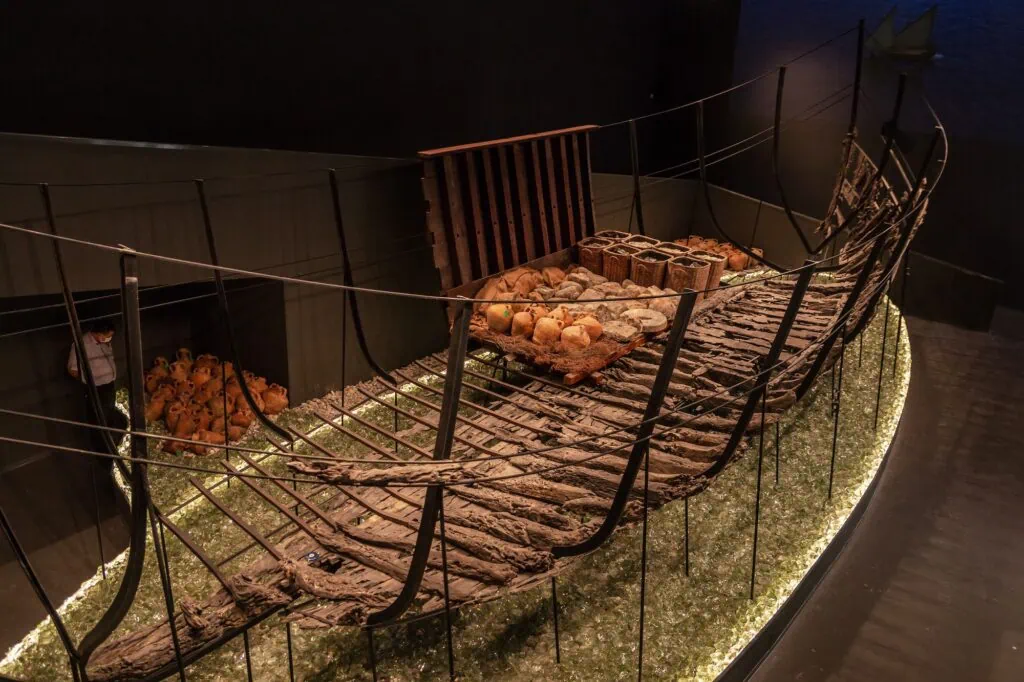
The Serçe Limani Shipwreck, dating to around 1025 CE, provides insight into medieval Islamic glassmaking and trade. This 11th-century vessel carried the largest collection of medieval Islamic glass ever discovered, including raw glass, finished vessels, and glassmaking tools.
The ship’s cargo demonstrates the sophisticated glass industry that flourished in the medieval Islamic world.
Glass Hall Exhibition
The Glass Wreck Hall houses the reconstructed remains of the Serçe Limani vessel alongside its remarkable cargo of glass artifacts. Visitors can observe how medieval merchants transported both raw materials and finished products across the Mediterranean.
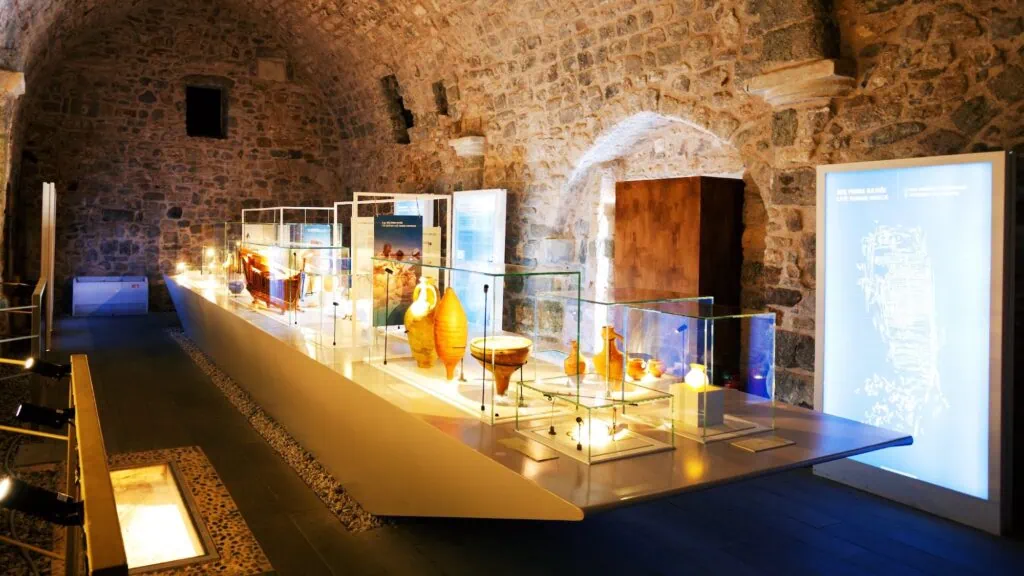
The preservation techniques used here showcase cutting-edge conservation methods that have become models for museums worldwide. The hall’s design allows visitors to walk around the actual ship remains while viewing the artifacts in context, creating an immersive understanding of medieval maritime commerce.
Specialized Collections and Exhibitions
Beyond the famous shipwrecks, the museum houses diverse collections spanning multiple millennia of maritime activity. The amphora gardens display hundreds of ceramic vessels used for transporting wine, oil, and other goods across ancient seas.
These everyday objects reveal patterns of trade, consumption, and cultural exchange that shaped Mediterranean civilizations. Bronze Age artifacts from various underwater sites demonstrate technological advancement and artistic achievement.
Weapons, tools, jewelry, and religious objects recovered from shipwrecks provide intimate glimpses into the lives of ancient seafarers and the societies they served. The numismatic collection includes coins recovered from shipwreck sites, offering insights into economic systems and trade relationships.
Some coins found aboard ancient vessels traveled far from their mints, highlighting the extensive reach of maritime commerce networks. Contemporary diving equipment and underwater archaeology tools explain how these treasures were discovered and recovered.
Interactive displays demonstrate the challenges and techniques involved in underwater excavation, from basic diving equipment to sophisticated remote sensing technologies.
Research and Conservation Excellence
The museum operates as an active research center, not merely a display facility. Conservation laboratories work continuously to preserve newly discovered artifacts using the latest scientific methods.
Visitors can often observe conservators at work through viewing windows, witnessing the delicate process of stabilizing and studying ancient materials.
Academic Partnerships
Collaborations with international universities and research institutions ensure the museum remains at the forefront of underwater archaeological research. Graduate students and researchers from around the world come here to study maritime archaeology techniques and examine unique collections.
The museum’s library and research archives contain extensive documentation of underwater excavations conducted in Turkish waters. These resources support ongoing scholarship and provide comparative data for underwater archaeological projects worldwide.
Visitor Experience and Practical Information
The museum opens daily from 8:30 am (08:30) to 7:00 pm (19:00) during summer months, with reduced winter hours from 8:30 am (08:30) to 5:00 pm (17:00). Entry fees are 60 Turkish Lira for adults, with discounts available for students and children.
Audio guides in multiple languages provide detailed explanations of major exhibits, while printed materials offer additional context for independent exploration. The museum shop stocks specialized books on underwater archaeology and maritime history, along with carefully crafted replicas of museum pieces.
Planning Your Visit
Allow at least three hours to explore the museum thoroughly. The castle’s multiple levels and outdoor areas require comfortable walking shoes and weather-appropriate clothing.
Summer visits can be particularly warm, so early morning or late afternoon visits are recommended during peak season. Photography is permitted in most areas, though flash photography may be restricted in certain galleries to protect sensitive artifacts.
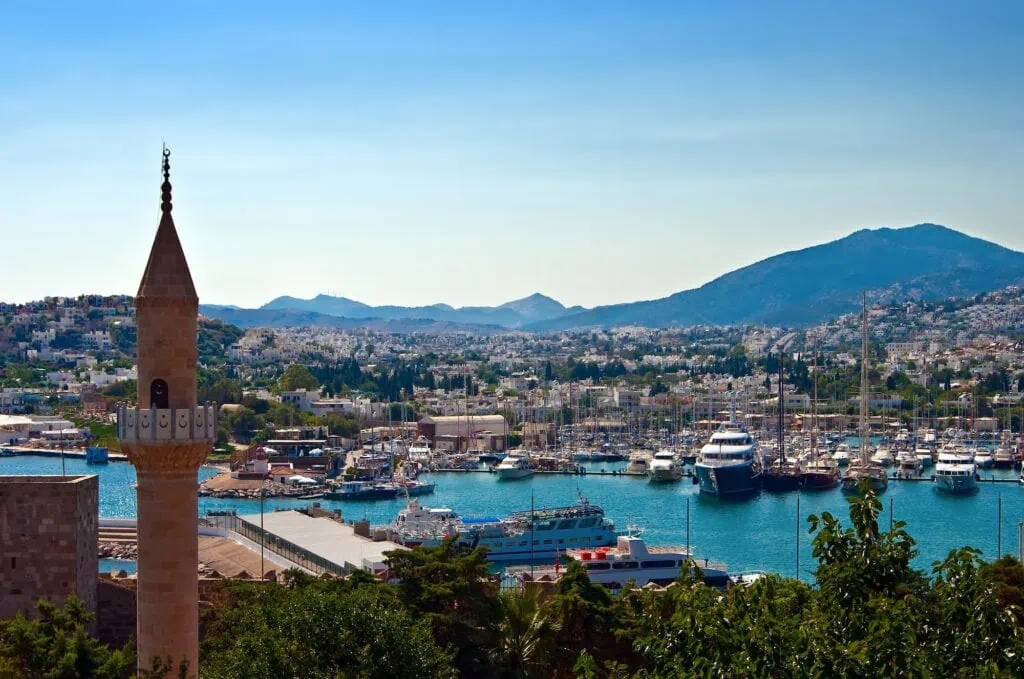
The museum’s elevated position within the castle provides excellent views over Bodrum’s harbor and coastline.
Educational Programs and Community Outreach
The museum offers specialized educational programs for schools and university groups, including hands-on workshops in archaeological techniques. These programs demonstrate proper excavation methods, artifact documentation, and conservation procedures.
Public lectures and symposiums regularly feature leading underwater archaeologists sharing recent discoveries and research findings. These events connect the museum with the broader archaeological community while educating the public about the importance of underwater cultural heritage protection.
Summer archaeology schools provide intensive training for students interested in pursuing careers in underwater archaeology. These programs combine classroom instruction with practical experience in diving and excavation techniques.
Future Developments and Ongoing Projects
Current excavation projects continue to add new discoveries to the museum’s collections. Recent work on Bronze Age and Roman-era shipwrecks promises to expand understanding of ancient maritime trade and technology.
These ongoing investigations demonstrate the museum’s commitment to advancing archaeological knowledge rather than simply displaying past discoveries. Plans for facility expansion include new galleries dedicated to recent finds and improved conservation laboratories.
These developments will enhance the museum’s capacity for both research and public education while maintaining its position as a world leader in underwater archaeology. Digital initiatives aim to make the collections more accessible to international audiences through virtual exhibitions and online databases.
These technological advances will extend the museum’s educational reach while preserving physical artifacts for future generations.
Frequently Asked Questions
Plan for 2-3 hours to see all galleries and explore the castle grounds thoroughly.
Yes, guided tours operate daily in English, Turkish, and several other languages during peak season.
Photography is allowed in most areas, but flash photography may be restricted in certain galleries.
Summer: 8:30 am (08:30) to 7:00 pm (19:00); Winter: 8:30 am (08:30) to 5:00 pm (17:00).
Some areas of the castle may be challenging to access due to historical architecture, though main galleries are generally accessible.
Tickets are available at the museum entrance or online through the official booking system.
A small cafe operates within the castle grounds offering refreshments and light meals.
Early morning or late afternoon visits typically offer a less crowded experience, especially during summer months.
Large bags may need to be stored in lockers at the entrance for security reasons.
The museum regularly hosts temporary exhibitions featuring recent archaeological discoveries and special research projects.
Limited parking is available nearby, though walking from Bodrum’s town center is recommended for the scenic harbor route.
Comfortable walking shoes are essential due to uneven stone surfaces and multiple levels throughout the castle.

Design Your Custom Tour
Explore Egypt and Turkey your way by selecting only the attractions you want to visit