

Galata Tower in Istanbul – The City’s Most Striking Landmark
Standing tall above the historic Galata district, this medieval marvel captures hearts at first sight.
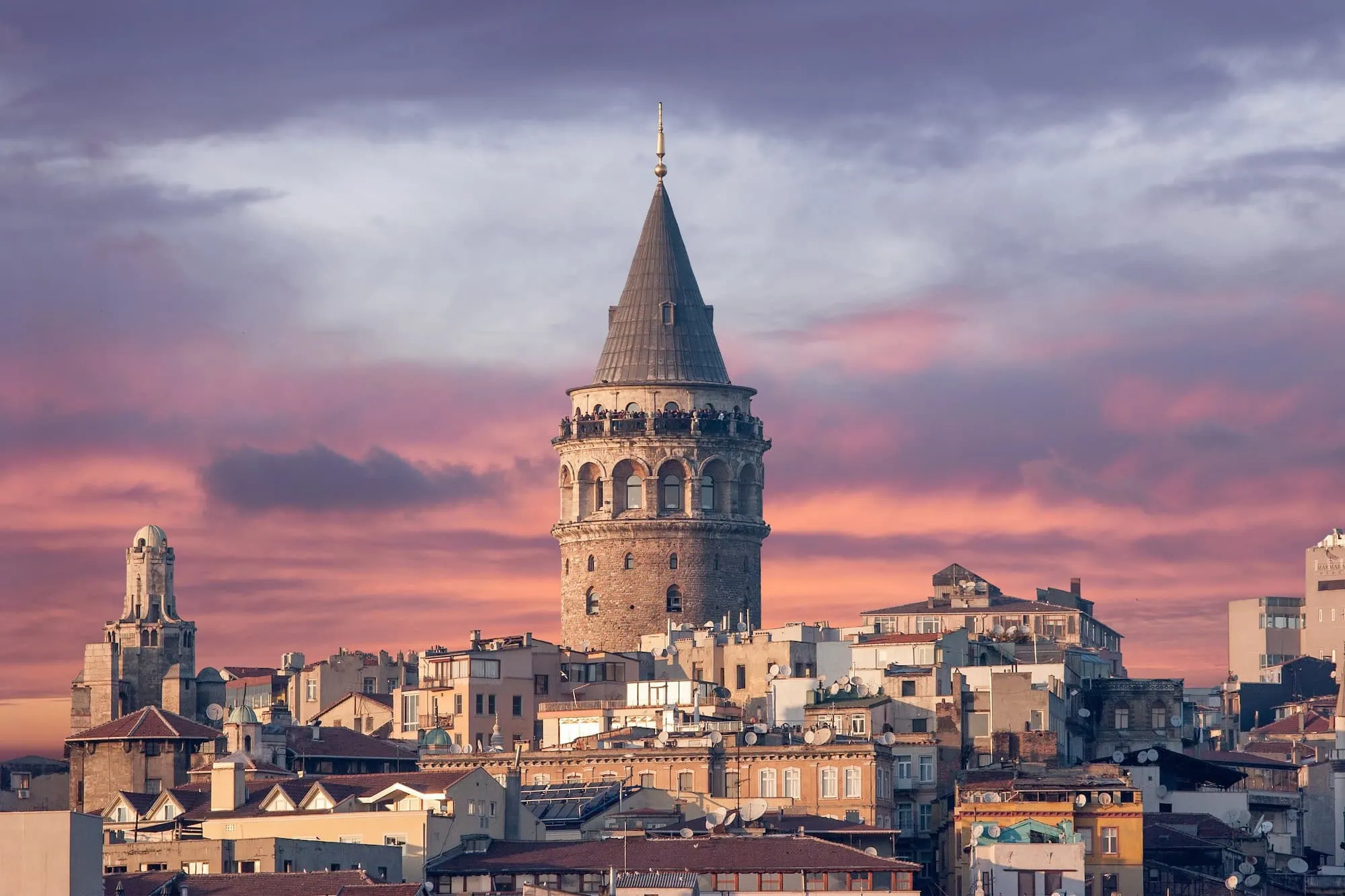
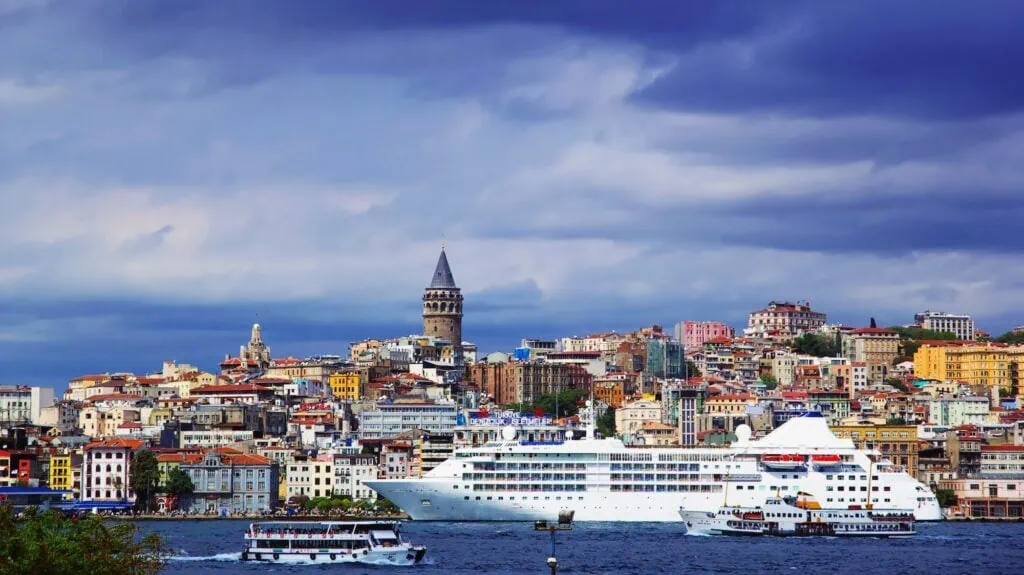
Rising 63 meters (207 feet) above the lively streets of Beyoğlu, the Galata Tower has watched over Istanbul for nearly seven centuries. Built in 1348 by Genoese merchants as part of their defensive walls, it originally served as a strategic lookout known as the “Tower of Christ.”
Galata Tower can be included in our Best Tours to Egypt and Turkey, where Istanbul’s iconic viewpoints are combined with its historic landmarks and Egypt’s ancient wonders for a truly memorable journey.
Today, the tower offers breathtaking 360-degree views stretching from the Golden Horn to the Bosphorus, making it one of the best vantage points in the city.
Whether you’re visiting for the first time or looking to experience Istanbul from a new perspective, Galata Tower remains an essential stop on any well-planned itinerary.
Table of Contents
From Medieval Fortress to Modern Museum
The tower’s journey through time tells the story of Istanbul itself.
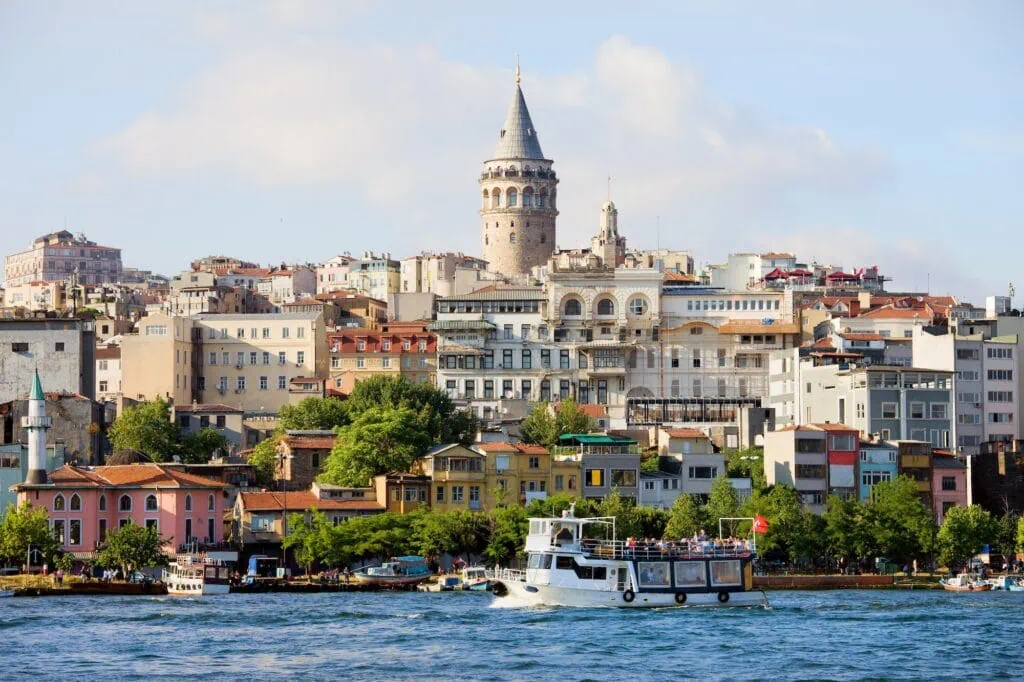
Genoese Origins and Byzantine Legacy
Construction began in 1348 when Genoese merchants controlled this strategic hilltop overlooking the Golden Horn. Known originally as “Christea Turris,” it served as the highest point of defensive walls that protected their thriving colony. The Romanesque architecture features thick stone masonry construction typical of medieval fortifications, built to withstand both siege warfare and the test of time.
During the Byzantine era, this location held a wooden tower, but the Genoese structure we see today represents medieval engineering at its finest. The conical roof and cylindrical design weren’t just aesthetic choices – they were practical solutions for defense and observation.
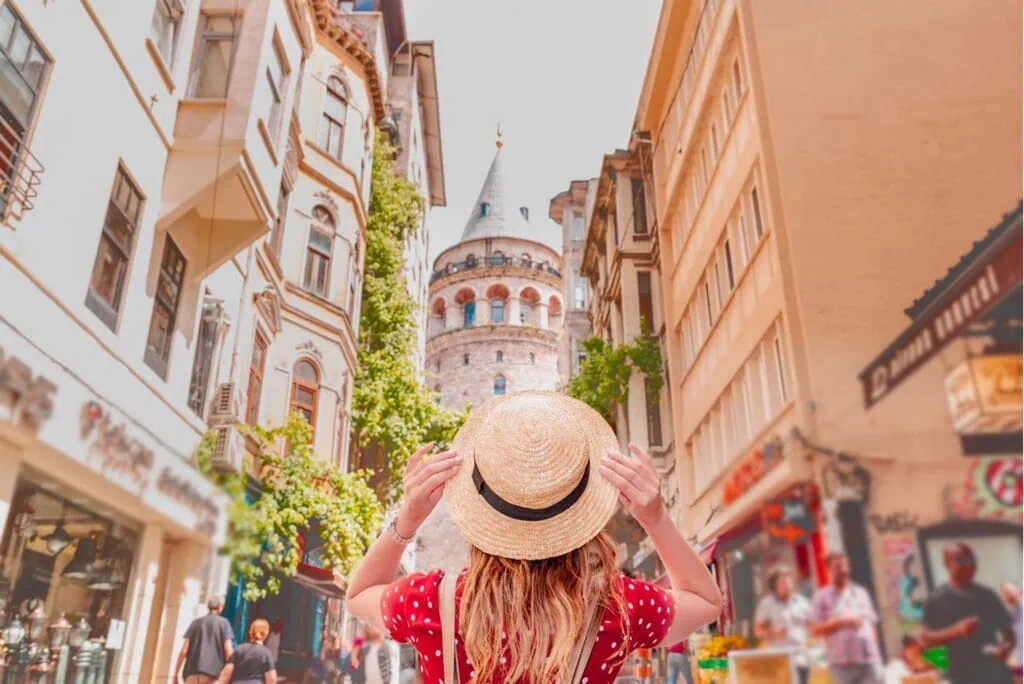
Ottoman Transformation
When Sultan Mehmed II conquered Constantinople in 1453, the tower gained new purpose under Ottoman rule. It became a fire watchtower, with guards scanning the city below for the telltale signs of smoke that could signal disaster in the wooden neighborhoods. This practical function continued for centuries, making the tower an integral part of Istanbul’s urban safety system.
The Ottomans also added their own architectural touches during various renovation periods, blending Islamic design elements with the original Genoese structure.
Modern Museum Experience
Following extensive restoration work completed in 2020, the tower now operates as a state-of-the-art museum and observation deck. Eleven floors, including the basement level, house exhibitions that bring the tower’s rich history to life through interactive displays and artifacts. Modern elevator access makes the journey to the top comfortable for visitors of all ages, though the original stone stairs remain visible as historical features.
Planning Your Perfect Visit
Smart planning transforms a good visit into an unforgettable experience.
The tower opens daily at 8:30 am (08:30) and typically closes at sunset, though hours may extend during summer months. Tickets cost 30 euros for adults, with reduced rates available for students and children. We recommend booking online in advance, as this popular attraction often sells out, especially during peak tourist seasons from April through October.
Early morning visits offer the best photography opportunities with softer lighting and fewer crowds. The golden hour before sunset provides magical views across the city, though expect larger crowds during these prime times. If you’re visiting during Ramadan or major Turkish holidays, check for adjusted operating hours.
Getting There and Nearby Attractions
The tower sits in the heart of the Galata neighborhood, easily accessible by public transportation. Take the Metro to Şişhane station and walk approximately 5 minutes uphill, or use the historic Galata Bridge approach for a more scenic route. Taxis can drop you near the base, though traffic in this area can be heavy during peak hours.
Combine your tower visit with exploring the charming cobblestone streets of Galata, filled with art galleries, cafes, and boutique shops. The nearby Galata Mevlevi Lodge Museum and the bustling Karaköy district offer additional cultural experiences within walking distance.
What to Expect During Your Visit
Your tower experience unfolds across multiple levels, each offering unique perspectives and discoveries.
Ground level welcomes visitors with a modern reception area and gift shop featuring locally crafted souvenirs and books about Istanbul’s history. Purchase your audio guide here – available in multiple languages – for deeper insights into the exhibits and panoramic views you’ll encounter above.
The journey upward reveals carefully curated exhibitions on each floor. Historical artifacts, interactive displays, and multimedia presentations trace the tower’s evolution from medieval fortress to modern landmark. Some floors feature temporary exhibitions that change seasonally, offering return visitors new experiences.
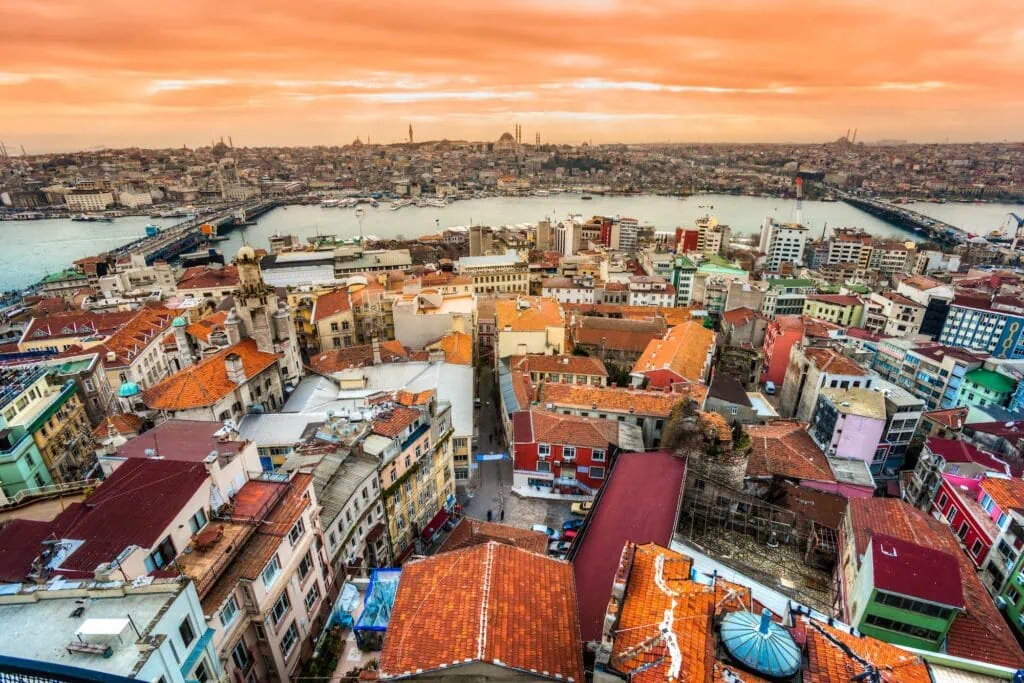
The observation deck crowns your visit with spectacular 360-degree views. On clear days, you can see across the Bosphorus to the Asian side of Istanbul, while the Golden Horn sparkles below. The European shoreline stretches toward the Black Sea, and iconic landmarks like Hagia Sophia and the Blue Mosque create a stunning skyline to the south.
Professional photography equipment is welcome, though tripods may be restricted during busy periods. The outdoor viewing platform provides unobstructed sightlines, while interior windows offer comfort during inclement weather.
Architectural Marvel and Historical Significance
This stone tower represents more than just impressive medieval construction – it embodies centuries of cultural fusion.
The 63-meter height wasn’t chosen randomly. This elevation provided optimal sight lines across both the Golden Horn waterway and the Bosphorus strait, essential for the tower’s original defensive purpose. The cylindrical design, measuring approximately 9 meters in diameter, offered maximum structural strength while minimizing material usage – brilliant medieval engineering that has withstood earthquakes, fires, and Ottoman siege warfare.
Romanesque architectural elements appear throughout the structure, from the thick stone walls to the arched windows that pierce each level. The copper-clad conical roof, restored during recent renovations, protects the interior while maintaining the tower’s iconic silhouette against Istanbul’s skyline.
The Legend of Hezarfen Ahmed Çelebi
One of the tower’s most famous historical moments involves Hezarfen Ahmed Çelebi, an Ottoman scholar who allegedly achieved human flight from the tower in the 17th century. According to historical accounts, he strapped on artificial wings and glided across the Bosphorus to land safely on the Asian shore – a feat that predated the Wright brothers by centuries. While historians debate the story’s accuracy, it adds romantic mystique to the tower’s already impressive legacy.
Maximizing Your Tower Experience
Best Times for Photography
Professional and amateur photographers find different advantages throughout the day. Morning light (9:00 am to 11:00 am) provides excellent clarity for distant landmarks, while the softer shadows enhance architectural details of the city below. Afternoon sessions capture the vibrant colors of Istanbul’s diverse neighborhoods, from the red-tiled roofs of Galata to the marble domes of major mosques.
Sunset photography requires patience and planning. Arrive at least 30 minutes before the scheduled sunset time to secure optimal positioning. The observation deck can become crowded during golden hour, so consider the trade-off between perfect lighting and comfortable shooting conditions.
Audio Guide Insights
The multilingual audio guide enhances understanding beyond basic historical facts. Commentary includes stories of daily life in medieval Galata, explanations of architectural techniques used in the tower’s construction, and identification of specific landmarks visible from each viewing angle. The guide also covers recent archaeological discoveries made during restoration work, including artifacts from the original Genoese settlement.
Weather Considerations
Istanbul’s climate affects visibility and comfort levels significantly. Spring months (March through May) offer excellent viewing conditions with mild temperatures and clear skies. Summer heat can create haze that obscures distant views, though early morning visits often provide crystal-clear panoramas. Winter visits reward hardy travelers with dramatic storm clouds and snow-dusted cityscapes, though bring warm clothing as the observation deck can be quite cold.
Rain doesn’t necessarily ruin the experience – interior viewing areas provide comfort, and dramatic weather often creates stunning photographic opportunities with moody skies over the Bosphorus.
Combining Your Visit with Istanbul Exploration
Walking Tour Connections
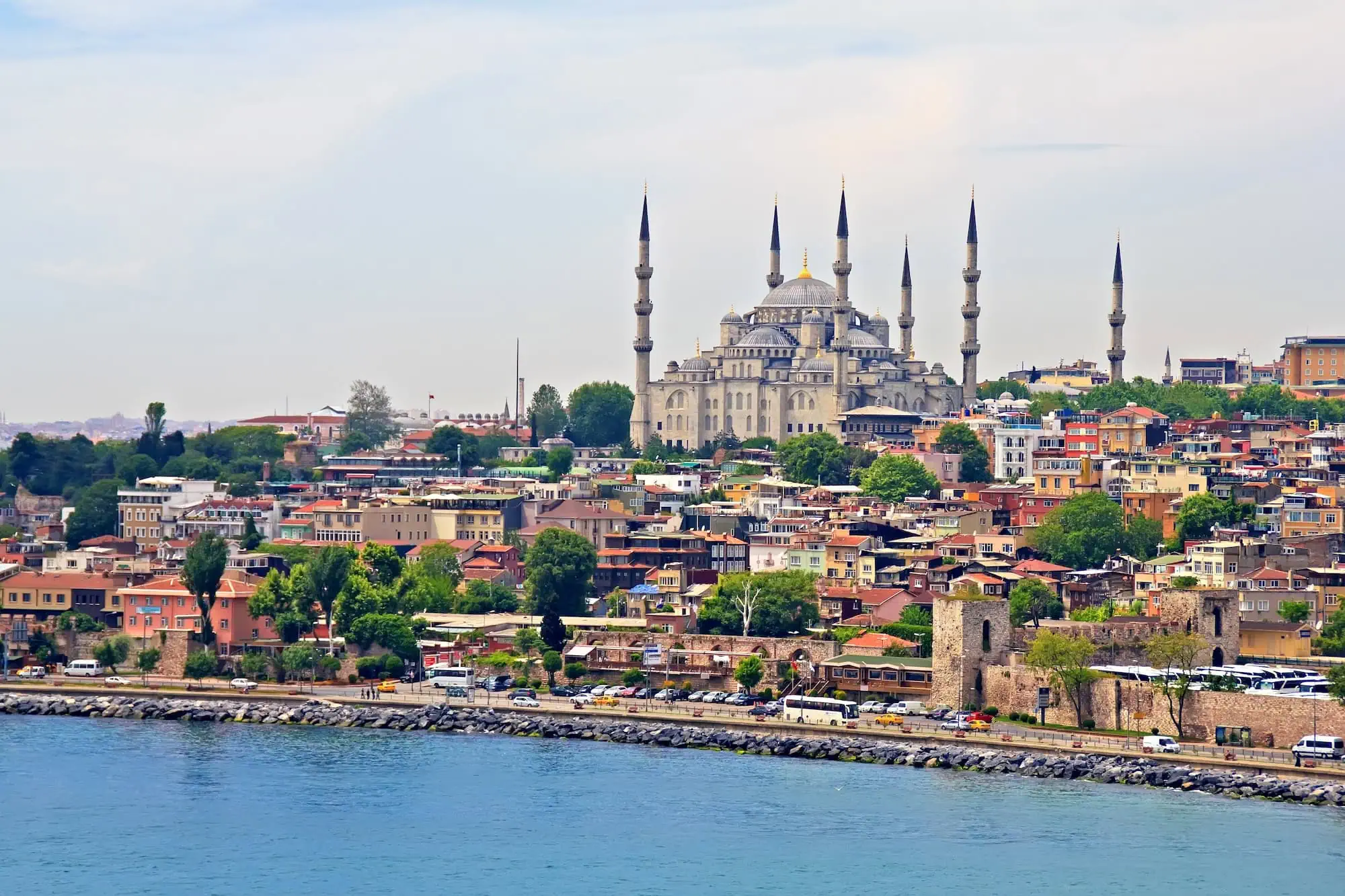
The tower serves as an excellent starting point for exploring Istanbul’s layered history. A 15-minute walk downhill leads to the Galata Bridge, where fishing boats bob alongside ferries crossing the Golden Horn. Continue across the bridge to reach the historic Sultanahmet district, home to Hagia Sophia, the Blue Mosque, and Topkapi Palace.
Alternatively, head north through Galata’s winding streets to reach the trendy Karaköy neighborhood, known for its contemporary art galleries and waterfront dining. The area around the tower itself rewards exploration, with hidden courtyards and Ottoman-era buildings tucked between modern shops and cafes.
Museum Pass Compatibility
The Istanbul Museum Pass provides access to the tower along with over 60 other attractions throughout the city. Valid for five consecutive days, this pass offers significant savings for visitors planning to explore multiple museums and historical sites. Purchase passes at the tower entrance or major tourist information centers.
We recommend starting your museum pass period with the Galata Tower visit, then using remaining days for attractions like the Archaeological Museums, Dolmabahçe Palace, and the underground Basilica Cistern.
Transportation Tips
Public transportation connects the tower efficiently to all major Istanbul districts. The M2 metro line stops at Şişhane station, providing direct access from Taksim Square and connections to other metro lines. Ferry services from Karaköy pier offer scenic approaches via the Golden Horn, perfect for visitors staying in Sultanahmet or other European shore neighborhoods.
Consider purchasing an Istanbul Card for seamless public transportation access. These rechargeable cards work on metros, buses, ferries, and trams throughout the city, eliminating the need for individual ticket purchases.
Frequently Asked Questions
Allow 60-90 minutes for a complete experience, including exhibitions and observation time, though photography enthusiasts may want 2+ hours.
Yes, but online advance booking is strongly recommended, especially during spring and summer months when daily capacity often sells out.
Modern elevators provide access to all exhibition levels and the observation deck, making the tower fully wheelchair accessible.
Professional cameras are welcome, though large tripods may be restricted during peak visiting times for safety and crowd management.
Early morning hours (8:30 am to 10:00 am) typically offer the best visibility and atmospheric conditions for long-distance viewing.
Yes, modern restroom facilities are located on multiple floors within the tower.
No specific dress code applies, though comfortable walking shoes are recommended for exploring the exhibition levels.
Tickets allow single entry only, so plan to complete your entire visit in one session.
The immediate area offers numerous cafes and restaurants within a 2-minute walk, ranging from traditional Turkish cuisine to international options.
Peak crowding occurs between 2:00 pm and 6:00 pm, especially on weekends and holidays. Early morning or late afternoon visits provide more comfortable conditions.
Small lockers are available, but space is limited. Large luggage should be stored at your hotel before visiting.
The tower welcomes families, with safety barriers on the observation deck and child-friendly exhibition content throughout the museum levels.
Design Your Custom Tour
Explore Egypt and Turkey your way by selecting only the attractions you want to visit